
Upcoming Event
NEWS
Technology Workshop April 2025
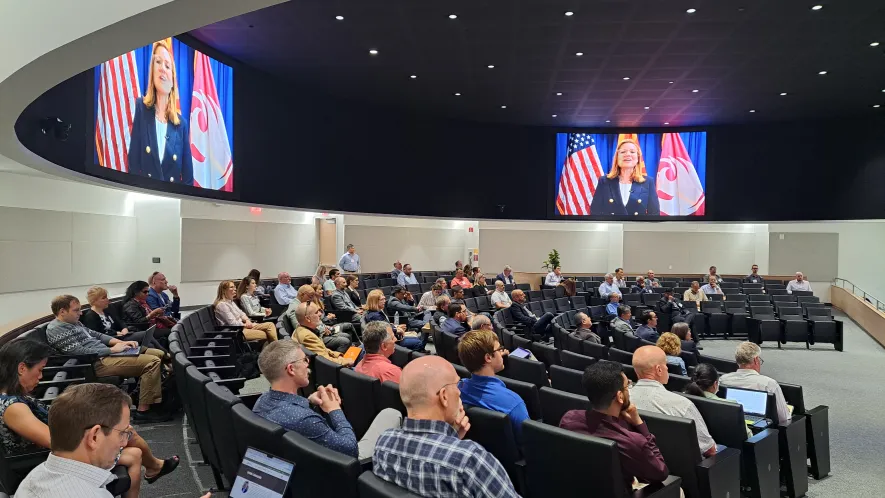
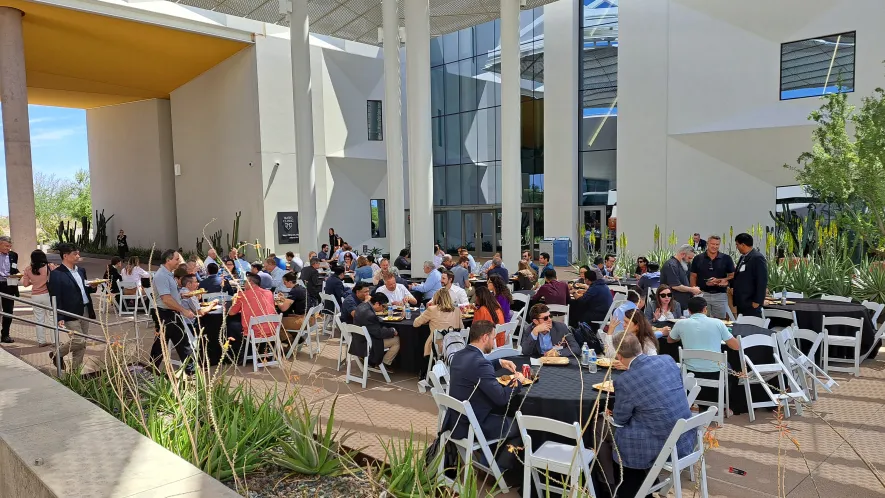
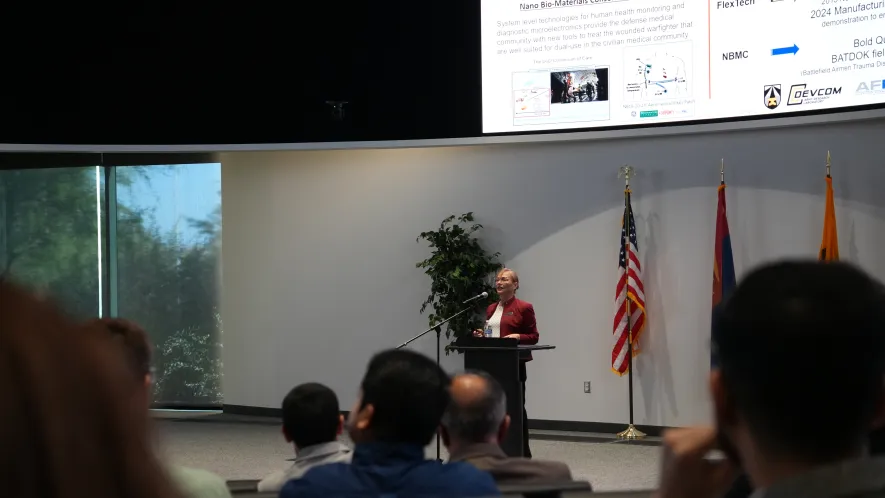
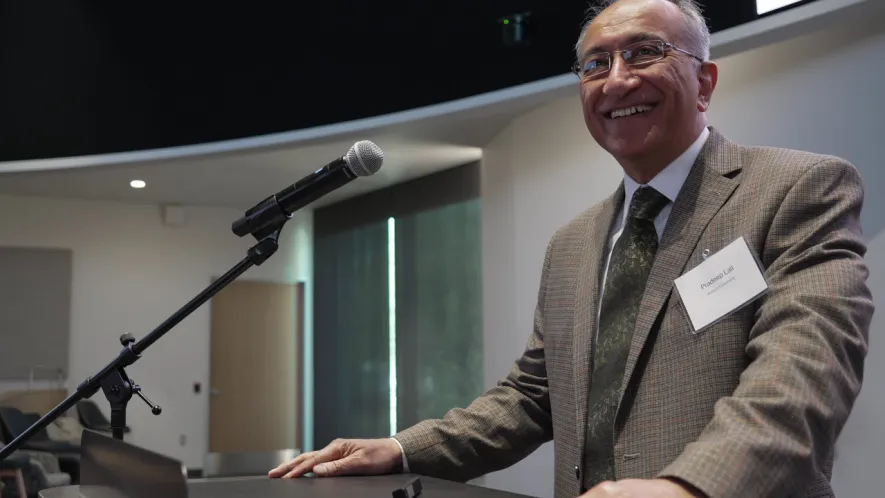
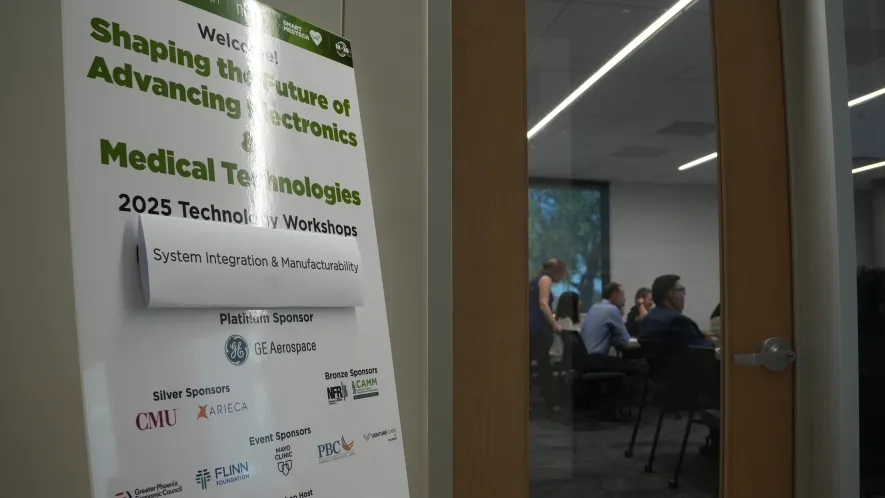
The 2025 Technology Workshop, held April 22-24, 2025, in Phoenix, AZ, brought together over 220 experts; including researchers, engineers, clinicians, payers, and healthcare providers, for three days of focused collaboration. Organized in partnership with MDM2, the event served as a key platform for shaping the future of electronics and healthcare innovation.
The workshops welcomed a diverse range of participants, including clinicians from Mayo Clinic and leaders from top MedTech companies such as Medtronic and BD, reflecting the depth of cross-sector engagement and global interest.
The first two days were dedicated to technical gap analyses that directly informed upcoming research and funding priorities:
- The FlexTech Workshop focused on identifying key gaps and R&D needs in Flexible Hybrid Electronics (FHE), helping define the scope of the 2025 FlexTech Request for Proposals (RFP).
- The NBMC Workshop addressed technical challenges and opportunities in nano-biomaterials and electronics for human performance monitoring and augmentation, forming the basis for the 2025 NBMC RFP.
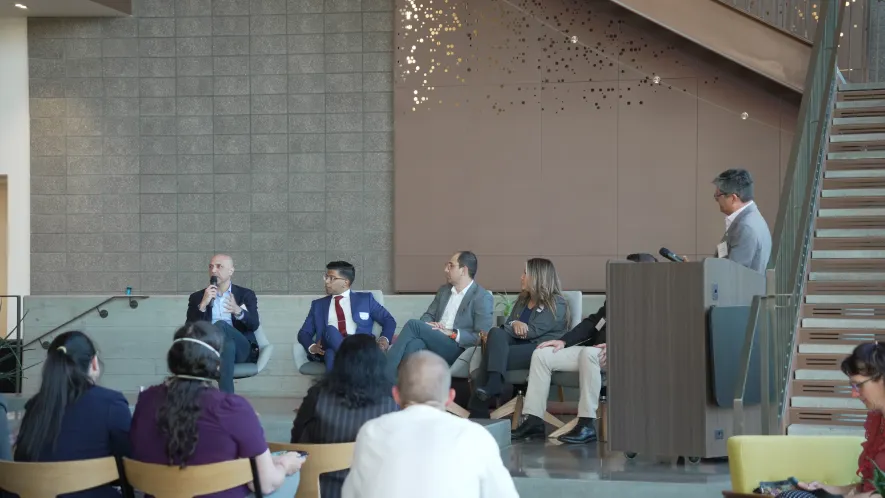
The final day featured a joint session between MDM2 and the Smart MedTech community, exploring the full development pathway of microelectronic-enabled medical devices, from design through point-of-care deployment. The session encouraged strategic dialogue between system designers, engineers, and clinicians to tackle integration challenges and opportunities for real-world impact.
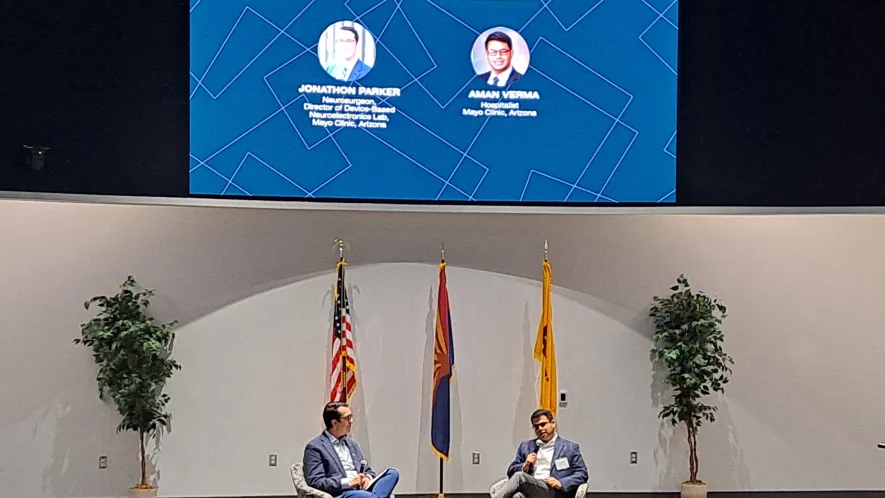
Here are some highlights from 2025 Technology Workshop in Phoenix Arizona

Smart MedTech Workshop November 2023
Here is a summary of the SMART MedTech Workshop on 11/30/2023:
In the morning session, various topics exploring the intersection of technology, healthcare, and MedTech were presented. The afternoon included three breakout sessions: The Role of AI in MedTech, Supply Chain & Emerging Technologies, and Bridging the Gap between Electronics and Medicine.
The Role of AI in MedTech: AI revolutionizes MedTech by enhancing diagnostics, drug discovery, personalized treatment, remote monitoring, and operational efficiency. Ethical AI use involves transparency, data privacy, bias mitigation, human oversight, and accountability. Collaboration, ethical AI, regulatory awareness, and interdisciplinary conferences were highlighted as crucial for responsible and impactful MedTech advancement. AI has a transformative impact on diagnostics, drug discovery, personalized treatment, and operational efficiency. Collaboration and interdisciplinary conferences are key takeaways.
Supply Chain & Emerging Technologies: Challenges were highlighted in MedTech startup failure rates, long development timelines, and intellectual property control. Opportunities in early engagement, common component selection, change management, and geopolitical risk mitigation were some of the points made. Embracing sustainability, e-waste, and standardized wearables are essential for success.
Bridging the Gap between Electronics and Medicine: Challenges were highlighted in defining parameters worth measuring in large populations for medical diagnostic devices. Solutions may involve the production and distribution of good enough electronics, and AI/ML for multi-parameter fusion. An additional challenge that was raised, was the language/communication gaps between medical and electronics fields. Collaboration is crucial for advancing trauma care, continuous data analysis, chronic diseases, and serving underprivileged populations.