The ESD Alliance, a SEMI Technology Community, and the SEMI Foundation are collaborating with VLSI System Design to promote VSDOpen 2020, a virtual conference being presented on October 10, 2020.
VLSI System Design provides global online training courses that teach students semiconductor chip design. SEMI recognizes workforce development as one of the most critical needs facing the semiconductor industry. The ESD Alliance and SEMI Foundation are promoting this event as part of SEMI’s broad mission to accelerate workforce development for our industry.
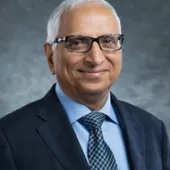
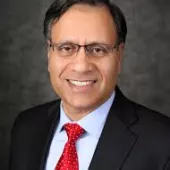
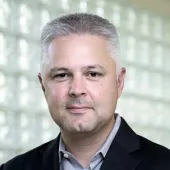
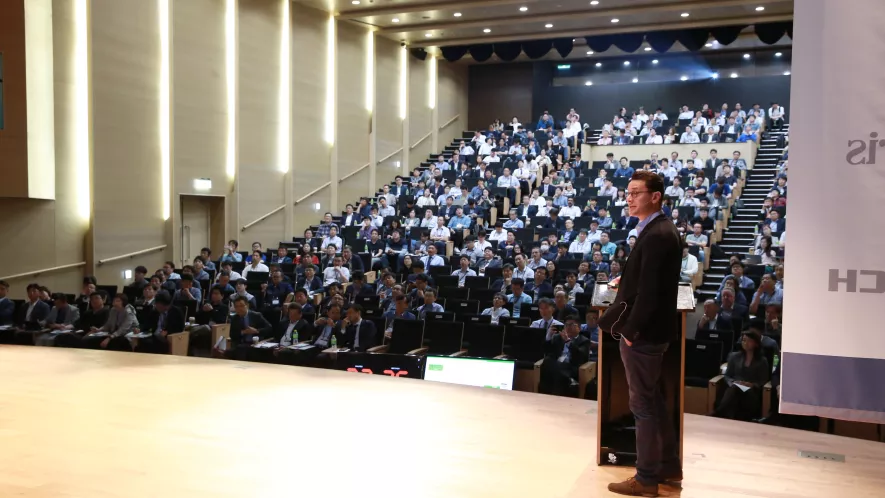
VSDOpen 2020 is a one-day virtual online event featuring three keynote speakers (Jan Rabaey – UC Berkeley, Naveed Sherwani – SiFive and Michael Wishart – eFabless). In addition, the conference will showcase semiconductor IP designed by students, education, research demonstrations, and networking opportunities for designers, researchers, tool developers, and students.
There is no charge to attend VSDOpen 2020. Click the button below to learn more about the event and to register.
Chip Design * IP * Keynotes * Education * Networking
8:00 am - 2:00 pm
Off
Add to Calendar2020-10-10 08:00:002020-10-10 14:00:00VSDOpen Conference 2020IndiaSEMI.org[email protected]Asia/Kolkatapublic
Asia/Kolkata
Off
Add to Calendar2020-09-10 00:00:002020-09-10 00:00:00Packaging of Electronics for Medical, Health and Wearables ApplicationsOnline, Eastern Time United StatesSEMI.org[email protected]America/New_Yorkpublic
America/New_York
Virtual Global Smart Manufacturing Conference Event Guide
Globalized supply chains, combined with limited travel and access to experts, has led to rapid acceleration in implementations of smart manufacturing strategies. These systems are focused on improving things such as:
Quality and yield
Efficiency
Security and safety
Optimizing manufacturing cost
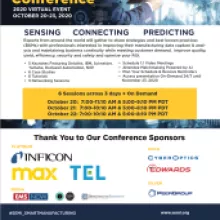
This inaugural Global SEMI Smart Manufacturing event brought together experts around the world to share strategies and best practices for professionals improving their manufacturing data capture& analysis and maintaining business continuity, while meeting increasing demands of customers.
The [LIVE] event is over, but the presentations and content remains fresh and applicable via the ON DEMAND platform. To access the information, just register for the event and click on the Agenda for access to the presentations.
Content available until November 23, 2020
Global Smart Manufacturing Conference
Sensing, Connecting & Predicting for Capturing the ROI of Smarter Manufacturing
12:00 am - 12:00 am
Off
Add to Calendar Disabled
America/Los_Angeles
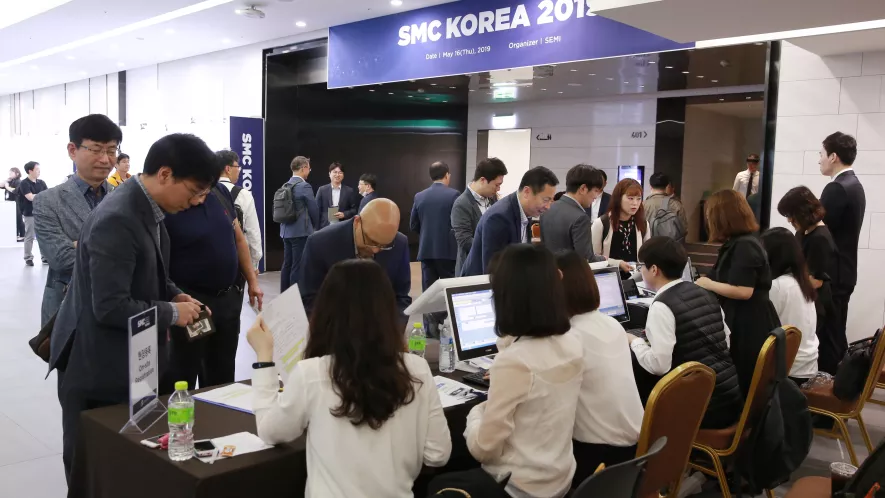
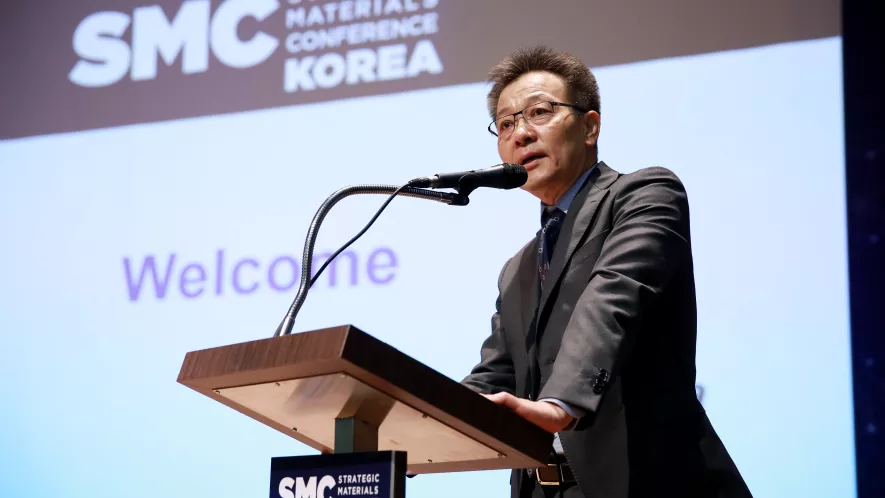
[NOTICE] Due to the Social Distancing for preventing COVID-19, SEMI decided to hold SMC Korea 2020 as a Virtual Event.
Materials Driving Transformation of Industry
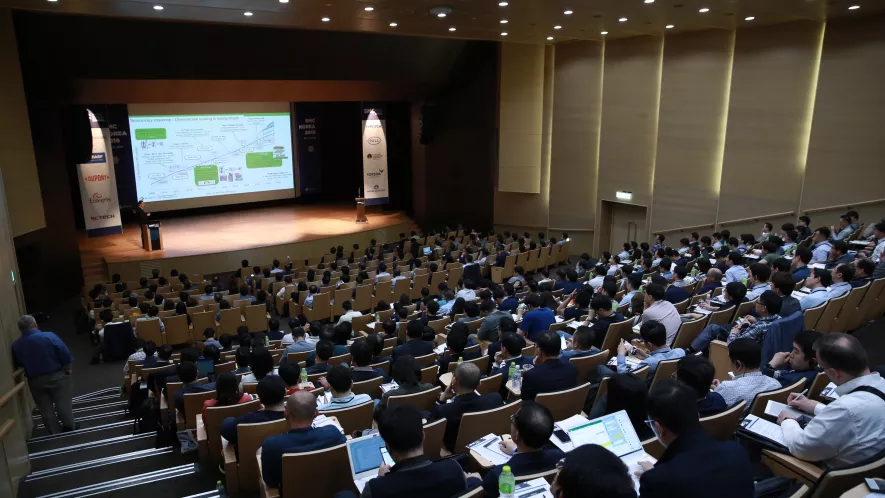
With advanced materials now a critical enabler of semiconductor growth applications, industry leaders have emphasized significance of innovation in materials. SMC Korea 2020, the premier conference on electronic materials, will gather top executives from every segment of semiconductor manufacturing to provide the most up-to-date developments in areas of advanced materials.
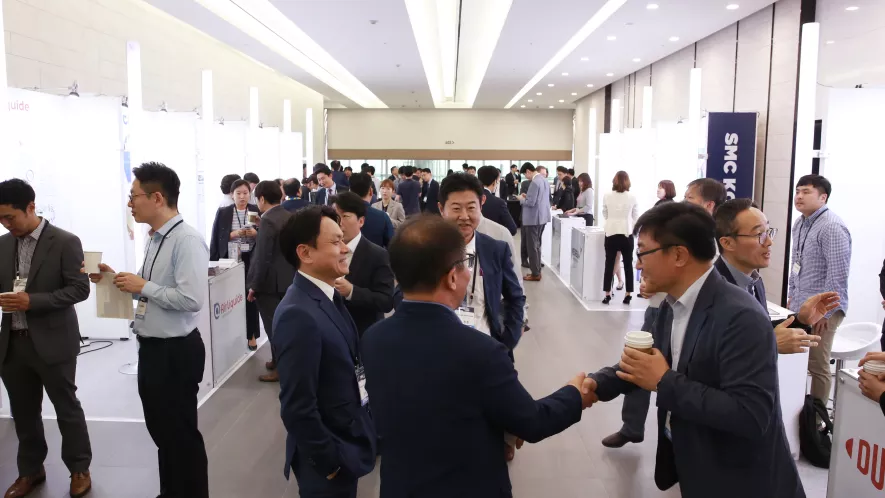
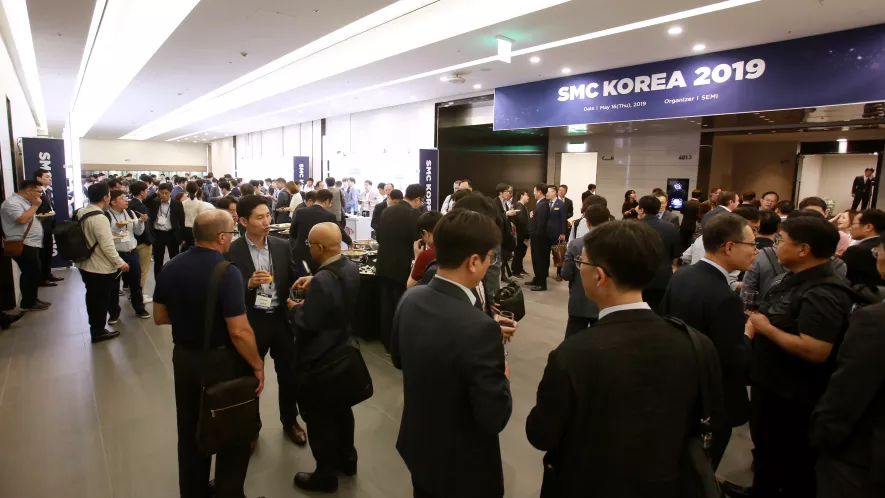
Join us at SMC Korea 2020 to advance your knowledges and network with the global leaders and professionals.
Strategic Materials Conference - SMC KOREA 2020
Oct 19 (Mon) - 20 (Tue), 2020 | Virtual
9:00 am - 5:40 pm
Off
Add to Calendar2020-10-19 09:00:002020-10-19 17:40:00SMC KOREA 2020[NOTICE] Due to the Social Distancing for preventing COVID-19, SEMI decided to hold SMC Korea 2020 as a Virtual Event.
Materials Driving Transformation of Industry
With advanced materials now a critical enabler of semiconductor growth applications, industry leaders have emphasized significance of innovation in materials. SMC Korea 2020, the premier conference on electronic materials, will gather top executives from every segment of semiconductor manufacturing to provide the most up-to-date developments in areas of advanced materials.
Join us at SMC Korea 2020 to advance your knowledges and network with the global leaders and professionals.Room 401, COEX, Seoul Gangnam-gu Seoul South KoreaSEMI.org[email protected]Asia/Seoulpublic
Asia/Seoul
What's Driving Automotive Electronics Assembly and Packaging
The evolution of the automobile over the past decade has been faster than ever before, and the 2020s promise even more rapid progress. The changes we will all experience include the nature of car ownership, how the car is powered, increased safety, and driver automation. Each of these changes is only possible with advances in electronics hardware and systems, electronics assembly, and semiconductor packaging. Indium Corporation’s Dr. Andy Mackie will discuss the impact of these changes on electronics assembly and packaging, and the impact of mission profiles on component and systems level reliability.
United States
8:00 am
-
8:10 am
MODERATOR
Bettina Weiss, Chief of Staff and Global Smart Mobility Lead, SEMI
Opening Remarks
8:10 am
-
8:40 am
FEATURED SPEAKER
Senior Product Manager, Semiconductor and Advanced Assembly Materials, Indium Corporation
Andy Mackie
Biography: Dr. Mackie is the Senior Product Manager for Indium Corporation’s Semiconductor and Advanced Assembly Materials. He is an electronics industry expert with a technical background in physical chemistry, surface chemistry, rheology, and semiconductor fabrication and assembly materials and processes. Andy’s professional experience covers all aspects of electronics manufacturing from wafer fabrication to semiconductor packaging and SMT/electronics assembly. Dr. Mackie also has responsibility for the development of Indium Corporation’s Applied Technology Roadmap.
Dr. Mackie has been an invited International keynote speaker and has lectured internationally on subjects ranging from sub-ppb metals analysis in supercritical carbon dioxide to solder paste rheology. He holds patents in novel polymers, heterogeneous catalysis, and solder paste formulation.
8:40 am
-
8:55 am
Q&A
8:55 am
-
9:00 am
Closing Remarks
What's Driving Automotive Electronics Assembly and Packaging
8:00 am - 9:00 am
Off
Add to Calendar2020-09-17 08:00:002020-09-17 09:00:00What's Driving Automotive Electronics Assembly and PackagingUnited StatesSEMI.org[email protected]America/Los_Angelespublic
If you are interested in partnering with us or have any questions about press and media, please contact us.
Serena Brischetto, Senior Manager, Marketing and Communications at [email protected]
The SEMI SMART Manufacturing Initiative is a global effort to promote awareness and interest about smart manufacturing and industry 4.0. Through their collaborative efforts, the members of the SEMI SMART Manufacturing Regional Chapters meet regularly, both virtually and in person, to facilitate discussions for solving challenges and issues that impact manufacturing.
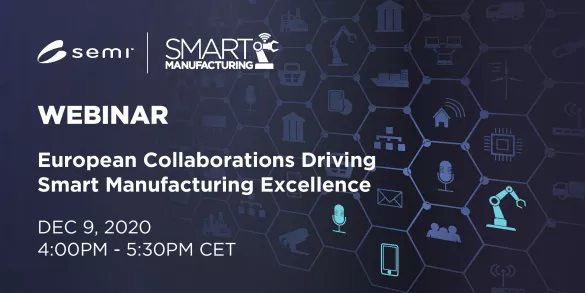
The webinar will provide an update on pressing critical topics derived from key players across the supply chain and is recommended to semiconductor professionals interested in the European smart manufacturing trends and market.
Topics include:
a summary of stakeholder-identified activities aligned to Industry 4.0
key initiatives and emerging roadmaps
standards
best practices for improved process quality
market updates
overview of current Smart Manufacturing activities
European Collaborations Driving Smart Manufacturing Excellence
European Collaborations Driving Smart Manufacturing Excellence
4:00 pm - 5:30 pm
Off
Add to Calendar2020-12-09 16:00:002020-12-09 17:30:00Webinar - European Collaborations Driving Smart Manufacturing ExcellenceFree Webinar
European Collaborations Driving Smart Manufacturing Excellence
Online, Central European Time GermanySEMI.org[email protected]Europe/Berlinpublic
Europe/Berlin
For late submissions please contact:
Michelle Fabiano [email protected]
20 Years of Driving Innovation to Make the World Safer
You'll hear experts highlight the latest technical breakthroughs, unique electronics applications, and business strategies giving insight into the future of next-generation Integration beyond Moore's law era. Key technologies and markets in the areas of Smart Medical, Smart Mobility, Smart Manufacturing, Data, AI, and Displays will be explored throughout each technical track presented each day of FLEX week.
Flexible hybrid electronics (FHE) present unique heterogeneous integration capabilities with unprecedented continuity with us and our world. This softer side of electronics represents high performance integrated devices that are curved and variable in form factor. Electronics that augment our daily activities and interact with our surroundings like no personal computing device ever has are emerging in new and varied application spaces.
KEY TOPICS
February 22 » Session 1—FHE Systems
February 23 » Session 2—Materials Processing
February 24 » Session 3—Sensors & MEMS
February 25 » Session 4—Sustainability & Power
February 26 » Industry Virtual Tours
ON-DEMAND AVAILABILITY
February 15–21
Prepare and preview the On-Demand presentations in order to join each day ready for the interactive panel discussions and luminary keynote discussions.
February 26–March 26
All content will be available for 30 days On-Demand in case you missed anything during FLEX week.
WHO ATTENDS?
Celebrating its 20th year, the online event will gather executives, product managers, business development professionals, and engineering directors as well as leading industry analysts and media for the latest developments, trends, and innovations in flexible hybrid electronics (FHE). More than 400 companies, universities, R&D labs, and government agencies from around the world have participated in FLEX conferences each year.
Please fill out the FLEX Interest Formto stay updated on FLEX 2021 Conference & Expo.
FLEX IS GOING VIRTUAL!
This is the 20th Anniversary of the FLEX Conference & Expo.
Thank you to the entire FLEX community, committee members, sponsors, attendees, and exhibitors, for your support. We are proud to have you with us on the journey into the next 20 years and beyond.
The course explores how reliability testing plays a critical role for Flexible Hybrid Electronics throughout the development process. The presentation highlights how it is essential to create a reliability test plan that covers the requirements for EV, DV and finally though PV, in order to insure product reliability and performance.
The instructors discuss how the Molex design process is used to identify risks and challenges for custom FHE applications and how the various reliability test are used evaluate and eliminate the potential risk and challenges.
AGENDA
Overview of Molex Printed Circuits Solutions
FHE challenges & requirements
Overview of reliability testing development process
Reliability test standards
Reliability lab set up
Q&A
The various industry standards related to HMI, FHE, PE, Printed Sensors and other applications are also reviewed in conjunction with usage in reliability testing related to FHE.
Instructors Tom Seputis, Lab Manager, and Dave Rasmussen. Director, PCS Engineering, as they provide an overview of Molex Printed Circuit Solutions and the reliability testing and challenges related to Flexible Hybrid Electronics.
This Master Class is 4th in a series of 4 classes. Classes 1-3, and the series are also available On Demand at the following links:
Flexible Electronics Master Class #4 explores best practices for ensuring reliability of FHE devices throughout the production process. The course is taught by experts from Molex's Printed Circuit Solutions Division which has been successfully building complex and reliable flexible circuits for many advanced applications.
Flexible Electronics Reliability Testing and Challenges
A Flexible Electronics Master Class
12:00 am - 12:00 am
Off
Add to Calendar Disabled
America/Vancouver
#4 Reliability Measurement and Test for Flexible Electronics
United States
Robert Street
Fellow, Palo Alto Research Center
The presentation will describe techniques practiced at PARC for the fabrication of flexible hybrid electronics. Topics will include printing interconnects, logic circuits and resistors, bonding integrated circuits and integrating sensors of different types. The techniques will be illustrated with various examples of wireless sensor prototypes on flexible substrates, and also development of electronics on textiles.
HYBRID INTEGRATION TECHNIQUES FOR FLEXIBLE ELECTRONICS
A Flexible Electronics Master Class
10:00 am - 12:00 pm
Off
Add to Calendar2020-09-24 10:00:002020-09-24 12:00:00Flexible Electronics Master Class#3: IntegrationThe presentation will describe techniques practiced at PARC for the fabrication of flexible hybrid electronics. Topics will include printing interconnects, logic circuits and resistors, bonding integrated circuits and integrating sensors of different types. The techniques will be illustrated with various examples of wireless sensor prototypes on flexible substrates, and also development of electronics on textiles.
United StatesSEMI.org[email protected]America/Vancouverpublic
America/Vancouver