downloadGroupGroupnoun_press release_995423_000000 copyGroupnoun_Feed_96767_000000Group 19noun_pictures_1817522_000000Member company iconResource item iconStore item iconGroup 19Group 19noun_Photo_2085192_000000 Copynoun_presentation_2096081_000000Group 19Group Copy 7noun_webinar_692730_000000Path
Skip to main content
Leaders in the semiconductor industry are finding ways to balance rapid demand growth with strategies to mitigate the risks of geopolitical uncertainty and a complex supply chain.At the CxO Summit during SEMICON Europa, industry leaders gathered to share insights into the immense opportunities ahead for the semiconductor sector, as well as the challenges that could impede growth. Laith Altimime, President of SEMI Europe, highlighted how discussions last year centered on reaching $1 trillion in global sales by 2030. “The conversation today is about how far above $1 trillion we will be in 2030,” said Altimime. “Artificial intelligence is an amazing and exciting technology, and the semiconductor industry is at the heart of it.”Laith Altimime, President, SEMI EuropeAjit Manocha, President and CEO of SEMI, described the current state of the semiconductor industry with one word – “unprecedented.” Emphasizing quantum computing as the next growth driver after AI, Manocha urged leaders to prepare for the next landmark - $4 trillion in global sales by 2040. However, the challenges facing the industry are equally unprecedented. Manocha identified four key obstacles: geopolitical volatility, the Net Zero challenge, the competition for top talent, and supply chain disruptions. “We need to work together to solve these challenges – we need unprecedented collaboration,” he explained. Ajit Manocha, President and CEO, SEMIA European Perspective on the Industry’s ChallengesWith the CHIPS Act in the US and the European Union (EU) Chips Act, the industry is also seeing unprecedented governmental engagement. Gustav Kolbe, Acting Director of Enabling and Emerging Technologies at Directorate-General for Communications Networks, Content and Technology of the European Commission, explained that Europe had been deeply impacted by the effect of trade tensions and supply chain disruptions. “In the field of semiconductors, we realized that we cannot keep doing business as usual and expect to achieve more resilience and reduced dependence on non-European supply chains,” Kolbe said. Gustav Kolbe, Acting Director of Enabling and Emerging Technologies, DG CONNECT, European CommissionJari Kinaret, Executive Director of the Chips Joint Undertaking (Chips JU), which is responsible for implementing EU Chips Act programs, described how its projects amplify the effect of EU funding by leveraging matching contributions from member states and participating companies. “This means that our budget of €4 billion actually produces investments in the semiconductor industry of about €11 billion,” he noted. Jari Kinaret, Executive Director, Chips JUThe Chips JU funded projects are designed to position Europe at the forefront of advanced semiconductor technology. Belgium’s imec, for example, is operating a Chips JU pilot line focused on leading-edge semiconductor innovation. Luc Van den hove, President and CEO of imec, highlighted the potential for 3D integration, “We can now combine multiple chips through silicon interposers with very fast connectivity between them. This allows us to build compute platforms which are far larger than what can be made with a single silicon chip,” he explained referring to this approach as “CMOS 2.0.” However, Van den hove warned that Europe cannot achieve its goals alone, emphasizing the complex semiconductor value chain and the need for collaboration. “Self-sufficiency leads to mediocrity,” he warned, advocating for a global approach that leverages the “best of the best.”Luc Van den hove, President and CEO, imecStephan Haferl, Chief Executive Officer of Comet Group, introduced the CA20, a tool designed to improve efficiency and quality in semiconductor manufacturing. The CA20 uses advanced imaging and AI to quickly identify and address production challenges, such as defects in solder bumps, without damaging components. Now fully automated, it integrates smoothly into factory workflows, providing real-time information to help manufacturers maintain high standards and increase production yields. This innovation highlights the role of new technologies in overcoming key obstacles and driving progress in the semiconductor industry.Left to right: Isabella Drolz, Vice President Marketing Product Strategy, Comet Yxlon; Laith Altimime, President, SEMI Europe; Stephan Haferl, Chief Executive Officer, Comet Group; and Dionys van de Ven, President, Comet YxlonCarlos Mazure, Chief Strategy Officer at Institute of Microelectronics – A*STAR in Singapore, illustrated this point by highlighting the institute’s focus on advanced packaging, a key Singaporean strength. “We have built a state-of-the-art 300mm prototyping line, enabling companies to implement wafer-to-wafer and chip-to-wafer bonding as well as fanout chip packaging,” Mazure said. Carlos Mazure, Chief Strategy Officer, Institute of Microelectronics – A*STARTurning back to Europe, Pierre Barnabé, CEO of Soitec, highlighted materials science as a regional strength. Soitec’s engineered substrates are driving energy efficiency breakthroughs in electronic, acoustic, and photonic applications. “We can bond anything to anything, creating advanced substrates for any active layer,” Barnabé explained. Pierre Barnabé, CEO, SoitecKai Beckmann, Member of the Executive Board and CEO Electronics at Merck KGaA, Darmstadt, Germany, also emphasized the role of materials in enabling sustainable growth. “The semiconductor industry faces a challenge with the contribution of process gases to its total greenhouse gas emissions. We hope to solve the problem by using AI to support materials research, and to design new molecules – an approach we have learned from the pharmaceuticals industry,” Beckmann shared. Kai Beckmann, Member of the Executive Board and CEO Electronics, Merck KGaA, Darmstadt, GermanyCollaboration Strengthens the Semiconductor Supply Chain Despite the breadth of enabling technologies emerging from Europe, the rapid growth in semiconductor demand has not always been matched by a secure supply. Barbara Frenkel, Member of the Executive Board Purchase at Porsche, shared that the company is collaborating with the industry to improve its access to the chips needed for automotive electrification. This includes joining industry groups such as the SEMI Global Automotive Advisory Council (GAAC) and, as she said, “learning your language.” Frenkel added, “Porsche aims to emulate Apple’s approach with Intel and Motorola to drive innovation – we will do the same with suppliers of automotive chips.”Barbara Frenkel, Member of the Executive Board Purchase, PorscheAnother solution to supply constraints is to widen the supply pipeline. John Behnke, General Manager for Smart Manufacturing at Inficon, described how smart technology can significantly improve efficiency and output. “A semiconductor fab is 100 times more complicated than anything else in the world – it is a mathematical nightmare to model it. That gives massive opportunities for improved productivity if we can implement smart control technologies,” Behnke explained. John Behnke, General Manager for Smart Manufacturing, InficonThe Challenge of Achieving Sustainable GrowthWhile the prospect of exceeding $1 trillion in annual sales energizes the industry, there is widespread recognition that growth must not come at the expense of environmental responsibility. As the industry doubles in size in the 2020s, it cannot afford to double its use of resources, such as energy or greenhouse gas emissions. Frédéric Godemel, Executive Vice President for Power Systems and Services at Schneider Electric, shared that the biggest impact on sustainability could come from “energy frugality” – using energy more efficiently. He explained that implementing data fusion in a semiconductor fab – combining detailed analysis of the operation of chillers with external data sets, such as weather conditions to allow for more efficient use – results in energy savings of 10%. “This approach saved costs, reduced CO2 emissions, and provided a financial payback in less than one year,” Godemel said.Frédéric Godemel, Executive Vice President for Power Systems and Services, Schneider ElectricThe value of smart control in fab operations was also highlighted by Katharina Westrich, Global Vice President of Electronics, Semiconductors Simulation Digital Industries at Siemens. She described how Siemens makes digital twins of factories before they are built. “This is an approach that the semiconductor industry can also adopt,” Westrich said. “A digital twin enables more efficient allocation of resources to the fab and sub-fab, allowing simulation of fab operation and optimization of processes and resources.”Katharina Westrich, Global Vice President of Electronics, Semiconductors Simulation Digital Industries, SiemensThe semiconductor industry faces a future full of opportunity, yet also marked by significant obstacles—ones that delegates at the CxO Summit are now better equipped to tackle head-on.On behalf of SEMI, the SEMI Europe team would like to express appreciation to the industry leaders for sharing their visions and readiness to collaborate during the CxO Summit.SEMI ContactCassandra Melvin, Senior Director of Business Development and OperationsEmail: [email protected]
Read More
As the demand for more powerful and efficient chips continues to grow, and the pace of semiconductor manufacturing in Arizona rapidly expands, so does the need for a highly skilled workforce capable of meeting these challenges. The SEMI Foundation’s SEMI Career and Apprenticeship Network (SCAN) Arizona Team is committed to building a robust workforce pipeline through strategic partnerships and initiatives that connect industry to education. These initiatives include fostering science, technology, engineering, and math (STEM) enthusiasm in K-12 (kindergarten through high school) classrooms to creating earn-and-learn opportunities through apprenticeships and collaborations with leading semiconductor companies. The Foundation’s Arizona team has coordinated key events and initiatives in the state that showcase a holistic approach to addressing workforce challenges, many of which could be expanded and replicated throughout the US and even globally.Arizona SciTech STEM and Innovation Summit: Fostering STEM Enthusiasm The Arizona SciTech STEM and Innovation Summit has long been a hub of innovation, offering students, educators, and the community an immersive experience in STEM. This year’s summit was no exception. Showcasing hands-on activities, workshops, and demonstrations, the event connected STEM industries with Arizona's next generation of talent.The SEMI Foundation Arizona team led activities and sessions demonstrating the Foundation’s work with educators and workforce experts to explore how semiconductor curricula can be integrated into classrooms. Through engaging workshops featuring SEMI Foundation High Tech U Micro:bit STEM kits and Baltu Technologies, and a panel discussion with educators talking about the importance of industry in the classroom, participants explored exciting careers and how to introduce industry opportunities to students. These interactions emphasized the real-world applications of classroom learning, showing the path to careers in high-tech industries.Teachers students participate in a hands-on Micro:bit STEM Kits workshop during AZ SciTech STEM and Innovation Summit held on October 22, 2024. Panelists discuss the future of the semiconductor industry incorporated into students’ education. From left to right: Dee Pinkston (Chicanos por la Causa), Raquel Diaz (Trevor G. Browne High school), Rachna Mathur (ASU prep, ASU, STEMology), Kenneth Mims (Science Prep Academy Neurodiversity Education Research Center). Apprenticeship 101: A Guide to Workforce ReadinessIn a landscape where technical skills are increasingly critical, the Apprenticeship 101 workshop provided a crucial introduction to the benefits of how earn-and-learn programs are transforming careers in semiconductors and beyond. Hosted by: Arizona Commerce AuthorityArizona@Work SEMI Foundation Federal/State Apprenticeship Developer Scott EllsworthSEMI Foundation SCAN Arizona team The City of Phoenix This event gave attendees an overview of apprenticeship opportunities in fields like semiconductors and advanced manufacturing.Participants learned how these programs build bridges between education and employment, offering both practical experience and a clear path to career advancement. A notable highlight was the emphasis on underrepresented groups, showcasing how apprenticeships can empower individuals to succeed in high-demand fields.Panelists highlighting pathways to careers in semiconductors with a focus on earn-and-learn opportunities. From left to right: Nick Irigoyen (SEMI Foundation), Michael Rosas (Arizona Commerce Authority), Scott Ellsworth (SEMI Foundation), Joan Bueno (Arizona Apprenticeship Office), James A. Montoya (ARIZONA@WORK), Stephanie Varela (City of Phoenix) Apprenticeship 101 Panelists. From Left to Right: Nick Irigoyen (SEMI Foundation), Scott Ellsworth (SEMI Foundation), Joan Bueno (Arizona Apprenticeship Office), Stephanie Varela (City of Phoenix), Perla DeBaggis (SEMI Foundation), James A. Montoya (ARIZONA@WORK) Intel Apprenticeship Program Support: A Step Toward Workforce Expansion Intel’s apprenticeship announcement signaled a transformative step for Arizona’s tech industry. With a focus on diversity and inclusion, Intel’s initiative aims to recruit participants from all backgrounds, ensuring a broad and equitable talent pool. Their current cohort of apprenticeships started with 9 women from the Fresh Start Foundation. The team worked with Arizona@Work representative Stephanie Varela to provide the apprentices with an overview session of the workforce innovation and opportunity act resources available to them. These kinds of resources provide alignment and improvement of employment, training, and education programs to promote individual growth. By investing in the workforce of tomorrow, Intel underscored its commitment to Arizona’s economic growth and technological leadership.Intel apprentices Gabriella Medina and Laura Jabalera are paving the way for women in the industry. Learn more about their inspiring journey here. TSMC Apprenticeship Announcement: Driving Innovation and InclusionSimilarly, TSMC’s apprenticeship program launched on November 19, 2024, bringing excitement and opportunity to the state. The program offers specialized training for individuals seeking careers in semiconductor manufacturing, a vital industry for Arizona’s economy.TSMC’s announcement emphasized collaboration with educational institutions, including community colleges and universities, to ensure apprentices receive both technical training and academic support. TSMC Arizona is investing more than $5 million in this program representing on-the-job training hours and education tuition support for its apprentice employees.The SEMI Foundation SCAN Arizona team joins TSMC apprentices on November 19, 2024 to celebrate the launch of TSMC's groundbreaking apprenticeship programs. Trevor G. Browne High School AET Assembly: Inspiring Young InnovatorsAt Trevor G. Browne High School, the Advanced Engineering and Technology (AET) Assembly served as a rallying point for students interested in high-tech careers. The SEMI Foundation Arizona Team joined their assembly to celebrate the potential of Arizona’s youth, sharing stories of innovation and success in the semiconductor sector.Students gained valuable insights into the industry’s evolving landscape, learning about the impact semiconductors have in cutting-edge technologies and career pathways in engineering and manufacturing. The assembly highlighted the importance of programs like SCAN-AZ and other local initiatives happening in 2025, which aim to bridge the gap between classroom learning and real-world opportunities.Micro:bit Competition: Sparking Innovation in Arizona's ClassroomsThe launch of SEMI Foundation - Arizona’s first Micro:bit Competition is bringing creativity and technology together in K-12 classrooms statewide! Designed to inspire innovation, this competition challenges students to use Micro:bit to develop projects that showcase their technical skills and imagination.From robotics to sustainability solutions, students are exploring real-world applications of STEM through hands-on projects. With categories like Innovation in Education and Creative Arts, the competition encourages participants to think outside the box. This initiative not only highlights the SEMI Foundation’s commitment to STEM education but also fosters the next generation of problem solvers and innovators. The Micro:bit Competition is more than just a contest—it’s a stepping stone for students to explore their potential in high-tech industries.Stay tuned as we celebrate the incredible projects and the bright young minds behind them!ASU Preparatory South Elementary, Grades 3-6 Teacher Michael Grant (Left) receiving his Micro:bit STEM kits for his participating classroom from Perla DeBaggis SEMI Foundation (Right)The SEMI Foundation’s efforts in Arizona exemplify the power of strategic partnerships and innovative programs to build a stronger, more diverse pipeline for the semiconductor workforce. By engaging educators, students, and industry leaders, we are creating pathways that connect education to employment, fostering a future-ready workforce. These initiatives serve as a blueprint for workforce development that can be adapted and scaled nationwide, empowering communities to thrive in the evolving high-tech economy. The SEMI Foundation is thrilled to continue this momentum and expand our impact even further in 2025! Co-Author Perla DeBaggis is the Senior Specialist for Career and Industry Awareness at the SEMI Foundation, focusing on bridging the gap between education and industry. Co-Author Nick Irigoyen is the Project Manager for Project Manager, Workforce Development Apprenticeships at the SEMI Foundation, focusing on initiatives aimed at strengthening the semiconductor talent pipeline in Arizona.
Read More
The semiconductor industry continues to push the envelope to meet demands of key applications such as advanced computing, consumer electronics, and defense, as well as environmental sustainability. There remain several critical challenges that our industry is working diligently to address, but how can these issues be tackled more effectively and at a pace that can keep up with this ever-evolving landscape?SEMI sat down with Supika Mashiro, Advisor at Tokyo Electron, where she shares her perspective on the importance of strengthening industry collaboration and what SEMI is doing through its first-ever SEMI Global Standards Summit – “Innovating Tomorrow: Standards for Future Factories” – of which she chairs the Planning Committee responsible for organizing this Summit.Trio: What is the SEMI Global Standards Summit and why is this event timely?Mashiro-san: Topics such as advanced packaging, cybersecurity, as well as supply chain and materials innovation (and their impact to the environment) are considered strategic areas requiring more industry collaboration. Many of these areas also greatly benefit from standards, and the next generation specifications and guidelines will need to be engineered to meet the technical challenges we face today and in the future. The magnitude of these standardization efforts will require engagement from all stakeholders in the design-to-manufacturing value chain as well as multiple Standards Developing Organizations (SDOs) coordinating and collaborating with each other.This is the driving force behind the Summit, and the need to bring together industry stakeholders to identify standards-critical areas and align on developing an industry standardization strategy for the next 3- and 7-year time horizons. We are excited to host this inaugural event on December 12, 2024, in conjunction with SEMICON Japan 2024. Trio: What is the focus of the Summit?Mashiro-san: The Global Standards Summit will cover three main themes: Smart Manufacturing for Future Factories, Packaging Architectures Materials, Environmental Sustainability.Factories are increasing their use of digital twins, predictive maintenance, and AI/ML to improve productivity and yield across the entire manufacturing environment. To take full advantage of these approaches, factories must reduce cybersecurity risks and secure the transfer of “smart” data across the entire supply chain while protecting IP. There is a need for standards to address these risk areas, as well as help diverse advanced analytics systems interoperate to assist personnel in increasing factory productivity. In the Smart Manufacturing for Future Factories session, we will be focusing on autonomous fabs, cybersecurity, and flow-oriented manufacturing.Similarly, packaging technologies have been progressing since the early stages of semiconductor device development more than 70 years ago. More recently, where packaging occurs in the semiconductor process has evolved, and some of the packaging processes are now done as an extension of front-end manufacturing. Moving forward, packaging architecture and materials are becoming increasingly important, driven by the adoption of heterogenous integration to address demands for more complex functionality and reduced power consumption as well as enabling chiplet integration. In the Packaging Architecture Materials session, we will discuss what kind of standardization our industry requires for copper-copper (Cu-Cu) direct interconnection, hybrid bonding, and panel-level packaging. We will also explore glass substrates as well as standards needed to enable semiconductor assembly and test automation.Our third session recognizes that the semiconductor industry is heading into an era of NetZero, in which quantification of environmental performance can have meaningful financial impact. The methods of measuring and accounting the environmental impact such as carbon emissions and the presence of substances of concern in manufacturing and products are not uniformly consistent across the industry. In order for the semiconductor industry to better navigate and make a positive impact in this arena, a consistent set of standards will be crucial. In the Environmental Sustainability session, thought leaders will present on communicating substance of concern (SOC), reporting of process emissions from factories, as well as lifecycle assessment of materials and substances used in semiconductor manufacturing, including equipment.Last but not the least, we will feature a panel session where we will explore all of these topics in a discussion with our panelists.Trio: Who should attend the Summit and why?Mashiro-san: The Summit is intended for leaders who are interested in these standardization topics to come and engage. Attendees will hear and learn about the issues critical to the future advancements of semiconductor manufacturing, what’s happening to address them, as well as new standards development. Attendee engagement is critical as we want our participants to influence and be able to contribute to the direction of standards development by providing valuable insights to help optimize future factories. To facilitate industry collaboration, we have organized networking events with other stakeholders from suppliers and solutions providers to end customers. The Summit is just one of many compelling reasons for industry stakeholders and thought leaders to come to SEMICON Japan. There are several sessions on many related topics that we are covering in the Global Standards Summit. Ultimately, at the conclusion of the Summit, we expect to have identified lists of critical standards areas, and we would like for those leaders to be able to assign and dedicate resources to these standardization efforts.For more information about the inaugural SEMI Global Standards Summit, please visit the SEMICON Japan 2024 site and register today!Supika Mashiro works as an Advisor for Strategic Planning of Industry Initiative Group at Tokyo Electron Limited.She has been involved in Factory Integration (FI) IFT of IRDS since its inauguration in 2016 and a co-chair since 2017. Her area of interest and involvement encompasses “smart” technology applications in manufacturing equipment, its co-optimization with Fab operation as well as ESH/S (Environment, Safety, and Health/ Sustainability) road-mapping and related industry standard development. For the latter, she has taken a couple of leadership roles in SEMI Standards Program as well as IEC TC/44.Paul Trio is Director of the SEMI Standards program.
Read More
The silicon wafer market showed promising signs of recovery in Q2 2024, bouncing back after a prolonged downturn. The growth is fueled by seasonal factors and strong demand from investments in AI data centers, however, the consumer, automotive, and industrial segments are experiencing a slower pace of recovery. Historically, year-over-year (YoY) growth in semiconductor equipment investments tends to hit a low point before rebounding and typically contributing to an upward trend in wafer shipments. Figure 1 depicts this trend since 2001, with the only exceptions to wafer shipments following the rebound of fab equipment spending coming in the periods of the second and third quarters in 2002 and 2013, which are highlighted in gray. Figure 1* Notes 1) Data source: SEMI WWSEMS and SMG wafer shipments data 2) For semiconductor equipment spending, data from 2001 to 2024 is based on WWSEMS wafer processing equipment billing data 3) Equipment spending is updated through August 2024 This pattern underscores the crucial role of equipment investments in expanding production capacity and driving wafer demand. Following the rebound in equipment investment growth rates observed in 2024, projections indicate continued growth into 2025. This recovery in investments is expected to translate into increased wafer shipments, reinforcing a positive outlook for the silicon wafer market’s sustained growth.Additionally, the influence of DRAM Blended ASP (Average Selling Price) growth trends on wafer demand is significant. The historical data in Figure 2 shows that when DRAM ASP growth rates peak and then decline, wafer shipment growth tends to slow down after a lag. Figure 2* Remarks 1) Data source: SEMI SMG wafer shipments data and the Bank of Korea 2) DRAM ASP is updated through September 2024. With DRAM pricing potentially entering a downward trend in early 2025, this poses a key risk to the pace of the wafer market’s recovery. Looking ahead, wafer shipment growth is expected to vary by wafer type and diameter, with low to mid-double-digit growth projected for 2025, mid-to-high single-digit growth for 2026, and a notable slowdown in 2027. This forecast reflects evolving demand dynamics and ongoing market adjustments.In conclusion, the sustained recovery of the silicon wafer market hinges on a combination of increasing semiconductor equipment investments, the stabilization of raw material inventory levels among chipmakers, and careful monitoring of DRAM pricing trends. While the current upward trend in equipment investments is a positive driver for wafer shipments, the potential deceleration of DRAM Blended ASP growth poses a significant downside risk. If DRAM pricing exerts a sustained negative influence, it could shorten both the amplitude and duration of the current wafer market upcycle more than anticipated. This report not only examines these key investment and shipment dynamics but also provides an in-depth analysis of broader market trends, including supply-demand balances and pricing dynamics. By addressing these interconnected factors, it offers a comprehensive and forward-looking perspective on the long-term growth potential of the silicon wafer market.SEMI’s Silicon Wafer Market Monitor Report offers unique insights into global silicon wafer shipments, supply and demand dynamics, and average selling price (ASP) projections. This comprehensive quarterly report breaks down silicon shipments by region and wafer size, including 300mm, 200mm, and 150mm wafers, providing a detailed view of the market landscape.Semiconductor manufacturers, investors, and industry analysts rely on this report as an essential tool for making informed business decisions and exploring the latest data and trends shaping the future of the semiconductor industry.Download a sample of the Semiconductor Manufacturing Monitor report. For more information on the report or to subscribe, please contact the SEMI Market Intelligence Team at [email protected]. Details on SEMI market data are available at SEMI Market Data. Sungho Yoon is Principal Analyst on the SEMI Market Intelligence team.
Read More
How Cool is That - Northrop Grumman’s “World’s Fastest Microchip” won the 2024 “Coolest Thing Made in California” contest, organized by the California Manufacturers Technology Association (CMTA). Public votes were cast for 138 California-made products in four rounds, culminating in this microchip—boasting speeds up to 1 terahertz—being crowned the winner. Manufactured in Redondo Beach, CA, the chip is 1,000 times faster than smartphone processors and represents California’s cutting-edge manufacturing sector. The contest and award ceremony were celebrated during CMTA’s MakingCA Conference, honoring manufacturing’s $310 billion contribution to the state’s economy. Doing the Green Wave - NIST scientists have successfully created a compact, full-spectrum laser covering the green-yellow-orange wavelengths, long considered challenging to produce. Traditional semiconductor lasers struggled with green wavelengths due to material limitations, so NIST turned to nonlinear optics, producing different wavelengths by adjusting silicon nitride device geometry and laser input. This breakthrough enables more precise, pure wavelengths ideal for quantum computing, medical devices, and underwater communications. Their method combines pump laser tuning and device adjustments, achieving 150+ wavelengths, demonstrating a significant advancement in accessible, high-quality lasers.Source: NIST’s Compact Green Semiconductor Laser - IEEE SpectrumEnergy Hero - At the 2024 ITF World conference, AMD CEO Lisa Su spotlighted a new goal: a 100x boost in computing efficiency by 2027. As shrinking transistor sizes yield diminishing returns, materials innovation has become essential for boosting performance and efficiency. Applied Materials has responded with advanced materials engineering solutions, harnessing exotic elements and 3D chip designs to improve efficiency. For instance, Applied’s Integrated Materials Solution™ combines six process technologies to reduce chip wiring resistance by 25%, a critical advance as semiconductor nodes shrink to the atomic scale. These methods promise breakthroughs in power efficiency across AI, personal electronics, and more. Building Automation of the Future - Imagine a future where every device in newly built structures— from HVAC systems and appliances to light switches and sensors—is equipped with a microprocessor and linked through a reliable communication network. This could transform how buildings operate, yielding substantial benefits across various sectors. Chip manufacturers would see new growth opportunities, while builders could offer smarter, more efficient homes. Consumers would gain convenience and comfort, as buildings could dynamically adjust to personal preferences and real-time needs. For instance, rooms would automatically adapt their temperature as people move through them, making manual thermostat adjustments obsolete. This automated approach wouldn’t just create a more comfortable environment but would also optimize energy use, potentially lowering costs and benefiting the environment.Source: Building Automation of the Future - EE TimesDo you have a fun fact to share? We invite SEMI members to share fun facts about the industry or their company. We’ll consider your tidbits for inclusion in future blog articles and or posting on social media. Complete our survey form or email [email protected]. Learn more about the SEMI Foundation and its initiatives to promote industry awareness and help provide a path for those interested in rewarding careers in microelectronics. Follow the SEMI Foundation on LinkedIn, Instagram, X and Facebook. Margaret Kindling is Senior Program Manager for Diversity, Equity, and Inclusion at the SEMI Foundation. She promotes inclusion and belonging via Women in Semiconductors, Semiconductor PRIDE and SEMICON West Workforce Development Pavilion programming.
Read More
With increasing demand for personalized smart devices, the MEMS and sensor market is undergoing rapid transformation. MEMS sensors are the backbone of smart wearable devices, seamlessly integrating multiple functions to monitor and simplify our day-to-day activities. As applications in healthcare, environmental tracking, and AR/VR expand, the need for ultra-compact, energy-efficient, and intelligent sensors is more critical than ever.In an exclusive conversation with SEMI, Stefan Finkbeiner, CEO of Bosch Sensortec, shared his perspective on the dynamic landscape of MEMS sensor technology. From Bosch’s evolution to a solutions provider with a focus on sustainability and market-driven innovations, Finkbeiner offered a deep dive into how Bosch Sensortec is positioning itself at the forefront of the industry. “We have to think in terms of the end application and determine what the right hardware and software configuration should be in order to provide solutions with the greatest benefit and flexibility.”Further insights into the future of MEMS and sensor technology will be shared by Finkbeiner during his keynote at the SEMI MEMS Imaging Sensors Summit on November 14, 2024, in Munich, Germany. Registration is still open.SEMI: Welcome, Stefan, and thank you for sharing your insights on advanced sensor technologies. Let’s start with a personal question: What motivates and inspires you about working in sensor technology?Finkbeiner: Sensor technology is very diverse and has significant impacts on consumers. We take pride in prioritizing consumers’ needs and benefits. True to the Bosch motto, “Invented for life,” we are committed to making life better, easier and healthier. This is demonstrated in our sensing solutions, which provide valuable data for fitness tracking in smartwatches, enhance the audio experience in hearables, and enable real-time monitoring of air quality to help individuals make informed decisions for a healthier environment. I am fascinated by technology advancements that are enabling the scaling of sensors—and the processing power and intelligence packed into these increasingly compact devices. For instance, our latest acceleration sensors for hearables are the smallest in the world and are nearly invisible at just 1.2 x 0.8 x 0.55 mm³.We leverage innovative wafer level chip scale packaging (WLCSP) to achieve this reduced form factor. These compact, feature-rich, high-performance accelerometers are easier to integrate in the latest generation consumer products where size and functionality are critical requirements.SEMI: How has Bosch Sensortec’s approach evolved over the years and what is the company’s primary focus today? Finkbeiner: We began our success story a few years ago as a hardware supplier, with one of our first applications being the 'Portrait-Landscape' function in smartphones. Over time, we’ve evolved into one of the leading providers of MEMS sensors.Today, we no longer see ourselves purely as a sensor manufacturer, but as a technology solutions provider. Our focus has shifted to think in terms of the end application and determine what the right hardware and software configuration should be to provide solutions with the greatest benefit and flexibility.Achieving this requires significant software and artificial intelligence (AI) development. In essence, we are optimizing software through self-learning models. Hardware remains essential for optimizing power consumption, with most sensors integrating a controller alongside the ASIC to enable seamless software integration.This unique software and hardware configuration unlocks exciting possibilities and broadens our market reach. We see significant growth in head-mounted devices, and we are actively working on related acoustics solutions.SEMI: Looking ahead, what trends do you anticipate will have the most significant impact on the MEMS sensors market?Finkbeiner: We see several trends that will significantly impact the MEMS sensor market. First, there is growing demand for personal health monitoring in consumer and mobile electronics. Wearable devices, in particular, are becoming essential tools for individuals to track their health and fitness status. This trend requires MEMS sensors to become even more accurate, with solutions that include sophisticated software algorithms to ensure reliability, accuracy, and reproducibility. As a result, AI and machine learning (ML) technologies will play a crucial role in enhancing sensor performance.A second important trend is the continued miniaturization of MEMS sensors. To meet customer demands, sensors must integrate more functionality, including edge-processing capabilities. For example, what once may have been a simple accelerometer with a step-counting algorithm is now evolving into a 6-axis Inertial Measurement Unit (IMU) with an integrated microcontroller and advanced AI/ML software. A great example of this is in True Wireless Stereo (TWS) earphones, where the IMU not only tracks steps but also enables complex tasks like dead reckoning and supports 3D audio—all within the tight constraints of a small TWS earbud housing. Low power consumption, as always, is a critical factor for these mobile devices to meet CE (Conformité Européenne) standards.Finally, we believe that smart glasses, augmented reality (AR) and virtual reality (VR) devices are poised to become the “next big thing.” These devices require advanced image projection optics that offer excellent optical quality, low weight, and ease of use to ensure consumer adoption. We believe our MEMS-based LBS (Laser Beam Scanning) solution is ideal for these applications. Additionally, the successful adoption of smart glasses hinges on high-performance MEMS sensors that are compact, accurate, and power-efficient—critical requirements for all-day wearability and functionality.These trends underscore the need for MEMS technology to evolve, integrating greater functionality, precision, and efficiency to meet the demands of next-generation consumer devices.SEMI: What are some of the biggest challenges facing the MEMS sensors industry today, and how can companies overcome them?Finkbeiner: One key challenge is that the smartphone market—arguably the most attractive market for a variety of MEMS and MOEMS sensors—has become more or less saturated. To stay competitive, MEMS companies must innovate existing products while also developing new, differentiated sensors and actuators for next-generation mobile products.SEMI: How is Bosch Sensortec supporting sustainability initiatives?Finkbeiner: We are helping to mitigate climate change with our low carbon footprint solutions.Up to 20% of annual global carbon emissions are caused by forest fires. This is equivalent to carbon dioxide emitted by all the vehicles driven worldwide. Our sensors can detect forest fires before they develop into wildfires by measuring various gases such as carbon monoxide and hydrogen. In parallel, we are working with our production partners to reduce our carbon footprint over the coming years, while also replacing or minimizing the use of environmentally hazardous chemicals, such as PFAS.SEMI: What are you most excited about for the MEMS Imaging Sensors Summit, and how do you think it will impact the European semiconductor industry?Finkbeiner: The European semiconductor industry has deep expertise in MEMS and sensor technologies, positioning it to make a significant impact in markets such as consumer health, optical sensing, and AR displays. By continuing to focus on sustainable solutions, we can drive even greater impact for the broader industry and secure Europe’s leadership in these growth sectors.I look forward to collaborating with industry peers at the Summit to define next steps needed to advance Europe’s leadership. The MEMS Summit is an invaluable opportunity to collaborate and drive progress, and I warmly invite my colleagues to join us in shaping the future of the European semiconductor industry.Dr. Stefan Finkbeiner Dr. Stefan Finkbeiner has been CEO and General Manager at Bosch Sensortec GmbH since 2012. He was born in 1966 in Freudenstadt, Germany. Stefan Finkbeiner held various senior positions at Bosch including Director of Sensor Marketing, Director of Corporate Research in microsystems technology, and Vice President of Sensor Engineering. He looks back on almost 30 years in semiconductor industry working in different positions related to sensor research, development, manufacturing, and marketing. Due to his wide experience in semiconductor and sensor industry, Stefan Finkbeiner is a recognized guest in panel discussions and as keynote speaker. SEMI ContactSitong He / Communications Manager, SEMI EuropeEmail: [email protected]: +49 151 5546 2638
Read More
In today’s rapidly evolving semiconductor industry, ensuring both precision and efficiency in manufacturing has become an increasing challenge, particularly as advanced technologies like MEMS and AI chips push the boundaries of design and production. Inspection methods that were once sufficient are now falling short, making room for cutting-edge solutions powered by artificial intelligence (AI). The introduction of AI-driven 3D X-ray inspection technologies is transforming the landscape, offering manufacturers a sophisticated tool to ensure quality control, while driving sustainable production strategies.SEMI spoke with, Joscha Malin, Product Manager, and Daniel Stickler, R D Expert for X-ray Imaging at Comet AG, Industrial X-Ray System Division, to explore how AI-powered 3D X-ray inspection technologies are shaping manufacturing. They delve into how these technologies address critical challenges during inspections and defect analysis, using tools such as Dragonfly 3D World software for user-friendly, AI-driven insights that facilitate effective decision-making.Further insights into the application of AI-powered 3D X-ray inspection technologies and their role in advancing MEMS manufacturing will be presented by Stickler at the SEMI MEMS Imaging Sensors Summit on November 14, 2024, in Munich, Germany. Registration is now open.SEMI: Thank you both for agreeing to share your insights. To start, can you explain the importance of inspection strategies in the context of MEMS manufacturing?Malin: As MEMS devices become increasingly miniaturized and complex, effective inspection strategies are crucial. These strategies not only accelerate the wrap-up of production processes, but also significantly enhance product yield. With tighter tolerances and various materials involved, ensuring the integrity and functionality of each component is more critical than ever. A robust inspection strategy allows us to catch potential defects early, which can save time and costs associated with rework or scrap.Stickler: The evolution of MEMS technology, particularly in AI chips, demands a higher level of inspection sophistication. Traditional methods may fall short in providing the necessary detail and speed, which is why we’re focusing on advanced solutions like our AI-powered 3D X-ray inspection.SEMI: Could you elaborate on how the 3D X-ray technology differs from conventional inspection methods? Stickler: The 3D X-ray technology we utilize acts as a bridge between traditional optical methods and standard 2D X-ray inspection. It offers high-resolution, three-dimensional images without damaging the samples. 3D X-ray technology emphasizes three main benefits: clarity, efficiency, and actionable insights. This means we can obtain detailed images that help us analyze components more effectively, allowing for real-time decision-making.Malin: Moreover, the clarity and detail provided by the 3D X-ray images are critical when it comes to defect analysis in MEMS devices. They allow us to assess mechanical, electrical, and assembly errors in ways that conventional methods simply cannot. This leads to a more reliable production process.SEMI: What specific MEMS defects can be effectively analyzed using this technology?Stickler: There are several types of defects we can analyze. For instance, we can detect mechanical defects such as stiction or fractures, as well as electrical failures like short circuits. The 3D X-ray inspection allows us to visualize these defects in detail. Additionally, we can monitor assembly errors, which are particularly important in complex MEMS devices where misalignments can lead to significant issues.Malin: I’d like to add that early detection of these defects is paramount. The faster we identify issues, the quicker we can implement corrective actions, thereby improving overall yield and reducing production costs.SEMI: You mentioned yield improvement earlier. Can you explain how your technology contributes to that?Malin: Our approach supports process optimization by providing information on product characteristics and, for example, allows us to identify trends early on that may lead to yield issues later. We also aim to accelerate new product introduction in the early phase by rapid feedback, saving time and cost. This is crucial because many defects may not be apparent until later stages of production. With our technology, we can monitor samples in real-time, allowing us to react promptly to emerging challenges.Stickler: By integrating this feedback loop, we can significantly shorten the time to market for new products. This is particularly beneficial in industries where speed and efficiency are essential.SEMI: Can you tell us about Dragonfly 3D World software and its role in this process?Malin: Dragonfly 3D World is a user-friendly software that leverages AI and, specifically, deep learning for image processing. It enables users to efficiently perform bump metrology and defect identification, for example, without needing extensive expertise in the field. The software makes complex processes manageable, even for operators who may not be specialists in image processing.Stickler: Beside MEMS and advanced packaging in GPU production, this software is indeed an “AI-for-AI” application. By utilizing deep learning, users can train models that adapt to various imaging tasks, making the entire inspection process more efficient. The insights generated from the 3D X-ray images are automated, enhancing usability and streamlining workflows.SEMI: In conclusion, what are the key takeaways you’d like to share?Malin: The key takeaways are that AI-driven 3D X-ray inspection is transformative for the MEMS manufacturing process, enhancing inspection strategies and defect detection significantly. By integrating advanced technologies, we can ensure higher product quality and efficiency.Stickler: Yes, and I would emphasize the importance of powerful monitoring and non-destructive test tools. Our innovative solutions not only improve yield, but also pave the way for sustainable practices in manufacturing, ultimately benefiting the industry. Dr. Daniel SticklerDirector X-ray Technology Components at Comet AG, Industrial X-Ray System Division. Based in Hamburg, Germany, he holds a PhD in Physics from the University of Hamburg and has extensive experience in X-ray imaging, semiconductor X-ray applications and product innovations. Joscha MalinDirector Product Marketing Software Products at Comet AG, Industrial X-Ray System Division. Based in Hamburg, Germany, he holds a degree in Electrical Engineering with specialization in Semiconductors and profound experience in the industry. For over a decade, he has focused on developing X-ray inspection and metrology solutions, especially for the Semiconductor industry. SEMI ContactSitong He / Communications Manager, SEMI EuropeEmail: [email protected]: +49 151 5546 2638
Read More
Veterans Day is a perfect time to not only recognize military veterans for their service but also for their ongoing contributions to society. The diverse and skilled population of military veterans, transitioning military personnel, reservists, and military spouses continue to contribute to the growth and innovation in broad range of industries—particularly in high-tech sectors like semiconductors.Since its inception in 2021, the SEMI VetWorks program has been dedicated to bridging the gap between military service and civilian careers by focusing on the recruitment, training, and retention of veterans in the semiconductor industry. By collaborating with military installations, veteran service organizations, and government agencies, the program helps veterans transition into meaningful careers within the semiconductor field, an industry that has driven technology innovation and transformed our lives at home, at work and on the go.I had the privilege of speaking with several veterans at different stages of their transition out of the military and into the semiconductor industry. These conversations highlighted the unique skills veterans bring to the table, their enthusiasm for the industry, and the opportunities that await them. The following are insights from three incredible veterans who have either recently transitioned into the industry or are in the process of doing so:LTC Joshua S. Ginn, U.S. Army Logistics Officer, is currently preparing for retirement after 24 years of service in the U.S. Army as the Soldier for Life Midwest and South Director. In seeking his next role, his military background in logistics, as well as his multifaceted experience in operations, supply, maintenance, and HR, has given him a solid foundation for his civilian career.Gomez: What attracted you to the semiconductor industry?Ginn: “I view the semiconductor industry as essential to the future of technology and the U.S. economy. The demand for semiconductors is on a growth trajectory as electronics become more ingrained in every facet of life. The industry is at a pivotal point, and it’s an exciting opportunity to contribute to something that will have long-lasting impact.”Ginn emphasizes that the semiconductor industry offers vast potential for veterans. He urges fellow veterans to take advantage of the current industry growth phase, describing it as a “foundational moment” for those looking to make a meaningful impact in the technology sector.Gomez: Can you provide advice for veterans looking for their next career?Ginn: “Get involved now, while the industry is expanding. There are opportunities at every stage of design and production. This is the time to make your mark, and the skills you’ve developed in the military are highly transferable to the semiconductor industry.”Ginn also shared his experience attending SEMICON West, where he spoke with over 100 companies eager to hire veterans, which reaffirmed his belief that this is an industry ripe with opportunity.Robert Sobeski, a U.S. Army veteran with seven years of service as an Infantry Officer, is currently participating in a DOD SkillBridge internship at Taiwan Semiconductor Manufacturing Company (TSMC) as a process integration engineer. In his role, he works with a team of engineers to drive process improvements and meet performance, reliability, yield, and cost goals for semiconductor products.Gomez: Why did you choose the semiconductor industry after leaving the military?Sobeski: “The semiconductor industry is fast-paced, complex, and full of learning opportunities. I was drawn to it because it’s a foundation for almost every other technology. There’s so much potential for growth, both for the industry itself and for my personal development.”Gomez: What advice do you have for companies looking to attract veterans?Sobeski: “I think companies can do a lot more to showcase their veteran-friendly culture. They can create dedicated website content for the veteran community to learn about the company, culture and opportunities to make a difference. They can attend career events at military installations to engage with transitioning service members. They should also think about leveraging the G.I. Bill by offering scholarships to veterans pursuing degrees in engineering or related fields—this not only builds a stronger workforce but also helps close the talent gap in this sector.”Sobeski’s experience at TSMC has shown him the immense potential of veterans in the semiconductor industry. He believes that with the right programs and partnerships, companies can tap into an underutilized pool of talent eager to make a difference.Dan Cochran, Semiconductor Workforce Leader and a U.S. Navy veteran who served as an H-46 Aircrewman, transitioned into the semiconductor industry in 2000. Starting as a repair technician at IBM, Cochran quickly rose through the ranks, moving from process operator to process integration engineer at NANTERO, and eventually to a leadership position at NY CREATES. As the Director of VET S.T.E.P., the Veteran’s Semiconductor Training and Experience Program, Cochran now recruits, trains, and mentors veterans and military spouses for careers in semiconductor repair and installation.Gomez: What attracted you to the semiconductor industry?Cochran: “Semiconductors were a great fit for my military experience and training. It provided good pay, work-life balance, and the opportunity to contribute to cutting-edge technologies. Working on processes that go into everything from smartphones to space exploration is a huge motivator for me.”Cochran’s story underscores the value of hands-on, technical skills acquired in the military. His journey demonstrates how veterans can leverage their technical expertise and leadership experience to thrive in the semiconductor sector.Gomez: What advice would you offer to veterans transitioning into civilian careers?Cochran: “Take the time to upskill, but don’t underestimate the experience you already have. The military teaches leadership, discipline, and problem-solving—skills that are incredibly valuable in the tech industry. Plus, there are plenty of programs like DOD SkillBridge and VET S.T.E.P. that can facilitate a smooth transition.”Cochran’s own success story is a testament to the potential for veterans in the semiconductor industry. Through the VET S.T.E.P. program, he’s helping the next generation of veterans follow in his footsteps and build rewarding careers in this high-tech field.A Bright Future for Veterans in the Semiconductor IndustryAs we’ve seen through the stories of these military veterans, the semiconductor industry is not only a vital component of the global economy but also an incredibly welcoming and rewarding field for veterans. The skills, leadership, and work ethic instilled through military service align perfectly with the demands of this high-tech industry.Any veterans reading this article should realize that their skills are not only needed but highly valued. For veterans considering a new career path, the semiconductor industry offers an array of opportunities—from engineering and process improvement to hands-on roles in equipment maintenance and repair. Learn where your military and other skills and interests align in this industry at careers.semi.org.This Veterans Day, let’s honor our military community—thank you for your service and for your continued dedication and contributions to fueling technology innovation! Melinda Gomez is Program Manager for Military Initiatives at the SEMI Foundation.
Read More
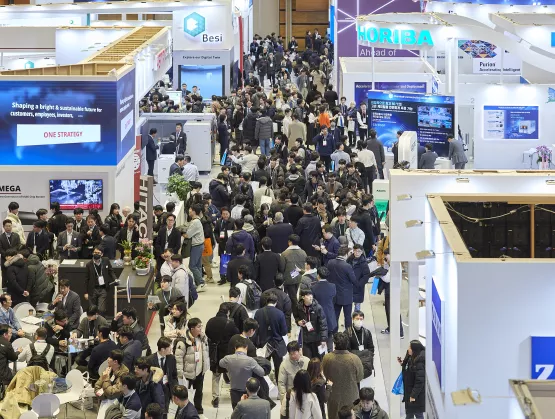
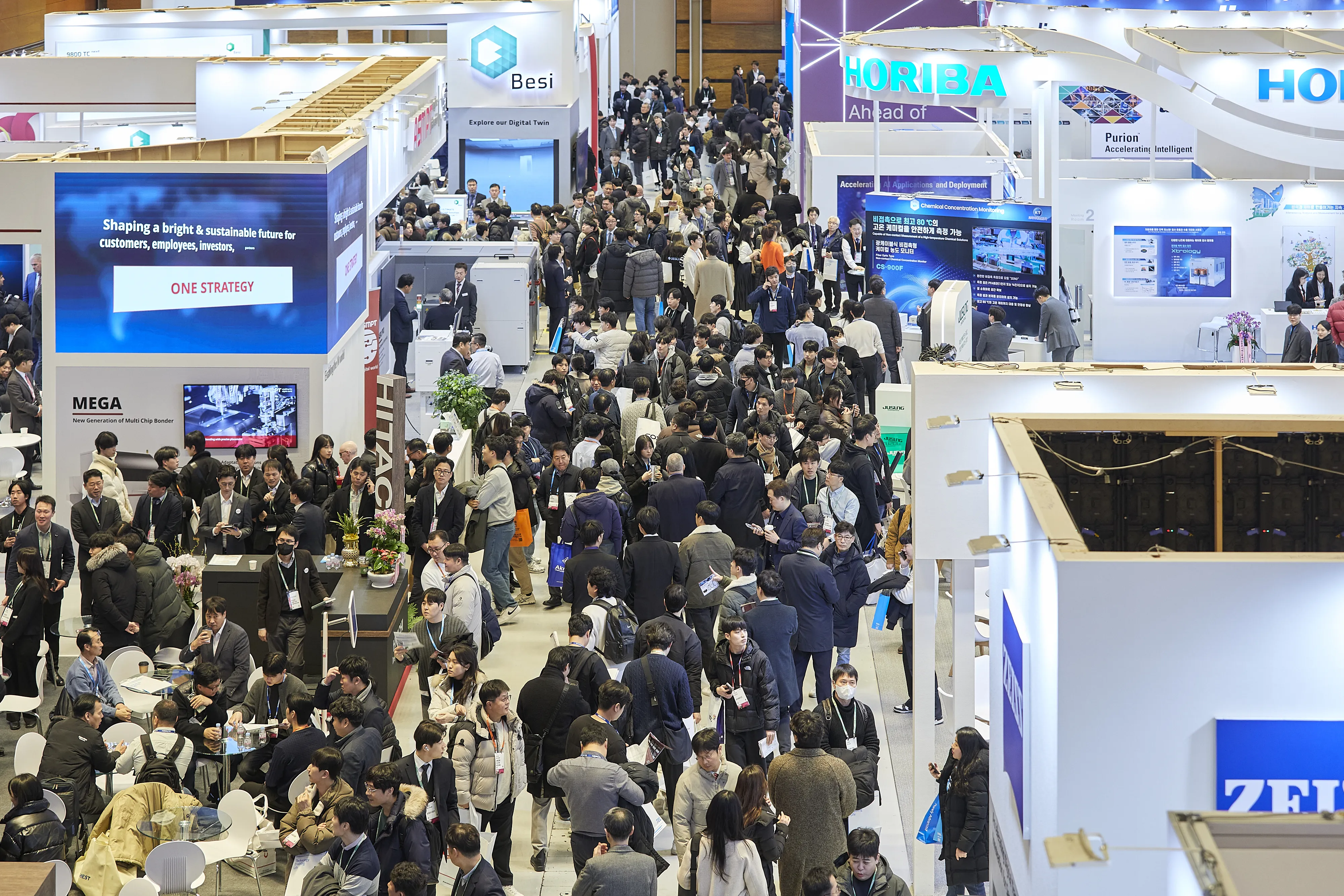
SEMI Korea Members Day 2025 in September featured a wealth of insights on semiconductor industry market and technology trends. As the two-year semiconductor inventory correction eases, Soo-Kyoum Kim, vice president at International Data Corporation (IDC), provided a market update during his address to the event’s 400 attendees at the Suwon Convention Center. He highlighted that the semiconductor market is showing signs of gradual recovery, with growth predicted for the second half of 2024 and into 2025. This growth, he said, is being fueled by rising demand for artificial intelligence (AI) and high bandwidth memory (HBM). He projected that the total semiconductor market would grow to $779.8 billion in 2025, marking a 15.8% increase from this year's estimate of $673 billion. By next year, the memory market is expected to rise by 24%, largely driven by demand for AI. Although consumer demand will likely weaken due to a slowdown in the Chinese market, Kim shared that easing inventory adjustments will lead to a rebound during the second half of 2024, particularly in the growth of DRAM and NAND. Kim also predicted that the non-memory market, which reached $503.4 billion this year, will grow to $569.4 billion by 2025.Additionally, the compound annual growth rate (CAGR) for semiconductor network and data center sales is projected to be 26.4% and 16.2% by 2028, respectively. Kim explained that the strong demand for AI semiconductors in data centers and networks will help the semiconductor market maintain an 8% CAGR over the next five years, following the 2023 market adjustment.SEMI Korea Members Day HighlightsH.D. ChoThe AI-driven industrial transformation is demanding more advanced processes. To accommodate AI, the industry has shifted its focus away from miniaturization toward back-end processes. However, the challenges facing Korea's semiconductor industry have also intensified. Leading semiconductor research firms shared in-depth market forecasts and presented their latest semiconductor technology roadmaps, offering insights on business strategies for Korea’s semiconductor ecosystem.In his opening remarks, H.D. Cho, president of SEMI Korea, expressed deep gratitude for the exceptional resilience of SEMI Korea’s members, who continue to overcome roadblocks despite global uncertainties. He also highlighted the growth of SEMI Korea’s member companies, emphasizing their positive role in the global semiconductor supply chain, as well as SEMI's ongoing commitment in supporting their innovations.Call for Renewable Energy Policy Reform to Achieve Net ZeroBora Lee, leader of Solutions For Our Climate (SFOC), emphasized the strong correlation between the semiconductor industry and Korea's economic growth. Lee also outlined key factors contributing to the high costs that hinder renewable energy adoption in the semiconductor sector. "Korea's levelized cost of electricity (LCOE) for renewable energy is about 2-3 times higher than the global average," she said. "The establishment of a policy council involving semiconductor companies is a crucial step in developing cooperative strategies to promote the use of renewable energy." In addition, Lee stressed that collaboration among suppliers, consumers, and policymakers is necessary to address these barriers and accelerate the transition to renewable energy within the industry. AI is Reshaping the Global Memory MarketPeter Lee of CITI Group shared that the convergence of cloud and edge computing is helping support new demands from AI, the metaverse, and automotive applications. As a result, this will increase long-term demand for memory. "The growing demand for AI is diversifying the memory market," Lee said. "This includes products such as HBM, LLW, LPDDR5T, and CXL, all of which are expected to see increased adoption according to AI computing requirements."As the need for parallel processing in AI training and inference tasks grows, Lee predicted the demand for HBM3 and DDR5 will significantly rise. HBM's share of total DRAM revenue is expected to increase dramatically – from 11% in 2023, to 30% by 2027. Expected Growth of the GaN Power Semiconductor MarketHo-Young Cha, a professor at Hongik University and co-founder and CTO of ChipsK, highlighted that the GaN power semiconductor market is expected to see continuous growth due to its advantages over silicon-based devices. The expansion of GaN technology applications in various industries, including consumer electronics, automotive, and telecommunications, he said, will drive additional growth."The GaN power semiconductor market will grow from $180 million in 2022 to $2.04 billion by 2028," said Cha. Growth Outlook for the Semiconductor Equipment and Materials Market in 2025 Clark Tseng, director of the SEMI Market Intelligence Team, projected that the short-term outlook for the global semiconductor market will gradually recover due to improvements in end-demand for major electronic product sectors and surging demand for AI chips. "The equipment and materials markets are expected to show a slight improvement in 2024, with a strong recovery anticipated in 2025," Tseng stated. He noted that the equipment market would grow by approximately 3% in 2024 from $95 billion in 2023 and is expected to grow by 15% in 2025. Regarding wafer fab materials, the silicon wafer market is expected to decline from $14.1 billion in 2023 to $13.2 billion in 2024. However, recovery is anticipated to begin in the second half of 2024, with the market projected to reach a new record of $48 billion in 2025. For more insights on Korea and the industry, attend SEMICON Korea from February 19-21, 2025 at COEX Convention Exhibit Center. Visionaries and leaders will gather to discuss the latest developments, innovations, and business opportunities within the industry. As the region’s premier microelectronics event, SEMICON Korea 2025 is expected to host 70,000 attendees, 500 exhibitors, and 200 speakers. More event information, including registration details, will be available soon.Jaegwan Shim is Senior Specialist, Marketing at SEMI.
Read More
In the rapidly-evolving semiconductor industry, maintaining a competitive edge is crucial. To position Europe at the forefront of global semiconductor innovation, imec is leading the NanoIC pilot line initiative. Aligned with the European Chips Act, this initiative is a strategic move to bolster Europe's leadership in key markets like high performance computing, automotive, and healthcare.SEMI spoke with Srikanth Samavedam and Jo De Boeck from imec, Belgium, to learn more about the NanoIC pilot line and to better understand its goals, challenges, and prospects. From transitioning to gate-all-around (GAA) nanosheet devices, to developing advanced memory technologies and interconnects, this conversation highlights the cutting-edge advancements made possible through collaboration across the industry’s value chain.SEMI: How is the NanoIC pilot line working to revolutionize the semiconductor industry, and what are its main objectives?Samavedam: The NanoIC pilot line is a European initiative aimed at bridging the gap between R D and industrial innovation. The project is creating a beyond-2nm system-on-chip (SoC) pilot line, developing advanced logic, memory, and interconnect technologies. This effort supports the European Chips Act's vision for leadership and competitiveness in global semiconductor innovation, particularly in critical markets like high performance computing, communication, automotive, energy, and healthcare. However, advanced technologies come with more complexity, and addressing these complexity challenges requires more mature module baseline flows. By improving baseline flow repeatability and variability while reducing defectivity, we can accelerate the development of future technologies. The NanoIC pilot line is working to provide access to these advanced technologies and baselines to develop future compute systems. This will help ensure European competitiveness across the industry – from semiconductor materials, equipment and design to systems and applications.SEMI: Who are the core partners involved in this initiative?De Boeck: Key partners of the pilot line include CEA-Leti, Fraunhofer-Gesellschaft, VTT Technical Research Centre of Finland, Tyndall National Institute, and the Center for Surface Science and Nanotechnology of the University POLITEHNICA of Bucharest. This project is also supported by the Flemish government, other participating states, and the Chips Joint Undertaking of the EU Chips Act.These institutions and organizations bring a wealth of knowledge and resources, and imec compliments their efforts by providing access to its global partnerships with key industry leaders. The NanoIC pilot line is helping strengthen Europe’s global semiconductor industry leadership while aligning efforts with other regional Chips Acts. SEMI: Can you elaborate on the significance of transitioning from field-effect transistors (FinFETs) transistors to GAA nanosheet devices in CMOS technology?Samavedam: The transition from FinFETs to GAA nanosheet devices is a significant advancement in CMOS device technology. FinFETs have been the backbone of CMOS technology from the 22nm to the 3nm node. But starting at the 2nm node, nanosheet devices will need to be introduced. Nanosheet devices, including variants like Forksheet devices, are expected to drive scaling and performance through three generations – 2nm, A14, and A10. Complementary FET (CFET) architectures are also expected to be introduced around 2031 at the A7 node, which will represent another major inflection point in CMOS device design. This progression requires extensive research into new materials, process modules, equipment, and advanced patterning capabilities using high numerical aperture extreme ultraviolet (high NA EUV) lithography – all of which will be implemented on the NanoIC pilot line. FIGURE PROVIDED BY IMEC │ SCHEMATIC ILLUSTRATION OF A FUTURE COMPUTE SYSTEM. THE SYSTEM IS MADE OF LARGE MULTI-DIE ELECTRICAL-OPTICAL INTERPOSER PROVIDING ELECTRICAL AND OPTICAL INTERCONNECTS BETWEEN THE VARIOUS CHIPLETS (CPUS, GPUS, HBM). ALSO SHOWN ARE CONNECTIONS TO PACKAGE SUBSTRATE, AS WELL AS FIBER CONNECTORS AND AN INTEGRATED LASER SOURCE. CENTRAL PROCESSING UNIT (CPU); GRAPHICS PROCESSING UNIT (GPU); HIGH BANDWITH MEMORY (HBM); PROCESSING UNIT THAT CAN INCLUDE CPUS, GPUS, AND OTHER SPECIALIZED PROCESSORS (XPU); APPLICATION-SPECIFIC INTEGRATED CIRCUIT (ASIC); ELECTRONIC INTEGRATED CIRCUIT (EIC); FF-LEVEL: FEMTOFARAD-LEVEL; FIELD-PROGRAMMABLE GATE ARRAY (FGPA); GAAS QD: GALLIUM ARSENIDE QUANTUM DOT; INTEGRATED SILICON PHOTONICS PLATFORM 300MM (ISIPP300); REDISTRIBUTION LAYER (RDL); SILICON PHOTONICS (SIPHO); THROUGH PACKAGE VIA (TPV). SEMI: What are the key innovations necessary for advancing memory technology?Samavedam: As SRAM scaling slows, the exploration of novel, dense embedded memory concepts will become imperative. Technologies like spin orbit torque magnetic RAM (SOT-MRAM) and 2-transistor 0-capacitor (2T0C) embedded DRAM using deposited semiconductors like indium gallium zinc oxide (IGZO) are promising. These innovations address memory capacity and bandwidth challenges from new workloads in compute systems. Additionally, developing a 3D memory platform to explore future memory options will be essential for improving SRAM and DRAM. These advancements will help meet the demands of new applications like machine learning, augmented and virtual reality, and autonomous vehicles.SEMI: How do advanced interconnect technologies contribute to the future of semiconductor design?Samavedam: Advanced interconnect technologies, like chip-to-chip lateral (2.5D or interposer technologies) and vertical interconnects (3D technologies), play a crucial role in addressing memory capacity and bandwidth challenges. These technologies enable the partitioning of SoC functions into separate dies, allowing for more efficient and scalable designs. Advances like pitch scaling of micro-bumps and copper (Cu) hybrid bonding are facilitating this fine-grained partitioning of SoC functions. Additionally, optical interconnects and 3D interconnect-enabled co-packaging provide high-bandwidth and low-power connectivity at wafer scale. The rise of chiplet architectures and standardization will also increase the demand for low-cost, tight-pitch interconnect technologies like Cu/polymer redistribution layers.SEMI: How do your collaborators benefit from the NanoIC pilot line? De Boeck: One of the biggest collaborator benefits is the pilot line’s commitment to knowledge sharing through R D access and training. We invite foundries, IDMs, materials suppliers, equipment suppliers, and system companies/OEMs to jointly develop the materials, process modules, and integration flows to accelerate the development of beyond-2nm SoC technology pillars.Design pathfinding and system exploration process design kits (PDKs) will be available for start-ups, small- and medium enterprises, universities, and design and system companies to aid in prototyping and testing their designs. The NanoIC pilot line will also offer comprehensive training programs, including virtual PDK training, bootcamps for faculty, and internships and expert courses for students. To learn more, experts and key partners of the NanoIC pilot line will be presenting from 14 -16:40 at SEMICON Europa on November 12. imec’s program, ITF Chip into the Future, will highlight advancements in digital technology, capacity building through the European Chips Act, and the role of the NanoIC pilot line in accelerating beyond-2nm innovation. The conversation will also address industry requirements for pilot lines, emerging initiatives boosting Europe’s innovation and competitiveness, and perspectives on advanced materials and semiconductor equipment. Srikanth Samavedam, Senior Vice President of Semiconductor Technologies at imec, oversees programs in logic, memory, photonics, and 3D integration. Previously, he was a senior director at GlobalFoundries, leading 14nm FinFET technology into production and developing 7nm CMOS. Starting his career at Motorola, he worked on strained silicon and other advanced materials. He holds a Ph.D. in materials science and engineering from MIT and a master's degree from Purdue University. Jo De Boeck, Executive Vice President and Chief Strategy Officer at imec, oversees the company’s strategic direction and serves on its executive board. He joined imec in 1991 after earning his Ph.D. from KU Leuven and has since held various leadership roles, including head of imec’s Smart Systems and Energy Technology business unit and CTO. De Boeck is also a part-time professor at KU Leuven. Maria Daniela Perez / Communications Manager, SEMI EuropePhone: +49 160 2562977Email: [email protected]

Read More