

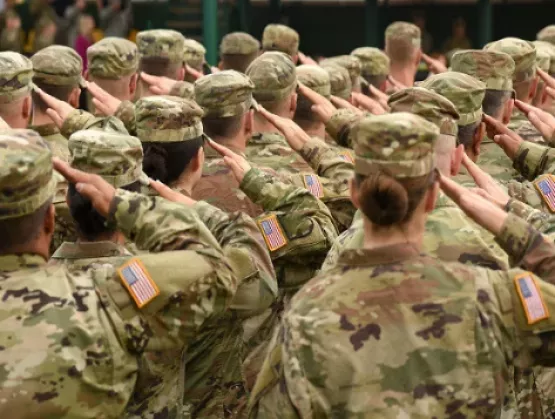
Veterans Day is a perfect time to not only recognize military veterans for their service but also for their ongoing contributions to society. The diverse and skilled population of military veterans, transitioning military personnel, reservists, and military spouses continue to contribute to the growth and innovation in broad range of industries—particularly in high-tech sectors like semiconductors.
Since its inception in 2021, the SEMI VetWorks program has been dedicated to bridging the gap between military service and civilian careers by focusing on the recruitment, training, and retention of veterans in the semiconductor industry. By collaborating with military installations, veteran service organizations, and government agencies, the program helps veterans transition into meaningful careers within the semiconductor field, an industry that has driven technology innovation and transformed our lives at home, at work and on the go.
I had the privilege of speaking with several veterans at different stages of their transition out of the military and into the semiconductor industry. These conversations highlighted the unique skills veterans bring to the table, their enthusiasm for the industry, and the opportunities that await them. The following are insights from three incredible veterans who have either recently transitioned into the industry or are in the process of doing so:
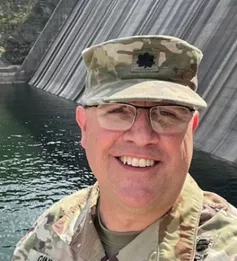 LTC Joshua S. Ginn, U.S. Army Logistics Officer, is currently preparing for retirement after 24 years of service in the U.S. Army as the Soldier for Life Midwest and South Director. In seeking his next role, his military background in logistics, as well as his multifaceted experience in operations, supply, maintenance, and HR, has given him a solid foundation for his civilian career.
Gomez: What attracted you to the semiconductor industry?
Ginn: “I view the semiconductor industry as essential to the future of technology and the U.S. economy. The demand for semiconductors is on a growth trajectory as electronics become more ingrained in every facet of life. The industry is at a pivotal point, and it’s an exciting opportunity to contribute to something that will have long-lasting impact.”
Ginn emphasizes that the semiconductor industry offers vast potential for veterans. He urges fellow veterans to take advantage of the current industry growth phase, describing it as a “foundational moment” for those looking to make a meaningful impact in the technology sector.
Gomez: Can you provide advice for veterans looking for their next career?
Ginn: “Get involved now, while the industry is expanding. There are opportunities at every stage of design and production. This is the time to make your mark, and the skills you’ve developed in the military are highly transferable to the semiconductor industry.”
Ginn also shared his experience attending SEMICON West, where he spoke with over 100 companies eager to hire veterans, which reaffirmed his belief that this is an industry ripe with opportunity.
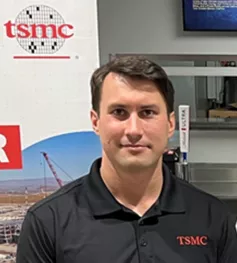 Robert Sobeski, a U.S. Army veteran with seven years of service as an Infantry Officer, is currently participating in a DOD SkillBridge internship at Taiwan Semiconductor Manufacturing Company (TSMC) as a process integration engineer. In his role, he works with a team of engineers to drive process improvements and meet performance, reliability, yield, and cost goals for semiconductor products.
Gomez: Why did you choose the semiconductor industry after leaving the military?
Sobeski: “The semiconductor industry is fast-paced, complex, and full of learning opportunities. I was drawn to it because it’s a foundation for almost every other technology. There’s so much potential for growth, both for the industry itself and for my personal development.”
Gomez: What advice do you have for companies looking to attract veterans?
Sobeski: “I think companies can do a lot more to showcase their veteran-friendly culture. They can create dedicated website content for the veteran community to learn about the company, culture and opportunities to make a difference. They can attend career events at military installations to engage with transitioning service members. They should also think about leveraging the G.I. Bill by offering scholarships to veterans pursuing degrees in engineering or related fields—this not only builds a stronger workforce but also helps close the talent gap in this sector.”
Sobeski’s experience at TSMC has shown him the immense potential of veterans in the semiconductor industry. He believes that with the right programs and partnerships, companies can tap into an underutilized pool of talent eager to make a difference.
Dan Cochran, Semiconductor Workforce Leader and a U.S. Navy veteran who served as an H-46 Aircrewman, transitioned into the semiconductor industry in 2000. Starting as a repair technician at IBM, Cochran quickly rose through the ranks, moving from process operator to process integration engineer at NANTERO, and eventually to a leadership position at NY CREATES. As the Director of VET S.T.E.P., the Veteran’s Semiconductor Training and Experience Program, Cochran now recruits, trains, and mentors veterans and military spouses for careers in semiconductor repair and installation.
Gomez: What attracted you to the semiconductor industry?
Cochran: “Semiconductors were a great fit for my military experience and training. It provided good pay, work-life balance, and the opportunity to contribute to cutting-edge technologies. Working on processes that go into everything from smartphones to space exploration is a huge motivator for me.”
Cochran’s story underscores the value of hands-on, technical skills acquired in the military. His journey demonstrates how veterans can leverage their technical expertise and leadership experience to thrive in the semiconductor sector.
Gomez: What advice would you offer to veterans transitioning into civilian careers?
Cochran: “Take the time to upskill, but don’t underestimate the experience you already have. The military teaches leadership, discipline, and problem-solving—skills that are incredibly valuable in the tech industry. Plus, there are plenty of programs like DOD SkillBridge and VET S.T.E.P. that can facilitate a smooth transition.”
Cochran’s own success story is a testament to the potential for veterans in the semiconductor industry. Through the VET S.T.E.P. program, he’s helping the next generation of veterans follow in his footsteps and build rewarding careers in this high-tech field.
A Bright Future for Veterans in the Semiconductor Industry
As we’ve seen through the stories of these military veterans, the semiconductor industry is not only a vital component of the global economy but also an incredibly welcoming and rewarding field for veterans. The skills, leadership, and work ethic instilled through military service align perfectly with the demands of this high-tech industry.
Any veterans reading this article should realize that their skills are not only needed but highly valued. For veterans considering a new career path, the semiconductor industry offers an array of opportunities—from engineering and process improvement to hands-on roles in equipment maintenance and repair. Learn where your military and other skills and interests align in this industry at careers.semi.org.
This Veterans Day, let’s honor our military community—thank you for your service and for your continued dedication and contributions to fueling technology innovation!
Melinda Gomez is Program Manager for Military Initiatives at the SEMI Foundation.


