downloadGroupGroupnoun_press release_995423_000000 copyGroupnoun_Feed_96767_000000Group 19noun_pictures_1817522_000000Member company iconResource item iconStore item iconGroup 19Group 19noun_Photo_2085192_000000 Copynoun_presentation_2096081_000000Group 19Group Copy 7noun_webinar_692730_000000Path
Skip to main content
Superconducting Naturally – Miassite is a naturally occurring mineral which scientists at Ames National Laboratory have identified as the first unconventional superconductor found in nature. Unlike conventional superconductors that follow the Bardeen-Cooper-Schrieffer (BCS) theory, minerals such as miassite exhibit unique properties outside of this framework. Made of rhodium and sulfur, miassite was initially recognized as a regular superconductor in 2010. Recent tests confirm it joins a small, exclusive group of unconventional superconductors previously limited to lab-made materials.Lab tests on miassite involved measuring magnetic reactions, inducing defects, and analyzing energy gaps, all confirming its unconventional behavior. While naturally occurring, samples are unlikely to be superconductive due to their disordered state, miassite’s lab-verified properties open doors to new research and highlight its unique duality as both a conventional and unconventional superconductor.Source: A Superconductor Found in Nature Has Rocked the Scientific WorldPheromones + vision = mate selection – When choosing a mate, Heliconius butterflies, despite their tiny brains can outperform current AI in multi-sensory decision-making by processing visual and chemical cues simultaneously. This discovery inspired Penn State researchers to develop a low-energy, multi-sensory AI platform using 2D materials. The device combines molybdenum sulfide (MoS2) to mimic visual capabilities and graphene to detect chemical signals like pheromones.The device could integrate visual and chemical cues, offering adaptability like a butterfly’s mating behavior. This innovation addresses limitations in current AI, which relies heavily on energy-intensive, single-sensory processes. Researchers aim to expand the device to process three senses, like crayfish using visual, tactile, and chemical cues. The work, supported by the U.S. Army Research Office and the U.S. National Science Foundation, could revolutionize applications in robotics, smart sensors, and critical environments, by enabling AI systems to detect issues using multiple sensory inputs efficiently. Imaging of Heliconius Butterfly A Butterfly Effect – Proving once again that there is a lot to be learned from nature, researchers from the Fraunhofer Institute for Solar Energy Systems ISE have developed innovative, colored solar facade elements inspired by morpho butterfly mimicry. These panels are aesthetically pleasing, integrate seamlessly into building exteriors, and retain high efficiency, achieving 95% of the power output of uncoated panels. Using vacuum-applied 3D photonic structures like those on butterfly wings, the panels produce vibrant, angularly stable colors with minimal energy loss. This MorphoColor® technology addresses architects’ and building owners’ concerns about design, offering an efficient, visually appealing solution for building-integrated photovoltaics while surpassing other technologies currently available.Close up of a morpho butterfly wingSustainable Flight – The world’s fastest supercomputer, Frontier, located at Oak Ridge National Laboratory, enables unprecedented advancements in sustainable aviation technology. Capable of over a quintillion calculations per second, Frontier allows GE Aerospace to conduct full-scale simulations of its revolutionary Open Fan engine design, accelerating insights into aerodynamics and turbulence. This groundbreaking tool aids the CFM RISE program, which aims to cut fuel consumption and CO2 emissions by at least 20%. Frontier’s detailed simulations predict engine performance under real-world conditions, saving years of testing. The partnership between GE Aerospace and Oak Ridge is expanding, promising future collaborations in climate modeling and advanced simulation techniques.An Open Fan engine design developed as part of a new project led by GE AerospaceSource: https://www.geaerospace.com/news/articles/new-frontier-how-ge-aerospace-using-worlds-fastest-supercomputer-help-design-open-fanMargaret Kindling is Senior Program Manager at the SEMI Foundation. She promotes inclusive workplaces via initiatives like Women in Semiconductors, Semiconductor PRIDE and workforce development programming at SEMICON West and SEMIEXPO Heartland.
Read More
Even before the invention of the first semiconductor, women have been making significant contributions to technology. As of July 2024, 27.6% of the tech workforce identified as female. During the last 5 years, the percentage of women represented in tech increased by less than 3%. A bright spot is the semiconductor industry, where women comprise nearly 29% of the workforce. However, there’s still a long way to go until we see greater gender equity. Although women aren’t always highly visible in their roles, their achievements are significant. The slide show featured at the Women in Semiconductors (WiS) reception during SEMI’s Industry Strategy Symposium (ISS) 2025 earlier this month highlighted only a small number of the many women who have made a positive and lasting impact on technology. From Ada Lovelace, founder of scientific computing, to Lisa Su, AMD CEO who was named Time’s CEO of 2024, women have long been technology trailblazers and role models to inspire future female leaders.At this year’s WiS reception, attendees joined in a celebration of industry pioneers, both past and present. “When women come together, amazing things happen," said Shari Liss, SEMI Vice President of Global Workforce Development Initiatives. “The event was all about connection, mentorship, allyship, and lifting each other up. In a world that can feel heavy, it was a reminder of the strength we have when we support one another and work together to shape the future of our industry,” said Liss. WiS continues to be an important part of SEMI Foundation workforce development programming.Shari Liss, SEMI Vice President of Global Workforce Development and Initiatives at ISS 2025In her welcoming remarks, Debbie Gustafson, CEO of Energetiq Technology, Inc., a Hamamatsu Company and a member of the SEMI Foundation Board of Trustees, asked how many people in the audience feel that they can make a difference, and only half raised their hands. She shared a story of how she has made a difference by making her company realize the important role women play in bringing innovative solutions to today’s most pressing challenges. “Everyone can help improve the number of women in your companies by creating an effective place for women to have a personal life and also have a career!” Debbie Gustafson, CEO, Energetiq Technologies at ISS 2025This is the second year Energetiq has sponsored the WiS reception at ISS. “It’s a way to show my support for SEMI events and encourage men to attend as allies to women,” said Gustafson, as images of industry luminaries were projected on the screen behind her. She recalled her first ISS and how few women were in attendance. The gender gap has declined over the years, but the number of women, including speakers, at ISS and other SEMI programs remain low. “I hope that every one of the women and allies will volunteer and raise their voices,” urged Gustafson.Gustafson asked for additional comments from the audience, and SEMI President and CEO Ajit Manocha immediately volunteered to add his voice in support. “Our industry must do a better job of recruiting and retaining women – and most importantly – providing leadership opportunities,” said Manocha. “The benefits of diversity and female leadership to business operations and the bottom line are well documented. Women are crucial to narrowing the talent gap, and ultimately, to our industry’s future.”Celebrating Women in Semiconductors at ISS 2025Creating true inclusion and equity in the workplace is critical to everyone’s success. Since its inception almost a decade ago, Women in Semiconductors has highlighted women’s contributions and leadership in the semiconductor industry and recognizing the need to bridge the workplace gender gap. Our upcoming May 2025 program, which will be held in conjunction with ASMC, will highlight authentic stories to inspire and provide actionable insights. The agenda will include skills development which incorporates decision-making, strategic thinking, negotiation, as well as networking opportunities to connect aspiring leaders with experienced mentors who can provide guidance.In 2025, we’re excited to expand the WiS initiative to programs in Arizona, Michigan and Ohio with funding from the W.K. Kellogg Foundation and David and Lucile Packard Foundation. An important piece of this work is SEMI Foundation’s Chips Childcare program. Through Chips Childcare, SEMI Foundation partners with Policy Equity Group and other organizations across the country to support companies in designing stronger childcare plans and systems. Affordable, accessible, and quality childcare is a critical element of successful workforce development and paramount to not just helping families thrive, but ensuring that communities, cities, and the country can meet economic goals. Part of this program is providing industry awareness and outreach to women and parents who rely on childcare to work, and expanding Women in Semiconductors to new regions will support Chips Childcare goals. Learn more about the Chips Childcare program in SEMI’s blog: Affordable, Accessible, and Quality Childcare: A Critical Workforce Development Strategy for the Semiconductor Industry.”Companies that embrace inclusion, leveraging the strengths of all workers – including women – create dynamic and innovative work environments. We encourage everyone in the industry to focus on steps they can make, collectively or individually and regardless of position, to drive meaningful progress to advance women and a thriving semiconductor industry.The next WiS event will transition beyond discussions to providing practical strategies that can help women secure internal job opportunities and build skills needed for career advancement, and how can we empower changes that lead to meaningful improvements that drive lasting impact for everyone. Learn more about empowering change at Women in Semiconductors on May 8, 2025. For details, visit https://www.semi.org/en/connect/events/women-in-semiconductors-wisMargaret Kindling is Senior Program Manager at the SEMI Foundation. She promotes inclusive workplaces via initiatives like WiS, Semiconductor PRIDE and workforce development programming at SEMICON West and SEMIEXPO Heartland.
Read More
The SEMI Career Apprenticeship Network (SCAN) is SEMI Foundation's flagship initiative that supports customized training programs for microelectronics employers and semiconductor career awareness activities to students throughout the country. SCAN Michigan, launched in partnership with the Michigan Economic Development Corporation in 2022, is a powerful collaboration born out of Michigan’s commitment to invest in a talent pipeline to fill current and future roles within the chip industry. The SCAN Michigan team has developed a broad range of partnerships with employers, higher education institutions, community-based organizations, and PK-16 schools and has participated in over 30 unique outreach and education events in Michigan since launching “Chips in Michigan,” a career awareness campaign, in the Fall of 2023. These events have created strong connections between students, prospective employees, academia, and industry, and are excellent examples of the potential for SCAN to make a strong impact in building the next-generation workforce. Highlighted below are initiatives, events, and educator trainings from SCAN Michigan 2024 which can be replicated in other regions. SEMICONDUCTOR DAYOn October 22 and 29, 2024, SCAN Michigan welcomed nearly 350 students to its first Semiconductor Day events in Michigan held at Oakland University and Wayne State University. Eleven Michigan companies participated in Semiconductor Day events including Altair Engineering, Design Systems, Ford Motor Company, General Motors, Hemlock Semiconductor, Infineon, KLA, k-Space, and SK Siltron CSS. Students and community members learned how to prepare for careers in the semiconductor industry. Semiconductor Day showcased the advancements and career opportunities within the semiconductor and mobility sectors and highlighted the importance of collaboration between industry leaders, academic institutions, and emerging talent.View this video summarizing Semiconductor Day Events in Michigan. “The Semiconductor Day program was an exceptional opportunity for students and stakeholders to gain insights into the industry directly from professionals. This event was more than just a career fair; it was a comprehensive experience. Many individuals I spoke with expressed that they learned a great deal and showed increased interest in the field.”–Jenny Geno, Ed.S., Workforce Development Specialist at Hemlock Semiconductor SEMI Foundation staff members Rick Vanittersum, Bia Hamed, Ph.D., and Jeana Harper-Kirkland, along with graduate assistant Kaityn Tracy, enjoyed a day of networking at Semiconductor Day.Participants at Wayne State University’s “Day in the Life” session listened to industry experts describe their day-to-day activities.SEMICONDUCTOR DAY JR.On October 22, SCAN Michigan hosted Semiconductor Day Jr. for 76 high school students from Oakland County in partnership with Oakland University's School of Engineering and GEAR UP program. Students in attendance were from three underserved high schools: Pontiac High School, Oak Park High School, and International Technology Academy.During this program, faculty members Amanpreet Kaur, Ph.D. and Hongwei Qu, Ph.D. (along with their graduate students) presented hands-on programming around semiconductors and demonstrated the high-tech equipment used in the on-campus cleanroom. Check out the video from the event.High school students worked on a STEM project involving breadboards.iDRAW DAYOn November 1, the SEMI Foundation Michigan Team hosted 100 Detroit high school students at the University of Detroit Mercy’s Campus. The students came from three inner city high schools: Martin Luther King Jr. Senior High School, Mumford High School, and Cesar Chavez Academy. Students learned about what a semiconductor is and how it is used in products that impact our daily lives. They learned about the need for skilled workers at every level of manufacturing to produce semiconductors. The students were also taught the basics of coding by using the SEMI Foundation’s High Tech U micro:bit STEM kits, and each student took a micro:bit and a flash drive with micro:bit resources home to further their learning.SEMI Foundation Program Navigator, Jeana Harper-Kirkland, helps participants try their hand at coding using the SEMI Foundation-sponsored micro:bit STEM kits.Washtenaw Community College - From Classroom to CleanroomIn June of 2024, 15 Ypsilanti area middle school teachers spent a week learning about the semiconductor industry so they could share their insights with students in their classrooms. Math and science teachers gained foundational knowledge and participated in four days of hands-on learning with SEMI Foundation-sponsored STEM kits which they deployed in classrooms in the Fall. The training was hosted in partnership with Washtenaw Community College and was funded by the Michigan Economic Development Corporation. On the final day, teachers were taken on tours of the University of Michigan’s Lurie Nanofabrication Facility and semiconductor partner KLA’s second North American world headquarters, both in Ann Arbor, Michigan. The teachers who attended this program will share this training and career awareness with more than 1,800 students in the region.Watch this video to learn more about the teacher trainings: “The SEMI Foundation’s expertise, passion for advancing the semiconductor industry, and enthusiasm for sharing that knowledge were invaluable. With hundreds of students set to benefit from the program, the impact is profound. We deeply value SEMI Foundation’s creativity, enthusiasm, industry knowledge, and shared commitment to inspiring the next generation, and we look forward to future collaborations.”–Alison Petersen, Director of Mobility Initiatives at Washtenaw Community College An industry panel at the WCC event featuring Mahmoud Al-Nasour, Automotive Tech Advisor, Cre8vantage; Shari Liss, Vice President, Global Workforce Development and Initiatives, SEMI; John McLaughlin, Site Lead, KLA; and Mike Bertan, Senior Manager, Operations MACOMTeachers enjoying a tour of KLA’s second world headquarters in Ann Arbor, Michigan. They are joined by Cheryl Gee, Vice President Global Talent Acquisition for KLA.DIGITAL DIVAS DIGITAL DUDESDigital Divas and Digital Dudes at Eastern Michigan University are long-standing programs promoting STEM to middle and high school students in Southeast Michigan. These programs allow students to explore STEM at college campuses and to learn from women and men in STEM careers. The program was created to give underserved students an engaging, hands-on opportunity to hear about and experience various STEM majors. While the students engaged in STEM learning, the SEMI Foundation team conducted a teacher training program for the instructors. The programs depict a near-peer mentoring model by having college students lead the program as speakers. Check out the Digital Divas and Dudes video. “Digital Divas” and a “Digital Dude” learn about electricity and circuits with Circuit Scribe kits provided by the SEMI Foundation.During the trivia lunchtime game session at Digital Dudes, participants were able to test their knowledge of what they learned about the semiconductor industry.We had a strong 2024 and look forward to more collaboration with our partners in the semiconductor ecosystem. These events, trainings, and partner collaborations are scalable nationwide, and we will continue to work with our valued partners to create more avenues for integrating the semiconductor industry into the great state of Michigan. The SEMI Foundation is committed to connecting students and workers to careers that promote a wonderful quality of life for all Michiganders. We extend our heartfelt thanks to the Michigan Economic Development Corporation and all our partners who help make this work possible.SCAN MICHIGAN 2024 BY THE NUMBERS:24,375 – Students reached through in-person STEM and career exploration events469,182 – Individuals reached through media campaigns and other events585 – Current employer ecosystem contacts receiving regular updates on SCAN70 – Educators in Michigan engaged with SEMI Foundation programming13 – Michigan employers participating in at least one SEMI Foundation event or initiative in 2024If your company or organization is interested in participating in industry awareness activities in Michigan or in other locations around the world, or if you’d like information on SCAN’s customized training programs, find out more at semiscan.org or reach out to us at [email protected] year, SEMI will be hosting its inaugural SEMIEXPO Heartland event on April 1-2, 2025 in Indianapolis, Indiana. Whether you’re a student, active military, veteran, re-entering the workforce, or looking to change jobs, each day in the WFD pavilion illuminates a different pathway to success. SEMI members from across the microelectronics industry, including HR professionals and talent recruiters, can connect with job seekers and future talent during Day in the Life, Ask an Expert/Flash Mentoring and Resume Review sessions. We hope you join us for this event to learn more about the semiconductor expansion and opportunities for growth in the U.S. Midwest: https://semiexpo.semi.org/Bia Hamed, Ph.D., is Program Manager for Global Education Initiatives at the SEMI Foundation, focusing on educational programming that supports workforce pipeline building nationally and internationally. Jeana Harper-Kirkland is the SCAN Michigan Program Navigator at the SEMI Foundation, focusing on K-16 educator resource management and Educational Research and Dissemination.Rick Vanittersum is the Program Manager SCAN Michigan at the SEMI Foundation, focusing on developing apprenticeships and similar earn-and-learn training programs and connecting companies with tools to grow their workforce.
Read More
Electronic Design Automation (EDA) is essential for the entire semiconductor design-to-manufacturing process. EDA tools streamline the design process, speed up development cycles, and ensure higher precision in chip design. Accellera Systems Initiative, an independent standards body, focuses on standards for system-level design, modeling and verification used extensively in the EDA ecosystem. These standards facilitate industry-wide collaboration and accelerate innovation, working closely with many members of the Electronic System Design (ESD) Alliance.Bob Smith, Executive Director of the ESD Alliance, recently talked with Lu Dai, Senior Director of Technical Standards at Qualcomm and Chair of Accellera Systems Initiative about Accellera’s new and future standards, and its successful global Design Verification Conference (DVCon) events.Smith: What’s new in Accellera’s standards effort since we last spoke?Dai: We are working on two new initiatives. The first and biggest initiative is our recently formed Federated Simulation User Group. Our members requested an end-to-end simulation environment or models that can be plugged into a system-level simulation environment. This challenge triggered industry-wide discussions among Qualcomm, NXP and many other semiconductor companies, especially those from Europe tied to auto and avionics industries.The need for this new standard effort is being driven by industries such as automotive where tiny microcontroller chips are traditionally used. The automotive industry has some existing simulation standards that include physical devices. With autonomous vehicles, systems on chips (SoCs) are replacing microcontrollers and handling system-level features that require rigorous system-level simulation. The user group is tasked with reviewing current automotive industry simulators and discovering how our traditional register transfer level (RTL) code- or emulation-based simulations could work with them via an interface.This effort has attracted new companies outside of the traditional EDA world. Ford, for example, is now an Accellera member and has a seat on our board. It’s exciting to see this collaboration.Functional safety is another initiative that we started a few years ago, also driven by the advancements in autonomous vehicles. Accellera’s focus is to define functional safety as a format that can be carried through the design stages from intellectual property (IP) to SoC, and from front-end design to back-end. Across the different stages of design and verification, an engineer can then confirm that the functional safety goal is maintained. We’ve published resources including whitepapers and are currently working on developing the language format. Smith: Where do you see Accellera’s next standards efforts?Dai: We have a mixed-signal standard coming out soon. It adds a mixed-signal interface to the SystemVerilog standard, currently under IEEE management because Accellera donated it to IEEE.A common question we’re asked is, “What are you doing with AI?” Accellera is a heavily EDA-centric standards body, and EDA tools are increasingly incorporating AI. AI consumes and outputs large amounts of data. A challenge is how to ensure the AI work output from one vendor’s EDA tool can propagate to another EDA tool. Accellera may look at defining an AI data format for EDA. It comes with a unique challenge because AI data is highly proprietary, both from the vendor’s and customer’s perspectives, so a robust security solution is needed. We may need to consider an interface standard, because companies may not be willing to share data, even with other groups that are in the same company. among their partners. They might need to hide the data and have a special interface to extract the data that they are willing to share. Accellera could investigate how to make AI deployment cross-vendor while allowing vendors and customers to protect their IP. Another area for potential new standards is around supply chain security challenges. This is a global issue driven in part by the COVID experience and geopolitical concerns. One possible approach is to use tagging. When a chip comes out of the fab, it would have a tag designating where it was designed and manufactured, and where the tooling is from. The tag would also include data about the regions or countries the design traveled through during the entire flow from design to manufacturing. Smith: Is Accellera looking into any standards or addressing any open-source design and verification flows?Lu: Accellera has been in the open-source domain for quite some time. Accellera has a language reference manual, user guides and reference implementations. Because many Accellera standards are related to language, we often work on libraries when a new language comes out and reference implementations to help our community deploy that standard. Reference implementation libraries are open source, as is our SystemC material. We have an active open-source SystemC community.Smith: I hear that the DVCon conferences are expanding globally. What’s driving that?Dai: Engineers enjoy attending conferences in person where they can reconnect with peers, build new connections and foster collaboration. We have regional DVCon events to bring information to our community and make Accellera more accessible to them. We now host several DVCon conferences in North America, Europe and Asia. Our next DVCon will be held in San Jose, Calif., from Feb. 24-27.Smith: How can readers of this blog post get more information about Accellera?Dai: For up-to-date information about Accellera’s activities, please visit our website: https://accellera.org/. Lu Dai is Senior Director of Technical Standards at Qualcomm and is a leader in semiconductor standards and industry organizations including Accellera. Dai holds a Master of Science degree in Electrical Engineering from Cornell, and a Bachelor of Science degree in Electrical Engineering and Computer Science from UC Berkeley.Robert (Bob) Smith is executive director of the ESD Alliance, a SEMI Technology Community.
Read More
The Rising Stars: 20 Under 30 blog series celebrates the brightest young leaders shaping the future of the semiconductor industry. These exceptional individuals have earned the SEMI Europe 20 Under 30 Award for making a remarkable impact across the supply chain—whether in engineering, sales, marketing, or R D. The series spotlights these rising stars for their career achievements, commitment to innovation, leadership skills, and dedication to driving both business success and community growth.Follow their inspiring journeys and discover how they are thriving and paving the way for future generations in the semiconductor world.Introducing Raphael Hardegger: Product Manager Advanced Products at VATRaphael Hardegger is a Product Manager at VAT, where he leads the development of innovative atomic layer deposition (ALD) valve technology. Starting his career in 2009 as a design engineer apprentice at VAT, Raphael has since gained diverse experience, including entrepreneurial ventures and a role in MedTech. Today, he focuses on shaping product strategy, aligning solutions with customer needs, and driving impactful advancements in the semiconductor industry.SEMI: What inspired you to join the semiconductor industry? Hardegger: I joined the semiconductor industry, and VAT in particular, at the young age of 15. Back then, I started as a design engineer in VAT’s apprenticeship program. Growing up in the beautiful VAT region, my entry into the industry was somewhat by chance – but I’m incredibly glad it happened! After gaining foundational knowledge at VAT, I pursued studies in mechanical engineering, worked in various other roles and companies, and then completed a master’s in business innovation. About 3.5 years ago, the semiconductor industry pulled me back in, and I haven’t looked back since. What keeps me excited about VAT and the industry as a whole is its sheer complexity. Every day, we have the opportunity to innovate with small components that have a significant impact on a huge industry. It’s such a multifaceted field that I’m confident I’ll continue learning something new every day for the rest of my career.SEMI: How did your early experiences and education shape your career path?Hardegger: In Switzerland, the apprenticeship model uses a results-oriented work style from an early age. The lessons I learned during my four years as an apprentice at VAT continue to influence my daily work life. The mechanical foundation I built during that time remains a tremendous asset in my career. When combined with my studies in systems engineering and business innovation, this foundation has allowed me to make a meaningful impact both at VAT and within the broader industry.SEMI: Can you share a professional accomplishment you’re most proud of, and explain why it’s significant to you? Raphael Hardegger in the VAT office of San Jose, California, USA, holding the new product he worked on.Hardegger: When I rejoined VAT as a product manager, I was given the opportunity to manage a new product that wasn’t even on the market yet. This product was a key part of VAT’s strategy to outpace market growth by expanding into new product segments beyond our core offerings. I had the privilege of collaborating with some of VAT’s most talented engineers, who developed an incredible product. Together, we learned a great deal through our initial interactions with customers, refining the product to meet stringent requirements. This year, we successfully qualified the product for use in the industry’s most challenging semiconductor processes. It’s a testament to how dedication, customer-focused engineering and exceptional teamwork can make a significant impact. What makes me proud is not just working on innovative concepts, but creating products that truly excite our customers and contribute to meaningful growth for VAT.SEMI: As a young professional in the industry, what is your greatest challenge? Hardegger: I turned 30 this year, so I suspect I was one of the oldest 20 under 30 winners last year. One challenge I’ve faced — not only in this industry, but across others — is impatience. As a young professional with high aspirations, it’s easy to feel that things aren’t moving fast enough. We often expect early promotions, annual salary increases, and quick recognition for our efforts. What changed my perception on this was a conversation with a senior manager at VAT shortly after I joined. I asked him what steps I should take to move closer to my next career goal, such as earning a management position. His response was simple and direct: Focus on making an impact in your current role. Build a strong track record and demonstrate your skills. Everything else will follow. I took his advice, and I'm glad I did. No, I didn't get promoted immediately, but I learned the value of patience, doing my best every day, and finding satisfaction in the process.Career progression isn’t just about motivation and talent — it’s also about timing and aligning with the business needs. Being impatient or pushing for premature career moves can often backfire, leaving you in a worse position than before. By focusing on making a genuine impact and building a solid track record, you create a strong foundation for a fulfilling and sustainable career.SEMI: What advice would you give to younger generations aspiring to make an impact in this industry?Hardegger: You're in a great place — right where you need to be. Be curious and explore as much of the semiconductor industry as you can. During my training as a design engineer, I wasn't deeply involved in understanding the customer applications our valves were serving. My focus was primarily on developing vacuum valves based on product management requirements and manufacturing needs. Since I returned, I've learned the importance of understanding what our customers truly need and translating those needs into product requirements.This shift has not only helped me and the team create better products, but also made the work much more enjoyable! While I'd still like to deepen my understanding of customers' processes, it's already fascinating to learn more about their goals and see how our products can make a real difference. If I could go back to my apprenticeship or just starting this industry, my advice to myself — and to anyone starting out — would be to stay as curious as possible. Take every opportunity to learn what customers are trying to achieve with the products you help create. That curiosity will guide you to make a meaningful impact.SEMI: How do you envision future work environments? Hardegger: To me, having a clear customer focus in every aspect of a company's efforts is essential. At the end of the day, someone needs to want to buy our products for us to remain profitable and continue to grow. That’s why maintaining a customer-centric approach in all aspects of product development and management is critical. At the same time, the people who work in such companies need to be happy and fulfilled to create great products. I appreciate the recent trends we’re seeing to improve the corporate culture, such as embracing hybrid working models. These approaches provide a healthy balance between in-office collaboration and focused work from home, helping employees maintain productivity and well-being.SEMI: What impact has the 20 Under 30 Award had on your career? Hardegger: While I deeply appreciate the recognition that comes with such awards, I believe my career should ultimately be defined by the impact I make in my field. That said, I do hope the award inspires other young professionals to explore this exciting industry and build meaningful careers here! Following 20 Under 30 JourneysRaphael Hardegger’s journey in the semiconductor industry is a testament to the power of curiosity, dedication, and a customer-centric approach. From his early days as a design engineer apprentice to his current leadership in product innovation, Raphael continues to drive meaningful change at VAT Group. His story inspires young professionals to embrace continuous learning, focus on making a real impact, and contribute to the growth and success of the semiconductor industry.The Rising Stars: 20 Under 30 blog series celebrates the exceptional talent and leadership driving the future of the semiconductor industry. Each of the young innovators honored is excelling in their respective fields while shaping the landscape of technology and business with their visionary approaches and dedication. Their stories exemplify the remarkable achievements and unwavering commitment that define the next generation of industry leaders. The series is intended to inspire and motivate future professionals to pursue their passions and embrace the opportunities within this dynamic industry. Stay tuned for more stories of rising stars who are paving the way for continued growth and innovation in the semiconductor world.Learn more about the SEMI Europe 20 Under 30 Award and the recipients honored at SEMICON Europa. SEMI ContactMaria Daniela Perez, Communications ManagerEmail: [email protected]
Read More
In 1992, speaking in front of several fabless CEOs, AMD’s CEO, Jerry Sanders, notoriously remarked: “Now hear me and hear me well; real men have fabs!” However, by 2008, AMD had divested its manufacturing assets, becoming one of hundreds of semiconductor design firms embracing a new reality – the growing bifurcation of chip design and manufacturing.Today, this bifurcation continues to intensify. Global market intelligence firm IDC estimates that fabless revenue as a percentage of the semiconductor market is expected to reach a high of 62% in 2028, up from 30% in 2019. While foundry champions like TSMC represent a large part of this, they’re only one answer to the urgent question asked by governments and car companies alike. How do we secure chip capacity? Shocks like the COVID-19 pandemic and Russia’s invasion of Ukraine have refocused attention on the critical process of making semiconductors, forcing companies to consider how they can secure semiconductor capacity short of owning and operating a fab.Source: IDC, SEMICON West, July 2024Since Jerry Sanders’ proclamation, the risks of going fabless have drastically decreased, but they have not been eliminated entirely. Here are three models companies can implement to become less dependent on single sourcing and regain control over their supply chain at a lower cost.Option 1 – Develop a Captive Capacity CorridorMany companies have been choosing a captive capacity model to better balance risks and avoid being put on allocation. In this model, companies seek guaranteed manufacturing capacity through ownership of only part of the manufacturing process while defraying other costs to fab operators.For most companies, the supply chain risk of surrendering control over manufacturing is more than mitigated by eliminating the expense of the physical infrastructure required to make modern-day chips. According to a report from Boston Consulting Group (BCG), a brand-new greenfield fab in 2026 could carry a 10-year total cost of ownership (TCO) between $35 and $43 billion, which is 33% to 66% higher than in 2023. It’s no wonder that several companies opt to have someone else make chips for them. Source: Construction Physics, How to Build a $20 Billion Semiconductor Fab, May 3, 2024Captive capacity corridors can take many forms. For example, some companies are willing to make capital commitments for tooling early during an engagement, with the expectation of later receiving discounted wafers. This guarantees their ownership over part of the chip manufacturing process without worrying about owning the physical fab infrastructure or hiring fab operators.Such an arrangement can also be equally beneficial for foundries and integrated device manufacturers (IDMs). Companies often take full ownership of these tools over the long term, enabling them to service new customers.Option 2 – Establish a Joint-Venture Investment PartnershipInvesting in a new fab can be daunting even for major IDMs, leading to an increase in synergistic co-investment. In August 2023, TSMC announced a partnership with European IDMs, Bosch, Infineon, and NXP, to jointly construct a 300mm fab in Dresden, Germany that’s expected to cost upwards of €10 billion. In this arrangement, TSMC retains 70% ownership, and each other company has a 10% stake. A little more than a year later, NXP doubled down on its joint-venture playbook, announcing a $7.8 billion joint-venture with a different Taiwanese foundry, Vanguard International Semiconductor (VIS), to build a 300mm fab in Singapore. Partnering with proven foundries relieves potential concerns about efficacy, giving companies greater certainty that their investment will be maximized. Foundries also benefit by subsidizing construction and tooling costs for additional capacity while securing dedicated customers at the same time. Companies may also seek a capital injection without the complexity of having to share fab space with other manufacturers. Intel has been the focal point of this strategy over the last couple of years with two major announcements. First, the company signed an agreement with Brookfield Asset Management in August 2022, providing Intel with a new and expanded pool of capital for manufacturing build-outs. Under the agreement, the companies will jointly invest up to $30 billion in Intel’s manufacturing expansion at its Chandler, Arizona campus, with Intel funding 51% and Brookfield funding 49% of the total project cost. Intel will retain majority ownership and operating control of the two new leading-edge chip factories in Chandler, which will support long-term demand for Intel’s products and provide capacity for Intel Foundry Services (IFS) customers. Intel did this again recently, announcing a joint venture for Fab 34, a 300mm facility based in Leixlip, Ireland. Intel has agreed to sell a 49% stake to investment firm, Apollo Global Management, for $11 billion. Under this agreement, Intel will retain full ownership and operational control of the assets.Option 3 – Lease Third-Party Fab SpacePerhaps the least flashy option is to simply lease space at underutilized fabs. However, this path will often depend on market conditions that dictate available capacity. On the supply side, this is an appealing option for foundries and IDMs that suffer from underutilization. On the demand side, it can be a way to secure short-term capacity without the burden of long-term commitments.As part of the sale of its 200mm Dortmund wafer fab to Littelfuse, Elmos agreed to enter into a multi-year capacity-sharing arrangement, with Elmos buying defined volumes of wafers produced at the fab. Under this agreement, Elmos retains ownership of the fab while Littelfuse leases a portion of the manufacturing facility to fulfill the terms of the supply agreement. This arrangement allows Littelfuse to control its manufacturing space while Elmos maintains a presence at its headquarters.Another example occurred recently when Skorpios Technologies moved to a former Infineon 150mm fab in Temecula, California. The new facility provides Skorpios with a more modern cleanroom and space for future growth, and the company entered a 15-year lease with two 10-year options for the facility. Securing capacity is not a new problem for chip companies, but it has become more complicated as semiconductor manufacturing costs have skyrocketed. TSMC, with more than 60% of global foundry revenues, has propelled the chip industry forward and expanded capacity, enabling many companies to become fabless in the process. Despite its ubiquity, TSMC is not the full story. Plenty of companies, both fabless and IDMs, need to solve the problem of dedicated capacity in a landscape of escalated costs. Captive capacity corridors, joint ventures, and even traditional lease structures all signal that the future of securing chip capacity will likely be influenced by the creativity of corporate development and finance teams. 2025 is going to be an interesting year. I am excited to see what’s next!About Stephen M. RothrockStephen Rothrock founded ATREG in 2000 to help global advanced technology companies divest and acquire infrastructure-rich manufacturing assets, including wafer fabs (front-and back-end) as well as MEMS, solar, display, and R D facilities. Over the last 25 years, his firm has completed 40% of all global operational wafer fab sales in the semiconductor industry, totaling 60 transactions. Recent global acquisitions and dispositions have involved onsemi, Allegro Microsystems, Fujitsu, GLOBALFOUNDRIES, IBM, Infineon, Matsushita (Panasonic), Maxim, Micron, NXP, Sony, Qualcomm, Renesas, Texas Instruments, VIS, and more. Before founding ATREG, Stephen established Colliers International’s Global Corporate Services initiative and headed the company’s U.S. division based in Seattle. Before that, he worked as Director for Savills International commercial real estate brokerage in London, establishing their global corporate services platform that serves large multinationals and many leading technology companies. Stephen also served on the UK-listed property company’s international board and spent four years near Paris working for an international NGO. Stephen holds a master’s degree in political theology from the University of Hull, U.K., and a bachelor’s degree in business commerce from the University of Washington in Seattle.
Read More
The sensor revolution is shaping the future of connectivity, with innovation in MEMS and imaging technologies paving the way for a smarter and more integrated world.As the world becomes increasingly interconnected, MEMS and imaging sensor technologies are driving transformative changes across industries, shaping the future of connectivity, intelligence, and sustainability. Powered by advances in miniaturization, AI integration, and sustainable design, MEMS and imaging technologies are enabling groundbreaking applications—from autonomous vehicles to wearable health devices—while addressing urgent global challenges like climate change and energy efficiency. At the MEMS Imaging Sensors Summit 2024, Laith Altimime, President of SEMI Europe, emphasized the pivotal role of MEMS and imaging technologies. Setting the stage for discussions on technological breakthroughs and market trends, Altimime remarked, “Sensors are at the heart of the next wave of innovation, enabling unprecedented levels of intelligence that are transforming industries and fostering a smarter, more sustainable, and seamlessly connected future.”Laith Altimime, President, SEMI EuropeStefan Finkbeiner, CEO of Bosch Sensortec, underscored in his opening keynote how advanced sensor technologies are enabling life-changing use cases. “Sensors are all around us, though we don’t always notice them,” emphasizing sensors’ ubiquitous role in smartphones, wearables, and hearables. Finkbeiner highlighted miniaturization as a key challenge, noting that even as sensors continue to shrink, they are increasingly integrated with edge AI to enable efficient, local decision-making.Stefan Finkbeiner, CEO, Bosch SensortecSimone Ferri, APMS Group Vice-President and MEMS Sub-Group General Manager at STMicroelectronics, highlighted the pivotal role of sensors as a bridge between the physical and digital world, noting “the most sophisticated machine is the human – so it is best to emulate human capabilities to enable the next generation of devices to accurately measure the parameters of your body.” Ferri stressed the importance of sustainability, advocating for smart, transformative, and precise sensors that provide meaningful data with optimal efficiency. By aligning technological innovation with environmental responsibility, Simone Ferri demonstrated how sensorization can enhance lives while enabling a net-zero transition across industries.Simone Ferri, APMS Group Vice-President and MEMS Sub-Group General Manager, STMicroelectronicsMEMS Growth Fueled by Piezo Materials and ElectrificationJean-Christophe Eloy, CEO and President of Yole Group, grounded the discussion in market data, forecasting a 5% CAGR for the MEMS market, which is set to exceed $20 billion by 2029. He highlighted key trends such as the increasing sophistication of automotive sensors—more cameras, higher resolution—and the impact of electrification. On the technology front, Eloy noted a “strong shift towards piezoelectric (piezo) MEMS,” driven by advancement in new materials like Lead Zirconate Titanate (PZT), Aluminum Nitride (AIN), and Scandium-doped Aluminum Nitride (ScAIN).Jean-Christophe Eloy, CEO and President, Yole GroupAlissa Fitzgerald, CEO of A.M. Fitzgerald Associates explored the expanding roles of MEMS technology in new domains, such as fiber optics for data centers. “Photonics is in the news,” she remarked, highlighting its potential to deliver 40% power savings compared to copper technologies. “MEMS manufacturing is set to evolve by 2030 and beyond,” said Fitzgerald, emphasizing the continued innovation in traditional wafer-based processes through the adoption of advanced thin-film materials like piezoelectrics and GaN. Furthermore, Fitzgerald discussed emerging manufacturing techniques such as 3D-printed MEMS and biodegradable materials to enable low-cost, sustainable sensors.Alissa Fitzgerald, CEO of A.M. Fitzgerald AssociatesAdding to the conversation on manufacturing, Jessica Gomez, CEO of Rogue Valley Microdevices, shared her perspective on how 300mm-capable MEMS foundries could “change the game,” improving production efficiency and lowering costs. Gomez also outlined the unique challenges of MEMS manufacturing, including the need for custom processes and the high-mix, low-volume nature of production.Advancing Smart Mobility Through Interoperable NetworksSmart mobility gained significant traction as Patrice Ancel, In-Vehicle Technologies Leader at BMW, tackled the intricacies of in-vehicle networking. Ancel shed light on the complexities of today’s vehicles, which contain 20,000 components and over 100 electronic control units (ECUs) from multiple suppliers. His message was clear: “Interoperability is key for us; without interoperability, none of this will happen.” Ancel’s call for collaboration resonated throughout the summit, highlighting the critical role of teamwork in driving innovation and progress within the automotive industry.Patrice Ancel, In-Vehicle Technologies Leader, BMWA Vision for the Future: Sustainability, Collaboration, and InnovationThe MEMS Imaging Sensors Summit demonstrated how collaboration, sustainability, and innovation are driving the sensor industry forward. From addressing market trends to tackling manufacturing challenges, the discussions revealed a shared commitment to creating a smarter, more connected world.On behalf of SEMI, the SEMI Europe team would like to thank the industry leaders whose expertise and enthusiasm made this summit a resounding success. SEMI ContactAna Bernardo, Manager of Technology ProgramsEmail: [email protected] Mobile: +49 175 4129 764Sitong He, Communications Manager Email: [email protected]: +49 151 5546 2638
Read More
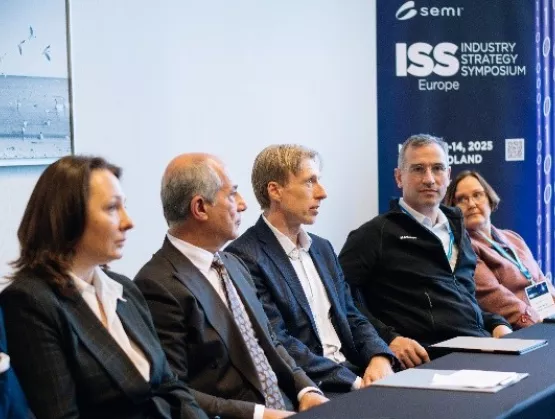
Integrated photonics offers the semiconductor industry a new way to increase the speed and capability of classical compute functions, as well as enabling quantum computing. The III-V Summit, hosted by SEMI Europe in partnership with Photon Delta at SEMICON Europa, opened with a compelling question: why is a photonics summit taking place in the middle of a semiconductor event? Ajit Manocha, President and CEO of SEMI, highlighted the growing convergence of the semiconductor and photonics industries, stating, “It is my firm belief that a boost to Moore’s Law will come from the III-V world.” Declaring that the rate of growth in integrated photonics is set to pick up substantially, Manocha assured, “I will be your ambassador to make sure that the III-V technologies gain far greater visibility than they have today.”Ajit Manocha, President and CEO, SEMIThe promise of new III-V technologies is generating significant excitement within the semiconductor industry. Abdul Rahim, Ecosystem Manager at PhotonWorld, acknowledged the reality that today’s III-V device industry operates in a limited sphere, stating, “The III-V world is still at the interface of industry and academia. There is one main application for III-V devices – transceivers for data centers.” Abdul Rahim, Ecosystem Manager, PhotonWorld Carlos Lee, Director General of the European Photonics Industry Consortium (EPIC), echoed this message, “Photonics is not so much an industry today; it’s an ecosystem. It lacks the standards, roadmaps, and market data that a full-fledged industry needs – but we are getting there.” Carlos Lee, Director General, European Photonics Industry Consortium (EPIC)However, Rahim pointed to a number of trends that are driving the growth of III-V technology for integrated photonics. One key development is large-scale integration, “over the years, the number of devices in one photonics integrated chip (PIC) has been growing fast, reaching tens of thousands of components on-chip,” Rahim explained. Additionally, the widening frequency range supported by III-V devices is unlocking new applications beyond the telecom sector. Broad Scope of Research into III-V Technology for Integrated PhotonicsResearch into III-V technology spans an impressive range of materials, processes and applications. Nick Singh, CTO at Compound Semiconductor Applications (CSA) Catapult, a government-backed technology incubator, described in detail the most important fields of research that are driving innovation in integrated photonics. “III-V materials are special because they can be engineered,” Singh explained. Highlighting their potential role in advancing quantum computing, Singh added, “The ability to use new materials is crucial to reducing the reliance on algorithmic compensation for errors and non-linearity in hardware.” Nick Singh, CTO, Compound Semiconductor Applications Catapult However, Singh emphasized the need for the photonics industry to address structural challenges that could hinder progress. “Collaboration is crucial to standardize process development kits (PDKs) for photonics device fabrication processes—it’s like the Wild West in PDKs right now,” Singh remarked. “Additionally, the availability of raw materials presents a significant challenge.”The truth of this warning was confirmed by Diane Scott, Vice President of TECHCET, stating, "The US has deemed gallium to be the number one supply chain risk among a list of 50 raw materials, and the European Union (EU) has identified gallium as a critical raw material."Diane Scott, Vice President, TECHCETSuch geopolitical concerns have done little to dampen the intensity of research in III-V technology. One of the powerhouses of integrated photonics research is IBM, and Heike Riel, a Fellow at IBM Research with a special interest in quantum computing, revealed promising avenues that IBM is exploring. “IBM has developed local III-V-on-silicon heteroepitaxy, “Riel explained. “Using a direct growth method, we can grow vertical, lateral, and even 3D structures in III-V, such as stacked GaAs structures.” Riel highlighted the potential applications of this technology in emerging processor designs, including the Artificial Intelligence Unit (AIU) and analog computing devices with in-memory logic. “Here, we can deploy GaAs as a photorefractive material, used as a grating, to perform the same function as conventional electronic non-volatile memory in an analog computer chip,” Riel noted. Heike Riel, IBM Fellow, IBM ResearchAlso at the forefront of photonics integration is Black Semiconductor, a start-up company based in Aachen, Germany, which is developing devices using graphene. Cedric Huyghebaert, CTO of Black Semiconductor, shared the company’s vision, “We want to use electronics to compute, and photonics to transfer data, and bring both functions together on the same chip.” Black Semiconductor’s mission is to become the first foundry to offer integrated graphene technology. “Our ambition is to integrate graphene in line with semiconductor standards using semiconductor tools – avoiding the need for exotic processing technologies,” Huyghebaert explained. “We also aim to demonstrate co-integrated photonics on a 300mm wafer system, regardless of the process node. In doing so, we want to prove that deep technological innovation of this kind is possible in Europe.”Cedric Huyghebaert, CTO, Black Semiconductor GmbH Bringing Integrated Photonics to the MassesAs III-V technology develops to enable a broader range of integrated photonics applications beyond the telecom market, experts are recognizing the need for it to become more accessible if it is to be adopted by a wider range of manufacturers. Joni Mellin, manager of the photonics business line at the X-Fab Group, emphasized, “As an industry, we need to bring electronics design automation (EDA) tools up to a level of capability that matches that of the silicon world, so that you do not need a PhD to do product design – we need to make it accessible to ordinary electronics engineers.” Joni Mellin, BL Manager Photonics, X-FAB GroupAdoption of the technology also requires access to production capacity. Peter Maat, Senior Product Manager at SMART Photonics, an open foundry for indium phosphide (InP) programmable interface controllers (PICs), highlighted the challenges in this area. Maat explained that the availability of the foundry as “not a trivial capability,” because many InP fabs are run by integrated device manufacturers, and are closed to other users. The SMART Photonics business model aims to provide a comprehensive enablement service for fabless manufacturing of PICs. “Our responsibility is to produce stable, manufacturable building blocks that we make available to designers and to provide a platform which enables our circuit building blocks to be combined into an integrated photonics circuit,” Maat said.Peter Maat, Senior Product Manager, SMART Photonics Jayakrishnan Chandrappan, Head of Advanced Packaging Technology at CSA Catapult, also emphasized the importance of access to production capability. “The CSA Catapult has one of the world’s only sub-10micron hybridization facilities for advanced packaging that is open to third-party users,” Chandrappan noted.Jayakrishnan Chandrappan, Head of Technology, Head of Technology - Advanced Packaging, Compound Semiconductor Applications CatapultPromising Future for Integrated PhotonicsAs the summit concluded, the atmosphere was charged with optimism about the future of integrated photonics. The discussions highlighted how III-V materials, combined with advanced packaging, are set to play a pivotal role in shaping next generation technologies. A recurring theme throughout the event was the profound impact III-V materials will have, as they poised to become a corner stone of virtually every emerging technological advancement. SEMI ContactLaith Altimime, President of SEMI EuropeEmail: [email protected]
Read More
“Every working family in America knows how hard it is today to find affordable childcare or early childhood education.” – U.S. Senator Bernie Sanders“Finding solutions to improve affordability of childcare is very much an overall workforce issue.” – U.S. Senator Chuck GrassleyThe semiconductor industry will need more than a million new workers to fuel its anticipated growth toward $1 trillion in economic impact by the early 2030s. The types of jobs available within the industry will be as varied and diverse as will the people needed to fill them. This presents an extraordinary opportunity to provide Americans with access to meaningful economic opportunities and pathways to lifelong careers. Identifying, recruiting, and training these many workers will require a new level of partnership between industry, academia, workforce development networks, and more. Retention of those workers – and employees currently in the industry – is an equally significant challenge. Key to solving the retention problem is childcare – affordable, accessible, and quality childcare for all working parents. About 40% of the nation’s workforce are parents with children under the age of 18, and about 11% are parents with children under 5 years old. According to a study by the National Women’s Law Center, 23% of families cannot find or pay for care. Only 12% of U.S. companies provide childcare benefits, and 1 in 4 American parents have been forced to quit their job or leave their education pathways due to a lack of affordable, accessible, and quality child care. More than 50% of Americans live in a “childcare desert” – meaning that for every licensed childcare slot, there are three children who need that slot. All of this equates to huge losses: taxpayers lose $21 billion each year in lower tax revenue; employers lose $23 billion each year due to childcare challenges; and families lose $73 billion a year due to insufficient childcare. Companies alone cannot solve the childcare crisis. It will require the partnership of government, industry, advocates, providers, and more. One significant step the federal government has made in improving childcare systems in America is requiring childcare plans from companies who apply for more than $150 million in funding from the CHIPS Science Act of 2022 – and strongly encouraging all applicants to include them regardless of funding request amounts. This requirement has shown early promise and has shifted the conversation around childcare, even for semiconductor companies not receiving CHIPS funding.Many chip companies reached out to the SEMI Foundation, SEMI’s nonprofit workforce development arm, seeking support for creating or strengthening company workforce development plans and equity strategies for their CHIPS applications. This led to requests for support for childcare plans as well. To address this need, the SEMI Foundation collaborated with childcare experts - policymakers, providers, and consortia – to best advise companies. Through this work, SEMI Foundation and the consulting firm Policy Equity Group became thought partners in helping SEMI member companies create stronger childcare benefits and support stronger childcare systems nationwide. This work, called Chips Childcare, is in partnership with the W.K. Kellogg Foundation and David and Lucile Packard Foundation through the Investing in America Child Care Partnership.Our work is to not just help families and companies thrive, but to truly understand the problem and find both proven and creative solutions. Why is it so difficult to find affordable, accessible, and quality childcare? Why is childcare such a critical component of workforce development, particularly to the semiconductor industry? Michelle Williams, Executive Director of the SEMI Foundation, sat down with Jeff Capizzano, President and Founder of Policy Equity Group, to ask these questions.Williams: Jeff, tell me about Policy Equity Group and the company’s mission.Capizzano: The Policy Equity Group is an early childhood consulting firm. Our main office is located on Capitol Hill in Washington, D.C., but we have staff across the country. We spend our days working with policymakers, advocates, companies, early childhood providers, and families on ways to improve the quality of early care and education and to make it more accessible and affordable to families. I started the Policy Equity Group to help advocates and to be a bridge between stakeholders and policymakers. Now, we spend our days trying to leverage currently existing policy (like the CHIPS Act), and advocating for new policies that improve the access, affordability, and quality of early care and education programs. Williams: What is the state of childcare in this country? Capizzano: The childcare sector is in bad shape. Childcare is expensive, hard to find, and often not of sufficient quality to promote a child’s development and learning. When parents can find childcare, it might not be in the ideal location or type of facility, or meet their scheduling needs. At the heart of the issue is the fact that childcare is a very difficult business model to sustain. Because it involves caring for children as young as six weeks old, it is heavily regulated to ensure that children are healthy and safe while in care. And rightly so. The most important regulation is the number of children that can be cared for per teacher in a childcare setting. At the same time, these regulations make it very difficult for childcare businesses to generate enough revenue based on what parents can afford to pay. This is why you see low pay in the profession, high turnover within the childcare workforce, and a low supply of care, particularly for children younger than three. Researchers at the University of California, Berkeley have a saying: “Families can’t afford to pay, teachers can’t afford to stay.” Source: Policy Equity GroupWilliams: You’ve talked about “childcare deserts”. Tell me more about that term. Are there “deserts” in the three states where we are working together – Arizona, Michigan, and Ohio?Capizzano: In the early childhood field, we refer to childcare deserts as a specific geographic area where childcare is scarce. The technical definition is a census tract where there are more than three children under age five to one licensed childcare slot. It’s an imperfect measure but is a decent indicator of where the demand for childcare has the potential to far exceed the capacity. Arizona, Ohio, and Michigan have childcare deserts. According to the research, nearly half of families in Arizona live in a childcare desert, compared to 44% of families in Michigan, and 39% in Ohio. Increasing childcare capacity is going to be one of the major challenges of our work with semiconductor companies in these states. Williams: How does the availability – or lack thereof – of affordable, accessible, and quality childcare affect today’s workers? Capizzano: The lack of access to affordable, quality childcare has a profound impact on workers. First, when childcare is difficult to access, it has an impact on labor force participation, particularly among women. For example, in the childcare desert areas that I talked about, the labor force participation rates for women are lower (3% on average) than other areas. Equally important, breakdowns in childcare arrangements among workers cause them to miss work, come in late or leave early, be distracted at work, or leave the workforce altogether. The U.S. Chamber of Commerce Foundation has done a good job of documenting the economic losses to businesses and to state economies, and the losses total billions of dollars annually for families, companies, and federal and state budgets. Williams: We don’t know much about the quality or extent of childcare offerings in the semiconductor industry. The studies I’ve found indicate that we are below the national average in offering childcare benefits – indeed, perhaps as few as 8% of semiconductor companies offer these benefits. SEMI Foundation conducted an informal survey of some members and found that of the small number who offered childcare benefits, fewer than 5% of employees who were parents actually use those benefits. Can you explain why this might be?Capizzano: I can’t speak specifically to the semiconductor industry (yet), but I know from other sectors that I have worked in that companies have not taken the time to really understand their employees’ childcare needs. As every parent who uses childcare knows, the decision of where to place your child in care can be complicated. Factors involved in this choice include family structure (is there a non-working spouse or relative available), supply, cost, and preference. A company should understand their employees’ childcare needs and preferences before creating a benefits package. Clearly, with a 5% take-up rate in benefits, it’s either an awareness issue or the benefits are not meeting true childcare needs of employees. Wiliams: The SEMI Foundation and Policy Equity Group have demonstrated the value of bringing together industry and expert childcare consultants who could help companies and their proximate communities build stronger childcare benefits and systems, rooted in research and informed by best practices. Talk a bit about our collaboration – where it is happening, what the process looks like, what the results will be, and how we hope to amplify our findings and our successes. Capizzano: Having a team that knows the ins and outs of both the semiconductor and childcare sectors is a recipe for success. On the childcare side, when we work with companies, we take them through a four-step process to get them to an actionable childcare plan.Source: Policy Equity GroupWe start by working to better understand the childcare needs and preferences of employees and the capacity of the local childcare markets to meet those needs. We survey the employees and then conduct a market analysis to understand the extent to which the childcare supply in the market fits with the needs and preferences of employees.The second step is what we call a “last dollar in” analysis to determine what publicly funded childcare options could be accessed before companies make their own investments in childcare. In the third step, we explore different childcare options for the employer. These options include increasing awareness of what the company is already offering or childcare support in the community, helping to make childcare more affordable through stipends, and leveraging potential tax incentives. Finally, we weave together what we’ve learned to create a childcare plan that is customized and actionable, and that responds to the diversity of families’ needs and preferences, the current market context, and what makes the most sense for the company from a budget and capacity perspective.Williams: If you had a magic wand, what top two things would you change about how the U.S. approaches childcare?Capizzano: First, I would change how childcare is perceived by policymakers and U.S. society overall. The research on brain development is very compelling. The birth-to-five period is the most consequential phase of human development and the experiences of children in those early years wire their brains and bodies in a way that impacts the rest of their lives. Yet, society places little value on the programs and teachers that care for and educate our youngest children. Nothing upsets an early childhood teacher more than being called a “babysitter,” and yet this is often how they are perceived. This perception must change. A child’s experiences in a childcare/early education setting is the first and arguably the most important step in a child’s educational journey. We all need to understand that. Second, I would change how childcare is financed. The childcare system consists of several federal and state programs, but it is primarily financed by the tuition that parents pay. As I mentioned, this creates an unsustainable business model where parents can only pay so much for childcare, and childcare providers can only generate so much revenue per teacher because of the regulations that keep children safe. This causes overall low quality of programs, low wages for teachers, and high teacher turnover. As a field, we are starting to better understand what it really costs to pay for high-quality childcare that meets parents’ needs and promotes child development. The amount of funding we need to create a high-quality childcare system is going to require significant public financing. The country’s most noted economists, including the Noble Laureate James Heckman, agree that this is a good investment. Williams: What do you want semiconductor leadership teams to know about childcare?Capizzano: I would want them to know that childcare is vital to the success of their business. It provides access to a large and diverse labor pool that would otherwise be unavailable if it weren’t for childcare. It makes for more productive workers, reduces stress in the workplace, and supports recruitment and retention of the most talented workers. And like any other aspect of the business, you must be strategic and data-driven when you address the childcare needs of employees.We would love to help. Jeffrey Capizzano is President of the Policy Equity Group, LLC, a consultancy that helps organizations, childcare providers, and families leverage early childhood policies and programs and become stronger advocates for better early childhood systems. Mr. Capizzano is a nationally known advocate and researcher with both private and public sector experience. Prior to founding Policy Equity Group, he served as a Senior Policy Advisor at the Administration for Children and Families within the U.S. Department of Health and Human Services.Michelle Williams is Executive Director of the SEMI Foundation.
Read More
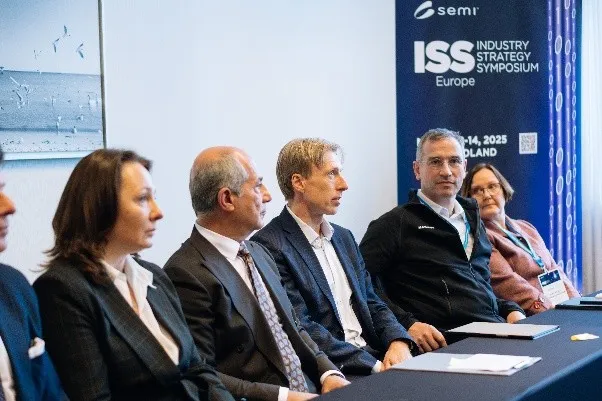
New pilot lines offer European innovators access to the most advanced semiconductor technologies for product development and validation.The global semiconductor landscape has undergone significant transformation in recent years. With disruptions such as the semiconductor supply chain crisis and the challenges it posed to the automotive sector, Europe’s dependence on external fabrication facilities, particularly in Taiwan, has become a pressing concern. In response, the European Union (EU) introduced the EU Chips Act, a comprehensive framework designed to reduce this reliance and boost Europe’s share of the global semiconductor market. ITF Chip into the Future, hosted by imec at SEMICON Europa 2024, was a pivotal event that brought together industry leaders, policymakers, and experts to explore the implementation of the EU Chips Act and the future of Europe’s semiconductor ecosystem. Jari Kinaret, Executive Director of the Chips Joint Undertaking (Chips JU)—the body overseeing the EU’s semiconductor investments—explained, “The Chips JU is about capacity building to drive semiconductor innovation in Europe. We will continue to be dependent on the rest of the world, but we want to make sure that the rest of the world depends on us as well.” Jari Kinaret, Executive Director, Chips JUEuropean research is driving progress towards sub-nanometer fabricationOne of the pilot lines, located at imec’s research center in Belgium, is focused on advancing methods that push Moore’s Law forward by achieving smaller and more efficient circuit features. As Luc Van den hove, President and CEO of imec, explained, “imec is now powering innovation for tomorrow’s chip designs, including stacked layers of chips, with each layer containing specific functionality implemented on chip processes optimized for each function. This allows us to scale much further than if all functionality had to be implemented on a single monolithic layer.”Luc Van den hove, President and CEO, imec Another pilot line, based in France and operated by CEA-Leti, is focused on pushing the limits of technology across multiple dimensions. CEA-Leti CEO, Sébastien Dauvé, explained that the goal of the FAMES pilot line is to advance “not only FD-SOI at 10nm and 7nm nodes, but also novel non-volatile memory technologies, RF components, 3D integration, and the development of small inductors for DC-DC converters.” Sébastien Dauvé, CEO, CEA-LetiAdvancements in 3D integration and chiplet technologies are closely tied to innovation in chip packaging. Christoph Kutter, Executive Director of Fraunhofer EMS, described how the Advanced Packaging and Heterogeneous Integration for Electronic Components and Systems (APECS) pilot line in Germany is designed to meet the needs of industrial customers’ growing demand for advanced packaging solutions. Kutter noted “Customers told us that they needed to integrate logic and power, sensors and logic, and other combinations of functions. We have built the APECS pilot line to provide what they asked for.”Christoph Kutter, Executive Director, Fraunhofer EMSThe EU Chips Act is spurring investments not only in chip fabrication but also in the underlying technologies which support chipmaking. Emmanuel Sabonnadière, EVP at Soitec, highlighted how fabrication of advanced silicon carbide (SiC) power devices “is enabled by SmartSiC™ technology from Soitec – part of a built-in-Europe solution for silicon carbide.” Sabonnadière explained that SmartSiC technology “creates very thin layers of SiC material which make really differentiated substrates supporting the production of high-performance SiC devices.” Emmanuel Sabonnadière, EVP, SoitecInnovation in materials emerged as an important theme at ITF Chip into the Future. Julien Arcamone, Vice President of Corporate R D at ASM, described the critical role of materials for atomic layer deposition (ALD) in the advancing 3D semiconductor integration. Arcamone emphasized the importance of collaboration across the semiconductor value chain, describing ASM’s partnership with imec as part of “a win-win ecosystem.” Julien Arcamone, Vice President of Corporate R D, ASMDeveloping the skills to implement advanced semiconductor technologiesWhile the EU Chips Act is subsidizing the construction of new facilities including pilot lines needed for the hardware of the semiconductor industry’s expansion – the ITF speakers underlined the equally important “software” element of the semiconductor industry ecosystem: the knowledge and expertise of the people working in the industry. One of the biggest challenges in implementing the EU Chips Act is addressing Europe’s talent gap. Katrien Marent, Executive Vice President and Chief Marketing and Communications Officer at imec, said that the gap is in part “because students who graduate in STEM subjects are not trained in advanced semiconductor technologies.” From left to right: Katrien Marent, Executive Vice President and Chief Marketing and Communications Officer, imec; Julien Arcamone, Vice President of Corporate R D, ASM; Thomas Heurung, CEO, Siemens EDA; Frédérique Le Grevès, President STMicroelectronics France and Executive Vice President, Europe France Public Affairs, STMicroelectronics; Romano Hoofman, Director imec.IC-link, imec; and Christophe Frey, Vice-President of EU engagements Managing Director, ARM.Thomas Heurung, CEO of Siemens EDA, highlighted the need for educational reform in the electronics industry. He suggested that “we might not have the right degree-level curriculum for changing times in the electronics industry. We need to change the way that we train students at university, and we need more scope for early or mid-career training on specialist micro-curriculums aimed at a particular skill or knowledge set.”The industry also struggles to attract individuals. Frédérique Le Grevès, President of STMicroelectronics France and Executive Vice President, Europe France Public Affairs of STMicroelectronics, emphasizes the importance of rebranding the industry to attract new talent. She remarked, “The word ‘semiconductor’ itself isn't very exciting—it’s even off-putting to some. By simply changing the name of educational programs, we’ve seen significant increases in enrollment. This demonstrates the power of language in shaping perceptions and interest.”Thomas Heurung of Siemens EDA also called for a stronger emphasis on entrepreneurship, noting “there is a big contrast between Europe and the US, particularly Silicon Valley.” He explained how his company’s Cre8Ventures unit had been set up to help start-ups through the key stages of creating a successful new company, including product development, attracting funding, and bringing the product to market. Thomas Fleischmann, Program Manager at Robert Bosch, explained how the EU Chips Act has accelerated the formation of the European Semiconductor Manufacturing Company (ESMC) joint venture, in which Bosch is a key stakeholder. ESMC is building a new semiconductor fabrication plant in Dresden, dedicated to producing chips for the automotive and industrial sectors. Fleischmann emphasized that ESMC will play a crucial role in helping Europe “scale advanced technologies to high volumes at a competitive cost.”In addition, the EU Chips Act also provides a broader platform for the expansion of Europe’s deep tech capacity. This includes the creation of five pilot lines, which will offer European companies access to manufacturing capacity for prototyping at the most advanced semiconductor technology nodes.Thomas Fleischmann, Program Manager, Robert BoschITF Chip into the Future at SEMICON Europa 2024 highlighted the broad scope of the EU Chips Act – not only supporting the building of advanced fabs but also providing the foundations for technology development, production, and marketing – all aimed at supporting semiconductor innovation in Europe. SEMI ContactMaria Daniela Perez, Communications ManagerEmail: [email protected]
Read More