

The semiconductor industry continues to push the envelope to meet demands of key applications such as advanced computing, consumer electronics, and defense, as well as environmental sustainability. There remain several critical challenges that our industry is working diligently to address, but how can these issues be tackled more effectively and at a pace that can keep up with this ever-evolving landscape?
SEMI sat down with Supika Mashiro, Advisor at Tokyo Electron, where she shares her perspective on the importance of strengthening industry collaboration and what SEMI is doing through its first-ever SEMI Global Standards Summit – “Innovating Tomorrow: Standards for Future Factories” – of which she chairs the Planning Committee responsible for organizing this Summit.
Trio: What is the SEMI Global Standards Summit and why is this event timely?
Mashiro-san: Topics such as advanced packaging, cybersecurity, as well as supply chain and materials innovation (and their impact to the environment) are considered strategic areas requiring more industry collaboration. Many of these areas also greatly benefit from standards, and the next generation specifications and guidelines will need to be engineered to meet the technical challenges we face today and in the future. The magnitude of these standardization efforts will require engagement from all stakeholders in the design-to-manufacturing value chain as well as multiple Standards Developing Organizations (SDOs) coordinating and collaborating with each other.
This is the driving force behind the Summit, and the need to bring together industry stakeholders to identify standards-critical areas and align on developing an industry standardization strategy for the next 3- and 7-year time horizons. We are excited to host this inaugural event on December 12, 2024, in conjunction with SEMICON Japan 2024.
Trio: What is the focus of the Summit?
Mashiro-san: The Global Standards Summit will cover three main themes: Smart Manufacturing for Future Factories, Packaging Architectures & Materials, Environmental Sustainability.
Factories are increasing their use of digital twins, predictive maintenance, and AI/ML to improve productivity and yield across the entire manufacturing environment. To take full advantage of these approaches, factories must reduce cybersecurity risks and secure the transfer of “smart” data across the entire supply chain while protecting IP. There is a need for standards to address these risk areas, as well as help diverse advanced analytics systems interoperate to assist personnel in increasing factory productivity. In the Smart Manufacturing for Future Factories session, we will be focusing on autonomous fabs, cybersecurity, and flow-oriented manufacturing.
Similarly, packaging technologies have been progressing since the early stages of semiconductor device development more than 70 years ago. More recently, where packaging occurs in the semiconductor process has evolved, and some of the packaging processes are now done as an extension of front-end manufacturing. Moving forward, packaging architecture and materials are becoming increasingly important, driven by the adoption of heterogenous integration to address demands for more complex functionality and reduced power consumption as well as enabling chiplet integration. In the Packaging Architecture & Materials session, we will discuss what kind of standardization our industry requires for copper-copper (Cu-Cu) direct interconnection, hybrid bonding, and panel-level packaging. We will also explore glass substrates as well as standards needed to enable semiconductor assembly and test automation.
Our third session recognizes that the semiconductor industry is heading into an era of NetZero, in which quantification of environmental performance can have meaningful financial impact. The methods of measuring and accounting the environmental impact such as carbon emissions and the presence of substances of concern in manufacturing and products are not uniformly consistent across the industry. In order for the semiconductor industry to better navigate and make a positive impact in this arena, a consistent set of standards will be crucial. In the Environmental Sustainability session, thought leaders will present on communicating substance of concern (SOC), reporting of process emissions from factories, as well as lifecycle assessment of materials and substances used in semiconductor manufacturing, including equipment.
Last but not the least, we will feature a panel session where we will explore all of these topics in a discussion with our panelists.
Trio: Who should attend the Summit and why?
Mashiro-san: The Summit is intended for leaders who are interested in these standardization topics to come and engage. Attendees will hear and learn about the issues critical to the future advancements of semiconductor manufacturing, what’s happening to address them, as well as new standards development.
Attendee engagement is critical as we want our participants to influence and be able to contribute to the direction of standards development by providing valuable insights to help optimize future factories. To facilitate industry collaboration, we have organized networking events with other stakeholders from suppliers and solutions providers to end customers. The Summit is just one of many compelling reasons for industry stakeholders and thought leaders to come to SEMICON Japan. There are several sessions on many related topics that we are covering in the Global Standards Summit. Ultimately, at the conclusion of the Summit, we expect to have identified lists of critical standards areas, and we would like for those leaders to be able to assign and dedicate resources to these standardization efforts.
For more information about the inaugural SEMI Global Standards Summit, please visit the SEMICON Japan 2024 site and register today!
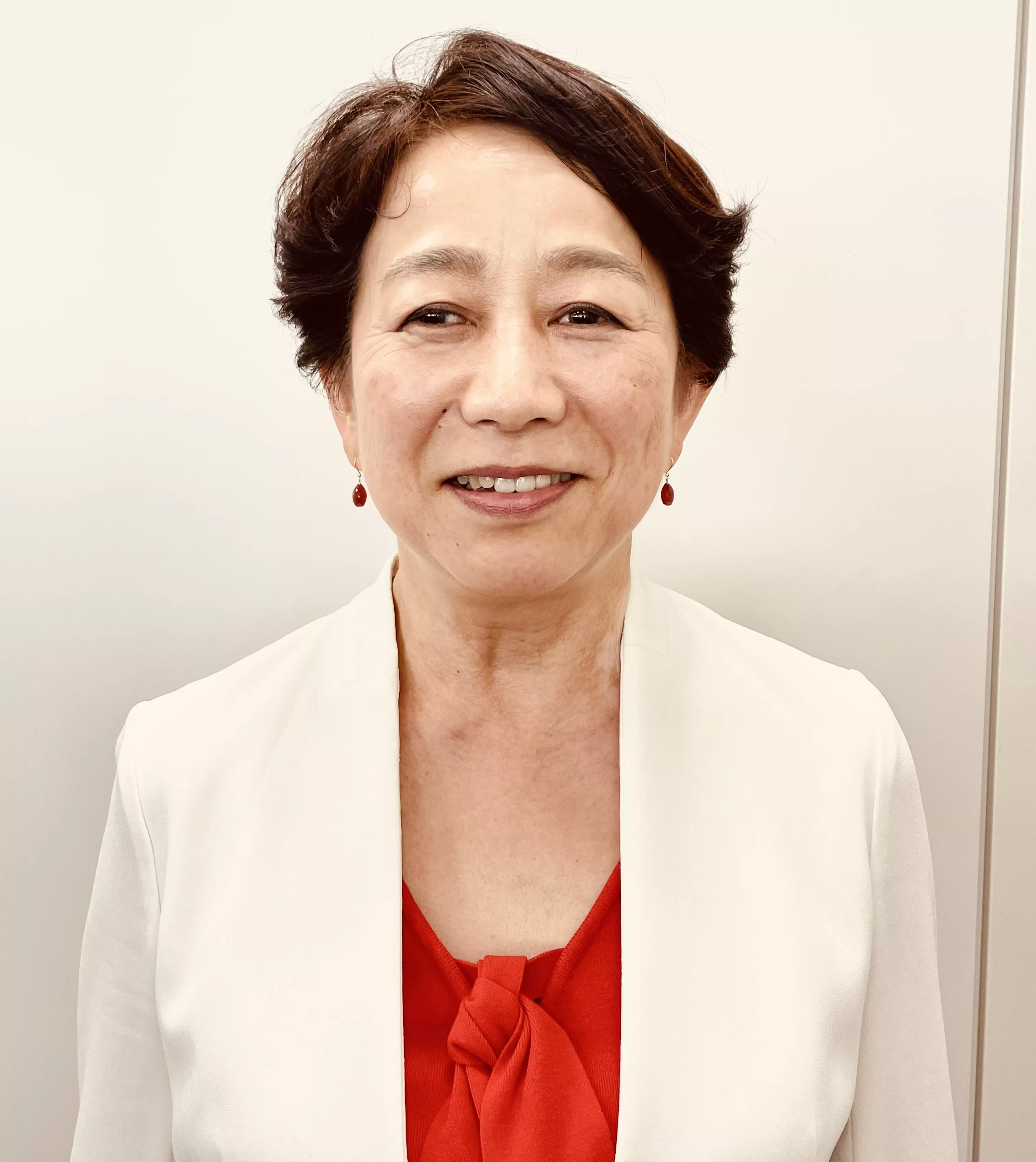 Supika Mashiro works as an Advisor for Strategic Planning of Industry Initiative Group at Tokyo Electron Limited.
She has been involved in Factory Integration (FI) IFT of IRDS since its inauguration in 2016 and a co-chair since 2017. Her area of interest and involvement encompasses “smart” technology applications in manufacturing equipment, its co-optimization with Fab operation as well as ESH/S (Environment, Safety, and Health/ Sustainability) road-mapping and related industry standard development. For the latter, she has taken a couple of leadership roles in SEMI Standards Program as well as IEC TC/44.
Paul Trio is Director of the SEMI Standards program.


