downloadGroupGroupnoun_press release_995423_000000 copyGroupnoun_Feed_96767_000000Group 19noun_pictures_1817522_000000Member company iconResource item iconStore item iconGroup 19Group 19noun_Photo_2085192_000000 Copynoun_presentation_2096081_000000Group 19Group Copy 7noun_webinar_692730_000000Path
주요 콘텐츠로 건너뛰기
Default Banner Image

기술

등록안내

Registration
  • 사전등록 마감일: 2025년 9월 9일(화) 오후 5시
  • 기초과정
    • SEMI 회원사/학생: 176,000
    • 비회원사: 198,000
    • 현장등록가: 220,000
  • 심화과정 0.5 day
    • SEMI 회원사/학생: 99,000
    • 비회원사: 121,000
    • 현장등록가: 132,000
  • 심화과정 1 day
    • SEMI 회원사/학생: 176,000
    • 비회원사: 209,000
    • 현장등록가: 231,000
Registration
대한민국 SPT_web_banner 기술 트레이닝

OVERVIEW

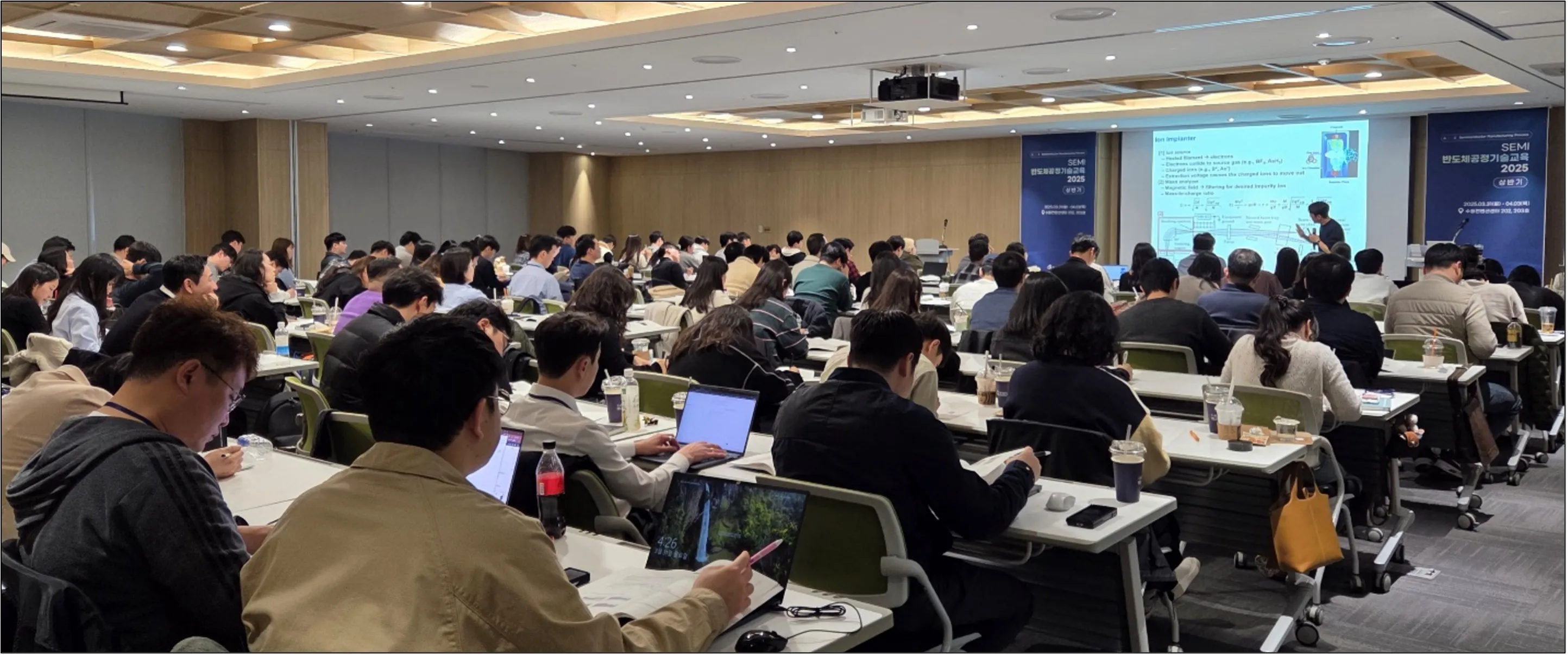
  • 교육명: SEMI 반도체공정기술교육 2025
  • 일정
    • 기초과정: 2025년 9월 15일(월) 오전 10시 - 오후 4시 35분
    • 심화과정:  2025년 9월 16일(화)
      • [Course l: Thin Film]: 오전 9시 - 오후 12시 20분   
      • [Course ll: Etch]: 오후 1시 40분 - 5시
  • 장소: 수원컨벤션센터 203호
  • 주최: SEMI Korea


COURSE DETAILS

  • 기초과정: 반도체 기초개념과 반도체 제조공정을 소개하는 1일 이론과정
    • 대상: 반도체 분야 관련 실무자 중 반도체 비전공자, 경영지원팀, 기술영업 등  
  • 심화과정: 공정별 특성 및 심화과정을 소개하는 1일 이론과정  
    • 대상: 반도체 공정에 참여하고 있는 엔지니어 등 


NOTICE

  • 참석확인증은 SEMI Korea 통합등록사이트(http://semi_prog.sjinfotec.com)에서 사후설문조사를 완료하시면 발급됩니다.  
  • 등록비에는 교재비가 포함되어 있으며 당일 현장에서 수령하실 수 있습니다.   
  • 기초과정은 중식이 제공되며, 주차비는 지원하지 않습니다.  
  • 교육내용 및 순서는 강사 사정에 의하여 임의로 변경될 수 있습니다.  
  • 본 교육은 고용노동부 환급과정이 아닙니다. 


CONTACT


TESTIMONIAL

  • 현 엔지니어와의 만남을 통해 궁금증을 해소할 수 있는 시간이었습니다.
  • 반도체 공정 기술분야의 전반적인 기술 현황을 파악할 수 있었습니다.
  • 강사분들이 교육을 지루하지 않고 재미있게 풀어주셔서 집중이 잘 되었습니다.  

(2025년도 상반기 참석자 후기 발췌)

대한민국
수원컨벤션센터 203호

10:00 am - 4:35 pm
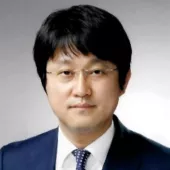
2.SPT2022(2H)_서강대학교 김상완 교수_사진_220915.jpg
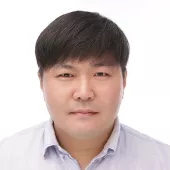
김상완
교수
서강대학교

교육과정

10:00 am -10:50 am 반도체 산업 현황
10:50 am - 11:05 am Break
11:05 am - 12:15 am 반도체 소자 구조 및 동작 원리
12:15 am - 2:00 pm Lunch
2:00 pm - 3:10 pm 실리콘 칩 제작 공정
3:10 pm - 3:25 pm Break
3:25 pm - 4:35 pm 실리콘 칩 제작 공정

※ 연사정보

9:00 am - 10:00 am
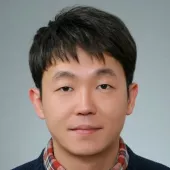
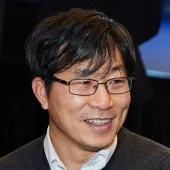
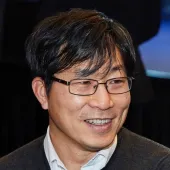
강동균
강동균
TL
SK hynix

Thin Film

최근 반도체 산업은 초고속, 저전력, 고집적 등 메모리 소자의 성능을 향상시키기 위한 방향으로 연구 개발을 활발하게 추진하고 있습니다. 반도체 소자를 실제로 구현하고 제품으로 만들어 내는 반도체 제조 공정은 웨이퍼 제조부터 패키징까지의 모든 단계를 포함하며 기술 혁신을 통한 반도체 칩 성능의 극대화를 위해 새로운 소재 도입 및 장비 개발과 함께 기존 소자의 구조를 개선하는 등의 다양한 방면으로 연구를 병행하고 있습니다.
본 강의는 먼저 반도체 산업의 특징 및 글로벌 반도체 산업 생태계 동향 파악과 함께 웨이퍼 위에 회로를 새기는 과정인 전공정 (Front-end Process), 완성된 칩을 보호하고 테스트하는 과정인 후공정 (Back-end Process) 을 포함한 반도체 제조 공정의 전반적인 내용에 대해 간단하게 살펴보고 이후 Thin Film 공정의 기본 개념 및 용어와 함께 해당 공정의 증착 방법, 각 증착 물질의 특징과 장단점에 대해 이해하고 이를 바탕으로 특히, Dielectric, Metal 물질별 응용 사례를 파악하여 Thin Film 공정에 대한 이해도를 높이는 과정입니다.

※ 연사정보

10:00 am - 10:10 am

Break

10:10 am - 11:10 am
강동균
강동균
TL
SK hynix

Thin Film

11:10 am - 11:20 am

Break

11:20 am - 12:20 pm
강동균
강동균
TL
SK hynix

Thin Film

12:20 pm - 1:40 pm

Lunch

1:40 pm - 2:40 pm
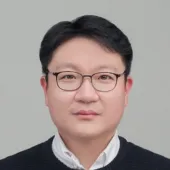
박용신 수석.png
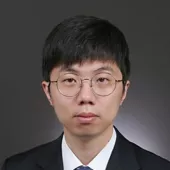
박용신
수석
Samsung Electronics

Etch

최근 반도체 집적도가 증가하면서 Patterning 공정에 대한 난이도 역시 급격히 증가하고 있다. 특히 2D 및 3D Patterning을 모두 담당하는 Etching 공정의 중요성은 그 어느 때 보다도 높아진 상황이다.
본 강의에서는 Etching process를 구현하는데 필수적인 Plasma physics 및 engineering을 소개하고, Etching mechanism 및 주요 물질 별 Etching chemistry, 차세대 Etching 기술 트렌드 등을 조망하고자 한다.

※ 연사정보

2:40 pm - 12:50 pm

Break

2:50 pm - 3:50 pm
박용신 수석.png
박용신
수석
Samsung Electronics

Etch

3:50 pm - 4:00 pm

Break

4:00 pm - 5:00 pm
박용신 수석.png
박용신
수석
Samsung Electronics

Etch

-

SEMI 반도체공정기술교육은 반도체 장비 및 재료 분야 종사자들이 반도체 제조공정을 깊이 이해하고, 업무를 원활히 수행할 수 있도록 지원합니다. 이 교육은 반도체 장비 및 재료 제조에 종사하는 엔지니어, 기획 및 마케팅 실무자, 제조업체 기술영업사원, 이공계 학생을 대상으로 합니다. 웨이퍼 제조부터 공정 결함을 측정/계측하는 MI기술까지, 반도체 칩 제조공정을 한눈에 볼 수 있는 기회를 제공하오니 많은 관심과 참여를 부탁드립니다.


Off Add to Calendar 2025-09-15 00:00:00 2025-09-16 00:00:00 SEMI 반도체공정기술교육 2025 SEMI 반도체공정기술교육은 반도체 장비 및 재료 분야 종사자들이 반도체 제조공정을 깊이 이해하고, 업무를 원활히 수행할 수 있도록 지원합니다. 이 교육은 반도체 장비 및 재료 제조에 종사하는 엔지니어, 기획 및 마케팅 실무자, 제조업체 기술영업사원, 이공계 학생을 대상으로 합니다. 웨이퍼 제조부터 공정 결함을 측정/계측하는 MI기술까지, 반도체 칩 제조공정을 한눈에 볼 수 있는 기회를 제공하오니 많은 관심과 참여를 부탁드립니다. 대한민국 수원컨벤션센터 203호 SEMI.org [email protected] America/Los_Angeles public 등록 바로가기
Event format
Promote in calendar
Off

REGISTRATION

Registration
  • 사전등록 마감일: 2025년 7월 9일(수) 오후 5시
  • 단체등록 마감일: 2025년 7월 4일(금) 오후 5시
  • 등록비에는 점심식사가 포함되어 있습니다. 


[사전등록]

  • SEMI 회원사: KRW 308,000
  • 비회원사: KRW 363,000

[사전등록 - 단체 (한 회사 5인 이상)]

  • SEMI 회원사: KRW 275,000
  • 비회원사: KRW 330,000
    *단체등록은 SEMI Korea 프로그램팀([email protected])으로 문의 바랍니다.

[현장등록]

  • SEMI 회원사: KRW 385,000
  • 비회원사: KRW 385,000
Registration
대한민국 APS2025_banner 비즈니스 기술

OVERVIEW

  • 날짜: 2025년 7월 16일(수)
  • 시간: 오전 9시-오후 5시
  • 장소: 수원컨벤션센터 컨벤션홀 2
  • 발표언어: 한국어
  • 주최: SEMI Korea 


SPONSORS


NOTICE

  • 아젠다는 연사 사정에 의하여 임의로 변경될 수 있습니다.
  • 행사 종료 후 참석자들에게 연사 동의를 얻은 자료에 한하여 발표자료를 공유드릴 예정입니다.
  • 동시통역은 제공되지 않습니다.


CONTACT

대한민국
수원컨벤션센터 컨벤션홀 2

9:00 am - 9:30 am
Choon Lee
Choon Lee
Intel

System Level Advanced Packaging

Rapidly evolving progress of AI and HPC has significantly increased computational and memory needs such as higher performance, lower power consumption, and wider memory bandwidth with reduced latency. An end application of AI/HPC comes down to Datacenter construction. Meeting the challenge of delivering this processing power in the datacenter requires systematic innovation from the device to the datacenter level. It starts with integrating highly optimized, domain-specific accelerators which should be integrated into advanced 2.5D and 3.5D packaging that minimize losses and power for high-speed communication while taking advantage of workload power management. AI computing introduces significant challenges for energy consumption and thermal management. Power delivery network is crucial for CPU, GPU and NPU power and performance of which solution can be DTC, IVR, mtal-insulator-metal (MIM) capacitor and thin film inductor, backside power rail, etc..  While Moore’s law has continued to yield transistor scaling necessary for these applications, the ever growing demand from models for AI training and inference pushes Si scaling in conjunction with the advent of advanced interconnects via disaggregation and reaggregation of chips in advanced packaging.  
We will discuss with examples and the challenges of utilizing packaging elements to their full potential and discuss how co-optimization is crucial to achieving the best results for any given set of system requirements and constraints.

※ 연사정보

9:30 am - 10:00 am
TaeKyeong Hwangv
TaeKyeong Hwang
Amkor Technology Korea

Advanced Packages for AI/HPC

10:00 am - 10:30 am
신상훈
SangHoon Shin
Assistant Professor,
Hanyang University

Advanced Packaging and Reliability: Technologies Shaping the Next Generation

Advanced semiconductor packaging is now central to enabling continued performance scaling as conventional transistor scaling slows. This seminar introduces cutting-edge trends in advanced packaging, including 2.5D and 3D integration, fan-out wafer-level packaging, chiplet-based architectures, and glass interposers for optical I/O in AI and HPC systems. These technologies offer enhanced performance, form factor reduction, and system-level integration capabilities critical for future computing platforms.
Leveraging prior industry experience, this talk highlights real-world applications and challenges in designing and qualifying advanced SoC packages. Examples include CoWoS-based AI chip packaging, hybrid bonding techniques, and thermal design optimization for high-power systems.
As packaging structures become increasingly complex, reliability emerges as a critical bottleneck. The seminar explores major failure mechanisms such as thermal-mechanical fatigue, electromigration, interfacial delamination, and Through Glass Via (TGV) degradation. Reliability analysis methods including FEA-based stress modeling, time-to-failure prediction, and advanced failure diagnostics will be introduced.
By combining packaging innovation with reliability engineering, the talk aims to provide a comprehensive perspective on the technological and practical issues that must be addressed to enable robust, high-performance semiconductor systems in the AI and data-driven era.

※ 연사정보

10:30 am - 11:00 am
Sang Hyun Han
Sang Hyun Han
NOVA

Pushing the Boundaries: Challenges and Opportunities in Panel-Level Packaging Technology

As the AI era progresses, semiconductor devices are increasingly adopting 3D architectures to boost performance and power efficiency. At the same time, system technology co-optimization (STCO) is advancing through the use of chiplets and advanced wafer-level packaging. As the industry integrates more chips into chiplets, the size of interposers continues to grow. However, wafer-level packaging faces limitations in accommodating large interposers due to the constraints of 300mm wafer shapes and temporary carriers.
This trend is driving a shift toward panel-level packaging (PLP) to support higher packaging unit counts. Despite its potential, PLP still faces significant challenges—particularly in terms of process development and process control.
This paper explores the technical trends in panel-level packaging, focusing on the current challenges and potential solutions related to process control.

※ 연사정보

11:00 am - 11:20 am

Break

11:20 am - 12:30 pm
All speakers

Panel Discussion

1:30 pm - 2:00 pm
Jinho_An
Jinho An
Senior Director/ Technologist,
Applied Materials

Presentation New Innovations Enabling Fine Pitch D2W Hybrid Bonding

Abstract - Heterogenous integration and advanced packaging is behind the technology that is enabling today’s AI and high-performance computing. This is done through complex architecture that utilizes platforms including microbumps, through silicon vias (TSV), high density fanout and hybrid bonding (HB). The integration of chiplets using any combination of these technologies is allowing the industry to extend the Moore’s law and overcome limitations of the Von Neumann architecture. Hybrid bonding is an especially appealing technology that helps improve power and performance (higher I/O density), as well as thermal management. Sub-10 ㎛pitch die-to-wafer (D2W) HB is already in production1) for 3DIC and the industry working on HB technology for High Bandwidth Memory as well2). However, there are continuous challenges for D2W that require new innovation in both processing and metrology & inspection (M&I), and also unique challenges for both logic and memory applications specific to its integration. The presentation will discuss how logic and memory HB technologies are different and what process and M&I technologies are needed to facilitate HVM of the HB technology across different applications. Process challenges including low temperature bonding, die warpage management and dicing will be discussed, while M&I challenges include the transition to e-beam technology for HB enablement.

1) R. Agarwal et al., “3D Packaging for Heterogeneous Integration”, IEEE ECTC, July 2022
2) Lee et al., “A Study on D2W Cu Bonding Technology for HBM Multi-die Stacking”, IEEE ECTC, May 2024

※연사정보

2:00 pm - 2:30 pm
Taehong Min
Taehong Min
Samsung Electro-mechanics

Trend and Technology of Glass Package Substrate

2:30 pm - 3:00 pm
이동환
Dong Hwan Lee
Samsung SDI

Design and Development of High Thermal Conductive Molding Compounds for Advanced Packaging Applications

The ongoing miniaturization and increased integration density in electronic circuit systems, particularly in advanced technologies such as DRAMs for Through-Silicon Via (TSV) and High Bandwidth Memory (HBM), have elevated thermal management to a critical challenge in microelectronic packaging. The functional performance, operational lifespan, and reliability of electronic devices fundamentally depend on efficient thermal dissipation. As power densities escalate, enhancing the thermal conductivity of EMCs has become imperative for effective heat removal from increasingly complex electronic components. Consequently, research efforts focused on developing epoxy resins with superior thermal conductivity and identifying appropriate high-conductivity fillers represent the most viable approaches to addressing thermal management challenges in contemporary microelectronic systems.
Recently, we have successfully developed a high-performance epoxy molding compound (EMC) that solves critical thermal management challenges in advanced microelectronic packaging applications. Not only do these compounds provide extremely safe protection of integrated circuits from moisture, mobile ion contaminants and adverse environmental conditions, including temperature fluctuations, humidity and mechanical stress, but the enhanced thermal and mechanical properties of EMC formulations address the heat dissipation requirements of advanced technologies such as small electronic circuit systems, especially TSV and HBM applications.

3:00 pm - 3:30 pm
Prof. Yunhyeok Im
Prof. Yunhyeok Im
Georgia Institute of Technology

Next-Generation Thermal Strategies: The Liquid Cooling Revolution for AI Chips

3:30 pm - 3:50 pm

Break

3:50 pm - 5:00 pm
All Speakers

Panel Discussion

차세대 반도체 패키징 기술은 AI 반도체, HBM 등 고성능 반도체 시장의 급격한 성장에 맞추어 빠르게 진화하고 있습니다. 이번 Advanced Packaging Summit 2025에서는 업계를 선도하는 기업의 전문가들이 함께 하는 주요 패키징 기술 발표를 준비하였습니다. 오전 세션에서는 SLP, PLP 등의 첨단 패키징 기술에 대한 논의가 이루어지며, 오후 세션에서는 하이브리드 본딩, 유리기판, 열 제어 소재, 액체 냉각 기술 등 차세대 패키징을 위한 핵심 기술들에 대해 심도 깊은 발표가 진행됩니다. 각 세션마다 패널 토의를 통해 실질적인 기술 경험에 대한 폭넓은 논의와 네트워킹도 이루어질 예정이오니, 차세대 반도체 패키징의 방향과 비즈니스 기회를 찾는 시간을 가지시기 바랍니다.

9:00 am - 5:00 pm Off Add to Calendar 2025-07-16 09:00:00 2025-07-16 17:00:00 Advanced Packaging Summit 2025 차세대 반도체 패키징 기술은 AI 반도체, HBM 등 고성능 반도체 시장의 급격한 성장에 맞추어 빠르게 진화하고 있습니다. 이번 Advanced Packaging Summit 2025에서는 업계를 선도하는 기업의 전문가들이 함께 하는 주요 패키징 기술 발표를 준비하였습니다. 오전 세션에서는 SLP, PLP 등의 첨단 패키징 기술에 대한 논의가 이루어지며, 오후 세션에서는 하이브리드 본딩, 유리기판, 열 제어 소재, 액체 냉각 기술 등 차세대 패키징을 위한 핵심 기술들에 대해 심도 깊은 발표가 진행됩니다. 각 세션마다 패널 토의를 통해 실질적인 기술 경험에 대한 폭넓은 논의와 네트워킹도 이루어질 예정이오니, 차세대 반도체 패키징의 방향과 비즈니스 기회를 찾는 시간을 가지시기 바랍니다. 대한민국 수원컨벤션센터 컨벤션홀 2 SEMI.org [email protected] Asia/Seoul public Asia/Seoul 등록 바로가기
Event format
Promote in calendar
Off

등록안내

※ 사전등록은 6월 23일(월) 오후 5시에 마감됩니다.

[사전등록]

  • SEMI회원사: 165,000
  • 비회원사: 198,000 

[현장등록]

  • SEMI 회원사/비회원사: 220,000

※  상기 가격은 부가세 포함 가격입니다. 

대한민국 PKG_Tutorial_2025 기술 트레이닝

OVERVIEW

  • 교육명: SEMI 반도체패키징기술교육 2025
  • 대상: 패키징 관련 경력 5년 이상 엔지니어
  • 일정: 2025년 6월 27일 (금) 오전 9시 – 오후 5시
  • 장소: 수원컨벤션센터 203호
  • 주최: SEMI Korea 


NOTICE

  • 참석확인증은 SEMI Korea 프로그램 등록사이트(semi_prog.sjinfotec.com)에서 사후설문조사를 완료하시면 발급됩니다.   
  • 중식이 제공되며, 주차비는 지원하지 않습니다.   
  • 등록비에는 교재비가 포함되어 있으며 당일 현장에서 수령하실 수 있습니다.   
  • 교육내용 및 순서는 강사 사정에 의하여 임의로 변경될 수 있습니다.   
  • 본 교육은 고용노동부 환급과정이 아닙니다. 


CONTACT


TESTIMONIALS

  • 실무에서 느끼는 현실적인 어려움과 과제를 디테일하게 설명해주셨습니다.  
  • 반도체 패키징의 트렌드 및 최신 기술에 대한 이해를 할 수 있었습니다.  
  • HBM에 대한 전반적인 이해도가 향상했습니다.  
  • 전체 공정에 대한 이해도를 높일 수 있었고 업무를 수행하는 데 도움이 되었습니다. 

(2024년도 참석자 후기 발췌) 

대한민국
대한민국 경기도 수원시
수원컨벤션센터 203호

9:00 am - 10:00 am
서민석.png
서민석
연구소장
Camtek

SiP with HBM | Process of WLP(HBM) ①

5G, 자율주행, 클라우드 컴퓨팅 등 때문에 반도체에 대해 고속, 고용량, 저전력 특성의 요구가 더욱 더 커지고 있다. 지금까지는 이러한 요구를 반도체 공정의 스케일 다운을 통해서 만족시킬 수 있었지만, 최근 Chat GPT 등 인공 지능의 활용이 늘어나면서 데이터의 사용량은 급증하게 됨에 따라 반도체의 스케일 다운만으로는 이러한 요구 사항을 만족시키기 어렵고, 적층, 이종 접합 등의 첨단 반도체 패키지 기술이 필요하게 되었다. 본 과정에서는 웨이퍼 레벨 패키지(WLP, wafer level package), 적층(stack) 패키지, 시스템 인 패키지(SiP, System in Package) 등의 첨단 패키지 기술 트렌드에 대해서 심도 있게 고찰하려 한다. 특히 TSV 적층 기술과 웨이퍼 레벨 패키지 기술을 이용한 HBM(High Bandwidth Memory)의 의미와 공정을 이야기하고, HBM을 이용한 시스템 인 패키지기술을 설명하려 한다. 그리고, 칩릿(Chiplet)을 이용한 시스템 인 패키지 기술의 필요성과 이를 위한 핵심 기술에 대해서도 정리하려 한다.

※ 연사정보

10:00 am - 10:10 am

Break

10:10 am - 11:10 am
서민석.png
서민석
연구소장
Camtek

SiP with HBM | Process of WLP(HBM) ②

11:10 am - 11:20 am

Break

11:20 am - 12:20 pm
서민석.png
서민석
연구소장
Camtek

SiP with HBM | Process of WLP(HBM) ③

12:20 am - 1:40 pm

Lunch

1:40 pm - 2:40 pm
김재동 고문
김재동
고문
ENJET

Advanced Semiconductor Packaging Technologies for AI & HPC

데이터 센터와 함께 AI(인공지능) 및 HPC(고성능 컴퓨팅)에 대한 수요가 증가함에 따라 2.5D, 3D/3.5D, SoW(시스템 온 웨이퍼) 패키지와 같은 첨단 반도체 패키징 기술과 광통신, 유리 인터포저 또는 유리 코어 기판(GCR)과 같은 새로운 솔루션은 시스템 성능을 극대화하고 AI/HPC 반도체 디바이스 혁신의 다음 물결을 가속화하는 데 매우 중요해졌습니다.
또한, 시스템 수준 혁신을 위한 이기종 통합(HI)은 AI 성장을 가능하게 하고 컴퓨팅 요구 사항을 극복하며 전력 요구 사항을 해결하는 데 핵심적인 역할을 합니다.
이번 강의에서는 Advanced Packaging의 기술 동향, 업계 과제뿐만 아니라 하이브리드 본딩, 유리 기술 및 CPO(Co-Packaged Optics) 와 광소자 기술과 같은 새로운 기술을 소개하려고 합니다.

※ 연사정보

2:40 pm - 2:50 pm

Break

2:50 pm - 3:50 pm
김재동 고문
김재동
고문
ENJET

Advanced Semiconductor Packaging Technologies for AI & HPC

3:50 pm - 4:00 pm

Break

4:00 pm - 5:00 pm
김재동 고문
김재동
고문
ENJET

Advanced Semiconductor Packaging Technologies for AI & HPC

Workforce Development

반도체 칩의 고성능화와 미세화가 진전되면서, 패키징 기술 역시 더욱 정교하고 고도화된 역량이 요구되고 있습니다. 이에 SEMI는 패키징 분야의 경력 엔지니어를 위한 심화 교육과정을 준비했습니다. 이번 과정은 패키징·테스트·장비 분야에서 5년 이상 경력을 쌓은 실무자를 대상으로, 현 패키징 산업이 주목하는 핵심 기술과 트렌드를 다룰 예정입니다. 실무 역량 강화를 목표로 하는 본 교육에 실무자 여러분의 많은 참여를 기대합니다.

9:00 am - 5:00 pm Off Add to Calendar 2025-06-27 09:00:00 2025-06-27 17:00:00 SEMI 반도체패키징기술교육 2025 반도체 칩의 고성능화와 미세화가 진전되면서, 패키징 기술 역시 더욱 정교하고 고도화된 역량이 요구되고 있습니다. 이에 SEMI는 패키징 분야의 경력 엔지니어를 위한 심화 교육과정을 준비했습니다. 이번 과정은 패키징·테스트·장비 분야에서 5년 이상 경력을 쌓은 실무자를 대상으로, 현 패키징 산업이 주목하는 핵심 기술과 트렌드를 다룰 예정입니다. 실무 역량 강화를 목표로 하는 본 교육에 실무자 여러분의 많은 참여를 기대합니다. 대한민국 대한민국 경기도 수원시 수원컨벤션센터 203호 SEMI.org [email protected] America/Los_Angeles public
Event format
Promote in calendar
Off

REGISTRATION

Registration

Registration Fee

[기초과정]

  • 회원사: KRW 143,000
  • 비회원사: KRW 165,000

[중급과정]

  • 회원사: KRW 143,000
  • 비회원사: KRW 165,000
     

등록 및 결제 마감일: 2025년 6월 4일(수) 오후 5시
등록 절차: 통합등록사이트(semi_prog.sjinfotec.com) 접속 > 로그인 후 해당 프로그램 등록 신청 > 결제 > 등록완료
SEMI 회원사 확인 (바로가기)  

Registration
대한민국 SGT_webpage_banner 기술 트레이닝

OVERVIEW 

  • 교육명: SEMI 안전표준교육 2025 (상반기)  
  • 일정: 2025년 6월 11일(수) – 12일(목)  
  • 장소: 수원 컨벤션센터 202호  
  • 주최: SEMI  
  • 문의: SEMI 표준팀 (02-531-7808 / [email protected])  


COURSE DETAILS

  • 기초과정:  반도체 제조장비의 안전성 평가에 사용되는 SEMI S2 표준 내용을 소개하는 1일 이론과정  
    • 일정: 2025년 6월 11일(수)
    • 대상: 반도체 장비 안전 관련 엔지니어 및 유관 업무 종사자 (설계, 기술영업, 구매 등)
  • 중급과정: 반도체 제조장비의 배기(SEMI S6), 인체공학적 설계(SEMI S8), 전기적 설계(SEMI S22) 및 반도체 제조 설비에 사용되는 로봇, 무인 운송 차량 등의 가이드 라인(SEMI S28, S17) 등을 집중적으로 다루는 1일 이론과정
    • 일정: 2025년 6월 12일(목)
    • 대상: 경력 5년 내외 장비 설계 엔지니어  


NOTICE

  • 교육내용 및 순서는 강사 사정에 의해 임의로 변경될 수 있습니다.
  • 본 교육은 반도체 제조사 및 장비사를 대상으로 운영되며, 3자 인증기관의 수강신청은 제한됩니다.
  • 본 교육은 2가지 과정(기초, 중급) 중 희망하시는 과정을 신청하여 수강하시는 과정입니다.
  • 본 교육은 고용노동부 환급과정이 아닙니다.
  • 등록비에는 교재비가 포함되어 있으며, 교재는 교육 당일 현장에서 수령하실 수 있습니다.
  • 중식 및 주차비는 지원하지 않습니다.
  • 참석확인증은 교육 종료 후, 통합등록사이트(semi_prog.sjinfotec.com)에서 사후 설문조사를 완료하시면 발급됩니다.

대한민국
수원 컨벤션센터 202호

9:00 am - 9:40 am
전대영
전대영
부장
SGS

SEMI S2 반도체 제조장비에 대한 환경, 보건, 안전 가이드라인 (개요)

9:40 am - 9:50 am

휴식

9:50 am - 10:40 am

SEMI S2 반도체 제조장비에 대한 환경, 보건, 안전 가이드라인 (Safety interlock, Emergency shutdown Ⅰ)

10:40 am - 10:50 am

휴식

10:50 am - 11:30 am

SEMI S2 반도체 제조장비에 대한 환경, 보건, 안전 가이드라인 (Safety interlock, Emergency shutdown Ⅱ)

11:30 am - 11:40 am

휴식

11:40 am - 12:30 pm

SEMI S2 반도체 제조장비에 대한 환경, 보건, 안전 가이드라인 (Electrical design, Fire protection)

12:30 pm - 1:30 pm

점심식사

1:30 pm - 2:10 pm

SEMI S2 반도체 제조장비에 대한 환경, 보건, 안전 가이드라인 (Ergonomic, Mechanical design, Ventilation Ⅰ)

2:10 pm - 2:20 pm

휴식

2:20 pm - 3:10 pm

SEMI S2 반도체 제조장비에 대한 환경, 보건, 안전 가이드라인 (Ergonomic, Mechanical design, Ventilation Ⅱ)

3:10 pm - 3:20 pm

휴식

3:20 pm - 4:00 pm

SEMI S2 반도체 제조장비에 대한 환경, 보건, 안전 가이드라인 (Environmental, Chemical, Radiation, Sound pressure level Ⅰ)

4:00 pm - 4:10 pm

휴식

4:10 pm - 4:50 pm

SEMI S2 반도체 제조장비에 대한 환경, 보건, 안전 가이드라인 (Environmental, Chemical, Radiation, Sound pressure level Ⅱ)

4:50 pm - 5:00 pm

Q&A

9:00 am - 9:40 am
박현준
박현준
과장
PCA

SEMI S6 반도체 제조장비 배기평가 가이드라인 (개요)

9:40 am - 9:50 am

휴식

9:50 am - 10:40 am

SEMI S6 반도체 제조장비 배기평가 가이드라인 (배기성능평가 절차 및 사례)

10:40 am - 10:50 am

휴식

10:50 am - 11:30 am

SEMI S28 반도체 제조 설비 사용을 위한 로봇과 Load Port의 가이드라인

11:30 am - 11:40 am

휴식

11:40 am - 12:30 pm

SEMI S17 무인 운송 차량 (UTV) 시스템에 대한 가이드라인

12:30 pm - 1:30 pm

점심식사

1:30 pm - 2:10 pm
임근영
임근영
부장
Safe-world

SEMI S22 반도체 제조장비의 전기 설계 안전 가이드라인 (Section 1 - 7)

2:10 pm - 2:20 pm

휴식

2:20 pm - 3:10 pm

SEMI S22 반도체 제조장비의 전기 설계 안전 가이드라인 (Section 8 - 13)

3:10 pm - 3:20 pm

휴식

3:20 pm - 4:00 pm

SEMI S22 반도체 제조장비의 전기 설계 안전 가이드라인(Testing & Question)

4:00 pm - 4:10 pm

휴식

4:10 pm - 5:00 pm

SEMI S8 반도체 제조장비의 인체공학적 가이드라인 (개요)

- Standards

2025년 4월 17일(목) 오전 10시 등록 오픈!

SEMI 안전표준은 전 세계 주요 반도체 제조사들에게 널리 채택되어 사용되고 있는 산업표준으로 안전한 반도체 제조장비를 설계하고 이를 평가하는데 매우 중요한 역할을 하고 있습니다. 본 교육에서는 이러한 SEMI 안전표준을 사용하는데 도움이 될 수 있도록 표준의 내용 및 적용 사례 등을 소개하고자 합니다.

Off Add to Calendar 2025-06-11 00:00:00 2025-06-12 00:00:00 SEMI 안전표준교육 2025 (상반기) 2025년 4월 17일(목) 오전 10시 등록 오픈!SEMI 안전표준은 전 세계 주요 반도체 제조사들에게 널리 채택되어 사용되고 있는 산업표준으로 안전한 반도체 제조장비를 설계하고 이를 평가하는데 매우 중요한 역할을 하고 있습니다. 본 교육에서는 이러한 SEMI 안전표준을 사용하는데 도움이 될 수 있도록 표준의 내용 및 적용 사례 등을 소개하고자 합니다. 대한민국 수원 컨벤션센터 202호 SEMI.org [email protected] America/Los_Angeles public
Event format
Tab Order
Overview
Agenda
Registration
New Tab 1
Travel
Sponsors
Call for Abstracts
Call for Papers
Technology Showcase
Press
New Tab 2
Photo Gallery
Promote in calendar
Off

Registration

Registration
  • Early-Bird Registration Deadline: Wed, May 7, 5PM (KST)
  • Group Registration Deadline: Fri, May 2, 5PM (KST)

Registration Fee  

  • Early Bird
    • SEMI Member: KRW 308,000
    • Non Member: KRW 363,000
  • On site
    • SEMI Member : KRW 385,000
    • Non Member: KRW 385,000
  • Group
    • SEMI Member : KRW 275,000
    • Non Member: KRW 330,000
      *5인 이상 등록 시 단체등록비가 적용됩니다.
      *단체등록은 SEMI Korea 프로그램팀([email protected])으로 문의 바랍니다.
Registration
대한민국 SMCKorea2025_thumnail 비즈니스 기술

OVERVIEW

  • 날짜: 2025년 5월 14일(수)
  • 시간: 9:00 - 16:20
  • 장소: 수원컨벤션센터 3층 컨벤션홀 2


NOTICE

  • 아젠다는 연사 사정에 의하여 임의로 변경될 수 있습니다.
  • 등록비에는 행사장에서 도시락으로 제공되는 점심식사가 포함됩니다.
  • 동시통역이 제공됩니다.
  • 발표자료는 연사의 배포 동의를 얻은 자료에 한하여 행사 종료 후 SEMI 통합등록사이트에 로그인하셔서 다운로드하실 수 있습니다.


SPONSORS

SMC-Korea-2023-Sponsor_DW.jpg SMC-Korea-2023-Sponsor_DP.jpg SMC-Korea-2023-Sponsor_JSR.jpg
SMC-Korea-2023-Sponsor_DS_0.jpg SMC-Korea-2023-Sponsor_ET.jpgHuntsman
Air Liquide  

line_2.jpg

CONTACT

대한민국
수원컨벤션센터 3층 컨벤션홀 2

9:00 am - 9:30 am

Welcome Reception

9:30 am - 10:00 am
Sukgu Hong
SukKoo Hong
Head of Material Development Team,
Samsung Electronics

Materials Innovation for 3D DRAM/ CFET

As the era of lateral shrink is coming to a cliff, the need for looking at the remaining axis is uprising - the Z-axis. For DRAM, the introduction of vertical channel is very near, and even the introduction of a full 3D-DRAM is not far away. Fortunately, we have experience of VNAND, which could tell us many things about the difficulties following the 3D stacking structures. Starting from the change in the material we've gone through regarding the conversion of planar to vertical NAND, prospection of the material innovation for 3D-DRAM will be shared. The introduction of materials for the construction of deep holes and lengthy lines will be addressed. Also, needs for innovative sacrificial and auxiliary materials will be presented.

※ 연사정보

10:00 am - 10:25 am
Inhee Lee
Inhee Lee
Program Director / Active Memory Program,
imec

Memory technologies : Status and Scaling

As DRAM scaling approaches fundamental limits, advanced architectures such as 3D DRAM and 4F² DRAM have emerged as promising solutions. The industry initially anticipated the adoption of these technologies around the 1d to 0a nm nodes; however, they remain in development, with mass production likely postponed until the 0b node. For instance, current 3D DRAM samples feature 8–12 layers, while the target is approximately 90 layers. Recent advancements include 3D DRAM with vertical bit-line architecture, demonstrating improved on-current performance and gate control through 5-layered cell stacks utilizing Si/SiGe sacrificial layers and hybrid bonding. Meanwhile, novel 4F² DRAM transistor structures exhibit enhanced operational margins and mitigate floating body effects through dual-gate designs. Additionally, a 3D stackable DRAM architecture with horizontally stacked transistors has been proposed to address challenges such as gate-induced drain leakage (GIDL) and row hammer effects, supported by both experimental and simulation results. Collectively, these innovations underscore the potential of 3D and 4F² DRAM as next-generation solutions to overcome scaling bottlenecks and meet the growing demand for high-density, low-power memory.

※ 연사정보

10:25 am - 10:50 am
Changhwan Choi
Prof. Changhwan Choi
Hanyang University

Materials and Process Technology Perspectives for CFET Device

The development of semiconductor technology can be continuously achieved through the collaboration of materials, processes, devices, and systems, and 3D devices and 3D integration process technologies will be essential in the future. From this perspective, the structural change of semiconductor transistors is expected to evolve from the current Gate-All-Around FET (GAAFET) to a new Complementary FET (CFET) device. This structural change of semiconductor devices requires new materials and process technologies. Various technologies are required, such as Monolithic or Sequential 3D integration, Si/Si or Si/Non-Si substrates, new low-resistivity metals, CMP, Bonding, TSV, and Back-Side Power Network Delivery (BSPDN). In this presentation, we will examine the technological trends from the materials and process perspectives for the development of CFET device technology.

※ 연사정보

10:50 am - 11:15 am
blank
Linghzhi Zhang
Director of Product Management,
Air Liquide Advanced Materials

Si, Ge, B Hydrides for Next Generation Semiconductor Devices – Challenges and Perspectives

For the past six decades, hazardous gas hydrides like GeH4, Si2H6, and B2H6 have been essential to the semiconductor industry. Their high reactivity, strong reducing power, and ability to grow high-quality, carbon-free layers have made them vital for applications ranging from Si and SiGe epitaxy to tungsten metallization. In recent years, new applications and integration schemes have emerged, demanding higher-performance hydride sources for low-temperature Chemical Vapor Deposition (CVD) and epitaxy. This increased global demand drives production investments, despite the challenges of handling, facilitating, and logistics constraints such as limited shelf-life, pyrophoricity, and toxicity. In this talk, we will provide an overview of the current gaseous hydrides landscape and its challenges. We will discuss how the gas industry can ensure the semiconductor industry's continued safe access to these critical materials through enhanced stewardship, optimized supply chains, packaging, and manufacturing techniques. Furthermore, we will provide insights into technology trends towards new-generation, extra-low-temperature epitaxy and high dopant sources, and their potential use in future transistor architectures.

11:15 am - 11:35 am

Networking Break

11:35 am - 12:30 pm

Panel Discussion

12:30 pm - 1:30 pm

Lunch

1:30 pm - 2:00 pm
Prayudi Lianto
Prayudi Lianto
Technology Manager,
Applied Materials

Materials Engineering Innovations to Address HBM Challenges for AI Applications

Emergence of artificial intelligence (AI) is predicted to drive global chip sales to ~$1 trillion revenue by 2030. This surge of AI-targeted chip demand is driving ever-increasing requirement in compute speed to >109 petaFLOPS. High-bandwidth memory (HBM) architecture is well-suited to fulfill this requirement, currently offering >1TB/s bandwidth. To continue improving HBM performance, materials engineering innovations are required in critical packaging building blocks, such as TSV and Hybrid Bonding. Solutions from equipment manufacturer standpoint were presented, in relation to TSV gapfill, low-temperature (<300˚C) hybrid bonding enablement, and bond strength consideration for higher I/O count in the future. Timely solutions to the dynamic HBM integration challenges should be seen holistically and to this end, active partnerships and collaboration across the ecosystem are encouraged.

※ 연사정보

2:00 pm - 2:30 pm
Andy Tuan
Andy Tuan
Managing Director - Asia,
Linx Consulting

Semiconductor Materials Supply Chain and Market Development Trends

The semiconductor industry continues to advance, propelled by growing demand for AI-driven computing and storage technologies and diverse digital applications. However, this growth is tempered by rising economic uncertainty and escalating trade tensions, particularly due to recent U.S. tariff policies, which threaten to disrupt global supply chains. The semiconductor materials sector faces multifaceted challenges, including increasing rapid technological innovation, geopolitical volatility, large-scale capacity expansions and climate change actions. While the market remains relatively stagnant in 2024 compared to 2023, a rebound is anticipated in 2025–2026, driven by long-term demand for advanced computing and storage solutions. A shifting supplier landscape is emerging, marked by the rise of regional players—notably in China—and consolidation among multinational corporations pursuing economies of scale through mergers and acquisitions. Geopolitical pressures are driving localization and dual sourcing, which raise costs, reduce efficiency, and complicate supply chains. This talk highlights the need for a delicate balance between innovation-driven growth and the escalating operational challenges in the semiconductor materials industry.

※ 연사정보

2:30 pm - 2:50 pm

Networking Break

2:50 pm - 3:20 pm
Yohan Ahn
Yohan Ahn
Senior Director,
Entegris

Technological Trends and Necessity of Material Contamination and Filtration for Wafer Defectivity Control in HBM Manufacturing

As the commercialization of artificial intelligence (AI) and the advancement of technologies such as high-performance computing (HPC) and deep learning (DL) progress, the need to process large amounts of data quickly has emerged. Traditional DDR and GDDR memory have limited bandwidth, so HBM, which offers higher performance, has been commercialized, driving the development of new technologies.
Compared to traditional memory chips, HBM has increased chip size and higher defectivity vulnerability due to chip stacking processes. This has led to new technical approaches for wafer defectivity control across the entire material ecosystem.
This presentation reviews the latest trends in filtration/purification technologies aimed at minimizing the impact of particles and impurities in this material ecosystem. By examining current HVM devices and next-generation HBM-related technologies, we aim to contribute to wafer defect control.

※ 연사정보

3:20 pm - 3:50 pm
Mikko Utriainen
Mikko Utriainen
CEO, Ph.D.,
Chipmetrics

Advancing ALD Tool Qualification Using Ultra-High-Aspect-Ratio Test Structures

As semiconductor manufacturers continue the vertical scaling of 3D memory devices, advanced metrology and process control strategies are becoming increasingly essential for maintaining yield and reliability. The rising aspect ratios (AR > 100) of device features present significant challenges for conformal thin-film deposition via atomic layer deposition (ALD). Ultra-thin dielectric films and multilayer stacks—widely used in 3D memory channel holes—are particularly sensitive to process variations. Even minor deviations in ALD process conditions can result in non-uniform film coverage, defect formation, or electrical performance issues, all of which are difficult to detect and monitor within high-aspect-ratio structures.
To address these challenges, Chipmetrics has developed a novel method based on lateral ultra-high-aspect-ratio test structures (PillarHall®) for ALD process development, monitoring, and tool qualification. In the PillarHall® test wafers, the aspect ratio exceeds 1000, enabling practical and non-destructive measurement of film conformality. The method offers a sensitive and scalable solution for improving ALD process qualification, benchmarking tool performance, and enhancing production stability.
This presentation will highlight recent advancements in PillarHall® technology, with a focus on its application in ALD tool qualification and ALD process window control.

※ 연사정보

3:50 pm - 4:20 pm
Deoksin Kil
Deoksin Kil
Senior Fellow/Head of Structuring Material,
SK hynix

The Role and the Challenge of the Process Material for the Future of Semiconductor Industry

There have been lots of technical advances in the fileld of semiconductor industry for the last dacades ever since DRAM and NAND were invented and commercialized. Meanwhile, form factor was changed from 8F2 to 6F2 in DRAM, and the concept of 3D stacking was adopted in NAND flash memory. Furthermore, EUV tool has been adopted and are being successfully used to make the fine pattern in logic and DRAM as well. And also, it has been very long since ALD was taken as a new advanced depostion technology to meet the need for excellent conformality. But all these new process technologies couldn’t have been possible without the advances in process materials such as advanced photo resist, precursors, functional chemicals and CMP slurries. Recently, those process materials are beginning to open the new possibilities for the innovation of process integations, resulting in cost reduction and giving an extra performance to the process tools. In this talk, the role, the current issues and future challenges will be discussed focusing on the process materials in semiconductor industry.
Starting from photo resist, thin and etch resistant resist has been cosistantly required to suppress the pattern collapse and wiggling during the patterning process. Since the EUV was adopted in DRAM and Logic, high sensitivity EUV resist is now being intensively explored to obtain low DtS as well as good CD uniformity to make the best use of the enomoursly high-priced EUV tool in a cost effective way. For the sake of that, even metal-containing resist is also being tried for high quality patterning. Additionally, thick KrF resist is also required at 3D NAND flash memory with the increase of ON stack and especially for the new platform to be. And for the future, the new concept of PR based on small sized polymer will be worth trying and dry type developer would be also necessary to keep the pattern stable without collapse or wiggling.
With regard to the wet chemicals and CMP slurries, advanced functional chemicals are getting more and more important rather than convetnional cleaning chemicals that are used after etch and CMP process. W or Mo recess chemical in 3D NAND would be that very case. Those chemicals should assure the good uniformity in terms of recess amount in the vertical direction. Most of all etch and CMP prcesses need post cleaning steps to clean the residue, but during that, some unwanted part of the surroundings is apt unavoidably to be removed deteriorating the device proformance in the end. Therefore, special clean chemical will be also needed to minimize the unwanted film loss as well as residue removal. When it comes to the slurry, the shape of the abbrasive particles consistently has been changing from sharp and pointed to the rounded one by adopting colloidal synthesis to suppress the scratch during CMP. The size of the abrasive particle tends to get smaller but slurry is required to make up the decreased removal rate by properly regulating components within slurry. With the change of material to be polished such as Mo or Carbon, new slurry for those new materials will be a new drive for CMP related materials.
Precursor and some functional gases have been contributing to the quality improvement or deposition modication of functional materials such as high-k materials in DRAM. As always, there should be more technical areas, in which precursor and gas will be able to play an important role in ASD(Areal Selective Deposition) or ALE(Atomic Layer Etching) process.
Since process materials needs to be considered from the operation of FAB line unlike the process tools, it must be managed well from the aspect of consistent quality control and risk management of supply chain and safety. In the past, process material used to play a simple and supporting role in the process and tools as well. But now, it is becoming a time for the process materials to play a more active role in cost reduction and risk management as well as providing technology for semiconductor industry. Especially, new process materials are also required to meet the needs for low carbon emission during the process and safety issues from the using PFAS containg materials that are hazardous to human body. Way of doing work needs to be also changed in a way that R&D activities have to be shifted to the earlier engagement. And plus, the collaboration between device maker and process material supplier shoud be much closer and earlier than before so that the developed materials can be successfully adopted at a targeted process and a tool for it. As the material supply chain has been becoming very unstable since corona pandemic and US-China trade conflict, it needs to be managed with a good predictability and balance as well in order for consistent and stable supply in case of unexpected issues at a supply chain.

※ 연사정보

4:20 pm

Adjourn

EMS

AI 시대의 도래는 메모리 기술과 반도체 재료의 획기적인 발전을 요구하고 있습니다. 올해 SMC(Strategic Materials Conference) Korea는 AI가 이끄는 기술 혁명에 대응하기 위한 차세대 메모리 기술의 발전과, 이를 뒷받침하는 최신 반도체 재료 및 제조 기술을 다룹니다. 첫 번째 세션에서는 3D DRAM, CFET 등 차세대 메모리 반도체 기술의 진화에 따른 소재 혁신을 논의합니다. 두 번째 세션에서는 HBM 등 최첨단 메모리 제조와 관련된 반도체 재료의 미래에 대해, 글로벌 장비 재료사, 종합 반도체 기업, 반도체 전문 조사 기관 등 다양한 관점에서 심도 있는 논의를 제공합니다. 또한, 모든 연사가 참여하는 패널 토의를 통해 더욱 깊이 있는 의견을 나눌 예정이니 많은 참여 부탁드립니다.

9:00 am - 4:20 pm Off Add to Calendar 2025-05-14 09:00:00 2025-05-14 16:20:00 SMC (Strategic Materials Conference) Korea 2025 AI 시대의 도래는 메모리 기술과 반도체 재료의 획기적인 발전을 요구하고 있습니다. 올해 SMC(Strategic Materials Conference) Korea는 AI가 이끄는 기술 혁명에 대응하기 위한 차세대 메모리 기술의 발전과, 이를 뒷받침하는 최신 반도체 재료 및 제조 기술을 다룹니다. 첫 번째 세션에서는 3D DRAM, CFET 등 차세대 메모리 반도체 기술의 진화에 따른 소재 혁신을 논의합니다. 두 번째 세션에서는 HBM 등 최첨단 메모리 제조와 관련된 반도체 재료의 미래에 대해, 글로벌 장비 재료사, 종합 반도체 기업, 반도체 전문 조사 기관 등 다양한 관점에서 심도 있는 논의를 제공합니다. 또한, 모든 연사가 참여하는 패널 토의를 통해 더욱 깊이 있는 의견을 나눌 예정이니 많은 참여 부탁드립니다. 대한민국 수원컨벤션센터 3층 컨벤션홀 2 SEMI.org [email protected] Asia/Seoul public Asia/Seoul
Event format
Tab Order
Overview
Agenda
Registration
New Tab 1
Travel
Sponsors
Call for Abstracts
Call for Papers
Technology Showcase
Press
New Tab 2
Photo Gallery
Promote in calendar
Off

웨비나 다시보기

해당 웨비나는 무료 다시보기가 제공됩니다.

독일 대한민국 Webinar 9th Merck 비즈니스 경영진 기술 트레이닝

이 웨비나에 참여해야 하는 이유:

'데이터 협업을 통한 반도체 품질 향상' 웨비나는 전 세계 전자 산업 공급망 전반에 걸쳐 활동하는 다양한 전문가, 비즈니스 및 기술 리더, 연구원, 학계, 산업 분석가 등에게 유익한 인사이트를 제공할 예정입니다. 이번 웨비나에서는 다음과 같은 내용을 다룰 예정입니다.

  • 데이터 기반 운영이 반도체 소재 공급업체에게 미치는 영향
  • 협업 중심의 데이터 이니셔티브가 혁신을 촉진하고 효율성을 높이는 방식
  • 반도체 제조에서 투명성을 높이고 신속한 대응을 가능케 하는 고급 데이터 분석 기법


이런 분들께 추천합니다:

  • 반도체 기업 내 품질, 공정, 기술 개발, 공급망 관련 업무에 종사하며, 디지털 기술에 관심 있는 전문가
  • 데이터 기반 운영 혁신을 추구하는 디지털 전환 매니저 및 데이터 활용 전문가
  • 패터닝, 박막, CMP 등 관련 분야의 공정 및 장비 엔지니어
  • 데이터 공유 및 협업의 이점을 이해하고자 하는 소재 기술 관리팀


지금 등록하시면 온디맨드 웨비나를 시청하실 수 있습니다.


독일

10:00 am - 10:10 am
Laith Altimime
Laith Altimime
President
SEMI Europe

Welcome Remarks

Anand Nambiar_2025
Anand Nambiar
Chief Commercial Officer
The Electronics business of Merck KGaA, Darmstadt, Germany

10:10 am - 10:45 am
Jung-Hoon Lee
Jung-Hoon Lee
Data Scientist of Digital Solutions
The Electronics business of Merck KGaA, Darmstadt, Germany

Presentation

Biography
Jung-Hoon Lee is a data scientist in the Digital Solutions team at the Electronics business of Merck KGaA, Darmstadt, Germany. He has successfully executed several data-sharing use cases with customers worldwide in the semiconductor sector. He holds a bachelor’s degree in physics and chemistry from POSTECH in South Korea and a master’s degree in physics from the University of Hamburg in Germany. With extensive experience in manufacturing and R&D, Jung-Hoon leverages his expertise to drive impactful data science solutions within the organization.

10:45 am - 11:00 am
Laith Altimime
Laith Altimime
President
SMEI Europe

Live Q&A and Conclusions

웨비나 | 디지털 솔루션: 데이터 협업을 통한 반도체 품질 향상

반도체 산업에서 데이터 공유 협업이 가져올 수 있는 혁신적인 이점을 살펴보는 흥미로운 웨비나에 여러분을 초대합니다. 
이번 세션에서는 품질 무결점(zero quality issues), 팹 내 성능을 극대화하는 소재 최적화, 그리고 신기술 노드의 빠른 양산화를 가능케 하는 데이터 기반 혁신 사례를 집중 조명합니다. 이번 웨비나에서는 주요 고객사와의 협업을 통해 개발한 반복적 예측 모델링 접근 방식을 소개합니다. 이 접근법은 핵심 공정 변수에 대한 이해를 돕고, 제조 공정의 정밀한 제어를 가능하게 합니다. 특히 필름 두께와 같은 주요 요소를 정밀하게 제어함으로써, 공정 단계 수가 증가하며 복잡해지고 선폭이 축소되는 환경에서도 일관되게 높은 성능을 구현할 수 있도록 돕습니다. 뿐만 아니라 반도체 제조 분야에서 데이터 협업 방식이 어떻게 진화하고 있으며, 이러한 방식이 어떻게 파트너십을 강화하고 탁월한 결과를 이끌어내는지에 대해 실질적인 사례를 통해 확인할 수 있습니다. 실제 사례를 통해 효과적인 데이터 협업이 실행 가능한 결과를 도출하는 과정을 살펴보고, 공동 이니셔티브 기회에 대해서도 논의합니다. 또한 화학공학적 전문성과 고급 데이터 분석 및 머신러닝 기술을 접목함으로써, 머크가 반도체 산업의 새로운 표준을 제시하는 방식을 살펴봅니다.

Sponsored by the Electronics business of Merck KGaA, Darmstadt, Germany 

Off Add to Calendar 2025-04-15 00:00:00 2025-04-15 00:00:00 웨비나 | 디지털 솔루션: 데이터 협업을 통한 반도체 품질 향상 웨비나 | 디지털 솔루션: 데이터 협업을 통한 반도체 품질 향상반도체 산업에서 데이터 공유 협업이 가져올 수 있는 혁신적인 이점을 살펴보는 흥미로운 웨비나에 여러분을 초대합니다. 이번 세션에서는 품질 무결점(zero quality issues), 팹 내 성능을 극대화하는 소재 최적화, 그리고 신기술 노드의 빠른 양산화를 가능케 하는 데이터 기반 혁신 사례를 집중 조명합니다. 이번 웨비나에서는 주요 고객사와의 협업을 통해 개발한 반복적 예측 모델링 접근 방식을 소개합니다. 이 접근법은 핵심 공정 변수에 대한 이해를 돕고, 제조 공정의 정밀한 제어를 가능하게 합니다. 특히 필름 두께와 같은 주요 요소를 정밀하게 제어함으로써, 공정 단계 수가 증가하며 복잡해지고 선폭이 축소되는 환경에서도 일관되게 높은 성능을 구현할 수 있도록 돕습니다. 뿐만 아니라 반도체 제조 분야에서 데이터 협업 방식이 어떻게 진화하고 있으며, 이러한 방식이 어떻게 파트너십을 강화하고 탁월한 결과를 이끌어내는지에 대해 실질적인 사례를 통해 확인할 수 있습니다. 실제 사례를 통해 효과적인 데이터 협업이 실행 가능한 결과를 도출하는 과정을 살펴보고, 공동 이니셔티브 기회에 대해서도 논의합니다. 또한 화학공학적 전문성과 고급 데이터 분석 및 머신러닝 기술을 접목함으로써, 머크가 반도체 산업의 새로운 표준을 제시하는 방식을 살펴봅니다.Sponsored by the Electronics business of Merck KGaA, Darmstadt, Germany  독일 SEMI.org [email protected] Europe/Berlin public Europe/Berlin 웨비나 다시보기
Event format
Tab Order
Overview
Agenda
Registration
New Tab 1
Travel
Sponsors
Call for Abstracts
Call for Papers
Technology Showcase
Press
New Tab 2
Photo Gallery
Promote in calendar
Off

등록안내

Registration
  • 사전등록 마감일: 2025년 3월 27일(화) 오후 12시
  • 기초과정
    • SEMI 회원사/학생: 176,000
    • 비회원사: 198,000
    • 현장등록가: 220,000
  • 중급과정
    • SEMI 회원사/학생: 374,000
    • 비회원사: 429,000
    • 현장등록가: 451,000
Registration
대한민국 SPT_1st_상세-100 기술 트레이닝

OVERVIEW

  • 교육명: SEMI 반도체공정기술교육 2025 (상반기)
  • 일정
    • 기초과정: 2025년 3월 31일(월)
    • 중급과정: 2025년 4월 1일(화) - 3일(목)
  • 장소: 수원컨벤션센터 202, 203호
  • 주최: SEMI Korea


COURSE DETAILS

  • 기초과정: 반도체에 관한 기초개념 설명과 반도체 제조공정을 소개하는 1일 이론과정
    • 대상: 반도체 분야 관련 실무자 중 반도체 비전공자, 경영지원팀, 기술영업 등
  • 중급과정: 공정별 특성 및 심화과정을 소개하는 3일 이론과정
    • 대상: 반도체 공정에 참여하고 있는 엔지니어 등


NOTICE

  • 참석확인증은 SEMI Korea 통합등록사이트에서 사후설문조사를 완료하시면 발급됩니다.
  • 등록비에는 교재비가 포함되어 있으며 당일 현장에서 수령하실 수 있습니다.
  • 중식이 제공되며, 주차비는 지원하지 않습니다.
  • 교육내용 및 순서는 강사 사정에 의하여 임의로 변경될 수 있습니다.
  • 본 교육은 고용노동부 환급과정이 아닙니다.


CONTACT


TESTIMONIALS

  • 반도체 공정에 대해 심도있는 내용을 배울 수 있어 만족스러웠습니다.
  • 다양한 분야의 전문가들의 이야기를 들을 수 있는 시간이었습니다.
  • 강사분들이 내용을 쉽게 전달해 주셔서 이해가 용이했으며, 강의시간이 효율적으로 구성되었습니다.

(2024년도 하반기 참석자 후기 발췌)

대한민국
수원컨벤션센터 202, 203호

10:00 am - 4:50 pm
2.SPT2022(2H)_서강대학교 김상완 교수_사진_220915.jpg
김상완
교수
서강대학교

10:00 am - 10:50 am 반도체 산업 현황
10:50 am - 11:05 am Break
11:05 am - 12:15 pm 반도체 소자 구조 및 동작 원리
12:15 pm - 2:00 pm Lunch
2:00 pm - 3:10 pm 실리콘 칩 제작 공정
3:10 pm - 3:25 pm Break
3:25 pm - 4:50 pm 실리콘 칩 제작 공정

※ 연사정보

9:00 am - 10:00 am
김장현
김장현
교수
아주대학교

Overview of VLSI Technology

본 강의는 최신 반도체 제조 기술 중 하나인 3나노미터(3nm)급 공정을 기반으로 한 GAA(GateAll-Around) MOSFET(Metal-Oxide-Semiconductor Field-Effect Transistor) 소자에 대한 구조와 동작 이해를 중점으로 다룬다. 최근 발표된 연구 기술과 논문을 기반으로 반도체 소자의 연구 동향과 기술적인 이슈를 탐구한다.

※ 연사정보

10:00 am - 10:10 am

Break

10:10 am - 11:10 am
김장현
김장현
교수
아주대학교

Overview of VLSI Technology

11:10 am - 1:00 pm

Lunch

1:00 pm - 2:00 pm
이석배
이석배
프로
SK실트론

Semiconductor Silicon Wafer Preparation

현재 전기 전자 산업에서 폭넓게 사용되고 있는 Silicon material의 경우, 낮은 가격으로 고순도의 Silicon을 제작할 수 있고 150mm부터 450mm까지 다양한 Size로 단결정 (Single Crystal)을 성장시킬 수 있다는 장점 때문에 반도체 산업에서 널리 사용되고 있다. 특히 Silicon wafer의 경우, 1916년 Czochralski에 의해 처음으로 단결정 성장 방법이 개발된 이후, 1982년 Vladimir V. Voronkov에 의해 점 결함의 거동 (behaviors of point defects, vacancies and self-interstitials)이 이론적으로 확립되면서 급속도로 그 사용 빈도가 높아지기 시작하였다. 이러한 Silicon wafer의 제작 방법은 크게 Ingot을 성장시키는 growing process와 얇은 원판 형태로 가공하는 wafering process로 나뉘어 설명할 수 있다. 본 강의에서는 Silicon ingot을 성장시키는 growing process와 Wafer의 형상 제어를 목적으로 하는 shaping process, Wafer 표면의 경면을 목적으로 평탄도를 제어하는 Polishing proces, 마지막으로 청정도 제어 목적의 Cleaning process를 포함하는 wafering process 설명을 통해 전반적인wafer 제조 process에 대한 이해를 높일 예정이다. 또한 Silicon wafer의 metrology 를 Crystal, Surface, Electrical, Contamination 관점에서 설명함으
로써 분석 방법 및 영역에 대한 포괄적 이해를 돕고자 한다.

※ 연사정보

2:00 pm - 2:10 pm

Break

2:10 pm - 3:10 pm
이석배
이석배
프로
SK실트론

Semiconductor Silicon Wafer Preparation

3:10 pm - 3:25 pm

Break

3:25 pm - 4:25 pm
7.SPT2022(2H)_SK하이닉스 오재형 TL_사진.jpg
오재형
TL
SK하이닉스

Metrology & Inspection

반도체 회로 패턴이 점점 미세화 되면서 반도체 소자를 형성하기 위한 공정 진행 방법 또한 점점 어려워지고 복잡해지고 있다. 특히 반도체 제품의 Pattern Shrinkage, SPT/DPT 공정의 확대, 구조변화 등에 따라 다양한 형태의 불량들이 발생할 뿐만 아니라 불량 Size 또한 더욱더 작아지고 있어 제조 공정 과정에서 발생되는 문제점을 빠르고 정확하게 확인할 수 있는 In-line 계측 기술에 대한 요구가 높아지고 있다. 본 강의에서는 반도체 제조 공정 과정에서 사용되는 Metrology & Inspection 분야의 중요 장치들의 기본적인 작동 원리와 종류를 알아보고, 각 장비들의 활용 사례를 통하여 공정상의 문제점 파악과 해결 방법들을 살펴보고, 향후 신제품 대응에 필요한 차세대 Metrology & Inspection Tools의 개발 Trend에 대해서 다루고자 한다.

※ 연사정보

4:25 pm - 4:35 pm

Break

4:35 pm - 5:35 pm
7.SPT2022(2H)_SK하이닉스 오재형 TL_사진.jpg
오재형
TL
SK 하이닉스

Metrology & Inspection

9:00 am - 10:00 am
3.SPT2024_1st_중급_SK하이닉스_김강진 TL_0.jpg
김강진
TL
SK 하이닉스

Lithography

리소그래피(Lithography, 노광 공정)는 반도체 공정에서 회로를 구성하기 위한 밑그림을 그리는 단계로 반도체 소자의 집적도를 결정한다. 설계된 반도체 회로를 스캐너 등의 노광 장치를 이용해 웨이퍼 위에 도포한 감광제로 패턴을 전사해 구현하는 공정이다. 본 강의에서는 리소그래프 공정에 대한 기본 개념을 소개하고 마스크, OPC(Optical Proximity Correction), 스캐너 노광 장치, 감광제의 작동 원리를 설명하고 미세 패턴 형성을 위한 차세대 노광 기술에 대해 소개한다.

※ 연사정보

10:00 am - 10:10 am

Break

10:10 am - 11:10 am
3.SPT2024_1st_중급_SK하이닉스_김강진 TL_0.jpg
김강진
TL
SK 하이닉스

Lithography

11:10 am - 1:00 pm

Lunch

1:00 pm - 2:00 pm
김태성-교수님.jpg
김태성
교수
성균관대학교

Cleaning & CMP

반도체 소자의 고속화 및 고집적화에 따라 다층배선구조에 있어서 배선층수의 증가와 패턴의 미세화에 대한 요구가 여전히 높다. CMP (Chemical Mechanical Planarization)는 미세패턴을 형성하기 위한 노광장치의 Depth of focus가 작아지면서 광역평탄화를 실현하기 위해 도입되었는데, 현재는 STI, Cu damascene 등 패턴형성 및 TSV 같은 packaging 쪽에도 사용되고 있어 그 중요성이 나날이 커지고 있다. Cleaning은 Particle, Metal, Polymer, Organic contamination, Native Oxide 및 Damaged Layer 등과 같은 Wafer 상의 원하지 않는 물질들을 제거하여, Device Yield를 감소시키는 노광 불량, Gate Oxide 불량, 전기적 접촉저항 불량 및 배선의 단락 등과 같은 결함을 제어하는 모든 공정을 의미한다. 패턴 미세화에 따라 난이 도가 급격히 증대되어 패턴손상 없는 새로운 세정공정개발의 필요성이 커지고 있다. 본 강 의에서는 CMP 및 cleaning의 기본 개념과 필수 구성요소를 장비와 재료 측면에서 살펴보고, 차세대 CMP 및 cleaning의 방향에 대해서 다루고자 한다.

※ 연사정보

2:00 pm - 2:10 pm

Break

2:10 pm - 3:10 pm
김태성-교수님.jpg
김태성
교수
성균관대학교

Cleaning & CMP

3:10 pm - 3:25 pm

Break

3:25 pm - 4:25 pm
이공수 수석.png
이공수
수석
삼성전자

Implantation & Diffusion

Doping 및 Diffusion 공정 (Implantation, Annealing, Oxidation, Nitridation, Deposition)은 지난 50 년간 핵심 반도체 제조 기술로서 고성능 소자 제작을 위해 사용되어 왔으며, 현재도 새로운 기술로서 진화하고 있다. 본 중급 과정에서는 각 공정에 대한 기초, 심화, 응용에서부터 차세대 공정까지 폭넓게 다룰 예정이다. Ion implantation 에서는 목적, 장단점, Hardware 구성, Process 응용, Doping profile, Channeling, Defect, TED, 신기술에 대해 소개한다. Annealing 에서는 목적, 종류 (sRTA, fRTP, LSA), Activation, Junction 조절, 장비 종류 및 Hardware 구성에 대해 소개한다. Oxidation 에서는 산화 Kinetics, 산화막 물성, Defect/Charge, 다양한 산화 방식(Dry, Wet, Plasma, Radical)과 장비에 대한 소개가 이루어진다. Nitridation 에서는 방식(Thermal, Plasma)에 따른 N profile, 소자 특성, 장비에 대해 다룬다. Deposition (LPCVD, ALD) 에서는 증착 Kinetics, 분류 방식, 다양한 박막 종류 (Poly Si, SiO2, Si3N4, SiON, Metal) 및 공정 응용에 대해 소개할 예정이다.

※ 연사정보

4:25 pm - 4:35 pm

Break

4:35 pm - 5:35 pm
이공수 수석.png
이공수
수석
삼성전자

Implantation & Diffusion

9:00 am - 10:00 am
양승택
양승택
TL
SK 하이닉스

Packaging

반도체 패키지란 전공정에서 만들어진 웨이퍼를 실제로 전자 제품 속에서 활용할 수 있는 반도체 소자로 만들어 주는 중요한 후공정 단계라고 볼 수 있다. 그렇기 때문에 반도체 패키지 기술은 우 리가 많이 사용하고 있는 스마트폰이나 웨어러블 등과 같은 IT분야 뿐만이 아닌 의료분야, 농업 분야 등 전자 기기가 사용되는 모든 산업 분야에 걸쳐 최종사용자의 기기 모양과 기능에 커다란 영 향을 끼치게 되는데, 전자 기기에 들어가는 반도체 소자가 고속, 저전력, 다기능화, 소형화 등이 요구됨에 따라 그를 뒷받침해 주는 반도체 패키지 기술의 중요성도 커지고 있다. 본 강의에서는 반도 체에서 패키지가 어떤 역할을 하는지 알아보고, Substrate를 이용해서 만들어지는 일반적인 반도체 패키지 공정과 flip chip, WLCSP 등의 웨이퍼 레벨 패키지 기술에 대해서도 소개한다. 더불어, TSV를 비롯한 3D 적층 패키지 기술에 대해서 장단점을 논의하고, 최신 패키지 기술 trend 등을 주로 다루게 될 것이다.

※ 연사정보

10:00 am - 10:10 am

Break

10:10 am - 11:10 am
양승택
양승택
TL
SK 하이닉스

Packaging

11:10 am - 1:00 pm

Lunch

1:00 pm - 2:00 pm
강동균
강동균
TL
SK 하이닉스

Thin Film

최근 반도체 산업은 초고속, 저전력, 고집적 등 메모리 소자의 성능을 향상시키기 위한 방향으로 연구 개발을 활발하게 추진하고 있습니다. 반도체 소자를 실제로 구현하고 제품으로 만들어내는 반도체 제조 공정은 이를 위해 새로운 기술 및 소재의 개발과 함께 기존 소자의 구조를 개선하는 등의 다양한 연구를 병행하고 있습니다.본 강의는 Thin Film 공정의 기본 개념 및 용어와 함께 해당 공정의 증착 방법, 각 증착 물질의 특징과 장단점에 대해 이해하고 이를 바탕으로 특히, Dielectric, Metal 물질 별 응용 사례를 파악하여 Thin Film 공정에 대한 이해도를 높이는 과정입니다.

※ 연사정보

2:00 pm - 2:10 pm

Break

2:10 pm - 3:10 pm
강동균
강동균
TL
SK 하이닉스

Thin Film

3:10 pm - 3:25 pm

Break

3:25 pm - 4:25 pm
박용신 수석.png
박용신
수석
삼성전자

Etch

최근 반도체 집적도가 증가하면서 Patterning 공정에 대한 난이도 역시 급격히 증가하고 있다. 특히 2D 및 3D Patterning을 모두 담당하는 Etching 공정의 중요성은 그 어느 때 보다도 높아진 상황이다. 본 강의에서는 Etching process를 구현하는데 필수적인 Plasma physics 및 engineering을 소개하고, 기본적인 Etching mechanism 및 주요 물질 별 Etching chemistry, 차세대 Etching 기술 트렌드 등을 조망하고자 한다.

※ 연사정보

4:25 pm - 4:35 pm

Break

4:35 pm - 5:35 pm
박용신 수석.png
박용신
수석
삼성전자

Etch

- Workforce Development

SEMI 반도체공정기술교육은 반도체 장비 및 재료 분야 종사자들이 반도체 제조공정을 깊이 이해하고, 업무를 원활히 수행할 수 있도록 지원합니다. 이 교육은 반도체 장비 및 재료 제조에 종사하는 엔지니어, 기획 및 마케팅 실무자, 제조업체 기술영업사원, 이공계 학생을 대상으로 합니다. 웨이퍼 제조부터 공정 결함을 측정/계측하는 MI기술까지, 반도체 칩 제조공정을 한눈에 볼 수 있는 기회를 제공하오니 많은 관심과 참여를 부탁드립니다. 
Off Add to Calendar 2025-03-31 00:00:00 2025-04-03 00:00:00 SEMI 반도체공정기술교육 2025 (상반기) SEMI 반도체공정기술교육은 반도체 장비 및 재료 분야 종사자들이 반도체 제조공정을 깊이 이해하고, 업무를 원활히 수행할 수 있도록 지원합니다. 이 교육은 반도체 장비 및 재료 제조에 종사하는 엔지니어, 기획 및 마케팅 실무자, 제조업체 기술영업사원, 이공계 학생을 대상으로 합니다. 웨이퍼 제조부터 공정 결함을 측정/계측하는 MI기술까지, 반도체 칩 제조공정을 한눈에 볼 수 있는 기회를 제공하오니 많은 관심과 참여를 부탁드립니다.  대한민국 수원컨벤션센터 202, 203호 SEMI.org [email protected] Asia/Seoul public Asia/Seoul

Event format
Promote in calendar
Off

등록안내

  • 사전등록 마감일: 2024년 10월 15일(화) 오후 5시
등록과정사전등록가현장등록가
SEMI 회원사/학생비회원사
기초과정176,000198,000220,000
중급과정374,000429,000451,000


대한민국 SPT2_thumbnail 기술

OVERVIEW

  • 교육명: SEMI 반도체공정기술교육 2024 (하반기)
  • 일정
    • 기초과정: 2024년 10월 21일(월)
    • 중급과정: 2024년 10월 22일(화) - 24일(목)
  • 장소: 수원컨벤션센터 304호
  • 주최: SEMI Korea


COURSE DETAILS

  • 기초과정: 반도체에 관한 기초개념 설명과 반도체 제조공정을 소개하는 1일 이론과정
    • 대상: 반도체 분야 관련 실무자 중 반도체 비전공자, 경영지원팀, 기술영업 등
  • 중급과정: 공정별 특성 및 심화과정을 소개하는 3일 이론과정
    • 대상: 반도체 공정에 참여하고 있는 엔지니어 등


NOTICE

  • 교육내용 및 순서는 강사 사정에 의하여 임의로 변경될 수 있습니다.
  • 본 교육은 고용노동부 환급과정이 아닙니다.
  • 등록비에는 교재비가 포함되어 있으며 교육 당일 교재를 현장에서 수령하실 수 있습니다.
  • 중식 및 주차비는 지원하지 않습니다.
  • 참석확인증은 교육 종료 이후 통합등록페이지(www.semikoreaevent.org)에서 사후설문조사를 완료하시면 직접 다운로드 받으실 수 있습니다.


CONTACT


TESTIMONIALS

  • 각 공정 단계에서 회사마다 어떤 기술과 설비를 가지고 있는지 등 반도체 공정 전반을 다루는 콘텐츠가 유익하였습니다.
  • 현업종사자와 교수등 다양한 강사 구성이 만족스럽습니다. 특히 기업체 중심의 연사 섭외력이 좋았습니다.
  • 기존 기술 및 신규 기술 내용을 모두 습득할 수 있었습니다.
  • 질문 시간이 많아 강의 외 궁금한 부분을 물어볼 수 있었습니다.

(2024년도 상반기 참석자 후기 발췌)

대한민국
수원컨벤션센터 304호

10:00 am - 4:50 pm
2.SPT2022(2H)_서강대학교 김상완 교수_사진_220915.jpg
김상완
교수
서강대학교

교육과정

10:00 am -10:50 am 반도체 산업 현황
10:50 am - 11:05 am Break
11:05 am - 12:15 am 반도체 소자 구조 및 동작 원리
12:15 am – 2:00 pm Lunch
2:00 pm -3:10 pm 실리콘 칩 제작 공정
3:10 pm - 3:25 pm Break
3:25 pm - 4:35 pm 실리콘 칩 제작 공정
4:35 pm - 4:50 pm Adjourn

※ 연사정보

9:00 am - 10:00 am
김장현
김장현
교수
아주대학교

Overview of VLSI Technology

VLSI 기술로 대표되는 반도체 공정 기술에 대하여 다루고자 한다. 전체적인 반도체 기술의 분야와 각각의 관계에 대해서 설명하고 이를 바탕으로 공정 집적 기술에 대하여 설명하면서 각각의 단위공정이 어떻게 적용되는지를 밝히고자 한다. 마지막으로 현재 상용화되어 있는 multiple-gate MOSFET의 공정에 대해서도 간단하게 다루고자 한다.

※ 연사정보

10:00 am - 10:10 am

Break

10:10 am - 11:10 am
김장현
김장현
교수
아주대학교

Overview of VLSI Technology

11:10 am - 1:00 pm

Lunch

1:00 pm - 2:00 pm
이석배
이석배
프로
SK 실트론

Semiconductor Silicon Wafer Preparation

현재 전기 전자 산업에서 폭넓게 사용되고 있는 Silicon material의 경우, 낮은 가격으로 고순도의 Silicon을 제작할 수 있고 150mm부터 450mm까지 다양한 Size로 단결정 (Single Crystal)을 성장시킬 수 있다는 장점 때문에 반도체 산업에서 널리 사용되고 있다.
특히 Silicon wafer의 경우, 1916년 Czochralski에 의해 처음으로 단결정 성장 방법이 개발된 이후, 1982년 Vladimir V. Voronkov에 의해 점 결함의 거동 (behaviors of point defects, vacancies and self-interstitials)이 이론적으로 확립되면서 급속도로 그 사용 빈도가 높아지기 시작하였다. 이러한 Silicon wafer의 제작 방법은 크게 Ingot을 성장시키는 growing process와 얇은 원판 형태로 가공하는 wafering process로 나뉘어 설명할 수 있다.
본 강의에서는 Silicon ingot을 성장시키는 growing process와 Wafer의 형상 제어를 목적으로 하는 shaping process, Wafer 표면의 경면을 목적으로 평탄도를 제어하는 Polishing process, 마지막으로 청정도 제어 목적의 Cleaning process를 포함하는 wafering process 설명을 통해 전반적인 wafer 제조 process에 대한 이해를 높일 예정이다.
또한 Silicon wafer의 metrology를 Crystal, Surface, Electrical, Contamination 관점에서 설명함으로써 분석 방법 및 영역에 대한 포괄적 이해를 돕고자 한다.

※ 연사정보

2:00 pm - 2:10 pm

Break

2:10 pm - 3:10 pm
이석배
이석배
프로
SK 실트론

Semiconductor Silicon Wafer Preparation

3:30 pm - 3:25 pm

Break

3:25 pm - 4:25 pm
3.SPT2024_1st_중급_SK하이닉스_김강진 TL_0.jpg
김강진
TL
SK 하이닉스

Lithography

리소그래피(Lithography, 노광 공정)는 반도체 공정에서 회로를 구성하기 위한 밑그림을 그리는 단계로 반도체 소자의 집적도를 결정한다. 설계된 반도체 회로를 스캐너 등의 노광 장치를 이용해 웨이퍼 위에 도포한 감광제로 패턴을 전사해 구현하는 공정이다. 본 강의에서는 리소그래프 공정에 대한 기본 개념을 소개하고 마스크, OPC(Optical Proximity Correction), 스캐너 노광 장치, 감광제의 작동 원리를 설명하고 미세 패턴 형성을 위한 차세대 노광 기술에 대해 소개한다.

※ 연사정보

4:25 pm - 4:35 pm

Break

4:35 pm - 5:35 pm
3.SPT2024_1st_중급_SK하이닉스_김강진 TL_0.jpg
김강진
TL
SK 하이닉스

Lithography

5:35 pm - 5:50 pm

Adjourn

9:00 am - 10:00 am
이공수 수석.png
이공수
수석
삼성전자

Implantation & Diffusion

Doping 및 Diffusion 공정 (Implantation, Annealing, Oxidation, Nitridation, Deposition)은 지난 50 년간 핵심 반도체 제조 기술로서 고성능 소자 제작을 위해 사용되어 왔으며, 현재도 새로운 기술로서 진화하고 있다. 본 중급 과정에서는 각 공정에 대한 기초, 심화, 응용에서부터 차세대 공정까지 폭넓게 다룰 예정이다. Ion implantation 에서는 목적, 장단점, Hardware 구성, Process 응용, Doping profile, Channeling, Defect, TED, 신기술에 대해 소개한다. Annealing 에서는 목적, 종류 (sRTA, fRTP, LSA), Activation, Junction 조절, 장비 종류 및 Hardware 구성에 대해 소개한다. Oxidation 에서는 산화 Kinetics, 산화막 물성, Defect/Charge, 다양한 산화 방식(Dry, Wet, Plasma, Radical)과 장비에 대한 소개가 이루어진다. Nitridation 에서는 방식(Thermal, Plasma)에 따른 N profile, 소자 특성, 장비에 대해 다룬다. Deposition (LPCVD, ALD) 에서는 증착 Kinetics, 분류 방식, 다양한 박막 종류 (Poly Si, SiO2, Si3N4, SiON, Metal) 및 공정 응용에 대해 소개할 예정이다.

※ 연사정보

10:00 am - 10:10 am

Break

10:10 am - 11:10 am
이공수 수석.png
이공수
수석
삼성전자

Implantation & Diffusion

11:10 am - 1:00 pm

Lunch

1:00 pm - 2:00 pm
김태성-교수님.jpg
김태성
교수
성균관대학교

Cleaning & CMP

반도체 소자의 고속화 및 고집적화에 따라 다층배선구조에 있어서 배선층수의 증가와 패턴의 미세화에 대한 요구가 여전히 높다. CMP (Chemical Mechanical Planarization)는 미세패턴을 형성하기 위한 노광장치의 Depth of focus가 작아지면서 광역평탄화를 실현하기 위해 도입되었는데, 현재는 STI, Cu damascene 등 패턴형성 및 TSV 같은 packaging 쪽에도 사용되고 있어 그 중요성이 나날이 커지고 있다. Cleaning은 Particle, Metal, Polymer, Organic contamination, Native Oxide 및 Damaged Layer 등과 같은 Wafer 상의 원하지 않는 물질들을 제거하여, Device Yield를 감소시키는 노광 불량, Gate Oxide 불량, 전기적 접촉저항 불량 및 배선의 단락 등과 같은 결함을 제어하는 모든 공정을 의미한다. 패턴 미세화에 따라 난이 도가 급격히 증대되어 패턴손상 없는 새로운 세정공정개발의 필요성이 커지고 있다. 본 강 의에서는 CMP 및 cleaning의 기본 개념과 필수 구성요소를 장비와 재료 측면에서 살펴보고, 차세대 CMP 및 cleaning의 방향에 대해서 다루고자 한다.

※ 연사정보

2:00 pm - 2:10 pm

Break

2:10 pm - 3:10 pm
김태성-교수님.jpg
김태성
교수
성균관대학교

Cleaning & CMP

3:10 pm - 3:25 pm

Break

3:25 pm - 4:25 pm
박용신 수석.png
박용신
수석
삼성전자

Etch

최근 반도체 집적도가 증가하면서 Patterning 공정에 대한 난이도 역시 급격히 증가하고 있다. 특히 2D 및 3D Patterning을 모두 담당하는 Etching 공정의 중요성은 그 어느 때 보다도 높아진 상황이다. 본 강의에서는 Etching process를 구현하는데 필수적인 Plasma physics 및 engineering을 소개하고, 기본적인 Etching mechanism 및 주요 물질 별 Etching chemistry, 차세대 Etching 기술 트렌드 등을 조망하고자 한다.

※ 연사정보

4:25 pm - 4:35 pm

Break

4:35 pm - 5:35 pm
박용신 수석.png
박용신
수석
삼성전자

Etch

5:35 pm - 5:50 pm

Adjourn

9:00 am - 10:00 am
6.SPT2022(2H)_SK하이닉스 황의성 TL_사진_220907.jpg
황의성
DE
SK하이닉스

Deposition

반도체 Device의 고집적화, 고성능화가 급속히 진행됨에 따라 Memory & Logic Devices를 구현하기 위한 공정의 난이도는 급격히 증가되었으며, 그 중 Thin Film Deposition 공정은 그 활용도가 증대되어, 특성 확보 막에서 희생 막까지 그 목적과 활용도가 복잡, 다양화되고, 미세화되어 가고 있다. 또한 Device 제조에 있어서 Metal / Dielectric Thin Film 공정의 비중이 크게 증대됨에 따라, 효율적이고 신뢰성 있는 Thin Film 공정의 확보가 필수적인 요소가 되고 있다. 본 강의에서는 Thin Film Deposition에 대한 Overview로써 증착 방법, 각 Layer의 역할, Device 적용 시 문제점, 그리고 다양한 Thin Film Scheme에 대한 비교, 분석 및 차세대 박막의 방향을 언급함으로써 전반적인 공정에 대한 이해를 증진하고, Thin Film Deposition 개발 방향의 이해도를 증진하고자 한다.

※ 연사정보

10:00 am - 10:10 am

Break

10:10 am - 11:10 am
6.SPT2022(2H)_SK하이닉스 황의성 TL_사진_220907.jpg
황의성
DE
SK하이닉스

Deposition

11:10 pm - 1:00 pm

Lunch

1:00 pm - 2:00 pm
양승택
양승택
TL
SK 하이닉스

Packaging

반도체 패키지란 일반적으로 전공정에서 실리콘에 형성된 회로를 외부로 연결해주고 보호해줄 수 있도록 하는 후공정 단계이다. 반도체가 발전 할수록 더욱 빠르게 동작하고, 다양한 분야에 활용함으로 인해 열방출에 대한 성능과 고 신뢰성을 요구하게 되었다. 최근 AI의 성장을 위해서는 패키지의 발전도 같이 이루어져야 한다는 목소리가 커지고 있다. 이제는 패키지가 외부로 전기적, 기계적 연결하고 열방출, 반도체의 보호에 대한 역할 뿐만 아니라 반도체 회로 소형화의 한계로 패키지에 고속화, 다기능화, 저전력 등의 기능을 요구 하고 있다. 이에 발맞추어 실리콘 관통 적극을 이용하여 HBM(High Band width) 메모리가 등장하고 있으며 이종 칩을 연결하여 새로운 시스템 인 패키지가 만들어지고 있기도 하다. 점점 패키지의 역할이 중요해지고 있는 시점에 맞추어 본 강의에서는 반도체 패키지가 어떤 역할을 하는지 앞으로의 Trend를 소개하고, Substrate를 이용한 일반적인 반도체 패키지 공정과 새로운 시장을 위해 적용되고 있는 flip chip 및 웨이퍼 레벨 패키지 기술 실리콘 관통 전극(TSV)를 이용한 3D 적층 패키지 기술과 이종 칩 연결 기술에 대해 소개하고자 한다.

※ 연사정보

2:00 pm - 2:10 pm

Break

2:10 pm - 3:10 pm
양승택
양승택
TL
SK 하이닉스

Packaging

3:10 pm - 3:25 pm

Break

3:25 pm - 4:25 pm
7.SPT2022(2H)_SK하이닉스 오재형 TL_사진.jpg
오재형
TL
SK 하이닉스

Metrology & Inspection

반도체 회로 패턴이 점점 미세화 되면서 반도체 소자를 형성하기 위한 공정 진행 방법 또한 점점 어려워지고 복잡해지고 있다. 특히 반도체 제품의 Pattern Shrinkage, SPT/DPT 공정의 확대, 구조변화 등에 따라 다양한 형태의 불량들이 발생할 뿐만 아니라 불량 Size 또한 더욱더 작아지고 있어 제조 공정 과정에서 발생되는 문제점을 빠르고 정확하게 확인 할 수 있는 In-line 계측 기술에 대한 요구가 높아지고 있다. 본 강의에서는 반도체 제조 공정 과정에서 사용되는 Metrology & Inspection 분야의 중요 장치들의 기본적인 작동 원리와 종류를 알아보고, 각 장비들의 활용 사례를 통하여 공정상의 문제점 파악과 해결 방법들을 살펴보고, 향후 신제품 대응에 필요한 차세대 Metrology & Inspection Tools의 개발 Trend에 대해서 다루고자 한다.

※ 연사정보

4:25 pm - 4:35 pm

Break

4:35 pm - 5:35 pm
7.SPT2022(2H)_SK하이닉스 오재형 TL_사진.jpg
오재형
TL
SK 하이닉스

Metrology & Inspection

5:35 pm - 5:50 pm

adjourn

- Workforce Development

SEMI 반도체공정기술교육은 반도체 장비 및 재료 분야 종사자들이 반도체 제조공정을 잘 이해하고, 해당 업무를 원활하게 할 수 있도록 돕고 있습니다. 본 교육은 반도체 장비, 재료 제조에 종사하는 엔지니어와 기획 및 마케팅 관련 실무자, 제조업체 기술영업사원, 이공계 학생을 대상으로 합니다. 웨이퍼 제조부터 공정에서의 결함 유무를 측정/계측하는 MI기술까지, 반도체 칩 제조공정을 한눈에 보실 수 있는 자리를 마련하였으니 관심있는 분들의 많은 참여를 부탁드립니다.
Off Add to Calendar 2024-10-21 00:00:00 2024-10-24 00:00:00 SEMI 반도체공정기술교육 2024 (하반기) SEMI 반도체공정기술교육은 반도체 장비 및 재료 분야 종사자들이 반도체 제조공정을 잘 이해하고, 해당 업무를 원활하게 할 수 있도록 돕고 있습니다. 본 교육은 반도체 장비, 재료 제조에 종사하는 엔지니어와 기획 및 마케팅 관련 실무자, 제조업체 기술영업사원, 이공계 학생을 대상으로 합니다. 웨이퍼 제조부터 공정에서의 결함 유무를 측정/계측하는 MI기술까지, 반도체 칩 제조공정을 한눈에 보실 수 있는 자리를 마련하였으니 관심있는 분들의 많은 참여를 부탁드립니다. 대한민국 수원컨벤션센터 304호 SEMI.org [email protected] Asia/Seoul public Asia/Seoul

REGISTRATION

Registration
  • 사전등록 마감일: 2024년 9월 4일(수) 오후 5시
  • 등록비에는 점심식사가 포함되어 있습니다. 


[사전등록-단체(한 회사 5인 이상)]

  • SEMI 회원사: KRW 275,000
  • 비회원사: KRW 330,000

[사전등록]

  • SEMI 회원사: KRW 308,000
  • 비회원사: KRW 363,000

[현장등록]

  • SEMI 회원사: KRW 385,000
  • 비회원사: KRW 385,000
Registration
대한민국 APS 썸네일.png 비즈니스 기술

OVERVIEW

  • 날짜: 2024년 9월 11일(수)  
  • 시간: 오전 9시-오후 5시 30분  
  • 장소: 수원컨벤션센터 컨벤션홀 3
  • 언어: 한국어/영어 (동시통역이 제공됩니다.)
  • 주최: SEMI Korea 


SPONSORS


NOTICE

  • 아젠다는 연사 사정에 의하여 임의로 변경될 수 있습니다.
  • 행사 종료 후 참석자들에게 연사 동의를 얻은 자료에 한하여 발표자료를 공유드릴 예정입니다.


CONTACT

대한민국
Convention Hall 3, 3F, Suwon Convention Center

9:00 am - 9:30 am
김대우
Dae-Woo Kim
Samsung Electronics

The Journey of Semiconductor Industry and the Innovation of Advanced Packaging

Competition in the semiconductor industry is becoming fiercer and advanced package technology has become important for achieving low-power and high performance computing. As the Moore’s law reach the limitation, Si fabrication process need extremely high cost solutions such as multiple patterning and EUV (Extreme Ultra-Violet) lithography. In spite of high cost Si fabrication process, chip size is increased over the reticle size limit by adding more and more functional blocks for high performance computing. In particular, with the continuous demand for higher performance and capacity in memory products, the amount of data created, processed, stored and transferred is increasing tremendously. In order to overcome these challenges, advanced package based on RDL (Re-Distribution Layer), flip chip bonding, and TSV (Through Silicon Via) have been actively used for heterogeneous integration in electronic packages since the past decade. The heterogeneous integration and chiplet has been attracting a lot of attention since it enables higher bandwidth with low power consumption at reduced cost. 2.5D Si interposer architecture has been widely used for horizontal interconnection between logic to logic and logic to high bandwidth memory integration. 3D stacking architecture is for vertical interconnections enabling small form factor, increasing signal speed, reducing power consumption and power dissipation. In this talk, recent advanced package technology and key roadmap in Samsung Electronics will be shared for mobile and AI/HPC product.

※ 연사정보

9:30 am - 10:00 am
David Harame
David Harame
NYCREATES/AIM Photonics

Co-Process and Co-Development to Address Challenges in Co-Packaged Optics (CPO)

Co-Packaged Optics is the combination of photonic integrated circuits and electronic circuits at a system packaging level. The essential need is to get light in and out of the system, usually from optical fibers, with the least losses and ease of manufacturing. Photonic integrated circuits (PICs) are fabricated in CMOS semiconductor fabrication facilities, which allows manufacturers to take advantage of the large installed base of tools and processes. However, electronic packaging is currently not equipped to handle the challenges associated with packaging advanced photonic devices. In this presentation we explore some of these challenges for optical coupling such as sub-micron alignment tolerances, sensitivity to temperature variations, optical losses, and a lack of standards. The end objective is to have optical coupling look like electronic coupling. At NYCREATES/AIM Photonics, we have learned that the best results are obtained when the PIC manufacturing and packaging processes are co-designed to better achieve low-loss coupling, particularly between photonic integrated circuits and other elements in the system. A complete “end-to-end” approach includes customizing the PIC process, wafer manufacturing including interposers and heterogeneous integration, electronic photonic design automation, and electronic-photonic test, assembly and packaging capabilities. A complete approach will lead to reliable and affordable solutions that will ensure the manufacturing-readiness of this critical technology for decades to come.

※ 연사정보

10:00 am - 10:30 am
손호영
Ho-Young Son
SK hynix

Advanced Packaging Technology for HBM and 2.5D SiP

Rapid growth of generative AI at this moment has never been experienced for a few decades and it makes surprising impact to human experience and semiconductor industry as well. High bandwidth memory (HBM) which started from memory solution for high-end graphic applications has being emerged as a key driver accelerating the growth of AI industry due to remarkable advantages on the smaller latency between memory and GPU.

SK hynix has been the pioneer of HBM in all of history and firstly wrote a new record by the world-first development of HBM package in 2013. More remarkable footprint in the HBM history was the world-first adoption of the mass reflow bonding and molded underfill (MR-MUF) technology to the HBM 4Hi and 8Hi in 201, which nobody has never tried due to its notorious difficulties of process and material technologies. In this effort, SK hynix is providing a state-of-the-art of HBM products with highest memory bandwidth and memory capacity, highest power efficiency, and superior thermal dissipation ability and its package technology is a core competency leading the memory renaissance in the post-pandemic era.

In align with HBM technology innovation, there are continuous changes in 2.5D system-in-package (SiP) in order to improve the memory bandwidth and accommodate higher memory capacity. There has been many different types of proxy package structure to assure the HBM quality and reliability but it is obviously not certain whether HBM package can guarantee all the possible quality and reliability risks due to many possible changes of HBM and SiP packages in the future. In this paper, we would like to introduce several ways to evaluate the thermal and electrical characteristics of HBM and its package reliability.

※ 연사정보

10:30 am - 11:00 am
전진영
Jinyoung Jeon
ASMPT

Enabling the AI Era

The AI era has arrived and to enable and perpetuate it, the semiconductor advanced packaging (AP) industry needs to innovate in a torrid pace to keep in tandem the exponential growth of the Gen AI computing power.
Rising to the challenge, ASMPT has been leveraging its first mover market position in advanced packaging to continue innovating its end-to-end solutions to scale with the latest packaging architecture with the most demanding chiplet interconnects and heterogeneous integration formats.
Going forward, the AP industry shall undergo a “Power of N” transformation where interconnect pitch shall shrink rapidly along with thinner and bigger package formats, demanding new technologies in materials, process and equipment signaling a need for a complete and robust ecosystem to evolve for Gen AI to continue scaling.

※ 연사정보

11:00 am - 11:20 am

Break

11:20 am - 12:30 pm
All speakers

Panel Discussion

2:00 pm - 2:30 pm
SungSoon Park
SungSoon Park
Intel

The Role of Advanced Packaging Technology for AI

As artificial intelligence (AI) continues to advance, the demand for high-performance computing has never been greater. Advanced packaging technologies play a pivotal role in meeting these demands by enhancing the performance, power efficiency, and integration density. This presentation explores the impact of various advanced packaging solutions, including 2.5D with Si interposers, 2.3D with RDL interposers, and 3D packaging technologies, on the development and optimization of AI systems.
We will delve into the specifics of 2.5D packaging, where Si interposers enable the integration of heterogeneous dies side by side, allowing for high-bandwidth communication and reduced latency. The presentation will also cover 2.3D packaging with RDL interposers, which offer a cost-effective alternative by utilizing advanced RDL processes to achieve similar benefits as 2.5D, but with potentially lower manufacturing complexity and cost.
Furthermore, we will examine 3D advanced packaging technology, which stacks dies vertically to further enhance integration density and performance. This approach not only maximizes space efficiency but also minimizes interconnect lengths, leading to significant improvements in speed and power consumption which are critical factors for AI applications.
Through a comprehensive analysis, this presentation will highlight how these advanced packaging technologies contribute to the acceleration of AI innovation, enabling more powerful, efficient, and compact AI packaging solutions.

※ 연사정보

2:30 pm - 3:00 pm
Mooseong Kim
Mooseong Kim
LG Innotek

FCBGA Substrate Technologies for AI/ HPC

Big data, artificial intelligence (AI), and high-performance computing (HPC) underscore the critical importance of advanced packaging technologies. Over the past decade, significant progress in 2.5D and 3D heterogeneous integration has led to notable improvements in I/O capacity, performance, cost efficiency, power consumption, and signal speeds for large-scale data processing. 

In particular, 2.5D semiconductor packaging technologies such as EMIB and CoWoS are crucial for increasing I/O connections while reducing the interconnect length between logic and memory components, thereby enhancing performance and reducing latency. 

However, FCBGA substrates used in AI/HPC packaging face considerable technical challenges. These substrates often need to be larger than 100mm x 100mm and consist of more than 20 layers. Furthermore, incorporating advanced technologies like silicon capacitor embedding and bridge integration into large-body FCBGA substrates presents additional hurdles as the industry moves towards next-generation packaging solutions. 

This presentation thoroughly explores the latest technology trends in FCBGA substrates.

※ 연사정보

3:00 pm - 3:30 pm
황태경
TaeKyeong Hwang
Amkor Technology Korea

Advanced Packages for Chiplet

3:30 pm - 4:00 pm
Bongyoung Yoo
Prof. Bongyoung Yoo
Hanyang University

Glass Substrates: Present and Future Potential

As the demand for higher performance, greater miniaturization, and improved thermal management continues to grow in the electronics industry, advanced packaging technologies are becoming increasingly critical. Glass substrates are emerging as a key material in this domain, offering unique advantages over conventional organic and silicon-based substrates. This talk explores the present and future potential of glass substrates in advanced packaging, focusing on their electrical, thermal, and mechanical properties that make them suitable for next-generation semiconductor devices.
It will also highlight recent innovations in glass substrate manufacturing, such as through-glass vias (TGVs) and surface modification techniques, which enhance the performance and reliability of electronic components.

※ 연사정보

4:00 pm - 4:20 pm

Break

4:20 pm - 5:30 pm
All Speakers

Panel Discussion

Semiconductor Integration & Packaging: Powering AI and HPC
AI, HPC(High Performace Computing) 등 첨단 어플리케이션의 등장으로 인해 반도체의 미세화 및 고성능화가 가속화되면서 이를 구현하는 차세대 패키징 기술에 대한 수요가 높아지고 있습니다. 이러한 산업의 흐름에 발맞춰 SEMI에서는 Advanced Packaging Summit(APS)을 개최합니다. 올해는 고성능 컴퓨팅(HPC) 및 AI를 주제로 하여 2.5D 패키징, Chiplet 패키징, CPO, FCBGA 기판 기술 등에 대해 다룰 예정입니다. 업계 최고 기술 전문가들이 HPC 시스템과 AI 반도체를 위한 고급 패키징 솔루션에 대한 경험을 공유할 뿐만 아니라, 각 세션마다 적극적인 정보 교환의 장으로 활용할 수 있는 패널 토의를 통해 상호 소통이 가능한 컨퍼런스가 될 수 있도록 준비하였습니다. 본 컨퍼런스에서 전문가들과의 비즈니스 네트워크와 더불어 기술과 시장에 대한 인사이트를 발견하시기 바랍니다.


9:00 am - 5:30 pm Off Add to Calendar 2024-09-11 09:00:00 2024-09-11 17:30:00 Advanced Packaging Summit 2024 Semiconductor Integration & Packaging: Powering AI and HPCAI, HPC(High Performace Computing) 등 첨단 어플리케이션의 등장으로 인해 반도체의 미세화 및 고성능화가 가속화되면서 이를 구현하는 차세대 패키징 기술에 대한 수요가 높아지고 있습니다. 이러한 산업의 흐름에 발맞춰 SEMI에서는 Advanced Packaging Summit(APS)을 개최합니다. 올해는 고성능 컴퓨팅(HPC) 및 AI를 주제로 하여 2.5D 패키징, Chiplet 패키징, CPO, FCBGA 기판 기술 등에 대해 다룰 예정입니다. 업계 최고 기술 전문가들이 HPC 시스템과 AI 반도체를 위한 고급 패키징 솔루션에 대한 경험을 공유할 뿐만 아니라, 각 세션마다 적극적인 정보 교환의 장으로 활용할 수 있는 패널 토의를 통해 상호 소통이 가능한 컨퍼런스가 될 수 있도록 준비하였습니다. 본 컨퍼런스에서 전문가들과의 비즈니스 네트워크와 더불어 기술과 시장에 대한 인사이트를 발견하시기 바랍니다.  대한민국 Convention Hall 3, 3F, Suwon Convention Center SEMI.org [email protected] America/Los_Angeles public APS 2025 바로가기
Event format
Promote in calendar
Off

등록안내

Registration

사전등록은 9월 13일(금) 오후 5시에 마감됩니다.


[사전등록]

  • SEMI회원사: 198,000
  • 비회원사: 231,000

[현장등록]

  • SEMI 회원사/비회원사: 253,000


※ 상기 가격은 부가세 포함 가격입니다.

Registration
대한민국 테스트기술교육 기술

OVERVIEW

  • 교육명: SEMI 반도체테스트기술교육 2024
  • 일정: 2024년 9월 25일(수) 오전 9시 – 오후 5시 50분
  • 장소: 서울 코엑스 컨퍼런스룸(남) 3층 327호
  • 주최: SEMI Korea


NOTICE

  • 교육내용 및 순서는 강사 사정에 의하여 임의로 변경될 수 있습니다.
  • 본 교육은 고용노동부 환급과정이 아닙니다.
  • 등록비에는 교재비가 포함되어 있으며 교육 당일 교재를 현장에서 수령하실 수 있습니다.
  • 중식이 제공되며, 주차비는 지원하지 않습니다.
  • 참석확인증은 교육 종료 이후 통합등록페이지(www.semikoreaevent.org)에서 사후설문조사를 완료하시면 직접 다운로드 받으실 수 있습니다.


CONTACT


TESTIMONIALS

  • 각 분야의 전문가의 의견을 듣게 되어 만족스러웠습니다!
  • 기초적인 교육에 대하여 자세한 설명과 기술이 만족스러웠습니다.
  • 반도체 테스트 현장의 간접경험을 한 계기가 되었습니다!

(2023년도 참석자 후기 발췌)


SPEAKERS FROM


대한민국
서울 코엑스 컨퍼런스룸(남) 3층 327호

8:30 am - 9:00 am

Welcome

9:00 am - 10:20 am
김정섭
김정섭
상무
Advantest

Power & Analog Test Introduction

LED driver, PMIC, BMIC , IGBT, Silicon Carbide등 Mobile, Automotive향 Power application의 전반적인 구조 및 동작을 설명하고 test에 필요한 기본적인 요소를 이해하도록 한다. 또한 이를 측정하기 위한 ATE hardware및 device의 신뢰도를 최대화할 test방법 및 환경에 대해 설명합니다.

※ 연사정보

10:20 am - 10:35 am

Break

10:35 am - 11:55 am
오종익
오종익
상무
Teradyne

Mobile SOC RF Test Introduction

최근 초연결성 환경의 구축을 위해 반드시 필요한 RF device 및 marker trend 에 대해 소개하며, 최신(mmWave) 및 전통적으로 사용되고 있는 RF device 들의 test 를 위해 필요한 조건 및 각각의 test 항목에 대한 이해를 통해 보다 effective 한 Test 환경 구축 방법에 대해 이해하는 시간이 되기를 바랍니다.

※ 연사정보

11:55 am - 1:20 pm

Lunch

1:20 pm - 2:40 pm
고진수
고진수
부사장
Cohu

반도체 시장전망과 검사장비

• 2024 반도체 시장과 전망
• 반도체 공정과 테스트
• 반도체 테스트 시스템과 각 기구의 구조
• 주요 반도체 테스트 개요

※ 연사정보

2:40 pm - 2:55 pm

Break

2:55 pm - 4:15 pm
김경호
김경호
TL (Technical Leader)
SK hynix

Memory Test (Wafer & Package)

1. Introduction of Memory Test
2. Test Process Overview
3. Burn-In
4. Test (Including RA and Repair)
5. Memory Test Hardware System
6. Memory Requirements

※ 연사정보

4:15 pm - 4:30 pm

Break

4:30 pm - 5:50 pm
오창수
오창수
대표이사
ElevenLabs

Interface/ DIB/ Socket/ Prober

반도체 검사 공정의 핵심 설비중의 하나인 TESTER 성능을 손실 없이 사용하기 위해서는 Test Socket, DIB(Device Interface Board), Probe Card 등의 interface 제품의 올바른 선택과 사용은 대단히 중요하며 특히 underkill일 때의 품질 issue 또는 overkill일 때의 양품 손실 등 품질과 비용측면에서 매우 큰 영향을 끼치는 핵심 구성품이라 할 수 있다.
기초적인 기능과 동작을 이해하고 사용자 입장에서의 올바른 제품의 선택을 위해 고려해야 할 사항들과 개발자 입장에서 설계와 개발 시 우선하여 관심을 가져야 할 부분을 살펴본다.

※ 연사정보

Workforce Development

SEMI 반도체테스트기술교육은 기초 반도체 테스트 기술부터, 점차 크게 상용화되고 있는 모바일/Automotive 관련 IC 응용 테스트 개발에 필수적인 SOC, RF, 메모리, PMIC 테스트 기술에 대해 다루고 있습니다. 반도체 테스트 기초교육과 기업 현장에서 실제 개발되고 있는 차세대 응용기술을 소개하고, 기존의 세미나 형태를 벗어나 실무교육 위주로 반도체 관련 분야 인력들의 현업 능력을 높이는 것을 목표로 하고 있습니다. 관심 있는 여러분의 많은 참여 부탁드립니다.

9:00 am - 5:50 pm Off Add to Calendar 2024-09-25 09:00:00 2024-09-25 17:50:00 SEMI 반도체테스트기술교육 2024 SEMI 반도체테스트기술교육은 기초 반도체 테스트 기술부터, 점차 크게 상용화되고 있는 모바일/Automotive 관련 IC 응용 테스트 개발에 필수적인 SOC, RF, 메모리, PMIC 테스트 기술에 대해 다루고 있습니다. 반도체 테스트 기초교육과 기업 현장에서 실제 개발되고 있는 차세대 응용기술을 소개하고, 기존의 세미나 형태를 벗어나 실무교육 위주로 반도체 관련 분야 인력들의 현업 능력을 높이는 것을 목표로 하고 있습니다. 관심 있는 여러분의 많은 참여 부탁드립니다. 대한민국 서울 코엑스 컨퍼런스룸(남) 3층 327호 SEMI.org [email protected] Asia/Seoul public Asia/Seoul
Event format
Promote in calendar
Off