downloadGroupGroupnoun_press release_995423_000000 copyGroupnoun_Feed_96767_000000Group 19noun_pictures_1817522_000000Member company iconResource item iconStore item iconGroup 19Group 19noun_Photo_2085192_000000 Copynoun_presentation_2096081_000000Group 19Group Copy 7noun_webinar_692730_000000Path
Skip to main content
Default Banner Image

semiconductor industry

At the SEMI Foundation, we’re taking steps to support a big, audacious goal – achieving gender parity in the microelectronics industry. Dating to its roots at Bell Labs, Fairchild Semiconductor, and Intel in the late 1950s and 1960s, the semiconductor industry was pioneered by men at a time when far fewer women were in the workforce. While women have made major workforce gains since those early days, we’re still far from achieving anything close to an equitable representation of women. According to the U.S. Bureau of Labor, only 11.8% of electrical and electronics engineers – and just 8.7% of mechanical engineers – are women. What’s more, research from the American Association of University Women (AAUW), a non-profit that champions equity for women and girls through advocacy, education, and research, tells us that women drop out of engineering careers more steadily and quickly than men. According to AAUW research, just 30% of women working in engineering are still in the field after 20 years compared to 35% of men. By the time women have been in the field for 30-34 years, that number falls to 19% – while it increases to 39% of men among the same cohort. The small number of women in engineering careers and the fewer still who stay in engineering long term illustrate the troubling gender disparities in the industry. Even with these low numbers, however, there are still women who have managed to not just stay in the industry, but to thrive and lead within it. I talked with four of these women about their professional journeys and how they believe women can be best supported in careers in our industry. The AAUW research report Solving the Equation: The Variables for Women’s Success in Engineering and Computing shows that attrition in engineering is higher among women than men. Passion for math and scienceLam Research VP Gowri Kamarthy took her Ph.D. in chemical engineering from UC Berkeley directly to Lam Research, where she’s spent the past 22 years in technical positions. Today she heads the company’s conductor etch product line.Coming from a family of engineers, including her father and siblings, Dr. Kamarthy had a built-in support system that was essential to her success. She never felt intimidated by male peers after spending her formative years pursuing her passion for math and science.“I may have stood out as a minority in the field of engineering, but there was also a silver lining in standing out,” she said. “People notice you.”Kamarthy realizes that engineering careers are generally perceived as being less compatible with family life, for both women and men.“Anyone who wants work-life balance in an engineering career will have to navigate its special challenges, including the need to work long hours to match the rapid pace of innovation,” Kamarthy said.Drawing from her own experience, Kamarthy offers some career advice. “Perseverance and grit are key to success,” she said. “The other ingredient is luck. I was fortunate to have great bosses at Lam who didn’t see gender first and foremost. Instead, they recognized my ability to deliver on projects and encouraged me to perform at my best.” A love for math and science. The confidence to excel in those subjects. A support system to help her through the bumpy times. These were also truths for Sandy Vos, Ph.D., director of R D at NXP Semiconductors.“I was always good at figuring things out,” says Dr. Vos. “I remember feeling enthralled when I got my first internship because it combined engineering, math, science and manufacturing.” Like Kamarthy, Vos was aware of her status as a woman in a male-dominated field, but it didn’t stop her.“If anything, my gender drove me to prove myself,” Vos said. “And I’ve been fortunate because everywhere I’ve worked, I’ve been a part of a smart and collaborative team.”That doesn’t mean gender never came into play. Whenever it did become an issue, Vos didn’t shy away from hard conversations. She recalls having a conflict on the plant floor with two men who each stood over six feet and were about 100 pounds heavier.“I had a conversation with them, and we figured it out,” she said. “But for a while there, my heart was racing.”Gender felt like a bigger issue when Vos was younger. “Now that I have gray hair, it’s not much of a concern,” Vos said. “But earlier in my career, I started putting Ph.D. on my business card so people would know I could talk technical details.”Though just one of three women in an undergraduate class of 35 engineering students – and with a teaching cohort of all-male professors – Debbie Gustafson anticipated equitable treatment in her college engineering program. She had the same outlook when she began her career in semiconductor manufacturing. But the belief that she’d receive the same treatment as her male peers went largely unfulfilled. This didn’t slow her down. During her first year as CEO of Energetiq, she grew the company’s revenues and valuation. A year later, she steered the company through a successful acquisition by Hamamatsu Photonics. Today Gustafson continues to lead Energetiq as a wholly owned subsidiary, but the road to the top job wasn’t without hurdles. Gustafson muscled through the tough times.“When I started out, I traveled to Japan and Korea when there weren’t other women in technical roles,” she said. “My first meetings were extremely frustrating. I was the only woman in the room, and the men wouldn’t address me. This went on for a year, but I kept coming back and built the relationships.”Now a member of the SEMI Foundation Board of Trustees, Gustafson credits mentors with helping her navigate the nuances of doing business across cultures during those early years.A rocket scientist among usAlissa Fitzgerald might tell you that MEMS isn’t rocket science. But that’s only because she has a Ph.D. in Aeronautics and Astronautics, which actually is rocket science. Dr. Fitzgerald worked at a government laboratory and a large defense contractor before she got her Ph.D. and moved to a MEMS industry startup. Though gaining valuable experience, she found the environments too hierarchical and lacking in career development opportunities for young female engineers. As one of the few women engineers at these heavy-duty engineering firms where, in the 1990’s, there were no women in leadership roles, Dr. Fitzgerald sensed that opportunities for her to advance were remote. Fitzgerald started her own firm rather than climb up the ladder of another company, but it turns out, her motivation had nothing to do with gender.“It was the way engineers were treated like Dilbert,” she said. “I felt like a cog in the wheel, working for corporations that weren’t nurturing or appreciative of engineers.”After years of working for other companies, Fitzgerald founded the eponymous AMFitzgerald Associates, a developer of innovative MEMS and sensor solutions for specialty applications. When gender did come up for Fitzgerald, it manifested in men questioning her technical abilities.“Early in my career, I felt like I had to prove myself worthy, even though my degrees were from MIT and Stanford,” she said.Over 3,000 respondents to the Workplace Experiences Survey, sponsored by the Society of Women Engineers and the Center for WorkLife Law at UC Hastings Law, validate Fitzgerald’s experience. 61% of women vs. 35.1% of white men surveyed cited Prove-It-Again Bias – “having to prove themselves repeatedly to get the same levels of respect and recognition as their colleagues.” For engineers of color, that disparity was even worse. 68% of engineers of color (both women and men) reported Prove-It-Again Bias vs. 35% of white men.“For women and people of color, there’s rarely an assumption of competence,” Fitzgerald said.It’s sad but true that we can’t decouple the challenges women face from the challenges people of color face. Both are dramatically underrepresented as chip companies, and women of color represent the smallest percentage of the industry’s workforce and leadership.Inclusivity mattersWorking toward gender equity isn’t just a case of doing what’s right. It’s a case of doing what’s profitable. Research shows that companies with more women on the board perform better.“Given the pace of innovation in semiconductors, we need people from different backgrounds and perspectives to solve the hard problems challenging our industry,” Kamarthy said.Vos appreciates the fact that SEMI is creating a forum of inclusion.“Inclusion starts when you’re young,” she said. “School-aged kids are already making decisions about a future they see as exciting and possible. Our job is to make sure they have the opportunities to pursue what they envision.”Change won’t come magically, though. Fitzgerald believes companies need to make a concerted effort to attract a diverse population.“While I see a disproportionate number of female applicants, I’m more the exception than the rule,” she said. “When male executives call and ask, ‘How are you finding all these amazing female engineers?’ I say, ‘they’re finding me.’”Elevate the storyAchieving gender parity in microelectronics is a daunting task. Fortunately, access to SEMI’s global membership puts us in a unique position to make this deeply complex story clear and relevant to our members, so we can help support the shift.We’re looking at both the stark numbers of women working in microelectronics and at the lack of longevity of women in engineering. We’re elevating the conversation about childhood education. Why are girls passed over in math and science classes in early grade school, and what is the effect of teachers’ lowered expectations for girls taking these classes? What does it mean to be the only in the room? The only woman, or the only woman of color, on a team or in a meeting room. Feelings of isolation or disengagement – or frustration with Prove-It-Again bias – often lead to turnover in an industry that already struggles with retention.Reverse the trendThere’s much SEMI members can do to work toward gender parity in our industry. Look at recruitment, hiring, retention and promotion processes to see how women fare in them. Consider how to create a company culture of self-awareness and inclusion. Ensure equitable pay. Suggest and request women speakers for keynotes and panels at conferences. And offer workplace flexibility to allow women – who often bear most family responsibilities – to take time off or reconfigure schedules so they can help care for children or ailing parents.It’s time for our industry to reverse the trend of gender inequality. Research shows that companies with greater gender and racial parity are more productive, innovative, and profitable. If we welcome and support women in our companies, we will help women – and our industry – reach their full potential.Get involved with SEMIRegister for the Women in Semiconductors (May 3, 2021). This virtual event will include interactive exploration and discussion on strengthening the roles of women in hybrid and remote work environments. Everyone managing teams or experiencing the gender parity challenges and opportunities will benefit from the fresh thinking and best practices that the Women in Semiconductor program is known for.Participate in the SEMI Mentoring Program. By matching mentees with industry leaders and professionals, SEMI Foundation facilitates one-on-one mentoring relationships that benefit all participants. Whether you are a recent university graduate or growing in your microelectronics career and looking for support, participating in the SEMI Mentoring Program will put you on the right track.Participate in the McKinsey Company 2021 Women in the Workplace Study, which looks at representation and the experience of women in companies across the U.S. and offers recommendations on how to retain and support women. Email [email protected]. Shari Liss is executive director of SEMI Foundation. Connect with her on LinkedIn.
Read More
On March 1, the semiconductor industry lost a true legend with the passing of Bill Tobey, an exemplary leader and contributor to the semiconductor industry throughout his career. SEMI honored Bill with our Bob Graham Sales and Marketing Excellence Award in 2006 for his work on wafer steppers. Bill and his team had the foresight to recognize that competing solutions such as Deep Ultraviolet (DUV) projection, e-beam, and x-ray would not be able to keep up with Moore’s Law. More importantly, Bill had the passion and marketing prowess to convince customers of this, even though early wafer steppers were twice as expensive and considerably slower than the alternatives. He used that passion to also convince management at GCA Corporation that they needed to shift resources to advance steppers and drive alignment with customers. I remember the critical role he played when we worked with GCA steppers during my early years at AT T Bell Labs. The Chip History Center virtual museum has a wonderful video interview with Bill Tobey on his conceptualizing of the wafer stepper and on his winning of the Bob Graham Award. Dan Hutcheson, CEO and chairman of VLSIresearch, shared these kind words on Bill Tobey’s influence: “The world of semiconductors and the products they made possible would have been much smaller, as Moore's Law might have stopped at 2 microns, without Bill's contributions. His ability to see what others could not probably explains why he was able to continue making contributions into his nineties. Companies all over the world continued to call on him to his last days.” Bill’s contributions were limitless. He was a member of the organizing committee for the SEMI Industry Strategy Symposium (ISS) and chaired it in its early years. After completing his term serving ISS, he joined the committee for the SEMI International Trade Partners Conference (ITPC). Bill also served as a member of the SEMI East Coast advisory committee in its early years and was responsible for industry meetings in the area. And he was involved with many other SEMI activities on behalf of the industry. Bill's obituary is posted on the funeral home website. For all of us working in the semiconductor industry, we are honoring Bill Tobey’s memory by continuing to build upon the foundation that he helped to establish. I hope you are inspired by the passion he displayed in his work throughout his career and encourage those who knew him to share stories of Bill to further inspire others to follow the example he set. Ajit Manocha is president and CEO of SEMI.
Read More
The work of the SEMI Environment, Health and Safety (EHS) COVID-19 working group to address industry EHS issues and share best practices has morphed as rapidly as COVID-19 itself as the vaccine rollout continues, inspiring new hope for a return to normal. The group has evolved from mounting crisis responses to urgent issues such as the shortage of masks and sanitization wipes and sprays to helping companies prepare for their employees’ return to the workplace and developing on-site health-screening procedures for employees and visitors to help ensure their safety. Hot SEMI EHS COVID-19 working group topics have included the following as the team continues to meet every other week to stay abreast of COVID-19 developments and their industry impacts. Vaccinations SEMI members have been monitoring the progress of U.S. states and counties in delivering vaccines. So far, no essential workers in the electronics industry have been eligible to be vaccinated. To help gauge the availability of vaccines to essential industry workers, some companies have hired external consultants to monitor the phase-in. The SEMI EHS COVID-19 working group will collect and centralize the information to help members plan for their employees’ return to the workplace. Policy Enforcement At manufacturing sites, some employees reportedly are becoming complacent in following masking and distancing policies, prompting reminder communications from top management for workers to comply until the pandemic is brought to heel. The higher-ups are also encouraging staff to get vaccinated once they are eligible, with some member companies offering workers time off or other incentives for their employees and families to get vaccinated. Contact Tracing Despite the intense focus on contact tracing since the initial COVID-19 outbreak last year and early efforts to track people movement using smartphone applications or wearables, no tracking technology has emerged as the standard for helping to curb the virus’s spread. SEMI members have been testing various technologies ranging from Bluetooth to wearables with wide-band radio waves to track employees while on site. Tracing by wearables has proven inaccurate. Left with no better alternative, the vast majority of SEMI members are performing time-consuming manual contact tracing. OSHA Compliance While OSHA has picked up the pace in issuing new regulations related COVID-19, pandemic-related site inspections have lagged, some SEMI working group members report. In California, CAL/OSHA recently passed a COVID-19 Preparedness Plan that defines the responsibility of employers in preventing workplace outbreaks, offering PPE to workers and conducting frequent testing. The California plan mirrors the CDC recommendations implemented at the onset of the pandemic. To join the SEMI EHS COVID-19 working group, contact our EHS team at [email protected]. Olivier Corvez is senior manager of Environment, Health, Safety and Sustainability at SEMI.
Read More
International Women’s Day (IWD) is a global day celebrating the social, economic, cultural and political achievements of women. The day is not only the centerpiece of the movement for women’s rights but a unique opportunity to recognize the contributions of women to the semiconductor industry. The first International Women’s Day took place in 1911 when more than a million people in Austria, Denmark, Germany and Switzerland marched to demand equal rights for women including the right to vote and to protest employment sex discrimination. In 1977, the United Nations General Assembly invited member states to proclaim March 8 the UN Day for women's rights and world peace. In recent years, organizations and companies worldwide have sought to use IWD to celebrate the contributions of women to our homes, families, workplaces and communities. The IWD theme for 2021 is Choose to Challenge – a call to draw attention to women’s inequality. It’s also an excellent opportunity for all SEMI members to choose to challenge deep-rooted thinking and behavior in order to grow diversity and collectively commit to increasing the representation of women and women-owned businesses in the semiconductor industry. The double-edged challenge for the chip industry is to grow the ranks of women while retaining those now in the workforce. One in four women are considering leaving their workplaces or downshifting their careers due to work-life challenges stemming from COVID-19, SEMI noted in a recent blog highlighting the Women in the Workplace 2020 study by McKinsey Company and LeanIn.org. One in four! In 2021 it’s important for us to recognize and work to reverse this trend by taking time to encourage, support and celebrate women in the face of COVID-19. A shining example of the enormous contributions to semiconductor industry by women is Dr. Suvi Haukka, a pioneer of atomic layer deposition (ALD) technology. Thirty years ago, Dr. Haukka spied a small note on a university noticeboard that led to her pursuit of a long and highly distinguished career in our industry. The note was a job opportunity with ASM International to research ALD, a role she landed. Upon joining ASM, Dr. Haukka investigated the use of ALD for catalysis applications to modify porous high-surface area materials used in oil refining and polymerization. What was initially a niche application to modify the surfaces of microporous substances and silicon solar cells evolved over time to become a critical materials technology and manufacturing method for coating semiconductor wafers. Working systematically in the lab, Dr. Haukka and her coworkers made fundamental materials and manufacturing process discoveries that advanced ALD material science and manufacturing technologies. An accomplished inventor and technical contributor, Dr. Suvi Haukka was named ASM’s very first Fellow of the Technical Staff in 2018. “Being named an ASM Fellow was a huge moment that made me very, very proud,” Dr. Haukka said. “I have spent my entire professional career working with ALD, and I have been very fortunate to work with many talented colleagues at ASM. “Together we have dedicated ourselves to introducing ALD as a standard means of manufacturing in the semiconductor industry. I believe the award is in recognition of all the valuable work we’ve done over the years.” Dr. Haukka is ASM’s most prolific inventor with more than 100 patents to her name. Her remarkable contributions to the development of ALD chemistry and semiconductor manufacturing process technologies over her three-decade career have made her a highly respected, internationally recognized researcher in the semiconductor manufacturing industry. Bill Olson is the corporate responsibility and conflict materials lead at ASM International N.V. in Phoenix, Arizona. He graduated from the University of Wisconsin-Madison with a Ph.D. in Inorganic Chemistry. Bill has 23 U.S. patents and has published more than 40 technical articles. He can be reached via LinkedIn at www.linkedin.com/in/williamolson.
Read More
With IP the lifeblood of today’s globally integrated microelectronics supply chain, protecting confidential information is vital to electronics companies around the world. Additionally, the industry’s central role in ensuring the national security and economic competitiveness of every country ups the ante. Yet the supply chain is fraught with security risks. Malicious actors never rest in their work to infiltrate factory systems or human resources databases with the intent to steal IP, disrupt production or embed malicious software that can open the door to future attacks. Cyberattacks in the financial and retail sectors typically draw much more public attention than IT security breaches in the semiconductor industry. While large microelectronics companies are not immune to these threats, they tend to deploy some of the world’s strongest security systems and implement robust security policies and protocols to help mitigate risks. Many of their small and mid-sized counterparts with modest IT budgets and limited expertise, on the other hand, struggle to maintain a similar level of cyberhealth – a critical gap in the microelectronics industry, one of the most strategically important in the world. SEMI is out to help change that by collaborating with cybersecurity experts to help members strengthen their cybersecurity defenses. SEMI plans to increase cybersecurity awareness within the microelectronics workforce and offer cybersecurity assessments to member companies through a third-party provider as part of its SEMI Works® program. Working with experts, SEMI will add cybersecurity-related competencies to the SEMI Works® Skills Portal database to help ensure educational and training programs address these skills. As part of SEMI’s recently launched Curated Content Initiative, member companies will have access to workforce training courses on how to raise awareness of cybersecurity risks and mitigate them. Strengthening IP protections across smart technologies and industries driving the next wave of microelectronics industry growth such as artificial intelligence (AI), 5G, medtech and mobility starts in chip design and extends through fabrication to packaging and ultimately end-use applications. Helping to establish a baseline understanding and awareness of cybersecurity risks and how to mitigate them throughout the supply chain is critical. Bolstering cyber protections at small and mid-sized member companies is a key step in that direction. Commercial success, national security and the security of the ubiquitous IT infrastructures at the center of how we work and live depend on it. Mike Russo is vice president of Industry Advancement and Government Programs at SEMI.
Read More
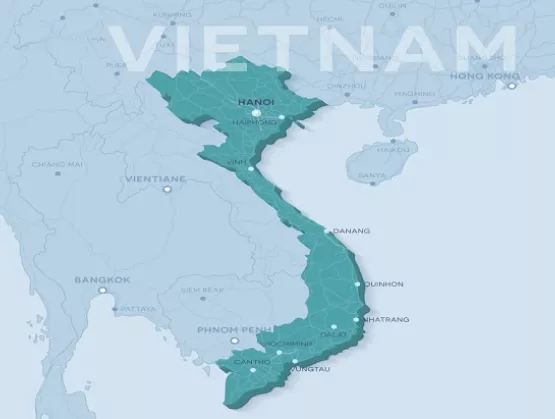
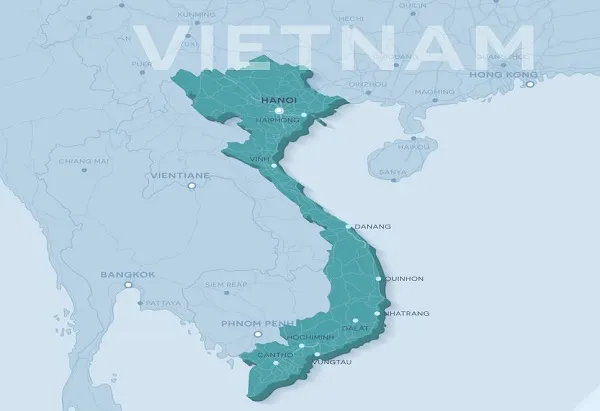
If you look at your clothes or shoes, there is a growing chance you will see the words Made in Vietnam printed on the tag. Since the United States lifted its trade embargo against Vietnam in 1994, the country has become the second largest exporter of apparel and shoes to the U.S. What may be less evident is the source of that new electronic gadget you received for Christmas, with its numerous parts, chips, and intricate supply chain. While light manufacturing has dominated Vietnam’s economic growth since the Đổi Mới economic reforms implemented in the 1980s, over the last decade the country has been repositioning itself to become a dominant player in the global microelectronics industry, a trend that has gained momentum in the wake of the U.S.-China trade war. In 2019, Vietnam ranked as the fourth largest exporter of electrical goods and components to the U.S. With exports doubling over the last four years and now exceeding $19 billion, surpassing Taiwan, Japan, and Korea (based on goods exported under chapter 85 of the Harmonized Tariff Schedule). Vietnam’s global electronics industry now accounts for about 40% of its exports, and the country seems to be just getting started. Early Entrants Though Vietnam owes its growing success in attracting foreign direct investment (FDI) in the semiconductor and microelectronics industries to the advent of China plus one – the business strategy to diversify business investments geographically – it was the few early entrants that gambled on this emerging market a decade ago that put Vietnam on the global stage. Of these early players, no other firm comes close to having the impact that Samsung has. It’s initial $670 million mobile phone manufacturing plant in the northern province of Bac Ninh in 2008 grew to a country-wide investment of $17.3 billion within a decade. Samsung is now Vietnam’s largest FDI contributor and accounts for more than 25 percent of its exports. Because of Samsung, Vietnam has become the second largest exporter of smartphones in the world. Around the same time, Intel opened its $1 billion semiconductor assembly and testing facility in Ho Chi Minh City, putting Vietnam firmly on the global technology map. More investors, like LG, Panasonic and Foxconn soon followed. Within a few years of these initial investments the industry was taking notice, illustrated by SEMI’s role in co-organizing the Vietnam Semiconductor Strategy Summits in 2013 and 2014. With SEMI SEA’s increased efforts to promote Vietnam as an important ecosystem in the electronics supply chain, more will be done to positively influence the growth and prosperity of its member companies in Vietnam. These early investors found Vietnam attractive for several reasons. Key among these are the country’s low wage rates combined with its favorable demographic structure – what the UN refers to as the golden population structure, which provides “Vietnam with a unique socio-economic development opportunity.” Companies are also attracted to the growing number of Free Trade Agreements (FTAs) that Vietnam belongs to, including the ASEAN Free Trade Area, CPTPP, the EU-Vietnam FTA, and, most recently, RCEP. Though the U.S. has yet to ink a trade agreement, the Singapore AmCham’s annual regional survey has consistently identified Vietnam as the most attractive country in ASEAN for a potential bilateral FTA partner with the U.S. Leveraging the Trade War If the plus one strategy was the catalyst that started this wave of electronics manufacturing in Vietnam, then the U.S.-China trade war was the enzyme that supercharged it. A common quip in Southeast Asia is that the U.S.-China trade war is over and Vietnam is the winner, and this is apparent in both trade and investment trends. According to the Asia Development Bank (ADB), the riff between the U.S. and China has caused a redirection in trade, as U.S. imports from the PRC fell by 12% in the first six months of 2019 while U.S. imports from Vietnam increased by 33%, with electronics and machinery accounting for the bulk of this jump. The ADB further reported that in a prolonged and intensified trade conflict, the worse-case scenario would result in Vietnam, Malaysia, and Thailand being the biggest winners, “in that order.” On the investment side, a March 2020 Gartner, Inc. survey of global supply chain leaders revealed that 33% had “moved sourcing and manufacturing activities out of China or plan to do so in the next two to three years.” While this survey did not mention specific winners, the ADB reported that “newly registered FDI in Vietnam from the PRC and Hong Kong rose by 200% year on year in the first seven months of 2019,” indicating the move of Chinese suppliers to Vietnam. Additionally, a review of recent press reports indicate firms like Apple, Nintendo and Dell are encouraging suppliers to move parts of their supply chains to Vietnam. These suppliers are complying, with Compal Electronics, GoerTek, HZO, Inventec, Luxshare Precision Industry, Pegatron, USI and Wistron all reportedly announcing plans for new investments in Vietnam. Manufacturing Hubs Within Vietnam, microelectronic facilities have concentrated in a few geographic hubs. In the south, the Saigon High Tech Park in Ho Chi Minh City attracted early entrants Intel and Samsung, with firms like Nidec and Jabil soon following. The largest investment capital, however, developed in the northern provinces that ring Hanoi. Bắc Ninh, an hour’s drive from Hanoi, was the site of Samsung’s first investment and has since attracted Foxconn and Canon. More recently, firms have been drawn to the port city of Hải Phòng, the country’s third largest city, which is already home to Samsung and LG. The city’s close proximity to other manufacturing clusters, its new deep-water port, and its expressway that provides a 12-hour trucking route to China’s electronics epicenter in Shenzhen are helping make the city Vietnam’s new high-tech production center. In 2019, LG Electronics moved its entire smartphone production line from South Korea to Hải Phòng, and in 2020 Pegatron reportedly chose the city for its $1 billion investment plan. Local phone manufacturer VinSmart is also producing the country’s first 5G smartphones in Hải Phòng. In November, USI, a subsidiary of Taiwan-based ASE Holding, broke ground on its first production base in Southeast Asia, a $200 million phase-one investment in the production and assembly of chips for wearable electronic devices. USI’s investment, which is moving into the internationally managed DEEP C Industrial Zones in Hải Phòng, is “intended to move us closer to our overseas customers and accommodate their ever-increasing demand,” according to Mr. Kuei Chun Chi, the firm’s Manufacturing Service Director. “North Vietnam, with its strategic geographical position and an extended infrastructure in place, offers USI an optimal way to facilitate fast and flexible response to customers' orders.” Though the Covid-19 pandemic has dampened the pace of new investments in Vietnam’s microelectronics industry, it has also amplified the country’s attractiveness to investors. Vietnam was successful in containing the outbreak through aggressive quarantine and contact tracing measures, and as a result its economy has the brightest outlook in the region. The ADB forecasts the country will be one of the fastest-growing economies in SEA in 2021, with GDP estimated at 6.8%. The Ministry of Industry and Trade is also reporting that several of the world's largest technology corporations plan to shift their production chains to Vietnam post-Covid-19, an indication that technology firms will accelerate relocation plans in 2021. Vietnam’s successful response to the pandemic, combined with its strategic location, low wage rates and foreign trade agreements, will ensure that the region continues to benefit from the shift in supply chains in Asia, making it the new destination for electronics manufacturing. About the Author Stuart Schaag is Principal at E-Ward Trade Consulting LLC, which assists firms that are expanding their presence in the global marketplace by creating strategies combining market analysis, business development, commercial diplomacy, and relationship building. He previously spent 25 years in various domestic and overseas positions in the U.S. Department of Commerce’s International Trade Administration. Stuart served as the Commercial Counselor at the U.S. Embassy in Hanoi from 2014-2018 and resided in Vietnam until 2020.
Read More
Despite the pandemic lock-down, demand for electronic products and services remains strong. Work-from-home, video conferencing, and remote learning are driving data center growth and laptop and tablet demand. 5G infrastructure rollout is underway and smartphone sales are returning to normal levels. Automotive sales are increasing. At the same time, the industry is experiencing acute shortages of substrates. The October 2020 fire at Unimicron’s IC package substrate plant in Taiwan exposed the serious nature of the capacity shortage for IC package substrates. Substrate makers have been reluctant to make large investments in capacity over the last few years due to the fear that demand could decline and they would have excess capacity. Relentless price pressures by customers and the resulting low margins have weakened the finances of substrate suppliers. With tight capacity, substrate prices have increased and lead times are 14 weeks or more. The most critical shortage is for flip chip ball grid array (FC-BGA) substrates. In addition to increased demand in units, applications such as servers and networking products are seeing requirements for larger body sizes and increased layer counts. Shortages will not improve very soon because it takes time to build a new plant. And equip it. Key equipment for substrate production has lead times of up to a year. SEMI and TechSearch International detailed the substrate makers and provide projections for the substrate market, trends, and a list of suppliers and their plant locations in the Global Semiconductor Packaging Materials Outlook report. The report also highlights the market and suppliers for leadframes, bonding wire, encapsulation materials, underfill, die attach, solder balls, wafer level package dielectrics, and wafer-level plating chemicals. In times of shortages the report is an important indicator of suppliers in the industry and trends. Jan Vardaman is President at TechSearch International Inc.
Read More
Nikki Zaahir joined SEMI last year as senior program administrator on the SEMI Works team after spending the last 15 years designing, coordinating and directing programs that help people develop job skills and find full-time employment. Her career includes roles at the Department of Defense, the National Security Agency, America Works and Vehicles for Change.I spoke with Nikki about her passion for workforce development as we celebrate Black History Month.Williams: What does Black History Month mean to you?Zaahir: Black History Month means to me an opportunity to highlight the overwhelming influence of the inventions that Black Americans contributed to this country. Of all the Black history shared this month, it’s the inventors that have always intrigued and excited me the most. I grew up in a home with parents that taught my siblings and me the history of our culture every day. However, each February I was allowed to research and share my own list of what we called “little known Black history facts.” A couple of my favorites from my childhood are Lonnie Johnson, who invented the Super Soaker water gun, and Alexander Miles, who developed automatic elevator doors in 1887. Frankly, Black History Month reminds me to be proud to be Black and to take a moment to pay homage to the excellence and fortitude of my people.Williams: Where are you from, and where did you go to school?Zaahir: I am from the suburbs of Maryland right outside of Washington, D.C. I grew up in a military family. My father was the first black 1st Sargent in his transportation company. His unit was responsible for transporting heavy artillery equipment around the world. I went to Meade Senior High School on the army base of Fort Meade.Williams: How did you get started in the semiconductor industry?Zaahir: While in the 11th grade, I was actively recruited by a semiconductor company that had recently won a National Security Agency government contract at Fort Meade to make semiconductors for the military.I excelled in English and Science and met the requirements for the work study, which allowed me to spend half of my day in school and the other half at a work study assignment. The company tested a couple of hundreds of students and I was one of the 34 chosen for the career development program. I worked as a technician responsible for the fabrication and processing of the semiconductor wafer. My favorite steps of this process were the spin on glass and gasses chambers in the fab. What lit a fire in me was the realization that there is a whole world of technology opportunities that people like me were unaware of.Nikki Zaahir, in her former role as National Director of Workforce Development and Training at Vehicles for Change, with interns training to be certified automotive technicians.Williams: Did you have any mentors or sponsors who were particularly meaningful as you developed your career?Zaahir: I’ve been very fortunate to be mentored and supported by many people on my professional journey. Peter Cove and Dr. Lee Bowes are a social activist couple who own America Works. They were instrumental in my understanding of workforce development by teaching me that self-sufficiency through gainful employment can change generational poverty. However, the most meaningful people to me are those whose lives I’ve had the absolute pleasure to help change. For example, at Vehicles for Change, I created a social enterprise designed to assist returning citizens (people formerly incarcerated) with training and job placement. In three years, we placed 200 men and women in the workforce with no one reoffending or returning to prison within three years. What made this group of individuals special is that I chose to focus on violent offenders that served 10 years or more in prison.Williams: What motivates you in your work?Zaahir: What drives me is helping people become aware of careers that could not only change their lives but the lives of their families, and waking up every day determined to be that conduit of information and job opportunities.Williams: What is wonderful and challenging about workforce development?Zaahir: Inspiring people to consider educations and careers that may have never been on their minds is the most rewarding aspect of workforce development. To see people who have felt left out of training and employment opportunities due to their backgrounds or lack of higher education take charge and pursue educations and careers that before were only a dream makes this work worth it. On the other side of that, convincing someone who has felt left behind or unworthy of a better life for themselves and their family can be challenging.Williams: Is there a particular story about someone you’ve worked with or helped that you’d like to tell?Zaahir: Eight-time Grammy award winning artist Lauryn Hill of the legendary hip hop group The Fugees once said “In my travels all over the world, I have come to realize that what distinguishes one child from another is not ability, but access. Access to education, access to opportunity, access to love.”I have been blessed beyond measure to work with and help so many people at this point in my career. What I’d like to share is while talent is abundant, access and opportunity are not. That is the story.Williams: What is something unusual about you that people might not know?Zaahir: I’ve studied at the Arthur Findlay College, the world’s foremost college for the Advancement of Spiritualism and Psychic Sciences. Oh! the ghost stories I could tell.Williams: What would you tell young people interested in working in the semiconductor industry?Zaahir: In this industry, you will develop transferable skills for almost any career in manufacturing or production and the ability to make a salary that will provide the opportunity to afford living in safe neighborhoods, reliable transportation and vacations! You can pursue a wide range of skills, training, education and other professional development opportunities in this industry – all while maintaining a healthy work-life balance.Michelle Williams is deputy director of the SEMI Foundation.
Read More
In my role as lead for the Smart Mobility initiative at SEMI, I recently spoke with Automotive Logistics Magazine about the growing importance of the semiconductor supply chain’s connection with the automotive industry and the semiconductor shortage hampering global automotive production. Following are excerpts from the interview. Automotive Logistics: Why is there a bottleneck in the global supply of semiconductors at the moment and how long is it likely to last? Weiss: The current automotive chip shortage resulted from the sharp, Covid-19-induced decrease in demand for automotive semiconductors in the second quarter of last year when vehicle production came to a near standstill. The automotive market picked up significantly in the fourth quarter and this caused the supply chain constraints we are seeing today. At the same time as the automotive standstill, the pandemic spurred an increase in demand for home computing and networking equipment, and semiconductor manufacturing plants (fabs) had to pivot to these other markets in order to maximize fab utilization and successfully navigate economic headwinds. Every minute a semiconductor fab is idle or has lines down adds up quickly to missed revenue, so their capacity is booked weeks and even months in advance. With this background, I don’t believe this is a structural shortage and expect a gradual recovery over the next two quarters, barring any major shifts in geopolitics or macroeconomics. Automotive Logistics: What needs to be done to remedy the current shortfall for the automotive industry? Weiss: The automotive industry needs to continue to strengthen its connections to the semiconductor manufacturing supply chain. In past years, auto manufacturers used to rely mainly on their tier one suppliers to interface with the semiconductor supply chain. This has changed significantly. Not only are more chips being used in vehicles (roughly 10% of all devices produced globally end up in cars), but the strategic importance of the chips as enablers for ADAS [advanced driver-assistance systems], electrification, safety, connectivity and other consumer-driven features has increased considerably. With this dynamic in play, carmakers have recognized the value of interacting and collaborating more closely with the semiconductor supply chain. This provides vehicle OEMs with access to innovation, the ability to influence technology direction and pace, along with greater visibility into global supply chain developments. The SEMI Smart Mobility initiative is evidence of this transition, with the likes of Audi, BMW, Ford, Uber, Volkswagen and other vehicle OEMs, along with tier one suppliers such as Continental and Bosch, now actively involved in our automotive electronics and mobility activities to do exactly that – influence, partner, accelerate and guide the global electronics design and manufacturing supply chain that SEMI represents. Automotive Logistics: What percentage of semiconductors manufactured for use by US-based companies are for automotive applications and how has this grown in recent years? Weiss: A little over 10% of semiconductors produced worldwide are sold into the automotive segment, but this number is expected to grow at an accelerated pace in the next few years as electrification, connectivity and autonomous driving become more prevalent. Automotive Logistics: How is SEMI working to help the automotive industry get a clearer view of sub-component supply and better manage supply chain risk? Weiss: The SEMI Smart Mobility initiative is designed to engage automotive OEMs, tier ones, semiconductor device makers, design houses, and equipment and materials companies to drive alignment across the supply chain and address shared challenges collectively. To facilitate this engagement, we created the Global Automotive Advisory Council (GAAC), which has active chapters in Europe, US, China, Japan and Taiwan. The GAAC provides an open platform for creating solutions, fostering collaboration and partnering with other industry bodies to accelerate and harmonize industry efforts that benefit the entire ecosystem. Volkswagen and Audi are already SEMI members – both are founding members of the GAAC Europe chapter – and have become vocal champions and critical contributors to our efforts. When all stakeholders work together, I have no doubt that the future of automotive and mobility will continue to be bright. Interested in learning more about this topic? Read the full interview in Automotive Logistics Magazine, A Fab Future for the Automotive Sector. Please contact me at [email protected] for more information about SEMI’s Smart Mobility Initiative, the Global Automotive Advisory Council, and how SEMI can help your organization navigate electronics in the automotive industry to drive innovation in the mobility space. Bettina Weiss is Chief of Staff and Global Smart Mobility Lead at SEMI.
Read More