開催概要
半導体業界はいま、かつてない乱気流の中にあります。AIによる爆発的なチップ需要、各国政府による自給率向上を目指した巨額の支援策──これらは業界にとって強力な追い風となっています。しかしその一方で、地政学的リスクの高まり、新たな関税や貿易規制、そしてAIがもたらす膨大な電力消費といった課題が、業界の未来を不透明にしています。
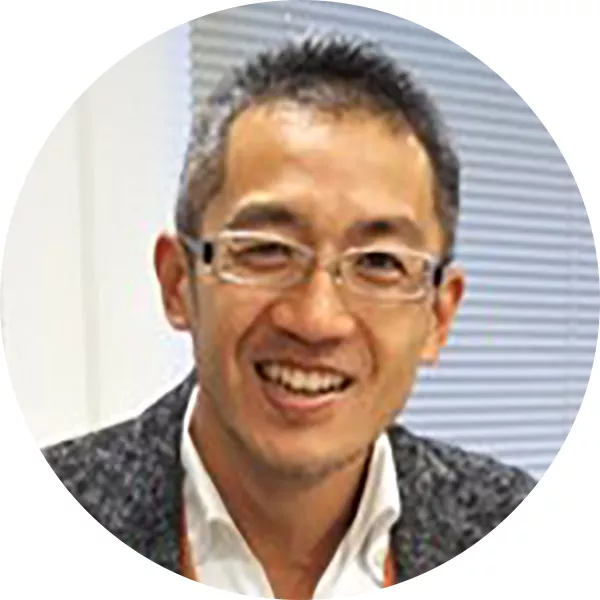
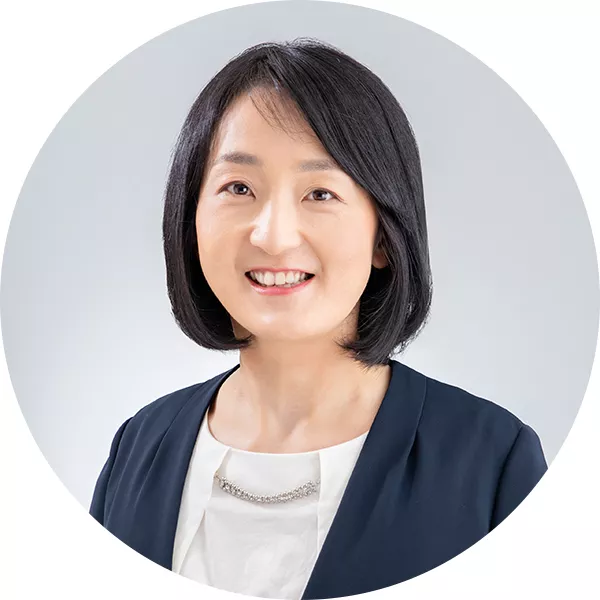
本セミナーでは、この複雑かつ急速に変化する環境をどう乗り越えるか、戦略的な視点から深掘りします。AIが半導体市場に与える影響、国際情勢の読み解き、グローバルな設備投資と生産能力の動向、そしてそれらを踏まえた市場予測まで──。各分野を代表するアナリストが、最前線の知見をもとに、これからの意思決定に不可欠なインサイトを提供します。ファシリテーターには経済リポーター大里希世氏があたります。
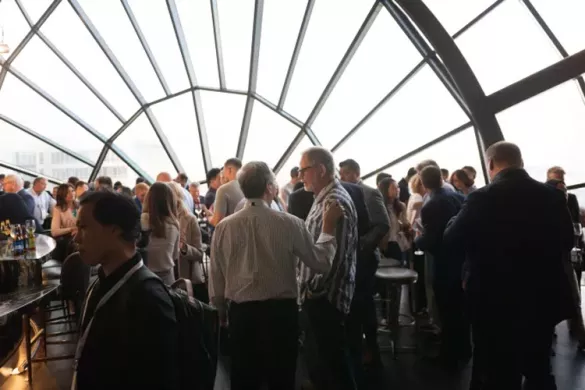
オンラインだけでなく対面形式でも開催します。登壇者との直接の対話や議論で、より理解が深まります!
※内容はやむを得ず変更となる場合がございます。予めご了承ください。
開催日時:2025年8月26日(火)13:30 - 16:45(開場:13:00)
会場/配信方法:AP市ヶ谷(地図はこちら)および Zoomライブ配信 ※オンデマンド配信の予定はございません
参加費 : SEMI会員 15,000円、一般 30,000円(消費税別)
提供サービス:講演資料データ事前ダウンロード、日英同時通訳(SEMI Clark Tseng部分のみ)
※本セミナーは同時通訳システムを使用します
会場での同時通訳音声はご自身のスマートフォンにてご聴講いただけます。
ご希望の場合は、必ずご自身のスマートフォンおよびイヤホンをご持参ください。
このようなテーマにご興味のある方におすすめです!
- 半導体および製造サプライチェーンの市場動向に関心のある方
- AIなどの新技術や世界情勢が半導体に及ぼす影響に関心のある方
- 半導体サプライチェイン企業で事業・営業戦略を担当されている方
アジェンダ
13:30 | 開催のご案内
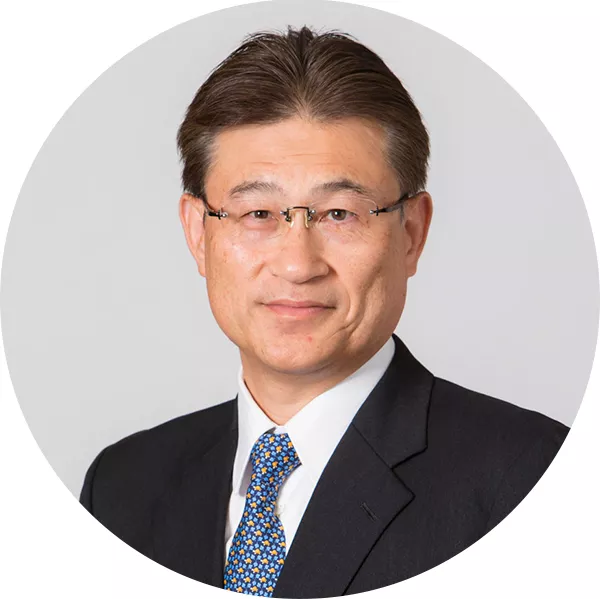
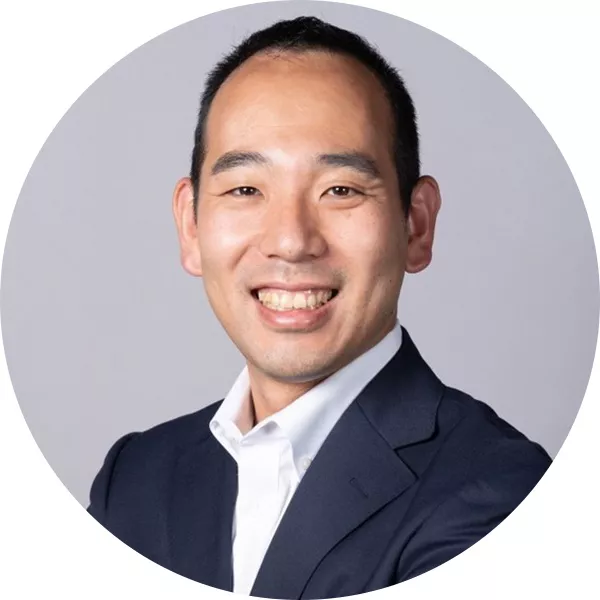
13:35 | 「AI需要で躍進する半導体および装置市場の行方」
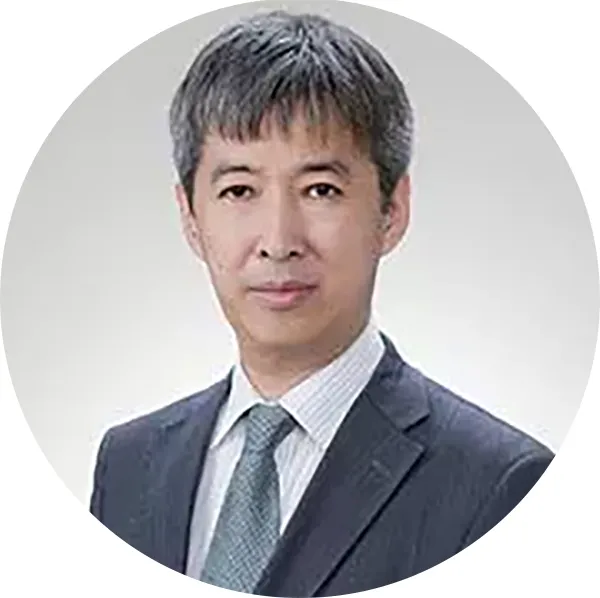
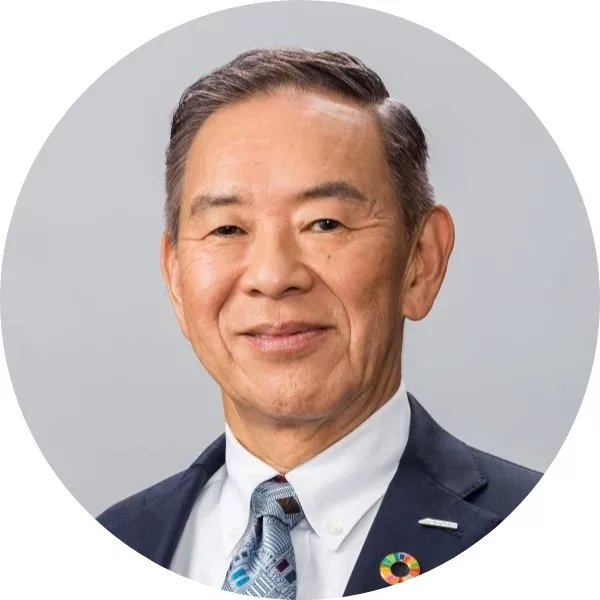
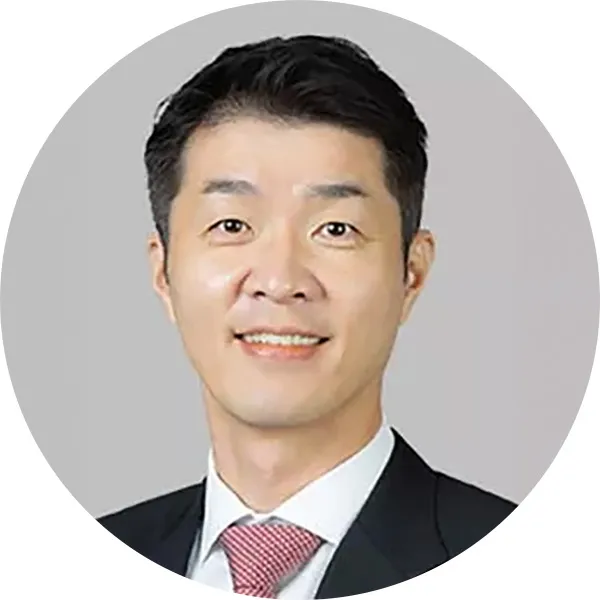
和田木 哲哉
モルガン・スタンレーMUFG証券
調査統括本部
マネージングディレクター
半導体業界は、米中貿易問題や相互関税の先行きが見えず、設備投資などが先送りされるなど、先行き不透明感が強まっております。短期的には、厳しい局面を迎えている半導体業界ですが、25年後半から、次の時代を牽引していく様々な技術、製品の離陸が見えてまいりました。中長期的には業界の先行きはさらに明るくなっています。今後の業界の見通しを最新動向を交えてお話し致します。
14:45 | Coffee Break ~登壇者や他参加者との交流をお楽しみください。
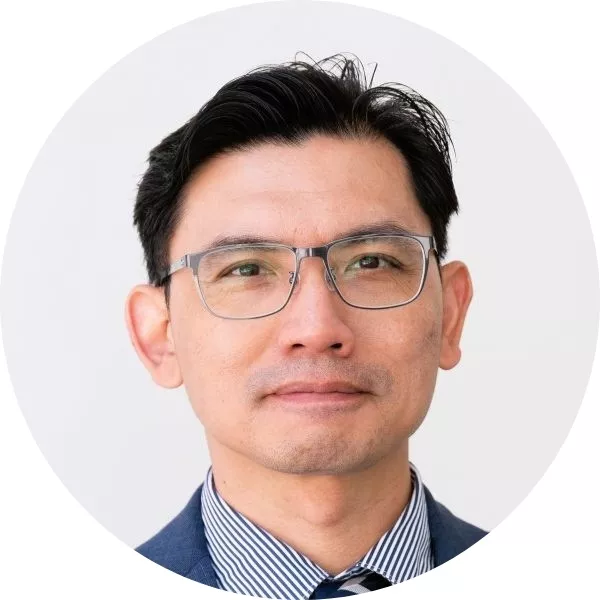
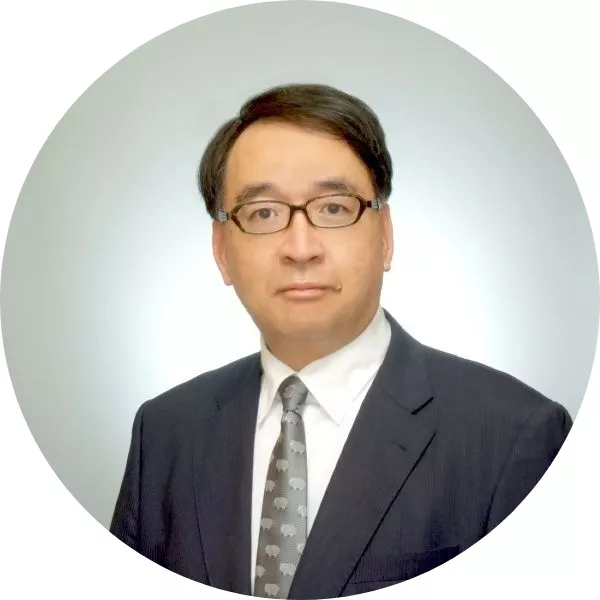
15:00 | 「複雑化する地政学的環境が半導体産業に突きつける課題」
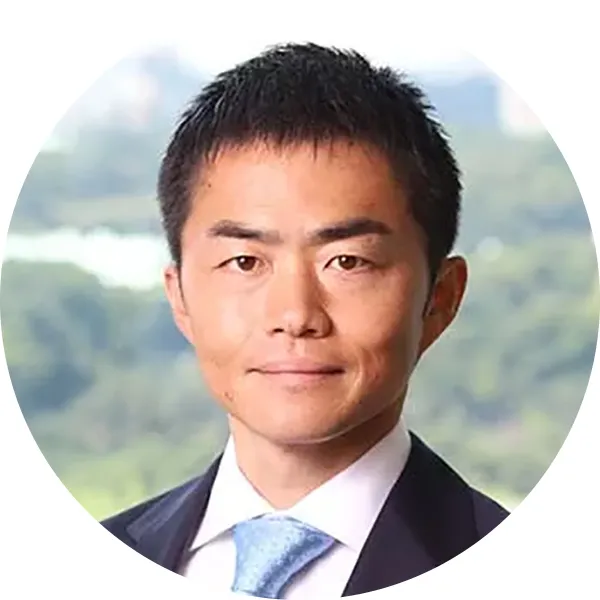
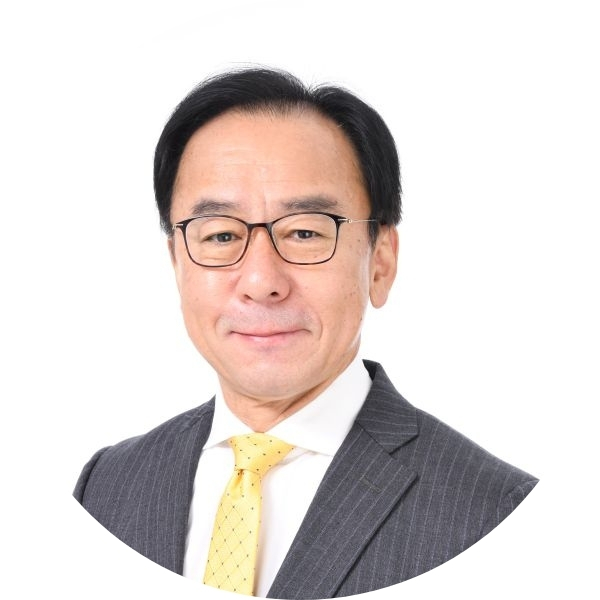
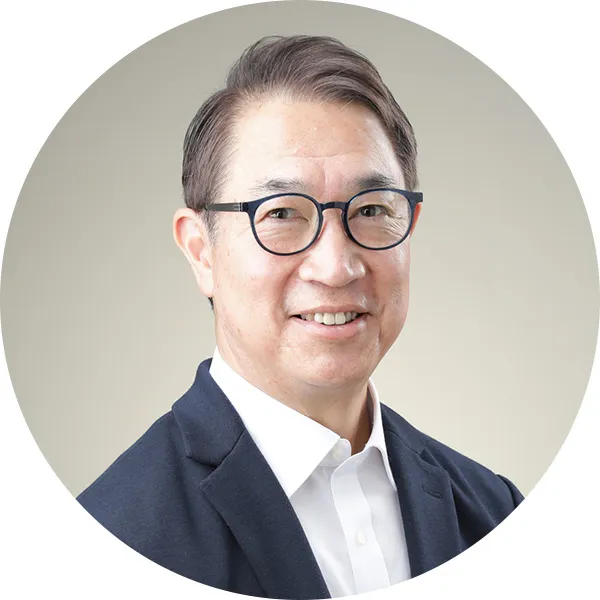
柴田 宗一郎
デロイト トーマツ コンサルティング
モニターデロイト・ディレクター
2025年に入り、米中によるAI競争の激化、トランプ大統領の相互関税政策、中東情勢の緊迫化等、地政学環境が急速に変化しています。国家による経済的・技術的覇権争いは半導体産業の進化を後押しする一方で、自国第一主義や保護主義的な政策の台頭は、自由な貿易と投資、そして技術供与を大前提としない、新たな経済・産業発展モデルの構築を強いています。本講演では、半導体市場と産業を取り巻く地政学動向を体系的に俯瞰し、中長期的な方向性を展望します。
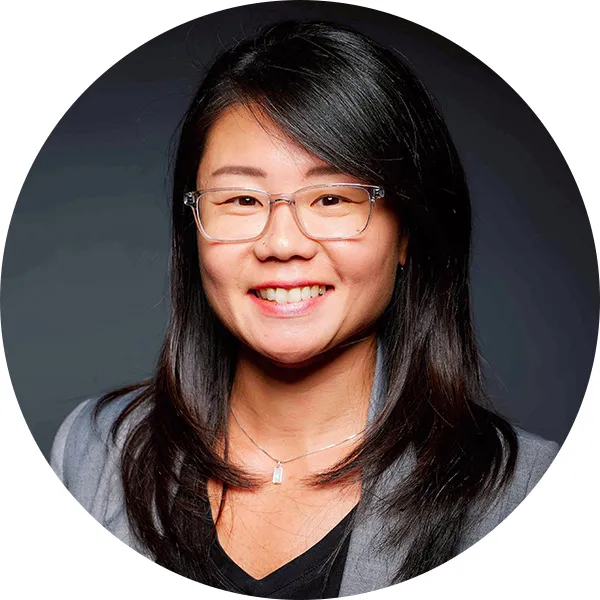
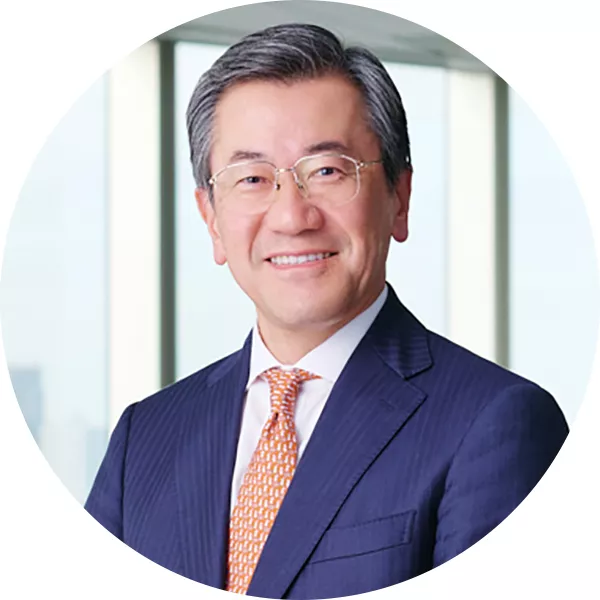
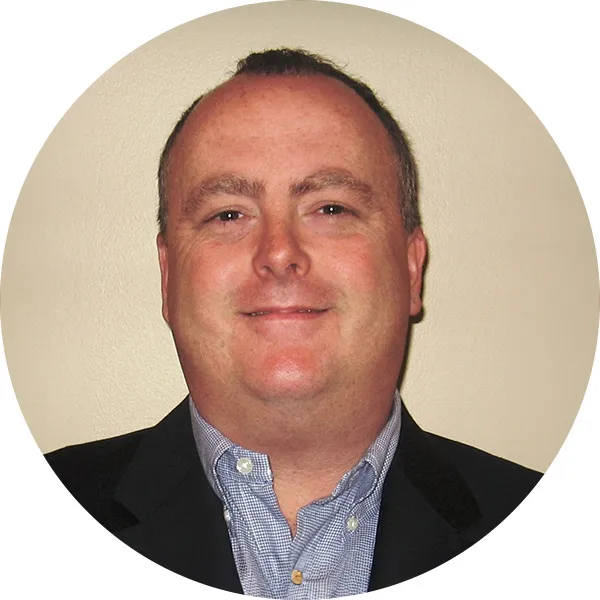
15:55 | 「Building the Future: Equipment Market, Japan Fab Investment & Materials Market Outlook(未来を築く:世界のファブ投資、キャパシティ動向、材料市場の展望)」
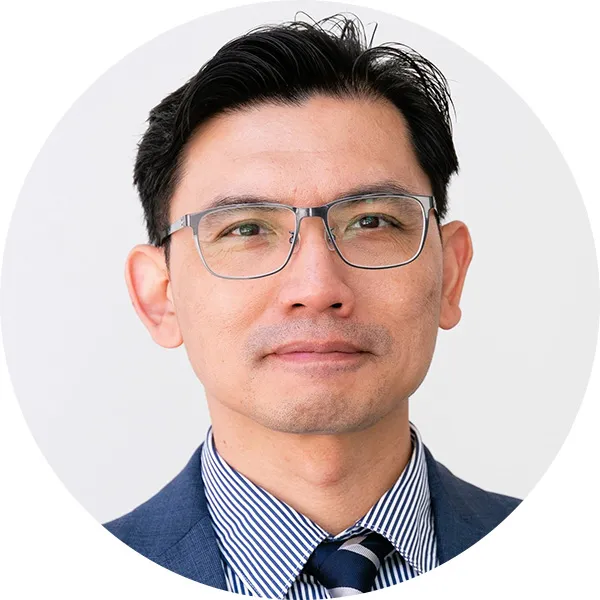
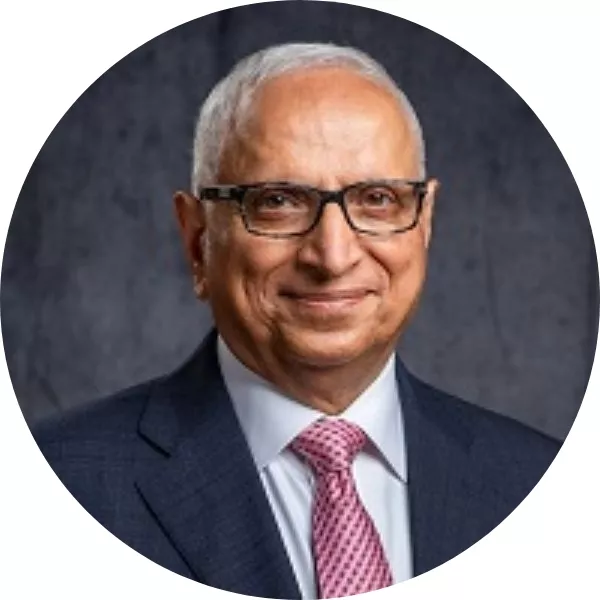
Clark Tseng
SEMI Taiwan
Market Intelligence Team
Sr. Director
The global semiconductor sector stands at a critical turning point, fueled by surging demand for AI, high-performance computing, and emerging technologies. This momentum is sparking record-breaking capital investments and breakthroughs throughout the ecosystem, from cutting-edge semiconductor fabs to advanced materials development.
However, this expansion occurs against a backdrop of increasing volatility, including fluctuating trade policies, tariff adjustments, and geopolitical challenges that complicate investment strategies, supply chains, and sustained industry leadership. In this presentation, we will provide an in-depth review of SEMI’s most recent World Fab Forecast, spotlighting worldwide patterns in capital equipment expenditures, fab development, and capacity growth projections through 2028. We will delve into the role of government subsidies and regulatory changes in redirecting new fab initiatives and transforming the international semiconductor ecosystem. Additionally, we will assess the shifting demands for wafer fab materials as the industry navigates swift technological advancements.
世界の半導体産業は今、AI、高性能コンピューティング(HPC)、新興技術への需要の急増を背景に、重要な転換点を迎えています。この勢いは、最先端の半導体ファブから先進材料の開発に至るまで、エコシステム全体における過去最高レベルの設備投資と技術革新を促しています。
しかしこの拡大は、変動する貿易政策、関税の調整、地政学的な課題といった不確実性の高まりの中で進行しており、投資戦略やサプライチェーン、業界の持続的なリーダーシップに複雑な影響を及ぼしています。
本講演では、SEMIが最新発表した「World Fab Forecast(世界ファブ予測)」をもとに、2028年までの設備投資、ファブ開発、キャパシティ成長の世界的な動向を詳しく解説します。また、政府補助金や規制の変化が新たなファブ計画にどのような影響を与え、国際的な半導体エコシステムをどう変革しているかについても掘り下げます。さらに、急速に進化する技術環境の中で、ウェーハファブ材料に対する需要の変化についても考察します。
16:45 | 終了

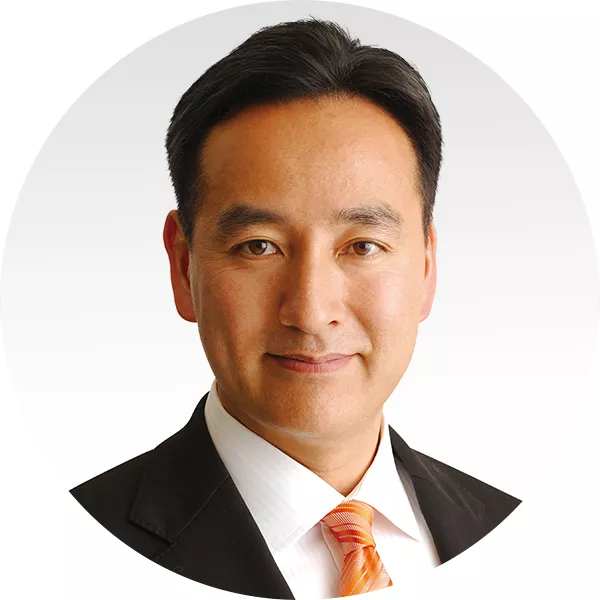
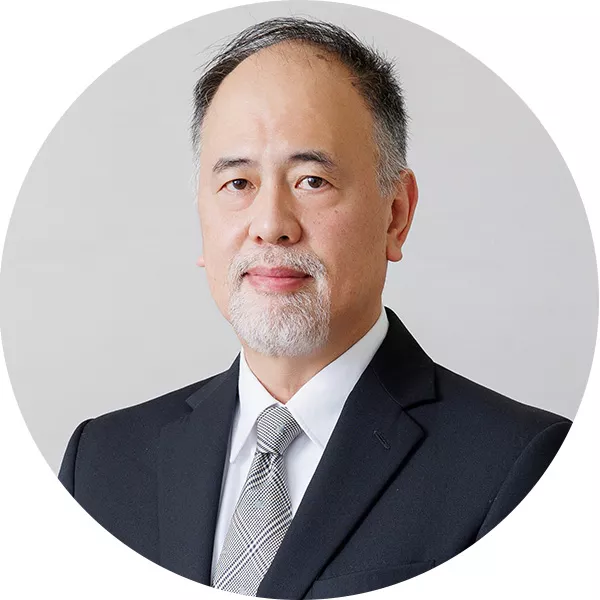
ファリシテーター
大里 希世
経済レポーター
1:30 pm - 4:45 pm
Off
Add to Calendar Disabled












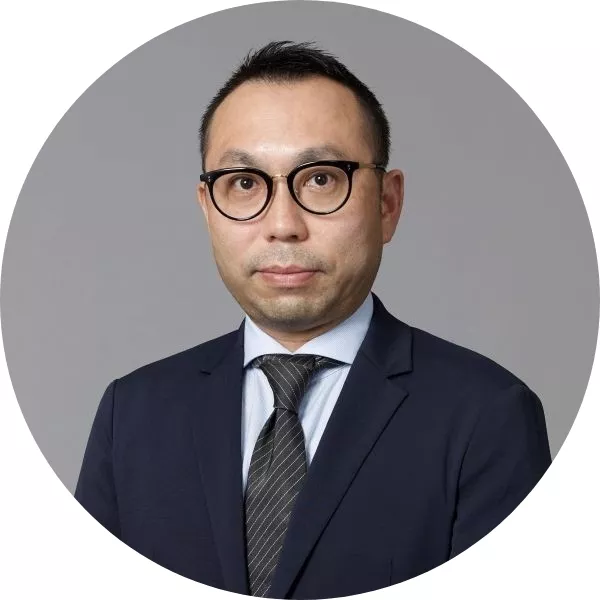 金指 壽
金指 壽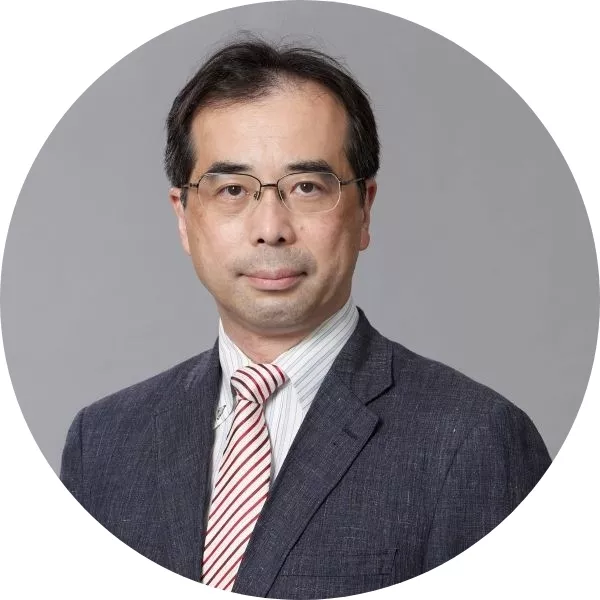 西川 和見
西川 和見