Off
Add to Calendar2026-02-11 00:00:002026-02-13 00:00:00SEMICON Korea 2026TRANSFORM TOMORROWThe future of the semiconductor industry starts here.Join us at SEMICON Korea 2026 to shape tomorrow together. HoursFebruary 11, 2026 | 10:00-17:00 (Last entry 16:30)February 12, 2026 | 10:00-17:00 (Last entry 16:30)February 13, 2026 | 10:00-16:00 (Last entry 15:30)VenueCOEX (Hall A, B, C, D, E, Grand Ballroom, Platz and ASEM Ballroom)Westin Seoul ParnasGrand InterContinental Seoul ParnasScale550 Exhibitors, 2409 booths (2025: 501 exhibitors, 2301 booths)Seoul South KoreaSEMI.org[email protected]America/Los_Angelespublic
Rapid advances in electronics, sensors, computation, wireless systems, artificial intelligence, and neurotechnology are creating a new generation of medical solutions that interact directly with the body’s electrical and physiological control systems. Collectively described as bioelectronic medicine, these technologies offer the potential to complement—and in some applications overcome important limitations of—traditional pharmaceutical approaches by providing interventions that can be spatially targeted, dynamically adjusted, continuously monitored, and personalized to an individual patient’s physiology.
This Master Class will provide a broad introduction to the rapidly evolving field of bioelectronic medicine from the perspective of electrical and computer engineering. It will examine how technologies familiar to engineers—including low-noise sensing, embedded computing, signal processing, machine learning, wireless communications, miniaturized stimulation electronics, wearable devices, and closed-loop control—are being translated into new diagnostic and therapeutic platforms. Examples will range from cardiac pacemakers and cochlear implants to deep-brain stimulation, vagus nerve stimulation, spinal cord stimulation, transcranial stimulation, peripheral nerve interfaces, and digital biomarkers. Particular attention will be given to the transition from open-loop stimulation toward sensor-guided, closed-loop bioelectronic medicine, in which physiological measurements provide real-time feedback for optimizing stimulation parameters and tracking therapeutic responses. The Master Class will also explore why engineers are increasingly central to the future of medicine. Biological systems present unusual engineering challenges: signals are weak and noisy, anatomy and physiology vary substantially between individuals, neural systems are nonlinear and adaptive, and successful devices must operate safely at the interface between electronics and living tissue. These challenges are generating opportunities for innovation across semiconductor technology, MEMS and wearable sensors, electrode design, power management, computational modeling, AI, cybersecurity, human-machine interfaces, and systems engineering.
The Master Class will conclude with a look toward the next generation of bioelectronic medicine: intelligent therapeutic systems and digital twins capable not simply of measuring disease or delivering predetermined stimulation, but of continuously sensing physiological state, interpreting changes in biological function, and adapting interventions to promote recovery and maintain health. For electrical and computer engineers, this emerging field represents an opportunity to apply core engineering disciplines to some of the most consequential challenges in human health.
ABOUT THE SPEAKER
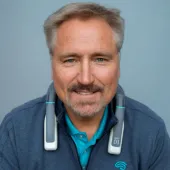
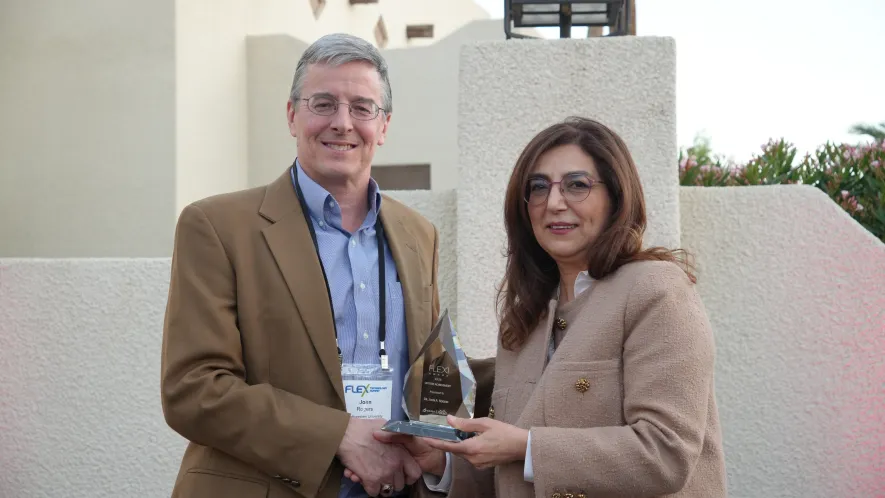
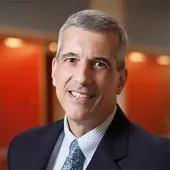
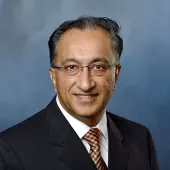
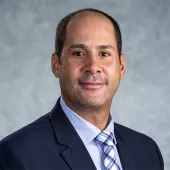
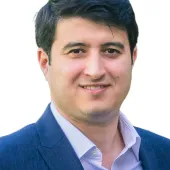
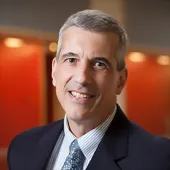
John Ralston, PhD, CEO and Co-founder, Neursantys Inc. John Ralston is a pioneer in the development of non-invasive bioelectronic devices and adaptive neuroplastic treatments for neurosensory, neuromotor, and neurocognitive impairments that have limited pharmacological treatment options.
At Neursantys, John is collaborating with healthcare researchers, providers, and payers to restore motor and cognitive functions that have been impaired by both normal aging and accelerated aging caused by head trauma, disease, and spaceflight.
With a career spanning public and private R&D organizations and entrepreneurial ventures in Canada, Europe, and the U.S., John has authored/co-authored over 250 professional publications, presented over 150 talks and seminars, and has 16 issued patents. John earned B.Sc. degrees in Physics and Electrical Engineering from M.I.T., a PhD in Electrical Engineering from Cornell University, and the MSc in Management of Technology from the MIT Sloan School of Management.
Join Dr. John Ralston, Founder and CEO of Neursantys, a pioneering bioelectronics company developing non-invasive neurostimulation and wearable technologies for diagnosing and treating neuromotor conditions, for an engaging Master Class on the rapidly advancing field of bioelectronic medicine.
Learn how innovations in sensors, AI, embedded systems, neural interfaces, and closed-loop therapies are enabling personalized, real-time treatments that interact directly with the body’s physiological systems and are shaping the future of healthcare.
Recent Advances in Bioelectronics Medicine
Flexible Electronics Master Class #32
10:00 am - 12:00 pm
Off
Add to Calendar2026-11-18 10:00:002026-11-18 12:00:00FEMC#32 Recent Advances in Bioelectronics MedicineJoin Dr. John Ralston, Founder and CEO of Neursantys, a pioneering bioelectronics company developing non-invasive neurostimulation and wearable technologies for diagnosing and treating neuromotor conditions, for an engaging Master Class on the rapidly advancing field of bioelectronic medicine. Learn how innovations in sensors, AI, embedded systems, neural interfaces, and closed-loop therapies are enabling personalized, real-time treatments that interact directly with the body’s physiological systems and are shaping the future of healthcare.United StatesSEMI.org[email protected]America/Los_Angelespublic
America/Los_Angeles
Register Here
Early Bird Pricing (until March 25, 2025) $375 members $525 non-members
Regular Pricing (After March 25, 2025) $525 members $699 non-members
MDM2 members please contact Michelle Fabiano, [email protected], for discount information.
Complimentary student registration is available but has limited capacity. Students can Register here to be contacted about complimentary attendance after March 15th.
Cancellation Policy
Cancellations received on or before March 25, 2025, are fully refunded with a $50 processing fee. Refunds will not be issued for cancellations (including no-shows) made after March 25, 2025, and only substitutions are accepted with a written note from the registered attendee. Please email your cancellations or substitutions on company letterhead to Michelle Fabiano at [email protected].
Want to showcase your brand to a targeted audience of industry leaders, government stakeholders, and technical pioneers? Elevate your visibility and demonstrate your leadership by becoming a FLEX Technology Workshop sponsor. For packages and custom benefits, please contact Tim Janes at [email protected].
Collaborators
Highlighted content
Day 1 | Innovation Forum
Hear the latest advances from FlexTech and NBMC alongside technical presentations from researchers and technology leaders developing tomorrow's semiconductor innovations.
Day 2 | Technical Gap Analysis
Participate in collaborative breakout sessions that examine technology gaps, explore roadmaps, and help shape future FlexTech and NBMC research priorities. Your expertise will directly contribute to discussions that influence future Request for Proposal (RFP) directions.
Day 3 | AI for Metrology Workshop
This workshop brings together industry, academia, and standards leaders to explore how AI can connect metrology, failure analysis, and test data across the semiconductor supply chain. As chiplets, heterogeneous integration, and advanced packaging drive complexity, AI-assisted defect localization and root-cause analysis backed by non-destructive modalities and targeted physical characterization are becoming essential to closing the loop from electrical failure back to physical origin.
Industry Tours
Take advantage of exclusive industry tours at SkyWater Technology and NeoCity Academy
Including with registration are breakfasts, breaks, lunches and receptions.
In collaboration with:
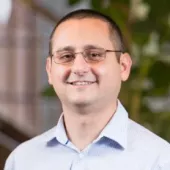
Navid Asadi - Associate Professor, University of Florida
Matthew Walsh - Chief Engineer, NSF Florida Semiconductor Engine
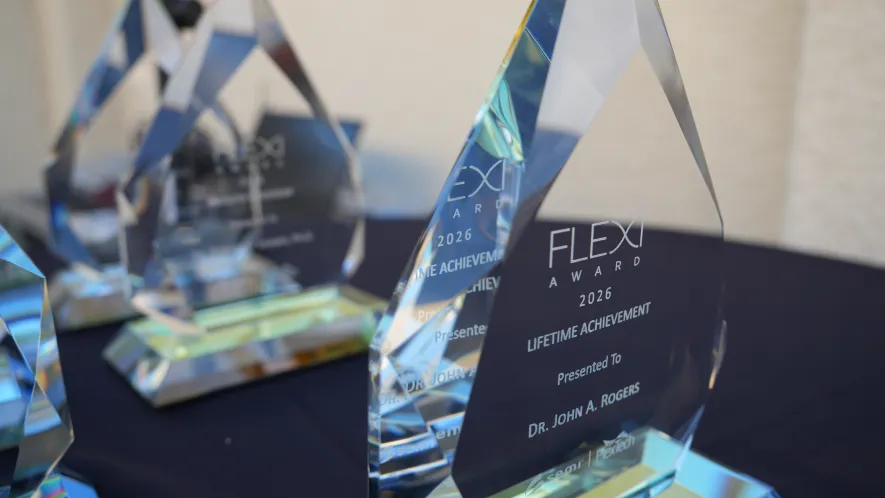
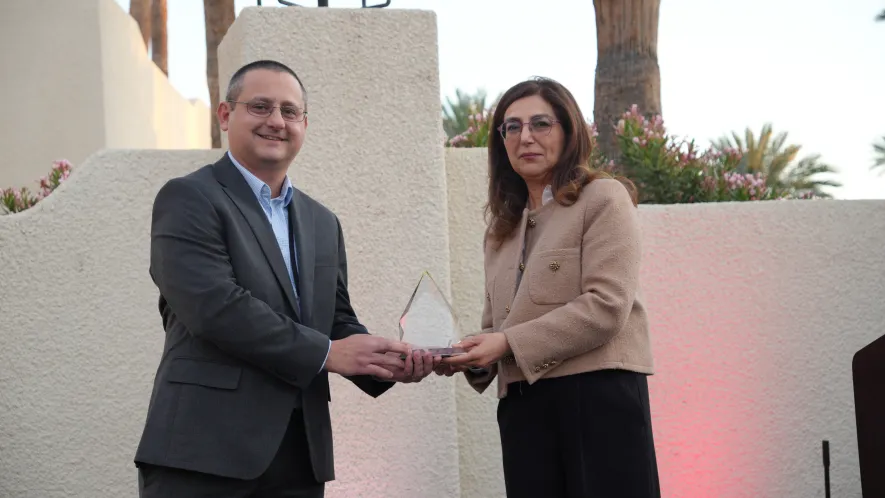
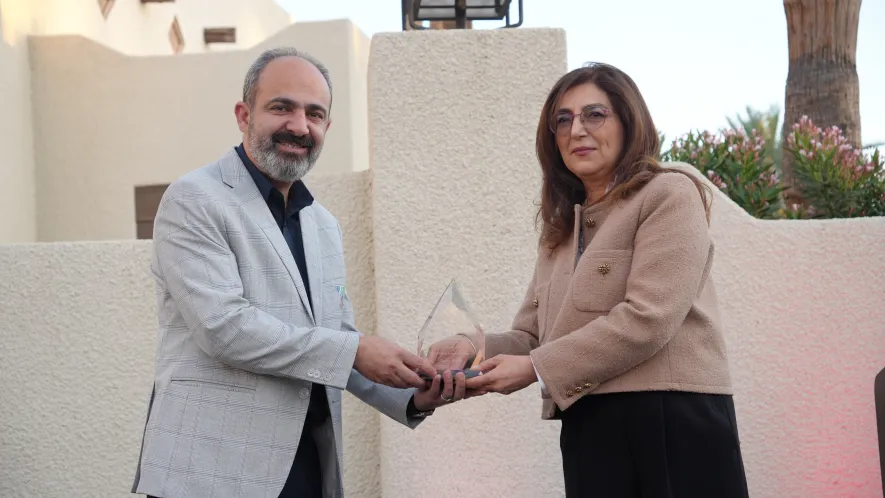
Highlights from Flex 2026
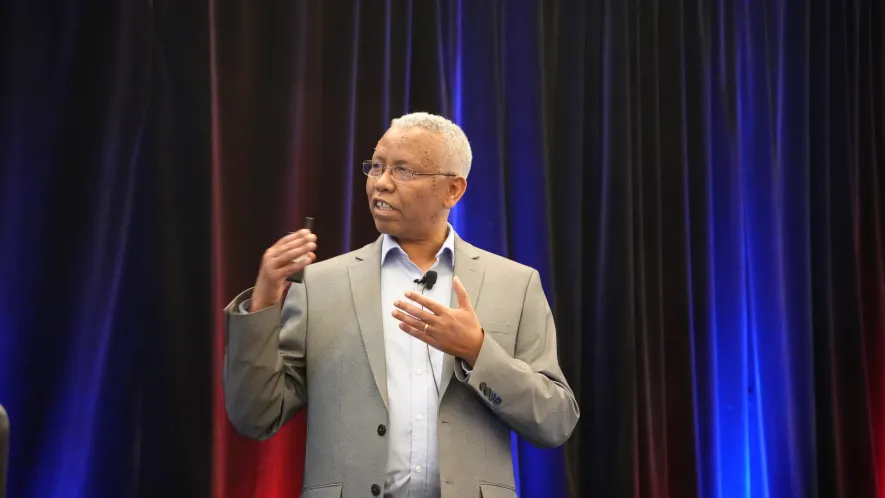
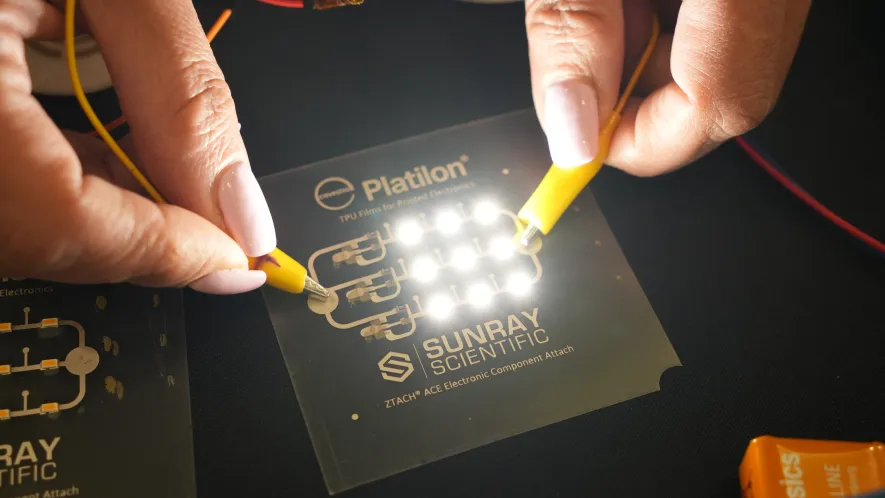
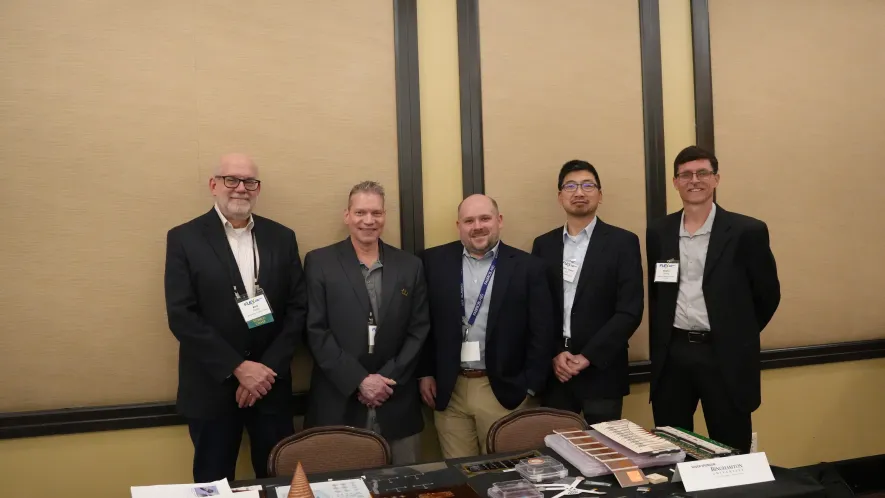
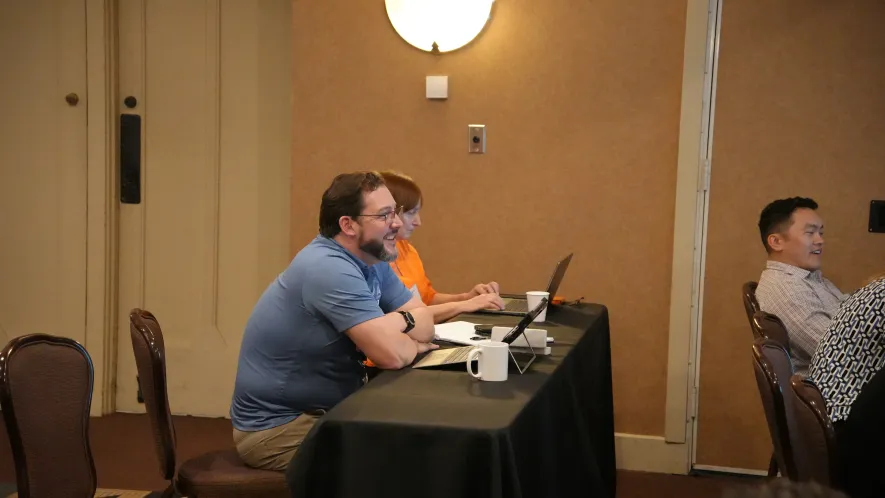
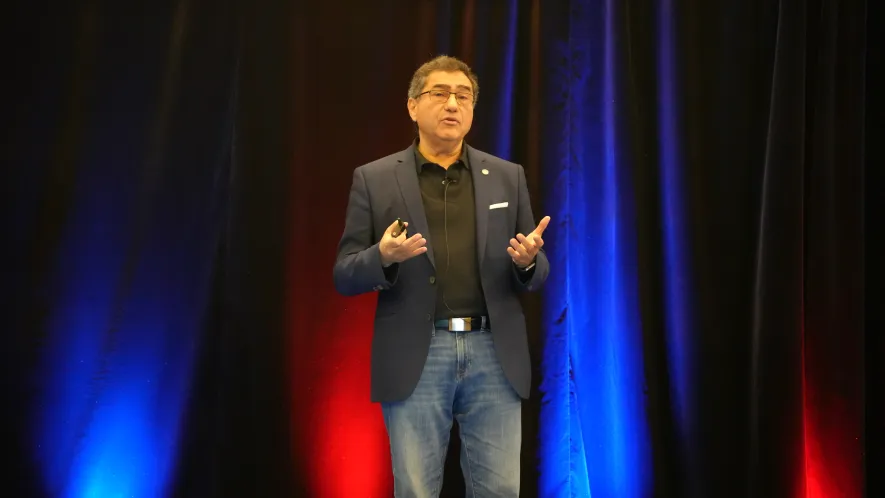
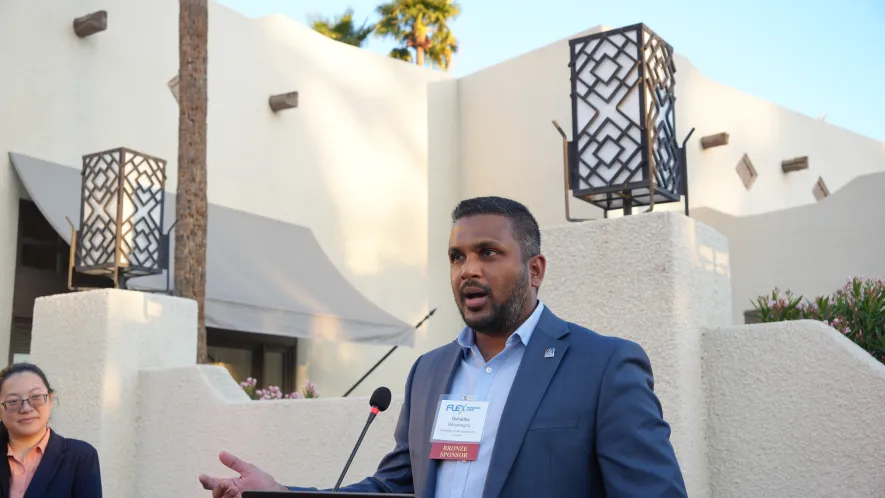
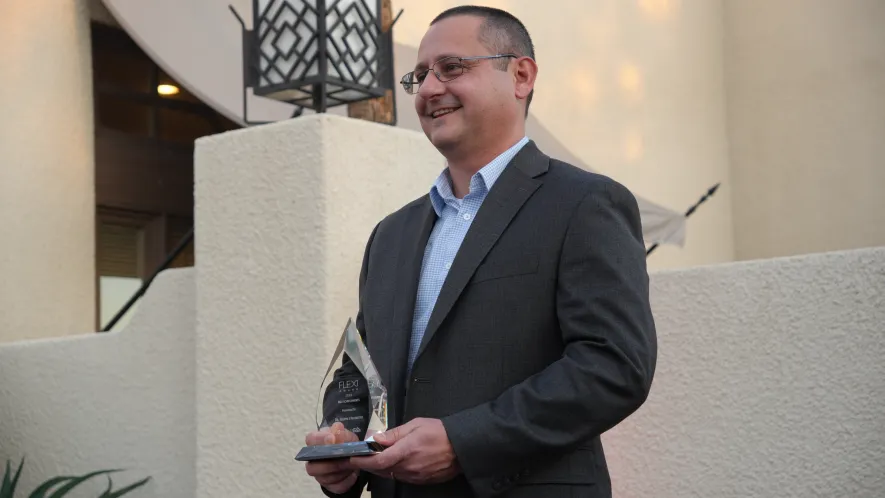
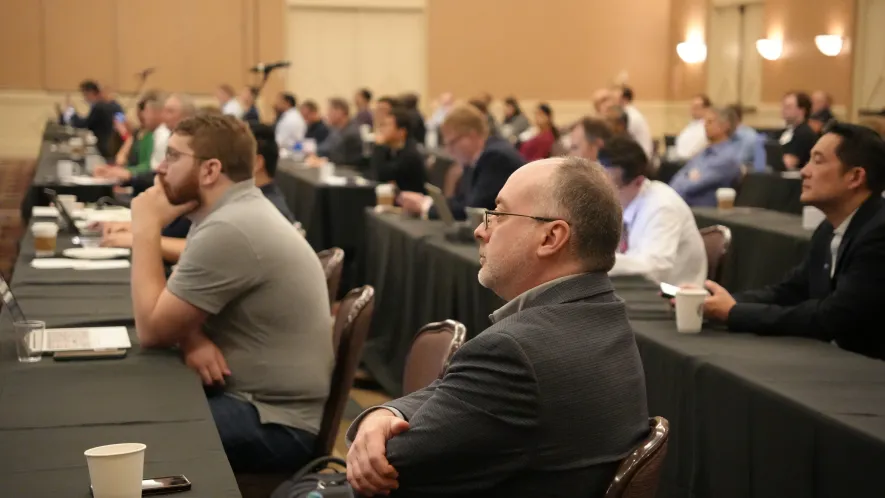
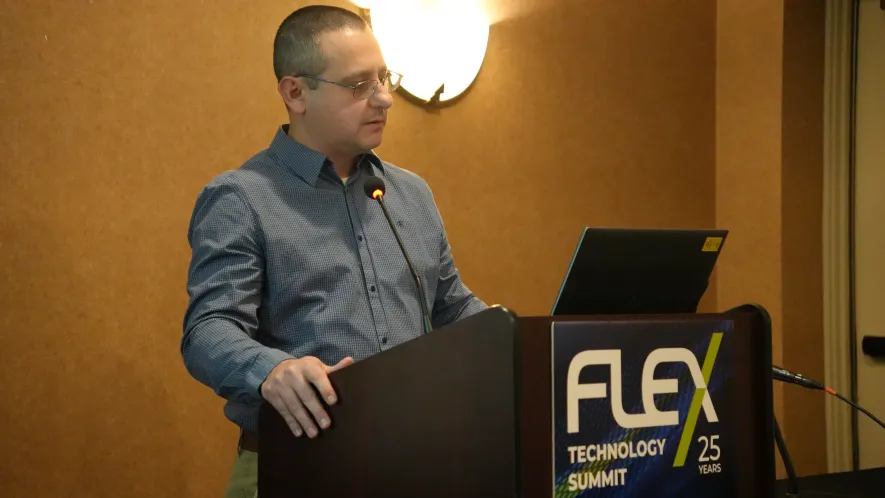
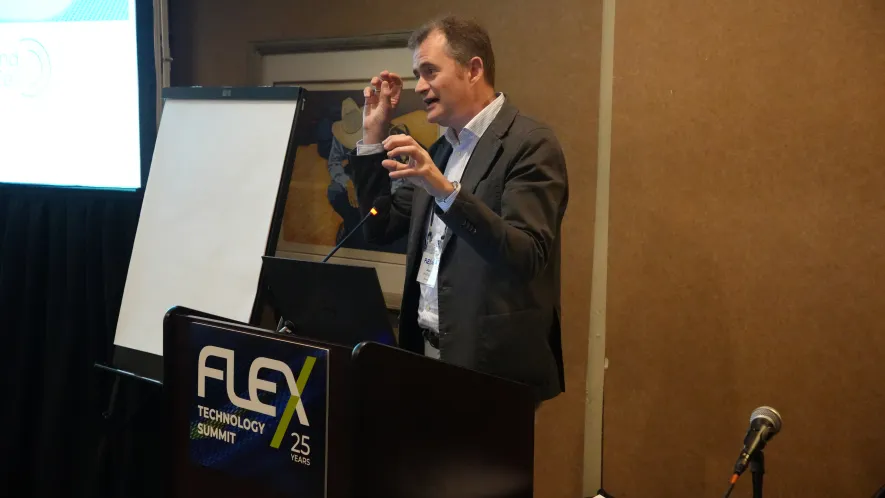
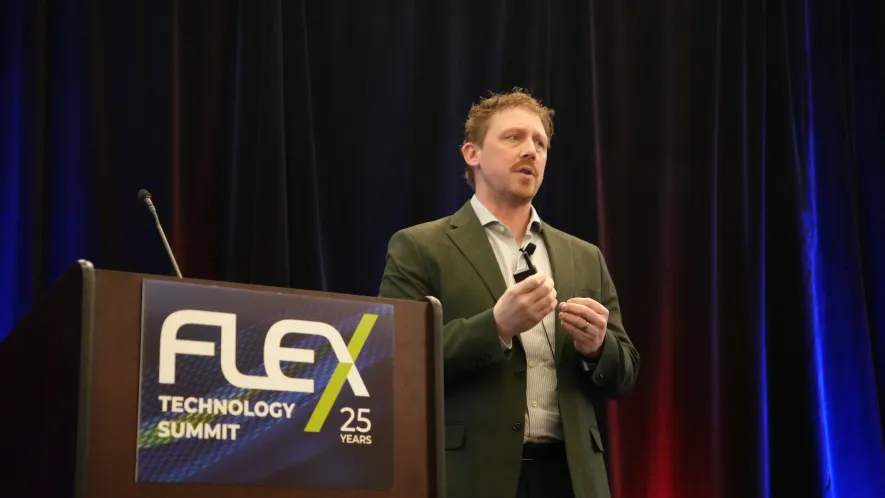
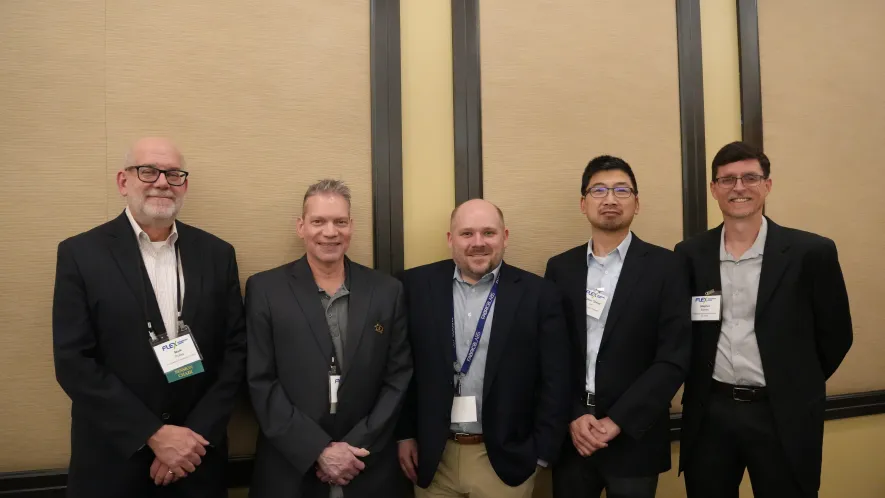
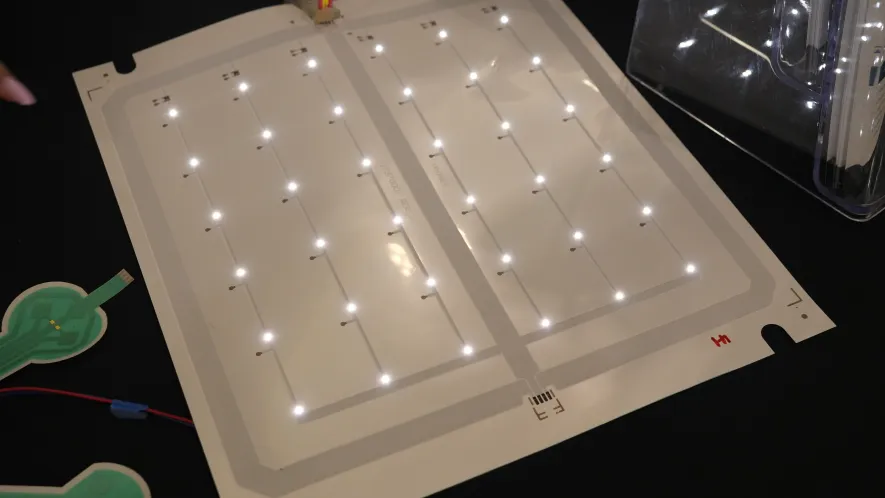
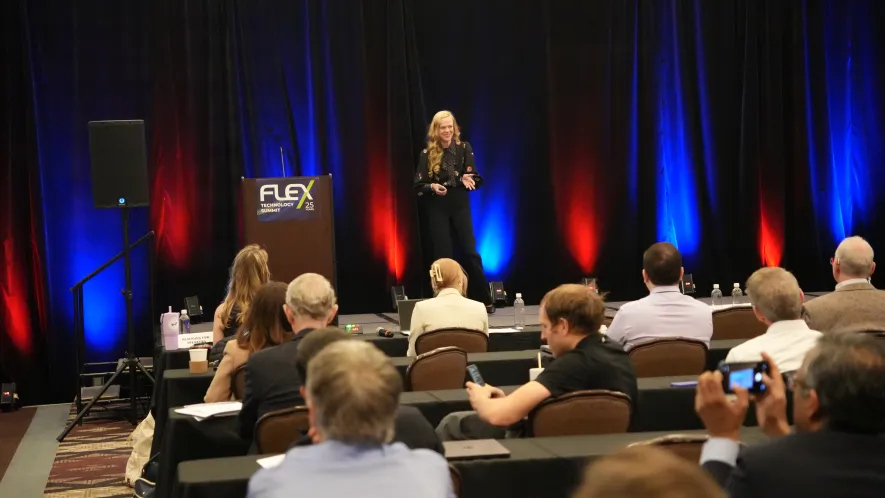
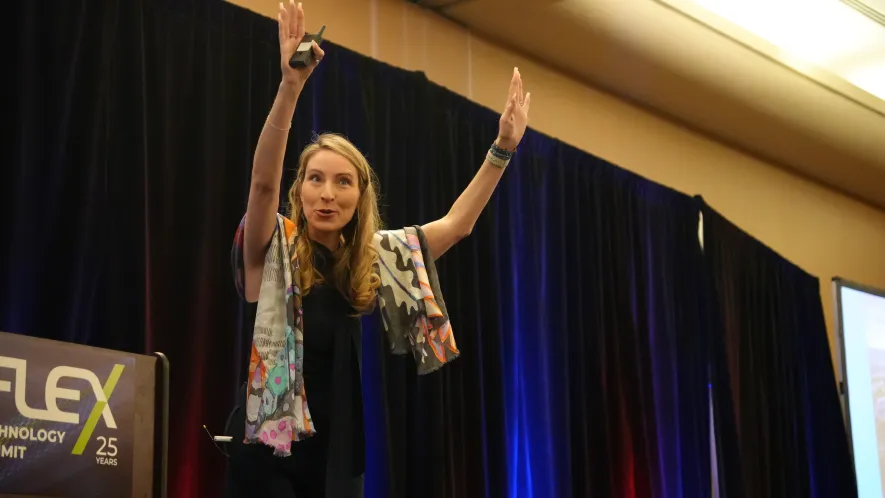
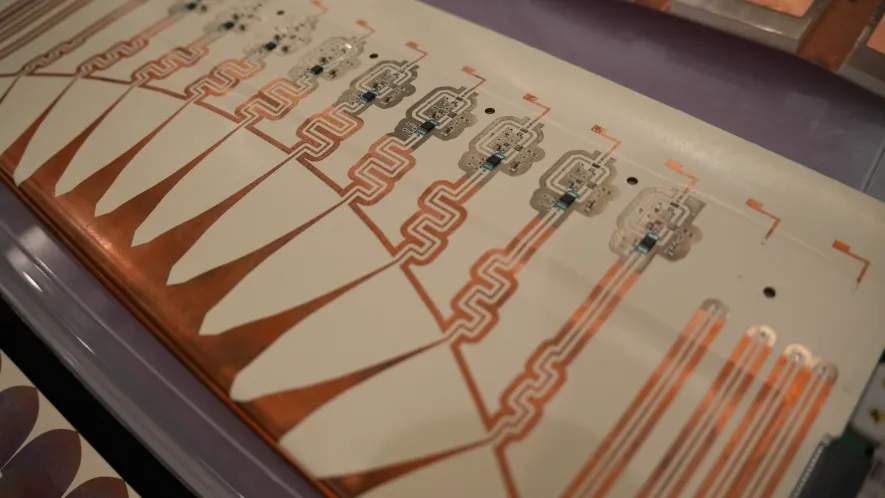
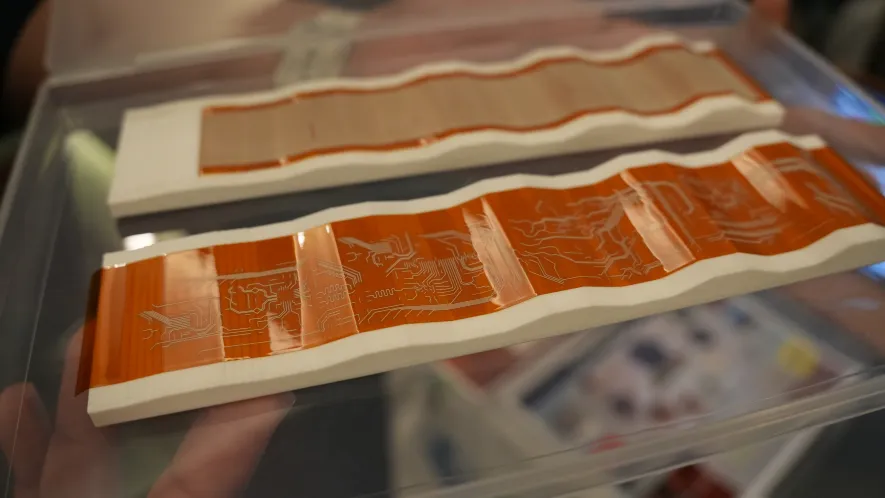
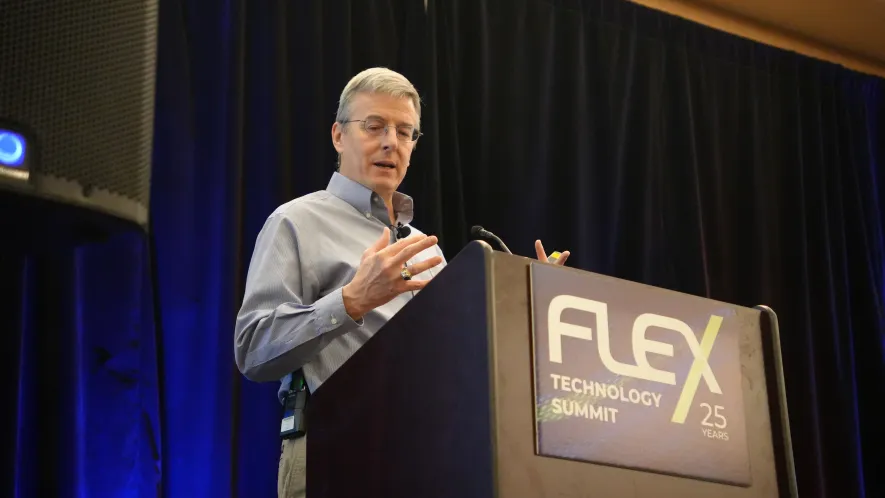
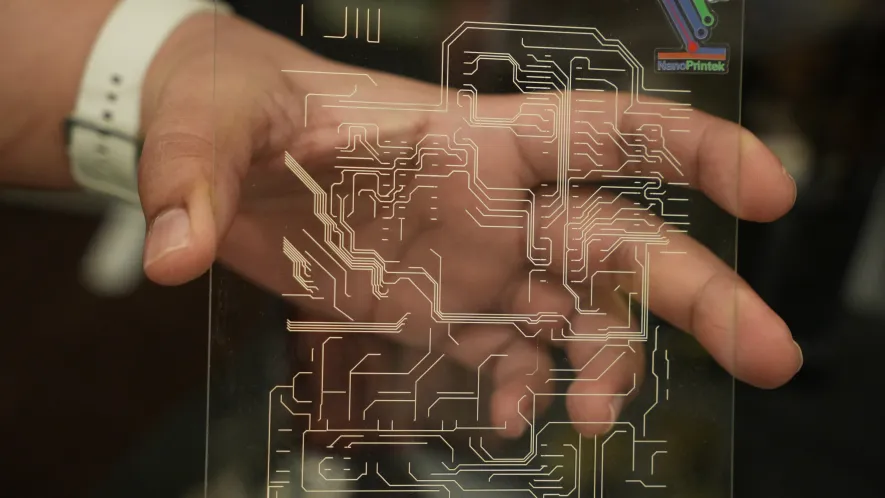
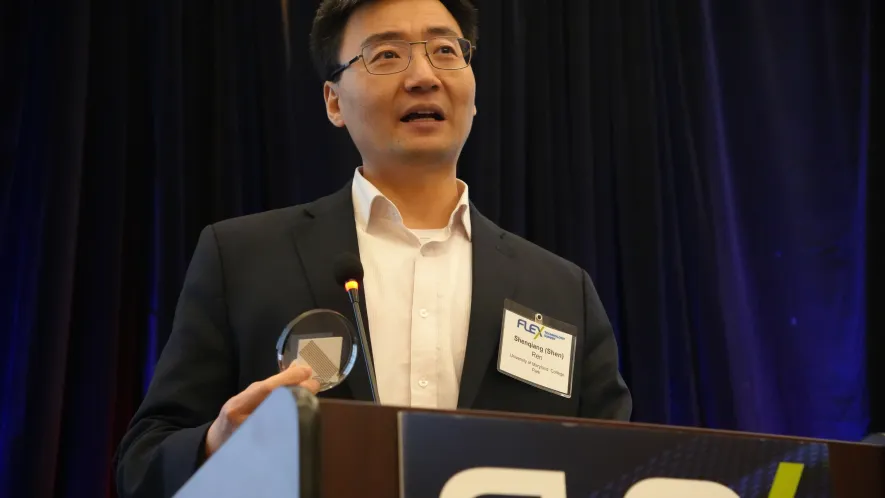
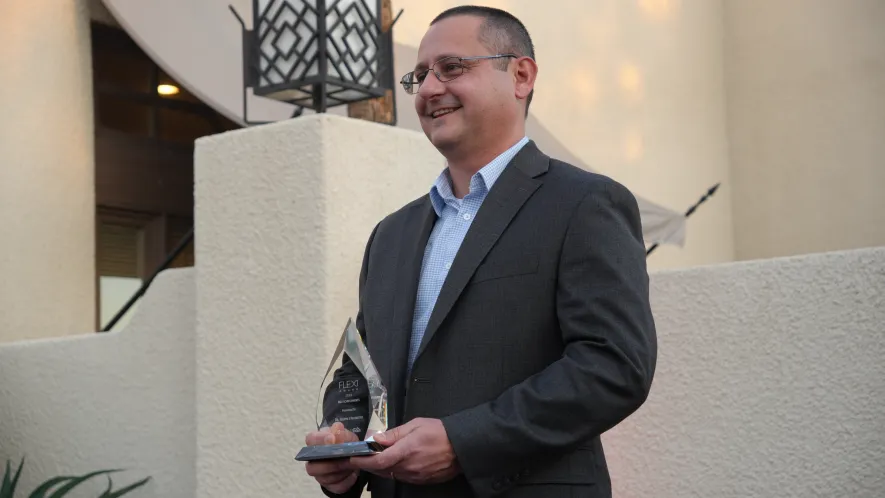
See some highlights from last year's FLEX Technology Summit. With a powerful speaker line-up, incredible networking, fascinating innovations, and amazing people.
NeoCity 194 NeoCity Way Kissimmee, FL34744 United States
Monday, April 21 (Medtronic Tour)
2:00 pm
Medtronic Tour
(Tour sold out. Sign up for the waitlist.)
Join us for an exclusive one-hour tour of Medtronic’s facility, to explore its advanced operations in designing and manufacturing microelectronics for implantable medical devices.
Attendees will break into groups for smaller discussions to identify challenges, prioritize those challenges and identify opportunities on critical issues discussed throughout the morning session.
3:05 pm
-
3:20 pm
Break
3:20 pm
-
4:10 pm
Breakout Sessions Readout
4:30 pm
-
6:00 pm
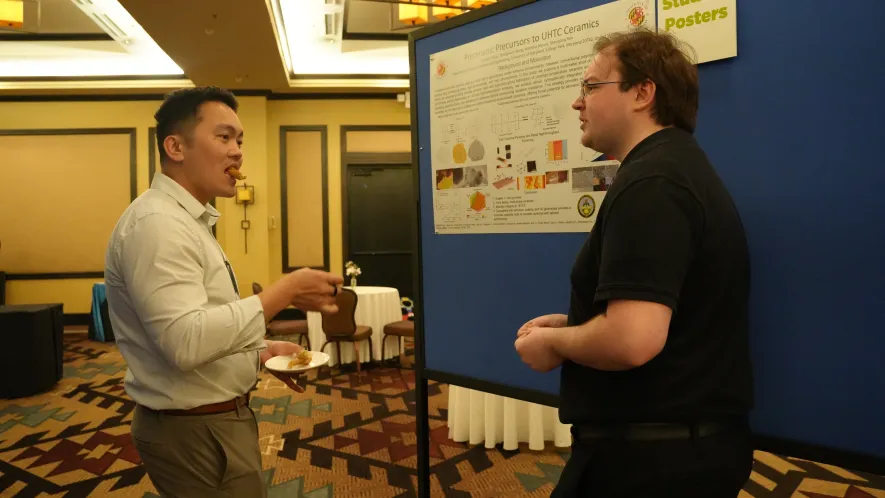
Student Poster Networking Reception & Mayo Clinic Lab for Function Tour
Mayo Clinic
IERB Building
5951 E. Mayo Blvd
Phoenix, AZ 85054
Mayo Lab Tour: If you're interested, please sign up at the registration desk. Space is limited to 20 participants and will be available on a first-come, first-served basis.
Note: Transportation to this reception will not be provided. (2 minute drive.)
Attendees will break into groups for smaller discussions to identify challenges, prioritize those challenges and identify opportunities on critical issues discussed throughout the morning session.
3:05 pm
-
3:20 pm
Break
3:20 pm
-
4:10 pm
Breakout Sessions Readout
5:00 pm
-
7:00 pm
Networking Reception and Tours of Wexford Connect
Enjoy Networking, concurrent tours, and presentation content
850 Phoenix Bioscience Core
850 N 5th Street
Phoenix, AZ 85004 https://850pbc.com
5:00 pm - 5:30 pm: Tours of Wexford Connect (Limited to 30 people)
6:15 pm - 7:00 pm: Panel Discussion:
Bridging Clinical Needs and Emerging Technology: Research, Implementation, and Scale. Moderator: Chris Yoo, General Partner, Xcellerant Ventures Panelists: Suman Bose, Assistant Professor of Biomedical Engineering, Mayo Clinic Hakan Ceylan, Assistant Professor and Principal Investigator, Mayo Clinic Ross Bundy, CEO, CRISPRQC Elsa Abruzzo, CEO, Anuncia Medical Allen Waziri, CEO and Co-Founder, iCE Neurosystems
Note: Transportation will not be provided. (30+ minute drive.)
Panel Discussion: The Arizona MDM2 Consortium - Investing in the Medical Technology Manufacturing Renaissance
Moderator: Chris Yoo, Founder and CEO and Regional Innovation Officer, MDM2 Consortium Panelists: Kiran Avancha, Chief Innovation Officer, HonorHealth Rochelle Rivas, District Director for Healthcare Innovation, Maricopa Community Colleges Alex Tessmer, Associate Director, BD Peripheral Intervention, Ideation
9:45 am
-
10:10 am
Jonathon Parker
Neurosurgeon, Director of Device-Based Neuroelectronics Lab
Mayo Clinic, Arizona
Aman Verma
Hospitalist
Mayo Clinic, Arizona
FIRESIDE CHAT: How can wearables and implantables improve care of the acutely ill patient?
Moderator: Jonathon Parker , Neurosurgeon, Director of Device-Based Neuroelectronics Lab, Mayo Clinic - Arizona Participants: Aman Verma, Hospitalist, Mayo Clinic, Arizona
10:10 am
-
10:25 am
Break
10:25 am
-
11:10 am
Moderator
Kiran Avancha
Chief Innovation Officer
Honor Health Innovations
Craig Norquist
Chief Innovation Officer
Honor Health
Matthew Anderson
Chief Medical Information Officer - Ambulatory
Honor Health
PANEL DISCUSSION: Health Data 2035: How do we Capture, Integrate, and Secure Health Data Streams From Wearables and Implantables to Improve Patient Care?
Moderator: Kiran Avancha, Chief Innovation Officer, Honor Health Innovations Panelists: Craig Norquist, Chief Innovation Officer, Honor Health Matthew Anderson, Chief Medical Information Officer - Ambulatory, Honor Health
11:10 am
-
11:45 am
Jonathon Parker
Neurosurgeon, Director of Device-Based Neuroelectronics Lab
Mayo Clinic, Arizona
Bart M. Demaerschalk
Vascular Neurologist
Mayo Clinic, Arizona
Chandan Krishna
Neuro-endovascular Neurosurgeon
Mayo Clinic - Arizona
FIRESIDE CHAT: Stroke Care 2035- How Can Digital Health Data Transform Stroke Care?
Moderator: Jonathon Parker , Neurosurgeon, Director of Device-Based Neuroelectronics Lab, Mayo Clinic - Arizona Participants: Bart M. Demaerschalk, Vascular Neurologist, Mayo Clinic, Arizona Chandan Krishna, Neuro-endovascular Neurosurgeon, Mayo Clinic, Arizona
11:45 am
-
12:15 pm
Jonathon Parker
Neurosurgeon, Director of Device-Based Neuroelectronics Lab
Mayo Clinic, Arizona
Nandita Khera
Oncologist, Associate Chair of Digital Health
Mayo Clinic
FIRESIDE CHAT: Real-Time Oncology - How Can Wearables and Implantables Reshape Oncology Care in 2035?
Moderator: Jonathon Parker , Neurosurgeon, Director of Device-Based Neuroelectronics Lab, Mayo Clinic - Arizona Participants: Nandita Khera, Oncologist, Associate Chair of Digital Health, Mayo Clinic
12:15 pm
-
1:00 pm
Moderator
Randal Schulhauser
Founder and CEO
Schulhauser Associates LLC
Jonathon Parker
Neurosurgeon, Director of Device-Based Neuroelectronics Lab
Mayo Clinic
Allen Waziri
Neurosurgeon, Co-Founder iCE Neurosystems
iCE Neurosystems
Paul Gerrish
VP, Technology and Medtronic Fellow
Medtronic
Panel Discussion: The New Frontier of Long-Term Brain Monitoring: Brain Computer Interface Re-Imagined
Moderator: Randal Schulhauser, Founder and CEO, Schulhauser Associates LLC Panelists: Jonathon Parker, Neurosurgeon, Director of Device-Based Neuroelectronics Lab, Mayo Clinic Allen Waziri, Neurosurgeon, Co-Founder iCE Neurosystems, iCE Neurosystems Paul Gerrish, VP, Technology and Medtronic Fellow, Medtronic
Division Director, Integrative Health and Performance Sciences
BlueHalo
Deon Chen
Sr. Manager, HEOR Strategic Planning
BD
Panel Discussion: Digital Health Revolution: Insights and Innovations
Moderator: Douglas Kiehl, BioCrossroads/Purdue Panelists: Bharath Rajagopalan , Director – Strategic Marketing, Health & Wellness, STMicroelectronics Anirban Bandyopadhyay, Senior Director, Global Foundries Stephaney Shanks, Division Director, Integrative Health and Performance Sciences, BlueHalo Deon Chen, Sr. Manager, HEOR Strategic Planning, BD
4:30 pm
-
7:00 pm
Evening Program Hosted by Venture Café
850 Phoenix Bioscience Core
850 N 5th Street
Phoenix, AZ 85004 https://venturecafephoenix.org/
Venture Café Phoenix is a dynamic weekly gathering where entrepreneurs, innovators, and business leaders connect to exchange ideas and build meaningful relationships.
Note: Transportation to this program will not be provided (30+minute drive)
5:40 pm
-
6:30 pm
Nandini Tandon
Co-Founder of Silicon Valley based VC in HealthTech
IndUS Setu Global Foundation
Jami Mei
VP of Business Development
Arizona Commerce Authority
Douglas E. Kiehl
Sr. Vice President
BioCrossroads
Mark Dydyk
Director of Engineering & Operations
Medtronic
Fireside Chat: Harnessing Semiconductor For transformational Advancements in HealthTech
Abstract Moderator: Nandini Tandon Panelists: Jami Mei, VP of Business Development, Arizona Commerce Authority Douglas E. Kiehl, Sr. Vice President, BioCrossroads Mark Dydyk, Director of Engineering & Operations, Medtronic
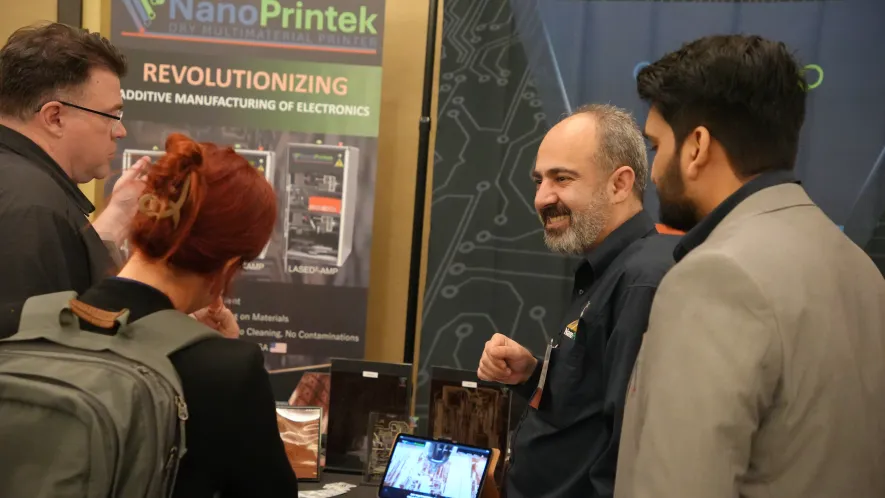
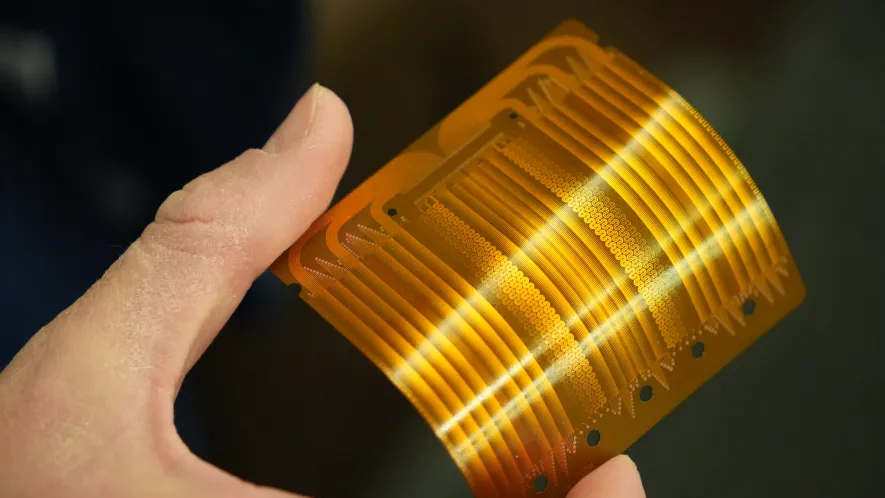
Join us for a three-day workshop uniting SEMI Technology Coalitions: FlexTech, NBMC, and CAST
The workshop will delve into advancements, challenges, and gaps in critical technologies such as flexible hybrid electronics, hybrid electronics, and bio-signal sensing for real-time cognitive and physical state monitoring and augmentation and will feature AI for Metrology (AI4MT) sessions
FLEX Technology Workshop 2027
FHE & NBMC Gap Analysis | AI for Metrology
8:00 am - 6:00 pm
Off
Add to Calendar2027-02-16 08:00:002027-02-18 18:00:00Flex Technology Workshop 2027Join us for a three-day workshop uniting SEMI Technology Coalitions: FlexTech, NBMC, and CASTThe workshop will delve into advancements, challenges, and gaps in critical technologies such as flexible hybrid electronics, hybrid electronics, and bio-signal sensing for real-time cognitive and physical state monitoring and augmentation and will feature AI for Metrology (AI4MT) sessionsNeoCity 194 NeoCity Way Kissimmee, FL 34744 United StatesSEMI.org[email protected]America/New_Yorkpublic
America/New_York
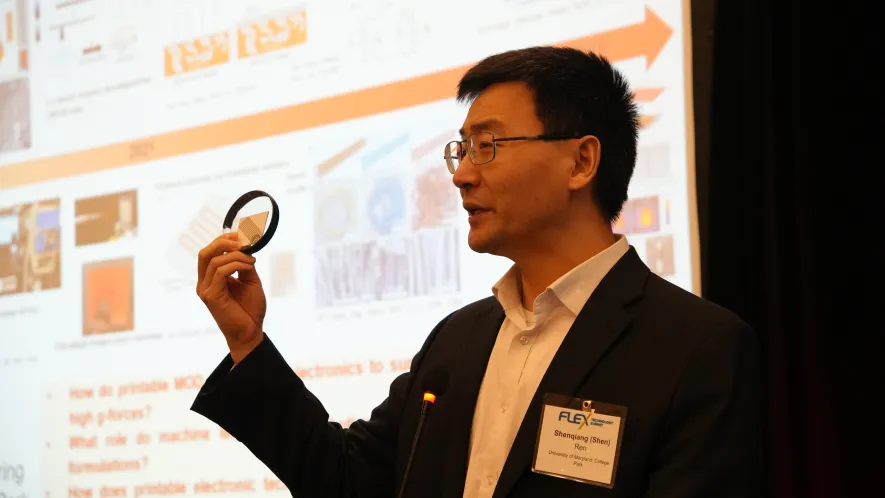
High-temperature materials are critical for applications in harsh-environment circuitry, where devices must operate reliably under extreme thermal, chemical, and mechanical stress. In this Master Class, Dr. Shenqiang (Shen) Ren will present a high-throughput ink materials development strategy enabled by non-equilibrium processing and hybrid additive manufacturing. This approach enables rapid synthesis, combinatorial screening, and direct integration of functional materials onto diverse substrates. The resulting materials exhibit strong electrical performance, robust adhesion, and long-term stability under harsh operating conditions. This high-throughput framework accelerates the discovery and deployment of printable materials for interconnects, heaters, and EMI shielding, providing a versatile pathway toward next-generation printed electronics designed for extreme environments.
ABOUT THE SPEAKER
Shenqiang (Shen) Ren, PhD Dr. Shenqiang Ren is a Professor of Materials Science and Engineering at the University of Maryland, College Park, with research interests in emerging functional and structural materials. He received his Ph.D. in Materials Science and Engineering from the University of Maryland, College Park, and subsequently completed postdoctoral training at the Massachusetts Institute of Technology (MIT).
United States
Shenqiang (Shen) Ren , PhD
Department of Materials Science and Engineering, Professor
Join us for a focused Master Class with Dr. Shenqiang (Shen) Ren, exploring the development of high‑temperature materials for harsh‑environment printed and flexible hybrid electronics (FHE). This session will examine how devices can be engineered to operate reliably under extreme thermal, chemical, and mechanical stress—conditions where conventional materials and processes often fail.
The Master Class will also highlight how this high‑throughput framework accelerates the discovery and deployment of printable materials for interconnects, heaters, and EMI shielding, offering a versatile pathway toward next‑generation printed electronics designed for extreme conditions.
High Throughput Material Development for Extreme Environment Printed Electronics
Flexible Electronics Master Class #30
10:00 am - 12:00 pm
Off
Add to Calendar2026-08-26 10:00:002026-08-26 12:00:00FEMC#30 High Throughput Material Development for Extreme Environment Printed ElectronicsJoin us for a focused Master Class with Dr. Shenqiang (Shen) Ren, exploring the development of high‑temperature materials for harsh‑environment printed and flexible hybrid electronics (FHE). This session will examine how devices can be engineered to operate reliably under extreme thermal, chemical, and mechanical stress—conditions where conventional materials and processes often fail.The Master Class will also highlight how this high‑throughput framework accelerates the discovery and deployment of printable materials for interconnects, heaters, and EMI shielding, offering a versatile pathway toward next‑generation printed electronics designed for extreme conditions.United StatesSEMI.org[email protected]America/Los_Angelespublic
America/Los_Angeles
watch on-demand
This comprehensive course will cover the underlying fundamentals, the interrelationship between materials and processes, and the hardware used in printed electronics. The masterclass will also explore how printed electronics can be applied currently in example applications including practical aspects of the technology, its highlights and challenges and scalability. We will also explore emerging new technologies at the cutting edge of FHE, semiconductor packaging, photonics and quantum materials. Throughout the course there will be opportunities for Q/A and discussions and case studies based on participant's interest.
ABOUT THE SPEAKER
J. Devin MacKenzie, PhD Dr. Devin MacKenzie is the Washington Research Foundation Professor and an Assoc. Prof. of Materials Science and Engineering and Mechanical Engineering at UW. He is also the Technical Director of the Washington Clean Energy Testbeds, a lab that provides open-access to world-class advanced manufacturing and characterization tools for printed optoelectronics, sensors and energy device research and scale-up. Devin also has 25 years of entrepreneurial experience in sustainable materials and manufacturing of semiconductors, optoelectronics and energy devices. Prior to UW he was CEO and co-founder of printed battery company, Imprint Energy (acquired CCL/Avery), Previously, as the CTO of Add-Vision, Inc. (acquired Sumitomo Chemical), Dr. MacKenzie led R&D for roll-to-roll printed flexible OLEDs at Add-Vision with licensing in Europe and Asia. Prior to Add-Vision, he led printed silicon RF device and product engineering at Kovio, Inc. a Si Valley MIT spin-out (acquired Thin Film Electronics). Dr. MacKenzie also co-founded, Plastic Logic, from Cambridge University as a postdoc and subsequently a visiting scientist in Physics at the Cavendish Laboratory. Prior to that he worked at Bell Labs and NASA. Dr. MacKenzie has authored over 240 publications and patents that have been licensed globally and has been cited over 12,900 times in fields ranging from rare earth-doped nitrides to quantum materials. He holds Ph.D, MS, and undergraduate degrees in Materials Science and Engineering from the University of Florida and the Massachusetts Institute of Technology.
United States
J. Devin MacKenzie, PhD
Washington Research Foundation Professor of Clean Energy, Associate Professor
Join us for a comprehensive Master Class with Dr. Devin MacKenzie, as he dives into the fundamentals and real-world applications of printed and flexible hybrid electronics (FHE). This session will explore the critical interrelationship between materials, processes, and hardware used in printed electronics, providing a strong foundation for understanding how these systems are designed and manufactured.
Participants will gain insight into current applications of printed electronics, along with practical considerations such as performance, scalability, and manufacturing challenges. The course will also highlight emerging technologies at the forefront of innovation, including advances in FHE, semiconductor packaging, photonics, and quantum materials
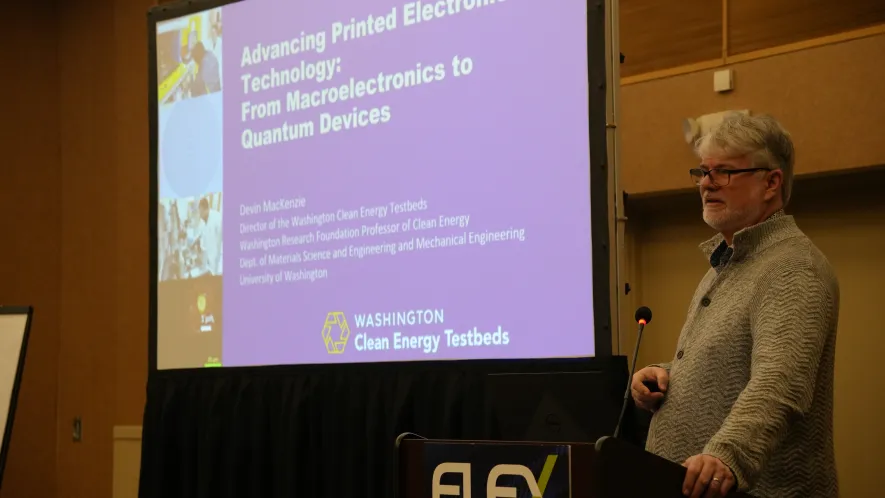
Advancing Printed Electronics Technology: From Macroelectronics to Quantum Devices
Flexible Electronics Master Class #31
10:00 am - 12:00 pm
Off
Add to Calendar2026-09-30 10:00:002026-09-30 12:00:00FEMC#31 Advancing Printed Electronics Technology: From Macroelectronics to Quantum DevicesJoin us for a comprehensive Master Class with Dr. Devin MacKenzie, as he dives into the fundamentals and real-world applications of printed and flexible hybrid electronics (FHE). This session will explore the critical interrelationship between materials, processes, and hardware used in printed electronics, providing a strong foundation for understanding how these systems are designed and manufactured.Participants will gain insight into current applications of printed electronics, along with practical considerations such as performance, scalability, and manufacturing challenges. The course will also highlight emerging technologies at the forefront of innovation, including advances in FHE, semiconductor packaging, photonics, and quantum materialsUnited StatesSEMI.org[email protected]America/Los_Angelespublic
America/Los_Angeles
REGISTER NOW
Digital Twin is a virtual representation of the structure, context, and behavior of physical systems or a process, with a live link to a physical system serving as a key enabler for predictive and data-driven optimization. In Printed and Flexible Hybrid Electronics (FHE), manufacturing involves multiple interdependent variables—different printing technologies, inks, substrates, and process conditions—each introducing its own complexity. In practice, additional challenges such as equipment drift, batch-to-batch variations, and environmental fluctuations further impact process consistency and yield. Changing a process or transferring it between tools is often difficult, as each setup is highly customized and sensitive to local conditions. To address these challenges, Digital Twin frameworks connect data from design, fabrication, and metrology into continuously learning digital models. They enable early detection of process drifts, virtual experimentation for process development, and data-driven optimization that reduces time, cost, and waste.
This course introduces Digital Twin frameworks for FHE, focusing on Deep Neural Network (DNN)-based predictive models. Participants will learn how to integrate design, fabrication, and metrology data into continuously learning virtual twins that detect process drifts, enable virtual experimentation, and optimize manufacturing. The program covers the full workflow—from image processing and virtual metrology to AI model training, validation, and hyperparameter tuning—using real datasets. A hands-on “Build Your Own Digital Twin” module in Google Colab will provide practical experience in training and refining models for printed electronics applications, equipping attendees with both theoretical insight and applied skills for process optimization and performance prediction.
ABOUT THE SPEAKER
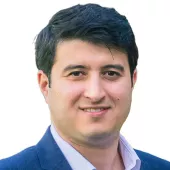
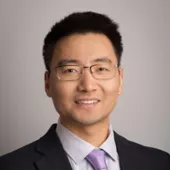
Benyamin Davaji, PhD Benyamin Davaji is an Assistant Professor in the Department of Electrical and Computer Engineering at Northeastern University, Boston, Massachusetts, where his research centers on integrated microsystems for sensing and computation using mechanical waves. His work spans acoustic and ultrasound transducers, biointerfaces, and microcalorimetry, with a strong emphasis on data-guided nanofabrication, advanced semiconductor device manufacturing, and interdisciplinary approaches to microsystem design and manufacturing. He earned his Ph.D. in Electrical and Computer Engineering from Marquette University in 2016 and completed a postdoctoral appointment at Cornell University.
Join us for a Master Class with Benyamin Davaji, PhD, as he introduces Digital Twin frameworks for Printed and Flexible Hybrid Electronics, demonstrating how AI- and DNN-based models integrate design, fabrication, and metrology data along with printing technologies to detect process drift, enable virtual experimentation, and optimize manufacturing performance. Participants gain hands-on experience building continuously learning digital twins to reduce variability, cost, and time to optimization.
Digital Twins for Printed Electronics: How Can AI Learn FHE Printing?
Flexible Electronics Master Class #29
10:00 am - 12:00 pm
Off
Add to Calendar2026-06-10 10:00:002026-06-10 12:00:00FEMC#29 Digital Twins for Printed Electronics: How Can AI Learn FHE Printing?Join us for a Master Class with Benyamin Davaji, PhD, as he introduces Digital Twin frameworks for Printed and Flexible Hybrid Electronics, demonstrating how AI- and DNN-based models integrate design, fabrication, and metrology data along with printing technologies to detect process drift, enable virtual experimentation, and optimize manufacturing performance. Participants gain hands-on experience building continuously learning digital twins to reduce variability, cost, and time to optimization. United StatesSEMI.org[email protected]America/Los_Angelespublic
America/Los_Angeles
Watch on-demand
A digital twin is a computer representation of the structure, context, and behavior of physical systems, which are critical components in the optimization of computational systems, accurately representing physical systems and processes. A Digital Twin can be used to reduce or eliminate iterative physical experiments needed for optimization, thereby enhancing yield, saving time, and resources. Semiconductor manufacturing involves numerous complex steps, where accurate control of each step is crucial to achieving the overall manufacturing yield and minimizing variations in device characteristics. The complexity of the manufacturing processes' flows limits flexibility for testing novel approaches. Unit processes can be based on first-principal models (physics-based), data-based models, or hybrid models combining both approaches when possible. Fabrication processes in the cleanroom and on printed electronics tools are often a function of time-varying parameters, including those of the equipment, environment, and materials. The parameters often have co-dependencies across different process steps and tool sets.
This course will cover the necessary material to create DNN-based Digital twins for nanofabrication processes in cleanrooms. The course will include experimental details for data preparation, data processing, training models, and use case demonstrations. Nanofabrication process equipment can inherently have millions of internal variables and can learn from datasets, providing a robust and complementary approach to traditional feedback control and process stabilization methods. The included Digital Twin modes are developed using images (CD-SEMs, optical images), time history data (Optical Emission Spectroscopy), and textual process information (recipes and materials). The course will include: (1) Approaches to preprocess image data and create learning-based models, (2) using DNN-based domain translation for learning to predict the DUV nanolithography and ICP Plasma Etch, (3) virtual metrology methods for quantification of learning outcomes, and (4) developing a new class of process-aware DNN-based digital twins.
ABOUT THE SPEAKERS
Benyamin Davaji, PhD Benyamin Davaji is an Assistant Professor in the Electrical and Computer Engineering Department at Northeastern University. His research focuses on integrated microsystems with an emphasis on sensing and computation using mechanical waves, acoustic/ultrasound transducers, bio-interfaces, and microcalorimetry. He also applies data-guided methods to nanofabrication process development and semiconductor manufacturing. Dr. Davaji earned his PhD in Electrical and Computer Engineering from Marquette University in 2016 and later served as a post-doctoral associate at Cornell University’s School of Electrical and Computer Engineering.
Peter Doerschuk, PhD
Peter Doerschuk, Professor at Cornell University since 2006, previously served on the Purdue faculty in Electrical and Computer Engineering and Biomedical Engineering. He earned B.S., M.S., and Ph.D. degrees in Electrical Engineering from MIT, an M.D. from Harvard Medical School, and completed training at Brigham and Women’s Hospital and a postdoc at MIT. His research applies computational nonlinear stochastic systems to biology and medicine, spanning viral 3-D structure determination using electron microscopy and x-ray scattering, to nonlinear models of ethanol pharmacokinetics that enable sensor processing, pattern recognition, and individualized physiological analysis.
Join us for this engaging Master Class with Benyamin Davaji, PhD, Assistant Professor of Electrical and Computer Engineering at Northeastern University and Peter Doerschuk, Professor of Electrical and Computer Engineering and Biomedical Engineering at Cornell University, as they explore the role of digital twin models in advancing semiconductor manufacturing. The masterclass will highlight how data-guided methods and computational modeling are transforming unit process development, driving efficiency and innovation across the semiconductor industry. With expertise spanning microsystems, acoustic transducers, and nanofabrication, the speakers will provide insights into how digital twins can bridge research and production to accelerate breakthroughs in semiconductor technology.
Digital Twin Models for Semiconductor Manufacturing Unit Process
Flexible Electronics Master Class #27
10:00 am - 12:00 pm
Off
Add to Calendar2025-11-05 10:00:002025-11-05 12:00:00FEMC#27 Digital Twin Models for Semiconductor Manufacturing Unit ProcessJoin us for this engaging Master Class with Benyamin Davaji, PhD, Assistant Professor of Electrical and Computer Engineering at Northeastern University and Peter Doerschuk, Professor of Electrical and Computer Engineering and Biomedical Engineering at Cornell University, as they explore the role of digital twin models in advancing semiconductor manufacturing. The masterclass will highlight how data-guided methods and computational modeling are transforming unit process development, driving efficiency and innovation across the semiconductor industry. With expertise spanning microsystems, acoustic transducers, and nanofabrication, the speakers will provide insights into how digital twins can bridge research and production to accelerate breakthroughs in semiconductor technology.United StatesSEMI.org[email protected]America/Los_Angelespublic
America/Los_Angeles
Watch On-Demand