downloadGroupGroupnoun_press release_995423_000000 copyGroupnoun_Feed_96767_000000Group 19noun_pictures_1817522_000000Member company iconResource item iconStore item iconGroup 19Group 19noun_Photo_2085192_000000 Copynoun_presentation_2096081_000000Group 19Group Copy 7noun_webinar_692730_000000Path
Skip to main content
Default Banner Image

Business and Markets

The SEMI Startups for Sustainable Semiconductors Program – or S3 – connects promising climate technology startups with many of the industry’s largest Corporate Venture Capital (CVC) firms. For startups interested in applying their solutions to improving sustainable practices within the semiconductor industry, the call for applications is open until May 1. After applications have been submitted, finalists will pitch their solutions to an audience at this year’s SEMICON West, taking place from October 7-9 in Phoenix, Arizona. Solutions of Interest – 2025 S3 Categories Each year, sponsors choose priority categories for sustainability-related solutions. This year’s categories include: Sustainable and efficient solutions for data centers, including thermal management, power management, and systems and componentsGenerative AI, software, and other AI solutions for alternative materials discovery, device and physics simulation, energy-efficient chip design, and end-to-end sustainable product designMore sustainable solutions for energy and materials, including new process designs for lower energy intensity, energy tracking and management software, emissions control and abatement, water solutions, PFAS destruction, and recycling solutionsAll startups that address any of these areas are encouraged to apply. Why Apply for S3?Startups that apply for S3 can benefit from the following. Mentorship from industry experts on how to break into the semiconductor industry, even if your startup had never previously considered the semiconductor market for its products or servicesProof of concept (POC) and pilot partnership opportunitiesExposure to major semiconductor industry leadersPotential investments from both CVCs and venture capitalists (VCs) throughout the program and final pitch eventAdditional public relations opportunities as a result of the programS3 Performance ReportTo help prepare for the 2025 competition, the S3 team conducted a review of the application process to develop a report card of key performance indicators. After assessing three years’ worth of data from over 150 startup teams, notable takeaways from the report are as follows. The S3 program provides startups with a 4.1% chance of securing a scaled customer. To date, S3 has enabled eight direct VC investments, 34 first-of-their-kind proof of concepts, and seven sustainability innovations that have scaled into initial production.One in three startups reviewed by internal subject matter experts moves into a POCOne in five startups that secure a POC move into a scaled deploymentOne in two startups that move into scaled deployment receive direct investment from the CVC arm of the companyApproximately one in 30 startups are successful at a first-scaled deployment with a semiconductor customerBy providing footholds into the semiconductor ecosystem through mentoring and customer introductions, S3 offers the opportunity for startups to strategically solve pressing, real-world technological challenges. Forward Statements To achieve a more sustainable semiconductor industry, we must move faster. The longer humanity takes to resolve unsustainable practices, the more expensive solutions will become. Through collaboration and competition, we can advance development on a larger, more efficient scale. To learn more, download the full report. John Wei joined Applied Ventures in 2020. He focuses on a range of deep tech areas and industry verticals, including advanced materials, display, and Industry 4.0 technologies. He also manages Applied Ventures’ investment activities in the Greater China region.Prior to joining Applied Ventures, Wei was a key member of the SABIC Ventures investment team, where he led multiple investments in advanced materials, display, energy sustainability, and manufacturing space in North America, Europe, and China. Earlier in his career, Wei held various commercial and technical roles at The Linde Group and General Electric with domain expertise in the petrochemical, power generation, alternative energy and oil gas industries.
Read More
The semiconductor industry is at a pivotal moment, with smart manufacturing, smart mobility and workforce development as key drivers in the industry’s path to reach $1 trillion in revenue by 2030. Bringing together key stakeholders from the semiconductor ecosystem, SEMIEXPO Heartland will take place on April 1-2, 2025, in Indianapolis and explore the latest advancements and opportunities to foster growth, accelerate innovation and reinforce the Midwest as a thriving hub for semiconductor manufacturing.SEMI sat down with Purdue University President Mung Chiang who shared his insights on growing semiconductor industry in the Midwest, how Purdue is making an impact, and a sneak peek into his upcoming keynote presentation at SEMIEXPO Heartland.SEMI: How important is semiconductor industry expansion in the Midwest?Chiang: Purdue’s partnerships with industry leaders, state and federal government are essential to advancing the U.S. semiconductor industry and establishing the Midwest region as the Silicon Heartland. The Department of Defense-funded Silicon Crossroads Microelectronics Commons innovation hub is a partnership between Indiana, Illinois, and Michigan, while the Midwest Microelectronics Network is in collaboration with Ohio, Illinois, and Michigan.An event like the SEMIEXPO Heartland in Indianapolis gathers industry representatives from across the nation to see the potential and value that Indiana and the Midwest bring and provides a great forum to explore strategies for collaboration and innovation.SEMI: How important is collaboration between industry and academia to advance semiconductor innovation and address workforce challenges?Chiang: Enabled by semiconductors, artificial intelligence (AI) continues to advance rapidly. Purdue is a national academic leader in microelectronics and semiconductors in part because of industry partnerships – both nationally and internationally – that help us align our research and workforce development to the needs of our industry partners.Collaborations among industry, academia and government will be critical to strengthening America’s position in the global semiconductor landscape and securing our technological future. Two recent examples are our partnership with SK hynix to fill a critical gap in the U.S. semiconductor supply chain and our partnership with SEMI, the leading global microelectronics industry association, to create online courses aimed at bolstering the semiconductor workforce.SEMI: How are Purdue’s innovations contributing to those fronts?Chiang: World-leading research, transformational investments in infrastructure and pioneering education are all part of Purdue’s contributions to advance the semiconductor industry.Strategic initiatives like the first comprehensive, large-scale Semiconductor Degrees Program, advised by a board of industry leaders, lead the way to high-quality workforce development at scale. Experiential education, such as programs like “Summer Training, Awareness, and Readiness for Semiconductors” (STARS) for undergrads, energizes first-year students and provides a strong foundation to prepare the next generation high-tech workforce, a critical step in cultivating the talent needed to drive the industry forward.Birck Nanotechnology Center, one of the nation’s state-of-the-art academic research centers, is another prime example of Purdue driving innovation. This facility will soon become the first and only digital-twin-enabled semiconductor research lab in the world.SEMI: What are the highlights of your keynote address for the SEMIEXPO Heartland?Chiang: I’ll point out that these are exciting times in Indiana – two new semiconductor clusters are emerging, one in West Lafayette at Purdue focused on the commercial sector and one at Westgate, near the Naval Surface Warfare Center Crane, focused on the defense sector.The initiative at Purdue is led by SK hynix, the world’s leader in high-bandwidth memory for AI; MediaTek, the world’s fifth-largest fabless design company and a leader in chips for smartphones, tablets, TVs, and Internet of Things products; and by imec, the world's leading independent semiconductor research and innovation hub.Our goal is to leverage Purdue’s excellence at scale to work with our partners and create a new, thriving, vibrant, and growing semiconductor hub in the heartland and to connect this growing commercial sector to the emerging defense sector at Westgate.We look forward to working with our partners in the Midwest to make the Heartland one of the few critical regions of semiconductor manufacturing, design, innovation, and talent development in the United States.SEMI: Part of SEMIEXPO Heartland’s focus is on smart manufacturing. What strategic collaborations in smart manufacturing are driving innovation forward?Chiang: Smart manufacturing is being driven, in part, by the continuing advancement of AI and digital twins. The semiconductor industry already is partnering with computational modeling and fabrication leaders like Purdue University to develop the digital twins and play a major role in training the workforce and accelerating the pace of innovation.The NIST-funded SMART USA Manufacturing Institute for Digital Twins is a $1 billion plus program that brings industry and academia together. Purdue looks forward to playing a leading role in this important initiative.Maintaining a strong connection between academia and industry can help accelerate design and innovation of new U.S. chip development and manufacturing concepts through cost reduction, product optimization and real-time process adjustments.ResourcesHear more from academic leaders, industry executives and government officials about the semiconductor expansion and opportunities for growth in the U.S. Midwest during SEMIEXPO Heartland event, April 1-2, 2025, in Indianapolis. Visit the SEMIEXPO Heartland website to view the full agenda: https://semiexpo.semi.org/.Mung ChiangMung Chiang is the President of Purdue University, and the Roscoe H. George Distinguished Professor of Electrical and Computer Engineering. Prior to being selected university president in 2022, he was the John A. Edwardson Dean of the College of Engineering and executive vice president for strategic initiatives at Purdue University.Chiang received BS (1999), MS (2000) and PhD (2003) from Stanford University and an honorary doctorate (2024) from Dartmouth College. Before 2017, Chiang was the Arthur LeGrand Doty Professor of Electrical Engineering and an affiliated faculty in Computer Science and in Applied Mathematics at Princeton University.SEMI ContactSherrie Gutierrez, Marketing Communications ManagerEmail: [email protected]

Read More
The European semiconductor ecosystem continues to evolve, driven by the ambitions outlined in the EU Chips Act. With goals to strengthen Europe’s technological leadership and double its semiconductor manufacturing market share to 20% by 2030, collaboration across the value chain is imperative. Heterogeneous Integration for Connectivity and Sustainability (HiCONNECTS), a Horizon Europe-funded project, exemplifies this collaborative spirit. The initiative aims to develop next-generation electronic components and systems using advanced heterogeneous integration core technology solutions.The HiCONNECTS consortium, comprising 65 partners with diverse expertise, is addressing key societal and industrial challenges. These efforts focus on advancing core technology solutions for energy-efficient, high-performance wireless and wired cloud and edge computing, as well as automotive radar systems.“Collaborating with 65 partners is no small feat—it’s akin to orchestrating a complex IT network,” says Ilan Englard, Coordinator of the HiCONNECTS project. “We streamline progress by creating local networks of partners, all interconnected through a central management framework of tasks, work packages, and coordination. Such large consortia form intricate systems where complexity fosters innovation, often leading to surprising and transformative outcomes.” As the three-year project progresses, HiCONNECTS is working to establish pilot lines focused on key areas:RF Electronic Heterogeneous IntegrationPhotonic Components for Heterogeneous IntegrationAdvanced Packaging for Heterogeneous IntegrationThese pilot lines, led by organizations such as the Ferdinand Braun Institute and imec, will develop systems and modules through advanced equipment development, manufacturing optimization, and integration of electronic and photonic components. Validation of equipment in integrated process flows will further enhance the heterogeneous integration landscape.Now in its third year, HiCONNECTS continues to welcome new members. This inclusiveness underscores the project’s flexibility and its commitment to incorporating fresh perspectives as new trends and challenges emerge. At the 12-month consortium meeting in Catania last February, Arbonaut was unanimously inducted to contribute to the forest fire use case, further expanding the project’s scope.“The upcoming months are critical, as we move closer to delivering modules, systems, and demonstrators,” says Englard. “Our goal is to heterogeneously integrate the next generation of RF, electronic, and photonic components into networking, telecom, and radar systems, with support from module and equipment makers.”HiCONNECTS members at the 12-month consortium meeting in Catania, February 2024As this ambitious work progresses, sharing project results and achievements remains a top priority for the consortium to ensure meaningful social, political, and economic impact. By drawing attention to the results of the project, the consortium enhances the visibility, comprehension, and implementation of these advancements. Recently, four partners—Excillum, TNO, SANLAB, and Centria University of Applied Sciences—participated in a webinar titled “Heterogeneous Integration for Future High Speed Communication,” organized by SEMI Europe. The webinar is now available on demand for viewers worldwide.The significance of HiCONNECTS was further highlighted at SEMICON Europa 2024, where seven consortium members presented progress on topics ranging from advanced packaging to photonic integration. At the TechARENA, representatives from SEMI Europe, Excillum, Centria, Arbonaut, AT S, imec, and Applied Materials showcased the project’s contributions to the semiconductor ecosystem. “I was thrilled to present at the TECHArena and engage with the HiConnects partners,” said Julius Hållstedt, Head of segment - Semi Electronics, Excillum. “I especially appreciated the high attendance at my talk, which validated the strong interest in X-ray solutions for semiconductor applications. The insightful discussions at the SEMICON Europa exhibition and advanced packaging conference was a rewarding bonus.”HiCONNECTS Speakers at SEMICON Europa 2024By disseminating research and breakthroughs across various channels, such as publications, webinars, and conferences, HiCONNECTS is promoting knowledge sharing and fostering collaboration across the semiconductor ecosystem. This openness accelerates the adoption of new technologies, ensuring that European industry players remain at the forefront of critical advancements. Furthermore, sharing these results strengthens Europe’s position as a hub for cutting-edge research and development, driving both economic growth and technological leadership on the global stage.SEMI Europe is proud to be a consortium member of HiCONNECTS under the Chips Joint Undertaking (Chips JU), which is funded by the EU Horizon Europe program and supported by numerous countries, including Austria, Italy, Germany, and Sweden.About HiCONNECTS:HiCONNECTS (Heterogeneous Integration for Connectivity and Sustainability) is a three-year project bringing together 65 partners to develop sustainable, energy-efficient cloud and edge computing platforms. The project focuses on high-performance computing, storage infrastructure, network interfaces, and real-time analysis of IoT sensors and big data.Kartikey Srivastava is Senior Specialist – Communications at SEMI Europe.
Read More
While many individuals in leadership positions are seen as role models, only a select few have the ability to create a lasting impact on both individuals and organizations. Role models play a pivotal role in the growth of individuals, teams, and entire companies. Whether intentionally or not, role models possess the power to shape the possibilities others envision for themselves, and exceptional role models harness this power to empower and inspire.The Role Models article series shines a light on remarkable individuals who serve as inspirational leaders for their achievements, leadership, and positive influence. In each installment, we delve into the life and accomplishments of these exceptional role models, exploring their journeys, values, and the impact they've made on their organizations, communities, and across industries. Join us in celebrating these outstanding individuals and discover the valuable lessons they offer for aspiring leaders and changemakers.Role Model - Stephan HaferlIn an industry driven by innovation and high-tech advancements, Stephan Haferl stands out as a transformative leader at the helm of Comet, a globally recognized Swiss technology leader specializing in x-ray and radio frequency solutions for the semiconductor industry. As CEO, Stephan Haferl has successfully guided the company through a period of transformation, focusing on innovation, operational excellence, and customer satisfaction. With extensive experience in business management and a Ph.D. in mechanical and process engineering from the Swiss Federal Institute of Technology (ETH), Haferl has led Comet’s transformation while also contributing to the broader industry as a member of the Board of Directors at Belimed AG and the SEMI Europe Advisory Board.In this interview, Haferl shares his personal journey and leadership philosophy, offering invaluable insights into the mindset of a successful business leader and the values that drive his work. His dedication to mentorship, diversity, and cross-functional learning serves as a beacon for future generations of leaders.SEMI: Please tell us about your background and professional experience.Haferl: My father passed away from cancer when I was a young child, and though I have only faint memories of him, he left behind a remarkable legacy. He had a great library filled with books on physics, math, and engineering, as well as stories and photographs showcasing his passion for tinkering and DIY projects. In many ways, this collection became a foundation for my intellectual development. Reading his books, going through his notes from university, and exploring his projects allowed me to feel spiritually connected with him. Fortunately, his passion for the technical world was something I inherited. I became a dedicated engineer and tinkerer, and that mindset has helped me embrace every challenge I encounter. While this is a large part of “what I am”, I believe that “who I am” is even more important. That was shaped largely by my maternal grandmother. She lost her husband, my grandfather, during the war when my mother was just a baby. Despite this hardship, she remained single throughout her life, focusing on raising my mother and running my late grandfather’s little shop in post-war rural Norway. She was tougher than nails, stoic, industrious, but above all, she was humble and kind. My grandmother has been, and will always be, my role model, in both my personal and professional life. “It is my conviction and advice to aspiring leaders: If you want to be successful in business, go on a cross-functional learning journey.”– Stephan HaferlSEMI: What was your journey to becoming the CEO of Comet?Haferl: Driven by curiosity and a desire to understand as many aspects of business as possible, my journey has been one of evolution. I started in engineering and moved through various areas, including operations, R D, product management, sales, and business development. Overtime, I transitioned from being an individual contributor to a team leader, and eventually to management roles with higher levels of responsibility. There were moments when I stepped away from activities that were comfortable and familiar, like R D, in order to have new experiences and learn something new, even when it went against advice or my own judgement. I intentionally chose to become a seasoned generalist with a few areas of specialty, rather than a functional specialist. Although it may sound a bit idealistic, I never had a specific plan to end up in my current role.That said, if I could offer advice to aspiring leaders, it would be this: To succeed in business, embark on a cross-functional learning journey. Nothing prepares you more for a leadership role than hands-on experience across as many areas of business as possible.Ribbon Cutting Ceremony of the new facility in San Jose.SEMI: What has been your greatest challenge as CEO?Haferl: My greatest challenge as CEO has been and will always be, creating a healthy balance between the things I’m passionate about: the responsibilities of my job, the people around me, my family, and ultimately, myself. While a crisis or challenge in business can be overcome with the support of your entire organization and external systems, managing your time, maintaining well-being, and ensuring you’re fully present is entirely your own responsibility. The larger the role, the more demanding this balance becomes.SEMI: What has been your greatest learning as CEO?Haferl: There isn’t one single greatest learning. Instead, being a CEO offers you the opportunity to experience many truisms firsthand, such as:As a CEO, you are often alone in the spotlight and must learn to be comfortable absorbing the pressure that comes with it, entirely on your own.Your title means little unless you strive to earn it every day. If you’re a good leader, you don’t need to create followers – they will emerge naturally.A team of excellent individual contributors can be outperformed by a cohesive group – a true team of average players who stick together and go the extra miles for one another. I’ve seen this dynamic play out many times during my younger years in team sports. SEMI: What makes a great leader?Haferl: With so much literature on leadership, one might believe that there is an easy answer to this question. However, the sheer volume of attention leadership receives highlights that there isn’t a single definitive answer. I believe a great leader creates clarity and drives closure while also inspiring and motivating the team to achieve their goals while being approachable and ethical. Leadership effectiveness often depends on the team being managed, as there are various archetypal leadership styles.I’ve always aimed to build teams made up of individuals who are loyal, ambitious, disciplined, smart, honest, and kind. Within such teams, I find that a highly participative leadership style is most effective. Chinese New Year Dinner in China.SEMI: Has mentorship played a significant role in your professional success?Haferl: Mentorship has played, and continues to play, a pivotal role in my career. I have gained invaluable insights from highly experienced people who took me under their wings and showed me the ropes. Even now, as a CEO and often feeling peerless within the company, having someone to confide in and seek advice from, or get a second opinion when I am uncertain is absolutely essential.Additionally, I find it deeply rewarding to mentor two or three individuals at any given time. It is a way me to give back while continuing to learn through the process. Staying connected with younger staff is equally important – they are a valuable source of fresh insights and candid feedback.SEMI: How are you setting an example for your generation and demonstrating what you'd like to see from your generation's leaders?Haferl: Let me reframe the question by sharing the characteristics I prioritize when hiring people. As mentioned earlier, I value loyalty, ambition, discipline, intelligence, honesty, and kindness. I strive to embody these qualities in my own leadership and seek out individuals who share the same values. By consistently upholding these principles and surrounding myself with like-minded people, I aim to set a positive example and influence those around me. Townhall in Japan.SEMI: How have you helped to empower the next generation of leaders and in particular women?Haferl: I’m actively involved as mentor to a select group of high-potential employees within the company, many of whom I’ve supported for years. Even those I’ve coached who have since moved on to outside the company remain in touch, and I continue to offer guidance when needed. Interestingly, the women I have mentored have made the greatest impact, both within and beyond the company, which has been incredibly rewarding to witness. SEMI: What advice do you have for the next generation of industry leaders?Haferl: It is wise to develop a strong foundation of functional expertise in one area before expanding your knowledge. However, as a leader, you cannot rely solely on being a subject matter expert. Leadership requires understanding people, grasping the big picture, and knowing when to focus on the finer details in certain areas. To make decisive decisions, create clarity, and drive closure, you need a broad understanding of the work you’re leading. Q A with the team in South Korea.SEMI: What are the best ways to attract students and especially women to consider careers in the semiconductor industry?Haferl: Inspire them with purpose, ignite their passion, and cultivate their curiosity. Provide safe and meaningful access to the industry through internships and opportunities to work on small projects. There are many ways to pave the road for the next generation, and the semiconductor industry has the resources to make it happen. There are no excuses!SEMI: What role should diversity, equity, inclusion, and belonging play in an organization's strategy?Haferl: This is incredibly important, and I always explain to my team using this analogy: If you want to win the Champions League in football, you can’t just hire the best goalies. You need a corresponding specialist for each role to build a winning team. If you fail to treat those specialists equitably, you will lose their passion and, ultimately, their unique strength. Finally, even if you hire the best players, you’ll lose against a cohesive team of mediocre players if you don’t foster a sense of inclusion and belonging – where everyone is united as “all for one, one for all.”Groundbreaking Ceremony of Comet’s new facility in Malaysia.Through his journey and leadership philosophy, Stephan Haferl demonstrates that being a great leader is not about titles or expertise alone, but about fostering clarity and purpose, building strong teams, and nurturing those around you. His emphasis on mentorship, the importance of a diverse and inclusive environment, and the value of broadening one's knowledge to encompass all aspects of business highlights his commitment to developing well-rounded leaders. For Haferl, leadership is a dynamic balance – between personal and professional commitments, passion and discipline, and individual contributions and team success. By continuously learning, mentoring, and staying connected to the next generation of talent, he sets an inspiring example for current and future leaders in the semiconductor industry and beyond.SEMI ContactCassandra Melvin, Senior Director of Business Development and OperationsEmail: [email protected]
Read More
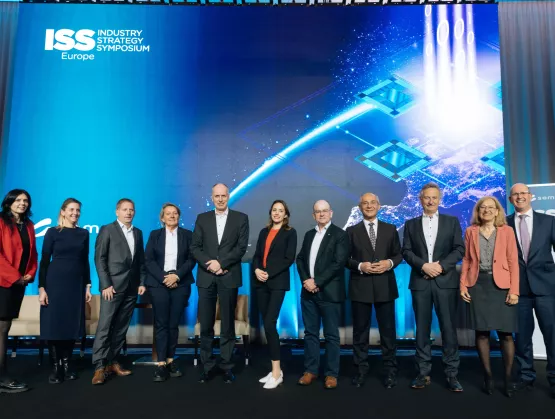
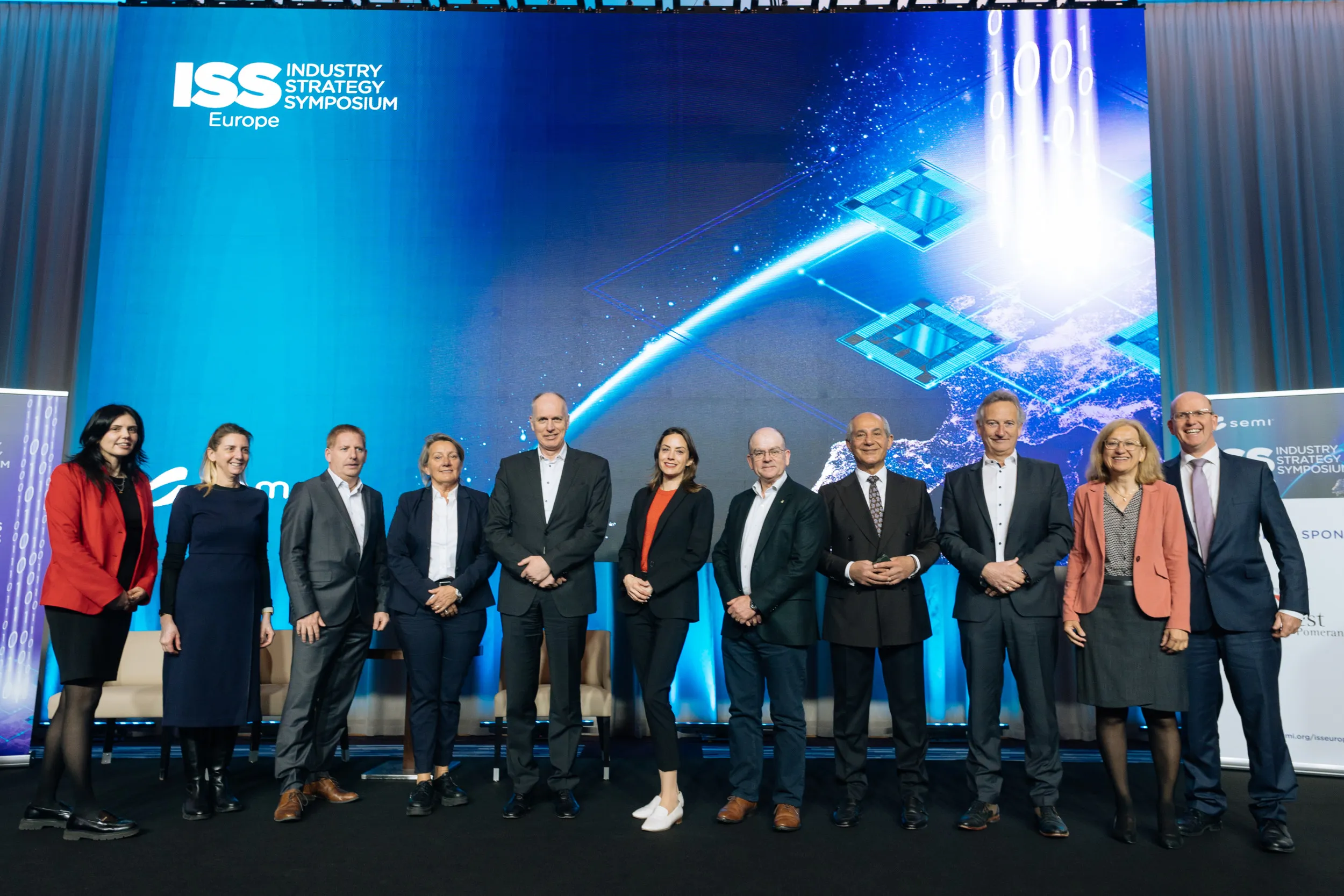
SEMI kicked off 2025 by hosting its annual Industry Strategy Symposium (ISS) gathering industry executives, government leaders, and research institutions to share insights on current and near-term business and market dynamics. Over the course of two and a half days, this key forum also provided valuable networking opportunities to foster collaboration.The event theme, Ready. Set. Ramp! aligns with the industry's goal of reaching $1T by 2030. While there is uncertainty due to global trade tensions, supply chain challenges, and talent shortages, AI-driven opportunities are proving to be a major growth driver. Another key highlight was the advanced packaging panel that reinforced the value of hybrid bonding and 3D device architectures playing a critical role in supporting AI and next-generation chips. The overarching sentiment from the event was that it's an exciting time to be in semiconductors, with unprecedented transformation and opportunities ahead. Collaboration across the industry is essential to overcoming technical challenges and accelerating innovation.SEMI leaders had the opportunity to speak with Francoise von Trapp of 3D InCites at the conclusion of ISS. Listen to the podcast to hear highlights from Joe Stockunas, President of SEMI Americas, along with market updates from SEMI’s Market Intelligence team members, with Inna Skvortsova covering semiconductor equipment and Christian Dieseldorff speaking on fab expansions. Looking aheadSEMI has many conferences and exhibitions scheduled throughout the year with opportunities for insights and networking. For the SEMI Americas region, don't miss the inaugural SEMIExpo Heartland on April 1-2 in Indianapolis, Indiana. SEMI is excited to host this event in the burgeoning Midwest U.S. region that is already seeing increased activity and opportunity for semiconductors, especially in areas around automotive electronics, smart manufacturing, machine learning, AI and workforce development. The expo is poised to spur collaboration among industry, government, and academia.A key change to note for Americas events this year is that SEMICON West is taking place in Phoenix, Arizona on Oct. 7-9. With over $100B in investments in motion, the greater Phoenix area is a growing manufacturing hub in the Southwest. There is already a lot of buzz and excitement with a sold-out venue and over 400 speakers lined up for the 3-day event. SEMICON West will return to San Francisco in October 2026 and will alternate between these two locations every other year through 2030.ResourcesPress Release: Eighteen New Semiconductor Fabs to Start Construction in 2025, SEMI ReportsPress Release: Global Total Semiconductor Equipment Sales Forecast to Reach a Record of $139 Billion in 2026, SEMI ReportsSEMI Market Intelligence ReportsSEMI ISS 2025: Ready, Set, Ramp! by Dean Freeman, 3D InCitesSEMI ContactSherrie Gutierrez, Marketing Communications ManagerEmail: [email protected]
Read More
As artificial intelligence (AI) continues to revolutionize industries, the technology behind AI chips is advancing at an unprecedented pace. Meeting the demands of faster processing, greater efficiency, and increased complexity requires cutting-edge solutions in semiconductor manufacturing. SEMI spoke with Kai Beckmann, Member of the Executive Board at Merck KGaA, Darmstadt, Germany and CEO of the Electronics business sector, who shared insights into Merck KGaA, Darmstadt, Germany's latest strategic move that underscores the company’s commitment to innovation in semiconductor and optics technologies. With the acquisition of Unity-SC, a leading provider of advanced measurement and inspection technology, this marks a significant milestone in the evolution of AI chip manufacturing and beyond by bridging expertise in electronics and optics to drive innovation.Strengthening AI Chip Manufacturing with Unity-SC On October 31, 2024, Merck KGaA, Darmstadt, Germany’s Electronics business acquired Unity-SC, a global leader in metrology tools for semiconductors. According to Beckmann, this acquisition not only enhances Merck KGaA, Darmstadt, Germany’s portfolio in advanced measurement and quality inspection but also bolsters its position in the development of AI chips. These chips, essential for driving AI, rely on cutting-edge manufacturing processes like advanced packaging and heterogeneous integration.“Unity-SC brings precision to the table,” Beckmann explained. “Its technology is vital for managing the complex production sequences involved in creating high-density, three-dimensional chip structures. Without this precision, the production of AI chips at the necessary scale and quality would be nearly impossible.”The expertise of Unity-SC is pivotal for ensuring reliability in semiconductor manufacturing, reducing waste, and optimizing performance. With Merck KGaA, Darmstadt, Germany’s established relationships with major chip manufacturers, the integration of Unity-SC's technology is set to create synergies that will benefit the entire industry.A New Era for Merck KGaA, Darmstadt, Germany: Electronics Meets OpticsThe acquisition of Unity-SC aligns with Merck KGaA, Darmstadt, Germany’s broader strategy of combining expertise in semiconductors and optics, a vision that includes rebranding its display business as Optronics. This move represents a transformation from a traditional display specialist to a pioneer in optical technologies that complement electronic advancements. “Integrating optics with electronics opens up vast opportunities,” Beckmann shared. He highlighted key areas of focus like silicon photonics, which is revolutionizing data transmission, and augmented reality, where lightweight, powerful headsets represent the next frontier.Merck KGaA, Darmstadt, Germany’s foray into these domains underscores the importance of merging light management and materials expertise. For instance, the precision metrology brought by Unity-SC dovetails with Merck KGaA, Darmstadt, Germany’s work in materials science, forming a foundation for advancements in next-generation technologies such as quantum computing and neuromorphic systems. Driving Innovation in AIAdvanced packaging and heterogeneous integration are at the core of today’s AI revolution. These technologies make it possible to stack chips in 3D configurations, reducing energy consumption and increasing processing power. “Unity-SC plays a crucial role in this process,” Beckmann noted, emphasizing that the precise measurement of intricate structures ensures the reliability and efficiency of these complex systems.By mastering these technologies, Merck KGaA, Darmstadt, Germany is positioning itself as a leader in both materials and metrology for semiconductor manufacturing. “Integrating metrology and inspection into our portfolio is a leap forward in aligning our expertise with the needs of the AI-driven semiconductor industry,” Beckmann said. Looking AheadMerck KGaA, Darmstadt, Germany’s combination of semiconductor and optics expertise is not just about advancing technology but about creating a stronger, more resilient organization capable of tackling future challenges. The integration of Unity-SC is a step toward achieving this vision, fostering innovation at the intersection of light and materials.“Working in the semiconductor industry has always been exciting,” Beckmann shared. “But now, with AI reshaping the landscape, the opportunities for innovation and growth are unparalleled. Together with Unity-SC, we’re not just keeping pace—we’re leading the charge.”Merck KGaA, Darmstadt, Germany’s strategic evolution signals a promising future for AI, semiconductors, and the broader field of optoelectronics, where the interplay of light and materials continues to unlock new horizons.Kai Beckmann is a Member of the Executive Board of Merck KGaA, Darmstadt, Germany and CEO of the Electronics business sector. Joining Merck KGaA, Darmstadt, Germany in 1989, he has held roles in IT, consulting, and international management, including as Merck KGaA, Darmstadt, Germany’s first CIO. Since 2017, he has led the Electronics sector (operating under the name EMD Electronics in the US and Canada), driving innovation in semiconductors and optics. Beckmann also oversees the Darmstadt site and co-determination in Germany. He holds a computer science degree from TU Darmstadt and a doctorate in economics earned in 1998.SEMI ContactMaria Daniela Perez, Communications ManagerEmail: [email protected]

Read More
Electronic Design Automation (EDA) is essential for the entire semiconductor design-to-manufacturing process. EDA tools streamline the design process, speed up development cycles, and ensure higher precision in chip design. Accellera Systems Initiative, an independent standards body, focuses on standards for system-level design, modeling and verification used extensively in the EDA ecosystem. These standards facilitate industry-wide collaboration and accelerate innovation, working closely with many members of the Electronic System Design (ESD) Alliance.Bob Smith, Executive Director of the ESD Alliance, recently talked with Lu Dai, Senior Director of Technical Standards at Qualcomm and Chair of Accellera Systems Initiative about Accellera’s new and future standards, and its successful global Design Verification Conference (DVCon) events.Smith: What’s new in Accellera’s standards effort since we last spoke?Dai: We are working on two new initiatives. The first and biggest initiative is our recently formed Federated Simulation User Group. Our members requested an end-to-end simulation environment or models that can be plugged into a system-level simulation environment. This challenge triggered industry-wide discussions among Qualcomm, NXP and many other semiconductor companies, especially those from Europe tied to auto and avionics industries.The need for this new standard effort is being driven by industries such as automotive where tiny microcontroller chips are traditionally used. The automotive industry has some existing simulation standards that include physical devices. With autonomous vehicles, systems on chips (SoCs) are replacing microcontrollers and handling system-level features that require rigorous system-level simulation. The user group is tasked with reviewing current automotive industry simulators and discovering how our traditional register transfer level (RTL) code- or emulation-based simulations could work with them via an interface.This effort has attracted new companies outside of the traditional EDA world. Ford, for example, is now an Accellera member and has a seat on our board. It’s exciting to see this collaboration.Functional safety is another initiative that we started a few years ago, also driven by the advancements in autonomous vehicles. Accellera’s focus is to define functional safety as a format that can be carried through the design stages from intellectual property (IP) to SoC, and from front-end design to back-end. Across the different stages of design and verification, an engineer can then confirm that the functional safety goal is maintained. We’ve published resources including whitepapers and are currently working on developing the language format. Smith: Where do you see Accellera’s next standards efforts?Dai: We have a mixed-signal standard coming out soon. It adds a mixed-signal interface to the SystemVerilog standard, currently under IEEE management because Accellera donated it to IEEE.A common question we’re asked is, “What are you doing with AI?” Accellera is a heavily EDA-centric standards body, and EDA tools are increasingly incorporating AI. AI consumes and outputs large amounts of data. A challenge is how to ensure the AI work output from one vendor’s EDA tool can propagate to another EDA tool. Accellera may look at defining an AI data format for EDA. It comes with a unique challenge because AI data is highly proprietary, both from the vendor’s and customer’s perspectives, so a robust security solution is needed. We may need to consider an interface standard, because companies may not be willing to share data, even with other groups that are in the same company. among their partners. They might need to hide the data and have a special interface to extract the data that they are willing to share. Accellera could investigate how to make AI deployment cross-vendor while allowing vendors and customers to protect their IP. Another area for potential new standards is around supply chain security challenges. This is a global issue driven in part by the COVID experience and geopolitical concerns. One possible approach is to use tagging. When a chip comes out of the fab, it would have a tag designating where it was designed and manufactured, and where the tooling is from. The tag would also include data about the regions or countries the design traveled through during the entire flow from design to manufacturing. Smith: Is Accellera looking into any standards or addressing any open-source design and verification flows?Lu: Accellera has been in the open-source domain for quite some time. Accellera has a language reference manual, user guides and reference implementations. Because many Accellera standards are related to language, we often work on libraries when a new language comes out and reference implementations to help our community deploy that standard. Reference implementation libraries are open source, as is our SystemC material. We have an active open-source SystemC community.Smith: I hear that the DVCon conferences are expanding globally. What’s driving that?Dai: Engineers enjoy attending conferences in person where they can reconnect with peers, build new connections and foster collaboration. We have regional DVCon events to bring information to our community and make Accellera more accessible to them. We now host several DVCon conferences in North America, Europe and Asia. Our next DVCon will be held in San Jose, Calif., from Feb. 24-27.Smith: How can readers of this blog post get more information about Accellera?Dai: For up-to-date information about Accellera’s activities, please visit our website: https://accellera.org/. Lu Dai is Senior Director of Technical Standards at Qualcomm and is a leader in semiconductor standards and industry organizations including Accellera. Dai holds a Master of Science degree in Electrical Engineering from Cornell, and a Bachelor of Science degree in Electrical Engineering and Computer Science from UC Berkeley.Robert (Bob) Smith is executive director of the ESD Alliance, a SEMI Technology Community.
Read More
In 1992, speaking in front of several fabless CEOs, AMD’s CEO, Jerry Sanders, notoriously remarked: “Now hear me and hear me well; real men have fabs!” However, by 2008, AMD had divested its manufacturing assets, becoming one of hundreds of semiconductor design firms embracing a new reality – the growing bifurcation of chip design and manufacturing.Today, this bifurcation continues to intensify. Global market intelligence firm IDC estimates that fabless revenue as a percentage of the semiconductor market is expected to reach a high of 62% in 2028, up from 30% in 2019. While foundry champions like TSMC represent a large part of this, they’re only one answer to the urgent question asked by governments and car companies alike. How do we secure chip capacity? Shocks like the COVID-19 pandemic and Russia’s invasion of Ukraine have refocused attention on the critical process of making semiconductors, forcing companies to consider how they can secure semiconductor capacity short of owning and operating a fab.Source: IDC, SEMICON West, July 2024Since Jerry Sanders’ proclamation, the risks of going fabless have drastically decreased, but they have not been eliminated entirely. Here are three models companies can implement to become less dependent on single sourcing and regain control over their supply chain at a lower cost.Option 1 – Develop a Captive Capacity CorridorMany companies have been choosing a captive capacity model to better balance risks and avoid being put on allocation. In this model, companies seek guaranteed manufacturing capacity through ownership of only part of the manufacturing process while defraying other costs to fab operators.For most companies, the supply chain risk of surrendering control over manufacturing is more than mitigated by eliminating the expense of the physical infrastructure required to make modern-day chips. According to a report from Boston Consulting Group (BCG), a brand-new greenfield fab in 2026 could carry a 10-year total cost of ownership (TCO) between $35 and $43 billion, which is 33% to 66% higher than in 2023. It’s no wonder that several companies opt to have someone else make chips for them. Source: Construction Physics, How to Build a $20 Billion Semiconductor Fab, May 3, 2024Captive capacity corridors can take many forms. For example, some companies are willing to make capital commitments for tooling early during an engagement, with the expectation of later receiving discounted wafers. This guarantees their ownership over part of the chip manufacturing process without worrying about owning the physical fab infrastructure or hiring fab operators.Such an arrangement can also be equally beneficial for foundries and integrated device manufacturers (IDMs). Companies often take full ownership of these tools over the long term, enabling them to service new customers.Option 2 – Establish a Joint-Venture Investment PartnershipInvesting in a new fab can be daunting even for major IDMs, leading to an increase in synergistic co-investment. In August 2023, TSMC announced a partnership with European IDMs, Bosch, Infineon, and NXP, to jointly construct a 300mm fab in Dresden, Germany that’s expected to cost upwards of €10 billion. In this arrangement, TSMC retains 70% ownership, and each other company has a 10% stake. A little more than a year later, NXP doubled down on its joint-venture playbook, announcing a $7.8 billion joint-venture with a different Taiwanese foundry, Vanguard International Semiconductor (VIS), to build a 300mm fab in Singapore. Partnering with proven foundries relieves potential concerns about efficacy, giving companies greater certainty that their investment will be maximized. Foundries also benefit by subsidizing construction and tooling costs for additional capacity while securing dedicated customers at the same time. Companies may also seek a capital injection without the complexity of having to share fab space with other manufacturers. Intel has been the focal point of this strategy over the last couple of years with two major announcements. First, the company signed an agreement with Brookfield Asset Management in August 2022, providing Intel with a new and expanded pool of capital for manufacturing build-outs. Under the agreement, the companies will jointly invest up to $30 billion in Intel’s manufacturing expansion at its Chandler, Arizona campus, with Intel funding 51% and Brookfield funding 49% of the total project cost. Intel will retain majority ownership and operating control of the two new leading-edge chip factories in Chandler, which will support long-term demand for Intel’s products and provide capacity for Intel Foundry Services (IFS) customers. Intel did this again recently, announcing a joint venture for Fab 34, a 300mm facility based in Leixlip, Ireland. Intel has agreed to sell a 49% stake to investment firm, Apollo Global Management, for $11 billion. Under this agreement, Intel will retain full ownership and operational control of the assets.Option 3 – Lease Third-Party Fab SpacePerhaps the least flashy option is to simply lease space at underutilized fabs. However, this path will often depend on market conditions that dictate available capacity. On the supply side, this is an appealing option for foundries and IDMs that suffer from underutilization. On the demand side, it can be a way to secure short-term capacity without the burden of long-term commitments.As part of the sale of its 200mm Dortmund wafer fab to Littelfuse, Elmos agreed to enter into a multi-year capacity-sharing arrangement, with Elmos buying defined volumes of wafers produced at the fab. Under this agreement, Elmos retains ownership of the fab while Littelfuse leases a portion of the manufacturing facility to fulfill the terms of the supply agreement. This arrangement allows Littelfuse to control its manufacturing space while Elmos maintains a presence at its headquarters.Another example occurred recently when Skorpios Technologies moved to a former Infineon 150mm fab in Temecula, California. The new facility provides Skorpios with a more modern cleanroom and space for future growth, and the company entered a 15-year lease with two 10-year options for the facility. Securing capacity is not a new problem for chip companies, but it has become more complicated as semiconductor manufacturing costs have skyrocketed. TSMC, with more than 60% of global foundry revenues, has propelled the chip industry forward and expanded capacity, enabling many companies to become fabless in the process. Despite its ubiquity, TSMC is not the full story. Plenty of companies, both fabless and IDMs, need to solve the problem of dedicated capacity in a landscape of escalated costs. Captive capacity corridors, joint ventures, and even traditional lease structures all signal that the future of securing chip capacity will likely be influenced by the creativity of corporate development and finance teams. 2025 is going to be an interesting year. I am excited to see what’s next!About Stephen M. RothrockStephen Rothrock founded ATREG in 2000 to help global advanced technology companies divest and acquire infrastructure-rich manufacturing assets, including wafer fabs (front-and back-end) as well as MEMS, solar, display, and R D facilities. Over the last 25 years, his firm has completed 40% of all global operational wafer fab sales in the semiconductor industry, totaling 60 transactions. Recent global acquisitions and dispositions have involved onsemi, Allegro Microsystems, Fujitsu, GLOBALFOUNDRIES, IBM, Infineon, Matsushita (Panasonic), Maxim, Micron, NXP, Sony, Qualcomm, Renesas, Texas Instruments, VIS, and more. Before founding ATREG, Stephen established Colliers International’s Global Corporate Services initiative and headed the company’s U.S. division based in Seattle. Before that, he worked as Director for Savills International commercial real estate brokerage in London, establishing their global corporate services platform that serves large multinationals and many leading technology companies. Stephen also served on the UK-listed property company’s international board and spent four years near Paris working for an international NGO. Stephen holds a master’s degree in political theology from the University of Hull, U.K., and a bachelor’s degree in business commerce from the University of Washington in Seattle.
Read More
New pilot lines offer European innovators access to the most advanced semiconductor technologies for product development and validation.The global semiconductor landscape has undergone significant transformation in recent years. With disruptions such as the semiconductor supply chain crisis and the challenges it posed to the automotive sector, Europe’s dependence on external fabrication facilities, particularly in Taiwan, has become a pressing concern. In response, the European Union (EU) introduced the EU Chips Act, a comprehensive framework designed to reduce this reliance and boost Europe’s share of the global semiconductor market. ITF Chip into the Future, hosted by imec at SEMICON Europa 2024, was a pivotal event that brought together industry leaders, policymakers, and experts to explore the implementation of the EU Chips Act and the future of Europe’s semiconductor ecosystem. Jari Kinaret, Executive Director of the Chips Joint Undertaking (Chips JU)—the body overseeing the EU’s semiconductor investments—explained, “The Chips JU is about capacity building to drive semiconductor innovation in Europe. We will continue to be dependent on the rest of the world, but we want to make sure that the rest of the world depends on us as well.” Jari Kinaret, Executive Director, Chips JUEuropean research is driving progress towards sub-nanometer fabricationOne of the pilot lines, located at imec’s research center in Belgium, is focused on advancing methods that push Moore’s Law forward by achieving smaller and more efficient circuit features. As Luc Van den hove, President and CEO of imec, explained, “imec is now powering innovation for tomorrow’s chip designs, including stacked layers of chips, with each layer containing specific functionality implemented on chip processes optimized for each function. This allows us to scale much further than if all functionality had to be implemented on a single monolithic layer.”Luc Van den hove, President and CEO, imec Another pilot line, based in France and operated by CEA-Leti, is focused on pushing the limits of technology across multiple dimensions. CEA-Leti CEO, Sébastien Dauvé, explained that the goal of the FAMES pilot line is to advance “not only FD-SOI at 10nm and 7nm nodes, but also novel non-volatile memory technologies, RF components, 3D integration, and the development of small inductors for DC-DC converters.” Sébastien Dauvé, CEO, CEA-LetiAdvancements in 3D integration and chiplet technologies are closely tied to innovation in chip packaging. Christoph Kutter, Executive Director of Fraunhofer EMS, described how the Advanced Packaging and Heterogeneous Integration for Electronic Components and Systems (APECS) pilot line in Germany is designed to meet the needs of industrial customers’ growing demand for advanced packaging solutions. Kutter noted “Customers told us that they needed to integrate logic and power, sensors and logic, and other combinations of functions. We have built the APECS pilot line to provide what they asked for.”Christoph Kutter, Executive Director, Fraunhofer EMSThe EU Chips Act is spurring investments not only in chip fabrication but also in the underlying technologies which support chipmaking. Emmanuel Sabonnadière, EVP at Soitec, highlighted how fabrication of advanced silicon carbide (SiC) power devices “is enabled by SmartSiC™ technology from Soitec – part of a built-in-Europe solution for silicon carbide.” Sabonnadière explained that SmartSiC technology “creates very thin layers of SiC material which make really differentiated substrates supporting the production of high-performance SiC devices.” Emmanuel Sabonnadière, EVP, SoitecInnovation in materials emerged as an important theme at ITF Chip into the Future. Julien Arcamone, Vice President of Corporate R D at ASM, described the critical role of materials for atomic layer deposition (ALD) in the advancing 3D semiconductor integration. Arcamone emphasized the importance of collaboration across the semiconductor value chain, describing ASM’s partnership with imec as part of “a win-win ecosystem.” Julien Arcamone, Vice President of Corporate R D, ASMDeveloping the skills to implement advanced semiconductor technologiesWhile the EU Chips Act is subsidizing the construction of new facilities including pilot lines needed for the hardware of the semiconductor industry’s expansion – the ITF speakers underlined the equally important “software” element of the semiconductor industry ecosystem: the knowledge and expertise of the people working in the industry. One of the biggest challenges in implementing the EU Chips Act is addressing Europe’s talent gap. Katrien Marent, Executive Vice President and Chief Marketing and Communications Officer at imec, said that the gap is in part “because students who graduate in STEM subjects are not trained in advanced semiconductor technologies.” From left to right: Katrien Marent, Executive Vice President and Chief Marketing and Communications Officer, imec; Julien Arcamone, Vice President of Corporate R D, ASM; Thomas Heurung, CEO, Siemens EDA; Frédérique Le Grevès, President STMicroelectronics France and Executive Vice President, Europe France Public Affairs, STMicroelectronics; Romano Hoofman, Director imec.IC-link, imec; and Christophe Frey, Vice-President of EU engagements Managing Director, ARM.Thomas Heurung, CEO of Siemens EDA, highlighted the need for educational reform in the electronics industry. He suggested that “we might not have the right degree-level curriculum for changing times in the electronics industry. We need to change the way that we train students at university, and we need more scope for early or mid-career training on specialist micro-curriculums aimed at a particular skill or knowledge set.”The industry also struggles to attract individuals. Frédérique Le Grevès, President of STMicroelectronics France and Executive Vice President, Europe France Public Affairs of STMicroelectronics, emphasizes the importance of rebranding the industry to attract new talent. She remarked, “The word ‘semiconductor’ itself isn't very exciting—it’s even off-putting to some. By simply changing the name of educational programs, we’ve seen significant increases in enrollment. This demonstrates the power of language in shaping perceptions and interest.”Thomas Heurung of Siemens EDA also called for a stronger emphasis on entrepreneurship, noting “there is a big contrast between Europe and the US, particularly Silicon Valley.” He explained how his company’s Cre8Ventures unit had been set up to help start-ups through the key stages of creating a successful new company, including product development, attracting funding, and bringing the product to market. Thomas Fleischmann, Program Manager at Robert Bosch, explained how the EU Chips Act has accelerated the formation of the European Semiconductor Manufacturing Company (ESMC) joint venture, in which Bosch is a key stakeholder. ESMC is building a new semiconductor fabrication plant in Dresden, dedicated to producing chips for the automotive and industrial sectors. Fleischmann emphasized that ESMC will play a crucial role in helping Europe “scale advanced technologies to high volumes at a competitive cost.”In addition, the EU Chips Act also provides a broader platform for the expansion of Europe’s deep tech capacity. This includes the creation of five pilot lines, which will offer European companies access to manufacturing capacity for prototyping at the most advanced semiconductor technology nodes.Thomas Fleischmann, Program Manager, Robert BoschITF Chip into the Future at SEMICON Europa 2024 highlighted the broad scope of the EU Chips Act – not only supporting the building of advanced fabs but also providing the foundations for technology development, production, and marketing – all aimed at supporting semiconductor innovation in Europe. SEMI ContactMaria Daniela Perez, Communications ManagerEmail: [email protected]

Read More
Leaders in the semiconductor industry are finding ways to balance rapid demand growth with strategies to mitigate the risks of geopolitical uncertainty and a complex supply chain.At the CxO Summit during SEMICON Europa, industry leaders gathered to share insights into the immense opportunities ahead for the semiconductor sector, as well as the challenges that could impede growth. Laith Altimime, President of SEMI Europe, highlighted how discussions last year centered on reaching $1 trillion in global sales by 2030. “The conversation today is about how far above $1 trillion we will be in 2030,” said Altimime. “Artificial intelligence is an amazing and exciting technology, and the semiconductor industry is at the heart of it.”Laith Altimime, President, SEMI EuropeAjit Manocha, President and CEO of SEMI, described the current state of the semiconductor industry with one word – “unprecedented.” Emphasizing quantum computing as the next growth driver after AI, Manocha urged leaders to prepare for the next landmark - $4 trillion in global sales by 2040. However, the challenges facing the industry are equally unprecedented. Manocha identified four key obstacles: geopolitical volatility, the Net Zero challenge, the competition for top talent, and supply chain disruptions. “We need to work together to solve these challenges – we need unprecedented collaboration,” he explained. Ajit Manocha, President and CEO, SEMIA European Perspective on the Industry’s ChallengesWith the CHIPS Act in the US and the European Union (EU) Chips Act, the industry is also seeing unprecedented governmental engagement. Gustav Kolbe, Acting Director of Enabling and Emerging Technologies at Directorate-General for Communications Networks, Content and Technology of the European Commission, explained that Europe had been deeply impacted by the effect of trade tensions and supply chain disruptions. “In the field of semiconductors, we realized that we cannot keep doing business as usual and expect to achieve more resilience and reduced dependence on non-European supply chains,” Kolbe said. Gustav Kolbe, Acting Director of Enabling and Emerging Technologies, DG CONNECT, European CommissionJari Kinaret, Executive Director of the Chips Joint Undertaking (Chips JU), which is responsible for implementing EU Chips Act programs, described how its projects amplify the effect of EU funding by leveraging matching contributions from member states and participating companies. “This means that our budget of €4 billion actually produces investments in the semiconductor industry of about €11 billion,” he noted. Jari Kinaret, Executive Director, Chips JUThe Chips JU funded projects are designed to position Europe at the forefront of advanced semiconductor technology. Belgium’s imec, for example, is operating a Chips JU pilot line focused on leading-edge semiconductor innovation. Luc Van den hove, President and CEO of imec, highlighted the potential for 3D integration, “We can now combine multiple chips through silicon interposers with very fast connectivity between them. This allows us to build compute platforms which are far larger than what can be made with a single silicon chip,” he explained referring to this approach as “CMOS 2.0.” However, Van den hove warned that Europe cannot achieve its goals alone, emphasizing the complex semiconductor value chain and the need for collaboration. “Self-sufficiency leads to mediocrity,” he warned, advocating for a global approach that leverages the “best of the best.”Luc Van den hove, President and CEO, imecStephan Haferl, Chief Executive Officer of Comet Group, introduced the CA20, a tool designed to improve efficiency and quality in semiconductor manufacturing. The CA20 uses advanced imaging and AI to quickly identify and address production challenges, such as defects in solder bumps, without damaging components. Now fully automated, it integrates smoothly into factory workflows, providing real-time information to help manufacturers maintain high standards and increase production yields. This innovation highlights the role of new technologies in overcoming key obstacles and driving progress in the semiconductor industry.Left to right: Isabella Drolz, Vice President Marketing Product Strategy, Comet Yxlon; Laith Altimime, President, SEMI Europe; Stephan Haferl, Chief Executive Officer, Comet Group; and Dionys van de Ven, President, Comet YxlonCarlos Mazure, Chief Strategy Officer at Institute of Microelectronics – A*STAR in Singapore, illustrated this point by highlighting the institute’s focus on advanced packaging, a key Singaporean strength. “We have built a state-of-the-art 300mm prototyping line, enabling companies to implement wafer-to-wafer and chip-to-wafer bonding as well as fanout chip packaging,” Mazure said. Carlos Mazure, Chief Strategy Officer, Institute of Microelectronics – A*STARTurning back to Europe, Pierre Barnabé, CEO of Soitec, highlighted materials science as a regional strength. Soitec’s engineered substrates are driving energy efficiency breakthroughs in electronic, acoustic, and photonic applications. “We can bond anything to anything, creating advanced substrates for any active layer,” Barnabé explained. Pierre Barnabé, CEO, SoitecKai Beckmann, Member of the Executive Board and CEO Electronics at Merck KGaA, Darmstadt, Germany, also emphasized the role of materials in enabling sustainable growth. “The semiconductor industry faces a challenge with the contribution of process gases to its total greenhouse gas emissions. We hope to solve the problem by using AI to support materials research, and to design new molecules – an approach we have learned from the pharmaceuticals industry,” Beckmann shared. Kai Beckmann, Member of the Executive Board and CEO Electronics, Merck KGaA, Darmstadt, GermanyCollaboration Strengthens the Semiconductor Supply Chain Despite the breadth of enabling technologies emerging from Europe, the rapid growth in semiconductor demand has not always been matched by a secure supply. Barbara Frenkel, Member of the Executive Board Purchase at Porsche, shared that the company is collaborating with the industry to improve its access to the chips needed for automotive electrification. This includes joining industry groups such as the SEMI Global Automotive Advisory Council (GAAC) and, as she said, “learning your language.” Frenkel added, “Porsche aims to emulate Apple’s approach with Intel and Motorola to drive innovation – we will do the same with suppliers of automotive chips.”Barbara Frenkel, Member of the Executive Board Purchase, PorscheAnother solution to supply constraints is to widen the supply pipeline. John Behnke, General Manager for Smart Manufacturing at Inficon, described how smart technology can significantly improve efficiency and output. “A semiconductor fab is 100 times more complicated than anything else in the world – it is a mathematical nightmare to model it. That gives massive opportunities for improved productivity if we can implement smart control technologies,” Behnke explained. John Behnke, General Manager for Smart Manufacturing, InficonThe Challenge of Achieving Sustainable GrowthWhile the prospect of exceeding $1 trillion in annual sales energizes the industry, there is widespread recognition that growth must not come at the expense of environmental responsibility. As the industry doubles in size in the 2020s, it cannot afford to double its use of resources, such as energy or greenhouse gas emissions. Frédéric Godemel, Executive Vice President for Power Systems and Services at Schneider Electric, shared that the biggest impact on sustainability could come from “energy frugality” – using energy more efficiently. He explained that implementing data fusion in a semiconductor fab – combining detailed analysis of the operation of chillers with external data sets, such as weather conditions to allow for more efficient use – results in energy savings of 10%. “This approach saved costs, reduced CO2 emissions, and provided a financial payback in less than one year,” Godemel said.Frédéric Godemel, Executive Vice President for Power Systems and Services, Schneider ElectricThe value of smart control in fab operations was also highlighted by Katharina Westrich, Global Vice President of Electronics, Semiconductors Simulation Digital Industries at Siemens. She described how Siemens makes digital twins of factories before they are built. “This is an approach that the semiconductor industry can also adopt,” Westrich said. “A digital twin enables more efficient allocation of resources to the fab and sub-fab, allowing simulation of fab operation and optimization of processes and resources.”Katharina Westrich, Global Vice President of Electronics, Semiconductors Simulation Digital Industries, SiemensThe semiconductor industry faces a future full of opportunity, yet also marked by significant obstacles—ones that delegates at the CxO Summit are now better equipped to tackle head-on.On behalf of SEMI, the SEMI Europe team would like to express appreciation to the industry leaders for sharing their visions and readiness to collaborate during the CxO Summit.SEMI ContactCassandra Melvin, Senior Director of Business Development and OperationsEmail: [email protected]

Read More