downloadGroupGroupnoun_press release_995423_000000 copyGroupnoun_Feed_96767_000000Group 19noun_pictures_1817522_000000Member company iconResource item iconStore item iconGroup 19Group 19noun_Photo_2085192_000000 Copynoun_presentation_2096081_000000Group 19Group Copy 7noun_webinar_692730_000000Path
Skip to main content
Default Banner Image

Coronavirus

In my role as lead for the Smart Mobility initiative at SEMI, I recently spoke with Automotive Logistics Magazine about the growing importance of the semiconductor supply chain’s connection with the automotive industry and the semiconductor shortage hampering global automotive production. Following are excerpts from the interview. Automotive Logistics: Why is there a bottleneck in the global supply of semiconductors at the moment and how long is it likely to last? Weiss: The current automotive chip shortage resulted from the sharp, Covid-19-induced decrease in demand for automotive semiconductors in the second quarter of last year when vehicle production came to a near standstill. The automotive market picked up significantly in the fourth quarter and this caused the supply chain constraints we are seeing today. At the same time as the automotive standstill, the pandemic spurred an increase in demand for home computing and networking equipment, and semiconductor manufacturing plants (fabs) had to pivot to these other markets in order to maximize fab utilization and successfully navigate economic headwinds. Every minute a semiconductor fab is idle or has lines down adds up quickly to missed revenue, so their capacity is booked weeks and even months in advance. With this background, I don’t believe this is a structural shortage and expect a gradual recovery over the next two quarters, barring any major shifts in geopolitics or macroeconomics. Automotive Logistics: What needs to be done to remedy the current shortfall for the automotive industry? Weiss: The automotive industry needs to continue to strengthen its connections to the semiconductor manufacturing supply chain. In past years, auto manufacturers used to rely mainly on their tier one suppliers to interface with the semiconductor supply chain. This has changed significantly. Not only are more chips being used in vehicles (roughly 10% of all devices produced globally end up in cars), but the strategic importance of the chips as enablers for ADAS [advanced driver-assistance systems], electrification, safety, connectivity and other consumer-driven features has increased considerably. With this dynamic in play, carmakers have recognized the value of interacting and collaborating more closely with the semiconductor supply chain. This provides vehicle OEMs with access to innovation, the ability to influence technology direction and pace, along with greater visibility into global supply chain developments. The SEMI Smart Mobility initiative is evidence of this transition, with the likes of Audi, BMW, Ford, Uber, Volkswagen and other vehicle OEMs, along with tier one suppliers such as Continental and Bosch, now actively involved in our automotive electronics and mobility activities to do exactly that – influence, partner, accelerate and guide the global electronics design and manufacturing supply chain that SEMI represents. Automotive Logistics: What percentage of semiconductors manufactured for use by US-based companies are for automotive applications and how has this grown in recent years? Weiss: A little over 10% of semiconductors produced worldwide are sold into the automotive segment, but this number is expected to grow at an accelerated pace in the next few years as electrification, connectivity and autonomous driving become more prevalent. Automotive Logistics: How is SEMI working to help the automotive industry get a clearer view of sub-component supply and better manage supply chain risk? Weiss: The SEMI Smart Mobility initiative is designed to engage automotive OEMs, tier ones, semiconductor device makers, design houses, and equipment and materials companies to drive alignment across the supply chain and address shared challenges collectively. To facilitate this engagement, we created the Global Automotive Advisory Council (GAAC), which has active chapters in Europe, US, China, Japan and Taiwan. The GAAC provides an open platform for creating solutions, fostering collaboration and partnering with other industry bodies to accelerate and harmonize industry efforts that benefit the entire ecosystem. Volkswagen and Audi are already SEMI members – both are founding members of the GAAC Europe chapter – and have become vocal champions and critical contributors to our efforts. When all stakeholders work together, I have no doubt that the future of automotive and mobility will continue to be bright. Interested in learning more about this topic? Read the full interview in Automotive Logistics Magazine, A Fab Future for the Automotive Sector. Please contact me at [email protected] for more information about SEMI’s Smart Mobility Initiative, the Global Automotive Advisory Council, and how SEMI can help your organization navigate electronics in the automotive industry to drive innovation in the mobility space. Bettina Weiss is Chief of Staff and Global Smart Mobility Lead at SEMI.
Read More
The recent global pandemic redefined well-established paradigms in healthcare. The classic model involving frequent hospital visits is no longer viable due to the risk of contagion. The focus is now on remote and pervasive vital sign monitoring solutions and automated data processing for health assessment. Social-distancing-friendly technologies, such as wearables, implantables, insertables and ingestables that enable long-term monitoring, can help detect medical abnormalities both in individuals and large populations. SEMI spoke with Carlos Agell, program manager and principal member of Technical Staff at imec, about remote vital sign monitoring using innovative form factors and methodologies. imec’s healthcare technology vison for remote care systems will be the focus of Agell’s presentation at the SEMI MedTech Forum, 19 February, as part of the SEMI Technology Unites Global Summit, 15-19 February 2021, online event. Join us to meet experts from imec and other key industry influencers. Registration is open. SEMI: What is driving innovation in diagnostics and what is the role played by the semiconductor industry? Agell: There is a clear need for remote diagnostics triggered by the COVID-19 pandemic. Two examples are respiration monitoring and SARS-CoV2 testing technologies. The fact that some of the more obvious symptoms of COVID-19 are respiratory has revealed a big gap in medtech: the need for low-friction, ambulatory, continuous and pervasive respiratory monitoring solutions. At imec we have been working on bioimpedance-based technologies (from chipsets to smartphone-enabled sensing devices) that can provide feasible solutions in that space. Hence, novel sensing modalities from the semiconductor industry can make a difference when it comes to remote ambulatory respiratory monitoring. On the other hand, SARS-CoV2 diagnostic technologies have become paramount during the health crisis. In this space there is a clear need to simplify, speed up and lower the cost of testing. Additionally, from a practical perspective society needs to prevent virus spreading. imec is spearheading an innovative semiconductor-based solution aimed at simplifying SARS-CoV2 testing by collecting aerosols from subjects’ breath using a silicon-based solution for analysis using the polymerase chain reaction (PCR) method, the gold standard in COVID-19 testing. Determining viral load in exhaled breath is a clear indicator of infectiousness, and detecting subjects with a high viral load is key when developing these rapid tests to facilitate economic recovery. A cost-effective and speedy though reliable SARS-CoV2 testing solution opens up possibilities for its use as gating mechanism (such as testing to allow access to facilities and prior to boarding a plane) to help jump-start some of the hardest-hit sectors in the economy, such as travel and hospitality (hotels and restaurants) by enabling more in-person interactions. SEMI: Please share more about imec’s commitment to improving the healthcare sector. Agell: imec R D is active in the field of remote unobtrusive respiration solutions, which are vital in treating respiratory system conditions such as asthma, chronic obstructive pulmonary disease (COPD) and COVID-19. These solutions rely on a combination of silicon chipsets, sensor integration and algorithms to interpret sensor data. As part of our effort to understand biological fundamentals, imec’s multi-electrode array (MEA) platform for heart-on-chip applications offers unparalleled capabilities to acquire high-density information (4444 electrodes/mm2) to enable extra- and intracellular recordings, electrical stimulation and impedance gauging to study patient-derived cardiomyocytes, cells that make up the heart muscle. imec is developing a rapid, low-cost SARS-COV2 test based on breath analysis (aerosol capture) aimed at a 5-minute analysis. Such tool is a key to economic recovery, and imec is planning large-scale testing of the prototype device at Brussels Airport later in 2021. imec has recently supported spinoffs and external companies that develop social distancing tools for usage during the pandemic. Healthcare is a key strategic area at imec, with multiple departments working on complementary topics, ranging from cell-sorting technologies and multi-electrode arrays, through sensors and systems for non-invasive cardiorespiratory and neurological monitoring, all the way to advanced processing of medical data and tooling for trials. SEMI: How is the pandemic impacting remote diagnostics? What’s new in that field? Agell: The pandemic has accelerated advances in remote diagnostics for healthcare – for example making remote doctor visits possible and launching telehealth into a successful sector. But in my opinion, this is just the starting point. Telehealth doctors will soon need to collect health data points such as body temperature, weight, or blood pressure remotely, the same information they collect during an office visit. Soon thereafter though, doctor’s will need more and more data, sparking the next stage of advances in remote diagnostics as algorithms are developed to analyze sizeable amounts of data. All in all, it will result in a big move from doctor-centric paradigms to more patient-centric solutions. Hopefully that jump will also drive a more proactive approach to health, enabling prevention and keeping people healthy, and leaving behind the era of curing the sick. imec research tools for respiratory monitoring will come in the form of a health patch. SEMI: Besides infectious disease diagnostics, what solutions will enable a paradigm shift? Can you name two global market trends related to the rising need for remote diagnostics? Agell: The paradigm shift in healthcare will be largely fueled by the hyperconnectivity trend. Communications are fast and far-reaching. The pandemic has proven that healthcare, similar to retail, banking, trading and business in general, can also be done partly remotely through a communications line. The need for proof of performance in the case of diagnostics has been proven challenging, due to the highly regulated medical field and the general conservativeness of this market. There is a clear trend underway in which algorithms and automated diagnostics are slowly gaining the trust of the medical community. Trials and regulatory submissions will help here, but the clear proof will be the general trust of the medical community (and general population) in solutions that have been on the market for a while. Similar to what happened with GPS navigation technologies back in the day, it would require a critical mass to reach general acceptance. As far as the healthcare market is concerned, there is a forecast bounce back from telehealth into hybrid models (a mix between in-office visits and telehealth) as a first post-pandemic scenario. Although this is perceived as the best of both worlds, its effectiveness and survival within the market is still to be proven. A clear market trend accelerated by the pandemic is the commoditization of health and wellness features in consumer electronics. A glimpse into consumer electronics venues reveals that watches, smartphones, weight scales and even your office chair or mattress will soon be collecting healthcare information. imec MultiElectrode Array (MEA) chipset SEMI: What is imec’s role in addressing the challenges and trends in healthcare? Agell: As an R D organization, imec offers expertise in the semiconductor, integration, data interpretation, data management and health-specific application domains. Thanks to our experience in horizontal technology and multiple application domain verticals (including healthcare), imec provides solutions to partners that push the boundaries of performance in health-tangential fields such as communications, consumer electronics, automotive and energy. imec is part of big European initiatives aiming to tackle the challenges of the pandemic. For example, we recently started working on the Digipredict project, which aims at early intervention in infectious diseases. We’re working with key players in the research domain within the EU such as École Polytechnique Fédérale de Lausanne, University of Twente and Eidgenössische Technische Hochschule Zürich. Additionally, imec has worked for market leaders in the healthcare sector such as Philips and Biotelemetry (recently integrated in Philips) and can help partners make the next health solution a reality. SEMI: How can technology unite us? What do you expect from your participation at SEMI Technology Unites Global Summit? Agell: I am a big optimistic on this pandemic. I believe technology has played a key role in putting boundaries around damage caused by the global health crisis. Technology does not only unite us, but it arguably saves lives! My personal expectation for the SEMI Technology Unites Global Summit is for us to get a better understanding about how the semiconductor industry reacts to a pandemic and upcoming post-pandemic scenario. I am curious to see if health-related trends emerge, and whether this is a transitory effect. During the last global pandemic, the semiconductor industry was not even existing, so there is no clear precedent for the current situation. Carlos Agell, program manager and principal member of Technical Staff at imec, where he oversees the development of projects and sets strategy directions for research topics. He has a background in wearable device development, having taken leadership roles in development of two FDA-approved medical devices in the field of wearable cardiology. He is member of the Dutch chapter of the standardization committee, which develops next-generation international standards for active medical devices. Carlos Agell holds two MSc degrees in Electronics Engineering and EECS from the Polytechnical University of Catalonia (Spain) and the University of California in Irvine (Irvine, CA, USA). Serena Brischetto is senior manager of Marketing and Communications at SEMI Europe.
Read More
SEMI spoke with Dr. Franz Laermer, Research Fellow (Senior Chief Expert) at Robert Bosch GmbH Stuttgart, Corporate Sector Research and Advance Engineering, about the latest trends in medical diagnostics and personalized treatments. An open platform for the automation of complex molecular diagnostics workflows recently developed by Robert Bosch has proven its ability to take molecular diagnostics to the point of need.To make this happen, miniaturization, microsystems and microfluidics technologies, as well as microelectronics, are crucial. This is critical for the detection of SARS-CoV-2 infections within a rather short development time.Laermer shared his views ahead of his presentation at the SEMI MedTech Forum, 19 February, as part of the SEMI Technology Unites Global Summit, 15-19 February 2021, online event. Join us to meet experts from Robert Bosch and other key industry influencers. Registration is open. SEMI: What is driving innovation in diagnostics and what role does the semiconductor industry play?Laermer: One of the major drivers in diagnostics is the molecular breakdown and detailed analysis of nucleic acids on the level of the individual nucleotide. This reveals the root causes of diseases like cancer, genetic aberrations, infections and therapy resistances. Today’s solutions are mostly PCR-based (that rely on the polymerase chain reaction) or depend on sequencing. The keys to bring these technologies closer to the point of need are automation, miniaturization, low-cost, ease of use, flexibility, reliability, and fast time from sample-to-result. Semiconductor and microsystems technologies are enablers to meet these requirements, thanks to their ever-increasing performance, with Moore’s law pushing the semiconductor side of the story.SEMI: Can you tell us more about the the Bosch VIVALYTIC system? Laermer: VIVALYTIC is a universal and highly flexible diagnostic platform for the integration and automation of a wide variety of molecular diagnostics assays. It consists of the universal laboratory analyzer tool, which operates the application-specific cartridges. All reagents and specific bio contents are contained in the application-specific cartridges in a long-term stable manner at room temperature. The user only has to introduce the patient sample into the cartridge, push the cartridge into the analyzer and start the automatic workflow, which yields a diagnostic result within typically less than one hour. The VIVALYTIC products are manufactured by Bosch Healthcare Solutions GmbH (BHCS) in cooperation with strategic diagnostic partners and bio content owners.SEMI: How is the pandemic impacting automated diagnostics in the medical industry? What is new now?Laermer: The pandemic has clearly shown the importance of fast automated diagnostics at the point of need. Breaking infection chains as early as possible requires fast reliable PCR testing anywhere and anytime. We managed to reduce the time needed for SARS-CoV-2 rapid testing to less than 30 minutes for positive probes, an achievement that is embraced by our customers. Until a sufficiently high level of immunization is reached by vaccination, rapid testing is the only way to limit the number of infections, hospitalizations, and lethal outcomes of the COVID-19 pandemic.SEMI: Besides infectious disease diagnostics, what solutions will enable a paradigm shift in medical treatments?Laermer: Today more and more targeted drugs and therapies are developed in oncology to address certain mutations that are considered drivers of the cancer. This moves away from the one drug fits all approach to precision oncology. As a prerequisite of this personalized therapy, the mutation status of a tumor must be clarified – and monitored precisely and repetitively during therapy. The latter requires molecular diagnostics at the point of need, i.e. at the onco-ambulance. One keyword in this context is liquid biopsy. Another example of personalized therapy is the detection of bacteria type and antibiotics resistances in bacterial infections, and the selection of optimized antibiotics therapy.SEMI: What solutions can Robert Bosch bring to address the needs just mentioned? Laermer: Robert Bosch GmbH is a leader in microsystems, microsensors and semiconductor technologies. Our new 12-inch semiconductor plant in Dresden will strengthen our position in these fields. This encompasses artificial intelligence and the Internet of Things as well. As a technology provider, we generate superior solutions for automation and management of complex workflows, and thus deliver win-win-solutions together with our diagnostic partners.SEMI: How can technology unite us? Laermer: Technology, especially semiconductor and microsystems technology, is a game changer in the medical area. Whenever different disciplines meet each other and cooperate, as are the medical, diagnostics and semiconductor areas, innovation is accelerated strongly. New things happen at the interfaces between different areas of competencies.Franz Laermer, Research Fellow (Senior Chief Expert), Robert Bosch GmbH Stuttgart, Corporate Sector Research Advance Engineering. Dr. Franz Laermer joined the Corporate Research and Technology Center of Robert Bosch GmbH, Stuttgart, Germany, in 1990, where he started the development of new key technologies and sensor functions for the upcoming field of MEMS at Bosch. Today he is a Bosch Research Fellow/Senior Chief Expert for Microsystems, Microfluidics and Molecular Diagnostics. Laermer's work laid the foundation for the VIVALYTIC Diagnostics Platform of the newly founded Bosch Healthcare Solutions (BHCS) Business Division and the SARS-CoV-2 rapid tests from Bosch. Dr. Franz Laermer is the co-inventor of the Bosch Deep Reactive Ion Etching Process (BOSCH-DRIE) for microstructuring silicon. He holds more than 200 patents and was awarded with European Inventor of the Year 2007 – Category Industry prize by the European Commission and the European Patent Office (together with co-inventor Andrea Urban) for the invention, development and sustainable success of the BOSCH-DRIE process. He received the 2014 IEEE Jun-ichi Nishizawa Medal Award from the Institute of Electrical and Electronics Engineers (IEEE), USA. In 2019 he was awarded with the 2019 Technology Prize from the Eduard-Rhein-Foundation in Germany.Serena Brischetto is senior manager of Marketing and Communications at SEMI Europe.
Read More
If you think the world is flooded with a mind-boggling volume of digital content, then you might be just a amazed to learn about the sheer wealth of information and business opportunities that will be uncovered at this year’s SEMICON Japan as the event goes full digital.To start, more than 160 companies will exhibit their semiconductor manufacturing gear and services on the virtual show floor of Japan’s premier event for the semiconductor manufacturing and design supply chain. Add to that over 80 presentations and panels that feature global industry executives, visionaries and experts offering insights into the latest microelectronics developments, trends and technologies, and it’s easy to see how SEMICON Japan 2020 Virtual is designed to help attendees grow their businesses and the industry drive the next wave of innovations that promise to address some of the world’s greatest challenges across healthcare, the environment, transportation and other industries.Best of all, it will all be available at your convenience from your office or home 24 hours a day, making it safe and easy for you and others from all over the world to attend. Following is what’s in store at SEMICON Japan 2020 Virtual to help lead you into the future.Leading Japanese Securities Analysts to Weigh in What’s Ahead for the Chip Equipment Sector in 2021 For the first time, SEMICON Japan will feature Bulls Bears as Japan’s’ five top securities analysts focus on the 2021 outlook for the global semiconductor equipment sector. The December 17th event will include discussions on the COVID-19 pandemic’s impact on the semiconductor industry, the continuing geopolitical tensions that are forcing the industry to reconfigure its supply chains, the fast-growing China market and cutting-edge applications that are powering industry growth. The perspectives from Japan’s investment community are sure to be compelling as the region supplies one-third of the global semiconductor industry’s chip manufacturing equipment.Moderated by Akira Minamikawa of OMDIA, the panel will include these experts:Three Visionaries to Explore the Digital TransformationPowered by semiconductors, the fourth industrial revolution is driving digitalization globally, remaking societies to bring more efficiencies and conveniences to our work and home lives and help more people prosper. But the flip side of those tremendous benefits is the risk that wealth will be concentrated in the hands of people in positions of power, companies and nations. Democratizing economic development remains a serious challenge worldwide.Addressing this pressing issue, the Opening Panel on December 11 will feature prominent visionaries from political, academic and industrial communities including the following:Sony’s Leading-Edge Electric Car and Nissan’s Driver Assistance System to Highlight Automotive InnovationsCars are becoming more like smartphones on wheels, rapidly filling with more and more semiconductor chips every year with electrification and electronic driver-assisted systems to key drivers of this growth. At the SMART Mobility 1 session on December 14, two pioneering companies – Sony and Nissan Motor – will focus on both areas of semiconductor innovation.Sony’s Vision-S concept car, exhibited at CES 2020, astonished many in the electronics ecosystem and the automotive industry. What is Sony’s vision behind the vehicle? Izumi Kawanishi, Senior Vice President, AI Robotics Business at Sony will share the latest on the initiative.Nissan, maker of the pioneering LEAF electric vehicle, is the first Japanese carmaker to equip a car – its new Skyline – with the ProPILOT 2.0 driver assistance system for hands-off highway driving. Nissan Executive Vice President Asako Hoshino will provide an update on the company’s driver assistance system strategy and plans.Quantum Computing Meets Chip Manufacturing for the First Time at SEMICON Japan In contrast with current computer systems that use bits (binary 0 or 1 state) for computing, quantum computers leverage quantum superposition (0 and 1 states exist at once) to quickly solve highly complex problems that might take traditional supercomputers hundreds or even thousands of years to tease out. American physicist Richard Feynman promoted quantum computer as early as 1982, but it wasn’t until nearly two decades later and long after his death that quantum bit circuits emerged for use in superconductive materials.With quantum circuits and devices requiring state-of-art semiconductor processing technology, The Era of Quantum session on December 15 at SEMICON Japan 2020 Virtual will discuss necessary advances in chip manufacturing technology to enable the next generation quantum computing. The session will be the first time SEMICON Japan connects the semiconductor manufacturing and quantum computing communities.The program will feature the following experts:Strategies for Sustainable Semiconductor Industry GrowthSemiconductors are giving rise to a hyper-connected world that is fueling demand for staggering volumes of chips, pressuring the electronics industry to uncover new ways to increase manufacturing efficiency while reducing power consumption in a bid to help combat climate change. The Grand Finale Panel composed of executives from Japan’s semiconductor supply chain and a supervising ministry will gather for the Grand Finale Panel on December 18 to discuss ways the industry can achieve sustainable growth through innovation with a focus on energy savings and an new process technologies such as extreme ultraviolet lithography (EUV), which promises to enable electronics devices that are more power powerful, cheaper and more energy-efficient.Panelists include the following:Register TodayThe SEMICON Japan 2020 Virtual All-In Pass provides online access to all 80 presentations and panels, which will be available on-demand for replay until January 15, 2021. What’s more, all eight keynote programs will feature English subtitles. For complete information of the exposition, programs and registration, visit the SEMICON Japan website.I look forward to seeing you virtually at the event!Jim Hamajima is president of SEMI Japan.
Read More
D-SIMLAB Technologies, a Singapore-based provider of simulation-based business analytics and optimisation software solutions, recently joined SEMI. I spoke with Peter Lendermann, the company’s co-founder and Chief Business Development Officer, about the company’s role in the smart manufacturing movement, how customers are benefiting from D-SIMLAB solutions, and what the future holds for smart manufacturing. Ng: What is D-SIMLAB’s mission?Lendermann: Our mission is to develop, market, and deliver high-performance simulation-based decision support solutions that enable corporations to enhance their performance in a sustainable manner leading to significant cost savings. In particular, we focus on semiconductor manufacturing material flow planning and optimisation but also do business in aviation where we help customers optimise their spare parts support operations. What these two domains have in common are three important attributes: They are capital intensive, their underlying operations are complex, and operations are also heavily affected by random, i.e. unpredictable events, which makes both planning and execution of manufacturing operations very challenging. D-SIMLAB is a spin-off from the Singapore Institute of Manufacturing Technology (SIMTech) under the Agency for Science Technology and Research (A*STAR). Our head office is in Silicon Island Singapore. We also have representations in Germany and the U.S. Most of our staff are industrial and computer engineers with up to 20 years of operations experience in their respective industry domain, as well as vast data analytics and software development capability.Ng: What solutions does D-SIMLAB offer to optimise semiconductor manufacturing?Lendermann: In the three-pillar smart manufacturing framework of Connect, Sense and Predict advocated by SEMI, our focus is on Predict though we emphasise the equal importance of the subsequent Act: Our solutions can Predict, for example, WIP waves or usage-based preventive maintenance due dates. But much more value-add can be realised once some decisions with regard to how to Act can be derived from such a prediction. The ability to pro-actively adjust action plans in a timely manner is essential to overcoming challenges arising from changing customer due dates, mix profile changes, untimely production line issues, and production capacity to be shared with R D lots effectively, so that ultimately our customers can enhance capacity, reduce cycle times and improve the due-date performance of their factories.To that end, our D-SIMCON solution suite spans the full spectrum of decision-support tools required to forecast, manage and optimise material flow – from operational scheduling and dispatching, WIP forecasting and dynamic and static capacity planning all the way to specific applications for fab load mix optimisation or for the enhancement of the product/layer dedication and resist allocation in the lithography area. Our solutions are implemented in numerous 6-, 8- and 12-inch wafer fabs operated by both IDMs and foundries worldwide with capacity ranging from 40,000 to 200,000 wafers per month.Ng: What are the key enablers of D-SIMLAB’s success?Lendermann: Our success lies in deploying production-ready solutions for our customers, allowing them to extract immediate value. Our solutions enable the portrayal of many domain-specific characteristics such as queue time constraints or specific equipment behaviour, which is absolutely essential to generating operationally feasible plans or schedules in order to be able to Act in the best possible manner according to what has been Predicted. Moreover, we have modules for automatic generation, calibration and maintenance of the underlying capacity model, including resolution of data inconsistencies as well as verification and validation of the model, to allow near real-time responses to continuously changing operations. And the associated optimisation approaches focus on creating maximum possible value with as few iterations as possible and within minimum time through smart heuristics and parallel computing infrastructure – a paradigm that is as powerful as it is cost-effective.Ng: What are a few of your more notable customer successes?Lendermann: As a result of the first implementation of our novel, multi-objective based Scheduler cum Dispatcher, a tool capacity gain of 8%, a transportation capacity gain of 10%, and an operator workload reduction of 25% were concurrently realised at one of the critical equipment groups in our customer’s fab. At another set of equipment groups in the same fab, a 7% increase of lots within the critical queue time limiting area was achieved.Another use case we successfully realised is fine-tuning of Preventive Maintenance plans: Based on a seven-day lot arrival forecast at each equipment generated with our WIP Forecaster, a recommendation is made when PM would be best possible without causing too much disruption in the WIP flow. The effect of this synchronisation of the PM plan with material flow enabled a dramatic reduction of the average queue lengths at critical equipment groups and the associated cycle times without incurring any capacity loss. Reduction of average queue length as a result of synchronising preventive maintenance with material flow. Ng: What challenges has D-SIMLAB been facing in the COVID-19 world?Lendermann: Obviously, software delivery projects have become more challenging for the time being since our engineers cannot be on-site frequently. But it also turned out that more and more services can be delivered remotely, which has the nice side effect of making the services more cost-effective for customers. Overall, we are confident that our solid customer base will enable us to sail steadily through these challenging times.Ng: Where does D-SIMLAB see the technological development heading?Lendermann: In the future, enriching decision support and manufacturing execution solutions with machine learning and other AI techniques will be critical in reducing dependency on human experience. This path is essential to making manufacturing operations fully Industry 4.0-compliant. D-SIMLAB will certainly be at the forefront of this development. Bee Bee Ng is president of SEMI Southeast Asia.
Read More
COVID-19 has had an impact on the entire healthcare market. During the peak of the first wave, companies from the industrial and automotive sectors worked on repurposing their sensors and production lines to provide pressure sensors for respirators and temperature sensors for thermometers. At the same time, companies making sensors for wearables and other mobile devices used for remote monitoring of patients experienced saw increased demand, caused in part by the surge in telemedicine worldwide. In addition, strong demand for COVID-19 tests pushed diagnostic players to repurpose existing systems to detect the SARS-CoV-2 virus or associated antibodies. Over the past six months in particular, numerous microfluidic technologies have enabled either rapid point-of-care tests or high-throughput solutions for central labs. The demand for these tests is incredibly high (millions of tests per month are needed), which has contributed to boosting the revenue of many companies in the respiratory-testing area.These respiratory-testing companies have placed many testing machines at existing and new customer sites, and have sold an impressive number of test kits resulting in an initial revenue spike in Q1 2020, and even higher spikes in Q2 and Q3. This growth seems on track to last into early 2021 and beyond as the pandemic continues, the flu season arrives, and health organizations test increasingly higher numbers of people than they were several months ago. The winners in respiratory testing include Abbott, bioMérieux, Cepheid, GenMark and Luminex, among many others. In this context, Yole expects the point-of-care segment of the microfluidic product market to enjoy an impressive jump from US$4.5 billion in 2019 to US$6.3 billion in 2020, growing at 15.1% CAGR between 2019 and 2025 to reach $10.4 billion in 2025. This represents 40% of the total microfluidic product market in 2019.In its research on microfluidics, Yole tracks a wide range of COVID-19 tests from different companies. The tests are used to meet different needs. Evolution of COVID-19 TestingNo doubt this increased production of tests will be especially useful for the upcoming flu season. But what will happen next year, if (we hope) reliable COVID-19 vaccines are validated and marketed, and the new coronavirus eventually disappears? Will diagnostic companies’ sales fall to pre-pandemic levels, and all these investments in production lines be wasted? Don’t worry. This is not a one-shot deal: Once the pandemic is over, most testing machines will remain in place, and customers will use them to run other tests the companies offer – usually for other kind of infectious diseases – driving sales of single-use disposables in coming years. The pandemic has shown us that more efficient diagnostic tools are required. Rapid, inexpensive, widely accessible testing for infectious diseases is crucial if we are to face such challenging situations. The real struggle for diagnostic companies, especially in the field of microfluidics where recent platforms have a small assay menu, is placing instruments (i.e., the test machines that run the disposable cartridges and read the results) at customers’ locations, from hospital settings and urgent care to field testing sites, and this has now been achieved. This will drive consumables sales in the future, even beyond the pandemic, and take the microfluidic-based point-of-care testing market to the next level. Rapid point-of-care testing is driving growth in microfluidics and will continue to do so for years to come. In the meantime, new significant opportunities are opening for point-of-care diagnostic test-makers, and rapid, miniaturized microfluidic technologies may be the winners here. Rapid passenger screening in airports, and rapid employee or visitor screening at the workplace will become essential for preventing the virus’ spread. In total, this could represent billions of rapid tests needed per year. COVID-19 has slowed down business growth in many areas but has really helped microfluidic-based point-of-care diagnostics take it to the next level, and this is only the beginning.For more information on Yole’s microfluidics activities, please view Yole’s reports, Point of Need 2020 – Including PCR-Based Testing or Status of Microfluidics Industry 2020 or visit i-Micronews.comYole Développement is a member of SEMI and the MEMS Sensors Industry Group (MSIG), a SEMI technology community that connects the MEMS and sensors supply network in established and emerging markets enabling members to grow and prosper. Visit us today. Sébastien Clerc is a technology and market analyst in Microfluidics, Sensing Actuating at Yole Développement (Yole). As part of the Photonics Sensing team, Clerc has authored a collection of market and technology reports dedicated to microfluidics and other micro-devices for major market segments: medical (including diagnostics, pharmaceutical, biotechnology, drug delivery, medical devices) and industrial (including environment, agro-food). At the same time, he is involved in custom projects such as strategic marketing, technology scouting, and technology evaluation to help academic and industrial players in their innovation processes. Thanks to his technology and market expertise, Clerc has spoken in more than 20 industry conferences worldwide over the last four years. Clerc holds a master’s degree in Biomedical Technologies and a master’s degree in Innovation and Technology Management, both from Grenoble Institute of Technology (Grenoble INP - Grenoble, France).
Read More
Semiconductor equipment spending is mounting a strong recovery on the strength of explosive chip demand for work-at-home and study-at-home electronics fueled by the COVID-19 pandemic. Despite the growth, the 2017-2018 memory boon that triggered a critical subsystems shortage is still fresh on the minds of equipment suppliers as they worry whether critical subsystem providers can keep pace with the rebounding chip industry while managing the fallout from the COVID-19 pandemic.Hideyuki Koishi, president of HORIBA STEC, Co., Ltd., a leading supplier of mass flow controllers (MFCs), one subsystem critical to semiconductor production, recently spoke with SEMI about the company’s response to the COVID-19 outbreak, the pandemic’s impact on the global supply chain and the company’s ability to meet the demand for MFCs. SEMI: What COVID-19 countermeasures has HORIBA STEC taken?Koishi: To ensure employee safety and security while maintaining a stable supply of products to our customers, we started to deploy company-wide countermeasures when the Japan government declared a nationwide state of emergency to curb COVID-19 infections on April 16.HORIBA STEC and the entire HORIBA group formed a global COVID-19 task force and centralized all local outbreak decision-making to drive a rapid and effective global response. We quickly implemented work-at-home practices for our office staff and provided a safe environment for our factory workers, who are essential to maintaining product supplies, by establishing social distancing protocols and restricting site visits to essential workers. We also distributed face masks to all employees and placed disinfectant dispensers near the door of every room so employees could wash their hands before entering.To help on-site employees follow our social distancing guidelines, we reduced seating at cafeterias and converted meeting rooms to offices to give employees ample work space. We also established invisible walls in manufacturing facilities with multiple collocated divisions to restrict workers to their assigned areas, a containment measure that helps with social distancing while minimizing the risk of an entire factory shutdown if a worker contracts the virus. SEMI: Have you experienced supply chain disruptions due to COVID-19 outbreak?Koishi: Even though our supply chain extends overseas and includes China, fortunately we have not experienced any significant disruptions thanks to the broad geographic distribution of our supply chain. In addition, because many of our critical components are sourced in Japan, pandemic-related impacts to our business have been limited.Long before the COVID-19 outbreak, we organized a community called Rakuraku-kai with our suppliers in Japan to build and maintain close relationships. Although the community name suggests it is exclusive to Kyoto-based suppliers, its reach is a nationwide. After the declaration of state of emergency in June, the supplier community gathered for an ad hoc meeting to exchange information and share perspectives on the COVID-19 crisis.SEMI: Did you have any pandemic protocols in place before the COVID-19 outbreak?Koishi: In 2014, HORIBA group launched Stained Glass, a project designed to increase workforce diversity at HORIBA group companies through initiatives such as placing more women in decision-making roles and encouraging working at home to help employees better balance job demands with their family lives. As part of Good Place, the project’s program to increase the work-at-home rate, HORIBA group deployed a web-based meeting system and encouraged workers to transition from physical to online meetings. Good Place has helped our IT team and workers smoothly implement our work-at-home practices.Working at home is a beneficial practice regardless of its effectiveness in curbing infections. Employees can reduce commute time, increasing their quality. And it’s much easier and more affordable for international participants to join meetings since they’re spared the time and cost of travel. This year HORIBA group also moved its three-day bi-annual global meeting online to make them safer and more economical. The meeting is attended by about 100 leaders of group companies and business units.SEMI: Do you have any concerns about meeting demand for mass flow controllers?Koishi: We doubled the capacity of our main mass flow controller factory in Kumamoto prefecture in 2018 and with more floor space available for further expansion, we see no major barriers to meeting the growing demand from international customers in 2021 and beyond. Nonetheless, we must sustain the best possible COVID-19 countermeasures to maintain production while ensuring the safety of our employees.SEMI: Are you make any social contributions to combat the virus?Koishi: Semiconductors are not only indispensable for the electronics behind remote work, education and healthcare but they also play a critical role in developing COVID-19 therapies and vaccines. Thus, at HORIBA STEC, we believe our most important contribution is to maintain steady a supply of our mass flow controllers and other key semiconductor equipment components.HORIBA group also participates in two important pandemic initiatives. The Open COVID-19 Declaration program calls on intellectual property owners to make their patent rights, utility model rights, design rights and copyrights freely available in the fight against COVID-19. The program’s sole purpose is to stop the spread of COVID-19. HORIBA is among the 20 founders1 of this initiative.In June, HORIBA joined a push by the National Institute of Advanced Industrial Science and Technology (AIST) to develop a simple and rapid COVID-19 antibody test chip system. We’re contributing our expertise in immunoassay analysis and clinical laboratory equipment to help develop the system. SEMI: What have you learned from the COVID-19 outbreak?Koishi: The COVID-19 crisis has posed unprecedented challenges. Everyone hopes to return to normal soon but in reality things will never be exactly the same as before the crisis.Japan might have lagged other countries in its use of IT to improve business efficiency, but as we deal with the new coronavirus, both companies and their employees have been tirelessly considering reforms to the way we work through digitalization. I believe it will be difficult for companies to survive in the new normal unless they can incorporate these types of changes into their operations.On the other hand, I've also been reminded of the importance of traditional, analog communication. While we conducted all of our hiring interviews online this year, face-to-face meetings are a much richer experience that gives the prospective employee and the hiring company a much better sense of each other. In addition, as a company we need to continue to improve our ability to supply products so we can overcome challenges like the pandemic. COVID-19 has taught us our change needs to be more robust. We also need to evolve our business continuity plan to extend well beyond countermeasures to natural disasters such as typhoons and earthquakes. What matters most is that we apply the lessons of COVID-19 to make our business more resilient.[1] Ajinomoto Co., Inc., Canon Inc., Chanel G.K., GenoConcierge Kyoto, Inc., Honda Motor Co., Ltd., Horiba, Ltd., Konica Minolta Inc., Kyoto University, LSI Medience Corporation, Mitsui Knoledge Industry Co., Ltd., NEC Solution Innovators, Ltd., Nikon Corporation, Nissan Motor Co., Ltd., Rohm Co., Ltd., SRL, Inc., Shimadzu Corporation, Teijin Limited., Toyota Motor Corporation, Tsubakimoto Chain Co., and Yahoo Japan Corporation.Yoichiro Ando is a marketing staff member at SEMI Japan.
Read More
MEMS sensors have come a long way over the past few decades. The late 1990’s brought us the mass production of both MEMS accelerometers for automotive air bag crash sensors and MEMS gyros for rollover detection and anti-locking braking systems (ABS). In the early 2000’s, MEMS sensors made the jump from automotive to mobile and consumer electronics, first with a MEMS microphone in the wildly successful Motorola RAZR phone and then with a MEMS accelerometer in the first Nintendo Wii remote.Following this initial period of MEMS’ commercialization, the timetable for the mass proliferation of both MEMS and non-MEMS sensors accelerated dramatically. Just take Apple iPhone. Released in 2007, the first iPhone had one MEMS accelerometer and one proximity sensor. Released 10 years later, iPhone X included four MEMS microphones, a barometer, three-axis gyro, MEMS accelerometer and proximity sensor, an ambient light sensor and an infrared (IR) sensor, a magnetometer, and multiple image sensors. For perspective’s sake, well over two billion iPhones have been sold since 2007, making iPhone a major growth-driver in MEMS. According to Yole Développement[i] (Yole), MEMS will generate $10.9 billion in revenue in 2020 alone (non-MEMS sensor revenue will be even higher), spanning automotive, consumer and mobile, Internet of Things (IoT), medical and healthcare, aerospace, industrial and other markets.With so much growth behind us, what’s ahead? Jens Fabrowsky, executive vice president of Automotive Electronics at Robert Bosch GmbH, will share his insights on the future of MEMS during his MSEC 2020 keynote, The Next 10 Years of MEMS: An Outlook on Opportunities and Challenges. I recently spoke with Fabrowsky to preview his October 15 presentation at SEMI’s first virtual MEMS Sensors Executive Congress, October 6-8 and 13-15, 2020. Register now for MSEC 2020 and explore this topic with Fabrowsky by participating in the Q A segment of his presentation.SEMI: What are some of the primary challenges facing the MEMS industry?Fabrowsky: Development costs for new generations of MEMS sensors are increasing, leading to several major shifts. To compensate for rising development costs and reduce risk, MEMS sensors suppliers are pursuing wider, diverse markets instead of just targeting high-volume applications. At the same time, end-device manufacturers are demanding greater product differentiation, but they don’t want to pay a premium for it or wait for new hardware iterations. To stay competitive, sensor suppliers are providing software solutions that support new features and functionality. That approach is more cost-effective and speeds design-to-production cycles. SEMI: What factors are increasing development costs for new MEMS sensors, and what can companies do to mitigate their R D risk? Fabrowsky: As with most electronic components, MEMS’ costs are driven by development and capital expenditures. The increasing complexity of the content, especially in interface ASICs and software, makes MEMS development a multidisciplinary feat, requiring several competencies across multiple design centers to meet ever-demanding timelines.Manufacturing also plays a role. We often see dedicated manufacturing lines built for new MEMS products, which stresses both investments and capacity planning. Working together as an industry, we can reduce risk and costs by applying the same manufacturing process to more than one generation of product, which will speed time to market, increase volumes and improve ROI. SEMI: To what degree will the COVID-19 pandemic continue to affect sensors suppliers?Fabrowsky: MEMS manufacturing flows have been affected by disruptions in the supply chain. While the benefits of multiple sourcing and more direct ownership of the flow itself (on-shoring, vertical integration) have helped us, no one in the industry can claim they are out of danger, especially if a new wave of contagion occurs. Our industry relies heavily on just-in-time manufacturing and logistics, and we are all watching for influences that could alter flow. The pandemic has reminded us all that an important competitive advantage is a predictable, secure supply — which also comes at a cost that the end customer must value. SEMI: Why and how are traditional hardware companies like Robert Bosch differentiating their platforms for end-device manufacturers? Fabrowsky: On-shoring was already a trend before the pandemic. We’ve always believed in and are still investing in our own manufacturing facilities. That includes the 12-inch ASIC fab in Dresden, Germany, where we expect to manufacture future generations of power and control electronics to satisfy the growing appetite for silicon that vehicle electrification demands.We think that one of our biggest differentiators is that our portfolio includes more than just components: Close collaboration with our internal partner divisions gives us comprehensive system know-how across the automotive supply chain. On the consumer-electronics side, we have extensive partnerships with makers of application processors, wireless systems, and sensor processing software. With this expertise behind us, we can provide flexible system-integration options to our end customers — who also benefit from a mature supply chain that supports high volumes and field-tested quality.SEMI: What does customer demand for software solutions mean for sensor suppliers and how will suppliers evolve to meet this need? Fabrowsky: In some silicon product business units, the R D effort to develop software is higher than the effort to design the hardware! Software is not only what’s needed on the application layer. It also runs the interface to the processors – the drivers. In addition, increasingly complex testing software ensures high yield and minimizes defects. On the application layer, we are increasingly using and promoting open-source platforms to encourage better collaboration throughout the ecosystem. In contrast, companies that charge fees to access their own proprietary software environments are missing the opportunity to remain competitive in the long run. SEMI: Why are end-device manufacturers looking for plug-and-play solutions instead of standalone devices? Fabrowsky: Consumers of electronic devices always want products with more features and lower prices. Their requirements produce a trickle-down effect that reaches all the way to component suppliers such as ourselves. This requires us to manage a healthy innovation pipeline, and to choose products and technologies that promise growth and high volumes. This isn’t always simple, however, and many times the component itself is not enough. Think of our Light Drive projector for Bosch Smartglasses. The only way we can hope to win designs in this market is by realizing a fully integrated module, with our own scanning mirrors and driver chips, as well as our integration of laser modules and the display system. This lets us offer an individually tested and calibrated end product ready for assembly.SEMI: What would you like MSEC 2020 attendees to take away from your presentation?Fabrowsky: We’ll be looking at what’s driving the next decade of MEMS applications. For example, the embedded computing inside the sensors, together with enhancements in integration, materials and packaging, will increase the pervasiveness of MEMS sensors and actuators as touchpoints between electronics and the physical world. This will create a new form of intimacy between us and the machines, which we call Artificial Empathy.To learn more about Bosch Smartglasses Light Drive and other MEMS advancements, register now for MSEC 2020.Robert Bosch GmbH is a longtime member of MEMS Sensors Industry Group® (MSIG), a SEMI technology community that connects the MEMS and sensors supply network in established and emerging markets, enabling members to grow and prosper. Visit us today.Jens Fabrowsky began his more than 20-year career at Bosch Group as department head responsible for hydraulic units in the Blaichach plant, Germany Chassis Systems division, in 1999. He soon moved onto technical plant manager and later to plant manager within the company’s Germany Gasoline systems division. He has held the role of executive vice president, Automotive Electronics at Robert Bosch GmbH, since April 2012. Fabrowsky studied mechanical engineering and industrial engineering at the University of Stuttgart (Germany) and the Technical University of Munich (Germany). [i] Status of the MEMS Industry report, Yole Développement, 2020.Nishita Rao is product marketing manager at SEMI.
Read More
The costs of production are typically based on labor and materials and define manufacturing expenses. But is this approach accurate enough? What about the cost of poor quality and lack of efficiency in production? How is the pandemic impacting semiconductor manufacturing and what can we expect from the future?SEMI recently spoke with Dr. Eyal Kaufman, founder and CEO of QualityLine, a Kiryat Gat, Israel-based provider of smart manufacturing analytics solution, about manufacturing controls and how to select the best data source to improve product quality and yield. Kaufmann provided a snapshot of current best practices used by the company to improve manufacturing efficiencies and product quality while reducing costs. He also discussed the COVID-19 pandemic’s impact on semiconductor smart manufacturing and how artificial intelligence (AI) can help keep factory workers safe.For additional insights on smart manufacturing, join the virtual SEMI Global Smart Manufacturing Conference, October 20 - 22, 2020. Registration is open.SEMI: Real manufacturing costs are calculated based on different aspects such as failures in production, repairs, products returned, scrap of components or late deliveries. Lack of quality and efficiency in manufacturing can undermine a business. How are you helping businesses overcome these challenges?Kaufman: To increase profit margins, it is essential to identify inefficiencies and what improvements to prioritize. Once manufacturing quality and efficiency deficiencies have been measured, the next step is to continuously collect manufacturing data in order to run the final cost analysis and use the analytics to improve the manufacturing process.Smart manufacturing makes it possible to detect anomalies in automated factories, improve production performance and increase profitability. Today, automated data are collected from every machine and piece of test equipment in the factory. Still, manufacturing data collection in many industries remains manual and expensive because of the time and human resources involved. A real-time analytics system can automatically collect all data sources and select the relevant data for analysis, which today is the most accurate and effective way of measuring and resolving quality and efficiency deficiencies.Data-driven decisions made by smart manufacturing reduce costs and improve manufacturing strategies, enabling factory operators to increase product quality, drive higher production capacity and enhance product design for manufacturability. Analytics solutions monitor shop floor operations accessing vendors and subcontractors’ products criterion to run root cause analysis. All those data will reduce the return rate of faulty products and accelerate return on investment. This is why we definitely need smart manufacturing technologies!SEMI: Data accumulated during the manufacturing process includes vital information about failures, anomalies and machine usability. What data are necessary to create the best analytics solution?Kaufman: Many companies today run data mapping and automatic creation of data capture. They often wonder if they need to use testing data, sensors data or product design data, or whether they should collect feedback from their customers and vendors. The best way to create an effective manufacturing analytics system is to use data sources such as: Feedback from customers (returned units, customers complaints, etc..) Testing data from automated test equipment and manual test activities Feedback from technicians repairing faulty units Analysis of testing processes done by vendors Sensors data Data from our ERP/MES systems Artificial intelligence enables any type and size of data structure, even accumulated data, to be automatically integrated and interpreted. AI-based analytics can also establish correlations between each manufacturing stage to help factory operators quickly conduct deep diagnostic and root cause analysis for problem solving and prevention – all while leaving intact a factory’s existing process, machinery and data output. Machine learning evaluates how a factory runs its database and puts all the information generated into an analytics solution that provides the know-how to continuously improve factory efficiency.SEMI: How do you select the best data source to improve manufacturing quality and yield? Kaufman: The accuracy and integrity of data accumulated in our manufacturing process is key to controlling and improving yield and quality while reducing manufacturing costs. Smart manufacturing is a technology-driven approach that uses digital and remote connected machinery to monitor the production process. The goal is to identify anomalies in manufacturing processes and leverage analytics to improve process yield and product quality.To select the relevant data, we collect each type and source of data that can improve the efficiency of a real manufacturing cell: Test data from Automated Testing Equipment Test data from Manual Testing Processes Analyses of repairing processes (failed units during the manufacturing process and units that were returned from customers) Once the data structure is collected, the next step is to turn it into actionable information in the manufacturing process. QualityLine smart manufacturing solutions provide a complete one-stop solution to interpret any manufacturing data structure. Our advanced manufacturing analytics solution detects quality and yield anomalies to reveal production line inefficiencies and opportunities to improve manufacturing quality and efficiency.SEMI: How would you describe your approach?Kaufman: Industry 4.0 in manufacturing claims to be the fourth generation of the industrial revolution. Advanced technologies like manufacturing intelligence and machine learning can efficiently achieve zero defects on manufacturing lines. Digital factories leverage technologies and methodologies including: Big data Self-optimization Self-configuration Self-diagnosis Cognitive and machine learning Smart manufacturing technologies enhance the manufacturing process by continuously collecting and analyzing data in real-time to achieve and maintain high quality performance. The goal is to achieve a significant increase in efficiency and yield while reducing waste and inefficiency.Until now, there has been no viable way to integrate all saved manufacturing data into a unified database. QualityLine advanced manufacturing analytics make it possible for any factory to become digital without installing new hardware, which can be expensive and require not only the extensive integration of existing data but investments in training. Our user-friendly solution integrates manufacturing data for industries with zero automation by first collecting and analyzing data from any type of manual test procedure and then integrated it into manufacturing analytics to improve efficiency.SEMI: Why are Pass/Fail criteria insufficient for controlling manufacturing yield and quality?Kaufman: Managing a mass manufacturing process is always a challenge because hundreds of tasks must be successfully completed before products can ship to customers. At QualityLine, we establish a test process for each stage of the production flow, from the incoming raw material to the final stage prior to the delivery of finished goods to the client. To prevent unexpected downtime incidents, waste and defective products, we collect and interpret every type of relevant data and turn it into meaningful information, setting up the following capabilities: Collection and interpretation of test and process data of each single unit and from each process and plant Automatic detection of quality and yield problems Accurate and quick root cause analysis process Automatic alerts to abnormal issues Prediction process potential and level of failures Measurement of key performance indicators Many manufacturers base their test criteria of each parameter on one key indicator – Pass or Fail. If the test result shows a Pass, then the unit is ready to move on to the next manufacturing stage. If the test result shows Fail, then the unit is sent to a technician for further analysis.A simple Pass or Fail criteria for product quality is far from sufficient since it provides little or no information about edge cases, where one or more of the technical parameters of the unit under test is only within its allowed tolerance. Edge cases may lead to unit failure during operation such as in extreme environments (cold, heat, humidity, electrical overload, impact, etc.). In fact, when running a mass manufacturing line, it is impossible to continuously digest all the detailed information collected from testing stations. Data is analyzed in detail only when a critical quality problem emerges and further analysis is required to understand the root cause.Information overload and the disregard of important parameters makes it hard to control the process and improve quality and yield. New technologies make fast and scalable data integration possible so data can be collected in real time to detect quality issues early, identify complex process disruptions to avoid delivery delays and ensure the best possible product for customers. Only by accurately analyzing data as actionable information can factory operators control the manufacturing quality process.SEMI: How has COVID-19 impacted the smart manufacturing market? How has your technology helped factories remain online?Kaufman: Smart manufacturing is playing a significant role by helping manufacturers overcome COVID-19 challenges such as workforce reductions, social distancing, drops in sales for some specific products and extreme pressure to cut operational costs.Manufacturing leaders turned to us for a solution to the challenges of maintaining efficient factory operations with a limited workforce and reduced number of operating hours. Filling factory orders with fewer people on the floor is a struggle. Digital factory technologies enable remote monitoring of operations to increase efficiency and capacity. We are helping our clients improve efficiency while reducing costs. Our remote monitoring technology can provide the operational visibility to floor managers and engineering teams who cannot go physically to the factories due to safety restrictions. With our advanced manufacturing analytics, they have full end-to-end visibility and can remotely diagnose and solve production line issues. During this critical time, we are proud to be improving remote monitoring solutions to help the industry withstand the pandemic. Some of our clients would have closed their factories otherwise. We’ve been working to integrate manufacturing data in factories that were previously unautomated to drive high automation levels. Integrating processes with existing factory data, regardless of customer’s protocols or automation level, is our great technology advantage.SEMI: How will manufacturing and its supply chains look after COVID-19?Kaufman: Smart manufacturing is currently a necessity. We collect and analyze data not only to improve quality but to reduce client returns of faulty products by 50% and reduce waste by 22%, both critical points. Manufacturing challenges will continue to accelerate advancements in technology and improve efficiency, safety and productivity as more factory operators incorporate real-time data analytics and artificial intelligence (AI). SEMI: Will suppliers continue to explore new avenues for smart manufacturing technologies and what are their growth opportunities?Kaufman: Yes, definitely. The sector has already changed, with COVID-19 bringing both opportunities and challenges. Industry leaders are facing new pressure, with sudden materials shortages, drops in demand and worker unavailability. The growth opportunities for manufacturing are likely to be digital, as already evident in the immediate response to the crisis. Industry 4.0 solutions will be crucial to increase end-to-end supply-chain transparency, automation and data integration. QualityLine manufacturing analytics have improved key manufacturing performance metrics. For example, based on customer feedback, we’ve increased production yield by 30%, saving some of our customers millions of dollars. Improvements like this can help suppliers withstand pandemics.Dr. Eyal Kaufman, Founder and CEO at QualityLine, has senior management experience and over 25 years of expertise in business development, marketing, finance, operations, engineering and quality management at leading industrial companies. Prior to QualityLine, he served as VP of Mobileye, Cardo Systems, and Medisim Ltd., as well as CEO of OnTheGo Systems. Eyal holds a Ph.D. from California Intercontinental University, an MBA from City University of New York and a BSc. from the Technion in Israel.The SEMI SMART Manufacturing Initiative is a global effort to promote awareness and interest about smart manufacturing with focus on delivering industry-recognized best-in-class programs and services to enable members to maximize product quality, productivity and cost improvements through smart manufacturing. Activities are focused on building out core capabilities to enable smart manufacturing across the microelectronics supply chain.MADEin4 is a consortium of 47 partners from 10 countries connecting the full range of supply chain: from semiconductor equipment manufacturers and system-integrating metrology companies to RTOS and key applications such as the automotive industry. The MADEin4 Project develops next generation metrology tools, machine learning methods and applications in support of Industry 4.0 high volume manufacturing in the semiconductor manufacturing industry.Serena Brischetto is a senior manager of marketing and communications at SEMI Europe.
Read More
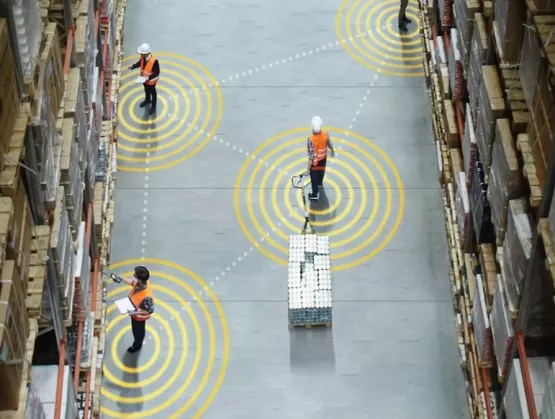
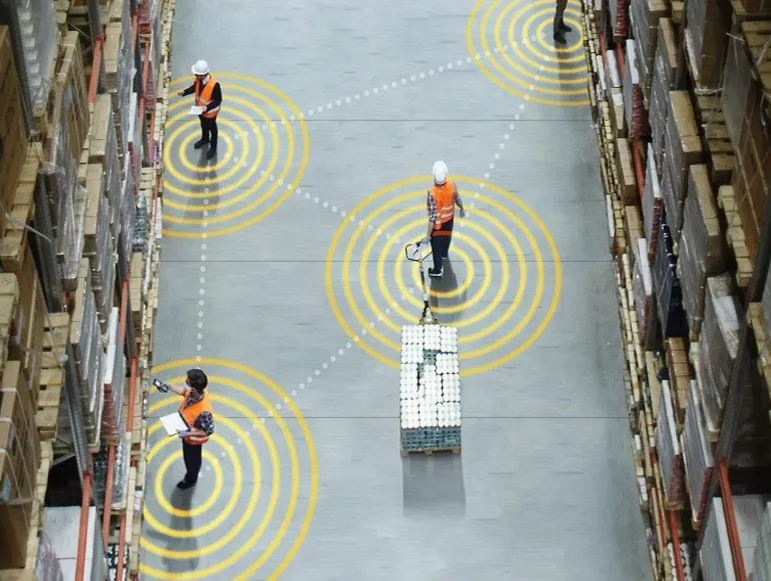
Earlier this year when the novel coronavirus, SARS-CoV-2, began sprinting around the world, public health officials told us that social distancing was the most effective way to slow its spread. We’re now many months into the pandemic, and social distancing, combined with mask-wearing, is still the best way to prevent new cases of the disease.On March 20, 2020, governors on opposite coasts, Gavin Newsom in California and Andrew Cuomo in New York, shut down their states, and other states soon followed. Only essential businesses, such as select retailers – grocery and hardware stores as well as pharmacies, for example – were allowed to remain open. Depending on location, however, it was days or weeks before strict social distancing measures were in place. Tape stuck six feet apart on store floors has helped shoppers keep their distance. But shouldn’t there be a more exact and reliable way to gauge social distances in retail stores, gyms, workplaces and other settings?David Horsley, founder and CTO of Chirp Microsystems, a TDK Group company, believes so, and the company is developing technology that does just that. Horsley will share the details in his keynote A Wearable Social Distancing Solution Based on Ultrasonic Time-of-Flight Sensors October 14 at MSEC 2020, SEMI’s first virtual MEMS Sensors Executive. The event is October 6-8 and 13-15, 2020. Register now for MSEC 2020.I spoke with Horsley to learn more about the sensors.SEMI: What was the inspiration for providing Chirp’s ultrasonic Time-of-Flight (ToF) sensors for social distancing?Horsley: Companies actually started contacting Chirp about six months ago to inquire about social distance tags to measure distance between people. They already knew about us because we’ve been supplying MEMS ultrasonic ToF sensors for virtual reality and robotics for several years, so they knew we could provide the same kind of low-power range-finding accuracy for resource-constrained devices. SEMI: How are your customers using Chirp-based social distance tags?Horsley: They’re designing Chirp’s ultrasonic ToF sensors into wearable tags worn by workers in distribution centers, in factories, and in oil and gas production, to name a few areas. The tags alert workers when they’re closer than two meters from another worker to ensure social distancing. Chirp’s ToF sensors also support contact tracing without recording any personal information, which is a major advantage over contact-tracing applications from companies like Google and Apple. Because those apps use Bluetooth Low Energy (BLE), which is already in your smartphone, the user has to enable location services. This records your GPS location, a privacy concern.BLE is problematic on some other levels as well. It only provides one-meter accuracy while Chirp’s ToF solution for social distancing delivers one-centimeter accuracy. Because BLE is only accurate within one meter, it can’t alert you in real-time that you’ve crossed that two-meter boundary to another person. Imagine you’re in the checkout line at the supermarket. BLE can tell you that other people are in your general vicinity, but it doesn’t have enough resolution to tell you whether the next shopper is two meters away from you or only one-and-a-half meters away. And because it doesn’t use the air as a medium, it registers a lot of false positives. If, for example, you’re separated from a person by a partition or a wall, and you’re within two or three meters of each other, your phone’s social-distance app will register a false positive.SEMI: Are you talking with customers in other environments, such as college campuses and theme parks?Horsley: There’s great deal of potential in those markets. For example, Professor Prabal Dutta’s group at UC Berkeley is working on a system that uses our sensors. His work also made us aware of some of the privacy concerns around contact tracing because universities are much more uneasy about student privacy than some private-sector companies are today. SEMI: What would you like MSEC attendees to take away from your presentation?Horsley: From the beginning, we believed that MEMS ultrasound was very versatile. We expected it to find a home in different types of applications because of its low power, small size and ease of use, particularly since we provide the enabling software that makes it all work. With design wins in four to five vertical markets, we’re experiencing significant marketplace validation. We’re all hoping that COVID-19 will wind down in the first half of 2021. As the focus on social distancing begins to fade, we’re looking forward to building out our customer base in the markets we’re in today as well as gearing up to explore new markets.Chirp Microsystems and TDK InvenSense are longtime members of MEMS Sensors Industry Group® (MSIG), a SEMI technology community that connects the MEMS and sensors supply network in established and emerging markets, enabling members to grow and prosper. Visit us today to learn how MSIG membership can make a difference in your business.David A. Horsley, Ph.D., is co-founder and CTO of Chirp Microsystems Inc., a TDK Group company. Horsley is also a professor of Mechanical and Aerospace Engineering at the University of California, Davis, and is adjunct professor of Mechanical Engineering at the University of California, Berkeley. Since 2004, he has been co-director of the Berkeley Sensor and Actuator Center (BSAC), the National Science Foundation’s Industrial/University Collaborative Research Center (I/UCRC) focused on MEMS research. Horsley is also a recipient of the National Science Foundation’s CAREER Award, and has authored or co-authored over 150 scientific papers and holds over 20 patents.Maria Vetrano is a public relations consultant for MSIG, a SEMI technology community.
Read More