downloadGroupGroupnoun_press release_995423_000000 copyGroupnoun_Feed_96767_000000Group 19noun_pictures_1817522_000000Member company iconResource item iconStore item iconGroup 19Group 19noun_Photo_2085192_000000 Copynoun_presentation_2096081_000000Group 19Group Copy 7noun_webinar_692730_000000Path
Skip to main content
Default Banner Image

Coronavirus

In much of post-lockdown China, urban life is humming. The streets of Beijing and Shanghai are bustling with traffic, smog again shrouds city skylines with the resurgence of economic activity, property sales are bouncing back and a revival in consumer confidence is taking hold. Emerging from monthslong shelter-in-place orders, the nation has seized a large measure of control in containing COVID-19 as it breaks fertile new ground in pandemic response and recovery. In Wuhan, Hubei, the fountainhead of the novel coronavirus, one company offers a striking example of China’s muscular COVID-19 containment efforts, carefully continuing to operate through January and February as the virus set root, said Karel Eloot, a Shenzhen-based senior partner and Asia leader of Transformation and Operations practices at McKinsey Company, speaking at a recent webinar presented with SEMI. Soon, COVID-19 spread to eight other provinces that suffered serious outbreaks and forced the nationwide lockdown that sent China’s GDP plunging 7 percent, its first contraction in 28 years. An impressive array of safety protocols, many designed to reduce people density as a bulwark against the virus, animates China’s fight against COVID-19, a return-to-work movement that is laying a path forward for companies around the world. It is these measures, Eloot said, that have kept the Wuhan company afloat and helped other businesses across China restore operations with unusual speed. Community and Social Distancing – The Heart of China’s COVID-19 Response In establishing safeguards, many companies started by assessing staffing requirements, identifying workers essential to sustaining on-site operations while allowing others, such as white-collar staff, to work from home, though some have since returned to their offices. Seen as non-essential, some factory maintenance workers have been instructed to stay home. To fill staffing gaps, business have turned to multi-skilling practices, such as having on-site supervisors and engineers step out of their daily roles to handle lower-level operations activities. Much of the focus has been on community distancing, with businesses quickly identifying workers suffering even minor COVID-19 symptoms and using contact tracing to prevent sick or vulnerable employees from entering offices and factories and turning them into hot zones for community spread, Eloot said. Manufacturing facilities are staggering work shifts to reduce people density, closely monitoring workers’ body temperatures with an eye toward other symptoms, and following up with medical tests and quarantines as needs dictates. QR codes, long a staple of e-commerce, have been a particularly effective weapon in combatting COVID-19. Companies are deployed the scanning technology to identify workers by color code – green, yellow or red – and assign various levels of site access depending on who they’ve been in contact with. Some factory workstations are now walled off by transparent plastic sheeting to prevent COVID-19 infection through aerosol drift. In business meetings and lunchrooms, staffers sit spaced a safe distance apart and facing the same direction to avoid crosscurrents of the microscopic respiratory droplets that can carry the virus. Others eat in isolation. Meeting room windows are opened, weather permitting, to admit fresh air. And elevators – perfect petri dishes for contagion – are shuttered to ward off human clusters, shifting all floor-to-floor movement to staircases. Companies united by the common goal to keep goods flowing through supply chains are providing masks and other personal protective devices to smaller players most vulnerable to the economic shock of COVID-19. The aim: Shield the companies from the potentially crippling effects of the virus to avoid supply chain breakdowns that can undercut the performance of the whole. Even competitors have formed unexpected alliances, sharing parts and components that are in short supply. “Some sectors have maintained steady production throughout the crisis” thanks to these practices, Eloot said. “China has been able to create safe communities where people can operate as normal.” Executive Uncertainty Reigns, Hope Springs Eternal with Innovation The objective of China’s fast, forceful response to the COVID-19 outbreak is economic: A V-shaped rebound after the 7 percent wallop to its GDP in the first quarter of the year. The trajectory is among nine economic recovery scenarios McKinsey Company presented to more than 2,000 executives worldwide in a recent survey seeking their views on the likelihood of each. The business leaders coalesced around two – a full restoration of global GDP growth that could materialize this year or extend into next, or a two- to three-year recovery following the initial economic tsunami, Sven Smit, an Amsterdam-based senior partner with McKinsey and global leader of the McKinsey Global Institute and global COVID-19 response team, said at the webinar. The executives see the multi-year recovery as the most likely. The shorter rebound ranked second on a scale of probabilities. Notably, the business leaders found the V-shaped bounceback China is attempting – returning to GDP growth in one quarter – the least likely outcome. But the biggest surprise from the survey, Smit said, was executives’ view that of the two major global interventions for restoring GDP growth – viral and economic – one will be ineffective, reflecting their deep uncertainty about what lies ahead. A growing body of knowledge about COVID-19 tempers that doubt. It’s established fact that the virus is highly contagious, more lethal than the flu, and spread by means including aerosols and touching contaminated surfaces. But only recently has more insight emerged about human immunity. Broad-based blood testing in the Netherlands has discovered that only 3 percent to 4 percent of the people screened are immune to the coronavirus, leaving the vast majority of the population without natural biological protection – a sweeping vulnerability evident in Asian countries hit early by the virus only to see fresh flare-ups after initial containment. Smit warned of the pandemic’s potential resurgence. Testing has revealed that coronavirus cases are underreported by a staggering 10- to 15-fold, a clarion call that countries “need to be very careful about how they re-open economies.” That means in order to keep COVID-19 at bay until a vaccine is developed, the best defenses will remain temperature monitoring, contact tracing, quarantining, social distancing, mask wearing, frequent hand-washing and other proven protective measures. And while the relative contribution of each safeguard to slowing COVID-19’s spread is unknown, Japan, Korea, China, Taiwan and other Asian countries have shown that “if you apply them all, you are likely to keep this virus under control,” Smit said. It remains to be seen whether protections the U.S. and European countries have put in place will stave off the virus as effectively as the rigorous measures implemented by Asian countries and, if the Western regions deploy a different cocktail of safety protocols, how well they will work. The re-opening of their economies promises to reveal the answers – and the McKinsey recovery scenario they’ll face. These and other open questions help explain the uncertainty of the executives McKinsey polled. Pandemic Supercharges, Adds New Urgency to Long-Term Trends What is known is that, far from upending the way all organizations operate, COVID-19 is supercharging secular trends and showing that people can react with dizzying velocity when confronting global mortal threats. That speed, Smit said, “is not determined by the potential of technology, but by events." For decades, doctors and technologists have teamed to develop ways to examine and treat people from afar, yet telemedicine managed to eke out only small, incremental gains in adoption. Since the COVID-19 outbreak, patients have flocked online, with virtual doctor’s visits accounting for more than 70 percent of all physician-patient interactions. “People like it, and we can reach many more patients as a result. It happened in a few weeks,” Smit said. Similarly, teachers and unions have only inched toward digital communications for years, fearing job losses in education at the hands of technology. When schools closed recently under shelter-in-place orders, teachers quickly switched to online lessons. The transition, Smit said, took one weekend. Meanwhile, as office workers holed up at home, usage of teleconferencing applications skyrocketed. “We’re collectively learning at unprecedented speed,” Smit said. “We’re sharing. We’re learning about supply chains. We’re learning about collaboration. We’re learning about masks. We’re learning about contact tracing. We’re learning how to work more efficiently. We’re learning from real-time data about the behavior of people. And we’re investing collectively enormous sums in finding cures and treatments and expanding hospital capacity.” While the coronavirus’s blistering spread caught many countries off-guard, Smit expects scientists to spare no effort to innovate. Expressing hope that new medical interventions will be available by summer, Smit said the world needs to buttress its key lines of defense against the coronavirus until a vaccine is developed – a shield that will quicken the global economic recovery. “The race is on," he said. Related blog COVID-19: Economic and Microelectronics Industry Impacts – Insights from McKinsey Company For McKinsey’s latest insights on the coronavirus pandemic, visit its website, which is updated daily. For the latest COVID-19 information and SEMI event updates SEMI is providing members, visit Coronavirus Resources. Michael Hall is a marketing communications manager at SEMI.
Read More
Part 2 of 2Read Part 1.While companies navigate the ongoing COVID-19 crisis, corporate leaders should be evaluating a number of key business continuity issues as well as steps they can take to not only react to business disruptions but also reshape their business and recovery plans.We spoke with Dan Steele, Senior Director and the APAC Head of Environmental, Health, Safety, and Security (EHS S) at GLOBALFOUNDRIES (GF) Singapore, via teleconference for insights into the best practices he and his team have implemented from their Business Continuity Plan (BCP) to guide them through the health crisis.SEMI: How can SMEs (small and medium-sized enterprises) afford BCP, as they are often quite costly?Steele: BCP is not something you afford. Rather, it is essential to good management. Every business is about managing risks and every manager’s responsibilities include risk mitigation. Regardless of their size, companies often pay a higher price for survival in a crisis because they are ill-prepared. All companies owe it to themselves, their employees and other stakeholders to conduct ongoing business continuity planning. No one knows what or when the next crisis will be, and no plan is perfect in mitigating crisis impacts.However, it is critical to plan for potentials, institutionalize EHS and security best practices, ensure the supply chain has both redundancy and robustness, train employees to adopt additional skills, and work with customers in advance. Companies that continue to ask themselves what if are the ones that will be the best prepared. And, if BCP is done right, businesses can avoid huge losses. Dwight Eisenhower said, "Planning is everything, the plan is nothing." I think too many companies spend far too much time creating exacting plans when instead they should be planning. Since planning the survival of the company is every manager’s daily responsibility, BCP should not be purely looked upon as a cost, but also as an expected deliverable from the management team.SEMI: Companies have rolled out mandatory work-from-home (WFH) policies and it has become a new normal for many of us. What other measures can GF take should this WFH period be extended?Steele: Our work-from-home policy seems to be working quite well at this point. However, WFH will only be effective if the right tools are provided to employees – we give our employees access to our system so they can work remotely. WFH also offers opportunities to drive new and innovative ways of working, and accelerates some of our automation efforts such as Augmented Reality (AR).At the same time, mental health is just as important and we conduct weekly check-ins with employees to assess their anxiety levels by asking two basic questions: How is the team’s morale and has it impacted productivity in our operations? For us at GF, WFH is not a disintegration of the team. It is important to our operations to continue the social aspects of working as ONEGF. That means online meetings should require face-to-face interactions. It is important for people to connect. Additionally, we maintain the same quality expectations for remote work as we do when employees are on-site. If this WFH period is extended, we need supervisors and managers to reach out and ensure that we stay connected with our employees.SEMI: What BCP lessons have you learned during the outbreak and will the learnings change any of your business or operations strategies when normalcy returns?Steele: I am not sure we learned anything new about BCP. As stated, our approach to BCP is to spend less time on exact plans and more time on planning, asking ourselves what if and mentally walking our way through potential solutions. This crisis reinforces the premise that we must be prepared. We did not have a plan on our shelf for working-from-home, but we had visualized it, knew what we would have to enact and now have employees managing highly sophisticated, technical and skilled manufacturing operations from home, and some of them reside in Malaysia. BCP must be a conscientious, concerted effort even when normalcy returns – it helps us better prepare. Additionally, BCP is not the responsibility of a single person or department. Just like our daily business, BCP is an integrated effort across many functions. Good and great ideas come from anywhere in a time of crisis. Listening is extremely important.SEMI: If there is one takeaway from this unusual and uncalled experience, what will it be?Steele: What we walk away with is the fact that we are dealing with a pandemic that is highly unpredictable, and that we need all types of employees with diverse backgrounds, experiences and perspectives. This inclusion has made us successful all along, and that is what is helping us ride through this crisis today and into tomorrow. We are glad that we have a diverse and proactive BCCM team that is able to quickly adapt and respond to the many challenges of a crisis. SEMI: What advice would you offer to stay productive while WFH?Steele: We acknowledged that it is difficult for the WFH policy to be effective in the manufacturing sector. Although we do not see any productivity loss thanks to automation, we’ve seen a slowdown in our engineering activities.My advice: First stay healthy, monitor your health, and follow the government’s hygiene advice for yourself, your families and the communities you live in. If you socialized before, there is no reason to stop. Stay connected with your co-workers and team. Personally, I don’t believe WFH now means you are always on. Just as you did when working on-site, you still need your personal time. You have to strike the balance that works best for you.Dan Steele has over 25 years of experience in environmental, health, safety and security operations. He has also held other leadership roles in facilities engineering, quality, reliability and assurance, and risk management.Bee Bee Ng is president of SEMI Southeast Asia.
Read More
The COVID-19 pandemic (caused by SARS-CoV-2) has disrupted lives around the world more than any other catastrophic event in living memory. Those of us fortunate enough to work from home are cheering on the people who care for our health, transport our packages, work in grocery stores and pharmacies, clean public streets and buildings, and keep utilities up and running — as well as everyone else on the front lines of battling this pandemic. Working from home also gives us time to reflect and ask: How does the world return to normal and how can we help?Crises like the COVID-19 pandemic accelerate social and technology trends because the need for new solutions grows urgent. Looking at epidemiological models can reduce complex disease progression to a series of simple numbers, the most important of which is R nought (R0) value. R0 is simply how many other people a sick person infects. If each sick person infects less than one person, R0 1, the spread of disease will end. But if each sick person infects more than one other person, the disease spreads and may become a pandemic. According to the journal Emerging Infections Diseases, SARS-CoV-2 has an R0 of 5.7, making it far more infectious than the influenza pandemic of 1918.Given the severity of the current pandemic, society has taken huge efforts to reduce R0: mask-wearing, social distancing, avoiding face touching, frequent handwashing and quarantines are all ways to reduce R0.Scientists and engineers are working hard to develop new solutions and evaluate existing technologies that could have a big impact on R0. One of these is the mass deployment of touchless technologies. We’re now aware that every time we touch a surface, we potentially spread disease. I have personally started using touchless Apple Pay at retail checkouts whenever possible and even seek out and remember which stores have enabled Apple Pay. Each time I need to touch an elevator button, security keypad or walk signal button at an intersection, I contort my arms to touch them with an elbow.Since I’m in the electronics industry, I find myself considering which devices have the greatest potential for reducing the number of touchpoints in our daily lives. Motion and ultrasound sensors are definitely promising, but the mainstream adoption of the voice interface makes it the most interesting and scalable touchless technology.New voice technologies are more reliable and secure than ever. The success of cloud-based voice assistants such as Amazon Alexa, Apple Siri and Ok Google has familiarized consumers with the ease and convenience of voice, but these high-powered AI assistants generally require high power and a reliable internet connection. The next wave of voice technology will be much lower in power, fast, private and require no internet connection. This edge-powered voice interface will not play music or tell you the weather, but it will perform many other useful and simple functions, such as operating an elevator, opening a door or changing the volume on your TV. One great example of this local voice command is the Simple Human trash can that can open and close in response to your voice. Opening and closing a garbage may be simple, but a voice-activated model enhances convenience and safety with total privacy.The requirements for deploying voice technology to support more touchless applications include: Low power — to run for months or years between battery changes Robust and reliable— to last over a decade indoors or out Locally processed data — to ensure security and privacy without an internet connection Consumer adoption of touchless and voice technologies has been growing for years, but the COVID-19 crisis highlights the critical benefit of these technologies in reducing the spread of disease. Making high touchpoints voice-powered would eliminate a disease vector and reduce R0 during pandemics as well as during normal cold and flu seasons. Any technology that helps reduce R0 should be deployed as quickly as possible to give us one more way to thwart the virus that is changing life as we know it.As the only supplier of piezoelectric MEMS microphones – which are natively immune to environmental contaminants such as water, humidity, salt, dust, dirt and oil — Vesper is uniquely able to provide outdoor-hardened microphones that are durable enough to support voice-interfaces in hot, wet, dusty or dirty conditions. In fact, we’ve earned the highest waterproof rating for any MEMS microphone – IP57 – which makes me hope that one day soon I’ll use just my voice to tell a crosswalk signal that I need to cross the street.Vesper has also developed a proprietary technology called ZeroPower Listening, which makes it possible to embed always-listening voice interfaces in battery-powered devices with battery life measured in months or years. And that’s just the beginning of how we’ll use voice interfaces in high-touch applications. From voice-controlled parking kiosks and elevator buttons to the treadmill at the gym, the less we touch hard surfaces, the safer we’ll be from picking up SARS-CoV-2, influenza viruses or other pathogens as we go about our daily lives.Learn how Vesper’s low-power and rugged MEMS microphone technology can help designers create seamless voice interfaces for a wide range of indoor and outdoor applications at Smart Home, Smart Office, IoT and Automotive/Industrial.Matt Crowley is CEO of Vesper Technologies, developer of the world’s first piezoelectric MEMS microphone. With five rapid product rollouts in just five years and tens of millions of units shipping to tier one clients across the globe, Matt has grown Vesper from a research-oriented startup to a bonafide commercial business.Under his leadership, Vesper has earned an impressive collection of awards including a 2019 Best of Sensors Award, Innovation Award nods at CES 2018 and 2019, and two Annual Creativity in Electronics (ACE) Awards.Before Vesper, Matt held leadership positions at piezoelectric MEMS pioneer Sand 9, the Boston University Office of Technology Development, and Mars Co strategy consulting, where he advised Fortune 500 companies on operational and strategic issues.Matt received an interdisciplinary degree in Physics and the Philosophy of Science from Princeton University. He is proficient in Japanese, having lived in Japan.Vesper is a member of MEMS Sensors Industry Group (MSIG), a SEMI technology community, that enables the MEMS and sensor industry to address common challenges, innovate and accelerate business results.
Read More
Part 1 of 2Read Part 2. While companies navigate the ongoing COVID-19 crisis, corporate leaders should be evaluating a number of key business continuity issues as well as steps they can take to not only react to business disruptions but also reshape their business and recovery plans.We spoke with Dan Steele, Senior Director and the APAC Head of Environmental, Health, Safety, and Security (EHS S) at GLOBALFOUNDRIES (GF) Singapore, via teleconference for insights into the best practices he and his team have implemented from their Business Continuity Plan (BCP) to guide them through the health crisis.SEMI: How did GLOBALFOUNDRIES Singapore first respond when the country reported its first COVID-19 case?Steele: Since the early days of our company, we have had a Business Continuity / Crisis Management (BCCM) team in place that is responsible for business continuity planning for the site. At the beginning of this journey with the coronavirus, we believed in two truths: maintaining the safety and well-being of our employees and consistently communicating precautionary measures the company has taken to protect them and our business. These actions are critical to keeping our employees safe, while keeping the anxiety level low. By informing and updating employees in a timely manner, we ensure that they are well-educated about the crisis as it unfolds and the foreseeable circumstances that could be ahead of us. Once the world was well into the coronavirus outbreak, our CEO declared in a message to all employees that “we entered this pandemic crisis together, and we will exit it together.”We have also established links to pertinent government websites and made them conveniently available to ensure employees have access to the latest available information for their personal lives.SEMI: What actions has GF Singapore taken in response to the crisis so far?Steele: On January 29, our BCCM team activated the first line of defense by initiating temperature checks at all building entrances for every individual including employees, contractors, visitors, and customers who come into our facilities. We asked each to declare their state of health and travel history and issued a temperature card to every employee and resident contractor. They are all required to record their temperature twice daily – once before coming to work and again at midday – and they present the temperature log to security upon their arrival.The following week, our teams split into an A/B work arrangement to ensure continuity of our operations. We proactively pared down our teams to the staff essential for our on-site operations, while enabling the rest to work from home. We also advised our most vulnerable employees with impaired immune systems or who are pregnant to work from home. Concurrently, we moved all meetings of 10 or more people to virtual communications and only allowed meetings with fewer than 10 to be held in rooms with participants sitting at least one meter apart. We informed our customers of our efforts and moved all planned on-site visits to online visits.In line with Singapore’s efforts to curb the spread of COVID-19 within the community, GF restricted site access of people who had recently traveled to countries with sustained community transmission and regularly updated the restriction list. To conduct contact tracing, we created our two degrees of separation list that we used to track employees with families and close associates who were linked to a COVID-19 case. Employees provided the information voluntarily. On our campus, we enforced strict safe distancing measures by limiting access to meeting rooms, marking off-limits tables and removing chairs in the cafeteria, limiting the number of elevator riders to no more than four, and placing boxes or other spacing indicators at smoking zones, bus stops and temperature-taking lines. We also initiated a daily log of employees taking the company buses tagged to the bus number, time, and employee identification numbers in anticipation of the need for contact tracing.Most recently, when the Singapore-Malaysia border closed, we activated the next phase of our BCP that was already in place – housing over 450 Malaysian employees in Singapore hotels.Throughout this crisis, we continuously monitor and evaluate possible impacts to our supply chain to ensure the continuity of our business. This is a standard element of our ongoing business continuity management system.Most importantly, we frequently communicate with our employees and tell them everything the company is doing and why we are doing it. We encouraged employees to monitor their health, stay home if they are unwell, and seek immediate medical treatment if necessary at one of our panel clinics or other medical facilities.SEMI: What are your top concerns amidst this health crisis?Steele: At GF, we are managing through the crisis with an unwavering focus on two guiding principles: the safety and well-being of our worldwide team, their families and communities; and delivering on our commitments to our clients. As the world’s leading specialty foundry, GF has a unique role in the global supply chain. Our semiconductor technology is vital to a range of industries including health care, communications, infrastructure and security. With these priorities in mind, the company undertook unprecedented steps and has adapted to the crisis by dynamically adjusting its protocols, health and safety measures, and business processes to protect its teams while maintaining manufacturing excellence.We are committed to safeguarding the well-being of our employees while supporting and sustaining our on-site operations and protecting customers’ products. A major concern is the impact on our employees. We understand that COVID-19 can be infectious even if an individual is asymptomatic – we are always concerned that temperature screening alone is not sufficient. This is the reason that from day one we have encouraged our employees to monitor their health, follow all government advice for proper hygiene and seek medical attention if unwell as early as possible, and not come to work.Dan Steele has over 25 years of experience in environmental, health and safety, and security operations. He has also held other leadership roles in facilities engineering, quality, reliability and assurance, and risk management.Bee Bee Ng is president of SEMI Southeast Asia.
Read More
As the world confronts the health crisis of a generation in the form of the fast-spreading coronavirus, the microelectronics industry remains firmly in the spotlight. Aware of the central role they play in the fight against the COVID-19 pandemic, a growing number of companies are joining efforts to combat the virus by developing technologies for coronavirus detection, contact tracing and predicting its spread.SkyWater Technology, a U.S.-based foundry and prestigious member of SEMI-Fab Owners Alliance, is on the front lines in supplying an essential microfluidic MEMS component used in COVID-19 testing and research to identify mutations of the virus. This component is instrumental for the sequencing kit in the DNBSEQ-T7 system, an ultra-high-throughput sequencing system manufactured by MGI, a subsidiary of global genomics leader BGI Group.SEMI had the pleasure to catch up with Thomas Sonderman, president of SkyWater Technology, to talk about the company’s valuable contribution to the detection of COVID-19. He also gave us a peek into its business continuity plan and the safety measures it is taking to resiliently run a 24/7 chip-making operation amid these unprecedented times.SEMI: Tell us about SkyWater's contribution to the detection of COVID-19 and your partnership with MGI?Sonderman: SkyWater has been working with genomics sequencing leader MGI for several years to supply a critical component used in MGI's DNBSEQ-T7, an ultra-high-throughput sequencing system. The component we supply to MGI is a microfluidic MEMS device that uses microscopic channels to help perform very small-scale chemical reactions in the genetic sequencing platform. MGI's DNBSEQ-T7 identifies and monitors possible mutations of viruses, which is important for epidemiologists when tracking how viral illnesses such as COVID-19 spread through human populations.MGI’s sequencing system is used in parallel with its sister company BGI Genomics’ RT-PCR test kit, which is typically used more broadly as an initial screening agent due to its ability to return virus detection results within a matter of hours. Sequencing with the DNBSEQ-T7 can be used to confirm results of the RT-PCR tests that have indicated positive for the presence of the virus and then to perform a full DNA sequence of these positive specimens, which can help track mutations in the virus.DNBSEQ-T7 is important in the fight against COVID-19 as it tracks how the virus changes and enables scientists to look at its genetic sequence like a fingerprint at a crime scene. Their focus is on finding sudden changes in the sequence over time — a mutation. When they analyze available genomes from infected patients in several countries, they can see if inevitable virus mutations are causing associated illnesses that may have different incubation periods, contagiousness or deadliness – all critical dynamics that must be tracked by public health officials during an outbreak such as this.SEMI: What was the path that brought your company to the forefront of this testing?Sonderman: MGI’s DNBSEQ-T7 sequencing system and BGI’s RT-PCR rapid testing kit were among the first officially approved products by the National Medical Products Administration (NMPA – essentially China’s version of the FDA) – to fight the outbreak. MGI’s manufacturing plant, based in Wuhan, was able to fast-track its response, producing and delivering test kits very quickly to many hospitals and disease control centers in Wuhan and other cities in China.As concerns continue to rise about COVID-19 and we strive to flatten the curve, the pressure is on to enable even faster, more accessible testing. On March 27th, BGI’s RT-PCR virus detection test received FDA Emergency Use Authorization (EUA) for use in the U.S. The test works in just three hours. MGI’s DNBSEQ™ T7 sequencers are being used in China and other countries now and will be available in the U.S. starting in Q3. Products from BGI/MGI and affiliates are currently being distributed to more than 70 countries and regions worldwide to assist the global efforts in fighting the pandemic.SkyWater is certified to the ISO 13485 Quality Standard for Medical Devices to support the design, development and fabrication of DNA sequencing and other biochip applications in a wide range of emerging biomedical market segments. This allows us to provide this type of cutting-edge technology solution that is making an important contribution to coronavirus detection.SEMI: Given the challenges COVID-19 has placed on workforce and supply chain, what steps are being taken by your company to mitigate disruptions? Sonderman: SkyWater has been identified as Essential Critical Infrastructure per the U.S. Dept. of Homeland Security in several categories including Healthcare/Public Health Sector, Defense Industrial Base Sector, Information Technology Sector, and Critical Manufacturing Sector. To maintain continuity of operations, we contacted our close market partners as we need their support to continue supply of their starting and manufacturing support materials necessary for us to maintain operations. We asked these organizations to make every reasonable effort to fulfill our order requirements while also following recommended protective measures and are actively monitoring these relationships for possible developments that could be disruptive. By means of their partnership with us, these suppliers, too, are a part of the Essential Critical Infrastructure. Currently, there has been no change in wafer operations or fab utilization during this time of COVID-19.In addition to our sustained operations, our fab expansion is well underway as construction continues. The over 60,000-square-foot facility expansion adds clean room area and infrastructure to support the Department of Defense’s investment in SkyWater to broaden our production capabilities for Strategic Rad-Hard electronics and other complementary technologies. A fab technician in SkyWater’s SkyTech Center, an expansion of its operations to enhance advanced processing capabilities at its U.S.-based and U.S.-owned manufacturing facility. SEMI: What advice would you give to other companies seeking to keep their operations running amid COVID-19?Sonderman: First and foremost, creating a Pandemic Response Team (PRT) was critical for us in planning how to operate and communicate during this crisis. Our PRT updates our leadership team multiple times per week to enact procedures and ensure alignment throughout the organization. We follow CDC alerts and other local, state, and federal government guidelines on how to deal with home and work environments while communicating with all company stakeholders. This is important in providing reassurance of the company’s continued business and details on any potential change in operations.Increasing the frequency of communication with the organization’s supply chain to anticipate any disruptions in service is vital. Also, keeping in contact with customers is imperative to take the pulse of their continued operations during COVID-19. We recommend being flexible and pursuing new paradigms in getting business accomplished, such as telecommuting. In addition, if a company is deemed an essential business, we suggest drafting a letter in advance for employees should they need to prove why they are in transit (to and from work) if transportation becomes severely limited and monitored.Communicating with employees on how operations are changing is crucial. Ensure there is an intranet site that employees can access remotely via laptops or mobile devices that allows for ongoing updates and a way to communicate to all employees as things continue to evolve.We also put several safety measures in place, including: A screening process was set up to take the temperature of everyone entering the building. Site access is restricted for vendors, contractors, customers and other visitors as a default policy. Employee travel is restricted. All employees who can do their jobs from home can stay home. For essential on-site workers, we allow flexible schedules so people can move shifts if needed. Shifts have been staggered so people are not congested at lockers, gowning areas and other places. Physical distancing is required everywhere inside and outside the building. Video conferencing is being used even for participants inside the building. The number of people allowed in conference rooms is limited to comply with physical distancing; some chairs were removed and maximum occupancy signs were posted. Hand-sanitizing stations have been set up. We are providing employees access to masks, gloves and cleaning wipes. Safety measures are posted around the building and cleaning frequency of hard surfaces has been ramped significantly. These safety measures are among several other modifications we’ve made to daily operating procedures. SEMI: Please share some examples of how the SEMI Fab Owners Alliance (FOA) has helped support your business?Sonderman: Our Pandemic Response Team has leveraged the FOA recently by participating in its webinars on COVID-19 to ensure we are using industry best practices. We also use FOA surveys to provide and request information pertaining to COVID-19 practices.We have implemented building entrance protocols (i.e. temperature scanning, restricting access for non-employees) and expanded building cleaning procedures, including increasing the cleaning frequency of specific high-touch items. We have adjusted shift start times to minimize the number of personnel in the change room at the same time and we store each fab worker’s hood in the sleeve of the suit. These last two items resulted from a conversation with another FOA member.Outside of the pandemic, we have leveraged the FOA by participating in its industry-wide maintenance best practices and learning group that meets monthly on maintenance needs, issues and concerns within the industry. This allows us to learn from each other within the semiconductor industry. We have also leveraged this group in sourcing parts and/or parts sharing on tools no longer supported by OEMs.We greatly value the type of cross-organizational sharing and learning the FOA facilitates. It has been beneficial in a number of ways over the years. At this time, the FOA is especially useful when best practices are crucial to enable us and our peers to minimize disruptions, operate with the utmost safety, and quickly adapt to this new environment.SkyWater is a member of the SEMI Fab Owners Alliance, an international group of semiconductor and MEMS fab managers and industry suppliers that meets regularly to solve common non-competitive manufacturing issues and improve their business results. Nishita Rao is a product marketing manager at SEMI.
Read More
For five days in the latter half of March, the pall of the heavy human and economic toll COVID-19 has exacted in China appeared to be lifting. The epicenter of Wuhan reported no new coronavirus infections through domestic transmission. And in an initial step to loosen its nationwide lockdown, China began reversing restrictions on travel within its borders.Now, in another sign of progress, the region’s idled factory workforce is preparing to return to the production lines. Outside of Hubei province, home to Wuhan, most manufacturing workers are expected to be back on the job by the end of this month, with the proportion of manufacturing employees returning to work in Hubei cities except Wuhan reaching 70 percent by then, said Didier Chenneveau, Partner, Supply Chain Practice, McKinsey Company, in a late-March webinar presented by the business consultancy and SEMI.McKinsey is also “seeing evidence of a rebound in demand led by China’s online sales” as rising consumer confidence and a surge in the popularity of work-from-home policies spur strong spending on laptop computers, Chenneveau said.The turnaround stands in stark contrast to the unprecedented drop in demand McKinsey saw across retail and durable goods in China early in the year. Over the first two months, passenger car sales plunged 90 percent, smart phone receipts 40 percent and retail sales 21 percent, leading to what Chenneveau calls a whiplash effect that could disrupt supply chains as manufacturers and shipping companies scramble to meet pent-up demand once a recovery takes hold. As the outlook for China’s factories and suppliers brightens, concerns are shifting to the ripple effect of its deep manufacturing pullback on demand for goods in the United States and Europe. Sharp disruptions to global supply chains caused by labor shortages and knotty logistics challenges have also become worrisome. And while China is buoyed by the prospect of normalizing its workforce and manufacturing capabilities, parts shortages are bottlenecking production. In the United States and Europe, where 60 percent of air freight is carried in cargo holds of passenger aircraft, logistics concerns loom large with the widespread flight groundings. “Logistics must be a priority in any crisis war room because it’s a big challenge,” Chenneveau said.Asia Semiconductor Supply Chain ImpactsIn Asia, the semiconductor supply chain is working to overcome intractable challenges caused by COVID-19 including sourcing raw materials for chip manufacturing and maintaining assembly and test operations, Mark Patel, Sr. Partner Semiconductor Practice Lead, McKinsey Company, said at the webinar. Those problems cascade to foundries and IDMs even as they confront the compounding issue of a shortage of fab operators and engineers. Downstream, the inability to package, test and qualify products risks exacerbating the supply constraints.Patel said another acute challenge is that most semiconductor manufacturers and suppliers are operating under restricted practices, making it harder to sustain engineering activities vital to new product introductions, new process development and capital equipment expansion. In the longer term, the supply chain fallout hold implications for product life cycles and investments in capacity and next-generation technology – factors that analysts will need to monitor in evaluating the economic impact.Returning Workers Key to Economic RecoveryIssuing shelter-in-place orders have been an effective antidote to the spread of COVID-19 but a double-edged sword as nations worldwide sustain the economic blowback. Discretionary consumer spending on items such as automobiles has dropped by 45 percent globally so far this year, business investment has fallen and trade has seen a sharp slowdown, said Sven Smit, Chairman and Director at the McKinsey Global Institute, speaking at the webinar.A lockdown for as little as a month can slash aggregate global GDP by as much as 10 percent, a scenario McKinsey expects to play out in the second quarter of 2020. The drop would be the deepest since World War II and larger than the plunge in the first quarter of the Great Depression, raising the question of how long governments can afford to keep workers holed up at home.“The economic shock is unprecedented,” Smit said. “We’ve never sent people home to not work. Even in World War II, next to the front lines, people were harvesting food.”China offers a potential blueprint for economic recovery. McKinsey estimates that China’s rigorous containment efforts could help its economy bounce back in as little as six months – a V-shaped rebound. Western nations generally have not been as forceful with their containment measures. For them, the fight against the pathogen could be prolonged, deepening the economic damage.Yet even with the best protective lockdowns, a new challenge arises: The longer shelter-in-place orders remain in effect to contain the spread of the virus, the longer the economic impact drags on. “Until the path to return to work becomes clearer, people will not be confident to spend,” Smit said.Confronted with that reality, governments worldwide must strike the delicate balance between safeguarding the lives of people – critical forces of economic growth through consumer spending – and limiting the economic shock. The faster the virus can be brought to heel, the softer the impact to economies around the world. And the stronger the return-to-work protocols in place once COVID-19 has been brought under control, the faster workers can get back to their jobs. Smit believes resolving both issues simultaneously is not only possible but necessary for a return to normalcy.“That’s the imperative of our time,” he said. Related blog COVID-19: The Way Forward – Insights from McKinsey Company For McKinsey’s latest insights on the coronavirus pandemic, visit its website, which is updated daily.For the latest COVID-19 information and SEMI event updates SEMI is providing members, visit Coronavirus Resources.Michael Hall is a marketing communications manager at SEMI.

Read More
On Saturday, March, 21, 2020 the U.S. Food and Drug Administration (FDA) gave emergency authorization to Cepheid, a California company, to sell a new test for rapid detection of the pandemic coronavirus SARS-CoV-2, which causes COVID-19. Cepheid’s Xpert® Xpress SARS-CoV-2 test gives healthcare workers results in just 45 minutes, with less than a minute of hands-on time for sample preparation.Cepheid, founded by Kurt Petersen, M. Allen Northrup and five others in 1996, is well known in the MEMS community for commercializing microfluidic chip-based polymerase chain reaction (PCR) analysis machines. This is not the first time Cepheid has responded quickly to a biological threat; after the 2001 terrorist attacks in the USA, Cepheid was the first to provide rapid anthrax detection capabilities to the U.S. Postal Service, and it still does today.At the heart of all COVID-19 test protocols (see the WHO protocol and U.S. CDC protocol) is the real-time reverse transcription polymerase chain reaction (RT-PCR) analysis technique. In a very simplified description, PCR uses thermal cycling to amplify the DNA present in a patient’s swab sample, and then using fluorescence optical detection, searches for the virus’s specific DNA. The test requires knowing the virus’s genome in the first place; the crucial work to sequence the full genome of SARS-CoV-2 was first published by Chinese scientists for public use on January 10, 2020.While traditional PCR machines take many hours to thermal cycle and reach a result, MEMS-based PCR systems can work much faster. Featuring scale heaters and reaction chambers that have a tiny thermal mass, they create a significantly faster heat-cool cycle, enabling a rapid result in minutes.The first MEMS silicon PCR chip, developed by Northrup et. al. at Lawrence Livermore National Laboratory and licensed to Cepheid (left) and the Cepheid test cartridge today (right). (Source: Northrup MA, Ching MT, White RM, Watson RT, “DNA amplification in a microfabricated reaction chamber,” Transducers 1993, Yokohama, Japan. pp. 924–926.) Research on MEMS-based PCR systems has continued steadily since the early 1990s. Today, researchers have been focusing on developing highly integrated, low-cost systems specifically for point-of-care use. One example of recent research: a team at Korea’s ETRI and Genesystem have developed a prototype low-cost, handheld PCR system having a polyimide chamber and microheater and an integrated CMOS detector for optical readout of results (figure below). Cross-section schematic of the chamber, heating module and integrated optical detector in a portable PCR prototype (left) and integrated test cartridge (right). (Source: DS Lee, OR Choi, and YJ Seo, “A Handheld and Battery-Powered Realtime Microfluidic PCR Amplification Device,” Transducers 2019, Berlin, Germany pp. 1063-1065.) Korea’s quick recruitment of its biotech companies and creation of novel drive-through testing sites helped it to successfully pinpoint its COVID-19 outbreak and to implement control measures. Let’s hope the Cepheid test can be similarly effective.Based on successive epidemics of SARS, MERS and now COVID-19, rapid PCR test machines, enabled by MEMS technology, are becoming essential medical tools in the fight against viral outbreaks. As continued development lowers the cost of such critical equipment, let’s hope we may soon have a PCR machine in every doctor’s office.Alissa M. Fitzgerald, Ph.D., founded A.M. Fitzgerald Associates, LLC (“AMFitzgerald”), a MEMS and sensors solutions company based in Burlingame, CA, in 2003. She has over 25 years of engineering experience in MEMS design, fabrication and product development.Prior to founding AMFitzgerald, Fitzgerald worked at the Jet Propulsion Laboratory, Orbital Sciences Corporation, Sigpro, and Sensant Corporation, now part of Siemens. She received her bachelor’s and master’s degrees from MIT and her doctorate from Stanford University, in Aeronautics and Astronautics. Fitzgerald has numerous journal publications and holds eight patents. She served on the Governing Council of MEMS Industry Group from 2008-2014 and was inducted into the MIG Hall of Fame in 2013. Fitzgerald serves on the Board of Directors of both Rigetti Computing and the Transducer Research Foundation.AMFitzgerald is a longtime member of MEMS Sensors Industry Group (MSIG), a SEMI Strategic Association Partner. For more information on AMFitzgerald, please visit: https://www.amfitzgerald.com.Interested in learning more about this topic? Read Alissa M. Fitzgerald and Farzad Khademolhosseini’s article in EE Times, MEMS in the Fight Against Covid-19.
Read More
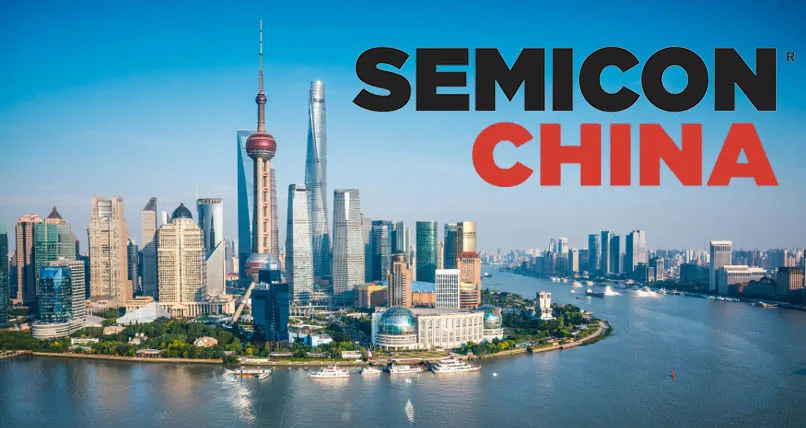
In the two months since the COVID-19 outbreak in January, the Chinese economy has shifted from shock to ongoing recovery under the guidance of the Chinese government. China has worked tirelessly to restore production at its chip manufacturing facilities, a core strategic industry in the region, and the effort is paying off. Operations at several fabs and OSATs – the domestic semiconductor industry’s chief growth engines – have begun to stabilize.As of mid-March, SMIC had restored its manufacturing lines to over 90% of production capacity and expects to be operating at full bore in the next few weeks, while the company’s R D line has returned to full operation. Huahong Grace reestablished normal supplies of various equipment parts and production raw materials. At Huahong Fab2, 12 new pieces of equipment went online to help increase production capacity, and production at Huahong Fab1 and Huahong Fab3 is now stable. JCET said the company's overall return rate has exceeded 90%. Meanwhile, IDM maker Silan Microelectronics' 6-inch and 8-inch lines maintained 90% production.Production lines at Huahong Group, SMIC, CanSemi, GTA Semiconductor, Samsung (Xi'an) and other mainland China chip manufacturers have been generally operating at normal capacity since the Spring Festival. Lines at YMTC, Tianma, CSOT, and BOE, all in the Coronavirus epicenter of Wuhan, have also returned to normal operations. China’s chip industry is finding its footing, and an impressive host of semiconductor companies are gearing up to participate at SEMICON China 2020, rescheduled to June 27-29. The list includes the major domestic wafer foundries such as Huahong, the major packaging and testing companies such as JCET, TFME, Huatian, and large domestic and foreign equipment companies, among them TEL, ASMPT, DISCO, ULVAC, VAT, ASML, KLA, NAURA, AMEC, Anji, CETC, Sinyang, SMEE, CAS, CANON and SPIROX.DigiTimes, a daily newspaper covering the semiconductor, electronics, computer and communications industries in Asia, interviewed SEMI China President Lung Chu in mid-March about what’s ahead for China’s semiconductor industry. Following is an English translation of the interview. DigiTimes InterviewAs China continues to ramp back up to normal activity, SEMI China is making every effort to hold SEMICON China 2020, a leading international semiconductor industry platform for promoting growth and innovation in China's semiconductor industry supply chain. SEMI China president Chu emphasized that the strong support of SEMICON China 2020 exhibitors and the Chinese government made rescheduling the event to June possible.Chu, a semiconductor industry veteran who has experienced numerous economic and industry upheavals over his career including the SARS shock in 2003, said current global economic uncertainty stems from two black swans – the global COVID-19 pandemic and how long it will take to contain it, and the sharp drop in oil prices triggered by the recent geopolitical dispute between Russia and Saudi Arabia. In China, the government responded with strict containment actions and promoted public awareness of self-isolation, resulting in effective domestic containment as of mid-March. As a major oil consumer, China sees the lower prices as relatively favorable to its economy. Those dynamics should allow China to recover sooner than many other regions, and it could emerge even stronger once the pandemic is contained, despite the current slump in global semiconductor demand, Chu said. Once the epidemic has passed, China is in a position of "turning crisis into opportunity," and the semiconductor industry will recover from the trough, he said. Companies in semiconductor supply-chain sectors face various challenges in restoring normal operations. IC design companies experienced relatively low impact since employees can work from home and most companies are located in major cities in China, where epidemic prevention control is strict. For most chip manufacturers, production has not stopped but is hampered by manpower shortages from restrictions on employees returning to work. IC packaging and testing companies are suffering bigger impacts because of the more labor-intensive nature of their operations. However, all companies in the supply chain will be affected by the decline in demand for electronic products and ICs in 2020. As the COVID-19 threat recedes in China, the region remains unwavering in its commitment to semiconductors as a strategic industry with its continuing efforts to evolve sustainable and reliable localized supply chains, Chu said. Investments in “new Infrastructure” for 5G, the Internet of Things (IoT), data centers, as well as public health services should help drive semiconductor demand for smart applications and devices associated with the new infrastructures as are all powered by ICs, benefiting companies in the global supply chain. The COVID-19 outbreak triggered a slowdown in new factory construction after the Chinese government implemented restrictions on the flow of people resulting in a worker shortage. SEMI has revised downward its forecast of wafer equipment spending in China to just a 3% increase this year.Market analysts revised downward forecasts for 2020 annual global semiconductor revenue growth from 7-10% to 0-5%, while some expect negative growth. The recent COVID-19 outbreaks in Europe, the United States and other regions have created more uncertainty. Declining end-user demand for electronics will drive down spending on upstream equipment for both memory and logic IC device makers. For Chu and his SEMI China staff, the postponement of SEMICON China 2020 has been a “major challenge,” he said. “It is a huge project to communicate and coordinate with the government and to reconfirm with exhibitors and industry leaders.”As a leading industry platform, SEMICON China attracts a large number of global customers and suppliers each year. The major China domestic suppliers, leading foundries and OSATs have confirmed their attendance in SEMICON China 2020. Most key foreign suppliers are planning to staff the event with local teams in case some executives are unable to enter China by June due to travel restrictions if the COVID-19 virus has not been brought under control in the United States, Europe and other regions. To assure the success of the concurrent Forums, SEMI has prepared multiple contingency plans, including live broadcast, video and slide presentations. SEMI will also hold the grand opening session at a larger venue than last year’s event to accommodate more attendees with more sitting distance apart. SEMI will follow government guidelines to implement appropriate public health and safety measures during SEMICON China. "Ensuring the welfare of all exhibitors and guests and providing a safe exhibition environment is SEMI’s top priority," Chu said.Cherry Sun is a marketing manager at SEMI China.
Read More