downloadGroupGroupnoun_press release_995423_000000 copyGroupnoun_Feed_96767_000000Group 19noun_pictures_1817522_000000Member company iconResource item iconStore item iconGroup 19Group 19noun_Photo_2085192_000000 Copynoun_presentation_2096081_000000Group 19Group Copy 7noun_webinar_692730_000000Path
Skip to main content
Default Banner Image

Nishita Rao

Now, more than ever, semiconductor companies are relying on their human resources departments to ensure employee safety, support facility access and hygiene measures, cope with staffing demands and incorporate the rapidly evolving guidelines from Centers for Disease Control and Prevention (CDC) and the local state and city mandates. SEMI spoke with Crystal Reich, HR manager at X-FAB Texas, about her participation in the Fab Owners Alliance (FOA) human resources group and the value of collaborating with industry peers on a broad spectrum of topics: from focusing on specific areas such as ensuring employee safety and managing the workforce during a pandemic, to addressing broader organizational challenges such as benchmarking activities and identifying compensation and staffing best practices. SEMI: How did you learn about the FOA human resources group? Reich: I have been part of the FOA HR group since its inception in 2012. Lloyd Whetzel, the CEO at X-FAB Texas, has been very involved with the FOA for several years. When this group was being formed, he let me know about it. I came to the first meeting and have been a part of it ever since. SEMI: What does your participation in the FOA human resources group allow you and your company to do differently? Reich: I am also involved with the Society for Human Resource Management (SHRM), but the FOA HR group provides an excellent opportunity for semiconductor industry HR professionals to collaborate. The group not only covers topics that are specific to the semiconductor industry but also discusses broader topics related to preserving employee well-being during unprecedented challenging times, managing negative emotions, establishing appropriate political expression policies, and creating safe spaces for dialogue. Also, the benchmarking has been fantastic, especially from a compensation and staffing standpoint. It allows us to identify best-in-class recruitment strategies, determine any shortfalls and use this information to improve employee onboarding and development. In addition to discussing these types of issues and trends, we compare and benchmark other HR issues such as policy deployment and legislative trends with colleagues in the industry. SEMI: What are some of the key topics and activities that the FOA HR group has helped you focus on? Reich: X-FAB has been involved in a variety of activities at SEMI. Through the SEMI High Tech U program, we have been able to help college-bound high school students in our community access STEM curriculum and explore careers in technology. We have devised more robust military outreach strategies with the help of the Veterans Program at SEMI, allowing us to recruit and retain excellent technicians from the military. Additionally, benchmarking activities within the FOA HR group have helped us improve our talent acquisition process - especially for positions which are challenging to fill. SEMI: The pandemic brought many significant and unprecedented challenges that affected business continuity. How did your company's participation in the FOA help you navigate these changes? Reich: The FOA has been a great help in addressing the challenges of the global pandemic across several operational collaborative teams. In the early days of the pandemic, as employees moved to remote work, FOA organized a forum that allowed members to share how they dealt with this transition. Constantly changing guidelines and protocols meant that FOA members leaned on each other more than ever to share best practices and lessons from new safety process implementations. FOA offered survey and area-specific team activities, cross-functional operational sessions, and round table discussions at its 2020 Q4 meeting, where members exchanged ideas on how business processes changed during this period and shared what they were doing to ensure business continuity. This provided another excellent opportunity for FOA members to benchmark best practices within the semiconductor industry. SEMI: Would you recommend your peers to join the FOA HR group? Reich: I would highly recommend HR colleagues in the semiconductor industry join this collaborative group. It is a great platform to share ideas, learn from each other, and benchmark with other colleagues in the same industry. The FOA HR Metrics survey is a comprehensive survey covering several different areas within the HR discipline such as compensation, learning and development, tool training, corporate social responsibility, and many others. True to the nature of the FOA, the survey is a result of the collaboration between several HR professionals from Device Maker member companies. Please contact Shilpa Talwalkar at [email protected] if you would like to participate. X-FAB is a member of the SEMI Fab Owners Alliance, an international group of semiconductor and MEMS fab managers and industry suppliers that meet regularly to solve common non-competitive manufacturing issues and improve their business results. Nishita Rao is senior product marketing manager at SEMI.
Read More
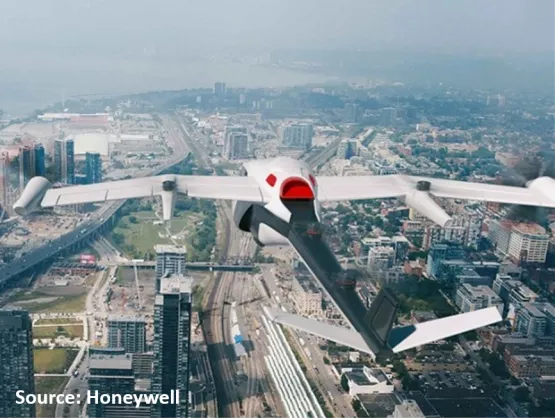
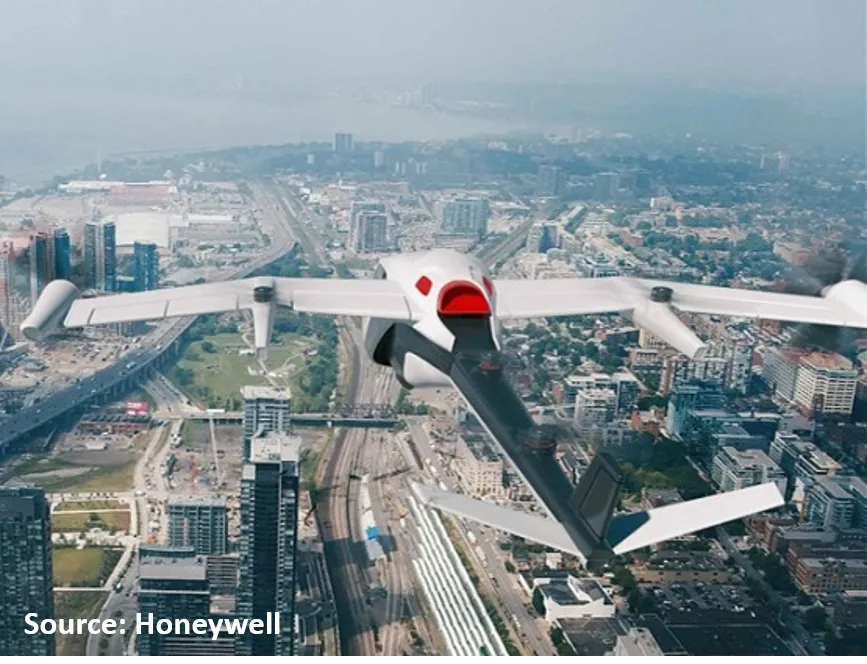
While flying cars have been a science fiction mainstay for decades, new sensors, software and other technology put personal air travel vehicles within reach. MEMS and Sensors Industry Group (MSIG) interviewed Dr. Alberto Speranzon, Fellow at Honeywell Aerospace Advanced Technology, about his upcoming keynote Sensors and Software Enabling Autonomy for Urban Air Mobility at the MEMS and Sensors Technical Congress (MSTC 2021) virtual event, April 13-15. Dr. Speranzon will discuss Honeywell’s challenges in enabling air taxis and the path forward to building out the necessary infrastructure. SEMI: People have dreamed of flying cars for decades. What has changed recently that makes them a near-term reality? Speranzon: There certainly are multiple factors that have contributed to pushing both new startups and established aerospace companies to make this dream a reality. Advances in battery technology are bringing electric aviation closer to being viable. There is still more to be done to achieve higher energy density in batteries, but already with today’s technology we can have vehicles that can fly from the suburbs to the downtown of a large U.S. city. At the same time, urbanization has created a lot of congestion, so finding new, efficient ways to move people and goods across megacities is becoming a critical need. Undeniably, the autonomous car industry has contributed to demonstrating that it is possible to achieve levels of automation and autonomy that were unimaginable just a few decades ago. The advances in sensing and computation required to make self-driving cars a reality is certainly going to help the aviation industry to develop autonomy in the air. SEMI: An air taxi must be highly sensorized. What types of sensors pose your biggest development challenge? Speranzon: Aircraft based on today’s battery systems simply cannot accommodate the size, power requirements and weight of sensors used by standard airliners. So there still is work to be done to reduce the SWaP (Size, Weight and Power) of these systems. Honeywell, for example, has developed a multipurpose radar, the IntuVue RDR-84K, that is only about the size of a paperback book. It can detect traffic, terrain and even weather, and was specially designed for air taxis and cargo UAS (unmanned aerial systems). Today, however, we still rely on human pilots to make the very complex decisions and, despite all the limitations that human eyes have, we do rely on them in a multitude of complex situations. There is also growing interest in integrating cameras into autonomous air taxis and similar platforms. Cameras can’t work alone, because they are affected by foggy, rainy and dim conditions. But they are lightweight, inexpensive, and require little power. That can make them very useful when combined with a compatible radar system like the RDR-84K. While these sensors bring new opportunities to the aerospace industry, they also pose some big challenges. For example, today’s state-of-the-art algorithms for image processing are machine learning algorithms called deep neural networks. They’re capable of extracting high-level information from pixels. But when it comes to aircraft certification, these algorithms face major hurdles. There is no software of this kind in any certified air vehicle, and it is unclear how regulators would certify neural network-based software components. Developers could avoid these new machine-learning algorithms and use standard computer vision methods instead. But they still face the challenge of deciding the type and quantities of images sufficient to declare the software “bug-free.” A similar set of questions will be also be true for radars, as they will be used to feed data more directly into the autonomy modules of future air taxis. So in the short term, we need to tackle the challenge of reducing the size and weight of sensors. But in parallel, we need to develop new ways to take advantage of machine learning: utilizing cameras and radars for autonomous decision making while still ensuring the highest standards of safety. SEMI: How is autonomous air mobility more or less challenging than autonomous ground vehicles? Speranzon: They are both challenging in their own ways. Autonomy on the ground – and I am thinking specifically of autonomous cars – is challenging as their “normal” behavior is very complex. We humans can drive from point A to point B over the public road network without a second thought. But to a machine, the heterogeneity of the people driving on the road, their sometimes unpredictable behavior, the changing weather conditions and shifting environments pose huge challenges. These things make what we call “normal driving” a very difficult problem to solve. At the same time, however, “off-nominal” scenarios in ground autonomy, while complex, are not orders of magnitude more complex than “nominal” scenarios. Ground vehicles can brake and stop, change lanes or move to the side of the road to avoid a crash or manage a malfunction. For autonomous air vehicles, the difference between nominal and off-nominal scenarios is more extreme. “Nominal” flying can rely on some of the existing aviation infrastructure, like communication between air traffic control and other aircraft. Air taxis can follow predefined paths and long-established aviation procedures as they move from vertiport A to vertiport B. This results in more automation than autonomy: everything is prescribed in advance and the onboard computer will follow what is pre-defined. Thus, nominal conditions will be fairly simple. However, in case of accidents or emergencies, aircraft face situations that are orders of magnitude more complex than nominal scenarios. An air vehicle cannot easily just “stop.” It could be 1,000-2,000 ft above ground, possibly above a bustling city. Human pilots go through rigorous training to be able to deal with emergencies like these. Consider the split-second judgments and airmanship behind the 2009 “miracle on the Hudson” landing. Asking autonomy to make the right decisions and execute emergency behaviors is a huge challenge. And these systems will need to be certified to the aviation industry’s very high standards. At present, we do not even have a well-established set of certification rules that an autonomous flying vehicle should comply with. SEMI: How soon might I be able to take an air taxi ride? Speranzon: Initial deployment of air taxis will happen around 2025. They will have human pilots but will use simpler interfaces than today’s cockpits. This first step will provide technologies that make it easier to take off and land, and to avoid traffic. That will reduce the need for highly experienced pilots and should help alleviate the overall shortage of pilots in the aviation industry. Fully autonomous air taxis are likely not going to show up until after 2030. In the beginning, they will likely fly only in regions where the weather is good most of the time. The autonomous car industry has already adopted this strategy, mostly deploying their technology in regions where the weather is dry and sunny. Soon, however, we’ll start seeing operations in “all-weather” scenarios and an increasing number of air vehicles within the same airspace. There is one critical stepping stone on the way to fully autonomous passenger aircraft: the success of fully autonomous cargo drones. For light parcels we will see initial deployments in 2022 or 2023, followed by larger UAS capable of transporting heaver cargo in 2024-2025. But whatever the timing, these are very exciting times. The aviation industry is witnessing a revolution with new vehicle manufacturers, new technologies and, likely, new applications we have not even dreamt of yet. Learn more about Honeywell’s work in urban air mobility and unmanned aircraft at aerospace.honeywell.com/uam. Alberto Speranzon is a Fellow within Honeywell Aerospace Advanced Technology. He received a Ph.D. in Electrical Engineering from the Royal Institute of Technology (KTH), Sweden in 2006. Since joining Honeywell, Alberto has been working on various aspects of autonomous systems for urban air mobility, leading such research areas as program manager and principal investigator. He is an IEEE Senior Member and a member of the Board of Governors of the IEEE Control Systems Society. Nishita Rao is product marketing manager at SEMI.
Read More
Connectivity. Electrification. Shared Mobility. Autonomous Driving. McKinsey Company cites these four disruptive trends behind future mobility — dynamics that could help to transform quality of life for hundreds of millions of people.McKinsey Company predicts that by 2030, mobility innovation could dynamically alter everything from safety in human locomotion to air quality, public spaces and power systems. Much the same way that tiny plankton in our oceans sustain aquatic animals, MEMS and sensors, while small, are crucial building blocks of integrated mobility.As partner at McKinsey Company, Andreas Breiter will explore this connection during his MSEC 2020 presentation, Future Mobility Enabled by Sensorization. SEMI recently caught up with Breiter to preview his October 7 talk at SEMI’s first virtual MEMS Sensors Executive Congress, October 6-8 and 13-15, 2020.Register now for MSEC 2020 and explore this topic with Breiter during the live Q A portion of his presentation.SEMI: You play a dual role at McKinsey Company, advising clients in advanced industries on capital investments and serving on the leadership team of the McKinsey Center for Future Mobility (MCFM). What is the relationship between them?Breiter: Mobility has become so much more than the auto sector. Today when we say future mobility, we’re talking about the convergence of many exciting developments influencing the ways that people and goods move around. Cars have become computers, and we now have to contemplate new frontiers, such as air taxis and electric vehicle infrastructure.Mobility is changing so quickly that it’s inspiring decision-makers from other market sectors to explore what implications it will have for them. We’re helping mining companies think about their haulers, retailers think about their footprints, and insurance companies plan for autonomous vehicles. The MCFM exists as a global think tank to focus on these frontier topics, helping to ensure we are ready for the future. During my MSEC presentation, I’ll explore how those future topics are influencing automotive mobility in the short- and long-term. The MCFM is even more forward-looking, so we’re just starting to build scenarios for what might come in 2040 and beyond.SEMI: How are changes in the mobility ecosystem affecting the automotive value chain?Breiter: In the past, the automotive value chain was clearly structured. We had sensor companies selling to Tier 1 suppliers, who would in turn sell to OEMs, who would sell directly to end customers.The value chain has grown more complex, however. In the future, we might see fleets of robotaxis, which will be owned by companies instead of by individual consumers. Already today, rideshare companies are game-changers because consumers can travel by car without owning one.Plus we see companies offer parts of the user experience such as user interfaces for automotive infotainment. In the past, everything in the car was branded by the OEM, but now we have third-party platforms that let us control some of our automotive infotainment options.SEMI: How are MEMS and sensors suppliers participating in this new value chain?Breiter: The pervasive use of sensors in cars has driven automotive OEMs and Tier 1 suppliers to work directly with suppliers, whose close involvement eases the complexity of integration. Just think about the sensors used in autonomous driving. Getting that right is safety-critical.We’re also seeing suppliers go beyond the individual component level to provide complete systems-level solutions. Advanced driver-assistance systems (ADAS) are a good example.SEMI: Automotive applications tends to have some of the longest design-to-delivery cycles in industry. Will this ever change?Breiter: The automotive product lifecycle was typically five-plus years, with a few years of development before that and continued service after the end of the lifecycle. That gives MEMS and sensors suppliers a 10+ year timeline on one model.With so much innovation taking place, this slow cycle won’t work forever. Over-the-air (OTA) updates, for example, enable new features when they become ready for deployment. I expect we’ll see OTA updates from many end manufacturers in coming years. SEMI: What changes do you foresee in ADAS and autonomous driving?Breiter: ADAS and autonomous features will become much more common. We’ve already witnessed this progression, with introductions first in premier models and later rolling out in more affordable vehicles. Lane-change assist and rear camera followed this path and are now pretty standard. Collision avoidance, as a safety-critical feature, is likely next in line for more widespread adoption.As for fully autonomous driving, consumers will accept that only when it becomes safer than a human driving a car.SEMI: Where is the greatest opportunity in the next five years?Breiter: Electrification of vehicles is number one. When it comes to engines, we’re moving from internal combustion to hybrid and then to electric. Since OEMs are adding sensors for the battery system, for battery management, and for electric motors, this progression represents growth opportunity for sensors suppliers – in particular for hybrid vehicles that contain both powertrain technologies.But that’s not all when it comes to sensors. Outside of powertrains, new sensors are added to enable a variety of functions, including, for example, ADAS and autonomy, as well as increased interior content, such as mood lighting.SEMI: Is there anything surprising coming, sensor-wise, in mobility?Breiter: To enable intelligent traffic systems, you need to make infrastructure smarter — which brings us to sensors. We’re going to see roads and other assets in infrastructure sense the state of traffic, sense what traffic participants are doing, and support connectivity between, for example, the infrastructure, vehicles on the ground, pedestrians on walkways and drones in the air.SEMI: What would you like MSEC attendees to take away from your presentation?Breiter: We’re living in a transformative era for the mobility industry. During the last 100 years of mobility, the ecosystem barely changed. In recent years, however, we’ve seen massive technological gains, largely enabled by semiconductors, MEMS and sensors. Instead of serving as just one of many suppliers, I’d encourage MSEC attendees to anticipate future mobility challenges so they can offer solutions to OEMs and Tier 1 suppliers accordingly.For more information, visit McKinsey Center for Future Mobility. MEMS Sensors Industry Group® (MSIG), a SEMI technology community that connects the MEMS and sensors supply network in established and emerging markets, enables members to grow and prosper. Visit us today.Andreas Breiter leads McKinsey’s capital-investment work for advanced industries in North America as well as its Center for Future Mobility on the West Coast. In his advisory work, Breiter serves a broad range of companies in the automotive sector, including car and truck manufacturers and their suppliers, as well as companies in the utilities and renewables space. He helps executives make strategic choices around product development and helps companies stay ahead of emerging trends, such as autonomous driving, connectivity, electric vehicles, and shared mobility.Andreas holds a Ph.D. in Operations Management and studied in Germany, France, the U.S. and Canada.Nishita Rao is product marketing manager at SEMI.
Read More
At the 1964 New York World’s Fair, Walt Disney and his team of Imagineers debuted Audio-Animatronics® in four attractions, Great Moments with Mr. Lincoln, General Electric Carousel of Progress, Ford Magic Skyway, and it’s a small world. As “a new type of animation” that Walt said was “so lifelike that you might find it hard to believe,” Audio-Animatronics captivated audiences, setting the stage for the technological innovation that would transform theme-park attractions for decades to come. While the Audio-Animatronics in classic Disney® attractions such as Enchanted Tiki Room and Pirates of the Caribbean® continue to delight park-goers, more modern attractions take full advantage of the miniaturized, sensitive enabling hardware components, software algorithms, and connectivity technologies that are available to today’s engineers.When Michael Tschanz, director of engineering technology and analysis, a segment within Disney Parks, Experiences and Products’ Global Engineering and Technology department, gives the opening keynote at MSEC 2020, SEMI’s first virtual MEMS Sensors Executive Congress (October 6-8 and 13-15, 2020), attendees will get a rare look inside the magic of select Walt Disney World attractions. Join MEMS Sensors Industry Group and SEMI on October 6 for Tschanz’s keynote presentation, Model-Based Design and Scientific Data Analytics of Disney Attractions — and experience video footage that you won’t see anywhere else. Register now for MSEC 2020.MEMS Sensors Industry Group® (MSIG), a SEMI technology community that connects the MEMS and sensors supply network in established and emerging markets, enables members to grow and prosper. Visit us today.In his role at Disney, Michael Tschanz leads a multidiscipline team which develops detailed mathematical and physics models for transportation, ride and animatronic systems, custom software and network applications, and robotics. The responsibilities for this team also include the development of optimization algorithms, servo controllers, interactive/immersive experiences, data analytics, and material process solutions. Michael’s rich and diverse background includes designs of numerous attractions at various Disney theme parks including: Test Track® Attraction; Mission: SPACE® Attraction; Toy Story Mania!® Attraction and the Expedition Everest® Attraction. Michael also designed all the velocity profiles at the worldwide locations of The Twilight Zone Tower of Terror™.Nishita Rao is product marketing manager at SEMI.
Read More
MEMS sensors have come a long way over the past few decades. The late 1990’s brought us the mass production of both MEMS accelerometers for automotive air bag crash sensors and MEMS gyros for rollover detection and anti-locking braking systems (ABS). In the early 2000’s, MEMS sensors made the jump from automotive to mobile and consumer electronics, first with a MEMS microphone in the wildly successful Motorola RAZR phone and then with a MEMS accelerometer in the first Nintendo Wii remote.Following this initial period of MEMS’ commercialization, the timetable for the mass proliferation of both MEMS and non-MEMS sensors accelerated dramatically. Just take Apple iPhone. Released in 2007, the first iPhone had one MEMS accelerometer and one proximity sensor. Released 10 years later, iPhone X included four MEMS microphones, a barometer, three-axis gyro, MEMS accelerometer and proximity sensor, an ambient light sensor and an infrared (IR) sensor, a magnetometer, and multiple image sensors. For perspective’s sake, well over two billion iPhones have been sold since 2007, making iPhone a major growth-driver in MEMS. According to Yole Développement[i] (Yole), MEMS will generate $10.9 billion in revenue in 2020 alone (non-MEMS sensor revenue will be even higher), spanning automotive, consumer and mobile, Internet of Things (IoT), medical and healthcare, aerospace, industrial and other markets.With so much growth behind us, what’s ahead? Jens Fabrowsky, executive vice president of Automotive Electronics at Robert Bosch GmbH, will share his insights on the future of MEMS during his MSEC 2020 keynote, The Next 10 Years of MEMS: An Outlook on Opportunities and Challenges. I recently spoke with Fabrowsky to preview his October 15 presentation at SEMI’s first virtual MEMS Sensors Executive Congress, October 6-8 and 13-15, 2020. Register now for MSEC 2020 and explore this topic with Fabrowsky by participating in the Q A segment of his presentation.SEMI: What are some of the primary challenges facing the MEMS industry?Fabrowsky: Development costs for new generations of MEMS sensors are increasing, leading to several major shifts. To compensate for rising development costs and reduce risk, MEMS sensors suppliers are pursuing wider, diverse markets instead of just targeting high-volume applications. At the same time, end-device manufacturers are demanding greater product differentiation, but they don’t want to pay a premium for it or wait for new hardware iterations. To stay competitive, sensor suppliers are providing software solutions that support new features and functionality. That approach is more cost-effective and speeds design-to-production cycles. SEMI: What factors are increasing development costs for new MEMS sensors, and what can companies do to mitigate their R D risk? Fabrowsky: As with most electronic components, MEMS’ costs are driven by development and capital expenditures. The increasing complexity of the content, especially in interface ASICs and software, makes MEMS development a multidisciplinary feat, requiring several competencies across multiple design centers to meet ever-demanding timelines.Manufacturing also plays a role. We often see dedicated manufacturing lines built for new MEMS products, which stresses both investments and capacity planning. Working together as an industry, we can reduce risk and costs by applying the same manufacturing process to more than one generation of product, which will speed time to market, increase volumes and improve ROI. SEMI: To what degree will the COVID-19 pandemic continue to affect sensors suppliers?Fabrowsky: MEMS manufacturing flows have been affected by disruptions in the supply chain. While the benefits of multiple sourcing and more direct ownership of the flow itself (on-shoring, vertical integration) have helped us, no one in the industry can claim they are out of danger, especially if a new wave of contagion occurs. Our industry relies heavily on just-in-time manufacturing and logistics, and we are all watching for influences that could alter flow. The pandemic has reminded us all that an important competitive advantage is a predictable, secure supply — which also comes at a cost that the end customer must value. SEMI: Why and how are traditional hardware companies like Robert Bosch differentiating their platforms for end-device manufacturers? Fabrowsky: On-shoring was already a trend before the pandemic. We’ve always believed in and are still investing in our own manufacturing facilities. That includes the 12-inch ASIC fab in Dresden, Germany, where we expect to manufacture future generations of power and control electronics to satisfy the growing appetite for silicon that vehicle electrification demands.We think that one of our biggest differentiators is that our portfolio includes more than just components: Close collaboration with our internal partner divisions gives us comprehensive system know-how across the automotive supply chain. On the consumer-electronics side, we have extensive partnerships with makers of application processors, wireless systems, and sensor processing software. With this expertise behind us, we can provide flexible system-integration options to our end customers — who also benefit from a mature supply chain that supports high volumes and field-tested quality.SEMI: What does customer demand for software solutions mean for sensor suppliers and how will suppliers evolve to meet this need? Fabrowsky: In some silicon product business units, the R D effort to develop software is higher than the effort to design the hardware! Software is not only what’s needed on the application layer. It also runs the interface to the processors – the drivers. In addition, increasingly complex testing software ensures high yield and minimizes defects. On the application layer, we are increasingly using and promoting open-source platforms to encourage better collaboration throughout the ecosystem. In contrast, companies that charge fees to access their own proprietary software environments are missing the opportunity to remain competitive in the long run. SEMI: Why are end-device manufacturers looking for plug-and-play solutions instead of standalone devices? Fabrowsky: Consumers of electronic devices always want products with more features and lower prices. Their requirements produce a trickle-down effect that reaches all the way to component suppliers such as ourselves. This requires us to manage a healthy innovation pipeline, and to choose products and technologies that promise growth and high volumes. This isn’t always simple, however, and many times the component itself is not enough. Think of our Light Drive projector for Bosch Smartglasses. The only way we can hope to win designs in this market is by realizing a fully integrated module, with our own scanning mirrors and driver chips, as well as our integration of laser modules and the display system. This lets us offer an individually tested and calibrated end product ready for assembly.SEMI: What would you like MSEC 2020 attendees to take away from your presentation?Fabrowsky: We’ll be looking at what’s driving the next decade of MEMS applications. For example, the embedded computing inside the sensors, together with enhancements in integration, materials and packaging, will increase the pervasiveness of MEMS sensors and actuators as touchpoints between electronics and the physical world. This will create a new form of intimacy between us and the machines, which we call Artificial Empathy.To learn more about Bosch Smartglasses Light Drive and other MEMS advancements, register now for MSEC 2020.Robert Bosch GmbH is a longtime member of MEMS Sensors Industry Group® (MSIG), a SEMI technology community that connects the MEMS and sensors supply network in established and emerging markets, enabling members to grow and prosper. Visit us today.Jens Fabrowsky began his more than 20-year career at Bosch Group as department head responsible for hydraulic units in the Blaichach plant, Germany Chassis Systems division, in 1999. He soon moved onto technical plant manager and later to plant manager within the company’s Germany Gasoline systems division. He has held the role of executive vice president, Automotive Electronics at Robert Bosch GmbH, since April 2012. Fabrowsky studied mechanical engineering and industrial engineering at the University of Stuttgart (Germany) and the Technical University of Munich (Germany). [i] Status of the MEMS Industry report, Yole Développement, 2020.Nishita Rao is product marketing manager at SEMI.
Read More
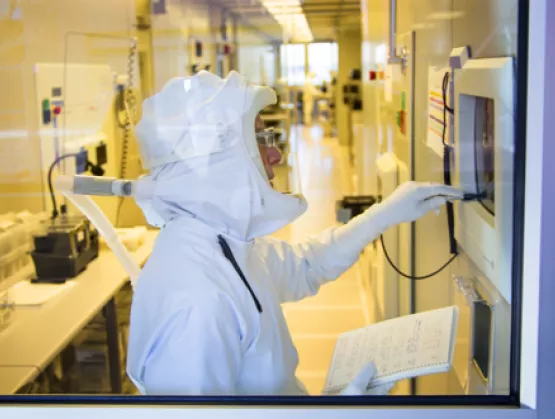
As the world confronts the health crisis of a generation in the form of the fast-spreading coronavirus, the microelectronics industry remains firmly in the spotlight. Aware of the central role they play in the fight against the COVID-19 pandemic, a growing number of companies are joining efforts to combat the virus by developing technologies for coronavirus detection, contact tracing and predicting its spread.SkyWater Technology, a U.S.-based foundry and prestigious member of SEMI-Fab Owners Alliance, is on the front lines in supplying an essential microfluidic MEMS component used in COVID-19 testing and research to identify mutations of the virus. This component is instrumental for the sequencing kit in the DNBSEQ-T7 system, an ultra-high-throughput sequencing system manufactured by MGI, a subsidiary of global genomics leader BGI Group.SEMI had the pleasure to catch up with Thomas Sonderman, president of SkyWater Technology, to talk about the company’s valuable contribution to the detection of COVID-19. He also gave us a peek into its business continuity plan and the safety measures it is taking to resiliently run a 24/7 chip-making operation amid these unprecedented times.SEMI: Tell us about SkyWater's contribution to the detection of COVID-19 and your partnership with MGI?Sonderman: SkyWater has been working with genomics sequencing leader MGI for several years to supply a critical component used in MGI's DNBSEQ-T7, an ultra-high-throughput sequencing system. The component we supply to MGI is a microfluidic MEMS device that uses microscopic channels to help perform very small-scale chemical reactions in the genetic sequencing platform. MGI's DNBSEQ-T7 identifies and monitors possible mutations of viruses, which is important for epidemiologists when tracking how viral illnesses such as COVID-19 spread through human populations.MGI’s sequencing system is used in parallel with its sister company BGI Genomics’ RT-PCR test kit, which is typically used more broadly as an initial screening agent due to its ability to return virus detection results within a matter of hours. Sequencing with the DNBSEQ-T7 can be used to confirm results of the RT-PCR tests that have indicated positive for the presence of the virus and then to perform a full DNA sequence of these positive specimens, which can help track mutations in the virus.DNBSEQ-T7 is important in the fight against COVID-19 as it tracks how the virus changes and enables scientists to look at its genetic sequence like a fingerprint at a crime scene. Their focus is on finding sudden changes in the sequence over time — a mutation. When they analyze available genomes from infected patients in several countries, they can see if inevitable virus mutations are causing associated illnesses that may have different incubation periods, contagiousness or deadliness – all critical dynamics that must be tracked by public health officials during an outbreak such as this.SEMI: What was the path that brought your company to the forefront of this testing?Sonderman: MGI’s DNBSEQ-T7 sequencing system and BGI’s RT-PCR rapid testing kit were among the first officially approved products by the National Medical Products Administration (NMPA – essentially China’s version of the FDA) – to fight the outbreak. MGI’s manufacturing plant, based in Wuhan, was able to fast-track its response, producing and delivering test kits very quickly to many hospitals and disease control centers in Wuhan and other cities in China.As concerns continue to rise about COVID-19 and we strive to flatten the curve, the pressure is on to enable even faster, more accessible testing. On March 27th, BGI’s RT-PCR virus detection test received FDA Emergency Use Authorization (EUA) for use in the U.S. The test works in just three hours. MGI’s DNBSEQ™ T7 sequencers are being used in China and other countries now and will be available in the U.S. starting in Q3. Products from BGI/MGI and affiliates are currently being distributed to more than 70 countries and regions worldwide to assist the global efforts in fighting the pandemic.SkyWater is certified to the ISO 13485 Quality Standard for Medical Devices to support the design, development and fabrication of DNA sequencing and other biochip applications in a wide range of emerging biomedical market segments. This allows us to provide this type of cutting-edge technology solution that is making an important contribution to coronavirus detection.SEMI: Given the challenges COVID-19 has placed on workforce and supply chain, what steps are being taken by your company to mitigate disruptions? Sonderman: SkyWater has been identified as Essential Critical Infrastructure per the U.S. Dept. of Homeland Security in several categories including Healthcare/Public Health Sector, Defense Industrial Base Sector, Information Technology Sector, and Critical Manufacturing Sector. To maintain continuity of operations, we contacted our close market partners as we need their support to continue supply of their starting and manufacturing support materials necessary for us to maintain operations. We asked these organizations to make every reasonable effort to fulfill our order requirements while also following recommended protective measures and are actively monitoring these relationships for possible developments that could be disruptive. By means of their partnership with us, these suppliers, too, are a part of the Essential Critical Infrastructure. Currently, there has been no change in wafer operations or fab utilization during this time of COVID-19.In addition to our sustained operations, our fab expansion is well underway as construction continues. The over 60,000-square-foot facility expansion adds clean room area and infrastructure to support the Department of Defense’s investment in SkyWater to broaden our production capabilities for Strategic Rad-Hard electronics and other complementary technologies. A fab technician in SkyWater’s SkyTech Center, an expansion of its operations to enhance advanced processing capabilities at its U.S.-based and U.S.-owned manufacturing facility. SEMI: What advice would you give to other companies seeking to keep their operations running amid COVID-19?Sonderman: First and foremost, creating a Pandemic Response Team (PRT) was critical for us in planning how to operate and communicate during this crisis. Our PRT updates our leadership team multiple times per week to enact procedures and ensure alignment throughout the organization. We follow CDC alerts and other local, state, and federal government guidelines on how to deal with home and work environments while communicating with all company stakeholders. This is important in providing reassurance of the company’s continued business and details on any potential change in operations.Increasing the frequency of communication with the organization’s supply chain to anticipate any disruptions in service is vital. Also, keeping in contact with customers is imperative to take the pulse of their continued operations during COVID-19. We recommend being flexible and pursuing new paradigms in getting business accomplished, such as telecommuting. In addition, if a company is deemed an essential business, we suggest drafting a letter in advance for employees should they need to prove why they are in transit (to and from work) if transportation becomes severely limited and monitored.Communicating with employees on how operations are changing is crucial. Ensure there is an intranet site that employees can access remotely via laptops or mobile devices that allows for ongoing updates and a way to communicate to all employees as things continue to evolve.We also put several safety measures in place, including: A screening process was set up to take the temperature of everyone entering the building. Site access is restricted for vendors, contractors, customers and other visitors as a default policy. Employee travel is restricted. All employees who can do their jobs from home can stay home. For essential on-site workers, we allow flexible schedules so people can move shifts if needed. Shifts have been staggered so people are not congested at lockers, gowning areas and other places. Physical distancing is required everywhere inside and outside the building. Video conferencing is being used even for participants inside the building. The number of people allowed in conference rooms is limited to comply with physical distancing; some chairs were removed and maximum occupancy signs were posted. Hand-sanitizing stations have been set up. We are providing employees access to masks, gloves and cleaning wipes. Safety measures are posted around the building and cleaning frequency of hard surfaces has been ramped significantly. These safety measures are among several other modifications we’ve made to daily operating procedures. SEMI: Please share some examples of how the SEMI Fab Owners Alliance (FOA) has helped support your business?Sonderman: Our Pandemic Response Team has leveraged the FOA recently by participating in its webinars on COVID-19 to ensure we are using industry best practices. We also use FOA surveys to provide and request information pertaining to COVID-19 practices.We have implemented building entrance protocols (i.e. temperature scanning, restricting access for non-employees) and expanded building cleaning procedures, including increasing the cleaning frequency of specific high-touch items. We have adjusted shift start times to minimize the number of personnel in the change room at the same time and we store each fab worker’s hood in the sleeve of the suit. These last two items resulted from a conversation with another FOA member.Outside of the pandemic, we have leveraged the FOA by participating in its industry-wide maintenance best practices and learning group that meets monthly on maintenance needs, issues and concerns within the industry. This allows us to learn from each other within the semiconductor industry. We have also leveraged this group in sourcing parts and/or parts sharing on tools no longer supported by OEMs.We greatly value the type of cross-organizational sharing and learning the FOA facilitates. It has been beneficial in a number of ways over the years. At this time, the FOA is especially useful when best practices are crucial to enable us and our peers to minimize disruptions, operate with the utmost safety, and quickly adapt to this new environment.SkyWater is a member of the SEMI Fab Owners Alliance, an international group of semiconductor and MEMS fab managers and industry suppliers that meets regularly to solve common non-competitive manufacturing issues and improve their business results. Nishita Rao is a product marketing manager at SEMI.
Read More
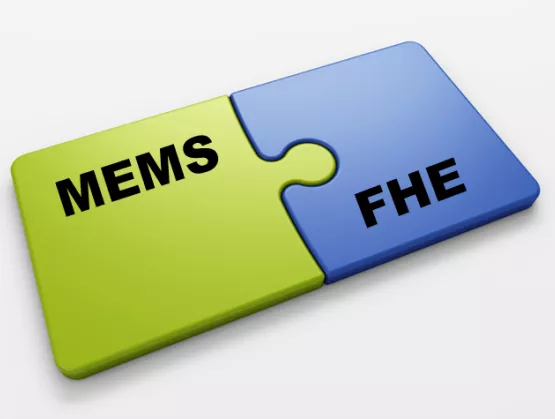
MEMS technology has changed human interaction with electronic devices. Introduced in the 1990s, the first mass-market MEMS devices were used for inkjet printheads and automotive airbag crash sensors. Today, MEMS are ubiquitous, with billions of the tiny devices adding intelligence and interactivity to smartphones, smart speakers, wearables, automobiles, biomedical devices, remote monitoring and event detection systems, and countless other applications. Integrating MEMS with Flexible Hybrid Electronics (FHE) is an important step in the evolution of this miniaturized intelligent sensing technology, paving the way for its use in new classes of flexible, conformal devices.The integration of the two technologies promises to breed new applications in small form factors but also presents challenges inherent to FHE design and fabrication processes. SEMI’s Nishita Rao caught up with Nathan Pretorius, prototyping and automation engineer, NextFlex, to discuss MEMS-FHE device integration challenges and opportunities ahead of his February 26 presentation, Integrating MEMS Devices in FHE, at FLEX|MEMS Sensors Technical Congress (MSTC) 2020, February 24-27, 2020, at the DoubleTree by Hilton in San Jose, California.Join us at FLEX|MSTC to meet Nathan and other industry influencers advancing innovation in FHE and MEMS sensors. Register now to connect with him at FLEX|MSTC or visit him on LinkedIn.SEMI: Why is integrating MEMS devices into FHE systems important? What new use cases might it enable?Pretorius: The main value proposition of integrating MEMS devices into FHE is that it allows MEMS devices to exist in a different form factor than was possible previously, giving us high-quality MEMS sensors on the flexible and conformable platform of FHE.Ease of application, flexibility, lower cost and rapid iteration on a design are just some of the benefits of FHE devices. And because there are few robust FHE sensors that overlap with MEMS’ capabilities, when you combine the two, you get a lot of compelling uses. That’s why NextFlex is working with agencies and companies to evaluate MEMS’ integration, including using bare MEMS die with microfluidics and promoting new ways of attaching and packaging MEMS die for use with FHE. SEMI: Why is FHE an ideal platform for integrating various types of sensors?Pretorius: MEMS integrated with FHE devices are ideal for rapid design and deployment of data-gathering sensor nodes — which we can iterate for specific applications. A few examples include on-body health monitoring devices for bio-fluids analysis, medical pressure sensors for monitoring blood pressure, and peel-and-stick sensors nodes for infrastructure monitoring. In terms of design and production, FHE devices support rapid prototyping, allowing for instantaneous design-iteration cycles. This speeds design-to-production over traditional rigid PCBs and copper flex because the feedback cycle time between design, manufacturing and testing is shorter, accelerating time to market. What’s exciting about FHE technology is that a variety of sensors or components, including MEMS, can be designed into the base system to easily customize it for a specific application. In addition, our experience shows that when compared to a traditional rigid PCB, an FHE board reduces manufacturing steps and device weight by two-thirds and, perhaps most importantly, converts the device to a thin, conformal shape that makes possible products in new form factors. SEMI: What are the primary challenges to integrating MEMS with FHE? What is NextFlex doing to help device manufacturers address these challenges? Pretorius: There are a few challenges, some of which are device-specific. Most recently, I’ve been focusing on inertial and timing devices, including accelerometers, gyroscopes and resonators. There are a few technical challenges involved in the process of getting the devices from the wafer to an FHE substrate. The wafer processing is very important, especially the dicing and thinning steps. After thinning and dicing, the die is placed onto the FHE substrate. The stresses caused by bonding to the substrate have to be understood and characterized. After placing the die, you then have a calibration step, which is normally performed after the device is packaged. With a MEMS die placed onto directly onto an FHE substrate, calibration then must be done.Finally, the device encapsulation is important, since on an FHE substrate the hard-to-soft material transition is very important to mitigate stresses to rigid component interfaces. We have also been looking at how to work with devices that have damping vents. Flexible encapsulants are inherently more permeable to gases and water vapor than hard encapsulants, so studying the encapsulation of MEMS devices on FHE is another area of interest. NextFlex has been working in a supporting role to evaluate best design practices and best attach and integration methods. In addition to our ongoing collaborative programs, NextFlex is developing the FHE manufacturing ecosystem to include system and component manufacturers and designers, product developers, and materials and equipment providers.SEMI: How do we facilitate closer collaboration between the FHE manufacturing ecosystem and MEMS suppliers such as MEMS device manufacturers, product developers, and materials and equipment providers?Pretorius: It’s important to include manufacturers early in the design process so we can identify challenges up front. That’s why NextFlex spearheads technology road-mapping efforts that include representatives from across the manufacturing ecosystem. We use the roadmaps to prioritize challenges that we can address effectively through collaboration, focusing the industry on solving problems through Project Calls that reveal integration challenges and results from real devices and that tell us how the materials and equipment actually perform with a real device.NextFlex keeps the information flowing, holding quarterly project update webinars to share results. As current devices are optimized for the process in which they will be used, we learn a lot from the project performers who make FHE system demonstrators — and we share that information with the member community. SEMI: Can you point to an example of a successful MEMS-FHE device integration?Pretorius: MEMS-FHE integration is still in the early stages, but we are working on several projects including a DARPA Seedling project for which we have integrated MEMS sensors into FHE systems for testing and evaluation. We plan to continue this work by integrating MEMS and FHE devices using methods that support mass production.SEMI: What would you like FLEX|MSTC attendees to take away from your presentation?Pretorius: We would like to see the FHE community work more closely with MEMS device manufacturers. For example, NextFlex often works with manufacturers to gain access to bare die, which is still a significant hurdle in making devices.The best way to speed things along is to get involved. We encourage FLEX|MSTC attendees to join NextFlex. As a prototyping and automation engineer at NextFlex, Nathan Pretorius explores new print methods for prototyping and automation using novel materials and processes. Pretorius currently focuses on how best to apply software scripting and machine learning to streamline FHE processes. Prior to joining NextFlex, he researched the strengths of roll to roll and screen printing on printed electronics designs, including capacitive touch interfaces, FHE passive component design, and antennas. Nathan holds a Bachelor of Science degree in Graphic Communications from Clemson University. FLEX|MSTC is organized MEMS Sensors Industry Group (MSIG) and FlexTech, SEMI technology communities focused on the growth of MEMS sensors and the flexible electronics supply chain, respectively.Nishita Rao is marketing manager for technology communities at SEMI.
Read More
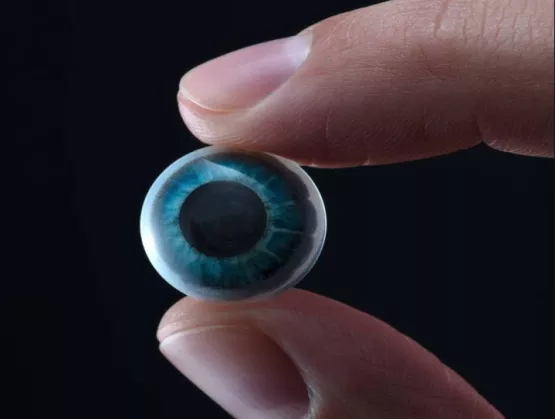
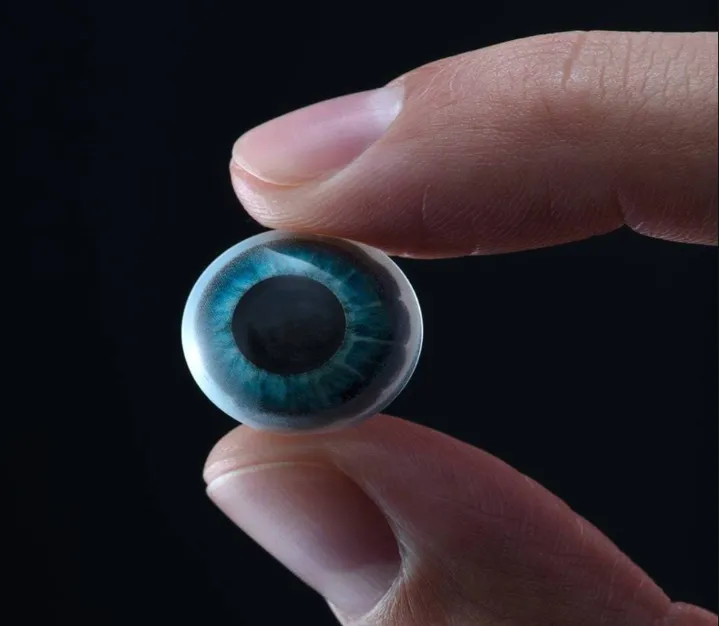
Today’s mobile devices are smaller, more power-efficient, and have more capability than we could have imagined just a decade ago. Offering ever-increasing levels of user functionality, mobile devices are now ubiquitous, and are rapidly becoming the primary mechanisms through which we interact with the digital world, our physical environment, and one another. An unintended side effect of our dependence on the current crop of mobile devices is that they are driving us to distraction.A major industry dynamic will shake things up for the better. Sensors are getting smaller and more efficient, and they’re offering attractive new functionality, giving us the ability to monitor our air and water quality, assess potential toxins in our food sources, and analyze personal health conditions, to name a few use cases. At the same time, the realization of flexible hybrid electronics (FHE) through new materials and production processes, better integration with other electronic components, more efficient energy production and consumption, and pervasive wireless connectivity are fueling the next generation of devices and experiences. What can we expect from tomorrow’s mobile devices — and how can we manage them, instead of having them manage us?SEMI’s Nishita Rao caught up with Mike Wiemer, Ph.D., VP of Engineering, CTO and co-founder, Mojo Vision, to preview his February 25 keynote, The Art of the Possible, at FLEX|MEMS Sensors Technical Congress (MSTC) 2020, February 24-27 at the DoubleTree by Hilton in San Jose, California.Join us at FLEX|MSTC to meet Mike and other industry influencers advancing innovation in FHE and MEMS sensors. Register now to connect with him at FLEX|MSTC or visit him on LinkedIn.SEMI: Mojo Vision has conducted its own research on human interaction with mobile devices. Why is this important?Wiemer: Our mobile devices have given us access to the information we need and want, improving many aspects of our lives. But our devices have also influenced our relationships and attention to our environment in negative ways. We believe that the next mobile computing platform must improve this situation. Instead of pulling us away from the moment, our devices need to embrace more human-centric engagement while still letting us access information that improves our quality of life. Mojo Vision has worked to understand this problem through our own studies and research so we can better develop an approach to address it. SEMI: How are key technical trends driving size, efficiency and capability advancements in mobile devices?Wiemer: Tiny low-power sensors are enabling ever-smaller feature-rich mobile devices that run longer on a battery charge. Smartwatches are a good example. Just a few years ago, smartwatches were not that much more than small screens on our wrists. Today, we have GPS, EKG/health monitoring, and cellular wireless interfaces all inside the same form factor.As this trend continues, we at Mojo Vision predict that our devices will continue to shrink and become even more personal: They’ll be more continuously worn and matched to our own needs and behaviors. This trend towards invisible personal devices is something we’re trying to accomplish with our solutions at Mojo Vision.SEMI: What is Mojo Vision’s concept of “Invisible Computing?” Wiemer: Our vision of Invisible Computing is based on the idea that our wearable devices should be invisible to those around us, encouraging more human interactions. These wearables should be invisible and unobtrusive to users themselves. Our Mojo Lens, which contains a full display and sensors housed inside a contact lens platform, exemplifies this vision. Using proprietary microelectronics and the world’s densest microdisplay to layer digital images and information seamlessly, Mojo Lens is redefining augmented reality. Our mobile devices today continue to increase the quantity and magnitude of interruptions. We think that shouldn’t happen. As a socially invisible device that delivers contextual, relevant content, the Mojo Lens lets us go about our daily lives, naturally interacting with other people while simultaneously enjoying the benefits of augmented reality. We think Invisible Computing can change our relationship with our devices, as well as seemingly give us superpowers. For more information, download the Mojo Vision report, Device Distraction: Understanding the Problem, Re-Thinking the Solution.SEMI: Can you tell us more about Mojo Lens?Wiemer: At its foundation, Mojo Lens is a nanoLED display, radio and sensor platform, integrated using flex technologies, and placed on your eye to provide important information. Mojo Lens can elevate or suppress this information to decrease reliance on your other devices.Unlike your smartwatch or smartphone, which react to you in a binary manner because they don’t have enough information to make autonomous decisions, Mojo Lens understands the context of your experience. That’s because it’s based on our Invisible Computing platform, which can understand your activity. Mojo Lens recognizes if you’re engaged in a conversation, driving or having a coffee, and it reacts with information accordingly.Mojo Lens could act like a real-time interpreter, for example. When someone speaks to me in a language I don’t understand, I should see “subtitles.” Or if I’m having a conversation with someone, Mojo Lens wouldn’t interrupt me with a notification at that moment. For the 92% of Americans who are interrupted by their devices during conversations every day, this prioritization can boost productivity. More importantly, it can improve the quality of our connections with the people around us.Mojo Vision’s microLED platform offers a world-record pixel pitch of over 14,000ppi and pixel density of over 200Mppi², making it the smallest, densest display for dynamic — or moving — content. SEMI: What would you like FLEX|MSTC attendees to take away from your presentation?Wiemer: It feels like the speed at which people are defining important problems and tackling them is increasing every year. And there are so many important problems to solve: space travel, autonomous driving, electric vehicles, alternative energy, quantum computing, lifespan extension, increased food production, brain-computer interfaces, AR/VR. All these problems seem impossible and “crazy,” until some group of people comes along to put a framework in place that can address them. Interestingly, these frameworks aren’t necessarily new. Rather, they build upon existing technologies and capabilities.MEMS sensors and FHE are good examples. From smart textiles, flexible displays and biological sensors to miniature radars, MEMS sensors and FHE technologies are essential building blocks. Many of the big problems we can imagine today will be solved by stacking today’s MEMs and FHE technologies in imaginative new ways. So what do we do next? I’d like to encourage FLEX|MSTC attendees to first define the problem to solve and then define the technology — rather than starting with the technology solution. Mike Weimer is a serial entrepreneur and proven science and technology leader in complex systems development and integration. Before co-founding Mojo Vision as CTO, Weimer co-founded and served as president at Solar Junction, a high-efficiency solar cell company (acquired) where he and his team set two world records for the highest-efficiency solar cells ever made by humans.After Solar Junction, Wiemer joined New Enterprise Associates (NEA) as an Entrepreneur in Residence where he sourced new investments and helped portfolio companies to develop their business and funding strategies. He is a board director at Stratio Corporation and an advisor at Stanford’s StartX Accelerator. He holds a B.S., M.S., and Ph.D. in Electrical Engineering from Stanford University.For more information, visit Mojo Vision.Interested in engaging with the MEMS sensors supply chain? MEMS Sensors Industry Group is a SEMI technology community that enables professionals in the MEMS and sensors industry to accelerate business results by addressing common challenges and opportunities.Nishita Rao is marketing manager for technology communities at SEMI.
Read More
Sandia National Laboratories just finished updating equipment in its microelectronics fab, marking the completion of the first phase of a 3-year fab upgrade program. The transition from 6-inch to 8-inch wafer sizes will align the Department of Energy national lab with industry standards to ensure easier access to tools, spare parts and raw materials.Sandia is a prestigious member of the SEMI Fab Owners Alliance (SEMI FOA), an international group of semiconductor and MEMS fab managers and industry suppliers that meet regularly to solve common non-competitive manufacturing issues and improve their business results. SEMI spoke with Michael Holmes, senior manager of microfabrication at Sandia, about its approach to revitalizing the fab while developing new production processes and technologies.SEMI: What were the main challenges in moving into production with 8-inch wafers?Holmes: The goal of the conversion is to reestablish our 6-inch production processes on 8-inch wafers including our radiation hardened 350nm CMOS and MEMS technologies. This requires tuning hundreds of interrelated parameters to get the same end result as before but with different equipment and at a larger scale. In addition, during the conversion we are developing a new 180nm radiation hardened CMOS production process and re-establishing research work on 8” in our silicon photonics and ion trap technologies. Modifications to the facility have also been required including raising the ceiling to install the new implanter and relocating our gowning area to facilitate installation of new CMP tools. In addition to converting our Silicon fabrication facility, we are also converting select equipment in our compound semiconductor facility. We are one large team working toward these goals.SEMI: Were there any roadblocks in sustaining production of the 6-inch wafers while planning and implementing processes for the upgrade to 8-inch?Holmes: Six years of planning ensured the conversion would not affect production of components needed for national defense. This planning window was required to ensure production commitments were completed in advance of conversion start in August of 2018 and return to production for commitments starting in July 2021. This period provides time to complete the hardware conversion and steps review and requalify the production line to ensure products made using the new equipment are identical to ones produced by the old equipment. The hardware conversion phase completed on schedule and the fabrication of prototype and research components on 8-inch started in November of 2018.SEMI: Can you shed some light on the development of gold antennas that promise to improve the thermal infrared radiation capabilities in systems?Holmes: Sandia developed a new infrared detector design that breaks away from relying on thick layers of detector material and instead uses a subwavelength nanoantenna – a patterned array of gold square or cross shapes – to concentrate light on a thinner layer of material. This design uses just a fraction of a micron of detector material, whereas traditional thermal infrared detectors have a thickness of 5 to 10 microns. The nanoantenna-enhanced design increases the amount of an infrared radiation a detector can see while also reducing image distortion caused by background noise. It also allows for the invention of new detector concepts.SEMI: Sandia is known for producing high-reliability components. Several SEMI FOA members have customers in the automotive domain, where reliability is critical. Do you have any advice for them on their path to high-reliability, zero-defect systems?Holmes: High-reliability microdevices at Sandia’s MESA facility are paramount. A structured quality program is rigorously realized in each facet of the production process. Our processes and design rules are constructed around reliability, and we extensively leverage in-line metrology and electrical test to validate devices throughout production. SEMI: Are there any examples of how the FOA peer-to-peer dialogue and knowledge sharing helped in your upgrade from 6-inch to 8-inch?Holmes: Sandia is new to the FOA. Our initial interactions have been very valuable, and members have shared insights into metrics and process improvements that will benefit MESA moving forward. Relative to the 6-inch to 8-inch conversion, as part of our planning process, we did engage other foundries within the FOA to solicit feedback and lessons learned.The mission of the Fab Owners Alliance is to provide value to the fab management and operations community through collaborative platforms for device makers and solution providers.Nishita Rao is marketing manager for technology communities at SEMI.

Read More