downloadGroupGroupnoun_press release_995423_000000 copyGroupnoun_Feed_96767_000000Group 19noun_pictures_1817522_000000Member company iconResource item iconStore item iconGroup 19Group 19noun_Photo_2085192_000000 Copynoun_presentation_2096081_000000Group 19Group Copy 7noun_webinar_692730_000000Path
Skip to main content
Default Banner Image

semiconductors

As the volume of regulations grows across all levels of government, both in the U.S. and abroad, the semiconductor industry is increasingly struggling to keep up with its reporting obligations. Potential consequences include shipments delayed by customs, existing stocks of materials, parts, and components unexpectedly being made obsolete, and disruptions to multiple tiers of the supply chain that persist over time.To minimize the burden of numerous, varied reporting expectations, the SEMI PFAS Transparency Working Group, led by Intel and Tokyo Electron, is working to:Enable standardized communication on the presence of Per- and polyfluoroalkyl substances (PFAS) in chemical formulations, materials, tools, parts, and fab infrastructure to minimize the burden of varied reporting expectations;Enable traceability; andProtect confidential business information. While the initial focus of the effort is on PFAS, the intent of the group is for the methodology to be applicable to other substance reporting requirements.The group will be holding a working session at SEMICON West in Phoenix, Arizona on Wednesday, October 8 from 10:30 a.m.-12:00 noon at the North Building, 200 Level, Room 229A of the Phoenix Convention Center. All segments of the semiconductor manufacturing supply chain are invited to join the meeting and contribute to this critical effort. This session is intended for individuals involved in: Data management and reportingSupply chain managementMajor business continuity planning and crisis managementRisk assessment and mitigationEHS/regulatory complianceSub-supply chain visibility challengesThe PFAS transparency effort will also be introduced during the SEMI EHS Summit and SEMI Global Standards Summit, both scheduled on Tuesday, October 7.For additional resources, download the PFAS Explainer or SEMI PFAS Position Paper. Contact [email protected] for questions or more information about the working group session.James Amano is Senior Director of EHS at SEMI.
Read More
This year, the Women in Semiconductor (WiS) program takes a huge step growing nationally — hosting events in New York, Michigan, Ohio, California, and Arizona. Managed by the SEMI Foundation, the WiS program aims to highlight women’s contributions and leadership in the semiconductor sector and actively address the gender gap to support inclusive workplaces.Over the years, WiS has shifted from an abstract discussion to actionable strategies—focusing on skills like negotiation, strategic decision-making, storytelling, and career advancement. WiS also promotes allyship, inviting and including men to participate as advocates and supporters of women in the industry.Building on the program’s strong momentum, this year highlights the initiative’s growth and impact through expansion across multiple regions – focusing on the theme “Empowerment in Action: Real Strategies for Women’s Success” dedicated toward impactful, actionable programming.The first 2025 WiS program was held in Albany, NY, in conjunction with ASMC on May 8. New WiS programs are scheduled in the following locations:Ann Arbor, Michigan on September 16, 2025Willoughby, Ohio (date to be announced)San Jose, CA on November 20, 2025Phoenix, Arizona on December 11, 2025The WiS is supported by grants from the Kellogg Foundation and the David Lucile Packard Foundation. The programming is also aligned with SEMI Foundation’s Chips Childcare program, which supports childcare-access solutions to strengthen workforce participation—particularly for parents and caregivers. Learn more in our blog: Affordable, Accessible, and Quality Childcare: A Critical Workforce Development Strategy for the Semiconductor Industry.The WiS initiative has evolved into a powerful platform that blends strategic programming, mentorship, allyship, regionally accessible events, and support systems like childcare advocacy. It’s an inspiring example of how consistent focus and innovation can build meaningful change over nearly a decade. If you’re interested in getting involved, contact Bia Hamed at [email protected]. Bia Hamed, Ph.D., is Program Manager for Global Education Initiatives at the SEMI Foundation, focusing on educational programming that supports workforce pipeline building nationally and internationally.
Read More
The semiconductor industry faces an unprecedented paradox: AI demand is booming, fab investments are rising, yet wafer shipments remain stubbornly flat. What's driving this disconnect, and when will it break?As of mid-2025, the global silicon wafer market appears calm on the surface, but underlying structural tensions are quietly mounting. The demand for AI semiconductors remains resilient, and certain high-value supply chains continue to operate near capacity. Yet wafer shipments have shown little sign of meaningful recovery—a divergence that raises questions about the conventional supply-demand playbook.SEMI's latest Silicon Wafer Market Monitor Report begins with a structural hypothesis: that the current market dynamics cannot be explained solely by weak demand or delayed orders. Instead, we propose that the demand pattern of fab operations itself has fundamentally changed.The Hidden Constraint: Time ExtensionOne critical metric has emerged as a structural bottleneck—fab cycle time, or the average duration for a wafer to complete its full process flow. Our quantitative analysis reveals that since 2020, fab cycle times have grown at a compound annual growth rate of 14.8%. This represents a fundamental deceleration in fab throughput, meaning that even with the same number of tools and consistent utilization rates, the volume of wafers that can be processed is now structurally constrained.Why is this happening? Rising process complexity, increased equipment density, and tighter quality control requirements are absorbing more capital per wafer while paradoxically slowing production. Equipment spending per wafer area has surged over 150% since 2020, yet this investment translates into longer processing times rather than higher throughput.The High Bandwidth Memory (HBM) Economic ThresholdSimultaneously, the market is approaching a new inflection point driven by the rapid rise of HBM. HBM wafers consume over three times more wafer area per bit compared to standard DRAM, creating potentially significant wafer demand. However, HBM currently accounts for just 16% of total memory revenue—still below a critical economic threshold.Our analysis identifies that when HBM reaches 25% of total memory revenue, the trade ratio rises to 1.5. This is the structural breakeven point where CapEx per wafer for HBM-dedicated lines aligns with standard DRAM economics. At this threshold, memory makers gain clear incentives to expand wafer input, and customers become more willing to pay premium prices.The Quantitative FrameworkInstead of relying on conventional forecasts, we model the interaction of four critical variables—HBM penetration, DRAM bit growth, fab utilization, and cycle time—using a quantitative simulation framework. Under current conditions (16% HBM revenue share, 15% annual bit growth, 95% fab utilization, and 14.8% cycle time increase), wafer input would need to increase by 23.9% annually to meet projected demand.Yet no fab is scaling wafer input to that extent today. This suggests the market isn't demand-constrained but operating within a conditionally responsive system—one that won't activate until key thresholds align.Beyond Economics: Technical and Operational ReadinessThe slow pace of HBM expansion isn't solely about investment timing. Technical constraints including low yields, delayed customer qualification, and process stabilization challenges also play critical roles. These preconditions—investment readiness, yield optimization, and qualification completion—haven't yet aligned, keeping the market in strategic latency despite robust underlying demand.Additional factors compound this delay. Backend bottlenecks in Chip-on-Wafer-on-Substrate (CoWoS) packaging are causing semi-finished wafers to accumulate as inventory, constraining upstream wafer input. At the fab level, companies prioritize efficiency gains through process conversions over new construction. Meanwhile, macroeconomic uncertainty, geopolitical tensions, and foreign exchange volatility continue suppressing capital execution.The Three-Tier Response ModelThis structural shift creates a three-tier demand response across the supply chain:Wafer demand: Conditionally responsive, awaiting economic threshold alignmentEquipment investment: Process-transition driven, already responding to complexity increasesMaterials demand: Directly tied to cycle time extensions, with potential for early bottlenecksFor certain process-critical materials like EUV photoresists and TSV chemicals, supply constraints may emerge even before wafer input fully ramps, preceding equipment expansion.Strategic ImplicationsFor industry stakeholders, this analysis suggests three key actions: wafer suppliers should prepare scenario-based capacity plans around the 25% HBM threshold; equipment makers should anticipate process-transition driven demand regardless of current wafer volumes; and materials suppliers should prepare for potential bottlenecks as extended cycle times increase consumption per wafer.Crucially, the current stagnation shouldn't be interpreted as structural decline. Rather, the market exists in a state of strategic readiness, with key conditions not yet aligned. Once they are, wafer demand will likely respond nonlinearly—and momentum is already building in that direction.The structural inflection point (≈25% HBM penetration) and cycle time increase (+14.8%) serve as forward-looking indicators not just for wafer producers, but for the entire upstream supply chain. The question isn't whether this inflection will occur, but when. Companies that understand these structural dynamics and prepare accordingly will be best positioned to capitalize on the nonlinear demand response when it arrives.These key insights are from the market update section of the Q2 2025 Silicon Wafer Market Monitor Report. This quarter's analysis models structural inflection points using scenario-based projections across nine core charts and tables, offering data-driven perspective on the industry's readiness for the next demand shift. Download your free sample report today.For more information on the report or to subscribe, please contact the SEMI Market Intelligence Team at [email protected]. Details on the complete SEMI market data portfolio are available at our Market Intelligence website. Sungho Yoon is a Principal Analyst in the Silicon Wafer Market Research at SEMI Market Intelligence.
Read More
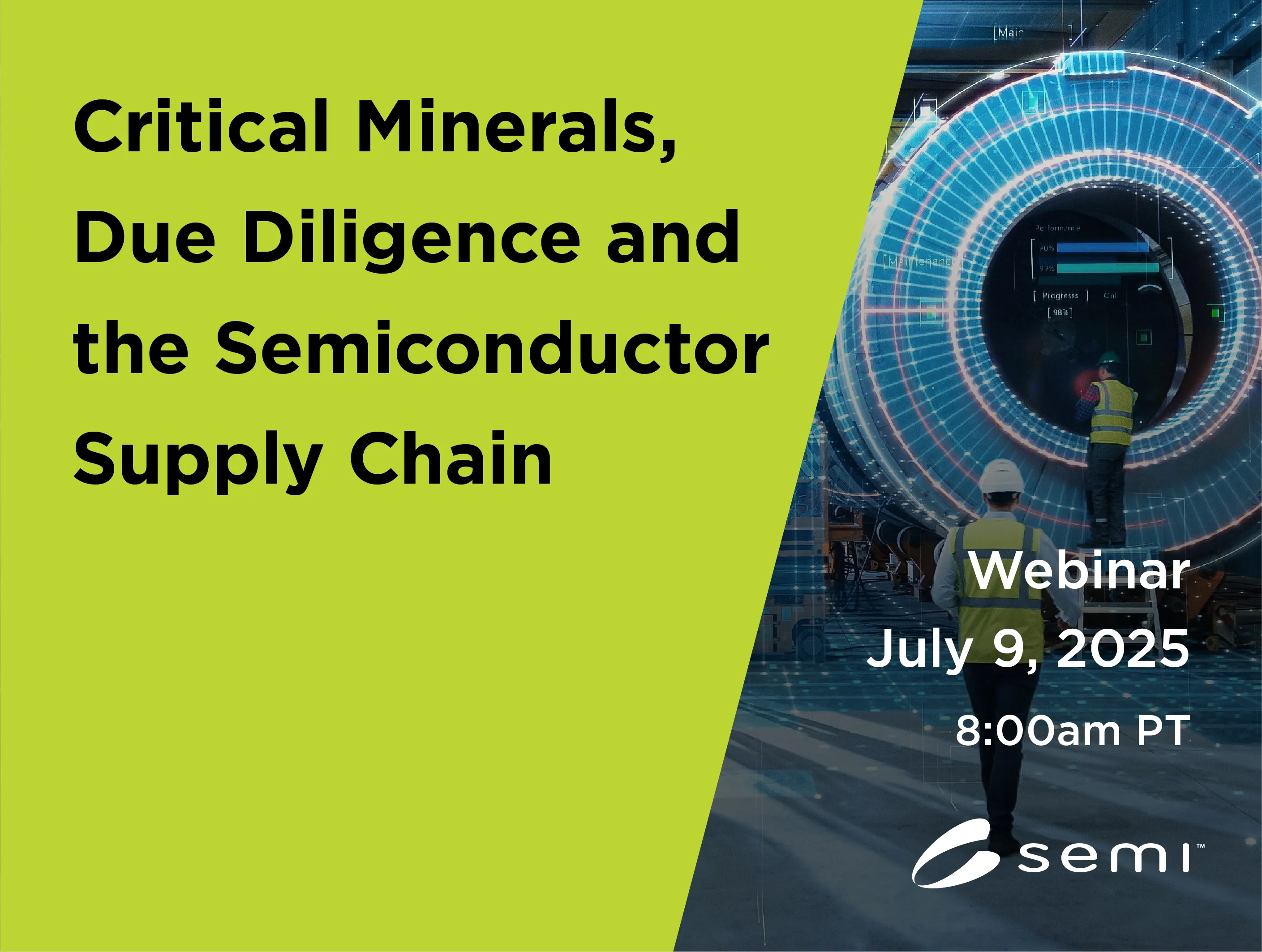
“Critical minerals our world needs for electric vehicles and semiconductors can be found here. Clean energy we need to power artificial intelligence data centers and economic growth can be built here.”[1] This statement was made by former US President Joseph Biden during his visit to Angola in December 2024 to support a US-funded railroad project called the Lobito Corridor. The railroad would connect mining areas in the Democratic Republic of Congo (DRC) and Zambia to a port on the western coast of Africa, an important step towards expanding access to critical minerals needed for growth of the semiconductor and energy industry in the west. According to the Intergovernmental Forum on Mining, Minerals, Metals and Sustainable Development (IGF), “there is no universally agreed upon definition of what ‘criticality’ means…criticality is also very country- and context-specific, particularly with respect to mineral endowment, the relative importance of the minerals to industrial and economic development, and a strategic assessment of supply risks and volatility.”[2] In other words, the term “critical mineral” may vary by location, application, and current events. Many countries have generated their own lists of critical minerals to help guide legislation, budgetary allocations and diplomatic efforts. For example, the United States Geological Survey released a list of “50 mineral commodities critical to the US economy and national security” in 2022 which included 10 minerals that were directly linked to semiconductors and electronics.[3] These included arsenic, dysprosium, gallium, lutetium, rhodium, ruthenium, tantalum, terbium, tin, and tungsten. Other lists might include cobalt, copper, and sometimes uranium. For most countries that make chips and electronics, critical minerals are both essential for supporting their industry and also hard to find within their own borders.While downstream electronics and semiconductor manufacturers are often located in countries with robust labor protections, the extraction of raw minerals too often takes place under less humane circumstances. In April 2024, the UN Secretary General launched the Panel on Critical Energy Transition Minerals to address the challenges associated with responsible extraction of critical minerals. One of the motivations for the formation of the panel was the concern about human rights violations related to mineral extraction. “Mining, at all scales, large and small, has too often been linked with human rights abuses, environmental degradation and conflict.”[4] The term “conflict mineral” has a much narrower definition than critical mineral, and usually only refers to tin, tantalum, tungsten and gold, also known as ‘3TG’. This definition is often used in policy frameworks, such as the US Dodd-Frank 1502 Act[5] and the European Union (EU) Regulation 2017/821[6]. These four minerals were identified as a major source of income for armed groups in the DRC, fueling a decades long war that has claimed more than 6 million lives since the start of the Second Congo War in 1996.[7] For example, in May 2024, armed groups from Rwanda captured a town in the Congo with the largest coltan mine in the country, which is the second largest producer in the world of the ore that is refined to make tantalum - a key component of capacitors. The incursion helped to finance the armed group, collecting at least $800,000 per month in taxes.[8] Over the past 15 years, several frameworks have emerged to address the conflicts and tensions stemming from extraction of critical minerals. A common framework within the semiconductor industry was written by the Organization for Cooperation and Development (OECD), which is an intergovernmental economic organization founded in 1948 (then known as OEEC) to “build better policies for better lives.” The organization publishes several guidelines, including the OECD Due Diligence Guidance for Responsible Business Conduct[9] (see suggested measures in Figure 1) and the OECD Due Diligence Guidance for Responsible Supply Chains of Minerals from Conflict-Affected and High-Risk Areas with focuses specifically on 3TG minerals.[10] These guidelines provide a structure through which companies and organizations might address human rights and environmental issues that may arise from their or their suppliers’ operations. Figure 1: Due Diligence Process and Supporting Measures from the OECD Due Diligence Guidance for Responsible Business Conduct (2018)Several regulations have been implemented by governing bodies to prevent financing of armed groups through procurement of conflict minerals. In the United States, Section 1502 of the Dodd-Frank Wall Street Reform and Consumer Protection Act requires certain companies to “publicly disclose their use of conflict minerals that originated in the Democratic Republic of the Congo or an adjoining country.”[11] Also known as the “Disclosure Rule,” a company must file a report to the Securities and Exchange Commission (SEC) describing the source and chain of custody of its conflict minerals, and must also conform to a nationally or internationally recognized due diligence standard such as the OECD guidelines. Similarly, the EU Regulation 2017/821 refers to the OECD Due Diligence Guidelines and calls on companies within the EU to monitor, audit and disclose procurement of conflict minerals. In 2024, the EU furthered its efforts to address human rights and environmental issues by adopting the EU Corporate Sustainability Due Diligence Directive (EU CSDDD). This directive will require all companies that do business within the EU, regardless of country of origin, to monitor their supply chains for labor and environmental violations or risk penalty.Given the tremendous effort by the industry to address the conflict associated with 3TG minerals, it is unclear whether these efforts have had an effect. The U.S. Government Accountability Office (GAO), which serves as the federal government’s watchdog agency and is tasked with providing Congress with independent, nonpartisan information, has been reporting on issues related to conflict minerals in the DRC since 2010. Kimberly Gianopoulos, Managing Director of GAO’s International Affairs and Trade Team, has led this body of work over time, including GAO’s most recent report, which was published in October 2024. Gianopoulos stated that, “although it has been over a decade since the SEC issued its conflict minerals disclosure rule in 2012, GAO’s most recent report found that there is no empirical evidence that the rule has decreased violence in the eastern DRC, where many mines and armed groups are located, and that a majority of companies that conduct due diligence on their mineral supply chains continue to report being unable to determine the origins of minerals used in their products.” The 2024 Conflict Minerals report can be found here: https://www.gao.gov/products/gao-25-107018.Regulatory approaches are only one way in which the semiconductor industry interacts with conflict mineral issues. Many companies and industry associations have implemented their own initiatives and formed associations to share resources to trace materials and collect supplier information. One such industry association is the Responsible Business Alliance’s Responsible Minerals Initiative (RMI). Jennifer Peyser, the executive director of the RMI, stated that the initiative “supports over 500 downstream, midstream, and upstream member companies with a suite of due diligence standards and tools, data, guidance, training, and other resources for global responsible sourcing and regulatory compliance. Our facility and supply chain due diligence standards are rooted in longstanding international norms while reflecting emerging corporate and stakeholder priorities for regulatory compliance, managing sustainability risks and impacts, and fostering responsible mineral supply chains.” More information about the RMI can be found here: www.responsiblemineralsinitiative.org.Recently, SEMI has formed a new Responsible Supply Chain (RSC) working group under its Supply Chain Management initiative to provide a platform for enabling traceability and provenance across the supply chain to meet government regulations on conflict minerals and unfair labor practices. This new working group aims to bring together SEMI member companies to raise awareness of key issues, share resources, and advocate effective regulations and standards. The working group is comprised of SEMI member company employees from a wide range of backgrounds, including sustainability managers, supply chain experts and process engineers. If you are interested in joining our discussions, please visit our website for more information: https://www.semi.org/en/industry-groups/supply-chain-management. On July 9 at 8am Pacific/11am Eastern, the SEMI Responsible Supply Chain working group will host a webinar featuring a roundtable discussion with Jennifer Peyser, Executive Director of the Responsible Business Alliance’s Responsible Minerals Initiative, and Kimberly Gianopoulos, Managing Director of the International Affairs and Trade Team at the US Government Accountability Office, including Q A for attendees to join the discussion. Visit https://www.semi.org/en/event/critical-minerals-due-diligence-and-semiconductor-supply-chain to register.Other upcoming events include a panel discussion at SEMICON West, October 7-9, 2025 in Phoenix, Arizona!Author Bio:Dr. Kimberly Harrison Ph.D is a Senior MEMS Designer with AMFitzgerald Associates, a design firm located in the Bay Area California. She has a doctoral degree in mechanical engineering from Stanford University, and has worked as a designer and process engineer in the semiconductor industry for 10 years. She was nominated as a 2022 MEMS Sensors Industry Group Emerging Leader. As a founding member and leader of the SEMI Responsible Supply Chain Working Group, she hopes to bring SEMI members together to discuss solutions to human rights issues in the semiconductor supply chain.References:[1] Remarks by President Biden Participating in the Lobito Corridor Trans-Africa Summit in Benguela, Angola (December 4, 2024). https://bidenwhitehouse.archives.gov/briefing-room/speeches-remarks/2024/12/04/remarks-by-president-biden-participating-in-the-lobito-corridor-trans-africa-summit-benguela-angola/[2] Critical Minerals: A Primer (November 1, 2022). https://www.igfmining.org/resource/critical-minerals-primer/[3] https://www.usgs.gov/news/national-news-release/us-geological-survey-releases-2022-list-critical-minerals[4] Resourcing the Energy Transition: Principles to Guide Critical Energy Transition Minerals Towards Equity and Justice (April 11, 2024). https://www.un.org/en/climatechange/critical-minerals[5] https://www.sec.gov/resources-small-businesses/small-business-compliance-guides/conflict-minerals-disclosure[6] https://eur-lex.europa.eu/eli/reg/2017/821/oj/eng[7] Conflict in the Democratic Republic of Congo (March 20, 2025). https://www.cfr.org/global-conflict-tracker/conflict/violence-democratic-republic-congo[8] The Evidence that Shows Rwanda is Backing Rebels in DR Congo (January 29, 2025) https://www.bbc.com/news/articles/ckgyzl1mlkvo[9] OECD Due Diligence Guidance for Responsible Business Conduct (February 1, 2018). https://www.oecd.org/en/publications/oecd-due-diligence-guidance-for-responsible-business-conduct_15f5f4b3-en.html[10] OECD Due Diligence Guidance for Responsible Supply Chains of Minerals from Conflict-Affected and High-Risk Areas, 3rd edition (April 6, 2016). https://www.oecd.org/en/publications/oecd-due-diligence-guidance-for-responsible-supply-chains-of-minerals-from-conflict-affected-and-high-risk-areas_9789264252479-en.html[11] https://www.sec.gov/resources-small-businesses/small-business-compliance-guides/conflict-minerals-disclosure
Read More
The semiconductor industry has long followed a well-defined cyclical structure. Typically, price declines lead to a contraction in capital expenditure, followed by inventory normalization and eventual recovery. This repeated pattern—comprising pricing correction, investment pullback, inventory adjustment, and eventual market rebound—continues to offer a relevant lens through which to interpret the current uncertain market environment.As of April 2025, the industry faces a mix of conflicting signals. Concerns are rising that AI-related demand may have already peaked, while cautious optimism persists over a possible rebound in DRAM prices in the second half of the year. These market dynamics are further complicated by rising macroeconomic uncertainty, including renewed trade friction between the U.S. and China, reemerging tariff risks, and persistent inflationary pressure. In such a complex and volatile environment, the importance of cycle-based structural analysis has never been greater.Viewed from a momentum perspective, the recovery in semiconductor equipment investment—marked by a rebound in year-over-year growth (measured on a 12-month moving average basis) beginning in mid-2024—can be interpreted as a potential sign of renewed demand. However, this apparent stability may be misleading. While global companies significantly curtailed their fab investments throughout the second half of 2023 and the first half of 2024, China moved in the opposite direction, intensifying state-led expansion efforts aimed at achieving semiconductor self-sufficiency. This divergence in investment behavior has distorted the global capital expenditure landscape, potentially creating the impression of a broader recovery, while in reality the momentum remains concentrated in a single region driven by policy rather than market fundamentals.Similarly, the recent uptick in DRAM pricing appears to be driven more by production cuts than demand-side momentum. Major suppliers have been deliberately scaling back output to manage inventory and support pricing. In this context, price rebounds not backed by end-market demand are unlikely to sustain a meaningful recovery in wafer procurement. Simulation results—based on second-half projections—suggest that unless DRAM blended ASP increases by more than 20% quarter-over-quarter in both Q3 and Q4 2025, a meaningful upward inflection in the year-over-year pricing trend (on a 12-month moving average basis) remains improbable. This highlights the fragility of the current price recovery suggests that without a meaningful improvement in end-market demand—particularly for DRAM—wafer procurement for DRAM production is unlikely to recover in a sustained manner, regardless of supply-side actions. As SEMI highlights in this Silicon Wafer Market Monitor Report, a deeper understanding of the wafer market requires a close examination of raw material inventory trends. The inventory behavior of memory makers—due to their dominant scale and transparency—is widely regarded as a proxy for broader semiconductor industry trends. Following the pandemic, memory makers' raw material stockpiles surged to levels equivalent to five times their historical average relative to sales. While these ratios were significantly reduced between 2023 and 2024, inventory levels still meaningfully exceed pre-pandemic norms. With leading players signaling further inventory drawdowns, there is little incentive to rebuild raw material stockpiles—including silicon wafers—unless there is clear evidence of sustained demand recovery.This inventory dynamic is closely tied to wafer shipment growth. Historical data reveals a strong inverse relationship between raw material inventory-to-sales ratios at the top three memory makers—Samsung, SK hynix, and Micron—and wafer shipments. When this ratio declines year-over-year, wafer shipment growth typically improves. However, a slowdown in the pace of inventory ratio reduction could result in stagnant or declining wafer shipment growth in subsequent periods.Moreover, even as these inventory ratios continue to decline, wafer average selling prices (ASPs) have yet to show signs of recovery. This decoupling of pricing from inventory adjustments reflects the presence of a structural imbalance in supply and demand. On the supply side, all top five global wafer producers have secured greenfield fab capacity and are prepared to scale production. With depreciation pressures mounting, they face strong incentives to maintain economically viable utilization rates, contributing to ongoing ASP erosion.Meanwhile, chip capacity expansion in China—primarily driven by demand for 200mm applications—is adding further downward pressure. Chinese wafer suppliers, who already hold a meaningful share in China’s 200mm market, are now directing more of their investment toward 300mm wafer production—intensifying price pressure and adding to the longer-term competitive pressures facing global suppliers. This focus aligns with China’s broader push into mature process nodes, even as demand outside the region remains tepid. Accordingly, local Chinese wafer suppliers are competing aggressively on price, weakening the regional competitiveness of established global wafer players.As a result, the competitive landscape is undergoing a structural shift: global wafer suppliers are contending with intensified price-based competition among themselves in non-China markets, while simultaneously coming under mounting pressure from Chinese local players within China. This dual-front competition highlights the threshold point the industry has reached—where traditional pricing models and market dynamics are being fundamentally challenged.Moreover, long-term supply agreements (LTAs), once effective tools for pricing stability, are expected to gradually lose relevance. As semiconductor manufacturers—who purchase wafers under LTAs—move toward shorter-term and more customized purchasing models, and as pricing volatility increases, the incentive to commit to such agreements is projected to steadily diminish. The market, therefore, is not yet in a phase of strong recovery but appears to be undergoing a structural transition defined by persistent imbalances. The full report presents three scenario-based outlooks centered on four key variables—DRAM pricing, inventory normalization, equipment investment, and China’s regional influence. The most probable scenario currently assumes modest growth in 2025–2026, a correction in 2027, and a recovery in 2028. Wafer shipment growth rates under this scenario are projected at +5.1%, +5.4%, –6.2%, and +9.8%, respectively.However, even this base case remains vulnerable to potential macroeconomic disruptions. The large-scale tariff measures announced by the U.S. in April 2025 could trigger cascading effects across the ecosystem—from weakening enterprise demand and delaying infrastructure investments to softening DRAM prices and curbing wafer procurement. In past cycles, leading macro indicators such as the OECD Composite Leading Indicators (CLI) tended to lead DRAM price movements. If macro momentum slows, the market could deviate from the base case and move closer to the downside scenario. This downside scenario assumes weak or negative growth through 2026, a moderate recovery in 2027, and a stronger rebound by 2028 as supply-demand conditions begin to normalize.The current market trajectory suggests limited room for either sharp declines or sharp rebounds. The next phase will depend on how four forces interact: DRAM price momentum, inventory rebalancing pace, regional investment activity, and policy risks. A clear inflection point will only emerge when these factors begin to align. In other words, a meaningful shift—either upward or downward—will only occur when these forces move in the same direction and reinforce one another. Ultimately, any directional shift—whether delayed or accelerated—will still unfold within the broader framework of the semiconductor cycle previously discussed. In that sense, these indicators do not reverse the cycle itself; they merely influence the timing and pace at which it plays out.This article presents a summary of key insights from the Q1 2025 Market Update section of the SEMI’s Silicon Wafer Market Monitor Report, which is compiled in PowerPoint format and distributed as a PDF. In this edition, scenario-based analysis was used to navigate growing macroeconomic uncertainty and assess potential turning points in wafer demand. To support this analysis, the Market Update section presents 10 core quantitative charts and long-term data series dating back to 2000—particularly curated to visualize and analyze semiconductor revenue, investment, and pricing cycles in a single view. Separate from this focused section, the full SEMI’s Silicon Wafer Market Monitor Report includes a much broader array of charts and indicators, providing a multi-dimensional analysis of how fundamental variables interact to shape the future of the silicon wafer industry. Rather than simply offering background explanation, the full report is intended to provide clear, data-driven insights that can support strategic thinking amid market uncertainty.For more information on the report or to subscribe, please contact the SEMI Market Intelligence Team at [email protected]. Details on SEMI market data are available at SEMI Market Data. Sungho Yoon is a Principal Analyst on the SEMI Market Intelligence team.
Read More
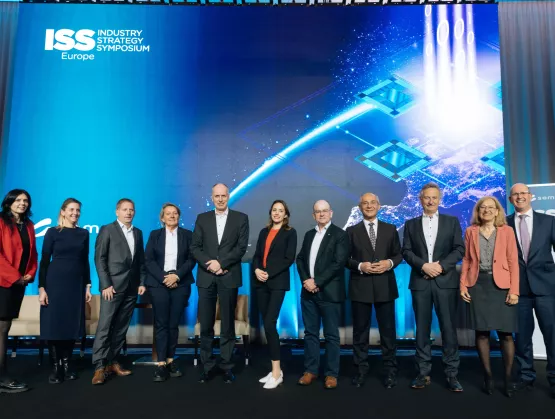
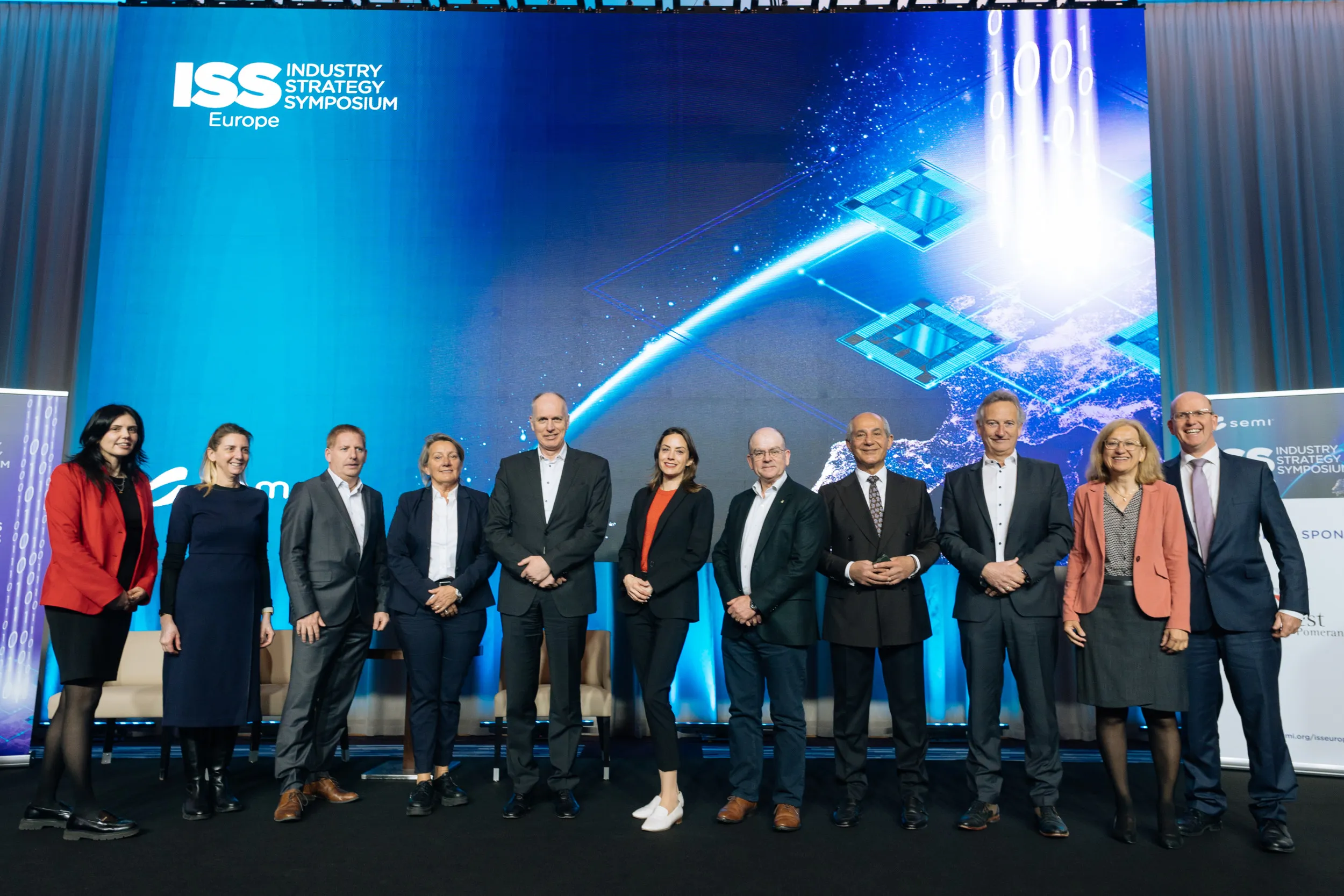
Geopolitical shifts, rapid technological advancement, and supply chain pressures continue to redefine the global semiconductor landscape. These forces framed the discussions at the 2025 SEMI Industry Strategy Symposium Europe (ISS Europe), held in Sopot, Poland. Over two days, industry leaders, and policymakers examined how Europe can boost resilience amid growing uncertainty.Artificial intelligence (AI) stood out as a key driver—powering global chip demand and transforming industry operations. In the past year, AI applications like generative models and edge computing helped push chip sales to new highs. The EU Chips Act, effective since September 2023, also fueled change. It has drawn tens of billions of euros into European semiconductor infrastructure, including major investments in Pomerania, the host region for this year’s symposium. “With AI expected to drive exponential growth in the semiconductor industry—projected to reach $1 trillion by 2030—Europe must act collectively to remain competitive,” said Laith Altimime, President of SEMI Europe. “We encourage collaboration across all countries to strengthen supply chain resilience, mitigate geopolitical risks, and harness the full potential of our diverse talent base.”Laith Altimime, President, SEMI EuropeSo what has the EU’s investment in the semiconductor industry achieved, and how much more remains to be done? Gustav Kalbe, Acting Director of Enabling and Emerging Technologies at the European Commission, cited €80 billion in public and private investment in European fabs as clear progress toward introducing "advanced technology that has not before been deployed on the continent of Europe." However, Kalbe emphasized a new urgency driven by AI’s rise. “We need in Europe a secure supply chain for AI chips in key sectors—particularly automotive,” said Kalbe. “That’s why we are really pushing for accelerated development of AI chips here.”Gustav Kalbe, Acting Director of Enabling and emerging technologies,DG CNECT, European CommissionPoland is a prime example of the EU Chips Act’s impact—driven by consistent government support. Dariusz Standerski, Secretary of State in the Ministry of Digital Affairs, highlighted Poland’s seven-pillar national semiconductor strategy, which includes expanding infrastructure and increasing engineering talent by 20% by 2030. “We need to build our production capacity to meet the strategic needs of Poland,” said Standerski. “Semiconductors are important not only because of market size, but because of their role in national security.”Dariusz Standerski, Secretary of State, Ministry of Digital Affairs, PolandRisks to the Industry from a World in Political TurmoilGeopolitical shifts and market volatility dominated the opening session of ISS Europe 2025. Malcolm Penn, CEO of Future Horizons, warned that despite strong 2024 revenues, industry fundamentals remain fragile. “All of the growth is in graphics processing units (GPUs) for AI and high-bandwidth memory (HBM) for AI servers—every other product sector is currently in recession,” said Penn. He forecast 12% industry growth in 2025 but cautioned against overcapacity and price pressures from China. “We are not seeing unit growth, and without unit growth, you don’t have sustainable market growth,” explained Penn. “If momentum in AI slows, the industry could face a significant retrenchment.”Malcolm Penn, CEO of Future HorizonsLooking beyond the immediate outlook for semiconductors, Hendrik Bourgeois, Vice President for European Governmental Affairs at Intel, turned the spotlight onbroader economic and security challenges facing the region. Bourgeois outlined four strategic policy priorities for Europe: Build internal strength to ensure external (global) relevance;Deepen alliances beyond the United States—such as with the UK, Canada, Japan, and South Korea;Be open to a stronger economic relationship with China;Recognize that the U.S. is more than its federal government: states, cities, people and corporations all have a role to play in bringing stability and certainty.Hendrik Bourgeois, Vice President for European Governmental Affairs, IntelBenedikt Ernst, Senior Vice President and Head of Strategy Transformation at Merck KGaA, Darmstadt, Germany, emphasized the strategic importance of strengthening Europe’s domestic semiconductor ecosystem. “No country or region can be fully self-sufficient,” said Ernst. “But Europe is particularly strong in domains like advanced materials, fabrication equipment, and semiconductor manufacturing. We have leading players in these fields – let’s bet on them.”Benedikt Ernst, Senior Vice President and Head of Strategy Transformation, Merck KGaA, Darmstadt, GermanyMikolaj Trunin, Deputy Director of the Invest in Pomerania, and its Strategic Investment Manager Radoslaw Bojarczuk, highlighted the region’s rising profile among global investors. Despite a global downturn in foreign direct investment (FDI) since 2015, the region stretching from Gdansk and Warsaw to Dresden and Magdeburg is emerging as a vibrant semiconductor hub. “The environment is becoming increasingly attractive to outside investors drawn by the region’s large talent pool, robust venture capital activity, and strong and stable economic growth,” said Trunin.Left: Mikołaj Trunin, Deputy Director, Invest in PomeraniaRight: Radosław Bojarczuk, Strategic Investment Manager, Invest in PomeraniaAdvancing on the Roadmap to Net ZeroThe symposium’s second session tackled sustainability—how to grow the industry beyond $1 trillion in revenue while cutting emissions. AI emerged as a key enabler of sustainable innovation. Bill Lussier, Managing Director of Tokyo Electron Europe, highlighted recycled aluminum which has a much lower carbon footprint, but noted that semiconductor equipment requires ultra-pure aluminum, which is not available off-the-shelf in recycled form. “The solution is to create a new circular economy for ultra-pure aluminum—a supply chain so complex that it cannot be managed without the aid of AI,” explained Lussier.Bill Lussier, Managing Director, Tokyo Electron EuropeAI is also helping decarbonize logistics, a critical yet often overlooked part of the semiconductor ecosystem. Rainer Kiefer, Executive Vice President and Global Head of Sales at Schenker AG, underscored the environmental cost of air cargo: “We need smart supply chain design to reduce the air miles of chips.” AI supports this by optimizing routing, loads, predictive maintenance, and demand forecasting. Rainer Kiefer, Executive Vice President and Global Head of Sales, Schenker AGHowever, AI brings new energy demands. Malgorzata Kasperska, Vice President of Secure Power at Schneider Electric, urged greater efficiency in AI data centers: “We need to optimize both power capacity and efficiency, and deploy high-density infrastructure, all while enhancing sustainability practices.” Malgorzata Kasperska, Vice President of Secure Power, Schneider ElectricEnergy-intensive fab operations remain a major challenge. Charles Vaillant, Chief Technology Officer at MANN+HUMMEL, noted that heating and ventilation account for up to 50% of a fab’s energy use. To improve efficiency, the company introduced a filtration system using activated carbon ceramic technology. The innovation reduces pressure drop, cutting fan energy use and delivering up to 41% energy savings in cleanroom environments.Charles Vaillant, Chief Technology Officer at MANN+HUMMELFinding the Talent to Fuel the Industry’s GrowthAttracting and developing talent remains a critical challenge for the semiconductor industry. Andreas Schleicher, Director for Education and Skills at the OECD, cited a visibility gap: “Young people don’t see these engineering and IT jobs. You cannot be what you do not see.” Meike Boekelmann, Chief Human Resources Officer at Comet, echoed the sentiment. “Face-to-face, we can get people excited about joining our industry,” said Boekelmann. “The challenge is getting them in front of us in the first place.” Andreas Schleicher, Director for Education and Skills,Organization for Economic Co-operation and Development (OECD)In a panel discussion on Bridging the Talent Gap for Sustainable Growth, moderated by SEMI Europe’s Maria Daniela Perez, speakers explored how industry and academia can better collaborate to meet evolving workforce demands. Thomas Kralinski, Saxon State Secretary of Economic Affairs, Labor, Energy and Climate, emphasized the importance of future-ready education. “Do we know which fab is going to be built in 2035, or which start-up will be founded? No—but all the people who will work there are already alive. We need education to prepare these people for this unknown future.Thomas Kralinski, Saxon State Secretary of Economic Affairs, Labor, Energy and ClimatePanel Discussion on Bridging the Talent Gap for Sustainable GrowthAI Intensifies Scale of Innovation in Semiconductor FabricationDay two of ISS Europe 2025 spotlighted AI’s transformative impact on semiconductor innovation, from materials to manufacturing and chip design. John Behnke, General Manager for Smart Manufacturing at INFICON, emphasized AI’s growing role in managing fab complexity. “You need a lot of highly knowledgeable people to run a fab today,” said Behnke. “They must analyze huge amounts of data, and balance priorities like quality, on-time delivery, cycle time, and profitability.” In the future, he explained, AI-powered optimization engines will shoulder that burden by making autonomous decisions.John Behnke, General Manager for Smart Manufacturing, INFICONJean-Christophe Eloy, CEO of Yole Group, pointed to the rapid growth of data centers as a catalyst for architectural transformation, predicting a shift from monolithic AI ASICs to chiplet-based designs. “In the future, we can expect to see much of the value in the semiconductor business transfer from the front-end chip to the advanced packaging that integrates chiplets,” said Eloy. Jean-Christophe Eloy, CEO, Yole GroupThis sentiment was echoed by Christophe Frey, Vice President of EU Engagement at Arm, who described the industry’s shift from systems-on-chip to systems-of-chips. “Chiplets represents a unique opportunity for Europe to re-enter the game of high-end chips,” said Frey. He emphasized the need for an open chiplet marketplace, an effort Arm supports, but warned, “There is a long road ahead of us,” citing the need for silicon qualification, profiling, test and debug infrastructure, software standards, and specifications for mechanical and thermal integration.Christophe Frey, Vice President of EU Engagement, ArmThat transition is already taking shape in manufacturing. Volker Herbig, Vice President of the Microsystems Business Unit at X-FAB, noted that capabilities developed for CMOS+MEMS sensor in the early 2000s are now enabling heterogeneous integration (HI) at scale. “We are now an open HI foundry,” said Herbig, adding that X-FAB is building a dedicated HI facility with support from the EU Chips Act. “This technology is propagating down from the high-performance computing (HPC) world to medical and industrial applications — It’s happening as we speak.”An Industry Changing Faster Than Ever Volker Herbig captured the industry’s rapid evolution with the “Red Queen” theory from Alice in Wonderland: “You need to run as fast as you can just to stay in the same place.”Volker Herbig, Vice-President, BU MEMS, X-FABClosing the symposium, Leonard Hobbs, Director for Government Affairs at Intel Ireland, cited Charles Darwin: “The species which can best adapt to changes in its environment is the one which survives,” Hobbs added, “Over the past two days we have learned much that can help Europe’s semiconductor industry to adapt successfully to a rapidly changed world.” Leonard Hobbs, Director for Government Affairs, Intel IrelandAt the symposium’s gala dinner, delegates celebrated leaders driving the industry forward. SEMI presented the 2024 SEMI European Award to Kurt Sievers, President and CEO of NXP Semiconductors, and honored Anna-Riikka Vuorikari-Antikainen, Chief Commercial Officer of Okmetic, with the Special Service Award.Kurt Sievers, President and CEO, NXP Semiconductors (Middle)Anna-Riikka Vuorikari-Antikainen, Chief Commercial Officer, OkmeticOn behalf of SEMI, the SEMI Europe team and ISS Europe committee would like to thank all speakers, sponsors, and attendees for making the event a great success.SEMI Contact Cassandra Melvin, Senior Director of Business Development and Operations Email: [email protected]
Read More
The Rising Stars: 20 Under 30 blog series celebrates the brightest young leaders shaping the future of the semiconductor industry. These exceptional individuals have earned the SEMI Europe 20 Under 30 Award for making a remarkable impact across the supply chain—whether in engineering, sales, marketing, or R D. Nominations for the 2025 20 Under 30 Award are now open, providing the opportunity to recognize and honor the next wave of industry trailblazers.The series spotlights these rising stars for their career achievements, commitment to innovation, leadership skills, and dedication to driving both business success and community growth.Follow their inspiring journeys and discover how they are thriving and paving the way for future generations in the semiconductor world.Introducing Mariusz Grabowski: Lead Design Engineer at Cadence Design SystemsMariusz Grabowski, a 2023 20 Under 30 award recipient at the age of 24. He is now a Lead Design Engineer at Cadence Design Systems, Inc., where he’s been making strides in digital systems design for nearly three years. Prior to this role, he gained valuable experience as an FPGA Design and Verification Engineer at Aldec Inc. Grabowski holds a master’s degree with distinction in automation and robotics from AGH University of Science and Technology in Krakow, Poland. During his academic career, he was an active member of both the Avader and Integra Scientific Groups. He also achieved recognition at events like DASIP 2023 and in the International FPGA Hackathon, where he and his team earned 2nd and 3rd place. He is currently also pursuing a postgraduate degree in Project Management at SGH Warsaw School of Economics. SEMI: What inspired you to join the semiconductor industry? Grabowski: I have always been fascinated by the fundamental workings of advanced systems and that curiosity led me to pursue a career in the semiconductor industry. As a digital design engineer, it is exciting for me to contribute to the creation of such large and sophisticated architectures from basic building blocks. Now, I’m proud to be a part of Cadence Design Systems, where I can work on the cutting-edge designs with some of the most talented and hard-working engineers. Grabowski and his team at the awards ceremony at FPGA Hackathon 2023SEMI: How did your early experiences and education shape your career path?Grabowski: During my studies, I had the opportunity to work on hands-on projects with an FPGA platform, which led me to my first job as an FPGA design and verification engineer. That experience gave me a broader perspective on the industry’s scale and reinforced my passion for tackling challenges, learning and growing in this field.Grabowski presenting his paper at the DASIP 2023 ConferenceSEMI: Can you share a professional accomplishment you’re most proud of, and explain why it’s significant to you? Grabowski: For me, it is successfully balancing full-time studies with work. It was a challenging experience, but it provided invaluable opportunities to grow my skills and gain hands-on experience. During that time, I completed numerous projects, participated in scientific conferences and industry events like DASIP 2023, and even earned 2nd and 3rd place in the International FPGA Hackathon. These achievements reinforced my passion for the field and my ability to thrive under pressure. SEMI: As a young professional in the industry, what is your greatest challenge? Grabowski: One of the biggest challenges is navigating the complexity of large-scale projects, where seamless coordination between multiple teams across the globe is crucial. As someone still early in my career, gaining the experience to manage the cross-functional aspects of a project while ensuring my own contributions are technically sound has been both demanding and rewarding.Grabowski at the Discussion Panel on Industry Career Perspectives at DATE 2024 ConferenceSEMI: What advice would you give to younger generations aspiring to make an impact in this industry?Grabowski: The sheer amount of information and complexity in the industry can feel overwhelming. It is essential to embrace curiosity and continuous learning, but it is also crucial to recognize that you can’t do everything alone. My advice is to find your area of expertise and collaborate with others; teamwork is key to bringing impactful projects to life. Cadence’s Design Team in Warsaw, Poland Manager Jacek Rosiak—3rd from the leftSEMI: How do you envision future work environments? Grabowski: I envision future work environments as places where technology fosters creativity and collaboration, diversity is celebrated, and flexibility and work-life balance are prioritized. These environments will empower employees to perform at their best while feeling supported and valued. I am proud to be a part of Cadence Design Systems, where I feel that these values are strongly cultivated. SEMI: What impact has the 20 Under 30 Award had on your career? Grabowski: Receiving the 20 Under 30 Award was an incredible validation of the hard work I’ve put into my role. It gave me a confidence boost, affirming that I am on the right path and capable of making meaningful contributions to my company and the broader semiconductor industry. It also brought significant recognition, which opens up numerous opportunities.Following 20 Under 30 JourneysMariusz Grabowski’s journey in the semiconductor industry highlights the power of dedication, curiosity, and continuous learning. From his early experiences with FPGA platforms to his significant accomplishments in both academia and industry, Grabowski is a true example of how passion and hard work can drive meaningful contributions. As a young professional, his insights offer valuable inspiration for the next generation of engineers eager to make their mark in this ever-evolving field. With a bright future ahead, Grabowski is sure to continue influencing the world of technology, one innovative project at a time.The Rising Stars: 20 Under 30 blog series celebrates the exceptional talent and leadership driving the future of the semiconductor industry. Each of the young innovators honored is excelling in their respective fields while shaping the landscape of technology and business with their visionary approaches and dedication. Their stories exemplify the remarkable achievements and unwavering commitment that define the next generation of industry leaders. The series is intended to inspire and motivate future professionals to pursue their passions and embrace the opportunities within this dynamic industry. Stay tuned for more stories of rising stars who are paving the way for continued growth and innovation in the semiconductor world.Learn more about the SEMI Europe 20 Under 30 Award and the recipients honored at SEMICON Europa. SEMI ContactMaria Daniela Perez, Communications ManagerEmail: [email protected]
Read More
The European semiconductor ecosystem continues to evolve, driven by the ambitions outlined in the EU Chips Act. With goals to strengthen Europe’s technological leadership and double its semiconductor manufacturing market share to 20% by 2030, collaboration across the value chain is imperative. Heterogeneous Integration for Connectivity and Sustainability (HiCONNECTS), a Horizon Europe-funded project, exemplifies this collaborative spirit. The initiative aims to develop next-generation electronic components and systems using advanced heterogeneous integration core technology solutions.The HiCONNECTS consortium, comprising 65 partners with diverse expertise, is addressing key societal and industrial challenges. These efforts focus on advancing core technology solutions for energy-efficient, high-performance wireless and wired cloud and edge computing, as well as automotive radar systems.“Collaborating with 65 partners is no small feat—it’s akin to orchestrating a complex IT network,” says Ilan Englard, Coordinator of the HiCONNECTS project. “We streamline progress by creating local networks of partners, all interconnected through a central management framework of tasks, work packages, and coordination. Such large consortia form intricate systems where complexity fosters innovation, often leading to surprising and transformative outcomes.” As the three-year project progresses, HiCONNECTS is working to establish pilot lines focused on key areas:RF Electronic Heterogeneous IntegrationPhotonic Components for Heterogeneous IntegrationAdvanced Packaging for Heterogeneous IntegrationThese pilot lines, led by organizations such as the Ferdinand Braun Institute and imec, will develop systems and modules through advanced equipment development, manufacturing optimization, and integration of electronic and photonic components. Validation of equipment in integrated process flows will further enhance the heterogeneous integration landscape.Now in its third year, HiCONNECTS continues to welcome new members. This inclusiveness underscores the project’s flexibility and its commitment to incorporating fresh perspectives as new trends and challenges emerge. At the 12-month consortium meeting in Catania last February, Arbonaut was unanimously inducted to contribute to the forest fire use case, further expanding the project’s scope.“The upcoming months are critical, as we move closer to delivering modules, systems, and demonstrators,” says Englard. “Our goal is to heterogeneously integrate the next generation of RF, electronic, and photonic components into networking, telecom, and radar systems, with support from module and equipment makers.”HiCONNECTS members at the 12-month consortium meeting in Catania, February 2024As this ambitious work progresses, sharing project results and achievements remains a top priority for the consortium to ensure meaningful social, political, and economic impact. By drawing attention to the results of the project, the consortium enhances the visibility, comprehension, and implementation of these advancements. Recently, four partners—Excillum, TNO, SANLAB, and Centria University of Applied Sciences—participated in a webinar titled “Heterogeneous Integration for Future High Speed Communication,” organized by SEMI Europe. The webinar is now available on demand for viewers worldwide.The significance of HiCONNECTS was further highlighted at SEMICON Europa 2024, where seven consortium members presented progress on topics ranging from advanced packaging to photonic integration. At the TechARENA, representatives from SEMI Europe, Excillum, Centria, Arbonaut, AT S, imec, and Applied Materials showcased the project’s contributions to the semiconductor ecosystem. “I was thrilled to present at the TECHArena and engage with the HiConnects partners,” said Julius Hållstedt, Head of segment - Semi Electronics, Excillum. “I especially appreciated the high attendance at my talk, which validated the strong interest in X-ray solutions for semiconductor applications. The insightful discussions at the SEMICON Europa exhibition and advanced packaging conference was a rewarding bonus.”HiCONNECTS Speakers at SEMICON Europa 2024By disseminating research and breakthroughs across various channels, such as publications, webinars, and conferences, HiCONNECTS is promoting knowledge sharing and fostering collaboration across the semiconductor ecosystem. This openness accelerates the adoption of new technologies, ensuring that European industry players remain at the forefront of critical advancements. Furthermore, sharing these results strengthens Europe’s position as a hub for cutting-edge research and development, driving both economic growth and technological leadership on the global stage.SEMI Europe is proud to be a consortium member of HiCONNECTS under the Chips Joint Undertaking (Chips JU), which is funded by the EU Horizon Europe program and supported by numerous countries, including Austria, Italy, Germany, and Sweden.About HiCONNECTS:HiCONNECTS (Heterogeneous Integration for Connectivity and Sustainability) is a three-year project bringing together 65 partners to develop sustainable, energy-efficient cloud and edge computing platforms. The project focuses on high-performance computing, storage infrastructure, network interfaces, and real-time analysis of IoT sensors and big data.Kartikey Srivastava is Senior Specialist – Communications at SEMI Europe.
Read More
Even before the invention of the first semiconductor, women have been making significant contributions to technology. As of July 2024, 27.6% of the tech workforce identified as female. During the last 5 years, the percentage of women represented in tech increased by less than 3%. A bright spot is the semiconductor industry, where women comprise nearly 29% of the workforce. However, there’s still a long way to go until we see greater gender equity. Although women aren’t always highly visible in their roles, their achievements are significant. The slide show featured at the Women in Semiconductors (WiS) reception during SEMI’s Industry Strategy Symposium (ISS) 2025 earlier this month highlighted only a small number of the many women who have made a positive and lasting impact on technology. From Ada Lovelace, founder of scientific computing, to Lisa Su, AMD CEO who was named Time’s CEO of 2024, women have long been technology trailblazers and role models to inspire future female leaders.At this year’s WiS reception, attendees joined in a celebration of industry pioneers, both past and present. “When women come together, amazing things happen," said Shari Liss, SEMI Vice President of Global Workforce Development Initiatives. “The event was all about connection, mentorship, allyship, and lifting each other up. In a world that can feel heavy, it was a reminder of the strength we have when we support one another and work together to shape the future of our industry,” said Liss. WiS continues to be an important part of SEMI Foundation workforce development programming.Shari Liss, SEMI Vice President of Global Workforce Development and Initiatives at ISS 2025In her welcoming remarks, Debbie Gustafson, CEO of Energetiq Technology, Inc., a Hamamatsu Company and a member of the SEMI Foundation Board of Trustees, asked how many people in the audience feel that they can make a difference, and only half raised their hands. She shared a story of how she has made a difference by making her company realize the important role women play in bringing innovative solutions to today’s most pressing challenges. “Everyone can help improve the number of women in your companies by creating an effective place for women to have a personal life and also have a career!” Debbie Gustafson, CEO, Energetiq Technologies at ISS 2025This is the second year Energetiq has sponsored the WiS reception at ISS. “It’s a way to show my support for SEMI events and encourage men to attend as allies to women,” said Gustafson, as images of industry luminaries were projected on the screen behind her. She recalled her first ISS and how few women were in attendance. The gender gap has declined over the years, but the number of women, including speakers, at ISS and other SEMI programs remain low. “I hope that every one of the women and allies will volunteer and raise their voices,” urged Gustafson.Gustafson asked for additional comments from the audience, and SEMI President and CEO Ajit Manocha immediately volunteered to add his voice in support. “Our industry must do a better job of recruiting and retaining women – and most importantly – providing leadership opportunities,” said Manocha. “The benefits of diversity and female leadership to business operations and the bottom line are well documented. Women are crucial to narrowing the talent gap, and ultimately, to our industry’s future.”Celebrating Women in Semiconductors at ISS 2025Creating true inclusion and equity in the workplace is critical to everyone’s success. Since its inception almost a decade ago, Women in Semiconductors has highlighted women’s contributions and leadership in the semiconductor industry and recognizing the need to bridge the workplace gender gap. Our upcoming May 2025 program, which will be held in conjunction with ASMC, will highlight authentic stories to inspire and provide actionable insights. The agenda will include skills development which incorporates decision-making, strategic thinking, negotiation, as well as networking opportunities to connect aspiring leaders with experienced mentors who can provide guidance.In 2025, we’re excited to expand the WiS initiative to programs in Arizona, Michigan and Ohio with funding from the W.K. Kellogg Foundation and David and Lucile Packard Foundation. An important piece of this work is SEMI Foundation’s Chips Childcare program. Through Chips Childcare, SEMI Foundation partners with Policy Equity Group and other organizations across the country to support companies in designing stronger childcare plans and systems. Affordable, accessible, and quality childcare is a critical element of successful workforce development and paramount to not just helping families thrive, but ensuring that communities, cities, and the country can meet economic goals. Part of this program is providing industry awareness and outreach to women and parents who rely on childcare to work, and expanding Women in Semiconductors to new regions will support Chips Childcare goals. Learn more about the Chips Childcare program in SEMI’s blog: Affordable, Accessible, and Quality Childcare: A Critical Workforce Development Strategy for the Semiconductor Industry.”Companies that embrace inclusion, leveraging the strengths of all workers – including women – create dynamic and innovative work environments. We encourage everyone in the industry to focus on steps they can make, collectively or individually and regardless of position, to drive meaningful progress to advance women and a thriving semiconductor industry.The next WiS event will transition beyond discussions to providing practical strategies that can help women secure internal job opportunities and build skills needed for career advancement, and how can we empower changes that lead to meaningful improvements that drive lasting impact for everyone. Learn more about empowering change at Women in Semiconductors on May 8, 2025. For details, visit https://www.semi.org/en/connect/events/women-in-semiconductors-wisMargaret Kindling is Senior Program Manager at the SEMI Foundation. She promotes inclusive workplaces via initiatives like WiS, Semiconductor PRIDE and workforce development programming at SEMICON West and SEMIEXPO Heartland.
Read More
The Rising Stars: 20 Under 30 blog series celebrates the brightest young leaders shaping the future of the semiconductor industry. These exceptional individuals have earned the SEMI Europe 20 Under 30 Award for making a remarkable impact across the supply chain—whether in engineering, sales, marketing, or R D. The series spotlights these rising stars for their career achievements, commitment to innovation, leadership skills, and dedication to driving both business success and community growth.Follow their inspiring journeys and discover how they are thriving and paving the way for future generations in the semiconductor world.Introducing Raphael Hardegger: Product Manager Advanced Products at VATRaphael Hardegger is a Product Manager at VAT, where he leads the development of innovative atomic layer deposition (ALD) valve technology. Starting his career in 2009 as a design engineer apprentice at VAT, Raphael has since gained diverse experience, including entrepreneurial ventures and a role in MedTech. Today, he focuses on shaping product strategy, aligning solutions with customer needs, and driving impactful advancements in the semiconductor industry.SEMI: What inspired you to join the semiconductor industry? Hardegger: I joined the semiconductor industry, and VAT in particular, at the young age of 15. Back then, I started as a design engineer in VAT’s apprenticeship program. Growing up in the beautiful VAT region, my entry into the industry was somewhat by chance – but I’m incredibly glad it happened! After gaining foundational knowledge at VAT, I pursued studies in mechanical engineering, worked in various other roles and companies, and then completed a master’s in business innovation. About 3.5 years ago, the semiconductor industry pulled me back in, and I haven’t looked back since. What keeps me excited about VAT and the industry as a whole is its sheer complexity. Every day, we have the opportunity to innovate with small components that have a significant impact on a huge industry. It’s such a multifaceted field that I’m confident I’ll continue learning something new every day for the rest of my career.SEMI: How did your early experiences and education shape your career path?Hardegger: In Switzerland, the apprenticeship model uses a results-oriented work style from an early age. The lessons I learned during my four years as an apprentice at VAT continue to influence my daily work life. The mechanical foundation I built during that time remains a tremendous asset in my career. When combined with my studies in systems engineering and business innovation, this foundation has allowed me to make a meaningful impact both at VAT and within the broader industry.SEMI: Can you share a professional accomplishment you’re most proud of, and explain why it’s significant to you? Raphael Hardegger in the VAT office of San Jose, California, USA, holding the new product he worked on.Hardegger: When I rejoined VAT as a product manager, I was given the opportunity to manage a new product that wasn’t even on the market yet. This product was a key part of VAT’s strategy to outpace market growth by expanding into new product segments beyond our core offerings. I had the privilege of collaborating with some of VAT’s most talented engineers, who developed an incredible product. Together, we learned a great deal through our initial interactions with customers, refining the product to meet stringent requirements. This year, we successfully qualified the product for use in the industry’s most challenging semiconductor processes. It’s a testament to how dedication, customer-focused engineering and exceptional teamwork can make a significant impact. What makes me proud is not just working on innovative concepts, but creating products that truly excite our customers and contribute to meaningful growth for VAT.SEMI: As a young professional in the industry, what is your greatest challenge? Hardegger: I turned 30 this year, so I suspect I was one of the oldest 20 under 30 winners last year. One challenge I’ve faced — not only in this industry, but across others — is impatience. As a young professional with high aspirations, it’s easy to feel that things aren’t moving fast enough. We often expect early promotions, annual salary increases, and quick recognition for our efforts. What changed my perception on this was a conversation with a senior manager at VAT shortly after I joined. I asked him what steps I should take to move closer to my next career goal, such as earning a management position. His response was simple and direct: Focus on making an impact in your current role. Build a strong track record and demonstrate your skills. Everything else will follow. I took his advice, and I'm glad I did. No, I didn't get promoted immediately, but I learned the value of patience, doing my best every day, and finding satisfaction in the process.Career progression isn’t just about motivation and talent — it’s also about timing and aligning with the business needs. Being impatient or pushing for premature career moves can often backfire, leaving you in a worse position than before. By focusing on making a genuine impact and building a solid track record, you create a strong foundation for a fulfilling and sustainable career.SEMI: What advice would you give to younger generations aspiring to make an impact in this industry?Hardegger: You're in a great place — right where you need to be. Be curious and explore as much of the semiconductor industry as you can. During my training as a design engineer, I wasn't deeply involved in understanding the customer applications our valves were serving. My focus was primarily on developing vacuum valves based on product management requirements and manufacturing needs. Since I returned, I've learned the importance of understanding what our customers truly need and translating those needs into product requirements.This shift has not only helped me and the team create better products, but also made the work much more enjoyable! While I'd still like to deepen my understanding of customers' processes, it's already fascinating to learn more about their goals and see how our products can make a real difference. If I could go back to my apprenticeship or just starting this industry, my advice to myself — and to anyone starting out — would be to stay as curious as possible. Take every opportunity to learn what customers are trying to achieve with the products you help create. That curiosity will guide you to make a meaningful impact.SEMI: How do you envision future work environments? Hardegger: To me, having a clear customer focus in every aspect of a company's efforts is essential. At the end of the day, someone needs to want to buy our products for us to remain profitable and continue to grow. That’s why maintaining a customer-centric approach in all aspects of product development and management is critical. At the same time, the people who work in such companies need to be happy and fulfilled to create great products. I appreciate the recent trends we’re seeing to improve the corporate culture, such as embracing hybrid working models. These approaches provide a healthy balance between in-office collaboration and focused work from home, helping employees maintain productivity and well-being.SEMI: What impact has the 20 Under 30 Award had on your career? Hardegger: While I deeply appreciate the recognition that comes with such awards, I believe my career should ultimately be defined by the impact I make in my field. That said, I do hope the award inspires other young professionals to explore this exciting industry and build meaningful careers here! Following 20 Under 30 JourneysRaphael Hardegger’s journey in the semiconductor industry is a testament to the power of curiosity, dedication, and a customer-centric approach. From his early days as a design engineer apprentice to his current leadership in product innovation, Raphael continues to drive meaningful change at VAT Group. His story inspires young professionals to embrace continuous learning, focus on making a real impact, and contribute to the growth and success of the semiconductor industry.The Rising Stars: 20 Under 30 blog series celebrates the exceptional talent and leadership driving the future of the semiconductor industry. Each of the young innovators honored is excelling in their respective fields while shaping the landscape of technology and business with their visionary approaches and dedication. Their stories exemplify the remarkable achievements and unwavering commitment that define the next generation of industry leaders. The series is intended to inspire and motivate future professionals to pursue their passions and embrace the opportunities within this dynamic industry. Stay tuned for more stories of rising stars who are paving the way for continued growth and innovation in the semiconductor world.Learn more about the SEMI Europe 20 Under 30 Award and the recipients honored at SEMICON Europa. SEMI ContactMaria Daniela Perez, Communications ManagerEmail: [email protected]
Read More