


The biggest news out of Taiwan and Japan recently was no doubt the TSMC announcement in March that the chip giant is opening its first plant in Japan’s Kumamoto Prefecture. One recent story likened the development to the Meiji Restoration – a historic political event that restored imperial rule to Japan in 1868 under Emperor Meiji – to highlight its great importance. The 230,000 square-meter fab is scheduled begin mass production later this year.
I recently participated in a Taiwan-Japan bilateral meeting hosted by the Chinese East Asia Economic Association at the Grand Mayfull Hotel in Taipei, the first conference between the two regions it has organized in five years, and saw what might have been the largest Japanese delegation ever in Taiwan. The size of the turnout reflected the extraordinary importance of semiconductors to both regions, and the energy and excitement at the meeting were palpable.
Luminaries attending the event included Taiwan President Tsai Ing-wen, Japan Business Federation's East Asia Businessperson's Conference Japanese Committee Chair Iijima Masami, and Japan-Taiwan Exchange Association Taipei Office Chief Representative Katayama Kazuyuki.
After the meeting, the Japanese delegation visited the TSMC Museum of Innovation at the invitation of the association. During the site visits, the Japanese representatives expressed their tremendous enthusiasm and high expectations for much more cooperation between the two regions in the future.
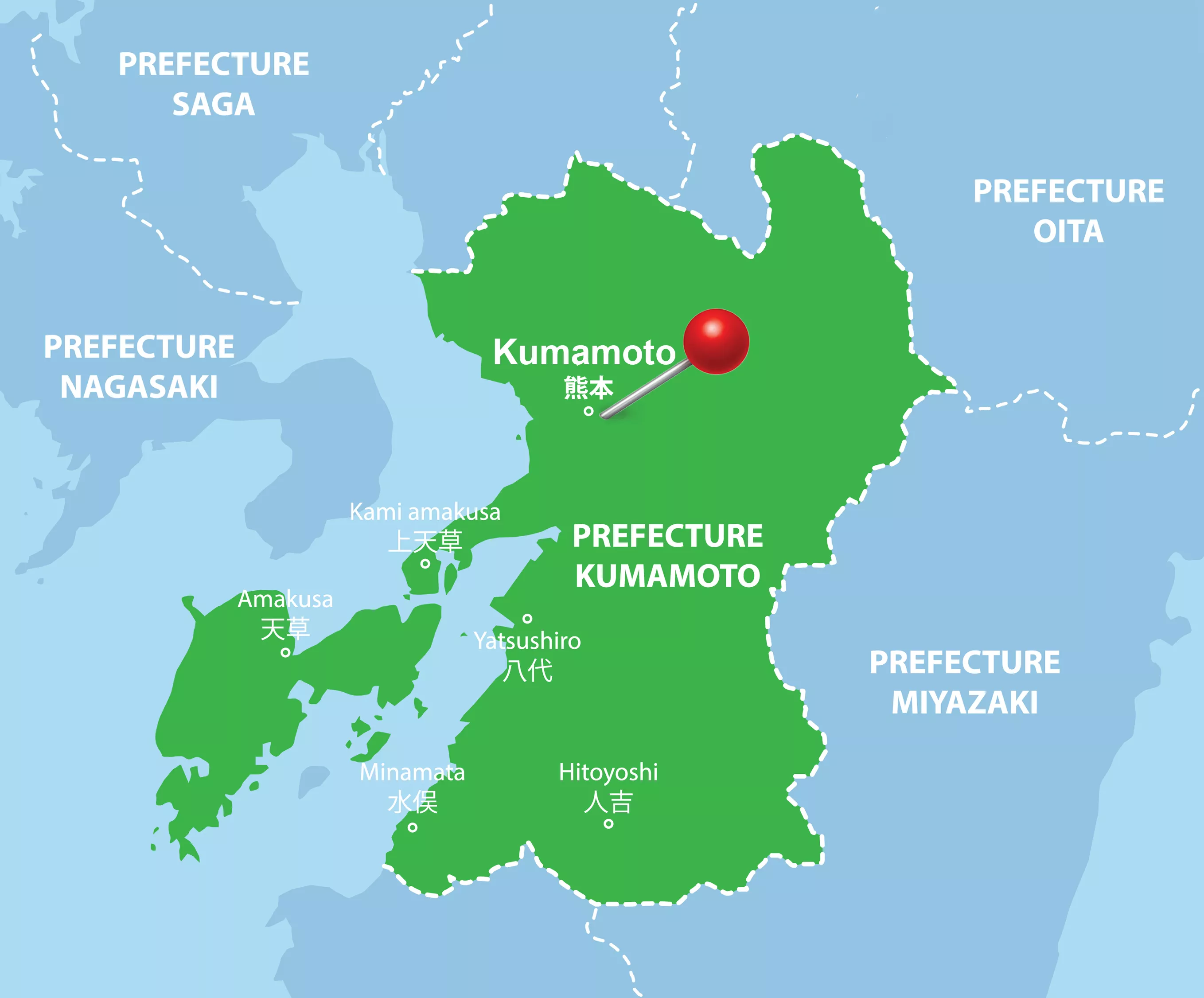 The Taiwan and Japan chip industries in recent years have increased the pace of bilateral investments in their semiconductor manufacturing facilities. The opening of TSMC’s first plant in Kumamoto marks a milestone moment for both Taiwan and Japan’s semiconductor communities. For the two regions, whose chip industries have long been closely linked across segments ranging from silicon wafers and machine equipment to chemicals and various consumables, it’s great to see this new investment as their interdependence strengthens.
TSMC’s Kumamoto plant is a turning point. Players across the Taiwan semiconductor supply chain are sure to follow by establishing operations in Japan to develop new markets, partnerships and customers. Taiwan suppliers of advanced manufacturing equipment, factory engineering, semiconductor consumables and specialty chemicals are bound to expand into Japan to meet the needs of new markets.
Meanwhile, the Japanese semiconductor supply chain will set up facilities in Kyushu, buttressing the cluster effect to support the local ecosystem. The bilateral expansions will enable greater industrial cooperation and talent exchanges between the regions while helping Taiwan semiconductor companies expand their reach overseas.
TSMC’s investment in Japan will also strengthen the resilience of the global semiconductor supply chain as more chipmaking regions continue to diversify geographically. A chief reason for the diversification – to ensure more reliable chip supplies – is that semiconductors have become the rice of many industries, essential to powering leading-edge technologies such as Internet of Things (IoT) and artificial intelligence (AI).
 The automotive industry is a good example. At the opening ceremony of TSMC's Kumamoto plant, representatives from Japanese automotive industry leaders such as Toyota and Denso – two players that will play key roles in TSMC’s Plant II in Kumamoto – were among the guests. The plant reflects the critical importance of a resilient semiconductor supply chain to the Japanese auto industry. The facility will also be a deciding factor for chipmakers looking to do more business with automakers in the future.
The Kumamoto plant will encourage other regions to expand their semiconductor operations in Japan but also create competitive pressure on regions vying for Taiwan's semiconductors too, giving the Taiwan semiconductor industry more negotiating leverage.
The success of TSMC’s expansion in Japan will also help add more value to the Land of the Rising Sun’s semiconductor industry in the global supply chain, helping drive the resurgence of its chip industry as the two regions’ chip industries enjoy many complementary strengths.
Internationalization with global deployments is the path that Taiwan's semiconductor industry must embark on now: the golden age of overseas expansion for the Taiwan’s semiconductor community and the opportunity to elevate its profile in the global supply chain have arrived.
By expanding its presence around the globe, Taiwan will open new opportunities to work with like-minded regions to cooperate in critical areas including technology exchanges, customer support, talent training, green energy and sustainable development. This type of collaboration will facilitate sharing of knowledge, resources and technology, accelerate the pace of competition in the global market, and eventually achieve a win-win for more regions and help grow the global semiconductor industry.
Terry Tsao is Global Chief Marketing Officer at SEMI and President of SEMI Taiwan.


