downloadGroupGroupnoun_press release_995423_000000 copyGroupnoun_Feed_96767_000000Group 19noun_pictures_1817522_000000Member company iconResource item iconStore item iconGroup 19Group 19noun_Photo_2085192_000000 Copynoun_presentation_2096081_000000Group 19Group Copy 7noun_webinar_692730_000000Path
Skip to main content
Default Banner Image

Supply chain

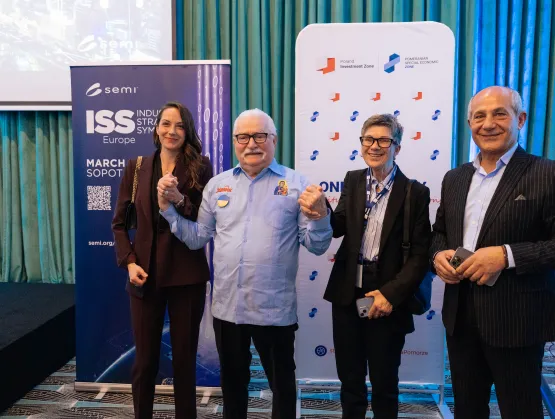
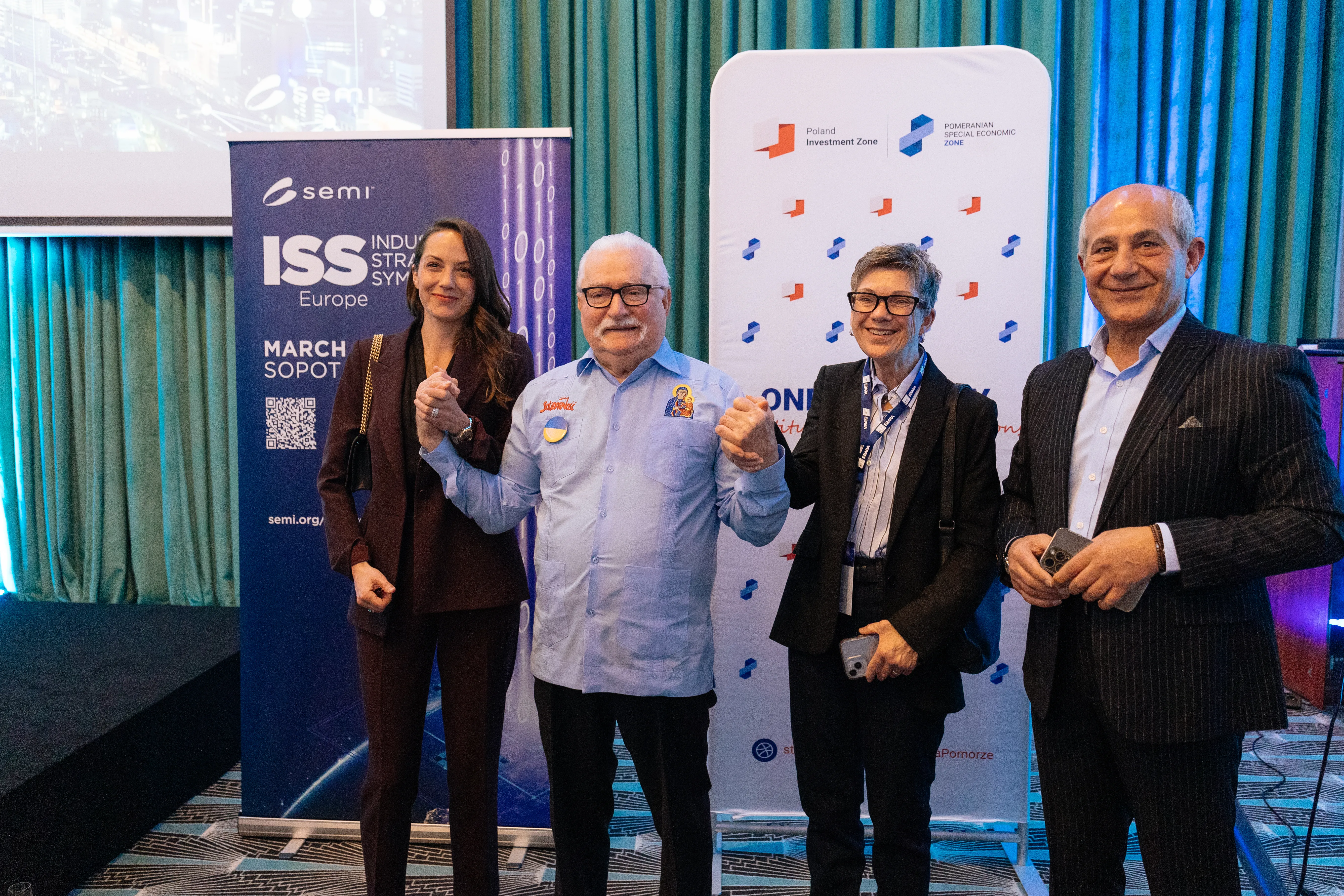
As competition within the semiconductor industry continues to intensify, the need for Europe to strengthen its current position within the global supply chain and develop new partnerships are more important than ever. How can Europe forge a unified semiconductor strategy amidst geopolitical tensions, fast‑moving technological change, and ongoing supply‑chain challenges? These dynamics set the stage for the 2026 Industry Strategy Symposium (ISS) Europe taking place in March in Sopot, Poland for the second consecutive year, bringing together leaders from across the semiconductor ecosystem to assess a rapidly shifting global landscape and define Europe’s path toward greater competitiveness and resilience.The symposium opened with a welcome speech featuring Lech Wałęsa, Nobel Peace Prize Laureate and former leader of the Solidarnosc movement which led Poland’ s resistance to its authoritarian Communist regime in the 1980s. Wałęsa shared a strong message on the importance of collaboration: “Old geopolitical structures and the bipolar world order have reached their limits, and as we transition toward a new global order, it is essential to rebuilding a system better suited to today’s realities”. In this uncertain moment, the Nobel Peace Prize called for peaceful dialogue and collective action to shape a new, more suitable world order rather than relying on conflict.Lech Wałęsa, Nobel Peace Prize LaureateAmidst geopolitical tensions, accelerating technological change, and intensifying global competition, a clear message emerged: semiconductors are now foundational to European economic security and technological leadership. As Laith Altimime, President of SEMI Europe, emphasized, “Semiconductors are the infrastructure of the modern world, and only through close collaboration can we master the challenges ahead and strengthen Europe’s technological leadership.”Laith Altimime, President, SEMI EuropeEurope plays a vital role in this industry, with global revenues expected to reach $2 trillion by 2035. As Altimime noted, “Europe has strong foundations, leading in manufacturing equipment and innovation. We must maintain this leadership while reducing dependencies.”A central theme throughout the symposium was how Europe can build on its leadership positions while strengthening its role across the value chain. As Leonard Hobbs, Director of Government Affairs at Intel Ireland, said, “No region controls the entire supply chain. Europe has to figure out how to differentiate itself within the various parts of the supply chain.” Marc Hijink, author of the book Focus – The ASML Way highlighted Europe’s deep supplier ecosystem, and explained that “more than 80% of the value in the products that ASML makes comes from suppliers who are mostly based in Europe.” Marc Hijink, Author of Focus – The ASML WayAt the same time, significant investments are reshaping Europe’s manufacturing footprint. Joerg Recklies, Executive Vice President Frontend at Infineon, drew the audience’s attention to Infineon’s upcoming Smart Power fab opening in summer 2026 “six months ahead of schedule.” Recklies added, “The new ESMC facility in Dresden is expected to produce 40,000 300mm wafers per month, and will provide the first FinFET capability in Europe.” Joerg Recklies, Executive Vice President Frontend, Infineon TechnologiesLooking at opportunities in advanced semiconductors, Cesc Guim, CEO of Open Chip, said, “25 years ago, the only way to learn how to do advanced chip design was in one of the large US companies. That’s no longer the case. Europe now has the capabilities, supported by RISC-V and a full supply chain backed by the wealth of hardware and software engineering talent in regions such as Pomerania.” Left to Right: Mikołaj Trunin, Deputy Director, Invest in Pomerania and Cesc Guim, CEO, Open ChipTo reinforce the sense of opportunity in a changing world, futurist Christian Kromme gave a whirlwind tour through the revolutions to come in technology and society. He described how each wave of technological change, from the internet to AI to autonomous machines, is arriving faster than the one before. “The internet wave commoditized media and knowledge. In the AI wave, we will see the same value compression, but this time squeezing out human skills such as problem-solving and system design,” said Kromme.Kromme urged delegates to “shift from hard skills to heart skills: imagination, empathy, curiosity and integrity, this is where the value of humans lies, because machines cannot do these things.”Christian Kromme, FuturistTrade tensions and international conflictGeopolitics and supply chain dynamics were central to the discussions. Martin Zech, Senior Director at FTI Consulting, described how the US’s approach to the semiconductor industry had shifted from incentives to restrictions. Zech warned that “a new section 301 investigation into the European semiconductor industry could lead to new tariffs.” Johan Rauer, Partner at McKinsey, added that the threat extends beyond tariffs. “Regions will apply a range of measures, including export controls and IP protection.”Martin Zech, Senior Director, FTI ConsultingJohan Rauer, Partner, McKinsey CompanyChristopher Frieling, Director of Advocacy and Public Policy at SEMI Europe, outlined the EU’s response, including its evolving economic security framework and the concept of “trusted chips,” reflecting a preference for products with strong European involvement.Christopher Frieling, Director of Advocacy and Public Policy, SEMI EuropeThe question of technological leadership was addressed by Carlos Pardo, CEO of KD, who stated, “If Europe wants a relevant position in semiconductors, it needs to invest more.” He added that even in automotive semiconductors, European players hold relatively limited shares. Carlos Pardo, CEO, KDProviding another perspective, Dr. Rafał Bugyi, CEO of TRUMPF Huettinger said, “We don’t need to cover the entire supply chain, but we must be indispensable.” Dr. Rafał Bugyi, CEO, TRUMPF Hüttinger GmbH Co. KGSpeakers also addressed how Europe could adapt to the new reality of supply chain dependency. Benoit Chassagne, End-to-End Supply Chain Manager at Edwards, presented a model of a systems response which his company has implemented to mitigate its exposure to supply chain volatility, while David Forrest, Director of Sustainability and Criticality at Vital Materials, emphasized the role of waste materials recovery, saying that “circularity is an industrial mechanism for supply chain resilience, not an environmental add-on.”Benoit Chassagne, End-to-End Supply Chain Manager, EdwardsDavid Forrest, Director of Sustainability and Criticality, Vital MaterialsCarl van Vugt Luning, Chief Commercial Officer at Resilicon, highlighted the need for greater resilience in polysilicon supply, noting Europe lacks dual sourcing. “Polysilicon is often seen as a commodity, but it is critical. Sovereign chips require a resilient polysilicon supply chain,” said van Vugt Luning.Carl van Vugt Luning, Chief Commercial Officer, ResiliconTurning innovation into commercial revenueIn the session ‘From lab to fab’, speakers examined how Europe can improve its track record in converting innovation into commercial success, for example, by companies such as NVIDIA and Qualcomm.An important part of the EU’s strategy was the creation of technology pilot lines. Jari Kinaret, Executive Director of the Chips Joint Undertaking (Chips JU), told the symposium that the pilot lines are an example of successful collaboration between the state and the private sector. Kinaret said, “The total cost of the NanoIC pilot line (for advanced semiconductor fabrication) is €2.5 billion, but this includes €1 billion of funding from ASML.”Jari Kinaret, Executive Director, Chips Joint Undertaking (Chips JU)The role and value of the pilot lines was the subject of a panel discussion at the symposium. Panelist Anne Van den Bosch, Vice President of Public R D Policies and Programs at imec, said the pilot lines “give the European semiconductor ecosystem faster access to advanced process technology.” Patrick Bressler, Director of Fraunhofer Mikroelektronik, agreed. “Pilot lines are a lab-to-industry scheme to give access to prototype manufacturing for SMEs, start-ups and fabless companies which would not otherwise be able to afford advanced manufacturing,” he said.Moderating the discussion, Laith Altimime asked, “How do we ensure that the products which emerge from innovations developed thanks to the pilot lines get manufactured in Europe? Are boutique fabs the answer?” Kevin Williams, Deputy Director of the PIXEurope pilot line, responded: “There are certainly opportunities in building new types of chips and new types of fabs. We have the know-how in the pilot lines, and the equipment for them is made in Europe.” Bruno Paing, Vice President Europe at CEA-Léti, added, “We need to aim for indispensability, replicating what we have with ASML in the EUV field. For instance, the world needs better memories and better interconnects. There are many opportunities in AI. It is not just about the GPU.”Left to Right: Moderator, Laith Altimime, President, SEMI Europe; Panelists: Anne Van den Bosch, Vice President of Public R D Policies and Programs, imec; Bruno Paing, Vice President Europe, CEA-Léti; Patrick Bressler, Director, Fraunhofer Mikroelektronik; Kevin Williams, Deputy Director, PIXEurope.The symposium also highlighted examples of European innovation from two startups developing new technologies. Antonio Mesquida Küsters, Strategic Advisor to Euclyd, presented a processor system combining 16,384 cores with ultra-high bandwidth memory using advanced 2.5D and 3D packaging, offering an alternative to GPUs for AI inference. As he said, “We want to break the hyperscaler/cloud model of AI to build sovereign AI capability for Europe by 2030.”Antonio Mesquida Küsters, Strategic Advisor, EuclydJekaterina Viktorova, Founder and CEO of Syenta, introduced additive manufacturing technology enabling denser interconnects for advanced AI systems, noting, “Our roadmap is set to produce a 20x increase in bandwidth over the next 10 years.”Jekaterina Viktorova, Founder and CEO, SyentaNew strategies for competitiveness in semiconductor manufacturingIf these types of innovative products are to be manufactured in Europe, the region’s fab operations will need to combat the growing competition from China and elsewhere. Giovanni Notarnicola, Partner at Porsche Consulting, said, “Our position in Europe is under attack. The next threat is not from a new product, but from how chips are designed and produced.”Giovanni Notarnicola, Partner, Porsche ConsultingThomas Altenmüller, Vice President of Manufacturing Analytics at Infineon, highlighted the role of automation: “We get more automation in the transition from 8” to 12” wafers, which gives us an advantage in Europe because of our higher labor cost compared to China. But to compete, we still need more AI smart workflows to increase the automation.” Carina Lainer, Principal at Roland Berger, added, “Today we optimize operations with tools built for a human-centric process, which has reached its limit. We can instead use digitalization and AI to fundamentally change the way that semiconductor innovation takes place.”Thomas Altenmüller, Vice President of Manufacturing Analytics, InfineonLeft to Right: Carina Lainer, Principal, and Thomas Kirschstein, Partner, Roland BergerOded Tal, CEO of MAX Group, cautioned that the barrier to increased implementation of automation was not technical but social. “Humans can be very flexible, but leadership is crucial. “You have to give training and clear instructions. It’s about structure, making people’s roles and responsibilities crystal-clear,” he said.Oded Tal, CEO, MAX GroupThe symposium closed with a panel discussion about the implementation of AI and automation in the fab. Moderator Cassandra Melvin, Senior Director of Business Development and Operations at SEMI Europe, pointed out that “intelligence is moving beyond the tool to the control room, a development which is powered by AI.” The panelists were quick to acknowledge the radical impact that AI is having on fab operations. Dirk Drescher, Plant Manager at Bosch Semiconductor, said, “We built the Bosch fab in Dresden around a standardized data architecture, which is what enables us to implement AI. That is a contrast to a 20 year old fab, which can only see a patchwork of different data systems.”Thomas Richter, Senior Vice President and Managing Director at Infineon, added, “digitalization is about much more than just AI. We have had great success in getting rid of boring, routine tasks through digitalization. This makes a huge difference, and helps our fabs to stay competitive.”The panel also debated the potential impact of humanoid robots on the scale and impact of automation. Richter said, “In our fabs, I can see rooms in which it has never been possible to automate before, but humanoid robots give me hope that we can automate more in future.”Matthias Bonkass, Vice President of Advanced Manufacturing Engineering at GlobalFoundries, agreed. “By 2035, we will see collaboration between humans and humanoids. This wave is coming!” Going even further, Dirk Drescher looked forward to an era of total automation. He said, “We will see a lights-out fab by 2035. This is definitely a tailwind for the European semiconductor industry, making it faster, reducing cost, and giving us more opportunity to build semiconductors in Europe.”Thomas Morgenstern, Executive Vice President of Manufacturing at STMicroelectronics, concluded, “We must not let culture be a barrier to AI. Technical strategies to implement AI are all very well, but you need people to buy in. Morgenstern added, “The name of the game is productivity. The most advanced fabs have to be dark, with remote operating centers somewhere in the world, running clusters of fabs. I am extremely confident that by 2035, if not before, the first dark fab will be in operation.”Left to Right: Moderator, Cassandra Melvin, Senior Director of Business Development and Operations, SEMI Europe; Panelists, Dirk Drescher, Plant Manager, Bosch Semiconductor; Matthias Bonkass, Vice President of Advanced Manufacturing Engineering, GlobalFoundries; Thomas Morgenstern, Executive Vice President of Manufacturing, STMicroelectronics; Thomas Richter, Senior Vice President and Managing Director, Infineon.During the event, SEMI Europe announced recipients of the SEMI European Award and Special Service Award for 2025. Dr Peter O’Brien, Head of Research in Photonics Packaging and Systems Integration at Tyndall National Institute, was honored with the SEMI European Award and, Eric Beyne, Senior Fellow at imec, with the Special Service Award. Peter O’Brien, Head of Research in Photonics Packaging and Systems Integration, Tyndall National InstituteAnne Van den Bosch, Vice President Public R D Policies and Programs, imec receiving the award on behalf of Eric Beyne, Senior Fellow, imecOn behalf of SEMI, the SEMI Europe team and ISS Europe committee, we would like to thank all speakers, sponsors, and attendees for making the event a great success. ISS Europe 2027 will take place in Dresden, Germany from March 8-10.Serena Brischetto is Director, Marketing and Digital Engagement at SEMI Europe.
Read More
The number of regulatory proposals, including restrictions on substances such as per- and polyfluoroalkyl substances (PFAS), that could hinder the semiconductor industry’s ability to continue manufacturing is increasing. The SEMI Environmental, Health Safety (EHS) Working Groups, composed of industry technologists from across the global supply chain, meet on a regular basis to share intelligence and develop strategies to earn exemptions and/or extensions from regulators to enable the industry to continue manufacturing the chips critical to our modern way of life.In addition to an EHS session each year at SEMICON West, SEMI also hosts a full-day EHS Summit annually. This year’s event will be held on Thursday, May 26 at SEMI Headquarters in Silicon Valley. Experts from AGC, Beveridge Diamond, Intel, Tokyo Electron, SEMI Public Policy Advocacy staff from Brussels and Washington DC, as well as other key industry leaders will address the EHS regulatory challenges facing semiconductor manufacturing in 2026 and beyond. Presentations will allow for questions, discussions, and planning for taking collective action to strengthen semiconductor manufacturing.  Tentative topics include:US regulatory landscape under second Trump Administration and global impactUS State-level legislationEurope: PFAS restriction, REACH restriction, packaging and packaging waste regulation, GENESIS Consortium, and more.PFAS recyclingStockholm ConventionEmerging regulations in AsiaSupply chain transparencyUS EPA Technology Transition Rule (HFC Phasedown)US EPA TSCA New Substances Risk EvaluationPlasticizers and flame retardantsMark your calendar to attend, network, and strategically prepare your company. Register today. EHS Summit LocationSEMI 673 South Milpitas Ave. Milpitas, CA 95035James Amano is Senior Director, EHS at SEMI
Read More
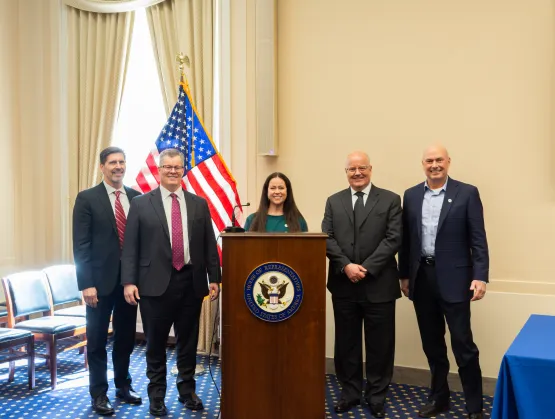
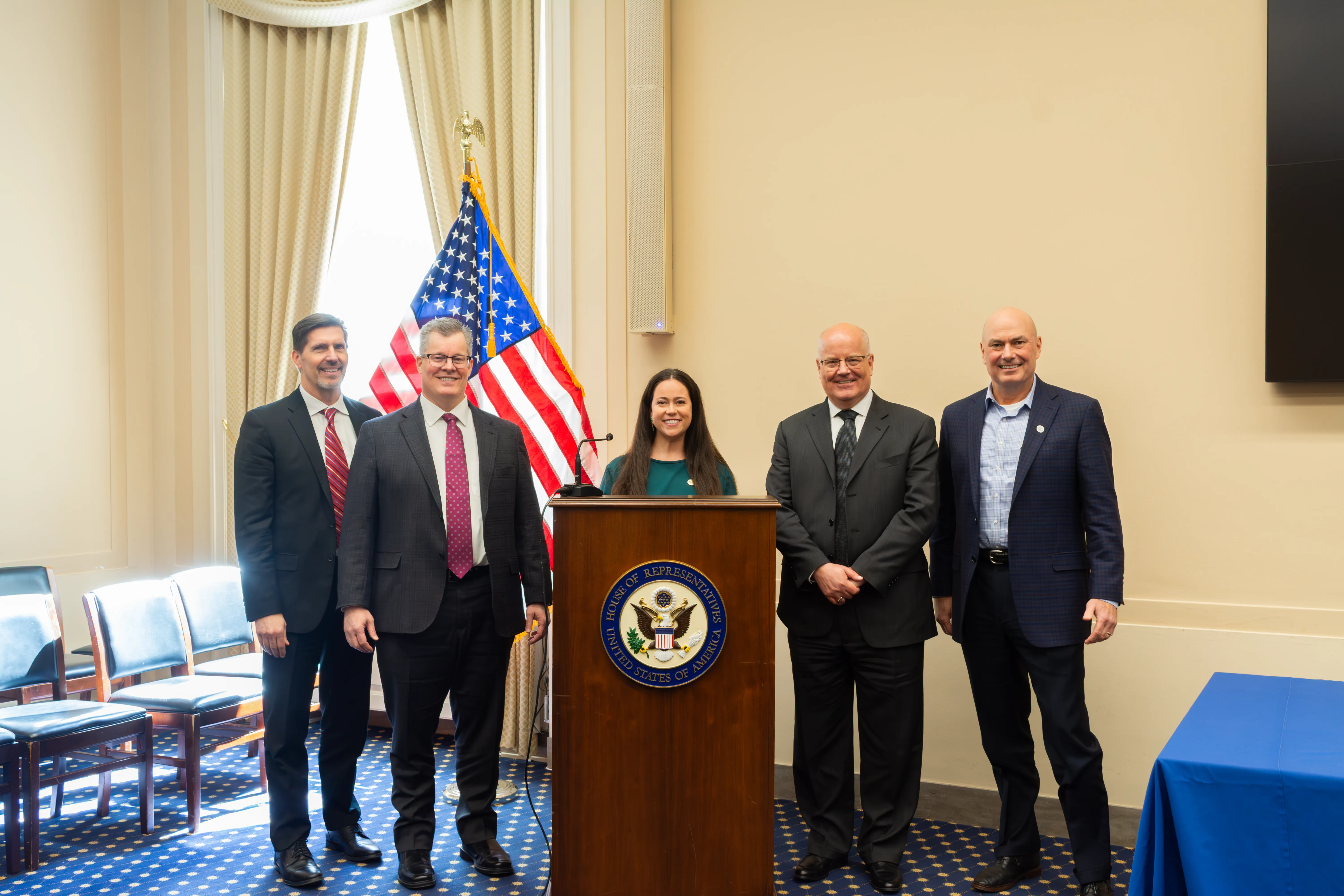
The House Semiconductor Caucus event held on March 17, 2026 at the Rayburn House Office Building in Washington, D.C. brought together industry leaders for an in-depth panel discussion around the upstream vulnerabilities in the U.S. semiconductor supply chain and policy actions Congress should consider. If policymakers do not hear from all segments of the supply chain, critical issues go unaddressed and the policies that result are less effective than they could be. Events like this reflect SEMI’s mission to bring the full breadth of the supply chain into policy conversations. Key topics addressed during this panel were supply chain and critical material challenges, tax and domestic incentives, and export controls and trade policy. The briefing featured executives from leading materials companies—Entegris, Materion, Avient, and CoorsTek—and was moderated by SEMI. They shared firsthand insights into bottlenecks and risks within the global supply chain, emphasizing how disruptions in sourcing and processing critical materials can threaten the entire semiconductor manufacturing process. The event also addressed the need for targeted policy actions to strengthen U.S. competitiveness, such as extending and expanding the Sec. 48D tax credit, targeting R D in specific areas, and workforce development. The event underscored the strategic significance of a robust and resilient semiconductor supply chain as a cornerstone of national and economic security, particularly in light of ongoing global supply chain uncertainties. The panel encouraged policymakers to increase consultation with industry stakeholders and consider specific, actionable steps to close existing gaps and support the entire ecosystem. The Q A session allowed congressional staff to engage directly with experts, further deepening their understanding of the complex challenges facing the semiconductor industry today. SEMI is the preferred trusted partner to the government and the event concluded with a networking lunch to reinforce the collaborative spirit between industry and government that is necessary to build a stronger, more secure future.Thank you to Representative Zoe Lofgren for providing a keynote address, Representative Michael McCaul for collaborating with SEMI to host this panel event, and to our speakers for raising these important issues and sharing timely insights. Visit SEMI Global Advocacy to learn more about public policy efforts and developments as well as how your company or organization can get involved.Scarlett Bickerton, Manager, Federal State Affairs at SEMI.
Read More
Cybersecurity vulnerabilities within the semiconductor supply chain are a growing concern, ranging from individual threats to whole supply chain cyber resilience. It is imperative that the semiconductor industry addresses these risks. Last year, the Semiconductor Manufacturing Cybersecurity Consortium (SMCC) at SEMI introduced Semiconductor Supplier Cybersecurity Assessment (SSCA), providing a streamlined framework allowing suppliers to complete one standardized questionnaire to comply efficiently. The assessment process involves suppliers presenting evidence to support their claims of security controls and measures put in place. Such a body of evidence is critical to establish confidence in the suppliers’ ability to manage risk and comply with standards. The SSCA is a free, open-access resource for the semiconductor industry. This is intentionally made openly available to support SMCC’s mission to strengthen cybersecurity across the semiconductor manufacturing ecosystem. The questionnaire aligns with the six functions of the National Institute of Standards and Technology (NIST) cybersecurity framework 2.0: Govern, Identify, Protect, Detect, Respond and Recover. A recent project led by Swansea University’s Systems Security Group (SSG), in close collaboration with SEMI SMCC, is mapping the evidence requirements necessary for SSCA assurance. The project is funded by the UK Research and Innovation (UKRI) as part of seed funding to support UK/US/Germany collaborative research and innovation projects in the field of semiconductor security. UKRI supports such collaboration in the interest of “maintaining confidence in security throughout the design and manufacturing processes,” and particularly to support research addressing “what tools and techniques could help to reduce the risks associated with third-party hardware design and manufacturing services?”.The project ensures that the global ecosystem is engaged so that evidence requirements developed are acceptable, cost-effective, in line with the latest standards and practice, and ultimately suitable for adoption. As part of this project, two workshops are being organized, one in Germany at Bavarian Chip Alliance, Nuremberg on Tuesday, March 10 and one in the UK at Swansea University on Thursday, March 12, aiming to introduce SSCA and the evidence requirements, gather feedback and inspire early adoption. Join either of these workshops to help shape the evidence requirements and help prepare for effective supply chain security assurance. Participants must download the SSCA framework prior to the workshop.Register for the Germany Workshop on March 10Register for the UK Workshop on March 12Key TopicsIntroduction to Semiconductor Manufacturing Cybersecurity Consortium (SMCC)Standardized Semiconductor Cybersecurity Assessment (SSCA)Supply chain assurance and evidence mappingGroup discussion to feedback on evidence requirementsOpen Q A with cybersecurity and compliance expertsWho Should AttendCybersecurity and compliance professionalsSemiconductor suppliersLegal and regulatory affairs professionalsFabless chip designers and foundriesTesting, packaging, design software, R D tools and IPManufacturing/assembly equipment and ancillary fab servicesIntegrated device manufacturersAbout the authors:Siraj Shaikh is a Professor in Systems Security at Swansea University (UK). His research interests lie at the intersection of cybersecurity, systems engineering, and computer science addressing cyber-physical systems security for automotive and transport systems. He is also Co-Founder and Chief Scientist at CyberOwl, which is dedicated to risk analytics and security monitoring for the maritime sector.Mayura Padmanabhan is a Technical Project Manager at SEMI who manages the Cybersecurity Technology Coalition and Traceability activities.
Read More
The CxO Summit at SEMICON Europa 2025 spotlighted Europe’s ongoing efforts to build a resilient and globally competitive semiconductor industry, while calling for greater ambition, speed, and unity in execution. Following global disruptions with the automotive supply chain crisis, the European Union launched a continent-wide strategy through the EU Chips Act. While the Act has already spurred significant developments, including construction of the new ESMC fab in Dresden, Europe remains far from its goal of achieving a 20% share of global semiconductor production by 2030. The CxO Summit, part of the SEMICON Europa event in Munich, provided an opportunity for industry leaders to share ideas about how to catalyze the next phase of the European industry’s growth.Ajit Manocha, President and CEO of SEMI opened the summit by describing today’s industry landscape with one word: “unprecedented.” Manocha said, “The global growth of the industry is unprecedented, with 107 new fabs set to come online by 2028, but the uncertainties are unprecedented, from geopolitics to the talent shortage to environmental concerns. So we need unprecedented solutions.” Ajit Manocha, President and CEO, SEMILaith Altimime, President of SEMI Europe echoed the mood of uncertainty, describing Europe as caught “in a perfect storm.” Altimime said, “As we face a combination of internal challenges and intensifying external competition, collaboration is not optional — it is mission critical.” Laith Altimime, President, SEMI EuropePierre Chastenet, Head of the Unit for Microelectronics and Photonics, European Commission, highlighted the tangible progress made under the EU Chips Act. “We now have a proper toolbox to handle a future crisis in the supply chain. The Chips for Europe initiative has led to the creation of five pilot lines for advanced technologies such as FD-SOI and wide bandgap semiconductors.” Chastenet added, “Europe must now capitalize on its strengths, from materials and equipment to design tools and cutting-edge research emerging from our RTOs.”Pierre Chastanet, Head of the Unit for Microelectronics and Photonics, European CommissionEchoing the call for action, Oliver Schenk, Member of the European Parliament, urged stronger regional unity. “Europe must act together, act faster, and act with much bigger ambition,” Schenk said, reinforcing the need for cross-border commitment to strengthen the continent’s semiconductor position.Oliver Schenk, Member of the European Parliament, European ParliamentHighlighting Europe’s most critical technology gap, Luc Van den hove, President and CEO of imec, unveiled plans for a new advanced fab backed by €2.5 billion in investment from the EU, the Flemish government, and ASML. Van den hove urged Europe to commit wholeheartedly to advanced technologies: “We must be more ambitious, and focus on disruptive breakthroughs rather than incremental change if we want to ensure a prosperous future.”Luc Van den hove, President CEO, imecAt the CxO Summit, CEA-Leti and ASML signed a memorandum of understanding (MoU) to deepen their collaboration and accelerate innovation in mainstream semiconductor technologies. Building on promising results in hybrid bonding, the partnership will now target 'More-than-Moore' innovations, including heterogeneous integration and novel substrates like SiC and GaN. “We aim to combine ASML’s world-class lithography expertise with CEA-Leti’s system-level innovation,” said Sébastien Dauvé, CEO of CEA-Leti. The collaboration is set to strengthen Europe’s ecosystem by shortening the path from early research to industrial impact.Left: Anne Hidma, Senior Vice President EUR US, ASML; Right: Sébastien Dauvé, CEO, CEA-LetiTurning to Europe’s industrial base, Christian Senger, CEO of Volkswagen Autonomous Mobility, emphasized the need to shift from risk-aversion to opportunity. While the region’s automotive sector faces intense global competition, particularly from China, Senger highlighted that Europe has the potential to lead in new mobility markets. “The market for autonomous roboshuttles for people transport in large cities is forecast to be worth €400 billion in the US and Europe alone,” he said. With American firms like Waymo and Uber leading the robotaxi space, Senger stressed that Europe must “act swiftly to create an environment that supports an autonomous mobility industry here.”Christian Senger, Member of the Board for Fully Autonomous Mobility and Transport CEO of ADMT GmbH, VolkswagenEurope’s Potential to Create Advanced TechnologyOne of these RTOs, CEA-Leti, is responsible for the FAMES pilot line for FD-SOI technology. Sébastien Dauvé, CEO of CEA-Leti, agreed with Pierre Chastenet that the pilot lines show great promise. He said, “FD-SOI is a big trend in semiconductors, because it enables very low power consumption in embedded devices. We think that adoption of the technology will grow in the coming years, and that is good, because most of the technology is produced in Europe.”Sébastien Dauvé, CEO, CEA-LetiEurope is also widely recognized to be the leading global voice on sustainability – a huge issue of concern to the semiconductor industry. Henri Berthe, President of the Semiconductor and Battery Segment at Scheider Electric, told the summit that 500 million tonnes of CO2 emissions per year are attributable to the semiconductor industry – “more than the whole of Mexico emits!” he said. “We need to make fabs more efficient, and that is why Schneider Electric has launched a new playbook with Applied Materials for sustainable energy abundance for the industry.”Henri Berthe, President of the Semiconductor Segment, Schneider ElectricAnother aspect of Europe’s playbook is support for new fabs. The flagship is ESMC, the joint venture between TSMC, NXP Semiconductors, Bosch, and Infineon. Christian Koitzsch, president and managing director of ESMC, reported to the summit that the project to build in Dresden a 12nm FinFET foundry and a 28nm CMOS line, requiring a total investment of €10bn, is on schedule. “We are now developing local supply chains, hosting a series of ESMC Supplier Days which are open not only to German but generally to European suppliers,” said Koitzsch.Christian Koitzsch, President and Managing Director, European Semiconductor Manufacturing Company (ESMC)As Manfred Horstmann, General Manager and Senior Vice President of Global Foundries, pointed out, the building of the ESMC fab means that Dresden is established as the center of a cluster of semiconductor industry companies. “Global Foundries has its Fab 1 and a mask center in Dresden. In fact, one-third of the chips produced throughout the whole of Europe now comes from Dresden.”Manfred Horstmann, General Manager and Senior Vice President, GlobalFoundriesAn example of ambition was given by Terence Gan, Executive Director of the Institute of Microelectronics of Singapore. Gan told the summit how Singapore has used pilot lines to stimulate research and development in new technologies. He said: “We started research into advanced packaging as long ago as 2011. Most people thought we were mad! But today, there is strong demand for our advanced packaging capabilities because of the rise of AI and its need for high-performance computing.”Terence Gan, Executive Director, Institute of MicroelectronicsBreaking Barriers to ProgressDespite momentum, bureaucratic inefficiencies continue to hamper progress. Narjiss Haddaoui, Managing Director of European Economics called for faster decision-making: “In global competition, speed is a decisive factor. To act fast enough, the EU must change its ‘software’ - the processes by which it considers and makes decisions.” Narjiss Haddaoui, Managing Director, European economicsThe stifling character of European bureaucracy is reflected in the region’s approach to building fabs. Herbert Blaschitz, Executive Vice President of Advanced Technology Facilities at Exyte, compared fab construction timelines: 20 months in Taiwan, 34 in Europe, and 38 in the U.S., attributing delays in Europe to paperwork bottlenecks.Herbert Blaschitz, Executive VP of Advanced Technology Facilities, ExyteFabio Gualandris, President for Quality, Manufacturing and Technology at STMicroelectronics raised another concern — 100% of raw materials used in European fabs come from outside the region. Christophe Frey, Vice-President for EU Engagements at Arm France, added that geopolitical tensions are clouding the path forward: “We are a bit lost in the smoke from the big fire in the world’s semiconductor industry.” Fabio Gualandris, President Quality, Manufacturing Technology, STMicroelectronics Christophe Frey, Vice-President of EU Engagements, Arm FrancePlaybooks For Future SuccessSo amid the uncertainty and global tension, what lessons can the industry learn from successful regional examples? Tuomas Korpela, Business Development Senior Manager at Nokia, credited Finland’s strategic procurement and policy tools with enabling a vibrant semiconductor ecosystem: “Finland creates demand for advanced chips using industrial policy tools, alongside strategic procurement in sectors such as defense and aerospace, and connectivity.” Tuomas Korpela, Business Development Senior Manager - Corporate Development Organization, NokiaAt a regional level, Joerg Schulze, Director of the Bavarian Chips Alliance, said that his organization was supported by the Bavarian State Ministry of Economic Affairs, as well as by companies and universities. “We help semiconductor companies to establish themselves and grow here through help with site searches, networking and contacts, funding and support, and talent acquisition,” said Schulze.Joerg Schulze, Spokesperson for the Bavarian Chips Alliance, Director of the Fraunhofer IISB, Bayern Innovativ GmbHCompanies in the European semiconductor supply chain also provided the summit with their insights into the roots of global success. André Grede, Chief Technology Officer of Comet, described how his company’s strategy is not to wait for customers to tell it what they need, but to be “ahead of the curve.” Grede said: “Is staying in sync with the customer enough? Not for us - we are deeply embedded with our customers, and constantly looking to broaden our relevance to them.”André Grede, CTO, CometChristophe Maleville, Chief Technology Officer of Soitec, provided a real-world example of how this is done. He said: “Our engineered substrates using RF-SOI technology reduce the drain on a mobile phone’s battery power, and cut our customers’ board footprint thanks to RF front end integration. As a result, our products are now in 100% of 5G smartphones.”Christophe Maleville, CTO, SoitecAnne Hidma, Senior Vice-President for Europe and the US at ASML, shared the company’s success formula: “The reasons for ASML’s success include customer focus – decide which markets you are going to be in, and which you are not. We are also all-in on innovation. We nurture an ecosystem, which for us includes imec and CEA-Leti, as well as partnerships with academia. And lastly, we have a strong supply base, which is a core strength of Europe.” In a time marked by both uncertainty and opportunity, the example of ASML shows how the European semiconductor supply chain can survive and thrive.Anne Hidma, Senior Vice President EUR US, ASMLEurope’s Path ForwardThe CxO Summit made one thing clear: Europe has world-class innovation, policy momentum, and industrial commitment. What’s needed now is faster execution, deeper collaboration, and the courage to invest in the technologies of tomorrow. As the industry heads toward the $1 trillion milestone, the decisions made today will shape Europe’s place in the semiconductor world for decades to come.On behalf of SEMI, the SEMI Europe team would like to express appreciation to the industry leaders for sharing their visions and readiness to collaborate during the CxO Summit.SEMI ContactLaith Altimime, President SEMI [email protected]
Read More
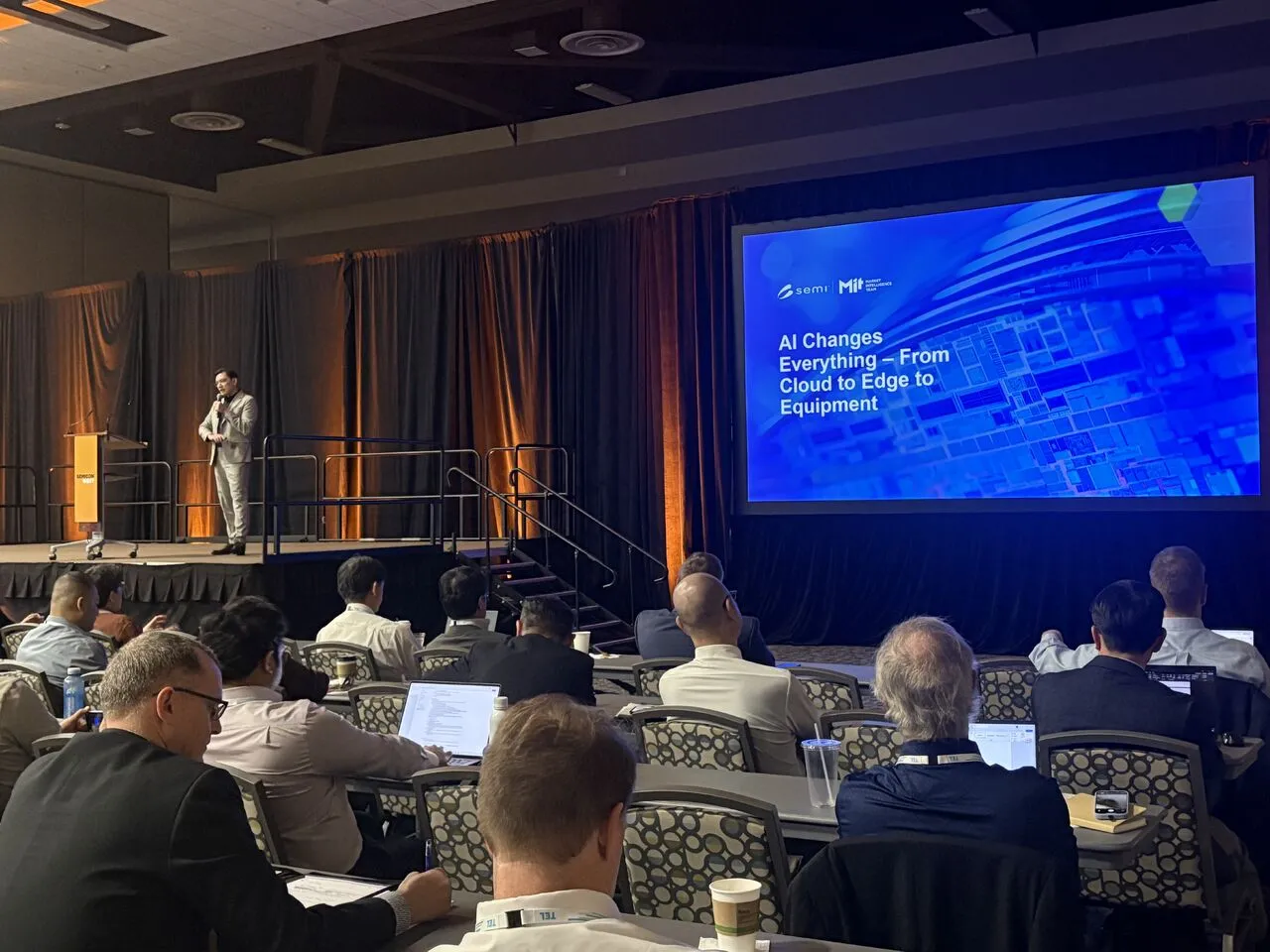
The 2025 SEMICON West Market Symposium brought together leading analysts and strategists to decode the powerful forces shaping the global semiconductor market. Building on last year’s focus on fabless growth and workforce initiatives, this year’s sessions centered on the rising influence of geopolitics, trade policy, and AI-driven investment. Experts from SEMI, Integrated Insights, Boston Consulting Group, Kearney, PwC, WSTS and TechSearch shared perspectives on how global shifts from tariffs to technology races are redefining supply chain resilience and regional competitiveness.On October 6 in Phoenix, Arizona, Clark Tseng, Senior Director of SEMI Market Intelligence, hosted the symposium and presented along with industry experts on the current trade environment from various angles. Discussions ranged from the effects of U.S. tariffs across the globe, to sector-specific considerations and market growth areas. US Trade Dynamics in Semiconductors As the geopolitical landscape in the U.S. becomes more complex, Iacob Koch-Weser, Associate Director, Global Trade Investment at Boston Consulting Group outlined the impact that tariffs are having on the U.S. industry. The average American tariff, he said, is higher than any time in the last 75 years. Although the semiconductor industry is less affected by high tariffs than other sectors, Koch-Weser noted that might change with the administration’s expanded Section 232 Tariff that imposes 50% tariffs on steel, aluminum, and their derivatives on nearly all trading partners. To explain, he described four potential Section 232 tariff scenarios, underscoring limited Section 232 enforcement as the ideal approach.Tariffs may be deprioritized in favor of chips incentivesThere may be targeted carveouts for alliesThe administration may impose high tariffs with limited exceptionsThere may be a 100% tariff rate To cope with tariff uncertainty, Koch-Weser recommended that companies consider reshaping policies, mastering trade compliance, and reconfiguring supply chains if possible. He also shared four potential outcomes for the future of U.S. trade that could take effect within the next 18-24 months. The U.S. may run its own system while the rest of the world aligns to World Trade Organization (WTO) rules.North American countries may form a stronghold, leaving all other countries to choose between the North American alliance and WTO standards.Countries may form new blocs and preferential agreements, creating multiple economic spheres worldwide.Global cooperation could break down, forcing countries to fend for themselves.With everything considered, he reinforced that the U.S. is still an attractive place for semiconductor investment. The current administration, he said, recognizes the importance of bringing advanced technologies back to the U.S. Navigating Uncertainty: AI-Driven Growth and the U.S. Semiconductor Manufacturing RenaissanceContinuing discussions on tariffs, SEMI’s Clark Tseng painted a picture of the current U.S. semiconductor industry. He divided his presentation into four key areas: near-term economic uncertainty, AI changes everything, semiconductor market equipment forecast, and material market outlook.Near-term economic uncertainty: U.S. tariff policies are contributing to inflationary pressures and altering global trade patterns, leading to cross-border uncertainty that is slowing investment. U.S. tariff revenue, he said, has expanded from $7 billion in January 2025 to $29.5 billion by August, forcing companies to sacrifice margins to compensate. AI changes everything: By 2030, Tseng noted that nearly half of the semiconductor industry’s capital expenditure will be driven by AI, pointing to sustained growth in AI-driven cloud infrastructure spending through 2028 forecasts. AI is also moving beyond data centers into edge computing and endpoint devices.Semiconductor market equipment forecast: Tseng reported that the outlook for the equipment market remains strong over the next three years. However, the biggest risk to the market is a potential slowdown in AI investment and adoption. Additionally, U.S. export controls and changes in regional supply chains present some challenges. Last year, China was the largest market for semiconductor equipment, but Tseng expects continued normalization amid broader market adjustments. Taiwan and South Korea experienced the strongest year-over-year growth, driven by demand for AI chips and high-bandwidth memory (HBM). Material market outlook: Silicon wafer shipments grew strongly in Q2 of 2025, but Tseng flagged this as unexpected and cited tariffs as a possible explanation. He noted the 300mm wafer segment is expected to grow 7% in 2025, while 200mm is projected to decline. The total wafer material market, he said, is also expected to grow by 6% this year. Additionally, wet chemicals experienced a 16% expansion in 2025, while silicon wafers, photolithography materials, and CMP materials are in recovery. Semiconductor Market – Status Outlook Tobias Pröttel (or Proettel), CEO of World Semiconductor Trade Statistics (WSTS), reported that the industry’s rebound remains firmly on track, with the latest WSTS statistics confirming a 19% year-over-year increase in global semiconductor sales during the first half of 2025. Total revenue reached $346 billion over the period, supported by strong demand for AI-driven infrastructure and next-generation data centers. Based on this solid first-half performance, WSTS has raised its full-year 2025 forecast to $728 billion, representing 15% annual growth, and now expects the market to reach around $800 billion in 2026, keeping the industry on course toward the $1 trillion milestone before the decade’s end.Logic and Memory continue to lead the expansion, driven by GPUs, AI accelerators, and high-bandwidth memory (HBM), while other product categories are showing steady recovery after the recent downturn. Pröttel noted that this growth is not confined to a single region: the Americas, China, and Asia Pacific are all posting double-digit gains, reflecting strong global momentum across the semiconductor value chain.Strategic Approaches to Semiconductors by Major Economies Following Pröttel, Kearney’s Vice President, PERLab, Sanjay Kumar outlined the semiconductor investment climates in South Korea, Japan, Taiwan, and India. South Korea is currently focused on maintaining its lead in memory, diversifying into logic, localizing its supply chain, developing advanced packaging capabilities, and investing in startups. Kumar also noted the Korean approach of offering loans, as opposed to the U.S. strategy of providing direct grants. In addition, Kumar said the Korean government plays an active role in how it wants its companies to grow, whereas the U.S. takes a more passive approach in this regard.Japan is also honing its leadership in key areas like materials and memory, and Kumar also pointed to the country’s efforts to build additional advanced packaging capacity. Japan, he said, aims to grow its industry though a mix of grants, loans, and tax credits. Among the country’s notable subsidies include a 50% subsidy for TSMC – its largest so far – as well as a $4 billion subsidy for Rapidus. Taiwan’s semiconductor industry is critical for protecting its national security. As a region with limited land, power, and water, Kumar noted that Taiwan is currently focused on developing its talent base. Its government is offering tax credits for R D and equipment and up to a 50% cost share for R D projects. India, he said, has one of the most ambitious incentive programs in the world. Through its India Semiconductor Mission (ISM), the country offers a 50% federal subsidy, in addition to a 20-30% state subsidy in its quest to cover the entire semiconductor ecosystem. Kumar also spotlighted some of India’s successes – like the joint venture between Renesas, CG Power and Industrial Solutions, and Stars Microelectronics – to build a new OSAT facility.Adapting to New Policy and Navigating the U.S. Semiconductor Landscape – Insights from Taiwan Taiwan is a critical trade partner of the U.S., ranking fourth in total trade volume as of July 2025. With Taiwan’s stronghold on the U.S. chip ecosystem, Paul Poliakov, Senior Manager, International Tax Services, CPA at PwC Taiwan detailed both the bottlenecks and developments regarding Taiwan companies’ investments in the U.S. Among the investment bottlenecks he highlighted were higher costs of building facilities in the U.S., multiple layers of compliance requirements that may be intimidating for new market entrants, and complex visa and tax regulations. In addition, Section 232 investigations on semiconductors are ongoing, with several potential policy changes that could take effect. The pending United States-Taiwan Expedited Double-Tax Relief Act could help ease burdens, he said, but it has yet to pass in the U.S. Senate as of October 2025. If it passes, it will integrate benefits for Taiwanese individuals and businesses into the U.S. tax code, which could substantially benefit Taiwanese investment in the U.S., including manufacturing, services, distribution, and a wide variety of other industries. Furthermore, Poliakov suggested that businesses maintain flexibility in their investment strategies, engage with U.S. state and local governments that can offer investment incentives, and work with professionals to ensure regulatory compliance. Geopolitical Shifts in Advanced Packaging AssemblyIn the final presentation of the 2025 Market Symposium, Jan Vardaman, Founder and President of TechSearch International provided an overview of the current advanced packaging market. Although advanced packaging represents the highest growth area in the industry, Vardaman highlighted that packaging complexity is also soaring. R D, testing, and equipment support infrastructure, she said, are becoming more critical for meeting future packaging needs. Even though assembly is mostly done in Asia, new U.S.-based advanced packaging facilities from Amkor, TSMC, and others represent signs of change. Still, Vardaman noted that the U.S. has almost no capability to produce advanced IC substrates using build-up film, which are needed to support high density applications. In addition, she highlighted that building more silicon fabs on U.S. soil won’t solve its national security or supply chain concerns.For the U.S. to create a sustainable packaging ecosystem, Vardaman concluded that support of assembly facilities is crucial. Ultimately, businesses must be willing to pay more for U.S.-based packaging in favor of potential supply chain resilience and national security benefits. SEMI would like to thank all speakers, sponsors, and attendees for the success of this year’s Market Symposium. Explore the latest SEMI Market Intelligence reports, covering historical reporting, actionable foresight into emerging trends and technology investments to make confident, forward-looking decisions across the semiconductor and microelectronics value chain.Clark Tseng is Senior Director, Market Intelligence Team at SEMI. Nishita Rao is Director, Product Marketing at SEMI.
Read More
Q3 2025 was packed with activity. From finalizing the Standards program for SEMICON West, to organizing the event’s corresponding Global Standards Summit (GSS), the Standards team is excited to share its most recent quarterly developments.On Tuesday, October 7, leaders from across the industry convened in Phoenix, Arizona, for the second annual GSS. This half-day summit focused on future standardization needs for supply chain traceability and environmental sustainability. In addition, the Standards team conducted two workshops at SEMICON West. The first, SEMI Liquid Chemicals Analytical Workshop, detailed recent advances in analytical methodology and instrumentation related to particle measurement, trace metals, and organics in liquid chemicals. The second, Enhancing Voltage Sag Immunity: SEMI F47 Standards Updates Insights Workshop, offered a forum for sharing improvements to SEMI Standard F47 to further enhance tool performance and reliability. Finally, Q3 saw the official introduction of SEMI Standards T26 and E195. SEMI T26-0925, Specification for Electronic Supply Chain Traceability Using Distributed Ledger Technology, will be crucial for improving security and transparency for the industry’s supply chain. Additionally, SEMI E195-0925 is now available for purchase. This standard, Test Method Using Adhesive Replacement Substrates to Assess Particulate Surface Contamination on Critical Chamber Components, offers a testing approach for measuring the ISO 14644-9 cleanliness of a critical chamber component.To participate in upcoming standard developments, learn more about becoming a member of the SEMI International Standards Program. Global Standards Summit The SEMI GSS made its North American debut at this year’s SEMICON West in Phoenix. Building on its inaugural event at SEMICON Japan 2024, GSS is a strategic forum dedicated to creating an industry-wide standardization roadmap for the next three and seven-year benchmarks. The 2025 GSS continued conversations from SEMICON Japan on environmental sustainability, while expanding its program to include supply chain traceability. As geopolitical tensions, mounting cybersecurity threats, and rising technological demands continue testing the limits of the industry’s supply chain, the need for global standardization is becoming increasingly apparent. The 2025 GSS program addressed these concerns and others across multiple sessions, offering insight on how these challenges are being addressed in the industry while highlighting critical areas still in need for standards development. Key outcomes from the GSS program include: Addressing data sharing across multiple supply chain tiers while protecting IP rights and a call for harmonization across standards. The presentation by Randy Hall from the Provenance Chain Network, offered approaches on how data owners can share information with authorized users without compromising sensitive manufacturing details. While there are standards gaps that hinder broader adoption, there is opportunity to address insufficient visibility across the industry’s supply chain amid ongoing cybersecurity threats by harmonizing across existing standards implementations. An integrated modeling framework for informing energy efficiency and carbon reduction approaches. Developed by the International Roadmap for Devices and Systems (IRDS) Environmental Sustainability for Semiconductor Facilities (ESSF) team, this effort helps address demands for maintaining rapid technological progress while still meeting the industry’s ambitious sustainability goals.Standardization opportunities for improving sustainability within manufacturing facilities. Nate Monosoff from Jacobs offered insight into the decision-making tradeoffs that balance sustainability with other facility performance areas, focusing on standard methods for calculating ESG performance. GSS concluded with a panel discussion that featured leaders from AMD, FTD Solutions, Intel, The Provenance Chain Network, Jacobs, Qualcomm, and Tokyo Electron. In this session, our thought leaders discussed the fundamental importance of standardization for our industry, standards adoption, incentivizing stakeholders, and how standards can be designed to remain flexible and adaptive as technologies and regulatory landscapes evolve. SEMI Standard T26In line with the 2025 GSS theme of supply chain traceability, the Standards team is pleased to introduce SEMI T26, Specification for Electronic Supply Chain Traceability Using Distributed Ledger Technology. This standard was published in September to define a secure and decentralized traceability system that all members of the electronics supply chain can safely share. This system is based on distributed ledger technology to improve industry-wide reliability assurance.Update on Document 7130CIn February, Document 7130C was approved during the North America Metrics Technical Committee Chapter Meeting. The document officially became SEMI E195 - Test Method Using Adhesive Replacement Substrates to Assess Particulate Surface Contamination of Critical Chamber Components in September.SEMI E195 describes a quantitative method for measuring the ISO 14644-9 surface cleanliness for particle concentration of a critical chamber component (CCC), by means of an adhesive replacement substrate. The purpose of this standard is to ensure measuring and reporting consistency across CCCs or processing equipment manufacturers. To help acquaint the industry with this standard, SEMI offered a combined, in-person course on SEMI E194 and SEMI E195 during SEMICON West. The course provided fundamental information on each standard, in addition to other process approaches for improving reliability and yield.Other SEMI Updates:SEMI Preventive Maintenance Automation White Paper SEMI Korea conducted a Global PM Automation Survey in August to better understand today’s preventive maintenance readiness issues for autonomous fabs. The results will be included in SEMI’s upcoming PM Automation Whitepaper and will ultimately guide future developments for related SEMI Standards. Standardized Semiconductor Cyber Assessment FrameworkIn Q3, the Semiconductor Manufacturing Cybersecurity Consortium (SMCC) released its Standardized Semiconductor Cyber Assessment (SSCA) framework. This document provides a detailed cybersecurity readiness plan for semiconductor companies across the supply chain. Its goals are to standardize industry-wide cybersecurity risk evaluations, establish and accelerate the adoption of best practices, and improve information sharing and collaboration. Download the SSCA framework for free.New Data Standard for Equipment Edge Governance In June, Document 6938C was approved during the Taiwan Information Control Technical Committee Chapter Meeting. The document officially became SEMI E196 - Guide for Equipment Edge Data Governance. SEMI E196 provides guidance for identifying equipment data supplied by manufacturers that can be used in equipment engineering or analysis applications.New Guide to Meet IRDS Yield Table RecommendationsAt the NA Summer Meetings, Document 6601B passed TC Chapter review with technical changes and a Ratification Ballot was issued in Cycle 7-2025. Pending final Procedural Review, Guide for Meeting IRDS Yield Table Recommendations for High Purity Polymer Materials and Components Used in Ultrapure Water, will cover areas that establish criteria for allowable contribution by critical components used for UPW treatment plant and distribution system. This document will be proactively updated to manage the risks associated with the high purity polymer materials used in the semiconductor process. The biggest challenges today are metals and particles and certain organics.Flex Standards Meeting at FLEX 2026Meet the leaders of the SEMI Standards Flexible Hybrid Electronics (FHE) Task Forces at Flex 2026, in Arizona, February 24-26, and learn about ongoing FHE standardization efforts!Standards Introduced in Q3 2025New and revised standards released in Q3. July 2025 StandardsAugust 2025 StandardsSeptember 2025 Standards Get InvolvedSEMI Standards development activities take place throughout the year in all major manufacturing regions. To participate, join the SEMI International Standards Program.SEMI Standards are available through individual download purchases or online via SEMIViews. Sign up for a 30-day SEMIViews trial.For more information, please visit the Standards website and events page. For any questions regarding SEMI Standards activities, please contact your local SEMI Standards staff. Paul Trio is Director of Standards at SEMI.
Read More
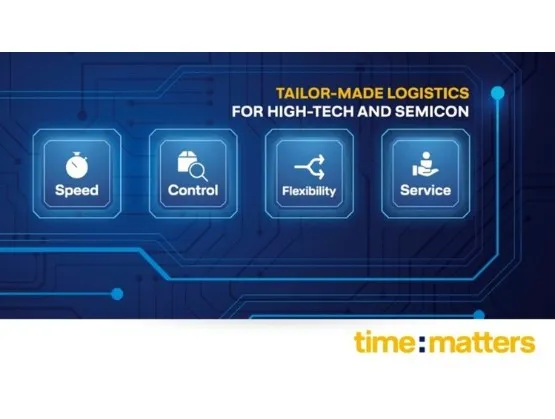
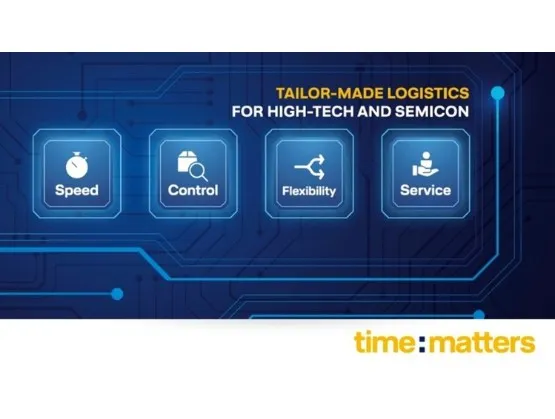
The New Reality of Semiconductor Supply ChainsThe semiconductor industry is one of the most globally connected and time-sensitive sectors in existence. From design and wafer fabrication to testing, assembly, and delivery, every step depends on flawless coordination across borders, suppliers, and time zones. More than 1 trillion chips move through global supply chains each year[1], connecting suppliers, foundries, and fabs across continents.But as the world becomes more complex and unpredictable – with trade tensions, capacity shortages, shifting technology cycles, and driven by increasing AI and energy demand – that coordination is increasingly under pressure. Even a minor delay in one place can halt production in another. A single missed component, delayed shipment, or grounded flight can trigger line-down costs that can exceed $4 million per hour in advanced fabs[2].That’s why logistics is no longer a background process; it’s a strategic function that directly influences performance, reputation, and profitability.Figure 1 - We live in a complex and unpredictable world where global events have significant impacts. When Every Hour MattersFew industries feel the impact of delays as directly as semiconductors. One missing component, a grounded flight, or a customs delay can trigger a chain reaction that stops production lines, delays product launches or breaks contractual commitments.Time-critical logistics plays a distinct role in safeguarding supply chain performance, staying in control and enabling companies to recover in hours instead of days. It serves as the system’s shock absorbers when conventional routes are disrupted, timelines collapse, or customer commitments are at risk.The ROI of UrgencyTime-critical shipments are costly—but in the semiconductor world, not acting fast is far more expensive and pose significant consequences. A single line-down event can cost millions of euros per day, depending on the process stage and the customer involved. Compared to that, the premium for a same-day or next-flight shipment is minimal.When companies integrate time-critical logistics as a planned capability, the ROI becomes tangible.Avoided downtime: Faster recovery after supply interruptions directly protects production yield and customer commitments.Reduced inventory buffers: If rapid response capacity is available, less working capital is tied up in safety stock.Customer retention: Reliable continuity strengthens trust and long-term business relationships.In this sense, time-critical logistics isn’t just an operational expense – it’s a continuity investment. It protects revenue streams and reputation and gives manufacturers the agility to respond to whatever the next disruption brings.Example scenarios include:A single fab tool delay can idle an entire production line, costing millions per hour. During the 2024 Taiwan earthquake, a single supplier delay triggered hundreds of millions in global production losses.A next-flight-out or onboard courier shipment typically represents less than 1% of that downtime cost.Rapid recovery also prevents ripple effects such as delayed customer deliveries.The companies that embed time-critical logistics as a strategic capability gain not only cost protection, but competitive agility.From Efficiency to AgilityTraditional supply chains were built for stability and scale: move high volumes, keep costs low, and plan far ahead. But in the semiconductor industry, speed and adaptability now define competitiveness.Agility means having the systems, partners, and mindset in place to act decisively when the unexpected happens. Leading companies are now integrating dedicated control towers, predictive data insights, and predefined emergency logistics playbooks – turning reaction time into a measurable performance indicator. However, agility is not only a matter of infrastructure – it depends on data-driven visibility and cross-industry collaboration.Collaboration as the Real DifferentiatorNo company can face disruption alone. Semiconductor supply chains depend on the combined coordination of equipment makers, material suppliers, foundries, logistics providers, and government agencies.Collaboration is therefore the new competitive edge. Shared standards, visibility tools, and coordinated crisis response frameworks – like those developed under the SEMI Supply Chain Management Initiative – are helping the industry build collective resilience. These cross-functional efforts are where innovation scales.Looking AheadThe semiconductor industry will continue to expand into new regions and technologies. Each step adds complexity and, with it, vulnerability. The next decade will test not just how fast companies can produce, but how fast they can recover. Future disruptions – whether geopolitical, environmental, or digital – are inevitable. The question is not how to avoid them, but how to respond faster and smarter when they occur.That’s where time-critical logistics will continue to make its mark. It is more than just a transport solution. It gives companies the ability to act decisively in moments that matter most – transforming time from a constraint into a competitive advantage that ensures business continuity.Key TakeawaysSemiconductor supply chains are uniquely time-sensitive — a single delay can halt multimillion-dollar production lines.Integrating time-critical logistics improves responsiveness, reduces inventory needs, and safeguards business continuity.Agility, not efficiency, will define the next decade of semiconductor competitiveness.Collaborative industry frameworks like the SEMI Supply Chain Management Initiative are key to building resilience.How ready is your supply chain?Learn more about time:matters’ tailored logistics solutions at SEMICON Europa 2025 (Hall C2, Booth 433), November 18-21 in Munich and attend the company’s presentation on the TechARENA stage on November 19. For more information or to schedule a meeting at SEMICON Europa, click here to contact Remy Schoenzetter.Remy Schoenzetter is Global Head of Business Unit High Tech Semicon at time:matters.[1] Statista: Global semiconductor unit shipments 2021; SIA/WSTS Annual Reports[2] McKinsey: "Need to boost semiconductor fab efficiency?" (2023); LinkedIn Air Monitor analysis (2025); Critical Manufacturing Industry Blog (2024)
Read More
The semiconductor and electronics industries are at a turning point. Once defined by efficiency and scale, supply chains now face a convergence of pressures—from geopolitical tensions and climate risks to accelerating innovation cycles. The stakes are higher than ever, but so are the opportunities to reimagine how this global ecosystem operates.The End of “Just-in-Time” as We Knew ItIn 2025, one thing is clear: the old “just-in-time, globally concentrated” supply chain model can no longer carry the industry forward. Trade policies are tightening, export controls are multiplying, and tariff investigations are fragmenting markets that once felt seamlessly connected.At the same time, natural resource risks are mounting. PwC estimates that by 2035, nearly one-third of global semiconductor production could face copper supply disruptions caused by climate change. That figure rises to nearly 60% by 2050 if emissions remain unchecked. Add to this the growing maze of regulatory barriers and import restrictions on raw materials, and the industry faces rising procurement challenges and relentless cost volatility.Demand Isn’t WaitingWhile supply chains struggle with constraints, demand continues its upward climb. Global chip sales are rebounding, driven by innovation cycles in AI, automotive electronics, 5G, and renewable energy. Bringing new manufacturing capacity online takes years. The imbalance is widening, and companies can’t afford to rely on outdated, reactive supply chain models.Resiliency has become mission critical. And as the saying goes: you can’t respond to risks you can’t see. Guesswork isn’t a strategy—especially when disruptions are systemic.Fragility in a Fragmented EcosystemSemiconductor production is specialized and geographically fragmented. A disruption at a single node—whether a mine, a fab, or a logistics hub—can ripple through the ecosystem in days or even hours.Recent shocks have only reinforced this fragility:Trade restrictions are pushing manufacturers to rethink supply chain design.Climate change is endangering raw materials like copper and quartz, both highly water- and energy-intensive to produce.Market volatility is being driven by the explosive rise of AI and data center demand.The lesson is simple: resilience is no longer optional—it’s an existential requirement. And the path to resilience runs through visibility, agility, and collective intelligence.Real-Time Intelligence: From Luxury to NecessityIn today’s environment, quarterly or even monthly reporting cycles are dangerously slow. By the time a shortage, tariff, or logistics reroute appears on the radar, the window to act may have already closed. The cost of waiting—or doing nothing—is steep, and the damage can be lasting.Real-time data and AI-driven insights aren’t “nice-to-have” tools anymore. They are strategic imperatives for supply chains under constant stress. They allow companies to anticipate risks, respond faster, and align more effectively with partners across the ecosystem.Collaboration Is the New CurrencyNo company can go it alone. A chipmaker depends on its suppliers, just as a rare earth miner depends on transport partners. The global supply chain is a living system—and its resilience depends on the strength of its interconnections.Deeper supplier relationships, visibility into Tier 2 and Tier 3 suppliers, and shared intelligence on geopolitical and regulatory shifts are all critical. Resiliency isn’t built in silos; it’s forged through collective action.Building the Future TogetherThe semiconductor and electronics industries stand at the threshold of a new era—one of collective risk but also shared potential. Companies that embrace transparency, real-time intelligence, and collaboration will not just survive shocks, but emerge stronger, more agile, and better prepared to lead.In this new chapter, collaboration is the currency of resilience.That’s where Conductor™ comes in: a real-time intelligence platform built to help industry players anticipate, adapt, and act – together. Conductor weaves all those threads together, delivering not just data, but a shared situational awareness, helping the industry to think and act as a system rather than a collection of silos.What Conductor Enables - and What It Could Lead ToSmarter, faster decisionsA platform like Conductor, which uses near real time data, AI-powered news and alerts, and community-driven insights, turns reactive “damage control” into proactive “risk management.”By bringing together cross-segment, critical KPIs, curated AI news, expert analysis, and peer-community intelligence, Conductor helps teams understand what’s happening now, assess the likely impact on their business, and decide how to respond - faster, and with more context.Over time, this could shift the default mode of the industry from “fire-fighting” to “anticipatory steering.”A more adaptive supply chainAs more organizations adopt the platform, the collective visibility improves. Conductor can power scenario planning, enable early warning systems, and foster agile “micro-pivot” strategies: reroute logistics, adapt sourcing, or reallocate production before a disruption becomes a crisis.New models of ecosystem resilienceWith consistent, shared intelligence, industry players can identify common vulnerabilities and coordinate mitigation for mutual gain. Over time, this could lead to more resilient operations through diversified sourcing strategies, and even shared contingency mechanisms.In short: Conductor is a building block toward a more distributed, more transparent, more resilient global semiconductor ecosystem.Accelerated innovation cyclesWhen the risk of disruption is better managed, companies can operate with more confidence, investing in new capacity, experimenting with new chip architectures, or integrating new markets more aggressively. Technology diffusion accelerates when the fear of “what-if” is reduced.Where We Go From HereConductor is already in early-access pilot phase, and feedback from the SEMI Supply Chain Management Initiative’s Industry Advisory Council is actively shaping its evolution.As adoption spreads, network effects will increase the platform’s predictive power, making it more valuable for everyone involved.In an industry that’s increasingly defined by fast change and high stakes, tools like Conductor shift the balance: from reactive scramble to informed strategy, opaque fragility to visible resilience, and from isolated action to ecosystem collaboration.The future of supply chain resilience starts here. Sign up for early access to Conductor today and help drive the new era of trade.Talal Abu-Issa is Co-CEO and Co-Founder of Beebolt.Krish Dharma is Strategic Advisor, SEMI Supply Chain Initiative.
Read More
Political leaders worldwide are investing hundreds of billions to reduce semiconductor dependencies and secure their positions in this nearly $630 billion market, according to the World Semiconductor Trade Statistics (WSTS). Yet the extreme specialization and geographic concentration of the semiconductor supply chain makes complete self-sufficiency economically impractical and strategically questionable.After decades building an intricate global production network optimized for cost and innovation, the industry now faces pressure to splinter into regional blocks. But this raises important questions: Can any nation truly achieve chip self-sufficiency? And would disconnecting from the global ecosystem ultimately hurt competitiveness more than help security?The Independence IllusionThe global semiconductor industry has carved itself into specialized kingdoms. The United States dominates chip design and certain equipment categories, representing about 50% of global revenue. Taiwan controls roughly 67% of global foundry capacity through TSMC—so much so that semiconductors represent one-sixth of Taiwan's total GDP. Europe's strength lies in ASML's advanced EUV lithography technologies, the machines everyone needs but only one company currently makes.China plays an interesting double role too: it's both the largest semiconductor consumer at 50% of the global market and an important producer, holding 31% of total global foundry capacity in 2023.So far, every "independence" initiative has deepened interdependence. The US needs the Netherlands for lithography equipment. Europe needs Asia for high-end chip production. China develops much of its own equipment but remains dependent in key areas. The House of Cards ProblemFor decades, the semiconductor industry perfected making incredibly complex products cheaper every year through extreme specialization. Each company focused on one slice of the supply chain and became world-class at it. But nobody talked about what we built: a house of cards. The entire global economy now depends on a supply chain so specialized that losing even one supplier can shut down entire industries.The COVID pandemic exposed what industry insiders had warned about for years: the chip supply chain works brilliantly until it doesn't. When it fails, it fails spectacularly. The automotive industry alone lost $210 billion in 2021, and some manufacturers still haven't fully recovered.This 2021 chip shortage wasn't just a pandemic problem. Currently, rising geopolitical tensions are changing a supply crisis into a strategic nightmare, forcing countries to rethink their entire approach to semiconductors and their production.The Barriers to IndependenceThe semiconductor industry faces serious barriers that make true independence incredibly difficult for any single nation.First, the supply chain depends on chokepoints controlled by just a few companies in specific regions. Electronic Design Automation tools—essential software for designing any chip—come mostly from three US companies: Synopsys (~31%), Cadence Design Systems (~30%), and Siemens EDA (~13%). Without these design tools, you simply cannot create modern semiconductors. Manufacturing equipment presents an even tighter bottleneck, with ASML holding 100% control of EUV lithography machines needed for advanced chips. Second, the talent shortage makes building new capabilities nearly impossible. By 2030, semiconductor companies will need 1 million additional skilled workers. Developing semiconductor expertise takes a decade of hands-on experience, and most skilled professionals already work in established industry clusters like Taiwan, South Korea, and Silicon Valley. You can't simply relocate these engineers or train new ones quickly enough to staff multiple new regional semiconductor industries.Third and finally, resource requirements exceed what most countries can realistically provide. Building advanced semiconductor chip plants costs $20-30 billion each and they take years to construct before producing a single chip. These facilities consume up to 15 million litres of ultra-pure water daily and large facilities require up to 100 megawatt-hours of power per hour. Beyond the physical infrastructure, technical complexity has made first-time silicon success rates drop to just 14%, while 40% of semiconductor demand still comes from older process nodes, requiring completely separate supply chains for different chip generations.The Trillion-Dollar Investment RaceConcerns about supply chain security have triggered government interventions worldwide. The United States committed $52.7 billion through the CHIPS Act plus additional tax credits. While President Trump initially called for eliminating the program in March 2025, he instead signed an executive order on March 31, 2025, creating the "United States Investment Accelerator" to take over CHIPS Act implementation. TSMC also announced a new $100 billion investment to build five additional chip facilities in the US.Countries across the globe are racing to establish or strengthen their semiconductor capabilities. India has entered the semiconductor competition with its $10 billion Semiconductor Mission and secured investment from Micron Technology, which is constructing a $2.75 billion assembly and test facility. Japan has intensified its semiconductor strategy by establishing Rapidus Corporation with a government support package that is estimated to reach $11.46 billion aimed at revitalizing its domestic chip industry. Meanwhile, the European Union has established a €43 billion Chips Act through 2030, China launched its third "Big Fund" phase in May 2024 with $47.5 billion, and South Korea has developed a $450 billion K-Semiconductor strategy through 2030.These initiatives are changing the semiconductor industry on a global scale. However, complete self-sufficiency would require significant additional global investment and result in 35-65% semiconductor price increases due to suboptimal scale and inefficiencies.What Comes NextThe quest for chip self-sufficiency has become a trillion-dollar global endeavor, with countries placing enormous bets on facilities that may not pay off for years. Complete semiconductor independence remains financially prohibitive for any country, but strategic resilience is achievable.The winners will be those who build the most resilient networks and manage interdependence best. Rather than chasing impossible independence, nations should focus on strengthening their existing advantages while addressing their most vulnerable dependencies. Full independence remains a fantasy, but smart interdependence offers a realistic approach to semiconductor security.Click here to read the full white paper.About the AuthorsJan-Bart Smits is a Managing Partner at Stanton Chase Amsterdam. He began his career in executive search in 1990. At Stanton Chase, he has held several leadership roles, including Chair of the Board, Global Sector Leader for Technology, and Global Sector Leader for Professional Services. He currently serves as Stanton Chase’s Global Subsector Leader for the Semiconductor industry. He holds an M.Sc. in Astrophysics from Leiden University in the Netherlands. David Harap is a Managing Director at Stanton Chase Austin, bringing over 25 years of executive search experience to his role. He has successfully placed hundreds of senior executives and functional leaders across various industries. A Cornell University graduate and Father Kelly Scholar, Harap lectures at the University of Texas at Austin. He is a certified Ambassador for Hofstede Insights, bringing unique insights on organizational culture to his work.
Read More