downloadGroupGroupnoun_press release_995423_000000 copyGroupnoun_Feed_96767_000000Group 19noun_pictures_1817522_000000Member company iconResource item iconStore item iconGroup 19Group 19noun_Photo_2085192_000000 Copynoun_presentation_2096081_000000Group 19Group Copy 7noun_webinar_692730_000000Path
Skip to main content
Default Banner Image

medtech

COVID-19 has likely had a greater impact on healthcare than on any other industry sector, said Glenn Snyder, Principal and Lead Analyst for MedTech at Deloitte, and a featured speaker at a recent SEMI webinar that offered a glimpse into the Future of MedTech in the run-up up to the SEMI Global Smart MedTech Symposium, kicking off tomorrow and running through August 5th. Snyder said medtech growth may appear muted in its early years but is poised to begin a steep climb as innovation continues, harkening back to the super-charged growth of circuitry on a wafer (aka Moore’s Law), which also saw a seemingly slow, flat start. Medtech enjoy its own exponential growth powered by 5G implementations, consumer demand, and the development of a robust ecosystem of bio-sensors, data standards, and regulatory improvements. Consumer-Driven Future and COVID-19 Impact Snyder noted that the future of medtech will be consumer-driven – enabled by open, highly interoperable data and secure platforms geared toward end users. A case in point: Detecting disease early through sensor systems will rely on not only on-body and environmental sensors, marking a fundamental shift from the today’s today’s hospital-centric system to improve health outcomes. Telemedicine growth during the pandemic is a notable example. In one case study of a health system, Snyder noted that telehealth usage skyrocketed from 1% to 60% of all patient visits over the early months of the pandemic but has since dropped to 10% due to the lack of charting, billing and other support systems needed to sustain the high rate of telehealth visits. Even so, hospitals expect to see a steady rise in consumers’ use of telehealth in the coming years. One driver are pilot programs for healthcare-at-home services for post-surgical patients. The programs have delivered better health outcomes and are more personalized and family-friendly than medical clinic or hospital visits. They also cost less. Digital monitoring using remote biometrics sensors are one key to driving the long-term success of these programs. Health Systems Changing Their Business Model In the medtech sector, changes in health system business models lag consumer adoption. What’s more, policy changes aren’t keeping pace with new models for medtech products. For medtech products to thrive, a solid foundation of data gathering, transmission and management capabilities that tie into traditional healthcare systems must be formed. Companies considering a vertically integrated approach to the medtech market can steer clear of healthcare providers – but only at the risk of having less access to patients and their historical healthcare data. Snyder said companies that control vertically integrated healthcare products and patient data can make support systems more efficient and robust but may struggle to deepen their market penetration. Companies such as Intuitive Surgical have found success with this model by offering highly differentiated products. Supply Chain Alarmingly Thin for Medtech Devices In a recent Deloitte survey of medtech companies, 60% reported that at least half of their products are powered by semiconductors, yet 70% noted pointed to high supply chain risks with most of their products because they have only a single source. Risk management and creating a resilient supply chain will remain key for medtech providers to adapt on a global scale. Partnerships and Collaborations During the event roundtable, Snyder mentioned that bio and pharma companies have partnered successfully to grow their businesses. Doug Kiehl of Eli Lilly, the moderator of the discussion, added that traditional healthcare providers should look outside of their usual business circles for medtech innovation. COVID-19 highlighted how new multi-disciplinary healthcare partnerships risk assessment processes have opened several paths to innovation previously unexplored. Both Snyder and Kiehl expect to see more collaboration between health systems and medtech innovators as they uncover synergistic business models. SEMI Global Smart MedTech Symposium Kicks Off Today Explore the gaps in the supply chain at the Global Smart MedTech Symposium and join the conversation with medtech device companies and health systems providers. Sessions include: Realtime Continuous Diagnostics and Monitoring Decentralized DNA Sequencing and Molecular Diagnostics Data Science and Infrastructure – AI/Data Fusion Applications in Rural and Decentralized Healthcare in the Digital Age The four-day symposium features three sessions at different times each day to cater to participants in Taiwan/Asia, Europe and North America. Register today! Heidi Hoffman is senior director of Technology Communities marketing at SEMI.
Read More
Taking aim at advancing smart medtech innovation, the SEMI Nano-Bio Materials Consortium (NBMC), in collaboration with the U.S. Air Force Research Laboratory (AFRL), in March 2020 identified 12 organizations from industry and academia as recipients of $20.4 million in funding, leveraging $10.7 million of cost-share from award recipients. Unique to this round – the sixth in NBMC’s eight years – is a pilot program for NBMC and AFRL to collaborate more closely and share more resources. As part of that effort, AFRL is contributing additional funding to seven of the 12 projects to enable its researchers to work alongside industry on the projects in the new AFRL-Industry Co-Development Program. After being matched to a project during pre-RFP discussions – also known as the White Paper Stage – AFRL researchers were designated as NBMC Consortium Project Investigators before collaborating with industry on the second stage of proposal development. Once contract negotiations between NBMC and the proposing entity wrap up, the AFRL investigators will participate in the development of smart medtech innovations. “This is a new way for AFRL researchers to participate as project performers responsible for contributing to project milestones and deliverables, in addition to providing program management oversight that AFRL has employed for past NBMC projects,” said Dr. Jeremy Ward, past NBMC government lead and current participant in the AFRL Entrepreneurial Opportunity Program. “This program should enable technical risk-reduction for industry by leveraging AFRL competencies and U.S. Air Force aeromedical and airmen performance mission connectedness and ultimately help speed the development of dual-use smart medtech,” added Matt Dalton, AFRL Materials and Manufacturing Directorate program manager and NBMC Governing Council member. “We need efficient mechanisms to leverage research being done outside of AFRL,” said Sharma, who is also senior technical lead for Cognitive Neuroscience at AFRL's 711th Human Performance Wing. “If someone is developing a groundbreaking technology that can be helpful for our airmen, then let’s work with them so that we have an opportunity at an early stage to actively shape that research for Air Force-relevant use cases. Similarly, with this co-development initiative, external researchers will also get an opportunity to work alongside world-class researchers at AFRL and, through those interactions, get insights into the needs of the operational community.” “The AFRL-Industry Co-Development Program strengthens the work between AFRL and industry to better target the strategic needs of the Air Force for dual-use technologies while more closely aligning with commercial market requirements,” said Dr. Melissa Grupen-Shemansky, SEMI CTO and Executive Director of NBMC. “This new collaboration will enable the growth of the ecosystem critical to bringing the latest smart medtech innovations to market while making the technology’s supply chain more sustainable and resilient.” SEMI NBMC connects military, industry and academia for research and development into the practical use of nano-biomaterials. The 2020 RFP targeted nano-bio materials for wearables, flexible and alternative power sources for wearables, and open concepts for wearables for diagnostics and ambulatory monitoring. These technologies address the critical need to monitor, evaluate and mitigate stress experienced by workers in high-pressure occupations – such as aviation, emergency, critical care and aeromedical evacuation – to enhance their warfighter performance and help ensure their well-being. For more information on SEMI NBMC, our R D funding projects, and how you can help shape the direction of our funding programs, visit our website or contact me at [email protected]. Learn more about our projects at the 2021 Global Smart MedTech Symposium July 28-29 and August 4-5, 2021. For more information about the NBMC-AFRL collaboration, see the 2020 Smart MedTech Virtual Workshop agenda. This article borrows from a U.S. Air Force press release on May 27, 2021. Rene Krantz is program manager for SEMI NBMC Smart MedTech.
Read More
The recent global pandemic redefined well-established paradigms in healthcare. The classic model involving frequent hospital visits is no longer viable due to the risk of contagion. The focus is now on remote and pervasive vital sign monitoring solutions and automated data processing for health assessment. Social-distancing-friendly technologies, such as wearables, implantables, insertables and ingestables that enable long-term monitoring, can help detect medical abnormalities both in individuals and large populations. SEMI spoke with Carlos Agell, program manager and principal member of Technical Staff at imec, about remote vital sign monitoring using innovative form factors and methodologies. imec’s healthcare technology vison for remote care systems will be the focus of Agell’s presentation at the SEMI MedTech Forum, 19 February, as part of the SEMI Technology Unites Global Summit, 15-19 February 2021, online event. Join us to meet experts from imec and other key industry influencers. Registration is open. SEMI: What is driving innovation in diagnostics and what is the role played by the semiconductor industry? Agell: There is a clear need for remote diagnostics triggered by the COVID-19 pandemic. Two examples are respiration monitoring and SARS-CoV2 testing technologies. The fact that some of the more obvious symptoms of COVID-19 are respiratory has revealed a big gap in medtech: the need for low-friction, ambulatory, continuous and pervasive respiratory monitoring solutions. At imec we have been working on bioimpedance-based technologies (from chipsets to smartphone-enabled sensing devices) that can provide feasible solutions in that space. Hence, novel sensing modalities from the semiconductor industry can make a difference when it comes to remote ambulatory respiratory monitoring. On the other hand, SARS-CoV2 diagnostic technologies have become paramount during the health crisis. In this space there is a clear need to simplify, speed up and lower the cost of testing. Additionally, from a practical perspective society needs to prevent virus spreading. imec is spearheading an innovative semiconductor-based solution aimed at simplifying SARS-CoV2 testing by collecting aerosols from subjects’ breath using a silicon-based solution for analysis using the polymerase chain reaction (PCR) method, the gold standard in COVID-19 testing. Determining viral load in exhaled breath is a clear indicator of infectiousness, and detecting subjects with a high viral load is key when developing these rapid tests to facilitate economic recovery. A cost-effective and speedy though reliable SARS-CoV2 testing solution opens up possibilities for its use as gating mechanism (such as testing to allow access to facilities and prior to boarding a plane) to help jump-start some of the hardest-hit sectors in the economy, such as travel and hospitality (hotels and restaurants) by enabling more in-person interactions. SEMI: Please share more about imec’s commitment to improving the healthcare sector. Agell: imec R D is active in the field of remote unobtrusive respiration solutions, which are vital in treating respiratory system conditions such as asthma, chronic obstructive pulmonary disease (COPD) and COVID-19. These solutions rely on a combination of silicon chipsets, sensor integration and algorithms to interpret sensor data. As part of our effort to understand biological fundamentals, imec’s multi-electrode array (MEA) platform for heart-on-chip applications offers unparalleled capabilities to acquire high-density information (4444 electrodes/mm2) to enable extra- and intracellular recordings, electrical stimulation and impedance gauging to study patient-derived cardiomyocytes, cells that make up the heart muscle. imec is developing a rapid, low-cost SARS-COV2 test based on breath analysis (aerosol capture) aimed at a 5-minute analysis. Such tool is a key to economic recovery, and imec is planning large-scale testing of the prototype device at Brussels Airport later in 2021. imec has recently supported spinoffs and external companies that develop social distancing tools for usage during the pandemic. Healthcare is a key strategic area at imec, with multiple departments working on complementary topics, ranging from cell-sorting technologies and multi-electrode arrays, through sensors and systems for non-invasive cardiorespiratory and neurological monitoring, all the way to advanced processing of medical data and tooling for trials. SEMI: How is the pandemic impacting remote diagnostics? What’s new in that field? Agell: The pandemic has accelerated advances in remote diagnostics for healthcare – for example making remote doctor visits possible and launching telehealth into a successful sector. But in my opinion, this is just the starting point. Telehealth doctors will soon need to collect health data points such as body temperature, weight, or blood pressure remotely, the same information they collect during an office visit. Soon thereafter though, doctor’s will need more and more data, sparking the next stage of advances in remote diagnostics as algorithms are developed to analyze sizeable amounts of data. All in all, it will result in a big move from doctor-centric paradigms to more patient-centric solutions. Hopefully that jump will also drive a more proactive approach to health, enabling prevention and keeping people healthy, and leaving behind the era of curing the sick. imec research tools for respiratory monitoring will come in the form of a health patch. SEMI: Besides infectious disease diagnostics, what solutions will enable a paradigm shift? Can you name two global market trends related to the rising need for remote diagnostics? Agell: The paradigm shift in healthcare will be largely fueled by the hyperconnectivity trend. Communications are fast and far-reaching. The pandemic has proven that healthcare, similar to retail, banking, trading and business in general, can also be done partly remotely through a communications line. The need for proof of performance in the case of diagnostics has been proven challenging, due to the highly regulated medical field and the general conservativeness of this market. There is a clear trend underway in which algorithms and automated diagnostics are slowly gaining the trust of the medical community. Trials and regulatory submissions will help here, but the clear proof will be the general trust of the medical community (and general population) in solutions that have been on the market for a while. Similar to what happened with GPS navigation technologies back in the day, it would require a critical mass to reach general acceptance. As far as the healthcare market is concerned, there is a forecast bounce back from telehealth into hybrid models (a mix between in-office visits and telehealth) as a first post-pandemic scenario. Although this is perceived as the best of both worlds, its effectiveness and survival within the market is still to be proven. A clear market trend accelerated by the pandemic is the commoditization of health and wellness features in consumer electronics. A glimpse into consumer electronics venues reveals that watches, smartphones, weight scales and even your office chair or mattress will soon be collecting healthcare information. imec MultiElectrode Array (MEA) chipset SEMI: What is imec’s role in addressing the challenges and trends in healthcare? Agell: As an R D organization, imec offers expertise in the semiconductor, integration, data interpretation, data management and health-specific application domains. Thanks to our experience in horizontal technology and multiple application domain verticals (including healthcare), imec provides solutions to partners that push the boundaries of performance in health-tangential fields such as communications, consumer electronics, automotive and energy. imec is part of big European initiatives aiming to tackle the challenges of the pandemic. For example, we recently started working on the Digipredict project, which aims at early intervention in infectious diseases. We’re working with key players in the research domain within the EU such as École Polytechnique Fédérale de Lausanne, University of Twente and Eidgenössische Technische Hochschule Zürich. Additionally, imec has worked for market leaders in the healthcare sector such as Philips and Biotelemetry (recently integrated in Philips) and can help partners make the next health solution a reality. SEMI: How can technology unite us? What do you expect from your participation at SEMI Technology Unites Global Summit? Agell: I am a big optimistic on this pandemic. I believe technology has played a key role in putting boundaries around damage caused by the global health crisis. Technology does not only unite us, but it arguably saves lives! My personal expectation for the SEMI Technology Unites Global Summit is for us to get a better understanding about how the semiconductor industry reacts to a pandemic and upcoming post-pandemic scenario. I am curious to see if health-related trends emerge, and whether this is a transitory effect. During the last global pandemic, the semiconductor industry was not even existing, so there is no clear precedent for the current situation. Carlos Agell, program manager and principal member of Technical Staff at imec, where he oversees the development of projects and sets strategy directions for research topics. He has a background in wearable device development, having taken leadership roles in development of two FDA-approved medical devices in the field of wearable cardiology. He is member of the Dutch chapter of the standardization committee, which develops next-generation international standards for active medical devices. Carlos Agell holds two MSc degrees in Electronics Engineering and EECS from the Polytechnical University of Catalonia (Spain) and the University of California in Irvine (Irvine, CA, USA). Serena Brischetto is senior manager of Marketing and Communications at SEMI Europe.
Read More
The turn of the New Year means new opportunities for the microelectronic industry as SEMI continues to focus on a top priority for companies across the microelectronics design and manufacturing supply chain and SEMI members – supporting the development of the talent pipeline. Regardless of a member company’s role within microelectronics, ensuring a continued, robust flow of qualified talent for what is a cross-cutting, foundational industry sector is of high strategic importance. Skilled workers are essential to advances in areas such as artificial intelligence (AI), smart manufacturing, medtech, transportation and communications. In order to satisfy the world’s insatiable appetite for technology, we need a qualified workforce that can design and manufacture cutting-edge microelectronic devices. Launched in 2019 by SEMI’s Government Programs Office, SEMI Works™ is a holistic approach to developing and maintaining the talent pipeline. 2020 focused on building the all-important infrastructure, engaging member companies to identify required skills and developing a Unified Competency Model to catalog these workforce requirements. SEMI Works™ accomplished several firsts for the microelectronics industry: First dynamic, data informed workforce training standard adopted and published by the U.S. Department of Labor Employment Training Administration (USDOL-ETA) First SEMI Certified college program for technicians First Industry Approved Apprenticeship Program for Technicians, adopted and endorsed by the U.S. Department of Labor Member inputs anchor the SEMI Works™ portal, which enables connections among talent, employers and training/education providers. The portal’s initial phase of development is on track for completion in the first quarter of this year, marking the point when it will begin to be populated with specific job information, individual (talent) profiles and applicable training courses. Once SEMI Works™ is fully operational, it will be optimized to further support talent development and acquisition, providing a comprehensive platform for learning management, e-learning and career advancement. Throughout 2021 SEMI will be engaging members, training providers and job seekers to ensure the portal’s capabilities and user interface meets their needs. We’ll also move forward with several other SEMI Work’s programs including the Curated Content Initiative, which will enable SEMI members to identify non-proprietary courses, a SEMI member job board and an interactive career map to help job seekers plan their future in the industry. The microelectronics industry will only fulfill its tremendous promise for innovation and growth with the right talent. SEMI looks forward to working with members in 2021 to expand SEMI Works™ and help lay the groundwork for the next wave of technology advances. Mike Russo is vice president of Industry Advancement and Government Programs at SEMI.
Read More
Innovations in the public sector are springboards for new products in digital health and personalized medicine. Since 2013, SEMI NBMC, funded by the Air Force Research Laboratory (AFRL), has been evaluating industry needs and soliciting proposals for new research into the foundations of device development and manufacturing of medically actionable devices.SEMI NBMC has run 17 separate programs with more than two dozen organizational participants developing materials, electronics, microfluidics, manufacturing processes and algorithms to create low-cost, wearable sensors. Most of these integrated sensing systems communicate wirelessly and incorporate high-performance silicon devices that are designed to move with the individual. Each of the projects was the result of a proposal received during NBMC’s annual proposal cycle. ​What’s Next in MedTech Device Development?We invite you to join the teams at SEMI, NBMC and AFRL to answer that question in a virtual series of sessions over the four weeks in August.For the past five years, NBMC has been conducting similar sessions for roadmapping the development of non-invasive human performance monitoring technology and manufacturing. The information feeds into the topics for upcoming RFPs, including the one we expect to release in September 2020. Previous Workshops (formerly entitled Blood Sweat and Tears) brought together industry and university innovators to explore current product research and provided excellent insights for the proposal evaluation teams. We believe the insights are also very useful to the business and technology planning direction for researchers and developers working on these products.Our focus is on early-adopting markets – medical professionals and their patients, Army and Air Force personnel and high-performance athletes.​ In this time of social-distancing and overall hesitancy to approach hospitals and medical offices, medical monitoring that provides medically-actionable intelligence is of even greater significance.But Doesn’t FitBitTM Have that Covered?Advancements are coming fast and furious – but medical professionals and insurance companies are struggling to distinguish innovations that provide actionable intelligence from those that provide generalized, non-actionable data.The workshop will focus on the medically relevant information that requires a great deal more accuracy, testing and certification before decisions are made. It is the innovations in this field that will lay the groundwork for new products in digital health and personalized medicine. Additionally, they are leading to advancements in aeromedical monitoring and diagnostics to support the U.S. Air Force’s mission to improve patient care during emergency air transport. The targeted future state is real-time monitoring of biochemical and physiological markers that can guide optimization of human performance and health. ​The SMART MedTech Virtual Workshop Series will link markets with manufacturing for medical relevancy – addressing both ends of the ecosystem. This forum will bring together the players across the growing range of industries that are entering or advancing human monitoring applications to:​ share competitive ideas that may be applied to product development​, assess roadblocks in bringing human monitoring products to market, and form partnerships that have become key in overcoming obstacles to successful manufacturing and product development. ​ Join the experts who are at the cutting edge of product design and manufacturing techniques. Indeed, the success of previous workshops was based on the unique membership of NBMC, where product and manufacturing-oriented engineers from industry, universities, and government labs form teams and pool resources (financial as well as technical) to accelerate human monitoring product development into manufacturing prototypes.Can’t Attend the Workshop?All sessions will be recorded and available for watching and re-watching on-demand. Join our interest list to receive regular updates on SEMI NBMC activities, including notification of the RFP expected to be available in October 2020.Find out more about the Smart MedTech Initiative and the NBMC Programs at our website.Rene Krantz is Director of R D Programs Business Development at SEMI. She is the primary manager of SEMI Smart MedTech Initiative and NBMC programs. Contact Rene at [email protected].
Read More
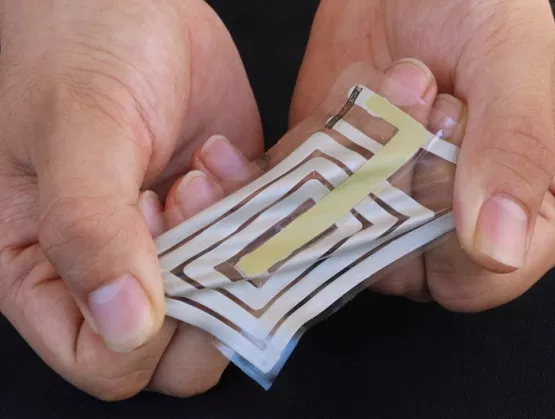
As the body’s largest organ, skin is responsible for the transduction of a vast amount of information. This conformable, stretchable, self-healable and biodegradable material simultaneously collects signals from external stimuli, which translates into information such as pressure, pain and temperature. The development of electronic materials, inspired by the complexity of this organ, offers a tremendous unrealized materials’ challenge. Fortunately, the advent of organic-based electronic materials may offer a solution to this longstanding problem.Zhenan Bao, K.K. Lee Professor of Chemical Engineering, Stanford University, is one of the world’s leading researchers working on the design of organic electronic materials that mimic skin functions. SEMI’s Maria Vetrano interviewed professor Bao to preview her February 25 keynote, Skin-Inspired Electronics, at FLEX|MEMS Sensors Technical Congress (MSTC) 2020, February 24-27, 2020, at the DoubleTree by Hilton in San Jose, California.Join us at FLEX|MSTC to meet Professor Bao and other industry influencers furthering innovation in flexible hybrid electronics (FHE) and MEMS sensors. Register now to connect with her at FLEX|MSTC or visit her on LinkedIn.SEMI: Your pioneering work on the use of electronic materials to construct second skin is a major step forward in human-machine interfaces. Could you please describe second skin?Bao: Second skin is a new electronic-device platform encompassing electronic devices that have skin-like properties such as stretchability, self‐healing ability, biocompatibility and biodegradability. In essence, the second skin is an electronic system of fully integrated multifunctional components operating on the surface of or inside the body to enable smart healthcare for disease prevention and treatment and to enhance the functional capabilities of natural skin. The second skin could also serve as a module to connect our human body to the Internet, thereby allowing human integration with the Internet of Things (IoT) for next‐generation wireless communications. In this way, we can view the second skin as an artificial body part that can be used to improve our everyday lives.SEMI: How might second skin operate in the human body?Bao: It has many potential uses. It could be a prosthesis for people who have lost their sense of touch. It could be used to repair damaged skin as well as to provide enhanced functionality that’s not possible with biological human skin. It could, for example, connect us with our external environment, with other people, even with our cars.I can also envision second skin as an implantable device for both neurostimulation and for early detection of disease. Schematic illustration of structure of second skin composed of functional devices: sensor, integrated circuit, display and power supply. Source: Stanford University SEMI: How did you get started in this research? Bao: Sixteen years ago when I started at Stanford, I learned of a colleague in mechanical engineering who was working on robotic cockroaches. That’s when I understood the need for sensor functions in robotics.I considered the large number of people with prosthetics who do not have a sense of touch. With this audience in mind, I started by designing a simple flexible electronic device that could take the shape of skin, even conforming to a robot hand, thereby approximating the natural sense of human touch.Once we developed the first sensor, and realized that its touch sensitivity could eclipse that of human touch, I asked myself: what can we learn from second skin – in addition to its sensing functionality?Skin is not just flexible; it is biodegradable and stretchable. So we started to dream. We began by developing electronic materials, either conductors or semiconductors. We added new functionality, such as self-healing properties, biodegradability and stretchability. That opened the way to new materials’ development.SEMI: What discoveries have you made in new materials?Bao: Over the past decade, we’ve developed skin-like materials with electronic properties that are on par with the best conducting and semiconducting polymers. Some of our skin-like semiconducting polymers can perform even better than amorphous silicon. That means with suitable processing methods, we can make stretchable ICs, initially with tens of transistors that can perform analog or digital functions, and in a later stage, stretchable displays driven by active matrix arrays.SEMI: What would it take to put these materials into production?Bao: We need to develop methods to pattern the skin-like electronic materials into fine features. We have been leveraging similar processes used for flexible circuit boards. Some research groups are developing roll-to-roll fabrication and printing methods.SEMI: Which technologies/applications are you commercializing?Bao: C3Nano is a Bao Research Group spin-off startup that is commercializing nanomaterials that are promising for bendable and foldable electronics.Another spin-off that is licensing our technology, PyrAmes, is developing a continuously non-invasive blood-pressure monitor. It’s not a cuff so the patient doesn’t have to remember to put it on.In the shorter term, we’re looking at putting artificial skin on prosthetic limbs and robotic hands. Further down the road, we could put skin on wounded regions of the body, forging connections to nerves that would support realistic sensation.To realize these applications, we’ll need to conduct further R D on materials and applications. The manufacturing of these devices still needs much more development.Fortunately, we’re part of a fertile development ecosystem at Stanford. I started the Stanford Wearable Electronics Initiative (eWEAR) to forge collaborations across Stanford campus as well as with industry.SEMI: What would you like FLEX|MSTC attendees to take away from your presentation?Bao: I’d like them to realize that the future of electronics is changing. I imagine a future in which the functions of a smartphone will disappear into what we wear, what we attach to our skin and what we implant inside our body. I believe that skin-like electronics will help to facilitate this future, allowing us to connect with each other and our surroundings in ways that feel natural, yet that also enhance our quality of life. Zhenan Bao is K.K. Lee Professor of Chemical Engineering with courtesy appointments in Chemistry and Material Science and Engineering at Stanford University. She founded the Stanford Wearable Electronics Initiate (eWEAR) and serves as the faculty director. Prior to joining Stanford in 2004, she was a Distinguished Member of Technical Staff at Bell Labs, Lucent Technologies from 1995 to 2004.Bao has over 500 refereed publications and over 65 U.S. patents with a Google Scholar H-Index 155. In her recent work, she has developed skin-inspired organic electronic materials, which have resulted in unprecedented performance or functions in medical devices, energy storage and environmental applications. She has pioneered several important design concepts for organic electronic materials. Her work has enabled flexible electronic circuits and displays.For more information on professor Bao’s research, visit Bao Research Group. FLEX|MSTC is organized MEMS Sensors Industry Group (MSIG) and FlexTech, SEMI technology communities focused on the growth of MEMS sensors and the flexible electronics supply chain, respectively. Maria Vetrano is a public relations consultant at SEMI.
Read More
A multidisciplinary team of researchers is developing new methods to collect and analyze sweat for clues about how the body is functioning.Imagine if you could know the status of any molecule in your body without needing to get your blood drawn. Science fiction? Almost – but researchers at the University of Arizona are working on ways to do this by measuring molecules in sweat.When physicians take blood samples from patients, they send the samples to labs to be analyzed for biomarkers. These biological clues indicate everything from cholesterol levels to disease risks, and they can be used to monitor patient health or make diagnostic decisions. The same biomarkers also are found in sweat.Using $519,000 in funding from SEMI-NBMC (Nano-Bio Materials Consortium), Erin Ratcliff, University of Arizona materials science and engineering professor and head of the UArizona Laboratory for Interface Science of Printable Electronic Materials, is leading a project to develop new ways of collecting and analyzing the clues sweat has to offer. Ultimately, this work could allow physicians to use patient sweat samples in the same way they currently use blood samples, for a less invasive and more informative approach to establishing and monitoring patient health.“What’s unique about this is that we are combining biology and engineering expertise to develop a wearable device that will detect molecules in sweat, so you don’t have to get your blood drawn to know the health status of your immune system, your nervous system, indeed, any system in the body,” said co-investigator and sweat biomarker pioneer, Esther Sternberg, MD. “The goal, eventually, is to create a device that will provide physicians and health care providers the ability to monitor your health status continuously and in real-time without needing to draw blood.” Materials science and engineering professor Dr. Erin Ratcliff in her laboratory at the BIO5 Institute at the University of Arizona “We are pleased to sponsor and eager to complete this project with University of Arizona’s impressive team bridging the disciplines of engineering and life sciences,” notes Melissa Grupen-Shemansky, PhD, Chief Technology Officer and Executive Director of SEMI-NBMC. “A concerted interdisciplinary approach at the early stages of R D is relatively new and there is much learning on both sides. The UA team brings unique strengths in both areas and we are excited to be partnering and collaborating with them.”Ratcliff’s co-investigators are J. Ray Runyon, a research assistant professor in the Department of Environmental Science, and Sternberg, research director for the Andrew Weil Center for Integrative Medicine; director of the Institute on Place, Wellbeing, and Performance; and the Andrew Weil Inaugural Chair for Research in Integrative Medicine. Ratcliff and Sternberg are both members of the BIO5 Institute.Standardized Sample CollectionIn order to study sweat, researchers need to collect samples of it, and there are a number of ways to do so.“The obvious idea would be to make a patch that gets information from many pores at once, but the problem is that this creates a space between the patch and your skin, and you have to wait for it to fill up with sweat,” Ratcliff said. “We hypothesize that while you’re waiting, these molecules – the very molecules you’re trying to detect and analyze – are changing chemically.”The team’s first task is to develop new, continuous and hands-free collection devices that deliver high-quality, standardized sweat samples. This will allow health care professionals to gain a more holistic picture of a patient's bodily systems over an extended period, rather than the “snapshot” a blood draw can provide of a particular moment.Currently, sweat labs across the world are using different methods to collect samples, which limits researchers’ ability to compare data. Standardizing the collection method could provide researchers, including medical device developers, with a new degree of confidence in sweat sample data.“High-quality data, with respect to different target molecular biomarkers in sweat, requires that a high-quality sample be collected,” Runyon said. “This will be the first hands-free method that will truly take into account the interplay of the chemistry of sweat, the target biomarker and the device material.” University of Arizona student in classroom testing medtech devices Low-Level DetectionThe team is also developing methods for researchers to detect and analyze neuropeptides in the collected samples. Used by neurons to communicate with each other, these small molecules are involved in biological functions, including metabolism, reproduction and memory. Commercial wearable devices monitor metrics like heart rate, and some use sweat sensors to monitor dehydration level. Measuring neuropeptides, however, will allow researchers to zoom in millions of times closer to investigate stress and relaxation responses at the molecular level.“The idea is that your sweat is reflecting your nervous system – all of the neurotransmitters your body uses to signal between the brain and the rest of the body,” Ratcliff said. “Monitoring this biochemical response continually, over a 24-hour cycle, can inform us about the health of the wearer and also act as a diagnostic tool.”Meet Dr. Ratcliff and the University of Arizona team at FLEX in San Jose, Calif., February 23-26, 2020. Emily Dieckman is Editor at The University of Arizona. Republished with permission from the University of Arizona.
Read More
“A hundred years from now, someone’s going to look back and say, ‘Can you believe they waited until you got a disease, and then they did something?’” This observation from Dr. William Hait, the leader of Johnson Johnson’s External Innovation program, crisply sums up the SEMI Smart MedTech Summit, a two-day program at SEMICON Europa 2019, sponsored by GE Research and imecBenjamin Wiegand, PhD of Johnson Johnson, cited the quote in his opening presentation and added another pertinent question: “What if we could predict who was going to get a disease and then preempt it from happening?” Weigand’s conclusion is the first of six key takeaways from the summit.1. Accomplishing this vision could lead to a world without disease. Developing a disease-free world by exploring how the integration of advanced electronics and medical technology (MedTech) can enable new healthcare solutions is the very mission of the SEMI Smart MedTech Initiative. Various experts speaking at the MedTech Summit delved into a range of topics, from pan-European medical initiatives and artificial organs to new sensors and systems and start-ups’ need for funding and partners.2. All of us will have a digital twin (avatar), bringing together all relevant data that can impact our health and well-being.Several speakers illustrated the advantages of a digital human avatar that would start with an individual’s unique physical data and then be continuously updated with new data tracked by body-worn devices and from ongoing research findings. This would enable healthcare providers to extract insights and predict future physical performance or health issues.While, technologically, the avatar can already be constructed, the ability to make real changes to future human behavior is a significant outstanding question. Multiple speakers highlighted the various benefits of digital avatars at the MedTech Summit. 3. The MedTech sector’s need for cybersecurity looms large, as it does in every other digitally-driven, IOT-based framework.Further exploring the human-to-digital interface, Anthony Mathur of Bart’s Heart Center in the UK pointed to the importance of strict laws for safeguarding patient privacy, a cornerstone of healthcare digital policies, and the critical need for cybersecurity. He warned against an all-digital action network, citing the virus attack that shut down the UK’s National Health Service, rendering all patient records inaccessible for more than two weeks.4. MedTech devices, systems and other tools will radically change healthcare in the not-too-distant future.Almost every speaker touched on this point, including Franz Laermer of Bosch in his presentation The Future of Personalized Treatment. Laermer explored devices that will drive more patient-centric healthcare in areas including asthma therapy and molecular diagnostic testing and highlighted innovations in monitoring oncology therapies more effectively, less invasively and more accurately. Other presenters showcased their work in areas including silicon-based microfluidics, next-generation DNA sequencing and synthesis, lab-on-chip and cell arrays. 5. Startups and well-established companies will help advance digital tools and data to keep us healthier, happier and safer. Among the MedTech Summit highlights, several start-ups presented their business, financial and go-to-market plans. Notably, continuous glucose monitoring (CGM) is an especially active area of investment and innovation, as diabetes is among the world’s most widespread chronic diseases. The industry’s goal is to develop a non-invasive platform as a replacement for today’s prick-and-test approach to measuring blood sugar levels.6. Pan-European organizations are working to coordinate efforts and investments in digital healthcare. The European healthcare sector is large and diverse, as shown in the following slide provided by the organization MedTech Europe. Every country has its own legal framework, infrastructure, and health service structure medical technology companies must navigate. More than 27,000 medtech companies are located in Europe – 95% of them small to medium size businesses. Michael Stubin and Patrick Boisseau from MedTech Europe said concerted efforts to coordinate research and structural changes across the EU are underway to help spur medtech innovation and, with healthcare accounting for 10% of Europe's GDP, drive more market opportunity. This table shared by MedTech Europe points to the wide range of medical systems by country across the continent. Next StepsIs your company applying microelectronics innovations to change the way we approach medical care? If so, you’re invited to share your mission, roadmap and collaboration needs at a future MedTech Initiative Forum. For regular updates, join the MedTech interest list. In addition to the SEMI MedTech Initiative, our Nano-Bio Materials Consortium (NBMC) brings together scientists, engineers and business development professionals from industry, government and universities to collaboratively initiate research and development of electronic technologies to improve human performance monitoring and performance augmentation. Find out more at www.semi.org/collaborate/communities/NBMC.Michael Ciesinski is the Vice President of Technology Communities at SEMI.
Read More