downloadGroupGroupnoun_press release_995423_000000 copyGroupnoun_Feed_96767_000000Group 19noun_pictures_1817522_000000Member company iconResource item iconStore item iconGroup 19Group 19noun_Photo_2085192_000000 Copynoun_presentation_2096081_000000Group 19Group Copy 7noun_webinar_692730_000000Path
Skip to main content
Default Banner Image

COVID-19

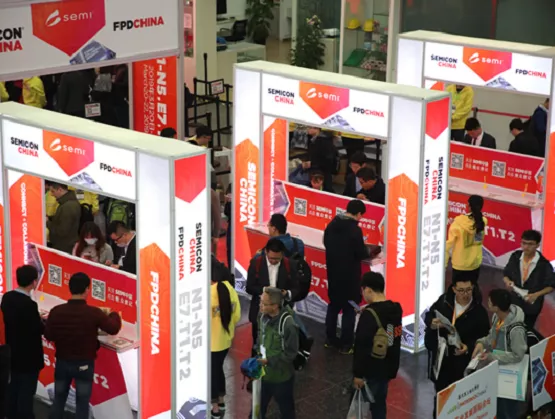
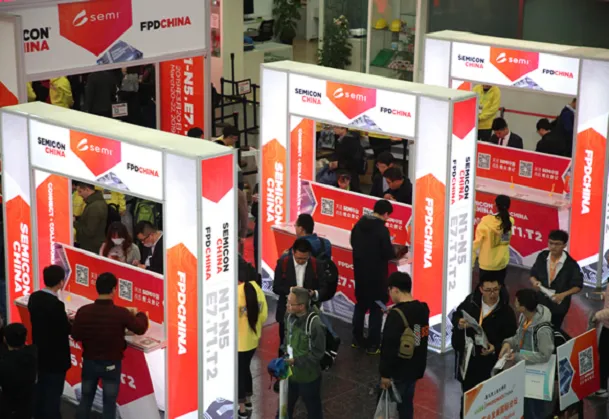
For the second straight year, SEMICON China, among the world’s largest and most influential semiconductor industry events, was the first local tradeshow of its scale held in-person, reflecting China’s rising prominence in the semiconductor industry. After securing approval from the Chinese government to hold large events, SEMI staged SEMICON China 2020 and 2021 with advanced protections against COVID-19 in place. There were no reported infections at either event. Highlights from SEMICON China 2021: Large Scale: Attendance of over 92,000, including more than 66,000 visitors and 25,000 exhibitors. Expo hall totaled 84,500 square meters with about 1,100 exhibiting companies and over 4,000 booths. World-Class Thought Leaders: Strong industry support from key foundries, OSATs, equipment and materials suppliers. Keynote speeches featured world-class industry leaders and head of China’s IC industry fund and global investment consulting agency, who explored the latest global business, technology and market trends and hot domestic investment topics. Concurrent Forums: Forums included SIIP China: SEMI Innovation Investment; Smart Manufacturing; Advanced Manufacturing; Advanced Packaging; Memory; Power Compound Semiconductor; China Display Conference; the all-new Advanced Materials Forum; and China Semiconductor Technology International Conference (CSTIC). Rich Digital Content: SEMICON China’s digital platform provided a rich array of content to attendees around the world including the Grand Opening Keynote and CSTIC, which were broadcast live online. Workforce Development: SEMI China worked closely with industry and government partners to promote SEMI Workforce Development programs to help attract and retain talent for China’s semiconductor industry. SEMICON China again featured the SEMI Workforce Pavilion and SEMI Workforce CXO Talent Forum. Outstanding COVID-19 Protective Measures: SEMICON China deployed advanced testing and monitoring equipment and implemented strict COVID-19 preventative measures to ensure a safe environment for all attendees to network and conduct business. Looking Ahead With the resounding success of SEMICON China 2021, optimism is growing that more physical events will be held with travel restrictions set to ease later this year. The more than 2,500 SEMI members around the world are eager to again network and collaborate face-to-face with customers, suppliers and partners to solve challenges in the microelectronics industry and drive semiconductor innovation that continues to transform how we work and live. That very innovation made many businesses more resilient as the virus spread and enabled people worldwide to work, learn, and shop from home. As SEMI starts to stage other events in-person, we will put in place advanced protective measures against COVID-19 to ensure the safety and well-being of all attendees. As the vaccination roll-out continues worldwide and new COVID-19 strains emerge, SEMI’s flagship SEMICON events are evolving in several ways, most notably with a larger digital presence. In this new era, we offer an international platform for SEMI members and partners across the microelectronics supply chain to collaborate, discuss industry trends, solve common challenges, network, and accelerate business growth through physical, virtual, and hybrid formats. Hybrid events – on-site exhibitions and conferences featuring a digital presence – allow the face-to-face connections so important to the semiconductor industry but also improve the attendee experience by offering an online option with the following benefits: More international accessibility to content live or on-demand Robust interactivity with live-streamed events, allowing more people to participate Greater cost effectiveness to enable companies and people under tight budgets to take advantage of world-class content, including keynote presentations, panel discussions, and technical sessions. In a recent survey of advanced manufacturing businesses, Informa Markets, a multinational publishing, business intelligence, and exhibitions group, found that 93% of respondents are likely to return to in-person events between August and December 2021, signaling a widespread eagerness for the return of live events and face-to-face connections. SEMICONs Scheduled for 2021 In a normal year, each of the seven regions where SEMI operates stages a SEMICON, with the exhibitions spread throughout the year. With the world continuing to combat COVID-19, more SEMICONs have been moved to the second half of 2021 – most of them with a hybrid format so exhibitors and attendees can take advantage of the increasing popularity of online events. After last year’s disruptions to the SEMICON schedule – and with more experience in the new normal – SEMI is excited to welcome the businesses and peers who couldn’t attend the 2020 events back to the in-person and hybrid shows. Innovation never sleeps. And SEMI will continue to evolve its events to help you form the partnerships and make the connections vital to the growth of your company and the industry. For more information about regional SEMICONs, please visit the SEMI events page. About the Author David Ghodsizadeh is the Director of Global Product Marketing at SEMI, where he develops customer-centric strategies to market SEMI Membership, Market Data, Expositions, Smart Initiatives, and Technology Communities to members, partners, and industry peers. Connect with David on LinkedIn.
Read More
“The most important work you can do in the coming year is to start engaging allies.” This is how Dr. Joanne Kamens, Executive Director of Addgene, began her keynote at this year’s Women in Semiconductors (WiS) program in early May. Diversity and inclusion challenges in the workplace are not a “woman problem, they’re a people problem,” she noted.After a one-year hiatus due to COVID-19, WiS reconvened in a virtual format. Dr. Kamens, who has been working on diversity and inclusion efforts for two decades, discussed how the events of the last 14 months continue to impact women disproportionately. In addition to setting the stage for breakout topics following her presentation, Dr. Kamens’ keynote, Driving Change for Inclusion: The Leaders You Want and Want to Be, addressed the underlying issues that prevent not only women but under-represented and under-recognized groups from advancing in STEM fields.Why now? Dr. Kamens pointed to the perfect storm of social and racial events over the last several years in addition to getting a view into each other’s personal lives because of work from home – babies on Zoom, cats interrupting Microsoft Teams meetings – that has exposed our humanity. The most important take-home message from her presentation? “People are people. They’re your most valuable resource.” At the beginning of the COVID-19 shutdown, Dr. Kamens was quick to implement measures to support and allow time for self-care and ensure well-being for all her people, recognizing an immediate need for support and encouragement. To her, this was something obvious to do as a leader. Unfortunately, this is not the case in many organizations.Dr. Kamens noted that when times are stressful, “we go to ground,” falling back on biases. Everyone has biases. However, stressful situations cause us to go back to our defaults – which often means disregarding the needs of underrepresented groups. Implicit biases in both men and women often cause women to be treated differently. Biases create “schema” that impact vital decision-making and can backfire when brought into the workplace. They can lead to inequities in hiring and promotion, or worse.Dr. Kamens also talked about leaders, and how sometimes people are promoted to management because they are good at their jobs, not because they are skilled at managing people. Good managers seek honest feedback, learn from other people, provide opportunities for growth and development and delegate effectively. Dr. Kamens suggested that a good way to drive greater inclusion and better management is to do away with annual reviews, which are a “hot bed for bias,” she said, and are incredibly problematic from an inclusion and leadership perspective.Why did Dr. Kamens focus on leaders? Because change “must come from the top. No company’s culture will change if leadership is not involved in driving and espousing the needed change.”Dr. Kamens stressed that leaders need to promote others. “A leader’s job is to help lift others into the spotlight,” she said. Also, we must lead with humanity. This pandemic has shown that people need different things to do their best work. Finally, who you hire is who your company is, and how it is seen. “Don’t keep jerks, don’t foster jerks and don’t hire jerks,” she advised.Dr. Kamens talked about what really makes people happy.Flexible work scheduleStrong sense of engagement at workFeeling of being appreciated and valuedHaving a high degree of freedom and diversity built into their jobsGood relationships with clients and colleaguesHowever, she insisted that the happiness “sweet spot” is different for everyone.In conclusion, Dr. Kamens stated that good leaders hold everyone accountable, are intentional about the culture they want to create, empower everyone to call out bias and remove barriers to the good work of others.Following Dr. Kamens’ keynote, the program pivoted to breakout sessions on several topics inspired by workplace challenges resulting from the pandemic. These robust conversations resulted in the elevation of common themes, and recommendations for any company looking to better support their employees:Working with Hybrid (in person and online) Teams: There are so many ways to communicate (text, calls, video calls, emails) and it is important to determine what is best for your team. Choose quick phone calls or Slack/Teams chats when full meetings aren’t necessary. Most importantly, make a concerted effort to actively facilitate the meetings so everyone can participate, whether people are on-site or remote.Leading Remotely: Consider that some one-on-one check-ins with direct reports could be done while both of you are on a walk instead of on a computer to allow for a different environment. Make deadlines and expectations crystal clear. Allow frequent breaks from meetings to alleviate video meeting fatigue. Consider virtual coffee chats, lunch breaks with colleagues, casual conversations and happy hours.Mental Well-Being: Companies need to provide the infrastructure for employees to work from home, while protecting people who must work on-site. Consider creating dedicated teams for socially distanced and virtual activities. Remind employees about employee assistance programs for those who are struggling. Consider providing free meals for people working in the office. Remind employees to take breaks (away from the computer), take PTO, and practice self-care. Back-to-back meetings, often at all hours due to time zone differences, can cause significant stress and fatigue. Consider allowing employees more flexibility to manage their calendars, and allow extra time in meetings to socialize.Networking/Team Building: It can be difficult for people new to a company or a team to truly connect with new co-workers. Leaders can schedule meetings with new hires and seasoned employees, using a “speed-dating” format, trivia, or other ice-breaker activities. Encourage new team members to communicate with coworkers and managers and invite people who are struggling to reach out. If you are a new employee, have the courage to ask for what you need, be it a mentor, a check-in, or an afternoon off. If you are looking for individuals in other companies to connect with, find affinity groups and directly email people doing similar work with a request to connect.The most important takeaway from the whole event was: Trust your employees. Give them the flexibility in their schedules and communication styles to do their best work. If the pandemic has shown one thing, it’s that employees can be trusted to work remotely and get the job done. The challenge of juggling work, home and everything in between is unique to everyone. Careers and lives have different phases, and everyone needs to find the balance that works for them within current circumstances. Women especially need to be able to ask for support and flexibility or we risk losing even more of them from our companies.Women in Semiconductors is an important event for professionals across our industry. It was wonderful to share the space with brilliant thinkers and creators and to have such a rich discussion around the issues women face. We are grateful for WiS committee members, sponsors and everyone who participated for contributing to an excellent discussion. Mark your calendars for May 2, 2022, when the event returns to Saratoga Springs, New York.Margaret Kindling is senior program manager, Diversity, Equity and Inclusion, at SEMI; Priya Mukundhan, Ph.D. is metrology product manager at Onto Innovation; and Hannah Rosen is EHS equipment integration engineer at TEL.
Read More
In my role as lead for the Smart Mobility initiative at SEMI, I recently spoke with Automotive Logistics Magazine about the growing importance of the semiconductor supply chain’s connection with the automotive industry and the semiconductor shortage hampering global automotive production. Following are excerpts from the interview. Automotive Logistics: Why is there a bottleneck in the global supply of semiconductors at the moment and how long is it likely to last? Weiss: The current automotive chip shortage resulted from the sharp, Covid-19-induced decrease in demand for automotive semiconductors in the second quarter of last year when vehicle production came to a near standstill. The automotive market picked up significantly in the fourth quarter and this caused the supply chain constraints we are seeing today. At the same time as the automotive standstill, the pandemic spurred an increase in demand for home computing and networking equipment, and semiconductor manufacturing plants (fabs) had to pivot to these other markets in order to maximize fab utilization and successfully navigate economic headwinds. Every minute a semiconductor fab is idle or has lines down adds up quickly to missed revenue, so their capacity is booked weeks and even months in advance. With this background, I don’t believe this is a structural shortage and expect a gradual recovery over the next two quarters, barring any major shifts in geopolitics or macroeconomics. Automotive Logistics: What needs to be done to remedy the current shortfall for the automotive industry? Weiss: The automotive industry needs to continue to strengthen its connections to the semiconductor manufacturing supply chain. In past years, auto manufacturers used to rely mainly on their tier one suppliers to interface with the semiconductor supply chain. This has changed significantly. Not only are more chips being used in vehicles (roughly 10% of all devices produced globally end up in cars), but the strategic importance of the chips as enablers for ADAS [advanced driver-assistance systems], electrification, safety, connectivity and other consumer-driven features has increased considerably. With this dynamic in play, carmakers have recognized the value of interacting and collaborating more closely with the semiconductor supply chain. This provides vehicle OEMs with access to innovation, the ability to influence technology direction and pace, along with greater visibility into global supply chain developments. The SEMI Smart Mobility initiative is evidence of this transition, with the likes of Audi, BMW, Ford, Uber, Volkswagen and other vehicle OEMs, along with tier one suppliers such as Continental and Bosch, now actively involved in our automotive electronics and mobility activities to do exactly that – influence, partner, accelerate and guide the global electronics design and manufacturing supply chain that SEMI represents. Automotive Logistics: What percentage of semiconductors manufactured for use by US-based companies are for automotive applications and how has this grown in recent years? Weiss: A little over 10% of semiconductors produced worldwide are sold into the automotive segment, but this number is expected to grow at an accelerated pace in the next few years as electrification, connectivity and autonomous driving become more prevalent. Automotive Logistics: How is SEMI working to help the automotive industry get a clearer view of sub-component supply and better manage supply chain risk? Weiss: The SEMI Smart Mobility initiative is designed to engage automotive OEMs, tier ones, semiconductor device makers, design houses, and equipment and materials companies to drive alignment across the supply chain and address shared challenges collectively. To facilitate this engagement, we created the Global Automotive Advisory Council (GAAC), which has active chapters in Europe, US, China, Japan and Taiwan. The GAAC provides an open platform for creating solutions, fostering collaboration and partnering with other industry bodies to accelerate and harmonize industry efforts that benefit the entire ecosystem. Volkswagen and Audi are already SEMI members – both are founding members of the GAAC Europe chapter – and have become vocal champions and critical contributors to our efforts. When all stakeholders work together, I have no doubt that the future of automotive and mobility will continue to be bright. Interested in learning more about this topic? Read the full interview in Automotive Logistics Magazine, A Fab Future for the Automotive Sector. Please contact me at [email protected] for more information about SEMI’s Smart Mobility Initiative, the Global Automotive Advisory Council, and how SEMI can help your organization navigate electronics in the automotive industry to drive innovation in the mobility space. Bettina Weiss is Chief of Staff and Global Smart Mobility Lead at SEMI.
Read More
The next time you are on a Microsoft Teams call or write a group email that includes a female colleague, consider this: The next time you pick up the phone to contact her, she might be gone. According to the Women in the Workplace 2020 study by McKinsey Company and LeanIn.org, one in four women are considering leaving their workplaces or downshifting their careers due to work-life challenges stemming from COVID-19, leading to the potential loss of two million women from the American workforce. What is making work so untenable for many women?First, consider the overall U.S. workforce, across all sectors: The industries hardest hit by the pandemic are those dominated by women and people of color: healthcare, retail and hospitality, notably restaurants. These two demographics have been losing their jobs in staggering numbers. In December 2020 alone, according to the National Women’s Law Center, women accounted for 100% of the 156,000 jobs lost that month in the U.S. Second, the double whammy of the closure of daycares and the shift to remote schooling saddled mothers with overwhelming responsibilities. In the tech industry, women faced significant challenges before COVID-19 hit. Although women represent about 47% of entry-level workers in tech, that number dwindles to 20% in C-Suite jobs, with women of color accounting for just 2% of these executive roles. This leads to the challenges of being an “Only” – the only woman or person of color in a team, department or meeting. “Onlys” experience isolation, disengagement and pressure to out-perform male, white colleagues simply to be seen as equals. Women report feeling more exhausted, burned out and excluded than their male colleagues.Layer on the pressures of a pandemic and you’ve got a seriously overstressed female workforce at the breaking point. Fathers and partners are not taking on a fair share of the burden. Fully 40% of working mothers are spending 15+ more hours weekly on household duties than they did prior to the COVID-19 crisis and are more than twice as likely as fathers to worry that their performance at work is being negatively judged because of their caregiving responsibilities. And a survey by Chief, a private club for women executives, reports that, irrespective of added responsibilities at home, 70% of women report that they have taken on more duties at work since the COVID-19 crisis began. So, on top of the anxieties around keeping themselves and their families healthy during a worldwide pandemic, women are simultaneously working more, and doing more at home.Women are critically important in workplaces for a host of reasons. Women in senior-level roles have a profound effect on workplace culture. According to the McKinsey study, women are more likely to embrace and champion employee-friendly policies and programs and to take a stand for gender and racial equity at work. Women also mentor and sponsor other women more than men. If senior-level women leave the workforce, women at all levels will lose their strongest allies. Research also shows that gender-diverse teams – and companies – are more innovative, creative and productive. Inclusive workplaces tend to have higher retention rates and better recruitment rates. To sum up, companies where women are well-represented in leadership are 50% more likely to outperform their peers.As indicated by McKinsey, companies are at a critical crossroads. The choices managers, teams and companies make now will influence the workplace for decades to come. The authors of the study say it best: “If companies recognize the scale of these problems and do all they can to address them, they can help their employees get through this difficult time and even reinvent the way they work so it’s more flexible and sustainable for everyone. If not, the consequences could badly hurt women, business and the economy as a whole. This moment requires long-term thinking, creativity, strong leadership and a laser focus on the value of women to their organizations.”What can managers, teams and companies do? Women in the Workplace 2020 features an excellent Framework for Action, which includes everything from making work more sustainable, to minimizing gender biases, to strengthening employee communications. It is an important resource for any individual, team or company that wants to strengthen their support and retention of women. And – small steps can make a big difference. McKinsey encourages companies to ask a few important questions:Consider the workflow of your team: Is it flexible in a way that supports working parents and care-givers?Are performance expectations equitable across genders?Do the women on your team feel as though they can express difficulties or take PTO if they need to in order to take care of family obligations?Finally, simply acknowledging the realities women are facing is a great first step. For instance, if there are women on your team, you could forward them this article and say, “I didn’t realize how significant this issue was. If there are ways I can further help you navigate this time, please feel free to talk with me about it.” None of us want to find out what happens to our companies if we lose 25% of our female colleagues. We have the opportunity and obligation to reverse this troubling trend, if we act deliberately and intentionally to support the women around us. I invite you to dig into the Women in the Workplace 2020 study, to discuss it with your colleagues, and to determine how all of us can make our workplaces more supportive and inclusive for everyone, for the benefit of female workers and their employers everywhere.We encourage your company to participate in McKinsey’s 2021 Women in the Workplace study and make your voice heard. To enroll, visit Women in the Workplace.For information about the SEMI Foundation’s work in Diversity, Equity, and Inclusion, or if your team would like to support the industry in creating a more equitable workplace, please visit us at www.semifoundation.org, or contact Michelle at [email protected] Williams is deputy director of the SEMI Foundation.
Read More
Back in March 2020, at the onset of the spread of COVID-19 in the U.S., SEMI quickly formed an Environment, Health and Safety (EHS) COVID-19 working group made up of EHS professionals who suddenly saw a critical need to share their experiences, validate untested policies, and collaborate on establishing best practices in response to an extraordinary public health crisis. The group, which today numbers 20 member companies, meets regularly to discuss an array of topics that have grown beyond their pressing need to react to a crisis earlier to a longer, more measured view of risk management as coronavirus cases continue to climb worldwide. While themes vary from one meeting to another, the recurring agenda remains the same to address the following topics: Phase approach – How to bring staff back on site Social distancing – How to manage people traffic flow on site Contact tracing – Track exposure to ensure workplace safety Space allocation – Changes to offices, cubicles and conference rooms HVAC systems – Optimizing workplace air flow and improving filtration systems Clean rooms – PPE and distancing protocols Training – Communications approaches to expanding awareness in order to reduce risk of spreading the virus Travel policies – Domestic and international travel guidelines Vaccines – Policies for vaccinating and monitoring personnel Site inspections – Preparing for an eventual increase in inspections from OSHA representatives In April, the SEMI EHS team issued a survey to assess the pandemic preparedness of member companies. Designed by the COVID-19 working group, the survey found that, despite having a pandemic plan in place, many member companies faced a shortage of PPE and sanitization equipment, their most significant challenge at the time. Members also pointed to operational challenges posed by the pandemic and raised questions about how to establish sound policies appropriate for their operations and geographic locations. Today, the SEMI EHS COVID-19 working group is well-established collaborative forum on public guidelines that members see as unclear as they continue to chart their own pandemic policies. With the first tranche of vaccines recently starting to ship in the U.S., the group has turned its attention to vaccine distribution and how companies will encourage employees to be vaccinated. For more information about the SEMI EHS COVID-19 working group or to join the group, please contact the SEMI EHS team at [email protected]. Olivier Corvez is senior manager of Environment, Health, Safety and Sustainability at SEMI.
Read More
SEMI is pleased to welcome Singapore-based UTAC Holdings Ltd., formed nearly 50 years ago, as a new member. UTAC is a leading independent provider of assembly and test services for a broad range of semiconductor chips, offering a full range of semiconductor assembly and test services across analog, mixed-signal and logic, and memory. Its customers are primarily fabless companies, integrated device manufacturers and wafer foundries. The company has production facilities in Singapore, Thailand, China, Indonesia and Malaysia as well as sales offices in five regions: the United States, Japan, China, Taiwan, the rest of Asia and Europe.I recently spoke with Dr. Nathapong Suthiwongsunthorn, Vice President and General Manager of UTAC Thailand, about UTAC’s smart manufacturing advances, the company’s role in the semiconductor industry’s transformation, and the industry outlook for Thailand over the next year.Ng: How does UTAC Thailand complement your other facilities?Dr. Nathapong: As one of the world’s largest producers of quad-flat-no-leads (QFN), UTAC Thailand has significant capability in assembly and test of advanced leadframe products including power products such as Cu Clip packages as well as MEMS products. We also serve top global IDMs and have the largest share of assembly and test for the automotive market among all UTAC operations. UTAC’s other facilities have expertise in wafer-level packages and system-in-a-package and serves the communication and consumer market not only for IDMs but also for the fabless and foundry companies. The Thailand factory nicely complements the other UTAC facilities both from the standpoint of operational and marketing diversity. Ng: UTAC Holdings Ltd. announced in August this year that it has completed its sale to Wise Road Capital, a global private equity firm. Will this in any way change the operation and business strategy of UTAC Thailand?Dr. Nathapong: I don’t believe it will change the way we operate. However, the acquisition is very positive for us from a financial perspective. With the benefit of significantly reduced debt and interest expenses, we will be able to expand our business to grow with and hopefully beyond the semiconductor market. Ng: To what extent has UTAC adopted smart manufacturing?Dr. Nathapong: UTAC Thailand is leading the way in terms of automation, smart manufacturing and Industry 4.0 with our in-house automation team and unique expertise. For example, we have built our own inspection equipment that is much faster and cheaper than what is commercially available. We also working on many programs such as mobile robot, AGV, auto inspection and office automation to help drive greater production efficiency. We are replicating our manufacturing advances and fanning them out to other UTAC facilities.UTAC Thailand Ng: What are some of the challenges you face in pushing for the industrial transformation in Thailand?Dr. Nathapong: I think the key challenge is to find skilled engineers who can perform hardware- and software-related tasks critical to the industrial transformation. But frankly, we have done a good job in managing this challenge by hiring very smart people, providing them with the required in-house training, and using outside training for new recruits as necessary. We have developed partnerships with capable vendors in this regard as well.Ng: What are the key differentiating elements (e.g. talent, tax, technology, trade, EHS) in Thailand that have been instrumental in supporting the E E ecosystem?Dr. Nathapong: There are two key differentiating elements for us. Firstly, UTAC has been around for over 47 years and is very well-established in Thailand with a positive reputation as an employer. This makes hiring talented people relatively easy. Secondly, and perhaps more importantly, the nature of the Thai people and also the benefits the company provides make it relatively painless to retain key employees. I also believe that we have a significant number of engineers available in Thailand. Finally, labour costs in Thailand are still very reasonable and stable. So we are able to acquire talent at a very competitive rate compared to other countries. Ng: What is the industry outlook for E E industry in Thailand over the next year?Dr. Nathapong: Surprisingly, the current sad predicament of COVID-19 has shown no negative impact for the global semiconductor industry – people seem to be buying more electronics with the lockdown. Our outlook for the Thailand’s E E industry is similarly very positive. Most semiconductor companies including UTAC see significant growth this year and I hope it will continue.Ng: With the recent semiconductor geopolitical and trade tensions, are more customers moving their business to Thailand?Dr. Nathapong: I believe so. We do see some of our key customers move manufacturing out of China and into Thailand. The relocations help them offset or avoid any potential fallout from current geopolitical tensions.Ng: In what areas do you think SEMI Southeast Asia can play a role to help our members companies in Thailand like UTAC?Dr. Nathapong: The semiconductor industry has been in Thailand for a long time. In fact, UTAC Thailand is 47 years old this year! However, I feel that Thailand never really worked with a strong establishment organization like SEMI that can connect various companies together to help drive innovation. I think SEMI Southeast Asia can truly help Thailand to move up to the next level of providing semiconductor solutions globally. We welcome SEMI Southeast Asia’s help in this regard.About Dr. Nathapong SuthiwongsunthornDr. Nathapong Suthiwongsunthorn joined UTAC in 2009 and is currently General Manager of UTAC Thailand, UTAC’s largest operation site. Before taking over the management of Thailand operations, he was Vice President of Research and Development, running UTAC’s global R D group. Dr. Nathapong has more than 20 years of experience in the semiconductor industry. He holds more than 40 international patents and publications in wafer-level and advanced packaging.Prior to joining UTAC, Dr. Nathapong held several key leadership positions in research and development at Schott, STATS ChipPAC and Infineon. Dr. Nathapong has a Ph.D. in Electronics Engineering from Oxford Brookes University, England.Bee Bee Ng is president of SEMI Southeast Asia.
Read More
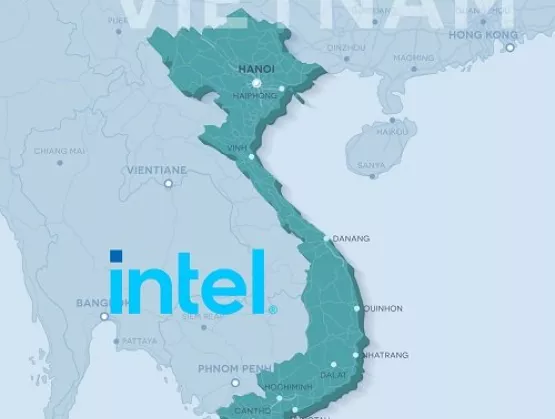
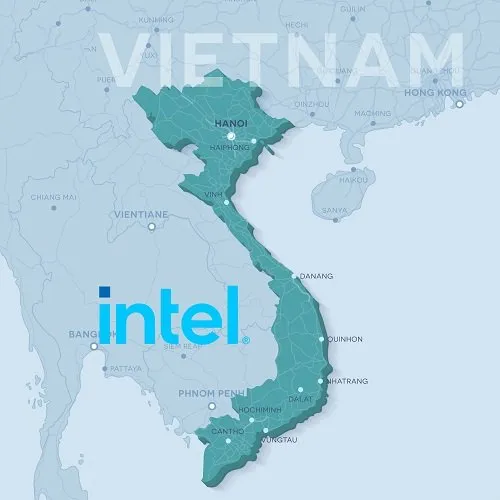
A 500,000 ft2 (~47,000 m2) state-of-the-art cleanroom facility still towers as the largest U.S. high-technology investment in Vietnam 10 years after starting operations in Saigon High Tech Park in District 9, Ho Chi Minh City. The structure built by Intel Products Vietnam (IPV) on the back of a $1 billion investment is the largest assembly and test manufacturing facility (ATM) in the Intel assembly and test network. IPV turns out products that are helping power cutting-edge applications along with the next wave of semiconductor industry growth as it homes in on 5G, Internet of Things (IoT), desktop and mobile. And it has been a boon to the local economy, generating more than 5,000 high-skill jobs across a number of assembly and test disciplines since launching operations in 2010. It has also contributed to over US$37 billion in exports from 2010 to 2019, accounting for over 60% of Saigon High-Tech Park’s annual export values in 2019. With its vision “to create the future of Intel and Vietnam,” Intel continues to be a strong long-term partner in Vietnam. I recently spoke with Kim Huat (KH) Ooi, vice president of Manufacturing and Operations and General Manager at Intel Products Vietnam (IPV), about the facility’s vital role in Intel’s overall manufacturing operations, its support for the E E ecosystem in Ho Chi Minh City, and measures it has implemented to reduce the impact of the COVID-19 pandemic on the facility and protect employees. Ooi leads and manages the site to support Intel’s business in Vietnam. His responsibilities include overseeing factory operations and employee relations; enriching the Intel image and brand; building strategic relationships with communities, media, governments, and local authorities; and working with the industry ecosystem and government. IPV employees celebrate Intel’s 50th anniversary in 2018. Ng: How does IPV campus complement the rest of Intel manufacturing sites and be nearer your customers and supplier base?Ooi: Intel Vietnam is an important part of Intel’s manufacturing presence worldwide. IPV has been operating for nearly 14 years in Vietnam and has celebrated multiple milestones along the way. As a site, we have matured and grown over the years. In March this year, we celebrated a proud milestone – the rollout our 2 billionth unit – that reflects the value of IPV to Intel Corporation as these Made in Vietnam products support its customers worldwide. One of our philosophies is to work with and grow local ecosystems in countries where we operate. In Vietnam, Intel has been offering technical and managerial expertise to many local suppliers in Vietnam to help them expand their business and services to other foreign direct investment (FDI) customers in the industry. Over the past 10 years, Intel’s supplier list has grown 10-fold from 20 in 2010 to about 180 suppliers in 2020.In today’s world of fast-changing consumer preferences and expectations, we need to help drive development of the latest products and technologies to support strong customer demand and new product portfolios such as 5G. To support evolving customer requirements, our workforce frequently upgrades its skills to work on new products and technologies.Intel as a company is also evolving as it transforms from a PC-centric to a data-centric organization, a shift behind the more than US$70 billion in record revenue Intel posted in 2019. Intel’s data-centric business accounted for more than half of that revenue. IPV plays a key role in Intel’s expansion into new market segments.Ng: What are the key differentiating elements (talent, tax, technology, trade, EHS) in Vietnam that have been instrumental in supporting the E E ecosystem in Ho Chi Minh City?Ooi: Vietnam’s stable political environment and increasingly liberalized trade and investment policies are great for businesses. The region’s young, talented workforce is also one of many competitive advantages that enables it to attract foreign investment. Intel’s announcement to invest in Vietnam in 2006 has played a large part in helping put Vietnam on the map of the global IT and semiconductor industry. The news helped attract industry suppliers and service providers, bolstering Vietnam’s economy and creating jobs. The Vietnam government also figured prominently in sparking the boon by establishing the right policies and incentives to attract foreign investment. Since starting operations, we have seen significant improvements in infrastructure such as roads, ports, airports, broadband and power supply. Vietnam’s standing in the global business community is even stronger today after the government successfully combatted the COVID-19 pandemic early on and introduced policies to help businesses restart operations. We expect all these factors to continue to make Vietnam an attractive relocation target for companies around the world. Ho Chi Minh City People’s Committee Vice Chairman Mr. Duong Anh Duc (center) visited Intel Vietnam to tour the state-of-the-art facility. Ng: What measures have you implemented to reduce the impact of the COVID-19 pandemic and protect employees? Ooi: COVID-19 has taken the world by storm and changed the way we work and live in many ways. It has unquestionably pushed the world to build stronger partnerships among individuals, organizations, businesses and communities. Intel’s manufacturing operations have continued to run at full capacity. Since the outbreak emerged, we have strictly followed required Intel safety measures as well as the Vietnam’s health guidelines. We have also implemented a number of other safety initiatives and protocols to ensure our business runs smoothly. We’re doing everything possible to ensure the well-being of our employees and help them better respond to the pandemic.In coordination with our strategic partners, we have been donating thousands of Personal Protective Equipment (PPE) to the Fatherland Front and Department of Health (DoH) since early March. Recently, in partnership with AmCham Vietnam, Intel donated an imported ambulance with built-in essential equipment to the Ho Chi Minh City 115 Emergency Center. Intel has also teamed with Saigon Hi-Tech Park management to donate two ventilators and N95 masks to DoH.Our employees are also helping out by donating to Vietnam’s Coronavirus Donation Matching campaign. We collected US$13,000 from Intel employees and included matching funds from Intel Foundation to support three non-profit organizations (NPOs) – Saigon Children’s Charity, Kidspire Vietnam and Teach for Vietnam. All told, Intel Products Vietnam has donated US$200,000 to COVID-19 relief efforts, demonstrating our long-term commitment to communities where we operate. Intel Products Vietnam teamed with AmCham Vietnam to donate a fully equipped ambulance to Ho Chi Minh City’s 115 Emergency Center, demonstrating IPV’s long-term corporate social responsibility commitment. In early May, Intel unveiled our 2030 Corporate Strategy and goals to accelerate progress against the world’s critical challenges and help drive positive global outcomes. Part of our 2030 goals, our RISE (Responsible, Inclusive, Sustainable, Enabling) strategy focuses on the company’s commitment to its corporate social responsibility (CSR) initiatives to create a more responsible, inclusive, safe and sustainable world through technology and collective action. IPV has also committed to implementing the RISE strategy in Vietnam with local community initiatives and technology interventions. Bee Bee Ng is president of SEMI Southeast Asia.
Read More
Like so much else these days, career mentoring in the semiconductor industry has gone virtual. And, among hiring managers, for good reason: Chip companies are facing a new urgency to hire skilled workers as recent SEMI forecasts spanning packaging materials and fab equipment spending show strong growth in 2021 – a trajectory that puts even more pressure on an industry confronted with a worker shortage to attract and recruit new talent.Enter SEMI Korea, which early this month gathered nearly 4,000 sheltered-in-place South Korea university students to offer tips from semiconductor industry insiders on how to kick-start their careers in the chip business. In 14 sessions over three days, industry powerhouses offered guidance across topics ranging from educational preparation and job skills to resume writing and interviewing. Like last year’s on-site event, students from Seoul accounted for the bulk of those online for Campus Outreach On-Air. But this year saw a far higher turnout of students in provincial cities thanks to the ease and convenience of virtual communications – a silver lining in the age of COVID-19.Establishing a successful career in the semiconductor industry starts with a mix of soft and hard skills, according to Changjin Kang, CEO of SEMES, one of the top 10 global semiconductor equipment companies. Keynoting the event, Kang pointed to six key attributes in particular – caring, resilience, execution, analysis, tenacity and experience – under the acronym C.R.E.A.T.E.Caring means empathy for colleagues, understanding their unique work environment and challenges, and building strong relationships. To help cope with the stress that can come with working in the industry, workers must be also be resilient by managing the emotional demands of a job and getting enough rest. Execution comes down to thorough, methodical planning. Carefully analyzing information to make data-driven decisions is a critical aspect of successful outcomes, while having the tenacity to push through difficult technical challenges helps engineers develop the right solutions. And getting out from behind the desk to learn from colleagues is important in building experience.Human resources representatives and engineers from Applied Materials, ASML, Dongjin Semichem, EO Technics, Jusung Engineering, KLA, Lam Research, Merck KGaA, Darmstadt, Germany, PSK, SEMES, SK Siltron, TEL and Wonik IPS shared with the students the key competencies needed to forge a career in the semiconductor industry. Engineers pointed to the benefits of improving their English skills through language training and continuing their education by pursuing engineering certificates. Human resources representatives stressed the importance of a global mindset since, as part of the global semiconductor ecosystem, engineers and other staff often communicate via conference calls with colleagues around the world.In a post-event survey, the students – all digital natives – awarded the event 4.3 out of 5 points for overall satisfaction and made clear that they prefer online Campus Outreach to the on-site event.“Thanks to SEMI and the companies for providing a great opportunity to meet experts and HR managers,” one student pointed out in the survey. “It was very useful because it opened up opportunities for many students to communicate with semiconductor companies.”“It was nice to know what works semiconductor engineers do,” said another, “and how as university students they prepared for employment.”SEMI Korea thanks the nine semiconductor companies that sponsored Campus Outreach On-Air to help build the industry’s talent pipeline and the students for their invaluable participation.Jaegwan Shim is a marketing specialist at SEMI Korea.
Read More
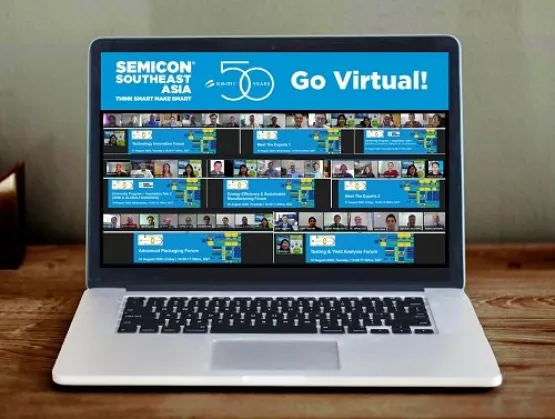
Never before had we expected that SEMICON SEA 2020 would go virtual.The COVID-19 crisis abruptly halted our ability to hold our premier Southeast Asia electronics manufacturing exposition as we typically do – in the physical realm. The pandemic tested our adaptability, challenged our willingness to experiment and, perhaps above all, accelerated not only our own but the world’s digital transformation. We had to change our way of doing business and learn to connect virtually like we had never had before. SEMI continues to believe that virtual interaction is no replacement for face-to-face engagement. But, like the rest of the world, we fast-tracked our digital education and staged the virtual event 20 July to 21 August 2020 to gather supply chain players and help fulfill the tremendous potential of our great industry. For all the suffering the COVID-19 has caused, the pandemic has underscored an important truth – that we need innovation through collaboration now more than ever to help solve the world’s greatest problems. We thank all our event sponsors as we turned what started as a grand experiment into a successful event that drew nearly 3,000 attendees to our webinars, business matching sessions and other online offerings designed to help them uncover new business opportunities. Following are other highlights. Southeast Asia Pavilion at Virtual SEMICON West 2020 In our first collaboration with SEMICON West, our Southeast Asia Pavilion at the event welcomed virtual visitors from around the globe to help them form new connections and grow their businesses. Business Matching Sessions Technical buyers from more than 15 multinational companies along with 141 pre-qualified suppliers attended more than 50 meetings across four online business matching sessions.Technical WebinarsCompany representatives from regions including Malaysia, Singapore, Vietnam, Taiwan, the United States, the UK, Israel, China and Japan shared their expertise and industry insights at SEMICON Southeast Asia 2020 webinars. In addition, experts from leading semiconductor companies such as Micron Semiconductor Asia Operations, ViTrox Corporation Berhad and A*STAR took part in our technical exchange by sharing the latest trends in the rapidly evolving semiconductor industry. Talent Development: Inspirational University Program Talks With building the talent pipeline critical to sustaining growth of Southeast Asia semiconductor manufacturing dynamics, talent champions from Lam Research and GLOBALFOUNDRIES highlighted career opportunities and pathways for young engineers while generating recruiting leads. More than 750 students from Malaysia and Singapore engaged panelists with questions during the sessions. The SEMICON Southeast Asia team extends its tremendous thanks to sponsors and attendees for their support. As we all navigate the pandemic and hope in the near future to awaken to a brighter day, we will continue to connect virtually and, whenever possible, in person as the semiconductor industry evolves and flourishes. The SEMICON SEA 2020 team In the meantime, we will all continue to pull together to support our resilient industry as it outperforms most other manufacturing sectors. Semiconductor capital equipment shipments were up 23% globally in the second quarter of 2020 versus the same period in 2019 and semiconductor chip growth remains in positive territory. Our team has already started planning for SEMICON SEA 2021, scheduled to take place at the Setia Spice Convention Centre in Penang, 18-20 May 2021.We look forward to seeing you again soon as we continue to strengthen the microelectronics ecosystem!Bee Bee Ng is president of SEMI Southeast Asia.
Read More