downloadGroupGroupnoun_press release_995423_000000 copyGroupnoun_Feed_96767_000000Group 19noun_pictures_1817522_000000Member company iconResource item iconStore item iconGroup 19Group 19noun_Photo_2085192_000000 Copynoun_presentation_2096081_000000Group 19Group Copy 7noun_webinar_692730_000000Path
Skip to main content
Default Banner Image

pandemic

Semiconductor companies that begin revising their long-term strategies now may emerge stronger in the next normal.In the months after the coronavirus began to spread, semiconductor companies moved decisively to protect employees, secure supply chains, and address other pressing concerns. Although the situation is still serious and many governments are still imposing physical-distancing requirements, semiconductor leaders are now looking ahead to the time when the pandemic abates and the next normal begins. To prepare for that moment, they are thinking about strategies for reimagining and reforming their business models—two activities that McKinsey described in a framework for responding to the coronavirus.Every aspect of the business model could be subject to change, including the composition of product portfolios, capital expenditures (capex), R D strategy, demand forecasts, supply-chain footprints, production decisions, and options for mergers and acquisitions (M A). But with so much uncertainty ahead, semiconductor companies may have difficulty making strategic decisions. To move forward, they should first establish a solid baseline for their company (see sidebar, “Determining the starting point,” for more information on this topic). With this foundation, semiconductor companies can chart a path to the next normal by focusing on the following questions: What recovery scenarios are most likely, considering evolving demand, economic developments, and other global changes? What is the impact of the COVID-19 crisis on long-term trends and demand? How can we emerge even stronger from the crisis? In past downturns, companies that thought about strategic questions early in the crisis were most likely to recover quickly and become market leaders. Although the COVID-19 pandemic is unprecedented in modern times, the need for long-term planning still holds true.Developing recovery scenariosCOVID-19 has significantly altered the fundamentals of the sector, including customer behavior, business revenues, and numerous aspects of corporate operations. Many companies have unclear future prospects, and some may not survive the crisis. Multiple recovery scenarios are possible, depending on potential government interventions and other variables that are now difficult to predict.Earlier, we published an article about the short- to medium-term outlook for semiconductor demand. Our analysis was partly based on assumptions in two of the nine scenarios that McKinsey developed for the COVID-19 recovery, both of which assume that the spread of the coronavirus is eventually controlled and catastrophic economic damage is avoided. In the first scenario, termed A3, global gross domestic product (GDP) recovers in the fourth quarter of 2020; in the second, termed A1, recovery is delayed until late 2022. Since the original analysis, we have updated the estimates to include 2021 demand.Both recovery scenarios suggest most semiconductor segments will experience negative year-on-year revenue growth in 2020.Both recovery scenarios suggest that most semiconductor segments will experience negative year-on-year revenue growth in 2020. Looking ahead to 2021, however, we expect that the situation will improve as most end markets recover, mostly because the starting point for 2020 will be much lower than it was in previous years. In the more optimistic A3 scenario, only a few segments meet the growth expectations that were forecast before COVID-19 emerged by 2021 (Exhibit 1). In the more pessimistic A1 scenario, the number of segments that recover is even lower (Exhibit 2). Within the individual segments, a few trends stand out: PCs. This segment will see the sharpest drop in demand and the performance gap will become more serious over time. Most people will buy all the home-office electronics that they need for remote work in 2020, lowering demand for next year. Meanwhile, enterprises may continue to delay investments in PCs to control expenditures, even if the recovery is proceeding. Automotive. In the more optimistic recovery scenario, A3, the automotive segment sees year-on-year growth of 28 to 36 percent in 2021. This estimate is based on the assumption that governments will offer incentives to car buyers. In A1, the scenario with the delayed recovery, government incentives are not as strong and growth remains in the 1 to 5 percent range. Wired communication. Growth in this segment could exceed pre-COVID-19 forecasts in both 2020 and 2021. This is one of the few areas where a delayed recovery would actually contribute to higher growth than the more optimistic scenario, since continued remote work and homeschooling will stimulate demand for wired communication. Evaluating the impact of the COVID-19 crisis on long-term demandBeyond 2021, semiconductor companies may have more difficulty predicting demand because even greater uncertainty abounds about healthcare and business developments. As companies create long-term plans and evaluate potential scenarios, trends in two areas deserve particular attention.Market pullOver the past few months, people around the world have experimented with new ways of working, studying, and communicating through videoconferencing and other technologies. Such trends could have a lasting impact on semiconductor demand and open new possibilities for existing products and services. For example, demand could increase for semiconductors that enable servers, connectivity, and cloud usage as online collaboration grows. Semiconductors may also be in high demand for the following products and services: contactless solutions, including touch screens and elevator buttons ambient assisted-living devices, including sensors, that help elderly and chronically ill patients remain in their homes, rather than moving to facilities automated-delivery solutions for the last mile, such as robots and drones digital work processes and the Internet of Things, especially in lagging sectors, such as healthcare, government, and defense Of course, COVID-19 could also decrease semiconductor demand in several important areas. Some automotive makers have already begun to postpone investment in autonomous driving because their lower revenues meant that less funding is available for R D. In other areas, demand trends are difficult to predict. Looking again at mobility, it is clear that public transportation is now less popular because people fear viral transmission. If subway and bus ridership remains low, or if more people begin to purchase private cars, semiconductor demand could shift in response.Monitoring industry shifts and geopolitical responsesOn the supply side, the pandemic has exposed risks that were previously unrecognized, leading to potential shortages of critical parts and components. In response, many semiconductor companies are already reconfiguring their supply chains to improve resiliency, and the changes may continue into the next normal. As they plan ahead, semiconductor companies might want to create scenarios that show the potential impact of localizing production, increasing stock and inventory levels, or making other changes.Within plants, the COVID-19 crisis could accelerate automation and the adoption of Industry 4.0 technologies. Remote manufacturing, diagnostics, and maintenance could all become permanent features. If that occurs, semiconductor companies might become smart workspaces, with technologies that facilitate remote work for most employees. They might also encourage a hybrid model in which a certain number of employees are remote and the rest remain on site. The efficiencies gained through such changes, as well as their start-up costs, could influence future semiconductor revenues.Long-term scenario planning must also consider the geopolitical response to the COVID-19 crisis. To stimulate the local economy, several governments have already announced subsidies and incentives, but these often vary by region. China for example has announced extended state subsidies and tax breaks for consumers purchasing new electric vehicles, while the United States has reduced fuel-efficiency standards for automakers. Semiconductor companies should closely track such regional variations, since they may affect demand patterns, and note whether local government responses appear to be evolving.Emerging stronger from the crisisSemiconductor companies have developed effective crisis-management strategies during other difficult periods, including the dot-com bubble in 2000 and the Great Recession of 2008. But the COVID-19 crisis presents entirely new challenges that make it different from any previous downturn. It hit unexpectedly and has exacted an immense humanitarian toll in addition to causing economic hardship. Although no playbook exists for such a crisis, some lessons from past downturns may apply if semiconductor players want to emerge stronger in the next normal.Modestly reducing capital expendituresIntel’s cofounder, Gordon Moore, once observed, “You can’t save your way out of a recession.” Large capex reductions are unavoidable if companies need greater liquidity to survive a crisis. But for companies in a better financial position, experience suggests that enormous cuts may not be the best strategy. During the Great Recession, many of today’s leading companies reduced capex less than their competitors and thus were better positioned to prepare for growth once the economy began to recover. With the current crisis, companies that proceed with plans to create next-generation products, purchase equipment, or make similar investments will be prepared if demand surges as the economy recovers. Those that hold back may have difficulty catching up, since some improvements can take years.Focusing R D budgets on next-generation productsFor maintaining a strong R D strategy during a crisis, three actions can be critical: Limiting cuts to R D budgets. As with capex, research shows that top companies tend to make moderate R D cuts during a downturn, allowing them to sustain a rich and evolving product portfolio. Unless liquidity issues require more significant cuts, companies should strive to fund innovation, rather than setting the bare minimum budget needed to keep R D running. Those companies that retain their focus on R D innovation now could gain long-term advantage over competitors, given the often lengthy timelines for developing new products. In some cases, the lagging competitors may never close the innovation gap. Focusing on next-generation products. Although semiconductor customers might be limiting their spending now, demand for new and innovative products could surge once the economy begins to recover. Rather than simply improving products using current state-of-the art technology, companies should also invest in next-generation products using new technologies. They may not generate revenue from these products over the next 12 to 24 months, but they will be well positioned once customer demand surges. Keeping a close eye on trends. Forward-thinking semiconductor companies will try to determine what products will generate the highest demand post-COVID-19 and prioritize their R D investments accordingly. Their analysis should encompass all areas, from new manufacturing techniques that allow for smaller process sizes to more innovative sensors. To make the right decisions, semiconductor companies must closely monitor new trends and customer behavior. If unexpected market shifts occur, they may need to take a new course. Taking a strategic approach to mergers and acquisitionsSemiconductor companies may also emerge stronger from the COVID-19 crisis if they take a strategic, systematic approach to investment and divestment. A retrospective, cross-industry analysis of 1,000 businesses shows that today’s top 100 companies were 10 percent more likely to undertake programmatic M A—the regular pursuit of modestly sized deals—both during and after the Great Recession (Exhibit 3). For divestment, the top 100 companies also unloaded 1.5 times more assets than their peers during the downturn. Another striking finding: the top companies also were more likely to pursue smaller deals. Overall, their average deal value was about 9 percent lower than that of competitors.A programmatic approach to M A is well-suited to the current era, since governments may implement stricter controls on large deals to limit foreign investment. It is possible that some protections may even extend to smaller deals to protect local businesses from hostile takeovers by international companies, so semiconductor players must examine regional regulations closely before proceeding with any M A activity.The world will be a different place after the COVID-19 crisis, and we do not yet know the extent of the changes within business, healthcare, and society as a whole. With so much uncertainty ahead, semiconductor companies will benefit by creating multiple future scenarios, each showing different macroeconomic and virus-related outcomes, as they set their strategy for coming years. They should embrace the uncertainty as part of their operating model, since agility and the ability to adapt quickly will be far more important than sticking to a plan. As in previous downturns, those semiconductor companies that act quickly could emerge stronger. Modest capex cuts, a focus on R D innovation, and a programmatic approach to M A could help them capture growth and create leading-edge technologies that will be in high demand once the economy begins to recover.About the authorsHarald Bauer is a senior partner in McKinsey’s Frankfurt office, Ondrej Burkacky is a partner in the Munich office, Peter Kenevan is a senior partner in the Tokyo office, Abhijit Mahindroo is a partner in the Southern California office, and Mark Patel is a senior partner in the San Francisco office.The authors wish to thank Daniel Anger, Stefan Burghardt, Sungwoo Chung, Viktoria Medvedenko, Sebastian Peick, Klaus Pototzky, Larissa Rott, Luisa Russwurm-Bössinger, and Klaus Seywald for their contributions to this article.Republished with permission from McKinsey Company.
Read More
While the full contours of the next normal are still unclear, semiconductor companies largely acted decisively at the beginning of the crisis to build resilience and position the sector for future growth. To plan ahead, now is the time to think about the next normal and set the strategic direction needed to emerge even stronger from this humanitarian and economic crisis.Global GDP recoveryMcKinsey has developed nine GDP recovery scenarios, and as the economic situation has developed, we surveyed more than 2,000 global executives to discover that two of those scenarios are most likely. Both of those scenarios assume that the spread of coronavirus is eventually controlled and catastrophic economic damage is avoided. In the first scenario, global GDP is expected to recover in the first quarter of 2021; in the second, recovery is forecasted to be delayed until late 2022. The geographies of recovery will vary, as some industries and regions will recover faster than others.Semiconductor Demand Forecast for 2020 and 2021The COVID-19 crisis has created an unprecedented challenge for the semiconductor industry. During the 2007/2008 recession, consumer demand stagnated. This crisis, however, has affected both demand and supply, creating dual pressures. Our demand forecast is based on the two most likely McKinsey GDP recovery scenarios as well as on extensive surveys, expert interviews and research on the recovery in China. Charts 1 and 2 (below) show that the semiconductor market as a whole is expected to decline by up to 10% in 2020 due to the COVID-19 outbreak and the resulting slowdown in the global economy. In 2021, however, most segments are expected to grow, with total market size surpassing 2019 value in the more positive scenario. The PC market segments will see the least growth, while the wireless communication and automotive segments should expect to be hit hardest by this crisis with a decline of as much as 21% and 27% respectively in 2020. However, they are expected to bounce back in 2021 with growth of up to 19% and 36% in the positive outlook scenario.It might take some time for the semiconductor market to fully recover. The timing of the industry’s recovery depends largely on the containment of the virus, government economic stabilization efforts, and the global economic recovery.1. Products include memory, micro components, logic, analog, discrete, optoelectronics, and sensors/actuators.2. 2020 estimates were calculated using 2019 baseline and percentages have been rounded.3. Gray values indicate 2020 growth forecast; blue values indicate growth forecast for 2021 only. Sources: IHS, Expert Interviews 1. Products include memory, micro components, logic, analog, discrete, optoelectronics, and sensors/actuators.2. 2020 estimates were calculated using 2019 baseline and percentages have been rounded.3. Gray values indicate 2020 growth forecast; blue values indicate growth forecast for 2021 only.Sources: IHS, Expert Interviews Emerging stronger from this crisisSemiconductor companies had already developed effective crisis-management strategies during past crisis and industry downturns. However, this situation is unique. Overall, we see three main activities that can help semiconductor players with through-cycle resilience and growth: Define the starting position: Creating a baseline can help inform future strategic decisions by providing a holistic view of the current strategy, internal capabilities and external position. Develop economic and political recovery scenarios: Developing and deciding which economic and political recovery scenarios to focus on will enable companies to create company specific scenarios. Therefore, it is important to analyze demand in the short and long terms, along with the effects of subsidies, stimulus packages and industry dynamics. Prepare for the next normal: To prepare for the next normal and emerge even stronger from this crisis, companies should focus on how to gain market share during the downturn. As competitors focus on resilience, companies who see themselves in a financially stable position can focus on increasing their company’s growth and market share. This mindset, however, is most effective when established across the entire organization. Opportunities to emerge even stronger include defining a strategic, systematic approach to investment and divestment as appropriate. This means that several smaller deals that accrue to a meaningful amount of market capitalization over the years often have a more positive impact than one large transaction. History tells us that finding pockets of growth and revising capex, R D and M A strategies are the building block to emerge stronger from a crisis. As Gordon Moore, co-founder of Intel once said, "You can't save your way out of a recession." This translates into moderate capex and R D budget cuts with the focus on future growth drivers. These approaches are supported by insights from previous crises.Although the crisis has presented a major challenge, it also offers the chance for companies to set themselves apart from competitors. The semiconductor industry as a whole has been more resilient than many other industries. The global push toward digitization has also been a major tailwind that will likely be a key element of the global economic recovery.Ondrej Burkacky is a partner with McKinsey Company based in its Munich office. He leads McKinsey’s semiconductor and software work in Europe, as well as its global COVID-19 semiconductor task force. For McKinsey’s latest insights on the business implications of the coronavirus pandemic, visit its website, which is updated daily.
Read More
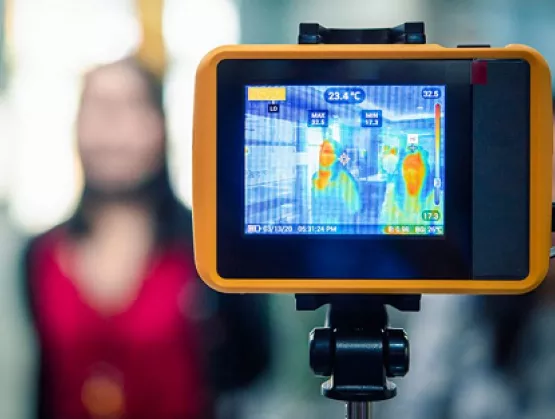
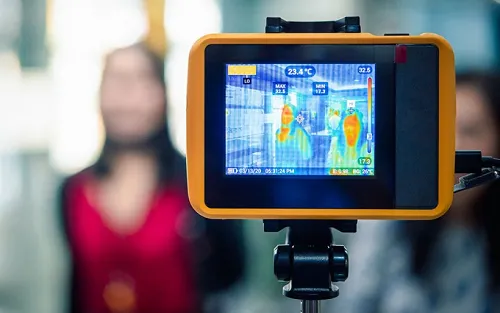
(The following is an excerpt of an article published by i-Micronews.)We are today entering a new era when sanitary checks will be regularly required to travel, do shopping, or have a social and cultural life. In this article and the related new Yole Développement (Yole) report, Thermal Imagers and Detectors 2020 – COVID-19 Outbreak Impact – Preliminary Report, we analyze how the COVID-19 outbreak could affect the thermal technology market and industrial landscape.To resume normal air traffic, air passenger screening to detect travelers with signs or symptoms of infectious disease will require new modalities. Thermal imagers could be used as a fast primary testing solution. This won’t be the first time actually. In the previous SARS, H1N1 and Ebola epidemics thermal cameras were used in some airports to screen travelers for fever. Of course, the size of the previous epidemics was not big enough to give this technology much attention. The way forward would be a triage process. Thermal imagers based on microbolometer technology can be installed at airports. If a fever is detected, then the traveler could be taken aside to get further tested with a more accurate handheld contactless thermometer. If the fever is proven, then they can be isolated for further examination, either a history check, and/or a diagnostics test, provided that it gives results in a reasonable amount of time.Airports are not the only places where thermal imagers can be the new norm. In April 2020, more than 50 Amazon warehouses had cases of COVID-19. Typically, workers were having their temperatures checked by handheld thermometers at the entrance. Amazon installed thermal cameras at some of their sites, which allows for faster screening. If needed, a secondary, forehead temperature check is performed if the employee is flagged from the camera, according to Reuters. Other companies that have explored using the thermal camera technology include Tyson Foods Inc and Intel Corp. Even some schools in China have started using them. This is an example of how businesses and infrastructure are turning to methods for containing the spread of virus by using technologies that previously went unnoticed by the general public.More businesses can adopt thermal cameras. In all countries, between 5% and 10% of enterprises employ more than 50 people, according to the OECD. To return to work, they could use thermal cameras to monitor body temperatures of employees as well. Here we are talking about cameras in the order of hundreds of thousands units.But this might not be enough. Everyone will probably want to have the ability to check their body temperature at any time. We have here a big market opportunity for integration of thermal imaging into smartphones or wearables. This integration has been in process for years. And it has long been perceived as the next sensor to be integrated in a mobile phone after pressure, inertial MEMS, or CMOS imagers. However, when 3D sensing technology was launched by Apple in 2017, all smartphone manufacturers focused their effort on this application, and were not interested in thermal imaging. Nowadays, because of the COVID-19 pandemic, people are much more sensitive to checking their own temperature and those of people around them, usually several times per day. Integration of a contactless thermometer could make sense. So there could be a revival of the use case of thermal imaging capability or temperature measurement in a smartphone or a wearable in the future.Click here to read the full article in i-Micronews.Eric Mounier Ph.D. is Fellow Analyst at Yole Développement (Yole). Dimitrios Damianos, Ph.D. is a Technology and Market Analyst at Yole Développement (Yole) working within the Photonics, Sensing Display division.Yole Développement is a member of SEMI and the MEMS Sensors Industry Group (MSIG), a SEMI Strategic Association Partner.
Read More
Olivier Corvez, senior manager of Environment, Health, Safety and Sustainability at SEMI, sat down (virtually) with Todd Patterson, vice president of global EHS for Entegris Global Operations, to discuss how Entegris has responded to the global pandemic.Corvez manages and Patterson participates in the COVID-19 EHS Task Force currently meeting weekly to discuss industry response and share best practices. SEMI: Was Entegris prepared for the COVID-19 pandemic? How did the company respond?Patterson: Entegris has a strong risk management framework and a risk assessment team of senior leaders who meet at least once a quarter. This focus gives us early visibility into events that could destabilize our organization or threaten our operations. Such a framework helps ensure we have the information necessary to act as soon as possible when the need arises. However, our business continuity plans for a pandemic of this scale were far less than with other more commonly occurring catastrophic events such as earthquakes or hurricanes. The COVID-19 crisis was clearly unprecedented and as such, the necessary systems and procedures were not in place with the depth and detail needed. Our strong governance structure made it possible for us to hold steady even as the pandemic caused increasing uncertainty and disruption around the world. For example, despite major supply chain shutdowns across many industries, to date, our supply chain and manufacturing operations have only been modestly impacted by COVID-19. Our supply chain team was assessing daily the areas of risk with our suppliers and taking appropriate action as well as preemptive steps to ensure our critical supply lines remained open.Our sales team engaged in regular communications with our customers providing them updates about our Business Continuity Plans and our actions to mitigate the risk to any of their deliveries. In addition, we maintained current information about the continuity of our supply chain on the company’s intranet for the global sales team to access as they engaged with customers. Also, a proactive communication plan was implemented immediately to send weekly video messages from senior executives directly to employees’ emails. It was an effective way to communicate with our global teams, to keep them informed about the status of the company’s operations and maintain a common sense of purpose at a time when many colleagues worked from home. In these weekly messages, we also focused significant attention on the health and safety protocols established to protect our manufacturing and lab employees from the virus.Among the health and safety protocols we implemented immediately as the virus moved across different regions were those related to facility screenings, work-from-home policies, social distancing, self-quarantine requirements, contact tracing, increased disinfecting, and travel restrictions. With approximately 5,300 employees worldwide, we had teams in every region ready to implement these comprehensive protocols. We believe we were among the first companies to implement work-from-home policies and travel restrictions.Temperature screening stations at Entegris facilities in Jangan, Korea (left) and Kulim, Malaysia (right). In addition, our CEO led a COVID-19 Steering Committee comprised of senior executives and managers from operations, human resources and communications. The committee met several times a week during March and April to evaluate and formulate responses to the issues that emerged as the virus spread from region to region. The committee’s work created a strong partnership among senior executives and divisional and functional leaders, and the initial guidelines developed by the committee have formed the backbone of a global playbook to limit the spread of the virus to our other sites around the world.Recently, the committee has changed its focus to more strategic issues such as creating a framework for transitioning remote workers back into our office locations. Meanwhile, local leadership teams at each of our global sites have been empowered to address ongoing tactical issues consistent with our thoroughly documented health and safety protocols.Looking to the future, we are using our experience in responding to COVID-19 to develop a more comprehensive pandemic response plan. We have project teams working on better ways to: measure temperatures of personnel entering our sites facilitate social distancing in the workplace redesign common use areas to reduce the number of high touch points disinfect all spaces thoroughly and regularly, and manage emergency pandemic supplies. SEMI: From the SEMI EHS survey, we noted that all members had a Business Continuity Plan. How effective has it been for deploying resources and adapting quickly and minimizing the crisis? Why or why not? Patterson: Because we have operations in China, Entegris experienced the impact of the virus immediately. We quickly formed two task force teams for our two primary facilities in the region. These teams developed the means for communicating key information to employees and started working on prevention plans to protect employees and comply with local requirements for when operations resumed. They met the challenges head on and found quick solutions. An example was finding an effective way of communicating to the employees for each location. Group chats were established through social media. It was this work that led to their success in getting approvals from local authorities to resume operations. Those plans have laid the groundwork on which our other sites around the world could build their response plans.The effective management of our global supply chain also stands out as a key success of the company’s Business Continuity Plan. Entegris has a highly complex supply chain with approximately 6,500 suppliers and a $850 million annual spend, and we ship work-in-progress and finished goods from over 90 sites globally.As I mentioned earlier, despite the virus crippling supply chains across many industries, Entegris experienced very little disruption to its supply chain. The supply chain team was able to accomplish this despite a 90% reduction in global freight capacity. A key factor in keeping goods flowing to our factories was the intensive work the team had done earlier to develop an in-depth understanding of the company’s top suppliers and to mitigate sourcing risks. They had established alternate sources, balanced the sources geographically, and placed inventory across our supply chain to buffer risk.The team also had integrated statistical modeling into reporting tools, which made it possible to reset safety stocks and logistics lead times quickly as conditions changed. And a supply chain digitalization provided one aligned and integrated view via dashboards, giving the company the ability to respond rapidly and to communicate in real time with our suppliers. We essentially had a virtual war room where we monitored the daily impact of the spread of the virus and could address bottlenecks and other issues immediately.SEMI: What lessons have been learned, so far? How do you see changes in your company’s operations in the future?Patterson: Institutionalizing what we’ve learned has already begun. Whether the measures implemented during the pandemic are temporary or become permanent is still to be determined. Regardless, the learnings need to be documented and available as a playbook for if – or when – the next pandemic occurs.Entegris is already working on a more comprehensive pandemic plan that will be based on five levels of preparedness. Level 0 will cover annual training requirements and management of emergency inventory of pandemic supplies. Level 1 will include early recognition of an outbreak, and then Levels 2-4 will include requirements for when specific response measures are implemented. Entegris also has formed the “New Normal” task force, which consists of leaders representing a number of disciplines directing the project teams previously mentioned to create a more comprehensive pandemic response plan. One of the project teams is working on improving the facility screening process that performs temperature measurement for personnel entering Entegris sites. The team is looking at the best technology to scan body temperature. As to whether this technology is employed only while COVID-19 is still active or becomes a permanent way of doing business, this is still being discussed.SEMI: EHS is involved in both providing technical support to protect individuals but also in making organizational changes to favorize social distancing. Could you explain some of the successes and challenges while tackling these two fronts?Patterson: Very early in the pandemic, Entegris established a work-from-home policy for non-essential employees. This significantly reduced the number of personnel and the potential for contact at the Entegris locations. Significant facility changes also were required. These included the design of facility screening booths and modifications to common gathering areas such as canteens, meeting rooms, prayer rooms, and smoking points. Physical markings were used to designate 2 meters distancing, and the seating in canteens and meeting rooms was reduced and staggered to minimize the risk of exposure to the virus. Entegris also has a project team focused on developing design solutions for offices and workstations when space makes it difficult to maintain 2 meters social distancing. These changes turned out to be essential for some sites in meeting mandates by local authorities. Our sites in Hangzhou, China and Kulim, Malaysia both were allowed to resume partial operations after demonstrating to government authorities the effectiveness of the preventative measures put in place. One particular challenge we are facing is the range of personal differences and awareness levels within the workforce – including those that don’t understand the importance of the new guidelines. We are working closely in advising supervisory staff to be aware of the need for employees to follow all health and safety protocols we have put in place, including social distancing. That preventative measure is the most difficult to make part of our new behavior – it is unnatural and inconsistent with our human nature, but it is critical to preventing the further spread of the virus.SEMI: How do you envision the progressive steps in deescalating to bring back “normal” operations? Patterson: I don’t know whether Entegris will ever go back to the old “normal.” As previously mentioned, we are working on the “New Normal.” Our focus now is on bringing our work-from-home employees back to the workplace without adding risk of exposure to the virus. We are still exploring options, but we expect to do it in a phased approach so that we can adequately assess the preventive measures that are in place and determine whether adjustments need to be made to any of our health and safety protocols.We are starting to see a variety of different frameworks emerge for evaluating repopulation timing and procedures. We will assess them on an office-by-office, or site-by-site basis, utilizing consistent criteria to define the potential for exposure to the virus. This also applies to our field service workforce. However, I have not yet seen any governmental guidance that offers a recommended framework for returning employees to the workplace. I think this represents an opportunity for SEMI EHS and the Standards groups to work to establish that framework for our industry.SEMI: Anything else you would like to share that you have observed throughout this crisis?We have not discussed the challenges faced in procuring and acquiring pandemic supplies. Almost immediately after the outbreak occurred in Wuhan, it became increasingly difficult to find supplies. Even when confirmation was provided by suppliers and delivery dates confirmed, the majority of the dates were pushed out or canceled. We found that what worked best was to have purchasing teams at the local site work with their local contacts on obtaining smaller quantities while a corporate point person was also managing larger orders. In preparation for any future pandemics, Entegris will be maintaining an emergency inventory for masks, sanitizer, thermometers, and disinfectants.For 18 months, Todd Patterson has held the position of VP Global EHS for Entegris Global Operations. His experience with emergency management and BCP has become invaluable in the past three months. He is grateful to his global response teams around the world for coming together to support the Entegris team in this unprecedented situation. Todd is an active participant on the SEMI EHS COVID-19 response teams led by Olivier Corvez at SEMI. Olivier Corvez is senior manager of Environment, Health, Safety and Sustainability at SEMI.
Read More
As government and business leaders start to talk about “returning to normal,” and looking to thermal cameras to help, questions remain about how and whether the latest technology can help prevent the spread of COVID-19.Across industries, everyone is looking for the right tools to help detect, slow and eventually stop SARS-CoV-2, the virus that causes COVID-19. By now we’ve all come to recognize that resuming operations in any way will require demonstrating measures to protect the health and wellbeing of people in a variety of situations, including travel and work.One proposed solution is thermal scanners. Unlike most medical imaging approaches, infrared (IR) thermography doesn’t require irradiation or expensive equipment, and presents no health hazard. Infrared radiation emitted from our skin can be detected and used along with information about the ambient environment to estimate core body temperature — which may indicate someone is running a fever, a common early symptom of COVID-19. While thermal cameras can’t detect a virus or a specific infection, they can help by quickly narrowing down a large pool of possibly infected individuals. And today, this represents the only viable non-contact mass screening approach for fever. The accuracy of the infrared system can, however, be affected by human, environmental and equipment variables. Understanding this multitude of variables — including the ways in which the science, technology and applications themselves interact — will help both users and system makers deliver the best results.Consideration #1: Think about the methodThermal detection has been used for fever detection for 20 years now. While older thermometers and thermal cameras, including the type used to detect a different coronavirus, severe acute respiratory syndrome (SARS), had their weaknesses, newer generations deliver significant performance improvements. More intelligent systems now offer features such as real-time calibration to ambient temperature with sub-degree °C accuracy, providing more accurate readings far more quickly than older generations.Newer camera systems are also more user-friendly and more reliable, featuring automated target recognition, improved resolution, pairing with a visible-light camera, automated alarms for febrile cases, and clearer outlining of hot spots. This higher degree of granularity improves insight, allowing for a more efficient and faster screening process, and provides on-site health professionals with necessary information to take additional steps when required. Advanced image processing features in new radiometric thermal cameras. Consideration #2: Know your baselinesBecause the environment can influence temperature measurements, some system makers have devised different ways to establish functional baselines. An early approach, recording a population baseline at each site on each day, proved too time- and resource-intensive. A newer approach, using a reference temperature source, or black body, offers evolutionary improvement. Designed to maintain itself at a specific temperature, the black body device allows the thermal camera system to automatically calibrate. Even better is a radiometric camera, which can intepret the intensity of an infrared signal reaching the camera. This requires more rigorous design and testing by the manufacturer, but it delivers much more precise measurements.Diagram of a fever detection system with black body emitter Consideration #3: Looking in the right place While thermal cameras can only detect surface temperatures, different parts of the human body more closely correlate with body temperature. Based on recent scientific research, the most reliable spot in the human face is the canthus, the small corners over the tear duct of your eye where the upper and lower eyelids meet. This kind of precise targeting requires accurate pixel calibration capabilities. The best surface target for estimating core body temperature: the canthus at the inner eye Consideration #4: Checking your performance Operating an IR fever screening system in the lab is one thing, but out in the field, the situation becomes more complex. Users need a camera system that is reliable and stable when it comes to critical performance factors like resolution, sensitivity and frame rate. Understanding the performance considerations when imaging a subject at a distance, for example, and realizing the minimum number of pixels required to get an accurate measurement are both essential in staging a fully optimal fever-detection platform.Consideration #5: Finding your way in the “wild west” of thermal imaging in early 2020People from the many industries that have been devastated by this pandemic – including travel, sports, manufacturing, food and hospitality, and entertainment — are looking for ways to reopen businesses safely while reducing the probability of a second wave of COVID-19. Deploying technology such as IR fever screening systems as part of a range of preventative measures will hopefully support that effort.As is the case with any promising emergent technology, there is a fair degree of chaos around the nuanced considerations of system design and performance. What standards apply to IR fever-screening devices? Which are being enforced? Who makes them? Will they work? IR camera manufacturers such as Teledyne DALSA and the expert system integrators we work with can play an important role in helping manufacturers and integrators to navigate this chaos, enabling us to work together to potentially save lives.For an even more in-depth look at this topic, visit this page, download our whitepaper Thermal Imaging Technology for Fever Screening, or browse.Jean Brunelle, product manager for infrared imaging, is a technical leader in sensor integration at Teledyne DALSA. He works on developing new image correction and calibration algorithms as well as qualification and production tests for the company’s visible and LWIR lines of digital cameras. Having earned a bachelor’s degree in engineering physics and a masters in surface chemistry, he has a passion for all things sensors, from how they work to how they are fabricated and used. His focus for the past few years has been on micro-bolometer-based LWIR cameras. Most recently, he was involved in the development and testing of Teledyne’s very own WLP micro bolometer and its integration into a thermal camera.Teledyne DALSA is a member of MEMS Sensors Industry Group (MSIG), a SEMI technology community that enables the MEMS and sensor industry to address common challenges, innovate and accelerate business results.
Read More
Linx Consulting and Hilltop Economics continue to monitor how the global economy impacts the electronic materials supply chain. Amidst the recent economic and revenue results releases, we have generated a series of potential scenarios for the next few years. These scenarios are based around sales of silicon wafers expressed in millions of square inches (MSI). Our work develops a multiyear forecast from the historic record of the SEMI-reported MSI demand by developing an econometric relationship with underlying demand drivers. Using this methodology, Linx Consulting and Hilltop Economics have introduced the following three silicon demand forecast scenarios: V-shaped global recession consistent with severe COVID-19 impact followed by a sharp economic rebound. Probability of approximately 40%. V-shaped global recession but with business and consumer behavior differing from the past recession in that there is much more aggressive spending on technology goods that softens the impact for semiconductors in 2020. Probability of approximately 25%. An extended COVID-19 impact developing into a U- or L-shaped global recession with an economic rebound delayed for several years. Probability of approximately 35%. In the few months since coronavirus hit the world, the economic prognosis for all major economies has worsened dramatically, although forecasts remain speculative given the rapid rate of change in the political and economic environment. The forecast changes in GDP since February 2020 of the G7 nations vary from -5.9% for Japan to -10.2% for Italy. These changes are closely linked to unprecedented declines in employment, consumer demand and industrial investment – all key drivers for wafer area demand. This leads us to believe there will be a significant reduction in wafer demand as these economic factors feed through the supply chain.Other leading indicators show dramatic drops in the global and regional economies taking effect at an unprecedented pace. These indicators have a loose predictive relationship for silicon wafer consumption and portend a rapid drop in demand.The demand picture for the semiconductor supply chain (be it wafers, materials, consumables or devices) is thus gloomy, and our models are currently showing Q2 to Q3 2020 reductions in MSI demand of between -11% and -28% depending on the scenario.In marked contrast to this depressing economic picture, the indications from the end-to-end semiconductor supply chain continue to be much more positive. Demand for silicon reported by SEMI increased in Q1 2020 by close to 3% from Q4 2019, while results from materials supply companies vary from slightly negative to record-breaking growth rates through the first three to four months of 2020. Added to this, reported revenues from WSTS for Q1 2020 ticked up 6.2% versus the prior year and the three large foundries in Taiwan and China showed continued growth of Q1 wafer area shipments and a 32.3% growth versus Q1 2019.Revenue and demand reports from leading device manufacturers remain on trend from 2019 with no indication of a precipitous change. Anecdotal reports of strong technology equipment demand to support people working from home and demand for medical devices in response to the pandemic can be substantiated somewhat by demand data although not convincingly.Reports from materials supply companies indicate that factories continue to be fully utilized, having been designated essential businesses, and that safety measures implemented against infection are largely effective.There are some indications of caution, however. The major public silicon wafer suppliers saw a 4% drop in revenues in Q1 over Q4, despite the reported strength in silicon area shipments from SEMI, indicating either ASP declines or some inventory effects.We are advising clients supplying materials into the wafer fabs and packaging supply chains to develop contingency plans for a sharp decline in product demand of as much as 28%, which may bounce back rapidly to 2019 levels or higher in early 2021. However, companies should also be vigilant of a slower than hoped for return to previous activity levels if the effects of the pandemic continue for an extended period.For further information please contact Mark Thirsk at +1 774-245-0959 or on [email protected] in engaging with the electronic materials supply chain? The Electronic Materials Group (EMG) is a SEMI technology community representing SEMI member companies that provide substrates, polymers, metals, organic and inorganic materials, chemicals, and gases developed for electronics manufacturing. Linx Consulting is a longtime member and supporter of the SEMI Electronic Materials Group.Mark Thirsk is managing partner at Linx Consulting. Duncan Meldrum is president of Hilltop Economics.
Read More
By many measures, South Korea is swiftly restoring life as usual after suffering a heavy COVID-19 caseload in March. The region has logged an average of about 10 new COVID-19 cases per day since mid-April, it enjoys an ample supply of facial masks and sanitizer, and the Korean government on May 6 lifted social distancing orders and now encourages routine distancing to keep the coronavirus at bay. South Korea is also making progress on the business front as regions including China, Vietnam, Poland, Hungary and Kuwait have started to crack open the doors for travel by Korean businesspeople. As of mid-May, more than 5,500 Korean workers had received permits to travel to the five nations. For several months, South Korea was subjected to international travel bans to stem the spread of the coronavirus. Then, as its COVID-19 case count dropped, other nations started to loosen their bans on business visits to South Korea. In mid-May, the Korean government won work-related travel privileges to Vietnam for 186 Samsung Display engineers, while some LG engineers were also granted the travel permits.Other steps forward for the Korean microelectronics supply chain include the following: About 1,150 workers from Samsung, LG group and affiliates subject to a 14-day quarantine were granted entry to Vietnam 340 employees from 143 small and midsize Korean companies traveled to Vietnam under a 14-days quarantine 252 LG Group workers won fast-track entry to Nanjing, China 215 Samsung Display, Samsung SDI and Samsung Electro-Mechanics engineers were permitted entry to Tianjin, China under the region’s fast-track program 170 LG Display workers with fast-track privileges flew to Guangzhou, China 300 Samsung Electronics workers arrived in Xian, China via fast track Shanghai, Tianjin, and Shandong are among 10 provinces in China that have implemented the fast-track entry program. South Korea businesspeople are required to follow a number of protocols to help ensure the safety of China’s citizens such as: Submitting to temperature checks at least 14 days before departure and COVID-19 tests within 24 hours of leaving South Korea Showing health certificates that they have tested negative for COVID-19 Undergoing COVID-19 testing once they arrive in China. Workers testing negative for the virus can start work within three days. Other regions are also weighing a loosening of travel restrictions to South Korea. For example, the Japan government is considering issuing business travel permits to 10 countries including Korea, China, and the United States. The start to re-opening international borders to business travel is a promising step toward restoring the global collaboration and connection at the heart of the microelectronics industry. Jaegwan Shim is a marketing specialist at SEMI Korea.
Read More
Thanks to developments in science and technology, artificial intelligence (AI), cloud computing, big data and other technologies have been used to establish smart healthcare systems that helps societies respond more effectively to disease outbreaks. The spread of novel coronavirus starting in late 2019 has revealed how not only traditional medicine but also Smart MedTech applications can be instrumental on the anti-epidemic front lines.To give updates on the development of Smart MedTech and how it shines during the fight against COVID-19, SEMI invited Dr. Pei-Yuan Lee, Honorary Superintendent of Show Chwan Memorial Hospital, to share with MSIG (MEMS Sensors Industry Group) and Flex-Tech members how the international community and Taiwan are bringing their best in Smart MedTech to the table and how their collective efforts are helping tackle COVID-19 challenges.Taiwan’s COVID-19 rapid screening reagents and antibody testing help curb coronavirus transmissions Taiwan’s medical community has demonstrated its prowess in responding to the COVID-19 outbreak. Using its nucleic acid extraction reagent, Taiwan Advanced Nanotech Inc. tested 128 specimens from passengers aboard the SuperStar Aquarius cruise ship in only eight hours in early February. Taiwan’s leading research institute Academia Sinica successfully synthesized the first group of monoclonal antibodies capable of recognizing the new coronavirus protein on March 8, enabling testing to be completed in 15 minutes. The College of Medicine of National Taiwan University announced on March 27 that its 30-second screening device had helped identify asymptomatic carriers. The devices detect COVID-19 in people with no symptoms if they have pulmonary infiltration and edema. It took only 14 days for Academia Sinica to successfully synthesized the first group of monoclonal antibodies capable of recognizing the new coronavirus protein. On April 22, three biomedical companies in Taiwan launched a COVID-19 test that produces results from samples of patient mucus in less than 10 minutes to greatly enhance testing speed. Once the test method is approved by the Taiwan government, it will take Taiwan’s medical strategy against COVID-19 to the next level.Artificial Intelligence: the key to upgrading traditional healthcare practicesAI is a key enabler of the transition from traditional medical practice to Smart MedTech. To help fight the COVID-19 outbreak, a National Cheng Kung University medical team developed a 30-minute coronavirus testing procedure that uses AI to read pulmonary X-ray images and automate medical records. Taiwan AI Labs leveraged AI to simulate how drug molecules combine with viruses to reduce research time by three to four years. AI ​​diagnostic technology from the Alibaba DAMO Academy (Academy for Discovery, Adventure, Momentum and Outlook) and Alibaba Cloud interprets CT images of COVID-19 patients with 96 percent accuracy in 20 seconds. AI-powered algorithms improve diagnostic test accuracy, allowing clinicians to quickly analyze scans of pulmonary lesions and quantify the severity of lung damage.Startups have also joined the fight against COVID-19. Taiwan's Internet of Things (IoT) startup iWEECARE invented the world's smallest smart thermometer patch. Heroic-Faith Medical Science launched a device that uses IoT and AI to monitor lung sounds. With Smart MedTech expected to be fertile ground for future venture investments, enterprises must find their niches in establishing new technologies in a much more systemic way. Taiwan startup Health-Faith Medical Science developed a respiratory diagnostics device that uses IoT and AI technology to monitor chest sounds in real time. Anti-epidemic technology to help fulfill smart medtech vision Many AI and big data technologies previously deployed in hospitals and healthcare systems are helping regions around the world speed their pandemic response. The United States and China have started to develop facial mask recognition systems powered by AI, while a team in the Department of Bioinformatics and Medical Engineering at Asia University has devised a facial recognition system combining IoT and AI technology with infrared thermal imaging cameras. At Johns Hopkins University, the Center for Systems Science and Engineering is using AI to create big data models that track global cases, people and traffic flow, and other variables for real-time data analysis that enables epidemiologists to more accurately predict COVID-19 transmission paths. Graphen, Inc., a New York-based provider of next-generation AI platforms, launched the world's first AI COVID-19 genetic evolutionary path analysis systems to gauge the virus’s transmission route and accelerate pandemic response. Both the United States and China are also using robots and drones to improve epidemic research and patient treatment. For the first confirmed case in the United States, robots were used to assist with medical care. In China, robots facilitate deliveries of disinfectants to makeshift hospitals built to expand the nation’s capacity to treat COVID-19 patients. While Taiwan’s robots are traditionally used for hospitality, transportation and disinfection purposes, future robotics research and development will focus more on medical applications that shift more work from medical staff to technology. With abundant technological resources and expertise, Taiwan can join hands with the rest of the world to combat the COVID-19 pandemic. Emerging technologies are pointing the way toward a new paradigm for healthcare community. Biotech, artificial intelligence, and robotics have given rise to new applications that increase virus screening accuracy and efficiency. This growing wave of technological defenses against the pandemic will become a long-term force for stability and strength in healthcare systems across the world.To get involved in SEMI Taiwan Smart MedTech Community, please contact Helen Chen, Outreach Manager, at [email protected] Huang and Winnie Chang are marketing and public relations specialists at SEMI Taiwan.
Read More
Cameron Burks, head of Global Security, Enterprise Business Resiliency and Health, Environment Safety with Adobe Systems, and a member of the White House Task Force for COVID-19 response, briefed members of SEMI’s IT Leadership (ITL) and Environment, Health Safety (EHS) groups on April 20, 2020, on enterprise resiliency principals specific to the current COVID-19 crisis. Burks has spent over 20 years in the global security, crisis management and business continuity fields for public and private global companies. In the meeting, he noted, “This is all new. No one has had to respond to a crisis of this magnitude and impact. Ever.” On top of all of the learning and responding that teams are doing in real-time, it is helpful to have a strong business continuity plan (BCP). The following is a recap of insights that Burks shared on best practices for business continuity with examples from Adobe’s BCP.The Long-Term Picture: How to Plan for Business ContinuityBurks emphasized that the first step in any crisis is identifying risks and ensuring the safety of all human life. Once human safety is assured, the next part of the plan must form a strong foundation for escalation, operation evaluation and response. A solid foundation also creates the business factors to restart operations efficiently. The foundation of the Adobe pandemic plan was laid during the summer of 2019 while the global team was updating their infectious disease plan and rehearsing with headquarters and regional offices. That plan includes six main sections:1. Crisis Management Plans – escalation, roles and responsibilities, team operations2. Crisis Communication Plans – internal and external stakeholder communications3. Incident Management Plans – site or regional management response4. Emergency Response Plans – immediate local response to events5. Business Recovery Plans – business and facility recovery6. Disaster Recovery Plans – IT and technology recoveryThis format has worked and scaled well over the past few months, and the company is now in the stage of evaluating how to help offices recover and repopulate. Response Team Structure – Global and LocalAlthough it is critical to have plans and leadership coming from headquarters when it comes to a crisis, LOCAL teams are on the front lines since most crises start and evolve quickly. In the planning process, the local teams need to know and be trained on plans for a wide range of incidents and events including: People- and product-related Security – both external and internal Operational (e.g. cyberattacks) Natural disasters Health-related, such as this pandemic The severity of the event will determine the corporate impact and activation of appropriate plans. Low-impact events include those where stability is quickly reached and response plans have effectively contained the incident. High-level events will cause severe disruption for employees and customers and require an efficient and coordinated response. Regardless of the severity level of the event, all response teams need to be prepared to quickly activate and then to thoroughly coordinate on crisis management and communications. It is critical to have established actions to implement based on the severity level of an event. Table 1 provides an example of Key Trigger Levels for implementing specific actions depending on the severity of an event. Table 1 – Key Trigger Levels X = phase to consider first implementing controls The team needs to understand what the staff requires to maintain business continuity. Burks recommended aligning with ISO 22301, the Business Continuity standard. The standard will lead a company to understand what redundancies need to be in place to keep essential operations running. In Adobe’s case, this includes keeping data centers running and providing essential gear to the 90+ members of the response and global security teams. Adobe tests the plans every month and addresses the bugs – every time.Repopulating Business Facilities During COVID-19 While COVID-19 infection and death rates are currently flattening in many locations, there remain a significant number of new infections, limiting the ability to repopulate business facilities without threatening the health of the workforce and their families. Adobe is using multiple indicators to calculate when the virus is contained, the threat is reduced, and employees can return to workplaces. For now, Burks recommended maintaining social distancing as much as possible while keeping operations running. He believes summer may see some abatement due to weather. However, most experts expect to stay hyper-aware and responsive well into 2021.Although Adobe tries to provide actual dates for return to their employees – and did early on with best estimates – they have had to change to a “until further notice” statement. Repopulating is going to be much more complicated than the original decisions to work from home. The Adobe operations team is providing much larger conference rooms, enhanced cleaning regimens, and new norms of interacting at the workplace for everyone. The goal is to bring people back in small groups on a site-by-site basis. The first group will be only 7-10% of the workforce. That group includes the cleaning and facilities crews to support the professional staff, who would return to reap the benefits of a collaborative environment. Many people want to come back to the office. They are suffering in isolation, and productivity is dropping in those cases.Adobe is planning to create a manual on interacting at the workplace and will require training and adherence to new social constructs. Security officers will be “ambassadors,” helping the workforce remember and adhere to the new rules. The company will use footprint stickers to provide visual clues to employees on walking single file and avoiding groups. Stickers will designate desks that can and cannot be used. To provide a more open office plan, they will remove desks and arrange movable white boards to accommodate the collaboration employees want.The situation is complex and dynamic and requires decision-making based on a definitive set of criteria. The following is a summary of information that Burks shared on Adobe’s criteria for returning to work after COVID-19: Indication of health and safety assurance utilizing risk assessment criteria – locally assessed and qualified for a minimum of six weeks. Travel prohibitions and local/external meeting guidelines to be modeled separately utilizing case-by-case risk assessment criteria. Assessment of the case fatality rate, infection peak and downside projections – curve must be flat. Management team decision on how much risk to assume, as this disease is durable Assessment of infection vector and prevalence vis-à-vis relaxation of nonpharmaceutical interventions; assessment of local healthcare capacity Government shelter-in-place restrictions fully (or partially) lifted; declarations by public leaders that the virus has been contained at some level (city, state, country) Assessment of facilities to physically distance employees and/or staggered shift schedule; assessment of security capability/resource availability Assessment of public transportation and infrastructure, including parking garage Assessment of school closures, childcare and/or adult-care Assessment of nonpharmaceutical intervention awareness campaign, medical surveillance program, and/or onsite medical or clinical support No visitor program until approved by global security staff when office repopulation program begins. Create exceptions list. Emergency plans formally in place Site capacity identified; Emergency Response Team (ERT) skeleton crew part of the repopulation Full plan in place to close offices for a period of no less than three weeks if one employee or vendor tested positive for COVID-19 during repopulation exercise; plan includes informing workforce within “return population” of circumstance and having the facilities team execute a deep clean. The plan would then activate communications for the crisis management remediation phase, which includes full workforce transparency via town halls, webinars, emails, etc. Burks noted that contact tracing has moved from an unthinkable invasion of privacy to a likelihood for most workplaces, taking into consideration privacy laws predominant in Europe and U.S. If anyone falls ill or tests positive for the virus, they will automatically be sent home and everyone who has been in contact with them will need to enter a 14-day quarantine before returning. Burks’ presentation, and his thoughtful approach to planning and the current situation with COVID-19, allowed the attendees to consider their positions and paths for bringing their workers back to the offices and facilities. A lively question and answer session enabled members to further clarify points and get immediate feedback on their plans and strategies. Burks finished with a request to industry members to continue the dialogue and send industry data for him to report back to the White House Task Force. For additional resources from SEMI, visit our COVID-19 response website, which provides best practices and the opportunity to submit company stories.About the AuthorHeidi Hoffman is Senior Director of Corporate Marketing for SEMI. She is currently serving on the SEMI COVID-19 Response Team, coordinating multiple inputs from across the industry to assist all SEMI members in responding to the crisis. To submit your company response story, visit our COVID-19 News and Blogs webpage and scroll down to the green submit bar below the news.
Read More
In much of post-lockdown China, urban life is humming. The streets of Beijing and Shanghai are bustling with traffic, smog again shrouds city skylines with the resurgence of economic activity, property sales are bouncing back and a revival in consumer confidence is taking hold. Emerging from monthslong shelter-in-place orders, the nation has seized a large measure of control in containing COVID-19 as it breaks fertile new ground in pandemic response and recovery. In Wuhan, Hubei, the fountainhead of the novel coronavirus, one company offers a striking example of China’s muscular COVID-19 containment efforts, carefully continuing to operate through January and February as the virus set root, said Karel Eloot, a Shenzhen-based senior partner and Asia leader of Transformation and Operations practices at McKinsey Company, speaking at a recent webinar presented with SEMI. Soon, COVID-19 spread to eight other provinces that suffered serious outbreaks and forced the nationwide lockdown that sent China’s GDP plunging 7 percent, its first contraction in 28 years. An impressive array of safety protocols, many designed to reduce people density as a bulwark against the virus, animates China’s fight against COVID-19, a return-to-work movement that is laying a path forward for companies around the world. It is these measures, Eloot said, that have kept the Wuhan company afloat and helped other businesses across China restore operations with unusual speed. Community and Social Distancing – The Heart of China’s COVID-19 Response In establishing safeguards, many companies started by assessing staffing requirements, identifying workers essential to sustaining on-site operations while allowing others, such as white-collar staff, to work from home, though some have since returned to their offices. Seen as non-essential, some factory maintenance workers have been instructed to stay home. To fill staffing gaps, business have turned to multi-skilling practices, such as having on-site supervisors and engineers step out of their daily roles to handle lower-level operations activities. Much of the focus has been on community distancing, with businesses quickly identifying workers suffering even minor COVID-19 symptoms and using contact tracing to prevent sick or vulnerable employees from entering offices and factories and turning them into hot zones for community spread, Eloot said. Manufacturing facilities are staggering work shifts to reduce people density, closely monitoring workers’ body temperatures with an eye toward other symptoms, and following up with medical tests and quarantines as needs dictates. QR codes, long a staple of e-commerce, have been a particularly effective weapon in combatting COVID-19. Companies are deployed the scanning technology to identify workers by color code – green, yellow or red – and assign various levels of site access depending on who they’ve been in contact with. Some factory workstations are now walled off by transparent plastic sheeting to prevent COVID-19 infection through aerosol drift. In business meetings and lunchrooms, staffers sit spaced a safe distance apart and facing the same direction to avoid crosscurrents of the microscopic respiratory droplets that can carry the virus. Others eat in isolation. Meeting room windows are opened, weather permitting, to admit fresh air. And elevators – perfect petri dishes for contagion – are shuttered to ward off human clusters, shifting all floor-to-floor movement to staircases. Companies united by the common goal to keep goods flowing through supply chains are providing masks and other personal protective devices to smaller players most vulnerable to the economic shock of COVID-19. The aim: Shield the companies from the potentially crippling effects of the virus to avoid supply chain breakdowns that can undercut the performance of the whole. Even competitors have formed unexpected alliances, sharing parts and components that are in short supply. “Some sectors have maintained steady production throughout the crisis” thanks to these practices, Eloot said. “China has been able to create safe communities where people can operate as normal.” Executive Uncertainty Reigns, Hope Springs Eternal with Innovation The objective of China’s fast, forceful response to the COVID-19 outbreak is economic: A V-shaped rebound after the 7 percent wallop to its GDP in the first quarter of the year. The trajectory is among nine economic recovery scenarios McKinsey Company presented to more than 2,000 executives worldwide in a recent survey seeking their views on the likelihood of each. The business leaders coalesced around two – a full restoration of global GDP growth that could materialize this year or extend into next, or a two- to three-year recovery following the initial economic tsunami, Sven Smit, an Amsterdam-based senior partner with McKinsey and global leader of the McKinsey Global Institute and global COVID-19 response team, said at the webinar. The executives see the multi-year recovery as the most likely. The shorter rebound ranked second on a scale of probabilities. Notably, the business leaders found the V-shaped bounceback China is attempting – returning to GDP growth in one quarter – the least likely outcome. But the biggest surprise from the survey, Smit said, was executives’ view that of the two major global interventions for restoring GDP growth – viral and economic – one will be ineffective, reflecting their deep uncertainty about what lies ahead. A growing body of knowledge about COVID-19 tempers that doubt. It’s established fact that the virus is highly contagious, more lethal than the flu, and spread by means including aerosols and touching contaminated surfaces. But only recently has more insight emerged about human immunity. Broad-based blood testing in the Netherlands has discovered that only 3 percent to 4 percent of the people screened are immune to the coronavirus, leaving the vast majority of the population without natural biological protection – a sweeping vulnerability evident in Asian countries hit early by the virus only to see fresh flare-ups after initial containment. Smit warned of the pandemic’s potential resurgence. Testing has revealed that coronavirus cases are underreported by a staggering 10- to 15-fold, a clarion call that countries “need to be very careful about how they re-open economies.” That means in order to keep COVID-19 at bay until a vaccine is developed, the best defenses will remain temperature monitoring, contact tracing, quarantining, social distancing, mask wearing, frequent hand-washing and other proven protective measures. And while the relative contribution of each safeguard to slowing COVID-19’s spread is unknown, Japan, Korea, China, Taiwan and other Asian countries have shown that “if you apply them all, you are likely to keep this virus under control,” Smit said. It remains to be seen whether protections the U.S. and European countries have put in place will stave off the virus as effectively as the rigorous measures implemented by Asian countries and, if the Western regions deploy a different cocktail of safety protocols, how well they will work. The re-opening of their economies promises to reveal the answers – and the McKinsey recovery scenario they’ll face. These and other open questions help explain the uncertainty of the executives McKinsey polled. Pandemic Supercharges, Adds New Urgency to Long-Term Trends What is known is that, far from upending the way all organizations operate, COVID-19 is supercharging secular trends and showing that people can react with dizzying velocity when confronting global mortal threats. That speed, Smit said, “is not determined by the potential of technology, but by events." For decades, doctors and technologists have teamed to develop ways to examine and treat people from afar, yet telemedicine managed to eke out only small, incremental gains in adoption. Since the COVID-19 outbreak, patients have flocked online, with virtual doctor’s visits accounting for more than 70 percent of all physician-patient interactions. “People like it, and we can reach many more patients as a result. It happened in a few weeks,” Smit said. Similarly, teachers and unions have only inched toward digital communications for years, fearing job losses in education at the hands of technology. When schools closed recently under shelter-in-place orders, teachers quickly switched to online lessons. The transition, Smit said, took one weekend. Meanwhile, as office workers holed up at home, usage of teleconferencing applications skyrocketed. “We’re collectively learning at unprecedented speed,” Smit said. “We’re sharing. We’re learning about supply chains. We’re learning about collaboration. We’re learning about masks. We’re learning about contact tracing. We’re learning how to work more efficiently. We’re learning from real-time data about the behavior of people. And we’re investing collectively enormous sums in finding cures and treatments and expanding hospital capacity.” While the coronavirus’s blistering spread caught many countries off-guard, Smit expects scientists to spare no effort to innovate. Expressing hope that new medical interventions will be available by summer, Smit said the world needs to buttress its key lines of defense against the coronavirus until a vaccine is developed – a shield that will quicken the global economic recovery. “The race is on," he said. Related blog COVID-19: Economic and Microelectronics Industry Impacts – Insights from McKinsey Company For McKinsey’s latest insights on the coronavirus pandemic, visit its website, which is updated daily. For the latest COVID-19 information and SEMI event updates SEMI is providing members, visit Coronavirus Resources. Michael Hall is a marketing communications manager at SEMI.
Read More