downloadGroupGroupnoun_press release_995423_000000 copyGroupnoun_Feed_96767_000000Group 19noun_pictures_1817522_000000Member company iconResource item iconStore item iconGroup 19Group 19noun_Photo_2085192_000000 Copynoun_presentation_2096081_000000Group 19Group Copy 7noun_webinar_692730_000000Path
Skip to main content
Default Banner Image

EU Chips Act

The semiconductor industry is at the heart of modern technology, powering everything from smartphones and medical devices to communication systems and transportation. However, to sustain its rapid growth and innovation, the industry faces a pressing challenge: a growing talent gap. Addressing this issue requires collaboration between academia and industry to ensure that students are not only equipped with the necessary skills but also have clear pathways into the workforce.That’s where SEMI On Campus comes in. Launched in March 2025 by SEMI Europe, this new initiative is designed to bring together the semiconductor industry and universities, fostering collaboration that benefits students, educational institutions, and companies alike. With its first edition in Poland, SEMI On Campus is already making waves by reaching over 150 students and strengthening industry-academia connections.First Stop: PolandThe inaugural SEMI On Campus event took place at Gdańsk University of Technology and The University of Gdańsk, where key representatives from SEMI Europe—Bernard Capraro (Senior Manager, University Partnerships Talent Initiative), Victoria Cummings (Senior Manager, Workforce Development EU Projects), Maria Daniela Perez (Senior Manager, Business Development), and Kartikey Srivastava (Senior Specialist, Communications)—met with deans, professors, and students from various faculties.The Power of Industry-Academia CollaborationCollaboration between universities and the semiconductor industry is crucial in ensuring students gain practical knowledge, hands-on experience, and direct access to job opportunities. Companies, in turn, benefit from a steady pipeline of skilled graduates ready to drive innovation and meet industry demands.During the event, Bernard Capraro shared his own journey, from an engineering internship in Germany to leading research and development initiatives at Intel. His experience highlighted how diverse skill sets and career paths can lead to impactful roles in the semiconductor industry."Yes, the industry needs mechatronics engineers, data scientists, chemists, physicists, and computer science professionals. But it also needs media experts, gamers, biologists, environmentalists, public policy professionals, and communicators. It’s all about transferable skills and finding your area in this dynamic and diverse industry,” said Capraro.Expanding Opportunities with the European Chips Skills AcademyOne of the key initiatives supporting the semiconductor industry’s workforce development is the European Chips Skills Academy (ECSA). Designed to tackle skills shortages and propel industry growth, the Academy builds on the goals of the Microelectronics Pact for Skills and the EU Chips Act. With backing from 18 partners, including vocational training providers, research organizations, and industry leaders, ECSA aims to:Attract new talent into microelectronicsFoster collaboration between educational institutions and industryProvide training and certification opportunities to enhance workforce readinessVictoria Cummings emphasized how the initiative offers mentorship programs and access to leading companies and events. ECSA also builds on the student ambassador initiative, empowering institutions to support students in developing ideas and connecting them with mentors who can help shape their careers.Driving Diversity with the European Chips Diversity AllianceDiversity, equity, and inclusion are key to strengthening the semiconductor workforce. Kartikey Srivastava highlighted the European Chips Diversity Alliance (ECDA), a collaborative effort between academia and industry that aims to lower barriers to participation for underrepresented groups.With 11 partner organizations, the ECDA seeks to enhance inclusivity in the microelectronics sector, ensuring that the industry remains competitive and accessible to all. By fostering inclusive talent pipelines, the initiative is helping shape a more equitable and innovative future.A Successful Launch with a Bright FutureThe first SEMI On Campus event was a tremendous success, not only for the students who gained valuable insights and networking opportunities but also for universities and industry leaders looking to strengthen their collaboration. By building bridges between academia and industry, SEMI On Campus is paving the way for a more skilled and dynamic semiconductor workforce in Europe.If you’re interested in hosting a SEMI On Campus initiative or inviting an industry representative to speak at your institution, please reach out to [email protected]. Let’s work together to inspire the next generation of semiconductor leaders!SEMI Contact: Maria Daniela Perez, Senior Manager Business DevelopmentEmail: [email protected] Lam, Manager Business DevelopmentEmail: [email protected]
Read More
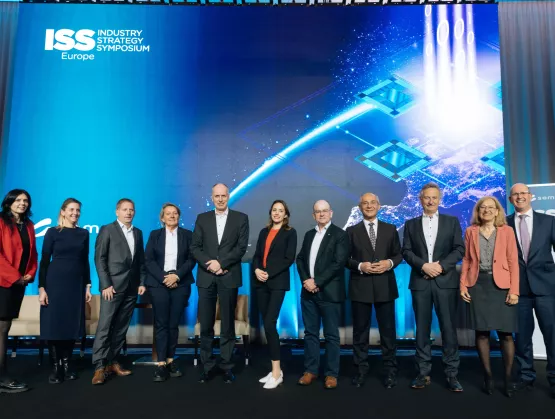
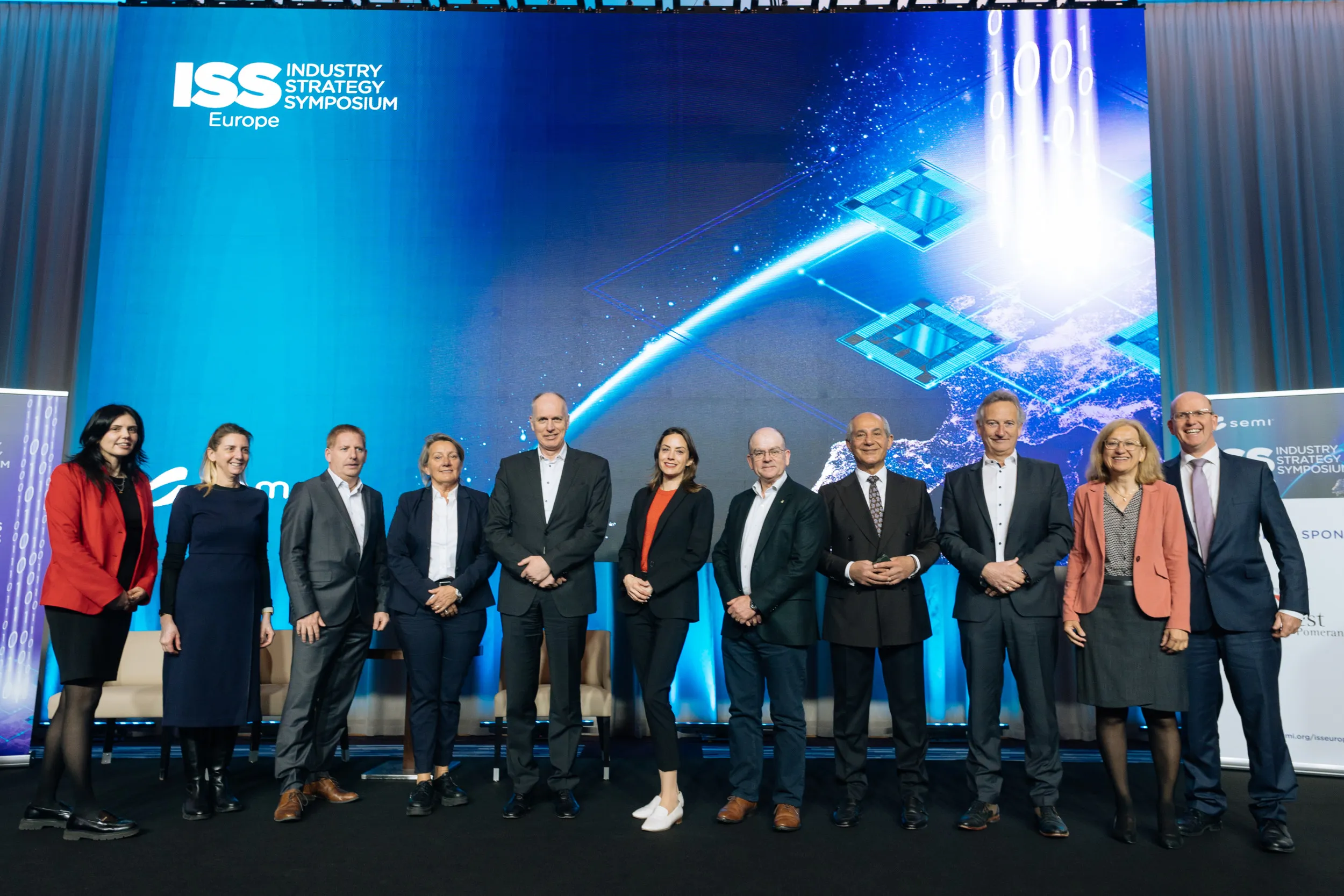
Geopolitical shifts, rapid technological advancement, and supply chain pressures continue to redefine the global semiconductor landscape. These forces framed the discussions at the 2025 SEMI Industry Strategy Symposium Europe (ISS Europe), held in Sopot, Poland. Over two days, industry leaders, and policymakers examined how Europe can boost resilience amid growing uncertainty.Artificial intelligence (AI) stood out as a key driver—powering global chip demand and transforming industry operations. In the past year, AI applications like generative models and edge computing helped push chip sales to new highs. The EU Chips Act, effective since September 2023, also fueled change. It has drawn tens of billions of euros into European semiconductor infrastructure, including major investments in Pomerania, the host region for this year’s symposium. “With AI expected to drive exponential growth in the semiconductor industry—projected to reach $1 trillion by 2030—Europe must act collectively to remain competitive,” said Laith Altimime, President of SEMI Europe. “We encourage collaboration across all countries to strengthen supply chain resilience, mitigate geopolitical risks, and harness the full potential of our diverse talent base.”Laith Altimime, President, SEMI EuropeSo what has the EU’s investment in the semiconductor industry achieved, and how much more remains to be done? Gustav Kalbe, Acting Director of Enabling and Emerging Technologies at the European Commission, cited €80 billion in public and private investment in European fabs as clear progress toward introducing "advanced technology that has not before been deployed on the continent of Europe." However, Kalbe emphasized a new urgency driven by AI’s rise. “We need in Europe a secure supply chain for AI chips in key sectors—particularly automotive,” said Kalbe. “That’s why we are really pushing for accelerated development of AI chips here.”Gustav Kalbe, Acting Director of Enabling and emerging technologies,DG CNECT, European CommissionPoland is a prime example of the EU Chips Act’s impact—driven by consistent government support. Dariusz Standerski, Secretary of State in the Ministry of Digital Affairs, highlighted Poland’s seven-pillar national semiconductor strategy, which includes expanding infrastructure and increasing engineering talent by 20% by 2030. “We need to build our production capacity to meet the strategic needs of Poland,” said Standerski. “Semiconductors are important not only because of market size, but because of their role in national security.”Dariusz Standerski, Secretary of State, Ministry of Digital Affairs, PolandRisks to the Industry from a World in Political TurmoilGeopolitical shifts and market volatility dominated the opening session of ISS Europe 2025. Malcolm Penn, CEO of Future Horizons, warned that despite strong 2024 revenues, industry fundamentals remain fragile. “All of the growth is in graphics processing units (GPUs) for AI and high-bandwidth memory (HBM) for AI servers—every other product sector is currently in recession,” said Penn. He forecast 12% industry growth in 2025 but cautioned against overcapacity and price pressures from China. “We are not seeing unit growth, and without unit growth, you don’t have sustainable market growth,” explained Penn. “If momentum in AI slows, the industry could face a significant retrenchment.”Malcolm Penn, CEO of Future HorizonsLooking beyond the immediate outlook for semiconductors, Hendrik Bourgeois, Vice President for European Governmental Affairs at Intel, turned the spotlight onbroader economic and security challenges facing the region. Bourgeois outlined four strategic policy priorities for Europe: Build internal strength to ensure external (global) relevance;Deepen alliances beyond the United States—such as with the UK, Canada, Japan, and South Korea;Be open to a stronger economic relationship with China;Recognize that the U.S. is more than its federal government: states, cities, people and corporations all have a role to play in bringing stability and certainty.Hendrik Bourgeois, Vice President for European Governmental Affairs, IntelBenedikt Ernst, Senior Vice President and Head of Strategy Transformation at Merck KGaA, Darmstadt, Germany, emphasized the strategic importance of strengthening Europe’s domestic semiconductor ecosystem. “No country or region can be fully self-sufficient,” said Ernst. “But Europe is particularly strong in domains like advanced materials, fabrication equipment, and semiconductor manufacturing. We have leading players in these fields – let’s bet on them.”Benedikt Ernst, Senior Vice President and Head of Strategy Transformation, Merck KGaA, Darmstadt, GermanyMikolaj Trunin, Deputy Director of the Invest in Pomerania, and its Strategic Investment Manager Radoslaw Bojarczuk, highlighted the region’s rising profile among global investors. Despite a global downturn in foreign direct investment (FDI) since 2015, the region stretching from Gdansk and Warsaw to Dresden and Magdeburg is emerging as a vibrant semiconductor hub. “The environment is becoming increasingly attractive to outside investors drawn by the region’s large talent pool, robust venture capital activity, and strong and stable economic growth,” said Trunin.Left: Mikołaj Trunin, Deputy Director, Invest in PomeraniaRight: Radosław Bojarczuk, Strategic Investment Manager, Invest in PomeraniaAdvancing on the Roadmap to Net ZeroThe symposium’s second session tackled sustainability—how to grow the industry beyond $1 trillion in revenue while cutting emissions. AI emerged as a key enabler of sustainable innovation. Bill Lussier, Managing Director of Tokyo Electron Europe, highlighted recycled aluminum which has a much lower carbon footprint, but noted that semiconductor equipment requires ultra-pure aluminum, which is not available off-the-shelf in recycled form. “The solution is to create a new circular economy for ultra-pure aluminum—a supply chain so complex that it cannot be managed without the aid of AI,” explained Lussier.Bill Lussier, Managing Director, Tokyo Electron EuropeAI is also helping decarbonize logistics, a critical yet often overlooked part of the semiconductor ecosystem. Rainer Kiefer, Executive Vice President and Global Head of Sales at Schenker AG, underscored the environmental cost of air cargo: “We need smart supply chain design to reduce the air miles of chips.” AI supports this by optimizing routing, loads, predictive maintenance, and demand forecasting. Rainer Kiefer, Executive Vice President and Global Head of Sales, Schenker AGHowever, AI brings new energy demands. Malgorzata Kasperska, Vice President of Secure Power at Schneider Electric, urged greater efficiency in AI data centers: “We need to optimize both power capacity and efficiency, and deploy high-density infrastructure, all while enhancing sustainability practices.” Malgorzata Kasperska, Vice President of Secure Power, Schneider ElectricEnergy-intensive fab operations remain a major challenge. Charles Vaillant, Chief Technology Officer at MANN+HUMMEL, noted that heating and ventilation account for up to 50% of a fab’s energy use. To improve efficiency, the company introduced a filtration system using activated carbon ceramic technology. The innovation reduces pressure drop, cutting fan energy use and delivering up to 41% energy savings in cleanroom environments.Charles Vaillant, Chief Technology Officer at MANN+HUMMELFinding the Talent to Fuel the Industry’s GrowthAttracting and developing talent remains a critical challenge for the semiconductor industry. Andreas Schleicher, Director for Education and Skills at the OECD, cited a visibility gap: “Young people don’t see these engineering and IT jobs. You cannot be what you do not see.” Meike Boekelmann, Chief Human Resources Officer at Comet, echoed the sentiment. “Face-to-face, we can get people excited about joining our industry,” said Boekelmann. “The challenge is getting them in front of us in the first place.” Andreas Schleicher, Director for Education and Skills,Organization for Economic Co-operation and Development (OECD)In a panel discussion on Bridging the Talent Gap for Sustainable Growth, moderated by SEMI Europe’s Maria Daniela Perez, speakers explored how industry and academia can better collaborate to meet evolving workforce demands. Thomas Kralinski, Saxon State Secretary of Economic Affairs, Labor, Energy and Climate, emphasized the importance of future-ready education. “Do we know which fab is going to be built in 2035, or which start-up will be founded? No—but all the people who will work there are already alive. We need education to prepare these people for this unknown future.Thomas Kralinski, Saxon State Secretary of Economic Affairs, Labor, Energy and ClimatePanel Discussion on Bridging the Talent Gap for Sustainable GrowthAI Intensifies Scale of Innovation in Semiconductor FabricationDay two of ISS Europe 2025 spotlighted AI’s transformative impact on semiconductor innovation, from materials to manufacturing and chip design. John Behnke, General Manager for Smart Manufacturing at INFICON, emphasized AI’s growing role in managing fab complexity. “You need a lot of highly knowledgeable people to run a fab today,” said Behnke. “They must analyze huge amounts of data, and balance priorities like quality, on-time delivery, cycle time, and profitability.” In the future, he explained, AI-powered optimization engines will shoulder that burden by making autonomous decisions.John Behnke, General Manager for Smart Manufacturing, INFICONJean-Christophe Eloy, CEO of Yole Group, pointed to the rapid growth of data centers as a catalyst for architectural transformation, predicting a shift from monolithic AI ASICs to chiplet-based designs. “In the future, we can expect to see much of the value in the semiconductor business transfer from the front-end chip to the advanced packaging that integrates chiplets,” said Eloy. Jean-Christophe Eloy, CEO, Yole GroupThis sentiment was echoed by Christophe Frey, Vice President of EU Engagement at Arm, who described the industry’s shift from systems-on-chip to systems-of-chips. “Chiplets represents a unique opportunity for Europe to re-enter the game of high-end chips,” said Frey. He emphasized the need for an open chiplet marketplace, an effort Arm supports, but warned, “There is a long road ahead of us,” citing the need for silicon qualification, profiling, test and debug infrastructure, software standards, and specifications for mechanical and thermal integration.Christophe Frey, Vice President of EU Engagement, ArmThat transition is already taking shape in manufacturing. Volker Herbig, Vice President of the Microsystems Business Unit at X-FAB, noted that capabilities developed for CMOS+MEMS sensor in the early 2000s are now enabling heterogeneous integration (HI) at scale. “We are now an open HI foundry,” said Herbig, adding that X-FAB is building a dedicated HI facility with support from the EU Chips Act. “This technology is propagating down from the high-performance computing (HPC) world to medical and industrial applications — It’s happening as we speak.”An Industry Changing Faster Than Ever Volker Herbig captured the industry’s rapid evolution with the “Red Queen” theory from Alice in Wonderland: “You need to run as fast as you can just to stay in the same place.”Volker Herbig, Vice-President, BU MEMS, X-FABClosing the symposium, Leonard Hobbs, Director for Government Affairs at Intel Ireland, cited Charles Darwin: “The species which can best adapt to changes in its environment is the one which survives,” Hobbs added, “Over the past two days we have learned much that can help Europe’s semiconductor industry to adapt successfully to a rapidly changed world.” Leonard Hobbs, Director for Government Affairs, Intel IrelandAt the symposium’s gala dinner, delegates celebrated leaders driving the industry forward. SEMI presented the 2024 SEMI European Award to Kurt Sievers, President and CEO of NXP Semiconductors, and honored Anna-Riikka Vuorikari-Antikainen, Chief Commercial Officer of Okmetic, with the Special Service Award.Kurt Sievers, President and CEO, NXP Semiconductors (Middle)Anna-Riikka Vuorikari-Antikainen, Chief Commercial Officer, OkmeticOn behalf of SEMI, the SEMI Europe team and ISS Europe committee would like to thank all speakers, sponsors, and attendees for making the event a great success.SEMI Contact Cassandra Melvin, Senior Director of Business Development and Operations Email: [email protected]
Read More
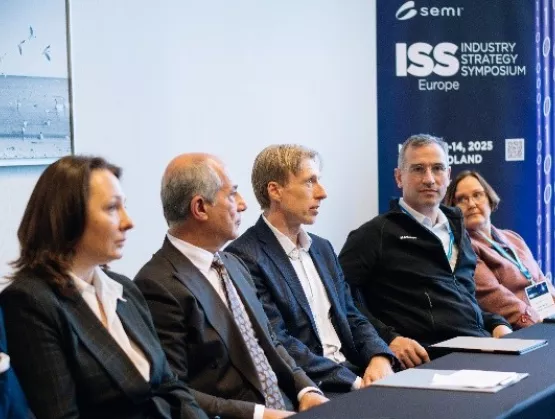
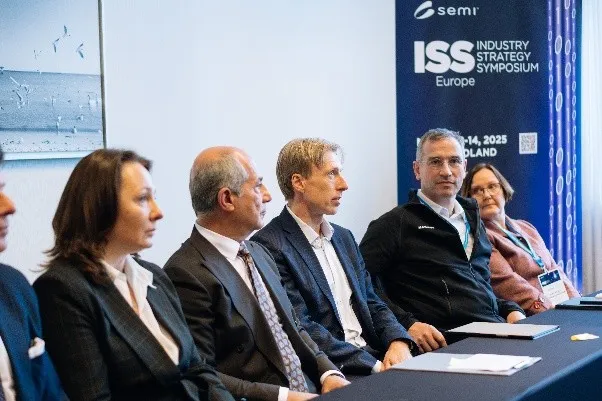
Insights from the ISS Europe 2025 Press Briefing in SopotAt the SEMI Industry Strategy Symposium Europe (ISS Europe) 2025, held in Sopot, Poland, senior leaders from government, industry, and the investment community came together to share insights on Europe’s evolving semiconductor landscape. During a dedicated press briefing, they addressed Poland’s growing role in the ecosystem, the significance of international collaboration, and the strategic levers needed to bolster Europe’s competitiveness in semiconductors.Against the backdrop of accelerating investment through the EU Chips Act, speakers emphasized that building Europe’s semiconductor future will require more than funding. It will demand cross-border collaboration, cohesive public-private strategies, and a long-term vision to ensure talent pipelines and supply chain resilience.The briefing featured remarks and commentary from:Laith Altimime, President, SEMI EuropeAgnieszka Sygitowicz, President, The Polish-Taiwanese Chamber of Commerce and IndustryPawel Pudlowski, Ph.D., Deputy CEO, Polish Investment and Trade Agency (PAIH)Monika Morali-Majkut, Chairwoman of the Supervisory Board, Atlas WardBenedikt Ernst, Senior Vice President and Head of Strategy Transformation, Merck KGaA, Darmstadt, GermanyDionys van de Ven, President, Comet YxlonAnna-Riikka Vuorikari-Antikainen, Chief Commercial Officer, Okmetic From left to right: Agnieszka Sygitowicz, President, The Polish-Taiwanese Chamber of Commerce and Industry; Pawel Pudlowski, Ph.D., Deputy CEO, Polish Investment and Trade Agency; Monika Morali-Majkut, Chairwoman of the Supervisory Board, Atlas Ward; Laith Altimime, President, SEMI Europe; Benedikt Ernst, Senior Vice President and Head of Strategy Transformation, Merck KGaA, Darmstadt, Germany; Dionys van de Ven, President, Comet Yxlon; Anna-Riikka Vuorikari-Antikainen, Chief Commercial Officer, OkmeticSEMI: How are the private sector and international partners contributing to Poland’s ecosystem development?Morali-Majkut: The private sector is essential to building Poland’s semiconductor ecosystem. At Atlas Ward, together with like-minded companies, we’ve launched SEMICON Supply Poland to help develop a strong, scalable supply chain. We’re working to ensure that essential infrastructure is ready: land, utilities, materials, and specialized service providers that can meet the needs of incoming semiconductor investments. But this isn’t just a national effort. We’re closely aligned with ecosystem-building in Dresden, Prague, and across Central Europe. Collaboration across borders is essential.Sygitowicz: We believe strongly in the philosophy of “building bridges.” In our work with Taiwan and other partners, we focus on five “bridges”: knowledge, people, business, development, and shared success. These connections are critical for Poland to become an integral part of the global semiconductor supply chain. Poland is not trying to replicate what others have done, but to learn from it—particularly in ecosystem development. The long game is not just investment attraction; it’s ecosystem maturity. SEMI: Talent shortages remain a major concern across the industry. What steps are being taken to prepare the future-ready workforce?Morali-Majkut: We are working closely with academia to build the talent pipeline Poland will need as its semiconductor sector grows. Together with industry partners, we’re developing vocational training programs and university-level collaborations aimed at aligning skills with industry needs. There are already several R D-focused projects underway at Polish technical universities, and Poland’s strong foundation in technical education positions us well to support workforce growth as the industry scales up.The semiconductor industry has one of the most complex supply chains in the world. Investing in this industry creates ripple effects across a wide range of skill areas. When we invest in semiconductor education, the spillover benefits for the broader economy will be immense.Altimime: While the talent shortage is certainly a challenge, it also presents a massive opportunity. At SEMI, we’re committed to making Europe’s semiconductor investment a long-term success. Through strong collaboration with the European Commission and a broad network of consortium partners across Europe, including Poland and other Eastern European countries, we’re pushing forward both public and private sector engagement to ensure the continuity of growth and innovation.Europe is projected to face a shortage of 271,000 skilled workers in the semiconductor sector by 2030 if current trends persist. To address this challenge, SEMI is leading a range of initiatives focused on reskilling, upskilling, and cross-sector knowledge development. We’ve established an Educational Leaders Board with 18 consortium members and are organizing events to reach out to students and educational institutions – including the recent SEMI On Campus with the University of Gdańsk — all to foster stronger connections between academia and industry. SEMI: How can Europe strengthen its semiconductor supply chain resilience in the face of geopolitical challenges?Ernst: Resilience starts with recognizing and building on Europe’s existing strengths. While much attention is often given to gaps, Europe already has world-class players, technologies, and a strong consumer market. These are key strategic assets. What’s needed now is coordination—government and industry must work together to align efforts, avoid fragmentation, and ensure that political initiatives channel support in a unified direction.Van de Ven: For industry, true resilience means the freedom to operate globally. Trade controls and IP restrictions can create bottlenecks, so policies must support open access to markets across regions—including the U.S., Europe, and Asia. Companies also need to co-create with fabs and universities, embedding themselves where talent is trained and where innovation happens. This creates a robust, future-ready ecosystem. Location decisions are increasingly influenced by proximity to both production facilities and research institutions.Sygitowicz: Poland is well-positioned to support investment through a combination of ready-to-develop land, financial incentives (such as grants and tax exemptions), and ecosystem services. Beyond infrastructure, there is growing government support for talent development and innovation. Startups, accelerators, and academic partnerships are playing a larger role in building the technology pipeline—creating a more comprehensive, innovation-friendly environment for foreign investors.Vuorikari-Antikainen: Speed is an often overlooked but critical factor in competitiveness. Europe has historically moved slowly, but if countries like Poland can create fast-track pathways for permitting, investment, and project execution, they can set themselves apart. Pairing this agility with strong education and startup ecosystems will help deliver long-term resilience and responsiveness to market needs.Altimime: We must avoid country-centric thinking. Europe’s strength lies in its diversity with different regions excel in different areas, and the challenge is to bring those strengths together. Initiatives like the pilot lines are a great example of this in action, connecting capabilities in photonics, advanced packaging, and quantum technologies across the continent. With strong leadership from Europe’s research and technology organizations (RTOs), such as the Technical Research Centre of Finland (VTT), we’re seeing renewed momentum in areas where Europe has historically been strong, like communications and photonics.To truly accelerate Europe’s position in the global semiconductor landscape, we need to focus on integration—connecting the dots between regions, institutions, and industries. From left to right: Laith Altimime, President, SEMI Europe; Benedikt Ernst, Senior Vice President and Head of Strategy Transformation, Merck KGaA, Darmstadt, Germany; Dionys van de Ven, President, Comet Yxlon; Anna-Riikka Vuorikari-Antikainen, Chief Commercial Officer, OkmeticSEMI: With the European Commission discussing a potential second Chips Act, what lessons should we carry forward from the first—and how can Poland play a stronger role?Van de Ven: The primary objective of the Chips Act should be to enable investment and industrial action. In some cases, we’ve seen frameworks become overly complex, attempting to define platforms or outcomes in ways that don’t always align with business needs. From an industry standpoint, what’s most helpful is straightforward support—mechanisms that empower companies to invest where it makes sense and move quickly. Ultimately, the private sector will determine how to build and scale the necessary infrastructure and innovation.Pudlowski: It’s true that Poland did not benefit from the first Chips Act to the extent that its assets and potential might suggest. We offer a combination of engineering talent, geographic advantage, and industrial readiness—yet, in terms of EU-level influence and visibility, we’ve been underrepresented. That is beginning to change.Poland now has a national semiconductor strategy backed by the government, and this, combined with growing engagement from organizations like SEMI, positions us for stronger inclusion going forward. At the same time, we need more bottom-up visibility. Companies in Poland should proactively present their capabilities and publish their work more widely. We have a great deal to offer, and now is the time to ensure that’s recognized in Brussels and across Europe.Altimime: Poland’s recent release of its national chip strategy is both timely and critical. From SEMI’s perspective, this is a proven model: a clear strategic roadmap, strong government backing, and industry alignment create the right environment for success. The first Chips Act delivered real progress and global attention, and with Poland’s new strategy in place, we expect to see even greater integration into the European semiconductor value chain in the next phase of the initiative.Morali-Majkut: During recent conversations with international partners, particularly in Asia, it became clear that while countries like Germany and the Czech Republic are well known within the semiconductor ecosystem, Poland has not always been equally visible—despite being geographically and industrially well-positioned. That perception is starting to shift.Poland has long played a vital role in Europe’s industrial supply chain, particularly in collaboration with Germany. We bring a strong foundation in engineering, education, cost-efficiency, and industrial land availability. These assets are highly relevant to semiconductor expansion. Rather than seeing countries in isolation, we should frame this as a collaborative regional model—linking Germany, the Czech Republic, and Poland as an integrated supply chain hub. SEMI ContactSitong He, Communications ManagerEmail: [email protected]
Read More
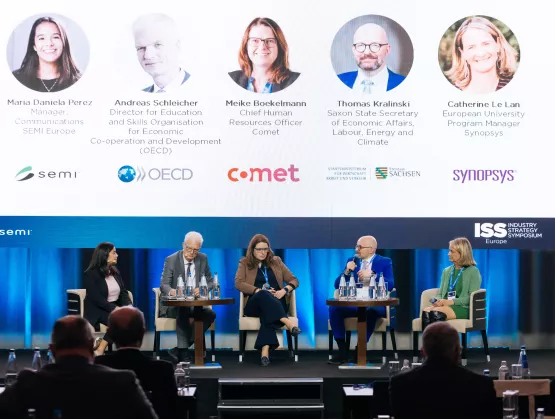
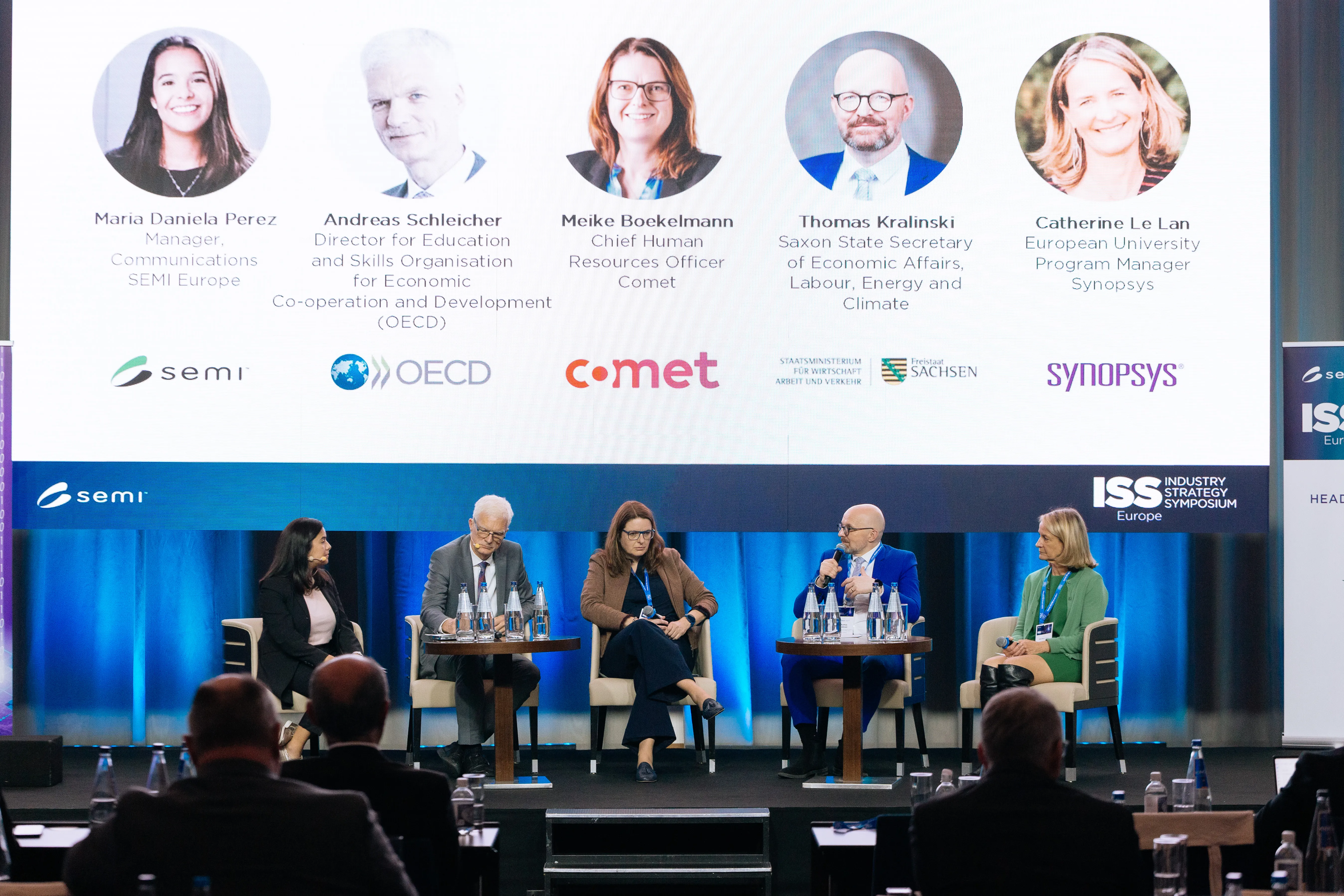
The semiconductor industry lies at the heart of Europe’s technological ambitions, powering breakthroughs in artificial intelligence, quantum computing, and advanced manufacturing. However, as the industry expands rapidly to meet surging global demand, the need for highly skilled workers is outpacing supply. According to the recently published ECSA Skills Strategy, Europe must train and hire tens of thousands of skilled professionals by 2030 to remain globally competitive. Without a robust and inclusive talent pipeline, the region’s independence in critical technologies might be at risk.At this year’s Industry Strategy Symposium Europe (ISS Europe) held in March, a panel discussion moderated by Maria Daniela Perez from SEMI Europe, brought together industry leaders and experts to explore solutions to this challenge. The discussion centered on how emerging technologies are reshaping the workforce, the role of education in preparing future professionals, and strategies for attracting and retaining diverse talent – all critical to ensuring sustainable workforce development in the semiconductor industry.Tackling Talent Acquisition and RetentionCatherine Le Lan, European University Program Manager from Synopsys, drew a direct connection between technological disruption and workforce challenges. “AI is driving unprecedented changes, and hardware is at the heart of the AI revolution,” said Le Lan. As the industry invests in new methodologies, leading-edge technologies, and innovative products, the demand for updated skillsets continues to outpace supply. This places a dual burden on companies – who must hire for both today’s and tomorrow’s skills – and on the education sector, which is expected to rapidly adapt.Meike Boekelmann, Chief of Human Resources at Comet, highlighted that the challenge is not just about attracting talent from within the semiconductor field – it is also about standing out in a crowded talent market. “We are not only competing within our industry for talent. We’re also competing against other industries: automotive, consumer electronics, and AI,” said Boekelmann. To succeed, companies must go beyond traditional incentives and offer meaningful, forward-looking career experiences. “Primarily what I see is that they’re really asking for creating an impact and also a sense of belonging… so they want to see what’s the outcome,” she explained. “There are more people leaving the labor market than entering the labor market,” added Thomas Kralinski from the Saxon State Secretary of Economic Affairs, Labour, Energy and Climate. “We need to think about immigration, family-work integration, and training.” His comments underscore the need for a holistic workforce strategy – one that not only fills immediate vacancies, but also strengthens the broader ecosystem through inclusive policies, targeted reskilling, and long-term demographic planning.Fostering Industry-Academia SynergyAs the industry evolves, so must its workforce. Andreas Schleicher, Director for Education and Skills at the OECD, made a stark observation. “There’s one thing worse than losing people – and that is to keep them and not upskill them.” He warned that the current pace of technological change demands far more than one-time training; it requires a culture of continuous learning. “Neither the industry nor the education sector has the capacity for upskilling and reskilling,” he noted, pointing out that while Europe performs well in early education, adult learning remains insufficient. “The incidence and intensity of upskilling and reskilling is so far out of what we will need.” Without scalable, lifelong learning systems, even experienced professionals risk being left behind.Building on this idea of future-readiness, Thomas Kralinski noted: “Do you know what kind of fab is going to be open in 10 years’ time or what startup is going to be founded in 10 years’ time? You probably don’t. But everybody who’s working there or will work there is born already – and is probably in school or at the university.” He underscored the need for steady investment in teachers, training systems, and educational infrastructure – not just to meet today’s demand but to ensure Europe’s long-term competitiveness.To truly inspire the next generation, Schleicher pointed to visibility as a vital factor. “You cannot be what you cannot see.” Without relatable role models or a clear understanding of how their interests connect to meaningful careers, young people – especially underrepresented students – often overlook STEM pathways. Schleicher described how even small actions, like industry professionals visiting schools to explain their work, can have a lasting impact. “You can bring someone from the semiconductors industry to speak to students and help them understand, for example, what’s in a mobile phone and that they can actually create tomorrow’s mobile phone.” That kind of engagement, he argued, helps “build dreams” and makes technology tangible, exciting, and inclusive.AI: An Enabler, Not a ThreatPanel moderator Maria Daniela Perez raised a critical question about the evolving role of AI in the workforce. Acknowledging the widespread concern that AI could lead to job displacement, she challenged the panel to consider a different perspective. How can AI be leveraged to broaden and accelerate the talent pipeline rather than replace it? In response, the panelists emphasized that AI is not a disruptor but an accelerator. Rather than eliminating jobs, AI-driven tools enhance productivity by automating repetitive tasks, freeing professionals to focus on innovation, problem-solving, and high-value work. Catherine Le Lan provided a compelling example, explaining how AI-powered electronic design automation (EDA) tools are enabling engineers to push the boundaries of technological advancement. She referred to a university study that compared two groups of students – one with access to AI tools and one without. “They found out that those AI tools helped to improve productivity and also helped to improve skills of the students,” she said. “The student who had used AI tools had better skills than the one who hadn’t used AI tools… because they had been able to focus on the high-level skills, and they got rid of the low-level skills.” Her remarks underscored how AI, when integrated into education, can accelerate both efficiency and learning outcomes.Collaboration: The Key to Sustainable Workforce DevelopmentAddressing the workforce challenge requires cross-sector collaboration among industry, academia, and policymakers. There is a shared responsibility to invest in long-term education strategies, develop structured training initiatives, and create an ecosystem where talent can thrive. This is precisely the mission of two SEMI Europe-led initiatives.The European Chips Skills Academy (ECSA) and the European Chips Diversity Alliance (ECDA) are playing a critical role in shaping Europe’s semiconductor workforce. ECSA is driving efforts to align education and training with industry needs, ensuring that both students and professionals are equipped with the technical expertise and practical experience required for the sector’s future. Meanwhile, ECDA focuses on building a more inclusive semiconductor workforce across the industry. By creating opportunities for underrepresented groups, ECDA is ensuring that the industry benefits from a broad talent pool.Securing Europe’s Semiconductor FutureIn her closing remarks, Maria Daniela Perez brought the discussion full circle, emphasizing that addressing the semiconductor talent gap requires collective ownership: “In the end, it ends up being all about collaboration,” said Perez. From engaging technology users to amplifying the industry’s visibility, to aligning with academia and policymakers, the path forward depends on shared action. By fostering this ecosystem-wide commitment – and investing in the people behind the progress – Europe can bridge the talent gap and shape a resilient, inclusive, and globally competitive semiconductor workforce.SEMI ContactKartikey Srivastava, Senior Specialist, CommunicationsEmail: [email protected]
Read More