downloadGroupGroupnoun_press release_995423_000000 copyGroupnoun_Feed_96767_000000Group 19noun_pictures_1817522_000000Member company iconResource item iconStore item iconGroup 19Group 19noun_Photo_2085192_000000 Copynoun_presentation_2096081_000000Group 19Group Copy 7noun_webinar_692730_000000Path
Skip to main content
Default Banner Image

Asia

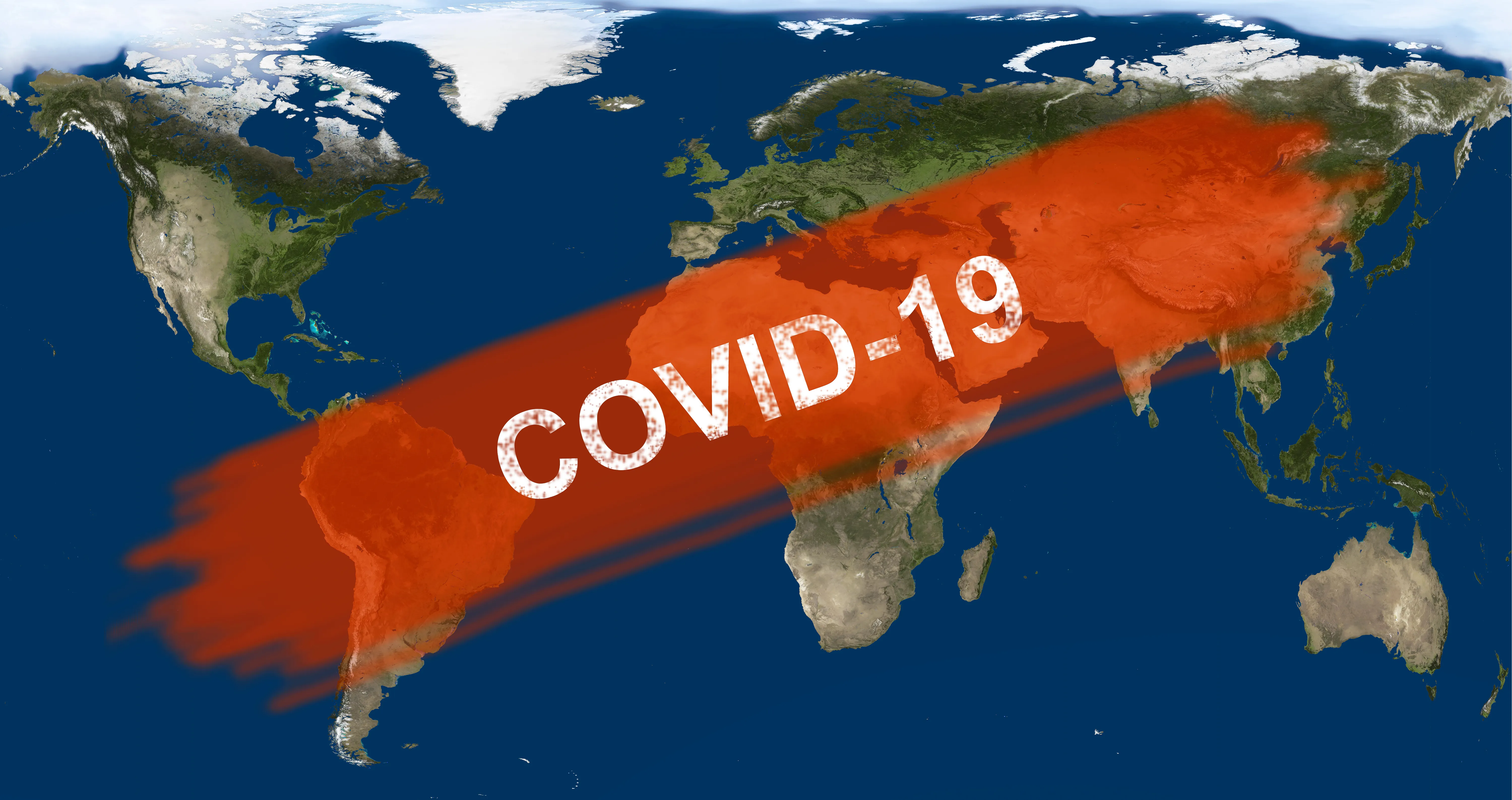
SEMI has urged government representatives around the U.S. and world to designate the semiconductor industry as an essential business so operations at companies across the chip supply chain can continue without interruption as the spread of COVID-19 continues. SEMI President and CEO Ajit Manocha assured the U.S. and global officials that SEMI members – the device makers and suppliers of chemicals, materials, components, design tools and equipment at the heart of chip manufacturing – “are employing all measures necessary to maintain the health and safety of their employees and local communities” to help contain the virus. Manocha last week sent letters to the governors of 16 states and the chairs of the National Governors Association, U.S. Conference of Mayors, National League of Cities, and National Association of Counties requesting consideration of the semiconductor industry as an essential business if shelter-in-place or similar orders are issued to curb the spread of COVID-19. More than half of U.S. states have imposed shelter-in-place or stay-at-home orders in the past month. The designation would allow SEMI members to maintain continuous operations to ensure that manufacturing of components for critical infrastructure equipment, the defense industrial base, and other vital technological products and services is not jeopardized. Semiconductors are the foundation of modern electronics and information technology and are critical in helping health workers effectively treat COVID-19 symptoms, Manocha told the officials. The devices also play a central role in containing its spread by enabling artificial intelligence (AI), data analytics, digital communications, telemedicine, robotics, remote health monitoring, telecommuting, online shopping and other digital services.Manocha urged state and local officials to follow guidelines issued on March 19 by the Department of Homeland Security (DHS) Cybersecurity Infrastructure Security Agency (CISA) identifying “manufacturers and supply chain vendors that provide hardware and software, and information technology equipment (to include microelectronics and semiconductors) for critical infrastructure as ‘essential critical infrastructure workers.’” Most states issuing shelter-in-place or stay-at-home orders have followed the DHS guidelines and/or separately designated the semiconductor industry an essential business. Likewise, other nations have recognized the power of technology in effectively containing COVID-19 and similarly designated the semiconductor industry an essential business.On March 27, SEMI, the Semiconductor Industry Associations in China, Europe, Japan, Korea, Singapore, Taiwan and the U.S., as well as several other trade associations in Asia issued a statement “calling on all governments to specify semiconductor industry operations as ‘essential infrastructure’ and/or ‘essential business’ to allow continuity in operations.” The global semiconductor supply chain forms a highly intricate network consisting of research, design and manufacturing operations. Operating restrictions in one region can compromise production in others, leading to inefficiencies and breakdowns that cascade across the supply chain.With semiconductors underpinning vital sectors of the global economy, the chip associations called on all global governments at all levels – central, states, provinces and localities – to help protect the uninterrupted operations of domestic semiconductor companies and their suppliers by applying the essential infrastructure or essential business designation.Joe Pasetti is Vice President of Global Public Policy and Advocacy at SEMI.
Read More
Global and regional forces shaping the $2 trillion electronics industry have intensified more in the past few years than at any other time I can recall. The uncertainty bred by trade wars, corporate tax changes, new environmental regulations, immigration issues and STEM talent shortages is vexing the global microelectronics supply chain as companies shift investments and operational strategies to adjust to the unrelenting change and new realities with heightened urgency.In our industry, an increasingly dynamic world requires a more determined and strategic approach to advocacy. To meet the industry’s rapidly evolving needs, SEMI is transforming its global advocacy initiatives and programs. In the past 18 months, we have honed the focus of SEMI Global Advocacy to better serve member interests and needs, respond more quickly to fast-moving geopolitical developments, and deliver more value to help spur growth across the end-to-end electronics supply chain.Most importantly, SEMI Global Advocacy is now much more forward-looking and proactive. We have expanded our focus from primarily U.S. and independent regional issues to global affairs, allowing us to better leverage the power of our worldwide platforms. Organizationally, SEMI continues to add specialized staff advocates and calibrate its operational and member-driven engagement models to increase their involvement. There will be more to come, and with your continued support, we’ll be in a stronger position to meet your needs. Thank you!Strengthening the industry’s voiceThe rapid shift to a more proactive advocacy approach across all our initiatives was triggered by one disruptive action a little more than a year ago – the buildup and onset of the trade war between the United States and China. From the outset, SEMI formed strong member coalitions to intensify our lobbying efforts, met frequently with policymakers, submitted written comments to government panels, and issued public communications, all aimed at amplifying our collective voice. SEMI has taken a principled approach to advocacy, publicly stating its positions based on its trade pillars of free and fair trade/open markets, supply chain growth, respect for IP and national security.That approach was on full display as Japan tightened controls on exports to the Republic of Korea, sending shockwaves through the microelectronics industry. To minimize the industry impact, we leveraged our global reach and the counsel of our International Board of Directors to engage with both governments early on and ensure that Japan took into account our members’ interests in developing and implementing the new rules. In general, SEMI opposes the use of tariffs and limiting market access as levers to correct trade imbalances and other structural issues. Instead, we support dialogue and negotiations that lead to multilateral agreements aligned with our members’ interests and global trade principles.This year in the U.S. alone, SEMI advocates have met with more than 70 policymakers in Washington, D.C., including members of Congress and representatives from the White House, federal agencies and the Trade Representative’s office. We have also spoken with representatives from European and Asian government delegations. Since the trade war erupted, we have met with more than 220 policymakers worldwide, giving SEMI a seat at the table – a louder voice for our members – as we are increasingly seen as the voice of the end-to-end electronics manufacturing and design supply chain. SEMI Global Advocacy has also broadened its focus beyond public policy to address other areas of strategic importance to the industry such as the talent shortage.Expanding Advocacy’s global influenceSEMI’s public policy efforts now reach well beyond Washington, D.C. to all seven major manufacturing centers worldwide where we have regional offices, with SEMI advocacy staff in every location. This has created a network multiplier effect that allows us to rally our collective strength around common member interests. It’s no coincidence that our member-driven advocacy initiatives and programs have improved in parallel with expanded global participation by our member companies on our various policy and advocacy committees.Our Trade Advisory Committee, for example, has grown from 16 to 60 active members in the past year alone. This year, we have also formed working groups with SEMI members around the world to address talent pipeline challenges. The upshot is that we are now much more focused in attacking regional issues. Thank you once again.Despite changes in the strategic approach of SEMI Global Advocacy, we remain squarely focused on critical issues affecting industry growth and our members’ interests. In a nutshell, we call these the four T's: Tax – We strive to encourage rates that are fair to all companies, leveling the playing field globally Technology – We seek government investment in technology and innovation (R D) Trade – We advocate for open markets, free and fair trade as we promote our 10 Principles for the Global Semiconductor Supply Chain in Modern Trade Agreements worldwide Talent – We support education investments and immigration policies that provide opportunities and build the talent pipeline In addition, SEMI has long been a leading voice in promoting Environment, Health and Safety regulations that enable industry growth and demonstrate environmental stewardship – and we continue to make investments at this critical juncture as new technologies are driving changes in the regulatory landscape.Maintaining laser focus on member priorities amid shifting geopoliticsThe only way for SEMI Global Advocacy to navigate the cauldron of geopolitical disruption is to remain laser-focused on our members’ top priorities including trade, tax, technology and talent. And we will stick to what SEMI has done best for almost 50 years – facilitate public-private collaborations and more investment on behalf of our members.In workforce development, SEMI is taking bold steps to develop a robust talent pipeline, as much a growth and innovation driver for SEMI members and the industry as any technology. Announced earlier this year, SEMI Works™, our landmark talent development initiative, is already gaining steam with U.S. government investment and our rapid progress in laying its foundation with a database of standardized competencies for technical jobs as well as a certification and credentialing process for curriculum, education and training programs.The future for SEMI members and the industry is brimming with possibility. The strides SEMI Global Advocacy has made over the past year have only been possible through your support and involvement. As we broaden our scope beyond policy, we recognize that more progress needs to be made. We look forward to your continued participation as, together, we help our industry fulfill its great potential.Mike Russo is Vice President of Global Industry Advocacy at SEMI.
Read More
Environmentally sound policies and the health and the safety of workers in the microelectronics supply chain are vitally important to SEMI and its members. For more than two decades, together we have focused on worker safety by focusing on global environment, health and safety (EHS) compliance and regulatory issues and the advancement of sound EHS practices. Today, EHS has taken on an even higher profile in the microelectronics industry with its growth across Europe, North America and Asia. Never has the industry been under greater scrutiny. The list of regulatory agencies is growing. To keep pace with rising EHS requirements and continue to ensure worker safety, we’d like your help. The SEMI EHS summit will open with a keynote presentation from Russ LaMotte, Managing Principal of Beveridge Diamond, and a recognized expert on EHS issues in the electronics industry. Member companies representing equipment, materials, facilities and devices will then each share their EHS concerns. Finally, working groups will address industry EHS challenges and gaps. Outputs from the working group meetings will form the basis for the future SEMI EHS program. The EHS issues SEMI’s program and company volunteers are addressing include: PFOA – Government efforts to eliminate pefluoro-octanoic acid and related compounds and salts (collectively known as PFOA) from company supply chains REACH – A European Union regulation to strengthen protections against chemical risks to human health and the environment. Other countries – Japan, Korea, Taiwan – have enacted similar regulations. Stockholm Convention – An international environmental treaty designed to eliminate or restrict the production and use of persistent organic pollutants (POPs) Waste Framework Directive Database – The European Commission and the European Chemicals Agency (ECHA) are building a database where all suppliers will be required to register certain articles. Other groups are dealing with country-specific aspects of the Restriction of Hazardous Substances (RoHS) and the Toxic Substances Control Act (TSCA). Complementing our advocacy efforts, SEMI has established 25 primary EHS standards with SEMI S2 (Safety) as the cornerstone. The S2 family of SEMI Standards acts as performance-based EHS considerations for semiconductor manufacturing equipment and has also been adopted by adjacent industries. Sign up for the November 29th SEMI EHS Summit today Team up with your SEMI colleagues to collectively formulate the semiconductor manufacturing industry’s EHS program. SEMI members can register for the November 29th SEMI EHS Summit by clicking here. If you cannot make this meeting but wish to be added to SEMI’s regular communication on EHS and Advocacy issues, please click here and choose Advocacy from the list of topic choices. Michael Ciesinski is vice president of the FlexTech Alliance, a SEMI Strategic Association Partner chartered with building up infrastructure for flexible electronics manufacturing.
Read More
Electronic EquipmentGlobal electronic equipment production is in its traditional “fall busy season” as the consumer driven end markets ramp up for the holiday season (Chart 1). Both normal seasonality and organic growth are driving this year’s upturn. September 2018 electronic equipment output was up almost 10% over the same month last year. This actual year-over-year growth when overlaid on an autumn seasonal upturn is providing a nice end of year finish. Source: Custer Consulting Group based on regional data American Electronic Supply ChainChart 2 shows the annualized (12/12) and 3-month (3/12) growth of the U.S./North American supply chain. Aside from the computer sector, all the domestic end markets are expanding driven by defense, electromedical, instruments and control equipment. Total domestic electronic equipment orders were up 8.2% in August 2018 versus August 2017.For components there are clear indications of slowing growth. Printed circuit board orders eased to a +2.7% expansion rate on a 3-month basis and passive component orders contracted 0.2%.The semiconductor industry appears to be coming down from its recent bubble as domestic SEMI capital equipment growth cooled to +3.8% and chip shipments to North America also slowed (to a still respectable) +15% on a 3-month (3/12) basis. Source: Custer Consulting Group based on U.S. Department of Commerce, IPC, SIA/WSTS and SEMI data Geographic ShiftsSemiconductors and semiconductor capital equipment shipments provide good insight into the changing center of gravity of world electronic production.Chart 3 shows semiconductor shipments to each region. This is not regional production but rather consumption -- an indication of regional demand. It effectively measures electronic assembly activity by area. In August over 62% of the world’s chip value was consumed in in Asia/Pacific with another 8.1% used in Japan. Europe consumed 8.5% and North America 21.9%. Chart 4 shows geographical shifts over time for semiconductor capital equipment. Although more volatile month-to-month than semiconductors, the SEMI Capex shift to Asia is obvious. Source: SIA and WSTS Walt Custer of Custer Consulting Group is an analyst focused on the global electronics industry.
Read More