downloadGroupGroupnoun_press release_995423_000000 copyGroupnoun_Feed_96767_000000Group 19noun_pictures_1817522_000000Member company iconResource item iconStore item iconGroup 19Group 19noun_Photo_2085192_000000 Copynoun_presentation_2096081_000000Group 19Group Copy 7noun_webinar_692730_000000Path
Skip to main content
Default Banner Image

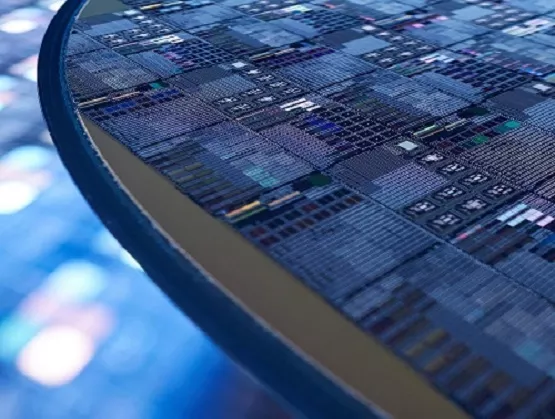
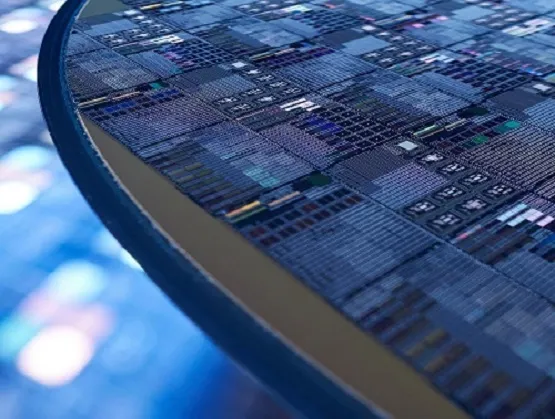
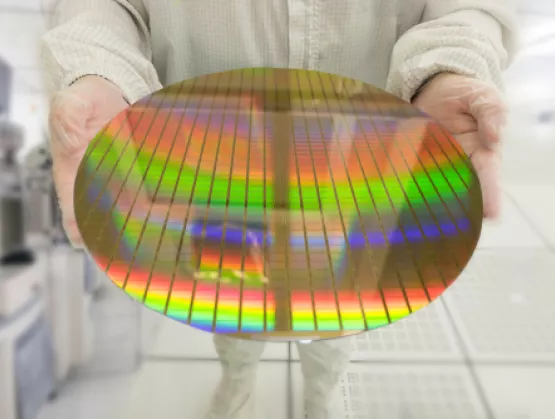
silicon wafers

To attract and cultivate new talent across the microelectronics industry, virtual SEMICON West 2020 offered wide-ranging career insights for engineering students seeking that vital first job and young employees embarking on their careers. They learned about overcoming challenges at work and gained a competitive edge by connecting with industry leaders for insider knowledge. These are just some examples of how the SEMI Foundation and the SEMI Workforce Development and Diversity, Equity and Inclusion (DEI) initiatives serve as a springboard to careers in the industry and help close its talent gap.Following are experiences of aspiring engineers at SEMICON West and career lessons presented to help them shape the future of our semiconductor industry.Jump-Starting Careers at SEMICON West 2020More than 600 students from over 50 colleges and universities across the Unites States joined SEMICON West 2020 to jump-start their careers in the semiconductor industry. With free access to SEMI’s first virtual expo, they connected with recruiters and companies in the exhibit hall, and sponged up insights from speakers about digital internships, job opportunities, and key trends shaping the digital future.“It was almost overwhelming,” said Jason Wong, 20, a junior at San Jose State University working toward an advanced degree in mechanical engineering. “It was kind of like an engineering student’s dream for contacts and knowledge all on one platform.”Wong visited about 15 booths in the online exhibit hall to speak with company representatives about his field of interest – microelectromechanical systems (MEMS).“MEMS is a pretty niche area, so it was really surprising how many companies were there in this category alone,” Wong said.Through the expo’s chat tool, Wong made some solid contacts and has followed up with several engineers via email, LinkedIn and Zoom meetings, cultivating what he believes will be “some long-lasting and valuable connections.”“I’m not really looking for a job at the moment, but I hope to get an internship at some point,” Wong said. “With the current (COVID-19) outbreak, a lot of events with opportunities to interact are no longer available, so this was an enlightening and useful experience for me I plan to attend again.”On the other side of the country in Virginia, Devayani Pawar, 23, found it easy to network at SEMICON West. She especially appreciated the free pass for students and practical sessions in the Smart Workforce Pavilion tailored to help early-career job seekers find opportunities, build contacts, and polish resumes.She was drawn to the Smart Manufacturing Pavilion because of her skills and interests in toolmaking and wafers.“I understand manufacturing and it’s a hot field right now,” said Pawar, who recently earned her master’s degree in data science from George Mason University. “It’s interesting to me how such tiny components can do so much powerful work.”“A lot of people my age aren’t very aware of the microchip industry – they’re mostly focused on information technology and companies like Google, Amazon, or Facebook,” Pawar said.After landing an internship at Micron Technology analyzing wafers and working in clean rooms, she was wowed by the potential of nanotechnology. Pawar learned about the strong demand for data scientists in semiconductor manufacturing. After making connections at SEMICON West and absorbing information, she now has a better handle on career opportunities.“The recruiters and other contacts I made have been so responsive, and now I have a better understanding of use cases and what companies are seeking,” she said.A Day in the Life of an EngineerRight after college in 2017, Erika Gabrielle Hansen joined Applied Materials as an engineer. She told management she wanted to travel, learn about the “big picture” behind the company’s products, and work with customers.In her presentation A Day in the Life of an Engineer at the SEMICON West Smart Workforce Pavilion, she recalled a whirlwind of unforeseen opportunities, soul-searching challenges, and the rewards of personal, professional, and community growth. She also candidly shared lessons learned about pride, collaboration, and resilience.Her journey began when she had the opportunity to share her aspirations for her at career at Applied and landed a dual role as a process engineer and customer account technologist.In her job as a process engineer, Hansen puts her materials engineering degree from Cal Poly, San Luis Obispo to good use analyzing data, solving technical problems, developing new processes to meet customer requirements, and working with cutting-edge technologies. At one moment she might be in a clean-room laboratory wearing a bunny suit doing hands-on work with tools. In another, she could be videoconferencing with hardware, software, and systems engineers worldwide, or preparing a report for upper management.“I was very nervous at first as a process engineer,” Hansen said. “I was the only person in my group who didn’t have a Ph.D. and tried to compensate for that by doing things on my own and not asking for help.”After making a few mistakes, she began to turn to her team for their expertise and sharing the results of her work – both good and bad – with them.“Having humility to ask for help and not let pride get in the way was a huge learning point for me,” she said.As a customer account technologist, she has made a dozen trips to customer sites in four countries to implement new processes or resolve technical issues. By seeing tools in action, she now has what she calls a “whole picture” perspective on their effectiveness, while enjoying the camaraderie of colleagues and sampling local cuisines, sites, and scenes around the world.At one point, she was assigned to lead an international team to resolve an issue with a major customer – her greatest challenge yet and her first time in such a role. She struggled to overcome language barriers and eventually told her boss she might not be the best person to lead the project. He promised to provide more support, and her team went on to resolve the customer’s problem.“I picked myself up, reached out to people with international experience, and changed my communication style,” Hansen said. “I learned it’s okay to be uncomfortable, to flex my leadership style, and be resilient, which is a learned skill.”Building a Better Network: Crucial ConnectionsAndrew Carnegie, one of history’s richest industrialists and most generous philanthropists, said 85 percent of a person’s success is based on “interpersonal relationships” and “abilities to be a human being.” Professional skills account for just 15 percent of success.While advancing to her current role as Chief Marketing Officer for FormFactor, Amy Leong found this advice critical to her career trajectory. Just like the challenge of raising a strong family, building a successful career “takes a village… you can’t do it alone,” she said in her Smart Workforce Pavilion presentation Building a Better Network: Crucial Connections.Outperforming expectations might be essential early in one’s career to get promotions, raises, and the attention, but that mindset goes only so far.“As seniority levels increase, people already know you’re a phenomenal performer and expect nothing less,” Leong said. “So, the higher you go the more vital it is to spend almost a disproportionate amount of effort on building relationships.”Building your network isn’t about the quantity of one’s business cards or LinkedIn connections; it’s about building quality relationships with mutual benefits over the long run.“We need to be smart about return on investment when building our professional network,” she said. “You help me, and I help you. It’s win-win horse trading.”And the most important factor in career success? For Leong, a strong family foundation has mattered most.“Family comes first,” said Leong, who has twin teenagers. “Take care of the ones you love. Check in with your family whenever you can. Family relationships are bound by blood. Thanks to my retired parents and a helpful husband, we tough it through.”She reemphasized the importance of mutually beneficial relationships, noting “A rising tide will lift all boats.”Fostering Talent for the Industry’s FutureDeveloping young talent and future leaders in microelectronics stands as a persistent and growing need – and a critical challenge to realizing expected growth. Emerging technologies such as artificial intelligence, quantum computing, and augmented/virtual reality are expected to impact a huge range of markets, leading to projections that the semiconductor industry will double in size in the next 10 to 15 years.The opportunities for growth and technologies that promise to improve the quality of human life worldwide are breathtaking. The industry’s talent pool will need to scale accordingly, magnifying the importance of expanding industry-wide programs such as the Workforce Development and DEI initiatives that the SEMI Foundation are building. Learn more about how you and your company can get involved with these initiatives on the SEMI Foundation website.Shari Liss is executive director of the SEMI Foundation. She oversees SEMI Workforce Development programs from K-12 through re-skilling for veterans.
Read More
Linx Consulting and Hilltop Economics continue to monitor how the global economy impacts the electronic materials supply chain. Amidst the recent economic and revenue results releases, we have generated a series of potential scenarios for the next few years. These scenarios are based around sales of silicon wafers expressed in millions of square inches (MSI). Our work develops a multiyear forecast from the historic record of the SEMI-reported MSI demand by developing an econometric relationship with underlying demand drivers. Using this methodology, Linx Consulting and Hilltop Economics have introduced the following three silicon demand forecast scenarios: V-shaped global recession consistent with severe COVID-19 impact followed by a sharp economic rebound. Probability of approximately 40%. V-shaped global recession but with business and consumer behavior differing from the past recession in that there is much more aggressive spending on technology goods that softens the impact for semiconductors in 2020. Probability of approximately 25%. An extended COVID-19 impact developing into a U- or L-shaped global recession with an economic rebound delayed for several years. Probability of approximately 35%. In the few months since coronavirus hit the world, the economic prognosis for all major economies has worsened dramatically, although forecasts remain speculative given the rapid rate of change in the political and economic environment. The forecast changes in GDP since February 2020 of the G7 nations vary from -5.9% for Japan to -10.2% for Italy. These changes are closely linked to unprecedented declines in employment, consumer demand and industrial investment – all key drivers for wafer area demand. This leads us to believe there will be a significant reduction in wafer demand as these economic factors feed through the supply chain.Other leading indicators show dramatic drops in the global and regional economies taking effect at an unprecedented pace. These indicators have a loose predictive relationship for silicon wafer consumption and portend a rapid drop in demand.The demand picture for the semiconductor supply chain (be it wafers, materials, consumables or devices) is thus gloomy, and our models are currently showing Q2 to Q3 2020 reductions in MSI demand of between -11% and -28% depending on the scenario.In marked contrast to this depressing economic picture, the indications from the end-to-end semiconductor supply chain continue to be much more positive. Demand for silicon reported by SEMI increased in Q1 2020 by close to 3% from Q4 2019, while results from materials supply companies vary from slightly negative to record-breaking growth rates through the first three to four months of 2020. Added to this, reported revenues from WSTS for Q1 2020 ticked up 6.2% versus the prior year and the three large foundries in Taiwan and China showed continued growth of Q1 wafer area shipments and a 32.3% growth versus Q1 2019.Revenue and demand reports from leading device manufacturers remain on trend from 2019 with no indication of a precipitous change. Anecdotal reports of strong technology equipment demand to support people working from home and demand for medical devices in response to the pandemic can be substantiated somewhat by demand data although not convincingly.Reports from materials supply companies indicate that factories continue to be fully utilized, having been designated essential businesses, and that safety measures implemented against infection are largely effective.There are some indications of caution, however. The major public silicon wafer suppliers saw a 4% drop in revenues in Q1 over Q4, despite the reported strength in silicon area shipments from SEMI, indicating either ASP declines or some inventory effects.We are advising clients supplying materials into the wafer fabs and packaging supply chains to develop contingency plans for a sharp decline in product demand of as much as 28%, which may bounce back rapidly to 2019 levels or higher in early 2021. However, companies should also be vigilant of a slower than hoped for return to previous activity levels if the effects of the pandemic continue for an extended period.For further information please contact Mark Thirsk at +1 774-245-0959 or on [email protected] in engaging with the electronic materials supply chain? The Electronic Materials Group (EMG) is a SEMI technology community representing SEMI member companies that provide substrates, polymers, metals, organic and inorganic materials, chemicals, and gases developed for electronics manufacturing. Linx Consulting is a longtime member and supporter of the SEMI Electronic Materials Group.Mark Thirsk is managing partner at Linx Consulting. Duncan Meldrum is president of Hilltop Economics.
Read More
As the world confronts the health crisis of a generation in the form of the fast-spreading coronavirus, the microelectronics industry remains firmly in the spotlight. Aware of the central role they play in the fight against the COVID-19 pandemic, a growing number of companies are joining efforts to combat the virus by developing technologies for coronavirus detection, contact tracing and predicting its spread.SkyWater Technology, a U.S.-based foundry and prestigious member of SEMI-Fab Owners Alliance, is on the front lines in supplying an essential microfluidic MEMS component used in COVID-19 testing and research to identify mutations of the virus. This component is instrumental for the sequencing kit in the DNBSEQ-T7 system, an ultra-high-throughput sequencing system manufactured by MGI, a subsidiary of global genomics leader BGI Group.SEMI had the pleasure to catch up with Thomas Sonderman, president of SkyWater Technology, to talk about the company’s valuable contribution to the detection of COVID-19. He also gave us a peek into its business continuity plan and the safety measures it is taking to resiliently run a 24/7 chip-making operation amid these unprecedented times.SEMI: Tell us about SkyWater's contribution to the detection of COVID-19 and your partnership with MGI?Sonderman: SkyWater has been working with genomics sequencing leader MGI for several years to supply a critical component used in MGI's DNBSEQ-T7, an ultra-high-throughput sequencing system. The component we supply to MGI is a microfluidic MEMS device that uses microscopic channels to help perform very small-scale chemical reactions in the genetic sequencing platform. MGI's DNBSEQ-T7 identifies and monitors possible mutations of viruses, which is important for epidemiologists when tracking how viral illnesses such as COVID-19 spread through human populations.MGI’s sequencing system is used in parallel with its sister company BGI Genomics’ RT-PCR test kit, which is typically used more broadly as an initial screening agent due to its ability to return virus detection results within a matter of hours. Sequencing with the DNBSEQ-T7 can be used to confirm results of the RT-PCR tests that have indicated positive for the presence of the virus and then to perform a full DNA sequence of these positive specimens, which can help track mutations in the virus.DNBSEQ-T7 is important in the fight against COVID-19 as it tracks how the virus changes and enables scientists to look at its genetic sequence like a fingerprint at a crime scene. Their focus is on finding sudden changes in the sequence over time — a mutation. When they analyze available genomes from infected patients in several countries, they can see if inevitable virus mutations are causing associated illnesses that may have different incubation periods, contagiousness or deadliness – all critical dynamics that must be tracked by public health officials during an outbreak such as this.SEMI: What was the path that brought your company to the forefront of this testing?Sonderman: MGI’s DNBSEQ-T7 sequencing system and BGI’s RT-PCR rapid testing kit were among the first officially approved products by the National Medical Products Administration (NMPA – essentially China’s version of the FDA) – to fight the outbreak. MGI’s manufacturing plant, based in Wuhan, was able to fast-track its response, producing and delivering test kits very quickly to many hospitals and disease control centers in Wuhan and other cities in China.As concerns continue to rise about COVID-19 and we strive to flatten the curve, the pressure is on to enable even faster, more accessible testing. On March 27th, BGI’s RT-PCR virus detection test received FDA Emergency Use Authorization (EUA) for use in the U.S. The test works in just three hours. MGI’s DNBSEQ™ T7 sequencers are being used in China and other countries now and will be available in the U.S. starting in Q3. Products from BGI/MGI and affiliates are currently being distributed to more than 70 countries and regions worldwide to assist the global efforts in fighting the pandemic.SkyWater is certified to the ISO 13485 Quality Standard for Medical Devices to support the design, development and fabrication of DNA sequencing and other biochip applications in a wide range of emerging biomedical market segments. This allows us to provide this type of cutting-edge technology solution that is making an important contribution to coronavirus detection.SEMI: Given the challenges COVID-19 has placed on workforce and supply chain, what steps are being taken by your company to mitigate disruptions? Sonderman: SkyWater has been identified as Essential Critical Infrastructure per the U.S. Dept. of Homeland Security in several categories including Healthcare/Public Health Sector, Defense Industrial Base Sector, Information Technology Sector, and Critical Manufacturing Sector. To maintain continuity of operations, we contacted our close market partners as we need their support to continue supply of their starting and manufacturing support materials necessary for us to maintain operations. We asked these organizations to make every reasonable effort to fulfill our order requirements while also following recommended protective measures and are actively monitoring these relationships for possible developments that could be disruptive. By means of their partnership with us, these suppliers, too, are a part of the Essential Critical Infrastructure. Currently, there has been no change in wafer operations or fab utilization during this time of COVID-19.In addition to our sustained operations, our fab expansion is well underway as construction continues. The over 60,000-square-foot facility expansion adds clean room area and infrastructure to support the Department of Defense’s investment in SkyWater to broaden our production capabilities for Strategic Rad-Hard electronics and other complementary technologies. A fab technician in SkyWater’s SkyTech Center, an expansion of its operations to enhance advanced processing capabilities at its U.S.-based and U.S.-owned manufacturing facility. SEMI: What advice would you give to other companies seeking to keep their operations running amid COVID-19?Sonderman: First and foremost, creating a Pandemic Response Team (PRT) was critical for us in planning how to operate and communicate during this crisis. Our PRT updates our leadership team multiple times per week to enact procedures and ensure alignment throughout the organization. We follow CDC alerts and other local, state, and federal government guidelines on how to deal with home and work environments while communicating with all company stakeholders. This is important in providing reassurance of the company’s continued business and details on any potential change in operations.Increasing the frequency of communication with the organization’s supply chain to anticipate any disruptions in service is vital. Also, keeping in contact with customers is imperative to take the pulse of their continued operations during COVID-19. We recommend being flexible and pursuing new paradigms in getting business accomplished, such as telecommuting. In addition, if a company is deemed an essential business, we suggest drafting a letter in advance for employees should they need to prove why they are in transit (to and from work) if transportation becomes severely limited and monitored.Communicating with employees on how operations are changing is crucial. Ensure there is an intranet site that employees can access remotely via laptops or mobile devices that allows for ongoing updates and a way to communicate to all employees as things continue to evolve.We also put several safety measures in place, including: A screening process was set up to take the temperature of everyone entering the building. Site access is restricted for vendors, contractors, customers and other visitors as a default policy. Employee travel is restricted. All employees who can do their jobs from home can stay home. For essential on-site workers, we allow flexible schedules so people can move shifts if needed. Shifts have been staggered so people are not congested at lockers, gowning areas and other places. Physical distancing is required everywhere inside and outside the building. Video conferencing is being used even for participants inside the building. The number of people allowed in conference rooms is limited to comply with physical distancing; some chairs were removed and maximum occupancy signs were posted. Hand-sanitizing stations have been set up. We are providing employees access to masks, gloves and cleaning wipes. Safety measures are posted around the building and cleaning frequency of hard surfaces has been ramped significantly. These safety measures are among several other modifications we’ve made to daily operating procedures. SEMI: Please share some examples of how the SEMI Fab Owners Alliance (FOA) has helped support your business?Sonderman: Our Pandemic Response Team has leveraged the FOA recently by participating in its webinars on COVID-19 to ensure we are using industry best practices. We also use FOA surveys to provide and request information pertaining to COVID-19 practices.We have implemented building entrance protocols (i.e. temperature scanning, restricting access for non-employees) and expanded building cleaning procedures, including increasing the cleaning frequency of specific high-touch items. We have adjusted shift start times to minimize the number of personnel in the change room at the same time and we store each fab worker’s hood in the sleeve of the suit. These last two items resulted from a conversation with another FOA member.Outside of the pandemic, we have leveraged the FOA by participating in its industry-wide maintenance best practices and learning group that meets monthly on maintenance needs, issues and concerns within the industry. This allows us to learn from each other within the semiconductor industry. We have also leveraged this group in sourcing parts and/or parts sharing on tools no longer supported by OEMs.We greatly value the type of cross-organizational sharing and learning the FOA facilitates. It has been beneficial in a number of ways over the years. At this time, the FOA is especially useful when best practices are crucial to enable us and our peers to minimize disruptions, operate with the utmost safety, and quickly adapt to this new environment.SkyWater is a member of the SEMI Fab Owners Alliance, an international group of semiconductor and MEMS fab managers and industry suppliers that meets regularly to solve common non-competitive manufacturing issues and improve their business results. Nishita Rao is a product marketing manager at SEMI.
Read More
Famous for its warmth and hospitality, Japan always welcomes visitors from around the world with a gracious embrace. But when is the best season to visit? It depends on the interest of each visitor of course. For Instagrammers, the April cherry blossoms or November autumn leaves – a masterpiece of art with their rainbow gold, red and yellow hues – are ideal for snapping memorable pictures. For foodies, winter delights with tuna, toro sushi and other seafood at their tastiest. Wagyu peaks in richness, too, when the cold weather sets in. For anime and manga enthusiasts, August is definitely the time to visit. That’s when COMIKET, the world’s largest comic market – drawing more than a half million people – takes place in Tokyo. But for people in the electronics value chain, the perfect time to pack their bags and hop a flight to Tokyo is December, when SEMICON Japan – December 11-13 at Tokyo Big Sight – opens its doors with its own form of hospitality.Why should you attend? Here are the five top reasons.Reason 1: Japan is home to leading electronics industry suppliersAccording to VLSI Technology, seven of the top 15 semiconductor equipment suppliers in 2018 are headquartered in Japan, and many Japanese companies also lead backend equipment segments. For decades, Japanese companies have supplied about one third of the equipment for the global semiconductor equipment industry, according to SEMI and the Semiconductor Equipment Association of Japan (SEAJ). Most of these companies typically set up a booth on the SEMICON Japan show floor to welcome your visit.True, many Japanese suppliers also exhibit at SEMICON shows outside of Japan to meet with customers. But you will find many more engineers, managers and executives of equipment suppliers on their home ground at SEMICON Japan, where suppliers typically debut new equipment. Their booths are also ideal locations for visitors to meet with suppliers to ask questions, exchange opinions and negotiate new business deals.Japanese materials suppliers enjoy an even larger market share, providing about half the materials for the global semiconductor industry. These suppliers dominate in silicon wafers, photomasks, photoresists, sputtering targets, packaging substrates, bonding wires, leadframes, mold compounds and wafer level packaging dielectrics. Unlike equipment suppliers, not all materials companies exhibit. Instead, many participate as speakers and attend to connect with customers.Reason 2: Get ready for the next semiconductor industry upturnA year ago, in late 2018, we expected chip inventory to stabilize by mid-2019, yet the industry still struggles with high inventory overall and low average selling price for memory. The SEMI 2019 equipment billing forecast was lowered accordingly from -4.0 percent growth (2018 year-end forecast) to -18.4 percent (2019 mid-year forecast). However, the two forecasts still predict positive growth in 2020. As SEMICON Japan 2019 is underway, we should be at the beginning of the next upturn.The chart below shows that more wafer process fabs will start construction in 2020 than this year. (Please see article: Nearly $50 Billion in Fabs to Start Construction in 2020.) Custer Consulting Group also pointed to “a resumption in semiconductor chip and capital equipment growth in late 2019 or early 2020.” (Please see article: Semiconductor Industry Upturn by Early 2020?.)With better times ahead, SEMICON Japan 2019 will be an opportune time to exchange opinions with key players across the supply chain and start negotiations for the coming robust recovery of the equipment, components and materials markets.Reason 3: Glimpse the future at SuperTHEATERSEMICON Japan SuperTHEATER will feature industry and technology insights from global visionaries. Asako Eda, Japan’s chief representative officer of the World Economic Forum and the former president of Intel Japan, will open the SuperTHEATER with her keynote on how we live in an era where the fourth industrial revolution, climate change, disparity and geopolitical risks are affecting our lives and with the speed we have never experienced. She will explore the growing role of innovation and social responsibility and how the World Economic Forum is addressing associated challenges. The opening keynote session will also feature Nandan Nayampally, vice president and general manager of the Immersive Experience group at Arm.In all, the SuperTHEATER will host seven keynote forums over three days at SEMICON Japan including: Semiconductor Executive Forum – Terushi Shimizu, representative director and president of Sony Semiconductor Solutions, and Atsuyoshi Koike, president of Western Digital Japan, will discuss their business strategies and prospects. Manufacturing Innovation Summit – Executives from Applied Materials, KLA, Nikon and Tokyo Electron will discuss business and technology issues as well as innovations that will drive growth to 2030. All seven SuperTHEATER programs will be simultaneously translated to English for international audiences.Reason 4: Connect to application communitiesCollaboration across the value chain has never been more important to industry innovation and growth – the very reason SEMI has expanded its reach beyond the semiconductor manufacturing supply chain (equipment and materials) to include design, systems and products.The SEMICON Japan show and conferences will connect you to key application segments of the value chain. The SuperTHEATER will host two SMART transportation forums highlighting the latest developments in autonomous driving and sky transportation (flying cars). In the SMART Applications Zone on the show floor, you’ll find electronics products and technologies showcased for automotive and manufacturing automation as the autonomous driving pavilion highlights emerging technologies that are driving semiconductor innovation opportunities. Reason 5: Learn from disaster and recovery experiencesJapan has taken important disaster recovery lessons from devastating earthquakes over the past three decades, most notably the Kumamoto quake in 2016, the Tohoku temblor in 2011 and the Kobe rattler in 1995. So has the Japan electronics supply chain, including SEMI members. In the Business Continuity Plan (BCP) area at SEMICON Japan 2019, exhibitors including DISCO, Murata Machinery and THK will highlight technologies that can strengthen your preparedness for a disaster and aid in the recovery.On December 12 at the BCP seminar at Japan 2019, Sony Semiconductor Manufacturing, DISCO and Team Engineering Consulting will share their experiences and expertise in mitigating the disaster impacts. (Sony and Disco will present in Japanese.)To get the feel for the magnitude of a major earthquake and how seismic isolation protects against structural damage, be sure to take advantage of THK’s earthquake experience car. Seismic isolation installs isolators – rubber bearings, friction bearings, ball bearings, spring systems or other devices – beneath a building to buffer earthquake vibrations transmitted to structures.More reasons to attend SEMICON JapanAnd of course your visit to Tokyo for SEMICON Japan 2019 wouldn’t be complete without exploring Tokyo and other regions to experience Japan’s exotic culture, cityscapes and cuisine! Here are some resources to give you even more reasons to book a flight to Tokyo: Japan National Tourism Organization Go Tokyo Kyoto Tourism I look forward to seeing you at SEMICON Japan in December!Jim Hamajima is president of SEMI Japan.
Read More
For many technologies, standards unshackle them from patents and enable their mass production – an idea close to the heart of Wendy Chen, associate vice president of the R D Center at King Yuan Electronics Corp. and vice chair of the SEMI Taiwan Test Committee. More importantly, standards are crucial to a product’s commercial success: Producing it in high volume reduces its price and helps drive widespread adoption.With standards part and parcel to the economies of manufacturing , SEMI has sought consensus over the years among key players in materials, equipment, and other manufacturing segments on the importance of standardization in a push to cut costs.Chen first set herself to work on SEMI standards development in 2010, when 74 percent of 3D IC patents were owned by IBM. At the time, SEMI saw the huge potential in 3D IC and believed the lack of technology standards might hamper the future of the semiconductor industry.Motivated by that conviction, SEMI established the 3DS-IC Standard Committee in the U.S. in July 2010 and the SEMI Taiwan 3DS-IC Standard Committee the following year, and before long the committees were working together to form standards targeting mass production at low cost. The Taiwan committee was co-chaired by Wendy Chen, Dr. Yi-shao Lai (Advanced Semiconductor Engineering), and Dr. Zhi-kun Gu (Industrial Technology Research Institute). The trio spearheaded 3DS-IC standard development efforts in Taiwan.In setting the 3DS-IC standards, SEMI put the needs of the manufacturing sector first, Chen says, to ensure their implementation throughout the supply chain. SEMI saw Taiwan’s development of 3D IC standards, coupled with its manufacturing prowess, as key to securing the region’s place in the global 3D IC market.Wide Range of Industries Prosper With SEMI StandardsOf course the influence of SEMI Standards extends well beyond 3D IC to include protocols for hardware and software communication, traceability, compound semiconductors, facilities, MEMS (micro-electromechanical systems), metrics, silicon wafers, carriers and automation systems. The standards are used in a broad range of manufacturing segments including panel display, photovoltaic, PCB and high brightness LED.As recently as last February, SEMI Taiwan formed a PCBECI (PCB equipment communication interface) equipment networking pilot team to build a solid foundation for smart PCB manufacturing in the region. The team combined the SECS (SEMI equipment communication standard) and GEM (generic equipment model) interfaces to create the PCBECI protocol.Security Standards Vital in Smart ManufacturingWith smart manufacturing’s aim to drive new efficiencies comes growing security concerns in the global microelectronics industry. Improving communication within a manufacturing facility, and between that facility and trusted suppliers or partners, is central to the success of smart manufacturing. To improve communications, the conduits for the flow of information must first be secure. SEMI Taiwan is answering this critical need by creating a task force to promote information security standards – an effort that will give Taiwan a powerful voice in the development of global standards.For Taiwan, SEMI Standards is the backbone of a thriving semiconductor manufacturing industry. As many as 25 SEMI Standards are cited in a purchase order for a piece of semiconductor processing equipment, and standards helped propel Taiwan’s rise as global semiconductor manufacturing power. The region has produced a staggering 2.2 billion wafers and 1.8 trillion IC devices.Taiwan on Track to Become World’s Largest Equipment MarketTaiwan’s semiconductor industry continues to gather strength. According to the SEMI 2019 Mid-Year Total Equipment Forecast, Taiwan will dethrone Korea as the largest equipment market and lead the world with 21.1 percent growth this year.Since Wendy Chen started her work on standards in 2010, SEMI has published about 200 protocols. As part of the SEMI Taiwan Test Committee, she joined the celebration for another milestone – the publication of the 1,000th SEMI International Standard in July. The corks of the champagne bottles popped nearly a half century after SEMI began developing standards to accelerate innovation and help power what today is the $2 trillion global electronics industry.And with Taiwan’s rise to the top of equipment market, it has good reason to cheer too. Emmy Yi is a marketing specialist at SEMI Taiwan.
Read More