downloadGroupGroupnoun_press release_995423_000000 copyGroupnoun_Feed_96767_000000Group 19noun_pictures_1817522_000000Member company iconResource item iconStore item iconGroup 19Group 19noun_Photo_2085192_000000 Copynoun_presentation_2096081_000000Group 19Group Copy 7noun_webinar_692730_000000Path
Skip to main content
Default Banner Image

Workforce Development

The semiconductor industry is expanding at an unprecedented pace. Global semiconductor revenues are now forecast to exceed $1 trillion annually by 2030, yet recruitment is struggling to keep pace with the demand for new workers. This is why talent development is a critical focus for SEMI and the SEMI Foundation.Young professionals and students are crucial stakeholders of future talent. Held during SEMICON Europa, Building the Talent Pipeline event provided a showcase for some of Europe’s most enthusiastic promoters of careers in the industry: the Student Ambassadors of the European Chip Skills Academy (ECSA). The session opened with Andra Bornea, a Master’s student of electrical engineering at the Technical University of Cluj-Napoca in Romania, who shared the inspiring story of her journey towards a career in electronics. “For me, it started when I attended the ECS Summer School in 2023 along with 39 other students. It was a life-changing experience,” Bornea shared.The Summer School is a week-long programme jointly organised by AENEAS, ECSA, EPoSS and Inside, bringing together lectures, demonstrations and interactive sessions that give students a first-hand glimpse into what a career in semiconductors can look like. For Bornea, the impact was immediate and decisive. “Attending the Summer School convinced me to shift the focus of my studies from telecommunications and pursue a Master’s in electrical engineering,” she added. Today, Bornea is one of 70 students across Europe who form the ECSA Student Ambassador Programme, a community she describes as “a vibrant network of motivated students working towards the goal of keeping Europe at the forefront of the global semiconductor industry.”Andra Bornea, Technical University of Cluj-Napoca The event also featured other ECSA student ambassadors who are actively promoting the semiconductor industry within their own academic communities. One of them was András Bálint Mészáros, an electrical engineering student at the Budapest University of Technology and Economics, who spoke about his determination to build a student electronics club despite facing administrative hurdles along the way. Reflecting on the process, Mészáros said, “ECSA provided good opportunities to start a community of students interested in observing how the microelectronics industry works.”András Mészáros, Budapest University of Technology and Economics A similar spirit of initiative was shared by Nassim Beladel, a Master’s student at ETH Zurich, who described founding Young Neuromorphs which is a student association focused on computational hardware design inspired by the structure of the human brain. Beladel outlined ambitious plans for the group, including an FPGA hackathon in 2026 supported by the Edge AI Foundation, as well as a proposal to present the association’s work at an IEEE event in Shanghai. Nassim Beladel, ETH Zürich These new initiatives supplement a vibrant network of clubs and events around Europe. Octavian-Constantin Axinte, a Master’s student at the Technical University of Cluj-Napoca, told the forum of a Romanian competition for electronics students which has its roots way back in 1992. The Technologies of Interconnections in Electronics (TIE) contest attracted 1,500 students to its final stage in 2025. Axinte said that the benefits of participation included “hands-on experience of professional work, interaction with teachers, and, if all goes well, a job offer!” Octavian Axinte, Technical University of Cluj-Napoca Pioneering Research Efforts of the Next Generation of Students The Building the Talent Pipeline event also gave ECSA student ambassadors an opportunity to describe the findings of research projects that they have undertaken. Laura Sondakh, a Master’s student at Ghent University, presented her research into the environmental and social impacts of tantalum and cobalt which are critical minerals used in electronic components such as capacitors. “These minerals mostly come from the Democratic Republic of Congo, a country which ranks very low on development indices,” she explained, noting that many mines are located in conflict-affected regions in the east of the country. Laura Sondakh, Ghent University Vuk Vulević, a Bachelor’s student of telecommunications and IT at the University of Belgrade, shared his work on the applications of quantum computing, highlighting its potential beyond classic engineering uses such as machine learning. He explained how quantum technologies could also be applied “in pharmacology, for simulating complex molecules and testing compounds virtually, and in finance, for performing risk analyses and Monte Carlo simulations at high speed.” Vuk Vulević, University of Belgrade Z Zainab, a Research Assistant at Hochschule Anhalt, shared insights from her research into how mechanical strain can be introduced during the wafer saw-dicing process which is a critical step in turning wafers into individual chips. Using Raman spectroscopy, her work helps identify how key process parameters influence wafer integrity, enabling manufacturers to better optimise dicing conditions and reduce hidden damage that can affect chip reliability and manufacturing efficiency.Z Zainab, Research Assistant, Hochschule Anhalt Future Plans for Building the Talent Pipeline The event concluded by looking ahead at how SEMI and its partners are scaling up programmes to support talent development worldwide. Victoria Cummings, Senior Manager for Workforce Development and EU Projects at SEMI Europe, introduced Reinforcing Skills in Chips Design for Europe (RESCHIP4EU), a Master’s program for training the next generation of semiconductor designers supported by SEMI Europe and STMicroelectronics. Outlining the project’s ambition, Cummings said, “The program has a broad curriculum, covering everything from silicon chips and SoCs to safety-critical software, how to run a team, and how to start a semiconductor business.” Victoria Cummings, Senior Manager, Workforce Development and EU Projects, SEMI Europe The focus then shifted towards engaging younger learners. Marco van Schagen and Tijl Bouman, co-founders of JuniorIOT, unveiled their newest workshop, Chips in Schools, which builds on their work to spark interest in electronics among younger students. During a hands-on demonstration, audience members of all ages were invited to examine LEDs under a microscope, learning how different chips can be identified and classified by function.The Chips in Schools workshop will soon be available on the ECSA e-learning platform as part of the ongoing collaboration between ECSA and JuniorIOT. Reflecting on the importance of early engagement, van Schagen noted: “When we talk about the talent pipeline, we need to ask where this pipeline really begins. For us, it’s so important that we reach out to children early to foster their sense of curiosity and discovery.”Marco van Schagen, Co-founder of JuniorIOT, demonstrating the Chips in Schools workshop with Victoria Cummings.Rounding off the session, Mike Glavin, Program Director for Workforce Development at the SEMI Foundation, spoke about efforts to significantly scale the foundation’s impact. He described how, despite hundreds of individual microelectronics education initiatives across schools and colleges in the United States, their collective impact has often been limited by fragmentation and a lack of coordinated promotion. To address this, Glavin introduced the National Network for Microelectronics Education (NNME), an initiative designed to unify and amplify existing programmes by connecting educators, students and regional partners. The goal, he explained, is to build scalable, sustainable talent pipelines: “We want to answer the questions, how do we train teachers to educate students about semiconductors? How do we connect to networks through which we can train educators at scale? And how do we develop resources so that a university can host its own semiconductor day, rather than requiring the SEMI Foundation to put it on?” Mike Glavin, Program Director for Workforce Development, SEMI Foundation From university labs to industry-aligned Master’s programs, the message at SEMICON Europa 2025 was clear: talent development is critical to sustaining Europe’s semiconductor ambitions. SEMI would like to thank its partners across academia and industry, as well as the vibrant community of ECSA Student Ambassadors, whose collaboration, commitment and creativity are helping to build a diverse, resilient talent pipeline and shaping the future of the global microelectronics ecosystem.SEMI Contact Jatin Mendiratta, Communications Coordinator, European Projects Email: [email protected]
Read More
The semiconductor industry is grappling with a critical talent shortage, both globally and within the United States. At the same time, the workplace landscape for high school and college graduates is changing. These dual pressures present an opportunity: to cultivate early career awareness by introducing K–12 students to dynamic, real-world learning experiences that open their eyes to emerging industries—like semiconductors—and the meaningful roles they could play in them.Investing in this early exposure strengthens the long-term talent pipeline for the semiconductor industry and prepares students to meet the demands of a rapidly evolving workforce. However, realizing this vision requires intentional, cross-sector collaboration among educators, industry leaders, workforce boards, and policymakers.One example of this type of collaboration is the ChipWorks Series in Idaho. Boise State University partnered with Micron, the Idaho Workforce Development Council, and the Idaho Digital Learning Alliance to design, develop, and launch the learning experience for middle and high school students in 2024. The ChipWorks Series consists of three courses: Chip, Chip, Hooray!; Introduction to Electrical and Computer Engineering; and Materials Science and Engineering. With the first course launching in Fall 2024, the program has already reached over 220 learners across Idaho – and it’s just getting started. Camille Platts-McPharlin is the Project Manager at the Microelectronics Education and Research Center helping Boise State prepare to expand their programming to a national audience in 2025.The origin of the ChipWorks Series began through a grant with the Idaho Workforce Development Council. “The Council and Boise State University saw an opportunity to address the growing workforce gap by building a pipeline that begins in middle school and goes through adulthood,” said Platts-McPharlin. Development began in 2023 and was shaped by more than 300 voices from industry, academia, and K–12 education. This cross-sector group of stakeholders worked collaboratively to ensure that the lessons were responsive to real-world industry needs and compatible with classroom delivery best practices. Furthermore, the courses are aligned with State and National learning standards as well as ABET standards. Overcoming logistics challenges around open-source resources and existing structures in formal education led to two of the programs being dual credit, setting high school students up for early success in post-secondary. There has been an enthusiastic response from learners across Idaho, and more learners are expected to engage this year, as the third and final course is launched in the fall. Students enroll at their home school, have the support of local teachers, and receive online instruction synchronously from a dedicated teacher through the Idaho Digital Learning Alliance. This model enables a broader group of learners to access the training, regardless of educator understanding of the content. Students learning ChipWorks Series lessons at Micron Chip Camp.The ChipWorks Series is now expanding its reach beyond Idaho. In collaboration with Micron, Platts-McPharlin and the MERC team are working to bring the courses to students in New York. Educators from Syracuse and surrounding districts participated in a week-long professional development event to learn the curriculum and begin the work of bringing it into their local school districts. Teacher training for educators from Idaho and New York. Platts-McPharlin offered words of wisdom for other educators, training providers, or partners who are trying to create industry awareness opportunities earlier in the learning journey. “The key to success is listening closely to stakeholders and balancing the various perspectives. This will result in a quality product,” she said. Her other suggestion: trust the process. While it was challenging to build entirely new programs, the impact it is having on students, their teachers and their families to make them aware of their potential is immense. Programs like ChipWorks offer a powerful solution to the semiconductor industry’s workforce crisis, but they cannot stand alone. For sustained progress, industry leaders, workforce development councils, and educational institutions must work together to co-design scalable, inclusive solutions. This means sharing expertise, investing in infrastructure, and championing long-term talent development—starting in the earliest years of education. For more information on the ChipWorks Series, or to learn how to bring it to your students, please contact Camille Platts-McPharlin: [email protected]. To learn about what the SEMI Foundation is doing to bring together cross-sectoral groups for similar projects, contact Anissa Hamdon-Morison: [email protected] Hamdon-Morison is Training and Curriculum Manager at SEMI Foundation.
Read More
The semiconductor industry faces an uncomfortable contradiction. Markets are expanding and demand continues rising, but the talent pool is shrinking.By 2030, the industry will need to add 1 million skilled workers globally, with shortages of over 100,000 engineers in Europe and more than 200,000 engineers in Asia-Pacific. This expansion requires at least 100,000 second-line leaders and 10,000 third-line leaders—many of whom must come from outside the industry.Markets Keep Growing, Leadership Doesn'tThe industry's outlook remains optimistic. Nearly one in five (19%) semiconductor executives anticipate continued demand growth without inventory excess in the next four years. Global sales hit $627.6 billion in 2024—a 19.1% increase driven by AI advancements, consumer electronics demand, 5G adoption, and automotive innovation.Governments are backing this growth with large investments too. The European Chips Act aims to double the EU's production share to 20% by 2030 with €43 billion. Companies like NXP Semiconductors, Infineon Technologies, and STMicroelectronics are expanding. Taiwan Semiconductor Manufacturing Company (TSMC) remains the world's largest contract chipmaker. The UK government unveiled a £1 billion strategy over 10 years, while the CHIPS and Science Act allocated $52.7 billion for US manufacturing and research.But there aren't enough semiconductor leaders to manage this growth.The Education CrisisThe talent shortage begins in universities. Electrical engineering and computer science enrollment has been declining for years. Germany saw 6.5% fewer STEM students in 2021 than the previous year.An analysis of recent data shows concerning patterns. While Germany had 81,934 electrical engineering students in 2018, Ireland had only 742 new electrical engineering students in 2017. The United States awarded just 13,767 bachelor's degrees in electrical engineering in 2018.Retirement and Skills GapsWhile universities produce fewer graduates, experienced leaders are retiring. One-third of US semiconductor employees are 55 or older. In Germany, one-third of the workforce will retire within the next decade.The job itself is also changing. Artificial intelligence and machine learning have surpassed systems architecture as the most sought-after skills in European markets. Software engineers specializing in embedded programming are becoming more important than traditional design engineers.Competition and TurnoverThe semiconductor industry competes with other tech sectors for talent, and ninety-two percent of tech leaders report challenges finding skilled workers.Employee turnover is accelerating as well. Fifty-three percent of semiconductor workers were expected to resign in early 2024, compared to 40% in 2021. Top reasons include lack of career development (34%) and insufficient workplace flexibility (33%).Geographic ChallengesManufacturing concentration creates additional problems. Taiwan handles 65% of global manufacturing, China 15%, South Korea 12%, and the US 12%. Despite this, U.S.-based companies hold roughly 46.3% of global market share.Each region has developed different skill sets, making it difficult to move leaders across markets.What Companies Are DoingAbout 60% of senior executives believe semiconductor companies have weak employer brands compared to higher-profile tech companies. Many are working to change this through competitive compensation, improved work-life balance, and better career opportunities.Some companies are expanding their search beyond traditional candidates, too. Seventy-three percent now use skills-based hiring, focusing on capability rather than traditional backgrounds. Others target adjacent tech sectors for executives with transferable skills.Retention has become more important as well. With the tech industry's 13.2% attrition rate, companies are investing in career progression and workplace flexibility.Diversity initiatives are also still gaining traction worldwide. Women represent only 17% of semiconductor tech roles, compared to 23% in the industrial sector.The semiconductor industry's future depends on solving this talent paradox. Companies that act decisively to attract, develop, and retain leadership talent will be best positioned to capitalize on market opportunities.About the AuthorJan-Bart Smits is Managing Partner at Stanton Chase Amsterdam and Global Subsector Leader for the Semiconductor industry.
Read More
Congress has committed billions of dollars to expand America’s domestic advanced manufacturing capacity in semiconductors and related technologies. To speed up the reshoring process, President Trump established the office of Investment Accelerator in the Commerce Department to streamline government rules on investment, permitting, and site selection that historically have caused inordinate construction delays. The Investment Accelerator is a major step in rebuilding our nation’s technological manufacturing infrastructure. Equally critical is a skilled workforce to build trusted tech supply chains. The semiconductor industry worries that there won’t be enough workers to fill the supply chains. Shari Liss, Vice President, Global Workforce Development Initiatives, has said “my biggest fear is investing in all this infrastructure and not having the people to work there.” The fear appears warranted. A 2022 McKinsey Company report cited a projected shortfall of 300,000 engineers and 90,000 skilled technicians by 2030. To fill those jobs, workers need to know where to find them. Federal, state, and local governments can help promote such opportunities through various job centers and agency websites. But an essential piece of the puzzle are private-sector staffing firms that know how to find, place, and manage the talent supply chains manufacturers need. The staffing industry is uniquely qualified to meet this challenge. For more than eighty years, staffing firms have been the nation’s premier experts in recruiting, screening, and onboarding trusted talent, both temporary and permanent, in every job category. The last point is important because in addition to engineers and other STEM occupations, the construction and operation of advanced chip manufacturing plants requires large numbers of workers in ancillary and support roles, including managerial, administrative, human resources, legal, finance and accounting, health care, and industrial. The staffing industry has a proven track record of helping businesses quickly gain access to qualified talent. During the COVID-19 crisis, companies turned to staffing firms to supply workers to produce and deliver food, drugs, and other necessities, and nurses to augment overstressed hospital and nursing home staffs. The American Staffing Association partnered with retailers to fill openings for store clerks, warehouse workers, and forklift drivers at essential businesses like grocery stores and pharmacies. The Investment Accelerator will transform our technological infrastructure and create hundreds of thousands of great new jobs. Staffing firms’ demonstrated expertise in finding trusted talent makes them an essential partner in achieving President Trump’s goal of bringing those jobs back home. Matt Vuckov is the founder and CEO of TalentCraft, a strategic staffing partner based in the Chicagoland area, specializing in talent solutions for industries including healthcare, technology, government policy, and life sciences and biotech. With a strong focus on reshoring and semiconductor innovation, TalentCraft connects organizations with top talent to drive digital transformation and workforce development.In addition to leading TalentCraft, Matthew serves as Chair of the Engineering, IT, and Scientific Section Council and leads the ASA Reshoring Task Force, advocating for workforce strategies to support critical manufacturing and technology sectors in the U.S.Passionate about the future of work, Matthew leverages strategic partnerships with organizations like Purdue University’s Krach Institute for Tech Diplomacy to help companies scale through skilled talent that fuels business growth and national impact.
Read More
As the global semiconductor industry charges toward a projected $1 trillion market by 2030, regional innovation hubs are stepping into the spotlight. The inaugural SEMIEXPO Heartland—held April 1–2, 2025, at the Indiana Convention Center in Indianapolis—brought together key players from across the ecosystem to explore how advanced packaging, smart manufacturing, smart mobility, AI, and workforce development are fueling the semiconductor revolution.With a special focus on building self-reliance in the U.S. chip supply chain, the event highlighted efforts that are revitalizing the Midwest’s role as a key region driving innovation in the global semiconductor ecosystem. SEMIEXPO Heartland showcased leading-edge strategies and technologies from global giants and regional champions alike—underscoring the deep connections between government, academic, research, and industry leaders.Keynote HighlightsSK hynix: Accelerating the Future with Chiplets and Advanced PackagingDr. Woong Sun Lee, Senior Vice President at SK hynix, kicked off the event with a powerful vision for the future of semiconductor manufacturing. In response to skyrocketing demand fueled by AI, autonomous vehicles, and next-gen mobile applications, SK hynix is pursuing aggressive innovation through heterogeneous integration and chiplet-based design.Using 12-inch wafers, SK hynix’s chiplet strategy compresses product development timelines from 10-20 years to as little as 2-5 years. This leap in design efficiency enables faster time-to-market and greater performance optimization—crucial in an industry where speed and scale are paramount.A major component of this vision is the company’s investment in a state-of-the-art advanced packaging facility in Indiana. Targeting mass production by 2028, the new hub will not only expand SK hynix’s U.S. manufacturing footprint but also support national goals around workforce development and ecosystem growth. It’s a bold move that aligns the company’s R D leadership with America’s strategic reshoring efforts.Robert Bosch Semiconductor: Driving the Future with Silicon Carbide (SiC)Thorsten Scheer, Regional President Mobility Electronics and Plant Manager at Bosch Roseville, presented a deep dive into how Bosch is preparing for the electrified mobility era. Central to Bosch’s strategy is the adoption of silicon carbide (SiC) semiconductors, which are increasingly critical to electric vehicle powertrains.As vehicles become more connected and automated, Bosch projects more than 40 semiconductor chips per car by 2035. To meet this demand, Bosch is developing dual-channel trench MOSFET technology using SiC—a move that enhances power conversion efficiency and reduces heat, two of the biggest challenges in EV design.Bosch’s global expansion includes a new SiC wafer fab in Roseville, California, which is set to begin production in 2026. This facility is not only a technological investment but also a commitment to supply chain resilience, ensuring that the U.S. plays a central role in future automotive innovation.Polar Semiconductor: Reshoring Advanced Foundry CapabilitiesSurya Iyer, President and COO of Polar Semiconductor, shared the company’s mission to reinvigorate America’s semiconductor manufacturing capabilities. Headquartered in the Midwest, Polar is a rare U.S.-owned foundry playing a strategic role in reshoring production and building domestic capacity.Specializing in power semiconductors—including MOSFETs, IGBTs, and wide-bandgap (GaN) devices—Polar focuses on serving critical sectors such as automotive, aerospace and defense, and industrial applications. With advanced automation and a commitment to cost-efficient scale, the company is helping to bring more semiconductor innovation back to U.S. soil.Polar’s flexible business models and emphasis on workforce training position it as a linchpin in the nation’s efforts to build a more secure and agile semiconductor supply chain.Smart Manufacturing and Mobility SessionsUnlocking the Future with AI, Edge, and Digital TwinsThe opening session on April 1 showcased how AI and advanced simulation are transforming the semiconductor manufacturing process. NHanced Semiconductor introduced "Foundry 2.0," a platform delivering chiplet-based solutions tailored for low-volume, high-mix applications—highlighting flexibility and speed.Kulicke Soffa emphasized the use of AI, digital twins, and agentic automation in backend operations, helping to cut costs and boost efficiency. Humatics demonstrated its Milo microlocation system, addressing factory automation and labor challenges with precision positioning technologies.Meanwhile, Purdue University’s research in chip-package co-design and semiconductor education reflected the essential role of academia in building future-ready capabilities.AI, Edge, and Digital Twins in Backend ManufacturingThis session continued to explore the shift toward intelligent, connected manufacturing ecosystems. Allan Lewis of Nordson Electronics Solutions showcased AI-powered inspection systems that reduce downtime and improve yield.Jim Redman from ErgoTech Systems emphasized the importance of scalable, decentralized data platforms using low-code tools. Luis Rivera of Koh Young Technology introduced KSMART Server and CFX standards, enabling real-time optimization and machine-to-machine communication.Josh Mangahas from INFICON detailed how digital twins and AI/ML models are enhancing production scheduling and delivery timelines, while Mahesh Deshpande of Dassault Systèmes illustrated how virtual twins and XR-based tools are supporting agile packaging environments.The Convergence of AI, Robotics, and Digital TwinsSession 3 on April 2 featured cross-disciplinary insights from leaders at Arizona State University (ASU), Fraunhofer IZM, Teradyne, and Purdue. A common theme: AI, robotics, and digital twins are converging to redefine factory dynamics.Dr. Binil Starly (ASU) explained how reinforcement learning and MQTT protocols are enabling adaptive robotic inspections. Erik Jung (Fraunhofer IZM) highlighted how packaging and AI systems evolve in tandem to achieve tighter integration and higher performance.Teradyne’s Mat Najibnia focused on the ROI of robotic material handling systems, while Purdue’s Dr. Martin Jun shared a vision for democratized smart manufacturing—especially for small and medium-sized manufacturers (SMMs).Building Future-Ready Semiconductor EcosystemsThe final session underscored the importance of collaboration, resilience, and cybersecurity. Athinia discussed its work harmonizing raw material and fab data to improve manufacturing insights. IBM presented use cases combining digital twins and generative AI for yield improvement and predictive maintenance.Siemens focused on sustainability and decarbonization through digital twin platforms. The Florida Semiconductor Engine (FSE) illustrated how regional ecosystems can support leadership in packaging innovation and talent development.PEER Group spotlighted the Semiconductor Manufacturing Cybersecurity Consortium (SMCC), advocating for a standardized, collaborative approach to securing manufacturing infrastructure.Workforce Development and Regional ImpactA strong undercurrent throughout SEMIEXPO Heartland was the need for strategic workforce development. The event featured a Workforce Pavilion offering job seekers access to career coaching, resume guidance, and mentorship.Local universities and community colleges were well represented, as were federal and state workforce programs. These partnerships are crucial to ensuring a robust talent pipeline and equipping workers with the skills needed for a rapidly evolving industry.The presence of SK hynix, Polar, and other major players making sizable investments in the Midwest signaled not just a resurgence of regional manufacturing, but a renewed commitment to community growth, equitable opportunity, and long-term sustainability.A Midwest Moment with Global ImplicationsSEMIEXPO Heartland 2025 captured a pivotal moment in the evolution of the semiconductor industry. From chiplets and SiC to AI-driven smart factories and cyber-resilient ecosystems, the event highlighted how innovation, collaboration, and policy alignment are driving progress.As America looks to fortify its semiconductor future, the Midwest is emerging as a powerhouse of talent, technology, and tenacity. With support from industry, government, and academia, the region is well-positioned to lead the charge into a smarter, more secure, and more resilient semiconductor era.For questions about SEMI’s Smart Manufacturing initiative, contact Anshu Bahadur at [email protected]. Read more about SEMIEXPO Heartland in this press release: Inaugural SEMIEXPO Heartland Event Underscores Midwestern U.S. as a Global Hub for Smart Manufacturing and Smart Mobility.Anshu Bahadur is Sr. Program Manager, Technology Communities at SEMIRafael Tudela is Sr. Technical Marketing Manager at SEMI
Read More
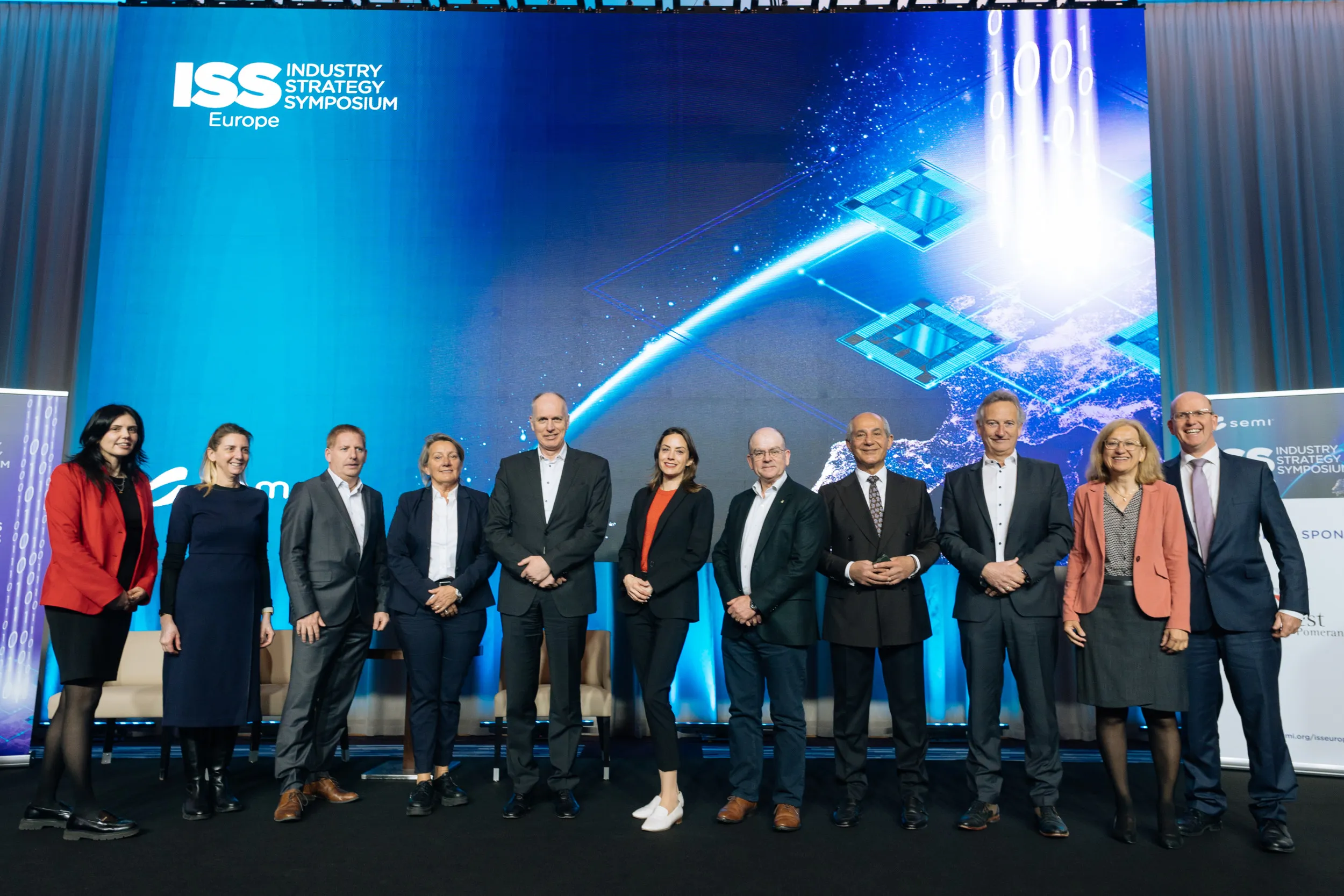
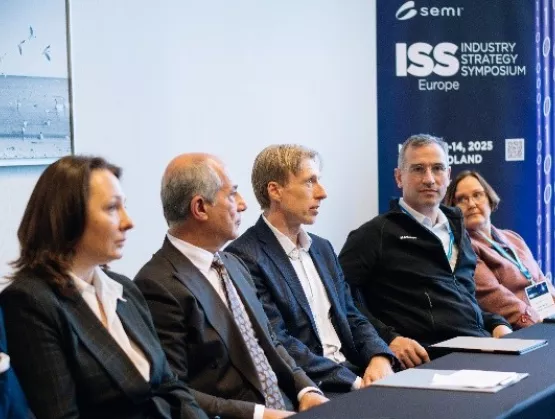
Geopolitical shifts, rapid technological advancement, and supply chain pressures continue to redefine the global semiconductor landscape. These forces framed the discussions at the 2025 SEMI Industry Strategy Symposium Europe (ISS Europe), held in Sopot, Poland. Over two days, industry leaders, and policymakers examined how Europe can boost resilience amid growing uncertainty.Artificial intelligence (AI) stood out as a key driver—powering global chip demand and transforming industry operations. In the past year, AI applications like generative models and edge computing helped push chip sales to new highs. The EU Chips Act, effective since September 2023, also fueled change. It has drawn tens of billions of euros into European semiconductor infrastructure, including major investments in Pomerania, the host region for this year’s symposium. “With AI expected to drive exponential growth in the semiconductor industry—projected to reach $1 trillion by 2030—Europe must act collectively to remain competitive,” said Laith Altimime, President of SEMI Europe. “We encourage collaboration across all countries to strengthen supply chain resilience, mitigate geopolitical risks, and harness the full potential of our diverse talent base.”Laith Altimime, President, SEMI EuropeSo what has the EU’s investment in the semiconductor industry achieved, and how much more remains to be done? Gustav Kalbe, Acting Director of Enabling and Emerging Technologies at the European Commission, cited €80 billion in public and private investment in European fabs as clear progress toward introducing "advanced technology that has not before been deployed on the continent of Europe." However, Kalbe emphasized a new urgency driven by AI’s rise. “We need in Europe a secure supply chain for AI chips in key sectors—particularly automotive,” said Kalbe. “That’s why we are really pushing for accelerated development of AI chips here.”Gustav Kalbe, Acting Director of Enabling and emerging technologies,DG CNECT, European CommissionPoland is a prime example of the EU Chips Act’s impact—driven by consistent government support. Dariusz Standerski, Secretary of State in the Ministry of Digital Affairs, highlighted Poland’s seven-pillar national semiconductor strategy, which includes expanding infrastructure and increasing engineering talent by 20% by 2030. “We need to build our production capacity to meet the strategic needs of Poland,” said Standerski. “Semiconductors are important not only because of market size, but because of their role in national security.”Dariusz Standerski, Secretary of State, Ministry of Digital Affairs, PolandRisks to the Industry from a World in Political TurmoilGeopolitical shifts and market volatility dominated the opening session of ISS Europe 2025. Malcolm Penn, CEO of Future Horizons, warned that despite strong 2024 revenues, industry fundamentals remain fragile. “All of the growth is in graphics processing units (GPUs) for AI and high-bandwidth memory (HBM) for AI servers—every other product sector is currently in recession,” said Penn. He forecast 12% industry growth in 2025 but cautioned against overcapacity and price pressures from China. “We are not seeing unit growth, and without unit growth, you don’t have sustainable market growth,” explained Penn. “If momentum in AI slows, the industry could face a significant retrenchment.”Malcolm Penn, CEO of Future HorizonsLooking beyond the immediate outlook for semiconductors, Hendrik Bourgeois, Vice President for European Governmental Affairs at Intel, turned the spotlight onbroader economic and security challenges facing the region. Bourgeois outlined four strategic policy priorities for Europe: Build internal strength to ensure external (global) relevance;Deepen alliances beyond the United States—such as with the UK, Canada, Japan, and South Korea;Be open to a stronger economic relationship with China;Recognize that the U.S. is more than its federal government: states, cities, people and corporations all have a role to play in bringing stability and certainty.Hendrik Bourgeois, Vice President for European Governmental Affairs, IntelBenedikt Ernst, Senior Vice President and Head of Strategy Transformation at Merck KGaA, Darmstadt, Germany, emphasized the strategic importance of strengthening Europe’s domestic semiconductor ecosystem. “No country or region can be fully self-sufficient,” said Ernst. “But Europe is particularly strong in domains like advanced materials, fabrication equipment, and semiconductor manufacturing. We have leading players in these fields – let’s bet on them.”Benedikt Ernst, Senior Vice President and Head of Strategy Transformation, Merck KGaA, Darmstadt, GermanyMikolaj Trunin, Deputy Director of the Invest in Pomerania, and its Strategic Investment Manager Radoslaw Bojarczuk, highlighted the region’s rising profile among global investors. Despite a global downturn in foreign direct investment (FDI) since 2015, the region stretching from Gdansk and Warsaw to Dresden and Magdeburg is emerging as a vibrant semiconductor hub. “The environment is becoming increasingly attractive to outside investors drawn by the region’s large talent pool, robust venture capital activity, and strong and stable economic growth,” said Trunin.Left: Mikołaj Trunin, Deputy Director, Invest in PomeraniaRight: Radosław Bojarczuk, Strategic Investment Manager, Invest in PomeraniaAdvancing on the Roadmap to Net ZeroThe symposium’s second session tackled sustainability—how to grow the industry beyond $1 trillion in revenue while cutting emissions. AI emerged as a key enabler of sustainable innovation. Bill Lussier, Managing Director of Tokyo Electron Europe, highlighted recycled aluminum which has a much lower carbon footprint, but noted that semiconductor equipment requires ultra-pure aluminum, which is not available off-the-shelf in recycled form. “The solution is to create a new circular economy for ultra-pure aluminum—a supply chain so complex that it cannot be managed without the aid of AI,” explained Lussier.Bill Lussier, Managing Director, Tokyo Electron EuropeAI is also helping decarbonize logistics, a critical yet often overlooked part of the semiconductor ecosystem. Rainer Kiefer, Executive Vice President and Global Head of Sales at Schenker AG, underscored the environmental cost of air cargo: “We need smart supply chain design to reduce the air miles of chips.” AI supports this by optimizing routing, loads, predictive maintenance, and demand forecasting. Rainer Kiefer, Executive Vice President and Global Head of Sales, Schenker AGHowever, AI brings new energy demands. Malgorzata Kasperska, Vice President of Secure Power at Schneider Electric, urged greater efficiency in AI data centers: “We need to optimize both power capacity and efficiency, and deploy high-density infrastructure, all while enhancing sustainability practices.” Malgorzata Kasperska, Vice President of Secure Power, Schneider ElectricEnergy-intensive fab operations remain a major challenge. Charles Vaillant, Chief Technology Officer at MANN+HUMMEL, noted that heating and ventilation account for up to 50% of a fab’s energy use. To improve efficiency, the company introduced a filtration system using activated carbon ceramic technology. The innovation reduces pressure drop, cutting fan energy use and delivering up to 41% energy savings in cleanroom environments.Charles Vaillant, Chief Technology Officer at MANN+HUMMELFinding the Talent to Fuel the Industry’s GrowthAttracting and developing talent remains a critical challenge for the semiconductor industry. Andreas Schleicher, Director for Education and Skills at the OECD, cited a visibility gap: “Young people don’t see these engineering and IT jobs. You cannot be what you do not see.” Meike Boekelmann, Chief Human Resources Officer at Comet, echoed the sentiment. “Face-to-face, we can get people excited about joining our industry,” said Boekelmann. “The challenge is getting them in front of us in the first place.” Andreas Schleicher, Director for Education and Skills,Organization for Economic Co-operation and Development (OECD)In a panel discussion on Bridging the Talent Gap for Sustainable Growth, moderated by SEMI Europe’s Maria Daniela Perez, speakers explored how industry and academia can better collaborate to meet evolving workforce demands. Thomas Kralinski, Saxon State Secretary of Economic Affairs, Labor, Energy and Climate, emphasized the importance of future-ready education. “Do we know which fab is going to be built in 2035, or which start-up will be founded? No—but all the people who will work there are already alive. We need education to prepare these people for this unknown future.Thomas Kralinski, Saxon State Secretary of Economic Affairs, Labor, Energy and ClimatePanel Discussion on Bridging the Talent Gap for Sustainable GrowthAI Intensifies Scale of Innovation in Semiconductor FabricationDay two of ISS Europe 2025 spotlighted AI’s transformative impact on semiconductor innovation, from materials to manufacturing and chip design. John Behnke, General Manager for Smart Manufacturing at INFICON, emphasized AI’s growing role in managing fab complexity. “You need a lot of highly knowledgeable people to run a fab today,” said Behnke. “They must analyze huge amounts of data, and balance priorities like quality, on-time delivery, cycle time, and profitability.” In the future, he explained, AI-powered optimization engines will shoulder that burden by making autonomous decisions.John Behnke, General Manager for Smart Manufacturing, INFICONJean-Christophe Eloy, CEO of Yole Group, pointed to the rapid growth of data centers as a catalyst for architectural transformation, predicting a shift from monolithic AI ASICs to chiplet-based designs. “In the future, we can expect to see much of the value in the semiconductor business transfer from the front-end chip to the advanced packaging that integrates chiplets,” said Eloy. Jean-Christophe Eloy, CEO, Yole GroupThis sentiment was echoed by Christophe Frey, Vice President of EU Engagement at Arm, who described the industry’s shift from systems-on-chip to systems-of-chips. “Chiplets represents a unique opportunity for Europe to re-enter the game of high-end chips,” said Frey. He emphasized the need for an open chiplet marketplace, an effort Arm supports, but warned, “There is a long road ahead of us,” citing the need for silicon qualification, profiling, test and debug infrastructure, software standards, and specifications for mechanical and thermal integration.Christophe Frey, Vice President of EU Engagement, ArmThat transition is already taking shape in manufacturing. Volker Herbig, Vice President of the Microsystems Business Unit at X-FAB, noted that capabilities developed for CMOS+MEMS sensor in the early 2000s are now enabling heterogeneous integration (HI) at scale. “We are now an open HI foundry,” said Herbig, adding that X-FAB is building a dedicated HI facility with support from the EU Chips Act. “This technology is propagating down from the high-performance computing (HPC) world to medical and industrial applications — It’s happening as we speak.”An Industry Changing Faster Than Ever Volker Herbig captured the industry’s rapid evolution with the “Red Queen” theory from Alice in Wonderland: “You need to run as fast as you can just to stay in the same place.”Volker Herbig, Vice-President, BU MEMS, X-FABClosing the symposium, Leonard Hobbs, Director for Government Affairs at Intel Ireland, cited Charles Darwin: “The species which can best adapt to changes in its environment is the one which survives,” Hobbs added, “Over the past two days we have learned much that can help Europe’s semiconductor industry to adapt successfully to a rapidly changed world.” Leonard Hobbs, Director for Government Affairs, Intel IrelandAt the symposium’s gala dinner, delegates celebrated leaders driving the industry forward. SEMI presented the 2024 SEMI European Award to Kurt Sievers, President and CEO of NXP Semiconductors, and honored Anna-Riikka Vuorikari-Antikainen, Chief Commercial Officer of Okmetic, with the Special Service Award.Kurt Sievers, President and CEO, NXP Semiconductors (Middle)Anna-Riikka Vuorikari-Antikainen, Chief Commercial Officer, OkmeticOn behalf of SEMI, the SEMI Europe team and ISS Europe committee would like to thank all speakers, sponsors, and attendees for making the event a great success.SEMI Contact Cassandra Melvin, Senior Director of Business Development and Operations Email: [email protected]
Read More
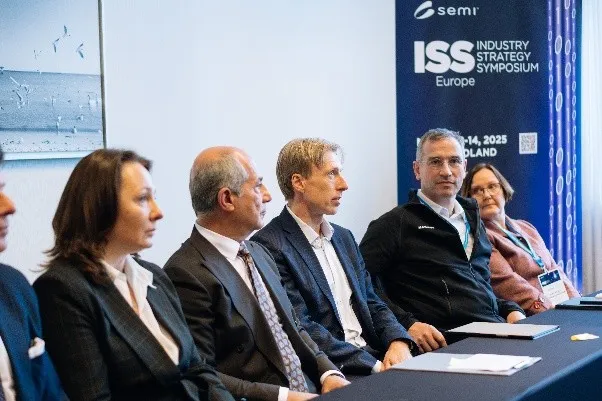
Insights from the ISS Europe 2025 Press Briefing in SopotAt the SEMI Industry Strategy Symposium Europe (ISS Europe) 2025, held in Sopot, Poland, senior leaders from government, industry, and the investment community came together to share insights on Europe’s evolving semiconductor landscape. During a dedicated press briefing, they addressed Poland’s growing role in the ecosystem, the significance of international collaboration, and the strategic levers needed to bolster Europe’s competitiveness in semiconductors.Against the backdrop of accelerating investment through the EU Chips Act, speakers emphasized that building Europe’s semiconductor future will require more than funding. It will demand cross-border collaboration, cohesive public-private strategies, and a long-term vision to ensure talent pipelines and supply chain resilience.The briefing featured remarks and commentary from:Laith Altimime, President, SEMI EuropeAgnieszka Sygitowicz, President, The Polish-Taiwanese Chamber of Commerce and IndustryPawel Pudlowski, Ph.D., Deputy CEO, Polish Investment and Trade Agency (PAIH)Monika Morali-Majkut, Chairwoman of the Supervisory Board, Atlas WardBenedikt Ernst, Senior Vice President and Head of Strategy Transformation, Merck KGaA, Darmstadt, GermanyDionys van de Ven, President, Comet YxlonAnna-Riikka Vuorikari-Antikainen, Chief Commercial Officer, Okmetic From left to right: Agnieszka Sygitowicz, President, The Polish-Taiwanese Chamber of Commerce and Industry; Pawel Pudlowski, Ph.D., Deputy CEO, Polish Investment and Trade Agency; Monika Morali-Majkut, Chairwoman of the Supervisory Board, Atlas Ward; Laith Altimime, President, SEMI Europe; Benedikt Ernst, Senior Vice President and Head of Strategy Transformation, Merck KGaA, Darmstadt, Germany; Dionys van de Ven, President, Comet Yxlon; Anna-Riikka Vuorikari-Antikainen, Chief Commercial Officer, OkmeticSEMI: How are the private sector and international partners contributing to Poland’s ecosystem development?Morali-Majkut: The private sector is essential to building Poland’s semiconductor ecosystem. At Atlas Ward, together with like-minded companies, we’ve launched SEMICON Supply Poland to help develop a strong, scalable supply chain. We’re working to ensure that essential infrastructure is ready: land, utilities, materials, and specialized service providers that can meet the needs of incoming semiconductor investments. But this isn’t just a national effort. We’re closely aligned with ecosystem-building in Dresden, Prague, and across Central Europe. Collaboration across borders is essential.Sygitowicz: We believe strongly in the philosophy of “building bridges.” In our work with Taiwan and other partners, we focus on five “bridges”: knowledge, people, business, development, and shared success. These connections are critical for Poland to become an integral part of the global semiconductor supply chain. Poland is not trying to replicate what others have done, but to learn from it—particularly in ecosystem development. The long game is not just investment attraction; it’s ecosystem maturity. SEMI: Talent shortages remain a major concern across the industry. What steps are being taken to prepare the future-ready workforce?Morali-Majkut: We are working closely with academia to build the talent pipeline Poland will need as its semiconductor sector grows. Together with industry partners, we’re developing vocational training programs and university-level collaborations aimed at aligning skills with industry needs. There are already several R D-focused projects underway at Polish technical universities, and Poland’s strong foundation in technical education positions us well to support workforce growth as the industry scales up.The semiconductor industry has one of the most complex supply chains in the world. Investing in this industry creates ripple effects across a wide range of skill areas. When we invest in semiconductor education, the spillover benefits for the broader economy will be immense.Altimime: While the talent shortage is certainly a challenge, it also presents a massive opportunity. At SEMI, we’re committed to making Europe’s semiconductor investment a long-term success. Through strong collaboration with the European Commission and a broad network of consortium partners across Europe, including Poland and other Eastern European countries, we’re pushing forward both public and private sector engagement to ensure the continuity of growth and innovation.Europe is projected to face a shortage of 271,000 skilled workers in the semiconductor sector by 2030 if current trends persist. To address this challenge, SEMI is leading a range of initiatives focused on reskilling, upskilling, and cross-sector knowledge development. We’ve established an Educational Leaders Board with 18 consortium members and are organizing events to reach out to students and educational institutions – including the recent SEMI On Campus with the University of Gdańsk — all to foster stronger connections between academia and industry. SEMI: How can Europe strengthen its semiconductor supply chain resilience in the face of geopolitical challenges?Ernst: Resilience starts with recognizing and building on Europe’s existing strengths. While much attention is often given to gaps, Europe already has world-class players, technologies, and a strong consumer market. These are key strategic assets. What’s needed now is coordination—government and industry must work together to align efforts, avoid fragmentation, and ensure that political initiatives channel support in a unified direction.Van de Ven: For industry, true resilience means the freedom to operate globally. Trade controls and IP restrictions can create bottlenecks, so policies must support open access to markets across regions—including the U.S., Europe, and Asia. Companies also need to co-create with fabs and universities, embedding themselves where talent is trained and where innovation happens. This creates a robust, future-ready ecosystem. Location decisions are increasingly influenced by proximity to both production facilities and research institutions.Sygitowicz: Poland is well-positioned to support investment through a combination of ready-to-develop land, financial incentives (such as grants and tax exemptions), and ecosystem services. Beyond infrastructure, there is growing government support for talent development and innovation. Startups, accelerators, and academic partnerships are playing a larger role in building the technology pipeline—creating a more comprehensive, innovation-friendly environment for foreign investors.Vuorikari-Antikainen: Speed is an often overlooked but critical factor in competitiveness. Europe has historically moved slowly, but if countries like Poland can create fast-track pathways for permitting, investment, and project execution, they can set themselves apart. Pairing this agility with strong education and startup ecosystems will help deliver long-term resilience and responsiveness to market needs.Altimime: We must avoid country-centric thinking. Europe’s strength lies in its diversity with different regions excel in different areas, and the challenge is to bring those strengths together. Initiatives like the pilot lines are a great example of this in action, connecting capabilities in photonics, advanced packaging, and quantum technologies across the continent. With strong leadership from Europe’s research and technology organizations (RTOs), such as the Technical Research Centre of Finland (VTT), we’re seeing renewed momentum in areas where Europe has historically been strong, like communications and photonics.To truly accelerate Europe’s position in the global semiconductor landscape, we need to focus on integration—connecting the dots between regions, institutions, and industries. From left to right: Laith Altimime, President, SEMI Europe; Benedikt Ernst, Senior Vice President and Head of Strategy Transformation, Merck KGaA, Darmstadt, Germany; Dionys van de Ven, President, Comet Yxlon; Anna-Riikka Vuorikari-Antikainen, Chief Commercial Officer, OkmeticSEMI: With the European Commission discussing a potential second Chips Act, what lessons should we carry forward from the first—and how can Poland play a stronger role?Van de Ven: The primary objective of the Chips Act should be to enable investment and industrial action. In some cases, we’ve seen frameworks become overly complex, attempting to define platforms or outcomes in ways that don’t always align with business needs. From an industry standpoint, what’s most helpful is straightforward support—mechanisms that empower companies to invest where it makes sense and move quickly. Ultimately, the private sector will determine how to build and scale the necessary infrastructure and innovation.Pudlowski: It’s true that Poland did not benefit from the first Chips Act to the extent that its assets and potential might suggest. We offer a combination of engineering talent, geographic advantage, and industrial readiness—yet, in terms of EU-level influence and visibility, we’ve been underrepresented. That is beginning to change.Poland now has a national semiconductor strategy backed by the government, and this, combined with growing engagement from organizations like SEMI, positions us for stronger inclusion going forward. At the same time, we need more bottom-up visibility. Companies in Poland should proactively present their capabilities and publish their work more widely. We have a great deal to offer, and now is the time to ensure that’s recognized in Brussels and across Europe.Altimime: Poland’s recent release of its national chip strategy is both timely and critical. From SEMI’s perspective, this is a proven model: a clear strategic roadmap, strong government backing, and industry alignment create the right environment for success. The first Chips Act delivered real progress and global attention, and with Poland’s new strategy in place, we expect to see even greater integration into the European semiconductor value chain in the next phase of the initiative.Morali-Majkut: During recent conversations with international partners, particularly in Asia, it became clear that while countries like Germany and the Czech Republic are well known within the semiconductor ecosystem, Poland has not always been equally visible—despite being geographically and industrially well-positioned. That perception is starting to shift.Poland has long played a vital role in Europe’s industrial supply chain, particularly in collaboration with Germany. We bring a strong foundation in engineering, education, cost-efficiency, and industrial land availability. These assets are highly relevant to semiconductor expansion. Rather than seeing countries in isolation, we should frame this as a collaborative regional model—linking Germany, the Czech Republic, and Poland as an integrated supply chain hub. SEMI ContactSitong He, Communications ManagerEmail: [email protected]
Read More
The semiconductor industry is at a pivotal moment, with smart manufacturing, smart mobility and workforce development as key drivers in the industry’s path to reach $1 trillion in revenue by 2030. Bringing together key stakeholders from the semiconductor ecosystem, SEMIEXPO Heartland will take place on April 1-2, 2025, in Indianapolis and explore the latest advancements and opportunities to foster growth, accelerate innovation and reinforce the Midwest as a thriving hub for semiconductor manufacturing.SEMI sat down with Purdue University President Mung Chiang who shared his insights on growing semiconductor industry in the Midwest, how Purdue is making an impact, and a sneak peek into his upcoming keynote presentation at SEMIEXPO Heartland.SEMI: How important is semiconductor industry expansion in the Midwest?Chiang: Purdue’s partnerships with industry leaders, state and federal government are essential to advancing the U.S. semiconductor industry and establishing the Midwest region as the Silicon Heartland. The Department of Defense-funded Silicon Crossroads Microelectronics Commons innovation hub is a partnership between Indiana, Illinois, and Michigan, while the Midwest Microelectronics Network is in collaboration with Ohio, Illinois, and Michigan.An event like the SEMIEXPO Heartland in Indianapolis gathers industry representatives from across the nation to see the potential and value that Indiana and the Midwest bring and provides a great forum to explore strategies for collaboration and innovation.SEMI: How important is collaboration between industry and academia to advance semiconductor innovation and address workforce challenges?Chiang: Enabled by semiconductors, artificial intelligence (AI) continues to advance rapidly. Purdue is a national academic leader in microelectronics and semiconductors in part because of industry partnerships – both nationally and internationally – that help us align our research and workforce development to the needs of our industry partners.Collaborations among industry, academia and government will be critical to strengthening America’s position in the global semiconductor landscape and securing our technological future. Two recent examples are our partnership with SK hynix to fill a critical gap in the U.S. semiconductor supply chain and our partnership with SEMI, the leading global microelectronics industry association, to create online courses aimed at bolstering the semiconductor workforce.SEMI: How are Purdue’s innovations contributing to those fronts?Chiang: World-leading research, transformational investments in infrastructure and pioneering education are all part of Purdue’s contributions to advance the semiconductor industry.Strategic initiatives like the first comprehensive, large-scale Semiconductor Degrees Program, advised by a board of industry leaders, lead the way to high-quality workforce development at scale. Experiential education, such as programs like “Summer Training, Awareness, and Readiness for Semiconductors” (STARS) for undergrads, energizes first-year students and provides a strong foundation to prepare the next generation high-tech workforce, a critical step in cultivating the talent needed to drive the industry forward.Birck Nanotechnology Center, one of the nation’s state-of-the-art academic research centers, is another prime example of Purdue driving innovation. This facility will soon become the first and only digital-twin-enabled semiconductor research lab in the world.SEMI: What are the highlights of your keynote address for the SEMIEXPO Heartland?Chiang: I’ll point out that these are exciting times in Indiana – two new semiconductor clusters are emerging, one in West Lafayette at Purdue focused on the commercial sector and one at Westgate, near the Naval Surface Warfare Center Crane, focused on the defense sector.The initiative at Purdue is led by SK hynix, the world’s leader in high-bandwidth memory for AI; MediaTek, the world’s fifth-largest fabless design company and a leader in chips for smartphones, tablets, TVs, and Internet of Things products; and by imec, the world's leading independent semiconductor research and innovation hub.Our goal is to leverage Purdue’s excellence at scale to work with our partners and create a new, thriving, vibrant, and growing semiconductor hub in the heartland and to connect this growing commercial sector to the emerging defense sector at Westgate.We look forward to working with our partners in the Midwest to make the Heartland one of the few critical regions of semiconductor manufacturing, design, innovation, and talent development in the United States.SEMI: Part of SEMIEXPO Heartland’s focus is on smart manufacturing. What strategic collaborations in smart manufacturing are driving innovation forward?Chiang: Smart manufacturing is being driven, in part, by the continuing advancement of AI and digital twins. The semiconductor industry already is partnering with computational modeling and fabrication leaders like Purdue University to develop the digital twins and play a major role in training the workforce and accelerating the pace of innovation.The NIST-funded SMART USA Manufacturing Institute for Digital Twins is a $1 billion plus program that brings industry and academia together. Purdue looks forward to playing a leading role in this important initiative.Maintaining a strong connection between academia and industry can help accelerate design and innovation of new U.S. chip development and manufacturing concepts through cost reduction, product optimization and real-time process adjustments.ResourcesHear more from academic leaders, industry executives and government officials about the semiconductor expansion and opportunities for growth in the U.S. Midwest during SEMIEXPO Heartland event, April 1-2, 2025, in Indianapolis. Visit the SEMIEXPO Heartland website to view the full agenda: https://semiexpo.semi.org/.Mung ChiangMung Chiang is the President of Purdue University, and the Roscoe H. George Distinguished Professor of Electrical and Computer Engineering. Prior to being selected university president in 2022, he was the John A. Edwardson Dean of the College of Engineering and executive vice president for strategic initiatives at Purdue University.Chiang received BS (1999), MS (2000) and PhD (2003) from Stanford University and an honorary doctorate (2024) from Dartmouth College. Before 2017, Chiang was the Arthur LeGrand Doty Professor of Electrical Engineering and an affiliated faculty in Computer Science and in Applied Mathematics at Princeton University.SEMI ContactSherrie Gutierrez, Marketing Communications ManagerEmail: [email protected]

Read More
New pilot lines offer European innovators access to the most advanced semiconductor technologies for product development and validation.The global semiconductor landscape has undergone significant transformation in recent years. With disruptions such as the semiconductor supply chain crisis and the challenges it posed to the automotive sector, Europe’s dependence on external fabrication facilities, particularly in Taiwan, has become a pressing concern. In response, the European Union (EU) introduced the EU Chips Act, a comprehensive framework designed to reduce this reliance and boost Europe’s share of the global semiconductor market. ITF Chip into the Future, hosted by imec at SEMICON Europa 2024, was a pivotal event that brought together industry leaders, policymakers, and experts to explore the implementation of the EU Chips Act and the future of Europe’s semiconductor ecosystem. Jari Kinaret, Executive Director of the Chips Joint Undertaking (Chips JU)—the body overseeing the EU’s semiconductor investments—explained, “The Chips JU is about capacity building to drive semiconductor innovation in Europe. We will continue to be dependent on the rest of the world, but we want to make sure that the rest of the world depends on us as well.” Jari Kinaret, Executive Director, Chips JUEuropean research is driving progress towards sub-nanometer fabricationOne of the pilot lines, located at imec’s research center in Belgium, is focused on advancing methods that push Moore’s Law forward by achieving smaller and more efficient circuit features. As Luc Van den hove, President and CEO of imec, explained, “imec is now powering innovation for tomorrow’s chip designs, including stacked layers of chips, with each layer containing specific functionality implemented on chip processes optimized for each function. This allows us to scale much further than if all functionality had to be implemented on a single monolithic layer.”Luc Van den hove, President and CEO, imec Another pilot line, based in France and operated by CEA-Leti, is focused on pushing the limits of technology across multiple dimensions. CEA-Leti CEO, Sébastien Dauvé, explained that the goal of the FAMES pilot line is to advance “not only FD-SOI at 10nm and 7nm nodes, but also novel non-volatile memory technologies, RF components, 3D integration, and the development of small inductors for DC-DC converters.” Sébastien Dauvé, CEO, CEA-LetiAdvancements in 3D integration and chiplet technologies are closely tied to innovation in chip packaging. Christoph Kutter, Executive Director of Fraunhofer EMS, described how the Advanced Packaging and Heterogeneous Integration for Electronic Components and Systems (APECS) pilot line in Germany is designed to meet the needs of industrial customers’ growing demand for advanced packaging solutions. Kutter noted “Customers told us that they needed to integrate logic and power, sensors and logic, and other combinations of functions. We have built the APECS pilot line to provide what they asked for.”Christoph Kutter, Executive Director, Fraunhofer EMSThe EU Chips Act is spurring investments not only in chip fabrication but also in the underlying technologies which support chipmaking. Emmanuel Sabonnadière, EVP at Soitec, highlighted how fabrication of advanced silicon carbide (SiC) power devices “is enabled by SmartSiC™ technology from Soitec – part of a built-in-Europe solution for silicon carbide.” Sabonnadière explained that SmartSiC technology “creates very thin layers of SiC material which make really differentiated substrates supporting the production of high-performance SiC devices.” Emmanuel Sabonnadière, EVP, SoitecInnovation in materials emerged as an important theme at ITF Chip into the Future. Julien Arcamone, Vice President of Corporate R D at ASM, described the critical role of materials for atomic layer deposition (ALD) in the advancing 3D semiconductor integration. Arcamone emphasized the importance of collaboration across the semiconductor value chain, describing ASM’s partnership with imec as part of “a win-win ecosystem.” Julien Arcamone, Vice President of Corporate R D, ASMDeveloping the skills to implement advanced semiconductor technologiesWhile the EU Chips Act is subsidizing the construction of new facilities including pilot lines needed for the hardware of the semiconductor industry’s expansion – the ITF speakers underlined the equally important “software” element of the semiconductor industry ecosystem: the knowledge and expertise of the people working in the industry. One of the biggest challenges in implementing the EU Chips Act is addressing Europe’s talent gap. Katrien Marent, Executive Vice President and Chief Marketing and Communications Officer at imec, said that the gap is in part “because students who graduate in STEM subjects are not trained in advanced semiconductor technologies.” From left to right: Katrien Marent, Executive Vice President and Chief Marketing and Communications Officer, imec; Julien Arcamone, Vice President of Corporate R D, ASM; Thomas Heurung, CEO, Siemens EDA; Frédérique Le Grevès, President STMicroelectronics France and Executive Vice President, Europe France Public Affairs, STMicroelectronics; Romano Hoofman, Director imec.IC-link, imec; and Christophe Frey, Vice-President of EU engagements Managing Director, ARM.Thomas Heurung, CEO of Siemens EDA, highlighted the need for educational reform in the electronics industry. He suggested that “we might not have the right degree-level curriculum for changing times in the electronics industry. We need to change the way that we train students at university, and we need more scope for early or mid-career training on specialist micro-curriculums aimed at a particular skill or knowledge set.”The industry also struggles to attract individuals. Frédérique Le Grevès, President of STMicroelectronics France and Executive Vice President, Europe France Public Affairs of STMicroelectronics, emphasizes the importance of rebranding the industry to attract new talent. She remarked, “The word ‘semiconductor’ itself isn't very exciting—it’s even off-putting to some. By simply changing the name of educational programs, we’ve seen significant increases in enrollment. This demonstrates the power of language in shaping perceptions and interest.”Thomas Heurung of Siemens EDA also called for a stronger emphasis on entrepreneurship, noting “there is a big contrast between Europe and the US, particularly Silicon Valley.” He explained how his company’s Cre8Ventures unit had been set up to help start-ups through the key stages of creating a successful new company, including product development, attracting funding, and bringing the product to market. Thomas Fleischmann, Program Manager at Robert Bosch, explained how the EU Chips Act has accelerated the formation of the European Semiconductor Manufacturing Company (ESMC) joint venture, in which Bosch is a key stakeholder. ESMC is building a new semiconductor fabrication plant in Dresden, dedicated to producing chips for the automotive and industrial sectors. Fleischmann emphasized that ESMC will play a crucial role in helping Europe “scale advanced technologies to high volumes at a competitive cost.”In addition, the EU Chips Act also provides a broader platform for the expansion of Europe’s deep tech capacity. This includes the creation of five pilot lines, which will offer European companies access to manufacturing capacity for prototyping at the most advanced semiconductor technology nodes.Thomas Fleischmann, Program Manager, Robert BoschITF Chip into the Future at SEMICON Europa 2024 highlighted the broad scope of the EU Chips Act – not only supporting the building of advanced fabs but also providing the foundations for technology development, production, and marketing – all aimed at supporting semiconductor innovation in Europe. SEMI ContactMaria Daniela Perez, Communications ManagerEmail: [email protected]

Read More
Leaders in the semiconductor industry are finding ways to balance rapid demand growth with strategies to mitigate the risks of geopolitical uncertainty and a complex supply chain.At the CxO Summit during SEMICON Europa, industry leaders gathered to share insights into the immense opportunities ahead for the semiconductor sector, as well as the challenges that could impede growth. Laith Altimime, President of SEMI Europe, highlighted how discussions last year centered on reaching $1 trillion in global sales by 2030. “The conversation today is about how far above $1 trillion we will be in 2030,” said Altimime. “Artificial intelligence is an amazing and exciting technology, and the semiconductor industry is at the heart of it.”Laith Altimime, President, SEMI EuropeAjit Manocha, President and CEO of SEMI, described the current state of the semiconductor industry with one word – “unprecedented.” Emphasizing quantum computing as the next growth driver after AI, Manocha urged leaders to prepare for the next landmark - $4 trillion in global sales by 2040. However, the challenges facing the industry are equally unprecedented. Manocha identified four key obstacles: geopolitical volatility, the Net Zero challenge, the competition for top talent, and supply chain disruptions. “We need to work together to solve these challenges – we need unprecedented collaboration,” he explained. Ajit Manocha, President and CEO, SEMIA European Perspective on the Industry’s ChallengesWith the CHIPS Act in the US and the European Union (EU) Chips Act, the industry is also seeing unprecedented governmental engagement. Gustav Kolbe, Acting Director of Enabling and Emerging Technologies at Directorate-General for Communications Networks, Content and Technology of the European Commission, explained that Europe had been deeply impacted by the effect of trade tensions and supply chain disruptions. “In the field of semiconductors, we realized that we cannot keep doing business as usual and expect to achieve more resilience and reduced dependence on non-European supply chains,” Kolbe said. Gustav Kolbe, Acting Director of Enabling and Emerging Technologies, DG CONNECT, European CommissionJari Kinaret, Executive Director of the Chips Joint Undertaking (Chips JU), which is responsible for implementing EU Chips Act programs, described how its projects amplify the effect of EU funding by leveraging matching contributions from member states and participating companies. “This means that our budget of €4 billion actually produces investments in the semiconductor industry of about €11 billion,” he noted. Jari Kinaret, Executive Director, Chips JUThe Chips JU funded projects are designed to position Europe at the forefront of advanced semiconductor technology. Belgium’s imec, for example, is operating a Chips JU pilot line focused on leading-edge semiconductor innovation. Luc Van den hove, President and CEO of imec, highlighted the potential for 3D integration, “We can now combine multiple chips through silicon interposers with very fast connectivity between them. This allows us to build compute platforms which are far larger than what can be made with a single silicon chip,” he explained referring to this approach as “CMOS 2.0.” However, Van den hove warned that Europe cannot achieve its goals alone, emphasizing the complex semiconductor value chain and the need for collaboration. “Self-sufficiency leads to mediocrity,” he warned, advocating for a global approach that leverages the “best of the best.”Luc Van den hove, President and CEO, imecStephan Haferl, Chief Executive Officer of Comet Group, introduced the CA20, a tool designed to improve efficiency and quality in semiconductor manufacturing. The CA20 uses advanced imaging and AI to quickly identify and address production challenges, such as defects in solder bumps, without damaging components. Now fully automated, it integrates smoothly into factory workflows, providing real-time information to help manufacturers maintain high standards and increase production yields. This innovation highlights the role of new technologies in overcoming key obstacles and driving progress in the semiconductor industry.Left to right: Isabella Drolz, Vice President Marketing Product Strategy, Comet Yxlon; Laith Altimime, President, SEMI Europe; Stephan Haferl, Chief Executive Officer, Comet Group; and Dionys van de Ven, President, Comet YxlonCarlos Mazure, Chief Strategy Officer at Institute of Microelectronics – A*STAR in Singapore, illustrated this point by highlighting the institute’s focus on advanced packaging, a key Singaporean strength. “We have built a state-of-the-art 300mm prototyping line, enabling companies to implement wafer-to-wafer and chip-to-wafer bonding as well as fanout chip packaging,” Mazure said. Carlos Mazure, Chief Strategy Officer, Institute of Microelectronics – A*STARTurning back to Europe, Pierre Barnabé, CEO of Soitec, highlighted materials science as a regional strength. Soitec’s engineered substrates are driving energy efficiency breakthroughs in electronic, acoustic, and photonic applications. “We can bond anything to anything, creating advanced substrates for any active layer,” Barnabé explained. Pierre Barnabé, CEO, SoitecKai Beckmann, Member of the Executive Board and CEO Electronics at Merck KGaA, Darmstadt, Germany, also emphasized the role of materials in enabling sustainable growth. “The semiconductor industry faces a challenge with the contribution of process gases to its total greenhouse gas emissions. We hope to solve the problem by using AI to support materials research, and to design new molecules – an approach we have learned from the pharmaceuticals industry,” Beckmann shared. Kai Beckmann, Member of the Executive Board and CEO Electronics, Merck KGaA, Darmstadt, GermanyCollaboration Strengthens the Semiconductor Supply Chain Despite the breadth of enabling technologies emerging from Europe, the rapid growth in semiconductor demand has not always been matched by a secure supply. Barbara Frenkel, Member of the Executive Board Purchase at Porsche, shared that the company is collaborating with the industry to improve its access to the chips needed for automotive electrification. This includes joining industry groups such as the SEMI Global Automotive Advisory Council (GAAC) and, as she said, “learning your language.” Frenkel added, “Porsche aims to emulate Apple’s approach with Intel and Motorola to drive innovation – we will do the same with suppliers of automotive chips.”Barbara Frenkel, Member of the Executive Board Purchase, PorscheAnother solution to supply constraints is to widen the supply pipeline. John Behnke, General Manager for Smart Manufacturing at Inficon, described how smart technology can significantly improve efficiency and output. “A semiconductor fab is 100 times more complicated than anything else in the world – it is a mathematical nightmare to model it. That gives massive opportunities for improved productivity if we can implement smart control technologies,” Behnke explained. John Behnke, General Manager for Smart Manufacturing, InficonThe Challenge of Achieving Sustainable GrowthWhile the prospect of exceeding $1 trillion in annual sales energizes the industry, there is widespread recognition that growth must not come at the expense of environmental responsibility. As the industry doubles in size in the 2020s, it cannot afford to double its use of resources, such as energy or greenhouse gas emissions. Frédéric Godemel, Executive Vice President for Power Systems and Services at Schneider Electric, shared that the biggest impact on sustainability could come from “energy frugality” – using energy more efficiently. He explained that implementing data fusion in a semiconductor fab – combining detailed analysis of the operation of chillers with external data sets, such as weather conditions to allow for more efficient use – results in energy savings of 10%. “This approach saved costs, reduced CO2 emissions, and provided a financial payback in less than one year,” Godemel said.Frédéric Godemel, Executive Vice President for Power Systems and Services, Schneider ElectricThe value of smart control in fab operations was also highlighted by Katharina Westrich, Global Vice President of Electronics, Semiconductors Simulation Digital Industries at Siemens. She described how Siemens makes digital twins of factories before they are built. “This is an approach that the semiconductor industry can also adopt,” Westrich said. “A digital twin enables more efficient allocation of resources to the fab and sub-fab, allowing simulation of fab operation and optimization of processes and resources.”Katharina Westrich, Global Vice President of Electronics, Semiconductors Simulation Digital Industries, SiemensThe semiconductor industry faces a future full of opportunity, yet also marked by significant obstacles—ones that delegates at the CxO Summit are now better equipped to tackle head-on.On behalf of SEMI, the SEMI Europe team would like to express appreciation to the industry leaders for sharing their visions and readiness to collaborate during the CxO Summit.SEMI ContactCassandra Melvin, Senior Director of Business Development and OperationsEmail: [email protected]
Read More