downloadGroupGroupnoun_press release_995423_000000 copyGroupnoun_Feed_96767_000000Group 19noun_pictures_1817522_000000Member company iconResource item iconStore item iconGroup 19Group 19noun_Photo_2085192_000000 Copynoun_presentation_2096081_000000Group 19Group Copy 7noun_webinar_692730_000000Path
Skip to main content
Default Banner Image

talent

The Rising Stars: 20 Under 30 blog series celebrates the brightest young leaders shaping the future of the semiconductor industry. These exceptional individuals have earned the SEMI Europe 20 Under 30 Award for making a remarkable impact across the supply chain—whether in engineering, sales, marketing, or R D. Nominations for the 2026 20 Under 30 Award are now open, providing the opportunity to recognize and honor the next wave of industry trailblazers.The series spotlights these rising stars for their career achievements, commitment to innovation, leadership skills, and dedication to driving both business success and community growth.Follow their inspiring journeys and discover how they are thriving and paving the way for future generations in the semiconductor world.Meet Pascal Fasel, Project Manager Engineering at Comet X-rayPascal Fasel’s career in semiconductors has developed steadily through hands-on experience and continuous learning. Starting with an apprenticeship in 2012, he built his foundation across design, process, and project roles, gaining a practical understanding of how technologies move from concept to production.Over time, he discovered a strong interest in solving real-world problems and delivering reliable engineering solutions. Today, as Project Manager Engineering at Comet X-ray, Fasel focuses on guiding projects through complexity while balancing speed, precision, and quality in a fast-evolving industry. SEMI: What inspired you to join the semiconductor industry? Fasel: I did not have a single defining moment. I joined through an apprenticeship in 2012 and discovered semiconductors gradually. As my responsibilities grew, I realized that I enjoy solving problems and turning ideas into reliable solutions. Over the past three years, I have mainly worked on semiconductor projects, which confirmed this interest. I am motivated by the fast pace, the need for precision and quality, and the impact of bringing new technology into production. It is this combination that keeps me engaged.SEMI: How did your early experiences and education shape your career path?Fasel: My apprenticeship taught me hands-on skills and the importance of quality and safety. Working across design, process, and project roles helped me understand how systems fit together and where problems arise. I am currently studying industrial engineering part-time while working. My studies and work reinforce each other, with theory supporting practice and projects testing what I learn. These experiences keep me focused on preparing technology for production.SEMI: Can you share a professional accomplishment you’re most proud of, and explain why it’s significant to you?Fasel: The accomplishment that matters most to me is my steady growth at Comet. Since joining in 2012, I have worked across design, process, and project roles. Staying for over a decade has been less about titles and more about trust, learning, and supporting colleagues when challenges arise. This is important to me because it reflects consistency and shared responsibility. It has allowed me to contribute to projects from idea to production in a reliable way.SEMI: As a young professional in the industry, what is your greatest challenge? Fasel: My greatest challenge is balancing speed with quality in a changing environment while ensuring smooth handovers to production. Specifications can change, results can be unexpected, and timelines can shift. To manage this, I focus on learning quickly without cutting corners. I make changes small and reversible, identify risks early, and seek feedback regularly. The goal is to learn efficiently and reduce surprises. SEMI: What advice would you give to younger generations aspiring to make an impact in this industry?Fasel: Stay curious and build a habit of learning every day. You will not master everything at once. Projects move quickly, so remain flexible and start with small steps. Gain experience early through internships or student projects. Apply what you learn in practice. Ask clear questions, listen carefully, and stay open to different perspectives. Share credit when things go well and take responsibility when they do not. Be patient. Steady progress is more effective than big jumps. Focus on quality and safety, even under pressure, and build trust through consistency.SEMI: How do you envision future work environments?Fasel: I believe workplaces will become more flexible and people-focused. Clear goals, open communication, and early feedback will be essential. Collaboration will be hybrid, with time in the office used when it adds value. Teams will focus more on outcomes rather than hours, working in small, manageable steps to reduce risk and stay aligned.SEMI: What impact has the 20 Under 30 Award had on your career? Fasel: I am grateful for the recognition. It has not changed my daily work, but it has created opportunities to connect with others, learn from peers, and share experiences. It also provides a platform to encourage students and early-career professionals to explore this industry. For me, it is a reminder to stay consistent and continue supporting others.Following 20 Under 30 JourneysPascal Fasel’s story reflects the value of persistence, practical experience, and continuous improvement. His work highlights how steady progress and collaboration contribute to delivering reliable semiconductor solutions.The Rising Stars: 20 Under 30 blog series celebrates the exceptional talent and leadership driving the future of the semiconductor industry. Each of the young innovators honored is excelling in their respective fields while shaping the landscape of technology and business with their visionary approaches and dedication. Their stories exemplify the remarkable achievements and unwavering commitment that define the next generation of industry leaders. The series is intended to inspire and motivate future professionals to pursue their passions and embrace the opportunities within this dynamic industry. Stay tuned for more stories of rising stars who are paving the way for continued growth and innovation in the semiconductor world.Learn more about the SEMI Europe 20 Under 30 Award and the recipients honored at SEMICON Europa. If this is of interest and you would like to explore further workforce related topics, we invite you to learn more about ChipQuest. SEMI ContactJames Lam, Business Development ManagerEmail: [email protected]
Read More
The Rising Stars: 20 Under 30 blog series celebrates the brightest young leaders shaping the future of the semiconductor industry. These exceptional individuals have earned the SEMI Europe 20 Under 30 Award for making a remarkable impact across the supply chain—whether in engineering, sales, marketing, or R D. Nominations for the 2026 20 Under 30 Award are now open, providing the opportunity to recognize and honor the next wave of industry trailblazers.The series spotlights these rising stars for their career achievements, commitment to innovation, leadership skills, and dedication to driving both business success and community growth.Follow their inspiring journeys and discover how they are thriving and paving the way for future generations in the semiconductor world.Meet David Coenen, Senior Researcher at imecFrom an early curiosity about how things work to leading advanced research in photonics and thermal management, David Coenen has built his career around understanding and improving complex technologies. His interest in engineering first led him to study aerospace engineering, where he was introduced to nanotechnology and semiconductor systems. What initially seemed abstract gradually became an area he wanted to explore in depth.This growing interest led him to pursue a PhD, where he developed a strong foundation in semiconductor research. Today, Coenen contributes to advancing technologies that support high-performance computing, data centers, and AI applications, working at the intersection of multiple disciplines to address some of the industry’s most demanding challenges. SEMI: What inspired you to join the semiconductor industry? Coenen: I’ve been fascinated by technology for a long time. Ever since I was little, I’ve been eager to learn how things work, from machines to cars and airplanes. This motivated me to study aerospace engineering. During my studies, nanotechnology and semiconductors kept appearing. At first, it felt almost like magic that a piece of silicon could run complex programs. Over time, I developed a deeper understanding and wanted to explore research further. In Belgium, imec is a well-known R D institute, and I decided to pursue a PhD there to give my career a strong foundation. I also believe the semiconductor industry will have a major impact on the future of society, and I want to contribute to that.SEMI: How did your early experiences and education shape your career path?Coenen: When I was around nine or ten years old, I visited imec during a school trip and learned about computer chips. That experience stayed with me. Later, during my engineering studies, I was mentored by teachers who were passionate about science and technology. Their guidance encouraged me to push my boundaries and try things outside of my comfort zone.SEMI: Can you share a professional accomplishment you’re most proud of, and explain why it’s significant to you?Coenen: I received the Best Paper Award for a conference paper submitted to iTherm and was later awarded the Harvey Rosten Award for Excellence for the same work. This is particularly meaningful to me because the initial draft received very negative feedback. I was told it was not innovative enough and advised not to submit it to my preferred conference. From this experience, I learned an important lesson: know your worth and do not assume someone is right simply because they have more experience.SEMI: As a young professional in the industry, what is your greatest challenge? Coenen: I work in photonics and chip thermal management, which is a rapidly evolving field. Keeping up with the latest technologies and developments can be challenging. These chips are used in data centers and large AI and machine learning systems, which are in high demand. Another challenge is finding master’s or Ph.D. students to join my work. My research sits at the intersection of electronics, photonics, thermodynamics, and machine learning, which makes it highly specialized. SEMI: What advice would you give to younger generations aspiring to make an impact in this industry?Coenen: Rome was not built in one day. Developing skills and building a deep understanding of complex technologies takes time. Enjoy your studies and choose something you are passionate about. When you are passionate, learning becomes enjoyable. Think about how you want to impact the world and make it a better place. That gives you strong motivation to work hard. SEMI: How do you envision future work environments?Coenen: From my experience, having flexibility in how I plan my day and organize my work helps reduce stress. Not having a rigid schedule allows me to take breaks and reset my mind. Combined with hybrid working, this makes work more enjoyable and sustainable.SEMI: What impact has the 20 Under 30 Award had on your career? Coenen: I was very honored to receive this award. There are many researchers equally deserving, which makes it even more meaningful. The award allowed me to connect with people inside and outside my organization whom I would not normally interact with. It also increased my visibility and associated my name with excellence.Following 20 Under 30 JourneysDavid Coenen’s story highlights the curiosity, resilience, and commitment to excellence that define the next generation of semiconductor researchers. His work contributes to advancing technologies that support the growing demands of data processing and AI systems.The Rising Stars: 20 Under 30 blog series celebrates the exceptional talent and leadership driving the future of the semiconductor industry. Each of the young innovators honored is excelling in their respective fields while shaping the landscape of technology and business with their visionary approaches and dedication. Their stories exemplify the remarkable achievements and unwavering commitment that define the next generation of industry leaders. The series is intended to inspire and motivate future professionals to pursue their passions and embrace the opportunities within this dynamic industry. Stay tuned for more stories of rising stars who are paving the way for continued growth and innovation in the semiconductor world.Learn more about the SEMI Europe 20 Under 30 Award and the recipients honored at SEMICON Europa. If this is of interest and you would like to explore further workforce related topics, we invite you to learn more about ChipQuest. SEMI ContactJames Lam, Business Development ManagerEmail: [email protected]
Read More
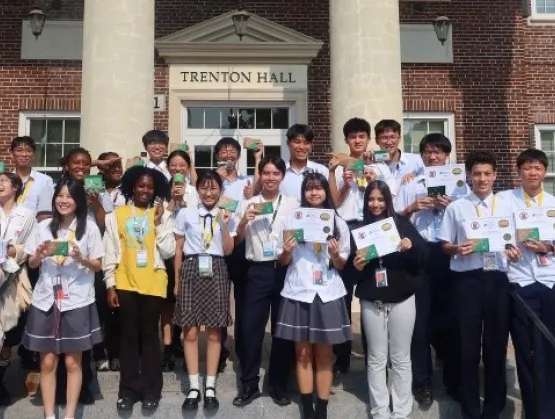
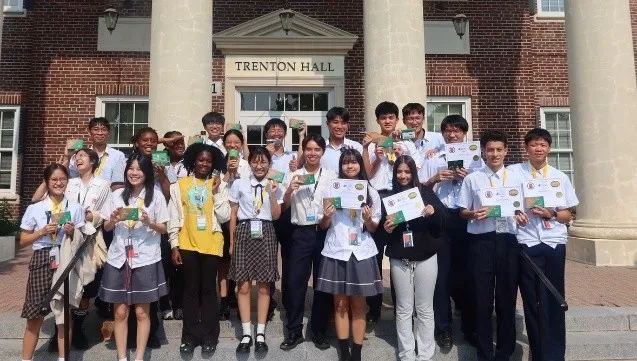
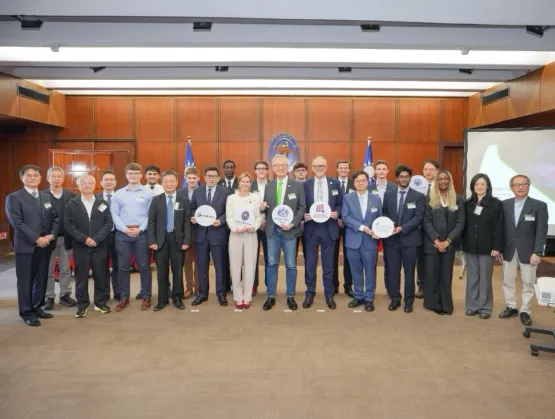
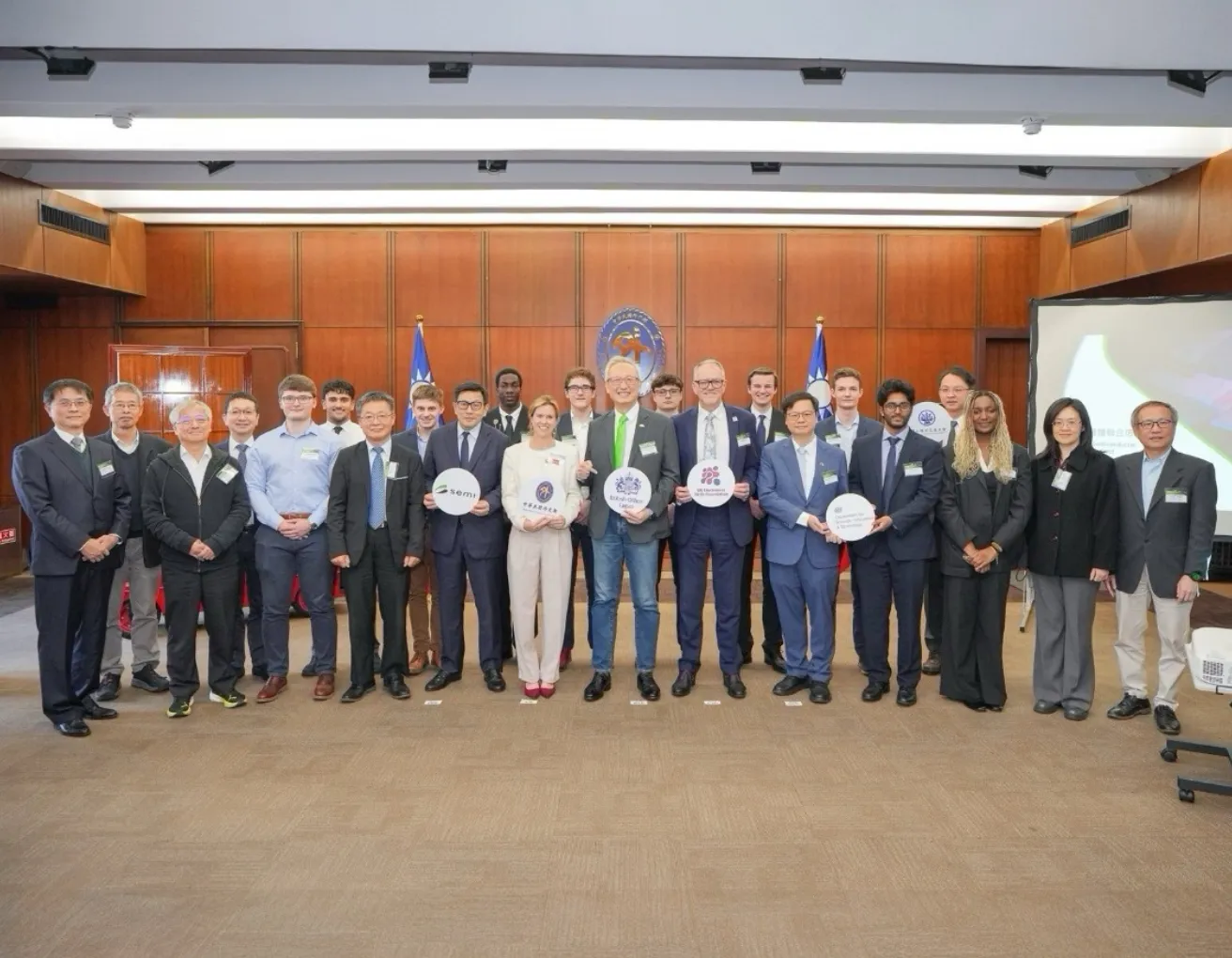
The global semiconductor industry is entering a new phase of growth to keep pace with the increasing demand for artificial intelligence (AI), high-performance computing (HPC), and system-level integration. At the same time, rapid technological advancement is intensifying the need for highly skilled talent. Industry projections indicate that by 2030, the global semiconductor sector will face a shortage of more than one million professionals, making talent a critical variable shaping competitiveness and supply chain resilience.In this context, governments and industry organizations worldwide are accelerating efforts to develop talent pipelines and strengthen cross-border collaboration. For a highly globalized industry like semiconductors, the movement of talent and exchange of knowledge are no longer confined to individual markets, but are essential to the development of a resilient and interconnected global ecosystem. Increasingly, competition is extending beyond technological breakthroughs to the ability to build and sustain a global talent pipeline.Supported by a cross-border collaboration framework, SEMI and the UK Electronics Skills Foundation (UKESF) have jointly organized a program to cultivate the next generation of semiconductor talent. Through structured exchange mechanisms and close collaboration with industry, academia and public sector partners, the program connects global talent with real-world industry environments and contributes to building a more sustainable foundation for long-term workforce development.From Lab to Fab: Understanding the Path from Research to ManufacturingA core objective of the project is to bridge the gap between academic research and industrial application. Through a 14-day immersive experience combining industry engagement and hybrid learning formats, participants engage directly with experts and gain a system-level understanding of how the semiconductor industry operates—from research and development to high-volume manufacturing.The program covers key segments of the semiconductor value chain, including advanced research, wafer fabrication, IC design, packaging and testing, and system applications. This integrated learning experience enables participants to move beyond isolated technical knowledge and develop a broader understanding of how innovation is translated into scalable industrial capabilities.As one participant shared: “Experiencing the award-winning R D solutions at ITRI and the massive scale of wafer manufacturing at UMC firsthand was unforgettable. It was incredibly inspiring to see how advanced research is translated into global manufacturing capabilities—from lab to fab.”Participant feedback highlights a clear shift in understanding. Through hands-on learning and industry engagement, participants moved beyond isolated technical knowledge to develop a more comprehensive, system-level perspective of the semiconductor industry—supporting more effective collaboration across the global ecosystem.A Practice-Oriented Approach: Redefining Semiconductor Talent DevelopmentAs technology evolves and industry demands shift, traditional discipline-based education models are no longer sufficient to fully meet the needs of semiconductor manufacturing and R D environments. Increasingly, the industry is seeking talent with cross-disciplinary capabilities and hands-on experience.The project adopts a “learning by doing” approach, combining laboratory sessions, expert-led workshops, and company visits to provide participants with practical exposure to semiconductor devices, materials, process technologies, and system design. Participants also gain exposure to real-world applications such as chip security, design verification, and advanced process technologies.From an industry perspective, this approach aligns more closely with evolving workforce needs. Compared with conventional academic training, individuals with cross-disciplinary experience and international exposure are better equipped to understand the interplay between R D and manufacturing, and to integrate more effectively into real-world operational environments.UK participants, dressed in cleanroom suits, gained firsthand exposure to Taiwan’s semiconductor manufacturing environment—observing wafer fabrication equipment up close and engaging in hands-on learning to experience the journey from lab to fab.From Talent Development to Ecosystem ConnectivityAt a time when the semiconductor industry is entering its next phase of growth, talent plays a central role not only in driving innovation, but also in enabling global collaboration. As supply chains become increasingly interconnected, building mechanisms for cross-border talent mobility and cooperation is critical to strengthening both resilience and innovation capacity.At the program’s closing event, “UK–Taiwan Semiconductor Industry and Talent Exchange,” Terry Tsao, Global Chief Marketing Officer and President of Taiwan, SEMI, noted:“By 2030, the semiconductor industry is expected to require more than one million additional skilled professionals. Through international collaboration and industry–academia engagement, SEMI aims to enable more global talent to engage with Taiwan, gain a deeper understanding of its semiconductor ecosystem, and build long-term connections with the industry.”The project reflects a broader objective: not only to develop talent, but to build a sustainable, globally connected workforce network. By fostering a shared understanding and collaboration across borders, such initiatives help align capabilities and drive innovation across the global semiconductor ecosystem.Terry Tsao, Global Chief Marketing Officer and President of Taiwan, SEMI, emphasized the importance of nurturing globally connected semiconductor talent to help drive the industry’s future growth.Advancing Global Collaboration to Meet Long-Term Industry NeedsAs the industry continues to evolve, no single organization or region can address workforce challenges alone. Cross-border collaboration and structured talent development frameworks will be essential infrastructure for the future of the semiconductor industry.Looking ahead, SEMI will continue to expand international partnerships, connecting global industry, academia, and government stakeholders to deepen and scale talent development efforts—supporting the next generation of semiconductor professionals with both global perspective and practical expertise.For more information or partnership opportunities, please contact:Ily TsaiTel: +886-3-560-1777 [email protected] Ily Tsai is Project Manager, Workforce Development at SEMI Taiwan.
Read More
When most people hear “semiconductors,” they think of something abstract: tiny chips, complex equations, cleanrooms hidden behind glass. Relevant, sure, but distant. Compare that to professions like architects or doctors. We can picture their training. We understand their impact. We see a clear path from curiosity to contribution. The semiconductor industry deserves the same clarity and more. Because semiconductors don’t just power devices. They power progress. The semiconductor industry plays a crucial role in sustaining modern life and will remain instrumental in the future. We know this all too well because most of us work within this industry. It isn’t abstract or difficult for us to see how we fit into the grand scheme of this critical industry. It is important to reflect on our initial motivation for entering this field. The technological advancements we are currently developing were likely beyond consideration when we began our careers. Historically, we’ve done a great job of explaining how someone becomes a doctor or an architect: education, residency or apprenticeship, specialization, growth. The semiconductor industry can and must do the same.Imagine clearly mapped pathways that show:High school students how math, science, and technical programs connect to real semiconductor jobsCommunity college and university students how internships, co-ops, and labs translate into manufacturing, design, or research rolesCareer-changers and Veterans how reskilling programs, certifications, and on-the-job training can open doors without starting overWhen people can see the steps, the industry becomes less intimidating and far more inviting.Introducing ChipPathThis is where the SEMI Foundation’s newest platform, ChipPath, comes in! ChipPath, powered by the National Network for Microelectronics Education (NNME) , makes it easier for individuals to understand where they fit today and where they can grow tomorrow. “ChipPath marks a major step forward in our mission to connect people to opportunities in the semiconductor industry,” said Shari Liss, Vice President of Global Workforce Development and Initiatives at SEMI. “By combining career exploration, education pathways, and live job data into one platform, we’re not just helping individuals find jobs, we’re helping them build lifelong careers that drive innovation and impact.”ChipPath helps users explore roles across the semiconductor ecosystem, not just by job title, but by skills, interests, and pathways. A student interested in problem-solving, automation, or precision work can see how those interests translate into manufacturing, technician, or engineering support roles. A career-changer with experience in logistics, quality, or data analysis can quickly identify how their existing skills map to in-demand semiconductor jobs.This shift from “Do I belong here?” to “I can see myself doing this” is foundational. When people can visualize a role that fits them, they are far more likely to pursue it with confidence.Perhaps most importantly, ChipPath doesn’t end with exploration and preparation, it connects talent to actual job openings across SEMI member companies. By serving as a shared access point between job seekers, educators, training providers, and employers, ChipPath strengthens the entire talent ecosystem. Candidates gain visibility into opportunities they may never have discovered on their own. Employers gain access to a broader, more diverse, and better-prepared pool of talent aligned to semiconductor workforce needs.This connection transforms workforce development from a fragmented effort into a coordinated system; one where awareness, training, preparation, and hiring reinforce one another.Access for job seekers doesn’t end once they apply. ChipPath includes resources that help them prepare for the next critical step: the interview. Through guidance on interviewing expectations, communication, and workplace readiness, ChipPath helps candidates show up informed, confident, and prepared to engage. This preparation reduces anxiety for candidates and increases the likelihood of successful matches for employers.When candidates understand how to talk about their skills, experiences, and potential in industry-relevant terms, interviews become more productive, and hiring decisions become clearer.For employers, ChipPath is more than a platform, it has the potential to be a workforce multiplier. It reduces friction for job seekers, improves candidate readiness, and helps align skills with real demand across the industry. By leveraging ChipPath alongside outreach and engagement strategies, employers can help create a talent journey that is easier to navigate, access, and succeed in.When people can see where they fit, understand how to prepare, and connect directly to opportunity, the semiconductor industry becomes within reach.Job seekers today want and need more than just a salary; they want meaningful work and pride in what they do. Our industry offers these opportunities, but we must guide them to find it.Visit http://nnme.org/chippath to explore the platform, build your profile, and take your first step toward a future in semiconductors.Melinda Gomez is Program Manager, Veteran Initiatives at the SEMI Foundation.
Read More
As Europe’s microelectronics industry enters a new era of growth, one question stands out: do we have the talent pipeline to match our ambitions? The European Chips Skills Academy (ECSA), coordinated by SEMI Europe, is addressing this challenge through coordinated action, insightful research, and strong collaboration between industry and academia. Why Talent and Skills Matter The semiconductor sector in Europe is undergoing rapid transformation, driven by the European Chips Act and large-scale investments in design, manufacturing, and packaging. This momentum creates significant demand for engineers, technicians, and specialists across the electronics value chain.However, Europe faces a growing structural challenge. An ageing workforce, modest growth in technical graduates, and limited public awareness of semiconductor careers are widening the talent gap.The ECSA Skills Strategy 2024, published in November 2024, provides a detailed overview of this situation. The updated Skills Strategy 2025, released in November 2025, reinforces the urgency with new data and recommendations.According to the latest report, around 30% of Europe’s current semiconductor workforce will retire by 2030, while the inflow of graduates is increasing by less than 1% per year. This creates an annual shortfall of approximately 10,800 skilled professionals across the European value chain. Read the full report, available to download on the ECSA website.Without decisive action, this shortfall could limit Europe’s ability to meet its strategic goals in semiconductors, electronics, and digital technologies.What is European Chips Skills Academy (ECSA)?ECSA connects industry, academia, training providers, and policymakers to create a sustainable and inclusive skills ecosystem for the electronic components and systems (ECS) sector.Its core objectives are:To attract new talent into semiconductor and ECS careers.To upskill and reskill professionals for emerging roles.To build a long-term, future-ready talent pipeline across Europe.Through this initiative, SEMI Europe is leading the conversation on talent and skills, turning awareness into action and strategy into measurable results.Key ECSA Initiatives:1. ECS Summer School The annual ECS Summer School invites STEM students from across Europe to explore careers in microelectronics through lectures, workshops, and hands-on learning.The 2024 edition took place in Bertinoro, Italy, while the 2025 edition was hosted by the Budapest University of Technology and Economics in August 2025, under the theme “Fascinating Electronics for a Cool World.”The 2026 edition will return to Bertinoro, Italy on August 23-26. These events give students a first-hand look at the semiconductor ecosystem, helping them connect with experts and understand how their studies translate into real-world careers.Read more about the 2025 Summer School.2. “Day in a Fab” WebinarsThe “Day in a Fab” series offers students and young professionals the opportunity to interact directly with experts from semiconductor fabs, design houses, and equipment manufacturers.These webinars provide practical insights into various career paths within the ECS industry, helping participants better understand the range of opportunities beyond traditional engineering roles.By bridging the gap between academia and industry, these sessions help students envision a future within the European semiconductor ecosystem.See upcoming events on the ECSA website.3. Skills Strategy ReportsECSA’s Skills Strategy Reports (2024 and 2025) form the backbone of Europe’s talent development roadmap.They provide:Quantitative forecasts of job demand, workforce needs, and potential skill shortages.Insights from over 130 industry and academic experts.Recommendations for training, mobility, and reskilling programmes.The 2024 Skills Strategy Report can be accessed here, while the 2025 update is available here.These reports help policymakers, companies, and educators align their efforts to strengthen Europe’s competitiveness and ensure a resilient talent ecosystem.SEMI Europe’s Leadership in Talent and SkillsAs the global industry association for electronics manufacturing and design, SEMI Europe plays a central role in addressing the talent challenge.Through ECSA, SEMI Europe:Validates industry needs to ensure training and education are aligned with real-world demand.Connects universities and training providers with semiconductor companies to co-develop curricula.Promotes visibility and inclusion across the ECS community.Supports mobility and collaboration to create a Europe-wide approach to skills development.This leadership transforms the skills agenda from a background issue into a strategic pillar of Europe’s semiconductor ecosystem.Looking AheadThe European semiconductor industry is entering a decisive decade. The technology and investment potential are enormous, but they depend on a skilled and motivated workforce.ECSA’s work from the Skills Strategy reports to the Summer School and student engagement activities is creating a structured, evidence-based approach to developing that workforce.The path forward is clear: attract, train, and empower the next generation of engineers and innovators. With SEMI Europe’s guidance, the European Chips Skills Academy is ensuring that Europe’s ambitions in chips and microelectronics are matched by the people who will make them possible.The European Chips Skills Academy (ECSA) is a pan-European initiative coordinated by SEMI Europe and co-funded by the European Education and Culture Executive Agency (EACEA) under project number 101110124.Learn more about ECSA’s mission.SEMI ContactJatin Mendiratta, Communication CoordinatorEmail: [email protected]
Read More
The Rising Stars: 20 Under 30 blog series celebrates the brightest young leaders shaping the future of the semiconductor industry. These exceptional individuals have earned the SEMI Europe 20 Under 30 Award for making a remarkable impact across the supply chain—whether in engineering, sales, marketing, or R D. Nominations for the 2025 20 Under 30 Award are now open, providing the opportunity to recognize and honor the next wave of industry trailblazers.The series spotlights these rising stars for their career achievements, commitment to innovation, leadership skills, and dedication to driving both business success and community growth.Follow their inspiring journeys and discover how they are thriving and paving the way for future generations in the semiconductor world.Meet Anne-Mary Yeboah, Technology Manager at SoitecWith a background in materials science and a strong interest in technology, Anne-Mary Yeboah has built a career that connects the worlds of engineering and management. After earning her degree in engineering, she deepened her understanding of business through a Specialized Master’s in Management—an experience that broadened her perspective and prepared her for the challenges of a global, fast-moving industry.Today, as Technology Manager at Soitec, Yeboah leads projects that contribute to the next generation of semiconductor innovations. Her journey reflects a balance of technical curiosity, leadership growth, and a belief in the power of inclusion. In this interview, she shares her thoughts on career development, the importance of diversity, and how young professionals can find their voice in a rapidly evolving industry.SEMI: What inspired you to join the semiconductor industry? Yeboah: I’ve always been fascinated by technology, and semiconductors are at the core of innovation today. They are everywhere, from smartphones to electric vehicles, and being part of this field means contributing directly to the technologies shaping our lives and future.SEMI: How did your early experiences and education shape your career path?Yeboah: My engineering studies led me to specialize in materials science, which naturally included semiconductors. Later, I decided to expand my knowledge by pursuing a Specialized Master’s in Management. This combination of technical and business perspectives shaped my career path and ultimately brought me to Soitec, where I now connect both worlds as a Technology Manager.SEMI: Can you share a professional accomplishment you’re most proud of, and explain why it’s significant to you?Yeboah: I’m especially proud of starting my career directly as a Technology Manager. This role has allowed me to contribute to complex, strategic projects and collaborate with teams across functions. Working on products that will drive future innovations is deeply fulfilling and gives meaning to my work every day.SEMI: As a young professional in the industry, what is your greatest challenge? Yeboah: One of the biggest challenges has been finding my voice in a highly experienced environment. It can be intimidating at first, but I’ve learned to turn it into an opportunity to ask questions, learn quickly, and build confidence in my contributions. It has pushed me to develop a broad skill set and become an effective collaborator across teams.SEMI: What advice would you give to younger generations aspiring to make an impact in this industry?Yeboah: Dare to step forward and don’t create your own limits. Ask questions, even when you’re surrounded by experts, curiosity is a strength. Also, be patient. Building credibility and seeing your impact takes time, but each experience helps you grow and move closer to your goals.SEMI: How do you envision future work environments?Yeboah: I see the workplaces of the future as more innovative, inclusive, and collaborative. Diversity should be central, everyone should feel that their voice and perspective matter. At Soitec, initiatives like Women@Soitec are great examples of how gender equality and inclusion can empower people to thrive. I also believe technology and flexibility will continue to reshape how we work, helping us achieve both high performance and balance.SEMI: What impact has the 20 Under 30 Award had on your career? Yeboah: Receiving the 20 Under 30 Award has been a true honor and a wonderful source of motivation. It gave me a moment to reflect on how far I’ve come and to feel proud of my journey. The recognition has boosted my confidence, increased my visibility, and encouraged me to continue pushing forward in my career.Following 20 Under 30 JourneysAnne-Mary Yeboah’s story highlights the determination and adaptability driving today’s new generation of semiconductor professionals. Her ability to bridge science and management reflects the diverse skill sets shaping the industry’s future.The Rising Stars: 20 Under 30 blog series celebrates the exceptional talent and leadership driving the future of the semiconductor industry. Each of the young innovators honored is excelling in their respective fields while shaping the landscape of technology and business with their visionary approaches and dedication. Their stories exemplify the remarkable achievements and unwavering commitment that define the next generation of industry leaders. The series is intended to inspire and motivate future professionals to pursue their passions and embrace the opportunities within this dynamic industry. Stay tuned for more stories of rising stars who are paving the way for continued growth and innovation in the semiconductor world.Learn more about the SEMI Europe 20 Under 30 Award and the recipients honored at SEMICON Europa. SEMI ContactJames Lam, Business Development ManagerEmail: [email protected]
Read More
The Rising Stars: 20 Under 30 blog series celebrates the brightest young leaders shaping the future of the semiconductor industry. These exceptional individuals have earned the SEMI Europe 20 Under 30 Award for making a remarkable impact across the supply chain—whether in engineering, sales, marketing, or R D. Nominations for the 2025 20 Under 30 Award are now open, providing the opportunity to recognize and honor the next wave of industry trailblazers.The series spotlights these rising stars for their career achievements, commitment to innovation, leadership skills, and dedication to driving both business success and community growth.Follow their inspiring journeys and discover how they are thriving and paving the way for future generations in the semiconductor world.Meet Eloise Bond, Senior Etch Process Engineer at KLA Corporation (SPTS Division)Eloise Bond studied Physics at Swansea University before joining KLA in 2019 as an Etch Process Engineer. Since then, she has worked on cutting-edge semiconductor applications while actively promoting STEM through local outreach programs like Generation Tech.A proud recipient of the SEMI Europe 20 Under 30 Award, Bond shares how the recognition boosted her confidence and expanded her network, enabling her to take on new challenges. In her interview, she reflects on overcoming imposter syndrome, the value of flexible work, and the unexpected opportunities that shaped her career. Outside of work, Bond enjoys camping and bouldering.SEMI: What inspired you to join the semiconductor industry? Bond: I’ve always had a passion for science, so pursuing a career in a related field was natural. However, I wasn’t aware of the semiconductor industry until I began studying Physics at Swansea University, which has strong research ties with local semiconductor companies like KLA. Now that I am in the industry, I enjoy the hands-on aspects of my job. I find working with different materials and equipment is more engaging to me than an office-based job. SEMI: How did your early experiences and education shape your career path?Bond: STEM activities during my childhood and visits to museums with my parents sparked my interest in science and the physical world. That curiosity lead me to study physics at Swansea University, which ultimately paved the way to my current role at KLA. As I mentioned earlier, a career in semiconductors wasn’t really a conscious choice until relatively late in my education; I simply followed my passion for science. Today, I’m involved in many of the STEM outreach programs at KLA, helping to promote the semiconductor industry to young children so they can discover the same opportunities that I was fortunate to have had exposure to earlier in my life.SEMI: Can you share a professional accomplishment you’re most proud of, and explain why it’s significant to you?Bond: One accomplishment I’m particularly proud of is building strong customer relationships with a volume production fab in Korea. It was my first experience with direct customer interactions, which felt quite daunting at the time. I was invited to support a tool installation on-site, which allowed me to travel the furthest from the UK I had ever gone. Seeing firsthand how our tools fit into the wider industry gave me valuable context for my day-to-day responsibilities and made my work feel even more impactful. SEMI: As a young professional in the industry, what is your greatest challenge? Bond: Imposter syndrome has been a significant challenge for me. I often find myself in meetings with more senior colleagues and fear I am not performing well enough. However, over time, I have learned that my input is valid and that having multiple perspectives often leads to better outcomes.SEMI: What advice would you give to younger generations aspiring to make an impact in this industry?Bond: To make a difference, you first need to be part of the industry, just getting involved puts you in the room where conversations and decisions happen that you might not otherwise be exposed to.If an opportunity comes your way, take it. I entered this industry due to an opportunity presented to me at the end of my university career. KLA was my first real interview, and I honestly thought my chances were slim. I approached it as a ‘trial run’ and five years later, I’m still here. SEMI: How do you envision future work environments?Bond: I envision a new generation of management that places greater value on work-life balance. In many industries, senior management seem to have a relatively poor work-life balance, such as constantly doing business in the same way they’ve done for the past 40+ years – with constant business travel, working on holidays and long hours in the office. There is still an expectation for younger, ambitious employees to emulate this corporate culture, which creates barriers for those with caregiving responsibilities or other important commitments outside work. I believe a younger, more vocal generation of managers will drive positive changes in how we work. We will see more adoption of fully flexible working and 4-day weeks – happy employees lead to better work outcomes. I also think the technological advances which enabled the rapid switch to “working from home” during the COVID pandemic have permanently reshaped what is possible in terms of flexibly and efficiently.SEMI: What impact has the 20 Under 30 Award had on your career? Bond: This award has given me greater confidence to step outside of my comfort zone. It has also allowed me to increase my network to include colleagues I would have no reason to speak to previously. As a result, I have gained broader knowledge of how KLA operates as a whole and have been able to initiate small cross departmental projects I would not have been possible to before. Following 20 Under 30 JourneysEloise Bond’s journey highlights the passion, resilience, and forward-thinking mindset that characterize today’s emerging leaders in semiconductors. Her dedication to both technical excellence and community engagement showcases how rising stars are not only advancing the industry but also inspiring the next generation.The Rising Stars: 20 Under 30 blog series celebrates the exceptional talent and leadership driving the future of the semiconductor industry. Each of the young innovators honored is excelling in their respective fields while shaping the landscape of technology and business with their visionary approaches and dedication. Their stories exemplify the remarkable achievements and unwavering commitment that define the next generation of industry leaders. The series is intended to inspire and motivate future professionals to pursue their passions and embrace the opportunities within this dynamic industry. Stay tuned for more stories of rising stars who are paving the way for continued growth and innovation in the semiconductor world.Learn more about the SEMI Europe 20 Under 30 Award and the recipients honored at SEMICON Europa. SEMI ContactMaria Daniela Perez, Communications ManagerEmail: [email protected]
Read More
The Rising Stars: 20 Under 30 blog series celebrates the brightest young leaders shaping the future of the semiconductor industry. These exceptional individuals have earned the SEMI Europe 20 Under 30 Award for making a remarkable impact across the supply chain—whether in engineering, sales, marketing, or R D. Nominations for the 2025 20 Under 30 Award are now open, providing the opportunity to recognize and honor the next wave of industry trailblazers.The series spotlights these rising stars for their career achievements, commitment to innovation, leadership skills, and dedication to driving both business success and community growth.Follow their inspiring journeys and discover how they are thriving and paving the way for future generations in the semiconductor world.Introducing Mariusz Grabowski: Lead Design Engineer at Cadence Design SystemsMariusz Grabowski, a 2023 20 Under 30 award recipient at the age of 24. He is now a Lead Design Engineer at Cadence Design Systems, Inc., where he’s been making strides in digital systems design for nearly three years. Prior to this role, he gained valuable experience as an FPGA Design and Verification Engineer at Aldec Inc. Grabowski holds a master’s degree with distinction in automation and robotics from AGH University of Science and Technology in Krakow, Poland. During his academic career, he was an active member of both the Avader and Integra Scientific Groups. He also achieved recognition at events like DASIP 2023 and in the International FPGA Hackathon, where he and his team earned 2nd and 3rd place. He is currently also pursuing a postgraduate degree in Project Management at SGH Warsaw School of Economics. SEMI: What inspired you to join the semiconductor industry? Grabowski: I have always been fascinated by the fundamental workings of advanced systems and that curiosity led me to pursue a career in the semiconductor industry. As a digital design engineer, it is exciting for me to contribute to the creation of such large and sophisticated architectures from basic building blocks. Now, I’m proud to be a part of Cadence Design Systems, where I can work on the cutting-edge designs with some of the most talented and hard-working engineers. Grabowski and his team at the awards ceremony at FPGA Hackathon 2023SEMI: How did your early experiences and education shape your career path?Grabowski: During my studies, I had the opportunity to work on hands-on projects with an FPGA platform, which led me to my first job as an FPGA design and verification engineer. That experience gave me a broader perspective on the industry’s scale and reinforced my passion for tackling challenges, learning and growing in this field.Grabowski presenting his paper at the DASIP 2023 ConferenceSEMI: Can you share a professional accomplishment you’re most proud of, and explain why it’s significant to you? Grabowski: For me, it is successfully balancing full-time studies with work. It was a challenging experience, but it provided invaluable opportunities to grow my skills and gain hands-on experience. During that time, I completed numerous projects, participated in scientific conferences and industry events like DASIP 2023, and even earned 2nd and 3rd place in the International FPGA Hackathon. These achievements reinforced my passion for the field and my ability to thrive under pressure. SEMI: As a young professional in the industry, what is your greatest challenge? Grabowski: One of the biggest challenges is navigating the complexity of large-scale projects, where seamless coordination between multiple teams across the globe is crucial. As someone still early in my career, gaining the experience to manage the cross-functional aspects of a project while ensuring my own contributions are technically sound has been both demanding and rewarding.Grabowski at the Discussion Panel on Industry Career Perspectives at DATE 2024 ConferenceSEMI: What advice would you give to younger generations aspiring to make an impact in this industry?Grabowski: The sheer amount of information and complexity in the industry can feel overwhelming. It is essential to embrace curiosity and continuous learning, but it is also crucial to recognize that you can’t do everything alone. My advice is to find your area of expertise and collaborate with others; teamwork is key to bringing impactful projects to life. Cadence’s Design Team in Warsaw, Poland Manager Jacek Rosiak—3rd from the leftSEMI: How do you envision future work environments? Grabowski: I envision future work environments as places where technology fosters creativity and collaboration, diversity is celebrated, and flexibility and work-life balance are prioritized. These environments will empower employees to perform at their best while feeling supported and valued. I am proud to be a part of Cadence Design Systems, where I feel that these values are strongly cultivated. SEMI: What impact has the 20 Under 30 Award had on your career? Grabowski: Receiving the 20 Under 30 Award was an incredible validation of the hard work I’ve put into my role. It gave me a confidence boost, affirming that I am on the right path and capable of making meaningful contributions to my company and the broader semiconductor industry. It also brought significant recognition, which opens up numerous opportunities.Following 20 Under 30 JourneysMariusz Grabowski’s journey in the semiconductor industry highlights the power of dedication, curiosity, and continuous learning. From his early experiences with FPGA platforms to his significant accomplishments in both academia and industry, Grabowski is a true example of how passion and hard work can drive meaningful contributions. As a young professional, his insights offer valuable inspiration for the next generation of engineers eager to make their mark in this ever-evolving field. With a bright future ahead, Grabowski is sure to continue influencing the world of technology, one innovative project at a time.The Rising Stars: 20 Under 30 blog series celebrates the exceptional talent and leadership driving the future of the semiconductor industry. Each of the young innovators honored is excelling in their respective fields while shaping the landscape of technology and business with their visionary approaches and dedication. Their stories exemplify the remarkable achievements and unwavering commitment that define the next generation of industry leaders. The series is intended to inspire and motivate future professionals to pursue their passions and embrace the opportunities within this dynamic industry. Stay tuned for more stories of rising stars who are paving the way for continued growth and innovation in the semiconductor world.Learn more about the SEMI Europe 20 Under 30 Award and the recipients honored at SEMICON Europa. SEMI ContactMaria Daniela Perez, Communications ManagerEmail: [email protected]
Read More
The inaugural SEMIEXPO Heartland scheduled for April 1-2, 2025 in Indianapolis, Indiana, with a focus on Smart Mobility and Smart Manufacturing, provides an opportunity for industry collaboration and growth. These key markets will help drive the semiconductor in achieving a common goal – reaching $1 trillion in revenue by 2030. A critical component in achieving that goal is a sustainable talent pipeline.For the SEMI Foundation, this new expo and conference means partnering with industry and academic stakeholders to cultivate a more inclusive workforce, where everyone is welcome and can establish a rewarding career while helping the semiconductor industry fulfill its potential. Analysts estimate that by 2030 the chip industry will need 1 million more skilled workers to meet exploding demand for semiconductors.Similar to Semiconductor Day programming, the Workforce Development (WFD) Pavilion will connect SEMI members, including human resource professionals and talent recruiters from across the microelectronics industry, with current job seekers and those aspiring to work in the industry.Students, recent graduates, military veterans and professionals returning to work after an absence will discover how microelectronics enable a smart future that is radically changing everyday life—from autonomous vehicles to powering the latest smartphones to the impact of AI on manufacturing. The Workforce Development Pavilion is made possible through the generous support of sponsors ASML, Comet Technologies USA and VAT. SEMIEXPO Heartland partners include Applied Research Institute, Indiana for the Bold, Purdue University and Visit Indy.Pathways to SuccessMike Glavin, SEMI Foundation Program Director of Workforce Development will kick off the two-day programming with an overview of the many national and global initiatives SEMI offers to support member companies in their efforts to attract, develop and retain a skilled workforce. Our resources and initiatives expand the talent pool, attract workers with different experiences and perspectives, and help employers train and grow innovative teams.His presentation will be followed by a series of ‘Day in the Life” presentations by KLA, Pivotal Systems, EMD Electronics and Micron Technology. Career opportunities in the semiconductor ecosystem are vast due to the depth and breadth of the industry and professionals from varied backgrounds will highlight what they do at their companies and why this industry offers so many excellent career opportunities.A presentation from EMD Electronics will discuss how rotational programs can help companies identify, nurture and retain top talent. Following the presentations on day one, students can meet with industry professionals and human resources experts at the Flash Mentoring/Ask an Expert session to learn more about career opportunities and discover what it’s like to work in the semiconductor industry. Companies participating in the session will include ASML, Brewer Science, Brooks Automation, Comet USA, EMD Electronics, KLA, Micron, Pivotal Systems, WGNSTAR. Enthusiastic students attend SEMI Foundation workforce development programming in April 2023.Expanding Career OpportunitiesIn addition to ‘Day in the Life’ presentations by industry professionals from ASML, Brewer Science, Brooks Automation and Synopsys, expo visitors on day two also will hear about Resume Building and Interviewing Skills from a Talent Engagement Lead at ASML. The SEMI VetWorks: Advancing Veteran Careers in Semiconductor Technology presentation showcases how talent professionals can connect with veterans and military communities to grow their workforce. Talent professionals will learn about two exciting Purdue University programs: The Summer Training, Awareness, and Readiness for Semiconductors (STARS) is a workforce development program launched by the university to attract and train students for careers in the microelectrons industry. SCALE is a program engaging K-12 schools and teachers in Microelectronics Workforce Development. Both sessions will be presented by Purdue University faculty members and provide industry professionals with an opportunity to expand the talent pipeline. The day’s programming concludes with a resume review. During this interactive session, students and job seekers can have their resume reviewed by professionals from ASML, Brewer Science, Brooks Automation, Comet USA, EMD Electronics, KLA, Micron, Pivotal Systems, Synopsys, and WGNSTAR. Connect and LearnPresentations throughout the two days are meant to engage students and jobs seekers on exciting careers in semiconductors. To register for expo and conference and learn more about all the sessions scheduled in the Workforce Development Pavilion, visit SEMIEXPO Heartland. Margaret Kindling is Senior Program Manager at the SEMI Foundation. She promotes inclusive workplaces via initiatives like Women in Semiconductors, Semiconductor PRIDE and develops workforce development programming at SEMICON West and SEMIEXPO Heartland.
Read More
The semiconductor industry is important for a myriad of reasons. We are all familiar with how these tiny chips full of electricity and nanotechnology fuel innovation and global connectivity, impact our economy, and play a vital role in national security. We also acknowledge that, just as it took decades to achieve such technological success, it also required many innovators from different backgrounds who contributed an array of perspectives and specialized knowledge. The advancement of this industry is essential to our economic growth and national security, and its historical development is significant. In honor of Black History Month, we appreciate and celebrate the impact of Black innovators in STEM who helped lay the foundation for semiconductor technologies.Engineer and video game developer Jerry Lawson in his office, circa 1980. (Strong Museum of Play)Back in 1958, Fairchild Semiconductor in San Jose and Texas Instruments in Dallas both developed the integrated circuit (IC), setting the stage for future tech innovations. Fast forward to the early '70s when Gerald “Jerry” Lawson, an engineer at Fairchild, took that foundation and changed the gaming world forever. Lawson led the team that created the Fairchild Channel F, the first console to use ROM cartridges—making it possible to swap out games instead of being stuck with the ones built into the system. Before that, he even built a coin-operated game called Destruction Derby using Fairchild’s F8 microprocessor. Thanks to Lawson’s work, we went from basic arcade games to the expansive gaming experiences we have today. So, the next time you fire up your PlayStation or Xbox, give a nod to Jerry Lawson, the father of the game cartridge and a true pioneer in the industry.Dr. Shirley Ann Jackson as an employee at Bell Labs. (wowstem.org aip.org)Bell Labs made history in 1947 with the invention of the transistor, a game-changer for electronics. Years later, Dr. Shirley Ann Jackson, the first African American woman to earn a Ph.D. from MIT, carried that legacy forward with her groundbreaking research at Bell Labs. Her work on electronic switching and signal processing helped make modern telecommunications faster and more reliable. Thanks to her theoretical contributions and advancements in strained-layer semiconductors, the way data travels over long distances was completely transformed. So, the next time you’re streaming a video or making a call, you’ve got pioneers like Dr. Jackson to thank for the tech that keeps us all connected.Many more historical figures from the Black community have made significant contributions to STEM. Here’s just a small sample of those pioneers and their achievements:Dr. Mark Dean via @IBM on TwitterDr. Mark E. Dean co-developed the first gigahertz microprocessor, capable of performing a billion calculations per second, and holds three of the original nine patents for the IBM PC. Dr. Frank S. Green Jr. made key contributions including advancements in thin-film transistors, integrated circuits, and semiconductor materials, shaping modern microelectronics and solid-state devices while at Bell Labs. Dr. Patricia Bath (prnewswire.com)Patricia Bath developed laser technology for cataract treatment powered by diode (semiconductor) lasers. Dr. James E. West was a co-inventor of the foil-type electret technology that influenced MEMS microphones, which use semiconductor microfabrication techniques to create highly sensitive, miniaturized audio sensors. Left, a portion of the patent plan designed by Marie Van Brittan Brown and her husband Albert, right. (Marie Van Brittan Brown and Albert L. Brown, courtesy U.S. Patent and Trademark Office; New York Times / Redux)Marie Van Brittan Brown invented the closed-circuit television (CCTV) security system, a precursor to modern surveillance technology, demonstrating how semiconductors transformed security systems and paved the way for the advanced digital surveillance systems we use today. Valerie L. Thomas was a physicist, inventor and NASA analyst who patented illusion transmitter technology that projected the appearance of a 3D image. This virtual reality-like technology is still used by NASA today.For many young people, a lack of role models in STEM can discourage them from considering these fields. When students don’t see individuals who share their backgrounds or experiences represented in these industries, STEM careers can feel out of reach or unwelcoming. Seeing people who have similar stories helps break down those barriers and shows students that these paths are open to them.There’s a deep sense of pride and fulfillment in supporting workforce development and opening doors for the next generation. By bringing attention to the often-overlooked contributions of Black inventors, scientists, and engineers—especially in the semiconductor industry—we hope to inspire a wider range of young people to explore these opportunities. Sharing these stories not only honors those who have shaped the industry but also encourages students to imagine themselves as future leaders in the field.As the semiconductor industry continues to evolve, it’s essential to build a strong talent pipeline that is welcoming to all. Even from non-technical roles, we play a vital part in shaping that future by raising awareness, sparking curiosity, and helping young people discover the vast possibilities within this exciting industry.Jeana Harper-Kirkland is the SCAN Michigan Program Navigator at the SEMI Foundation, focusing on K-16 educator resource management, Educational Research and Dissemination, and supporting Workforce Development training programs.Richard Walker is the Senior Program Manager of Industry Awareness at the SEMI FoundationReferences Biography.com Editors, “Mark Dean” https://www.biography.com/inventors/mark-dean Britannica “integrated circuit” https://www.britannica.com/technology/integrated-circuit Britannica “Shirley Ann Jackson American scientist and educator” https://www.britannica.com/biography/Shirley-Ann-JacksonCherry, Ronnia “7 Black Innovators Who Shaped the Tech Industry“ https://www.newegg.com/insider/7-black-innovators-who-shaped-the-tech-industry/ Harvard (The Center for Hellenic Studies) “Africa: Greek and Roman Perspectives from Homer to Apuleius” https://chs.harvard.edu/chapter/introduction-7/#:~:text=This%20book%20considers%20the%20contact%20between%20Greco-Roman%20civilization,understand%20Africa%20appeal%20to%20the%20realm%20of%20myth. Hilgers, Laura (Smithsonian Magazine) “Marie Van Brittan Brown” https://www.smithsonianmag.com/innovation/history-home-security-alarm-180977002/ March 2021How Stuff Works, “Did the ancient Greeks get their ideas from the Africans?” https://history.howstuffworks.com/history-vs-myth/greek-philosophers-african-tribes.htmJohns Hopkins Whiting School of Engineering “Dr. James E. West”https://engineering.jhu.edu/faculty/james-west/Nokia Blog “The transistor: 75 years since the famed Nokia Bell Labs invention changed the world” https://www.nokia.com/blog/the-transistor-75-years-since-the-famed-nokia-bell-labs-invention-changed-the-world/Purdue University College of Engineering, “Frank S. Greene Jr” https://engineering.purdue.edu/Engr/People/Awards/Institutional/DEA/DEA_2002/greene Rocchio, Laura E.P. “Valerie L. Thomas”https://mynasadata.larc.nasa.gov/stem-career-connections/meet-dr-valerie-l-thomas-landsat-image-processing-specialist UCLA Health, "Patricia Bath” https://www.uclahealth.org/news/release/in-memoriam-dr-patricia-bath-76-physician-and-inventor-who-helped-restore-or-improve-vision-for-millionsYarlagadda, Tara "Jerry Lawson Forever Changed the Video Game Industry" 1 January 1970. HowStuffWorks.com. https://science.howstuffworks.com/innovation/big-thinkers/jerry-lawson.htm
Read More