downloadGroupGroupnoun_press release_995423_000000 copyGroupnoun_Feed_96767_000000Group 19noun_pictures_1817522_000000Member company iconResource item iconStore item iconGroup 19Group 19noun_Photo_2085192_000000 Copynoun_presentation_2096081_000000Group 19Group Copy 7noun_webinar_692730_000000Path
Skip to main content
Default Banner Image

Japan

In much of post-lockdown China, urban life is humming. The streets of Beijing and Shanghai are bustling with traffic, smog again shrouds city skylines with the resurgence of economic activity, property sales are bouncing back and a revival in consumer confidence is taking hold. Emerging from monthslong shelter-in-place orders, the nation has seized a large measure of control in containing COVID-19 as it breaks fertile new ground in pandemic response and recovery. In Wuhan, Hubei, the fountainhead of the novel coronavirus, one company offers a striking example of China’s muscular COVID-19 containment efforts, carefully continuing to operate through January and February as the virus set root, said Karel Eloot, a Shenzhen-based senior partner and Asia leader of Transformation and Operations practices at McKinsey Company, speaking at a recent webinar presented with SEMI. Soon, COVID-19 spread to eight other provinces that suffered serious outbreaks and forced the nationwide lockdown that sent China’s GDP plunging 7 percent, its first contraction in 28 years. An impressive array of safety protocols, many designed to reduce people density as a bulwark against the virus, animates China’s fight against COVID-19, a return-to-work movement that is laying a path forward for companies around the world. It is these measures, Eloot said, that have kept the Wuhan company afloat and helped other businesses across China restore operations with unusual speed. Community and Social Distancing – The Heart of China’s COVID-19 Response In establishing safeguards, many companies started by assessing staffing requirements, identifying workers essential to sustaining on-site operations while allowing others, such as white-collar staff, to work from home, though some have since returned to their offices. Seen as non-essential, some factory maintenance workers have been instructed to stay home. To fill staffing gaps, business have turned to multi-skilling practices, such as having on-site supervisors and engineers step out of their daily roles to handle lower-level operations activities. Much of the focus has been on community distancing, with businesses quickly identifying workers suffering even minor COVID-19 symptoms and using contact tracing to prevent sick or vulnerable employees from entering offices and factories and turning them into hot zones for community spread, Eloot said. Manufacturing facilities are staggering work shifts to reduce people density, closely monitoring workers’ body temperatures with an eye toward other symptoms, and following up with medical tests and quarantines as needs dictates. QR codes, long a staple of e-commerce, have been a particularly effective weapon in combatting COVID-19. Companies are deployed the scanning technology to identify workers by color code – green, yellow or red – and assign various levels of site access depending on who they’ve been in contact with. Some factory workstations are now walled off by transparent plastic sheeting to prevent COVID-19 infection through aerosol drift. In business meetings and lunchrooms, staffers sit spaced a safe distance apart and facing the same direction to avoid crosscurrents of the microscopic respiratory droplets that can carry the virus. Others eat in isolation. Meeting room windows are opened, weather permitting, to admit fresh air. And elevators – perfect petri dishes for contagion – are shuttered to ward off human clusters, shifting all floor-to-floor movement to staircases. Companies united by the common goal to keep goods flowing through supply chains are providing masks and other personal protective devices to smaller players most vulnerable to the economic shock of COVID-19. The aim: Shield the companies from the potentially crippling effects of the virus to avoid supply chain breakdowns that can undercut the performance of the whole. Even competitors have formed unexpected alliances, sharing parts and components that are in short supply. “Some sectors have maintained steady production throughout the crisis” thanks to these practices, Eloot said. “China has been able to create safe communities where people can operate as normal.” Executive Uncertainty Reigns, Hope Springs Eternal with Innovation The objective of China’s fast, forceful response to the COVID-19 outbreak is economic: A V-shaped rebound after the 7 percent wallop to its GDP in the first quarter of the year. The trajectory is among nine economic recovery scenarios McKinsey Company presented to more than 2,000 executives worldwide in a recent survey seeking their views on the likelihood of each. The business leaders coalesced around two – a full restoration of global GDP growth that could materialize this year or extend into next, or a two- to three-year recovery following the initial economic tsunami, Sven Smit, an Amsterdam-based senior partner with McKinsey and global leader of the McKinsey Global Institute and global COVID-19 response team, said at the webinar. The executives see the multi-year recovery as the most likely. The shorter rebound ranked second on a scale of probabilities. Notably, the business leaders found the V-shaped bounceback China is attempting – returning to GDP growth in one quarter – the least likely outcome. But the biggest surprise from the survey, Smit said, was executives’ view that of the two major global interventions for restoring GDP growth – viral and economic – one will be ineffective, reflecting their deep uncertainty about what lies ahead. A growing body of knowledge about COVID-19 tempers that doubt. It’s established fact that the virus is highly contagious, more lethal than the flu, and spread by means including aerosols and touching contaminated surfaces. But only recently has more insight emerged about human immunity. Broad-based blood testing in the Netherlands has discovered that only 3 percent to 4 percent of the people screened are immune to the coronavirus, leaving the vast majority of the population without natural biological protection – a sweeping vulnerability evident in Asian countries hit early by the virus only to see fresh flare-ups after initial containment. Smit warned of the pandemic’s potential resurgence. Testing has revealed that coronavirus cases are underreported by a staggering 10- to 15-fold, a clarion call that countries “need to be very careful about how they re-open economies.” That means in order to keep COVID-19 at bay until a vaccine is developed, the best defenses will remain temperature monitoring, contact tracing, quarantining, social distancing, mask wearing, frequent hand-washing and other proven protective measures. And while the relative contribution of each safeguard to slowing COVID-19’s spread is unknown, Japan, Korea, China, Taiwan and other Asian countries have shown that “if you apply them all, you are likely to keep this virus under control,” Smit said. It remains to be seen whether protections the U.S. and European countries have put in place will stave off the virus as effectively as the rigorous measures implemented by Asian countries and, if the Western regions deploy a different cocktail of safety protocols, how well they will work. The re-opening of their economies promises to reveal the answers – and the McKinsey recovery scenario they’ll face. These and other open questions help explain the uncertainty of the executives McKinsey polled. Pandemic Supercharges, Adds New Urgency to Long-Term Trends What is known is that, far from upending the way all organizations operate, COVID-19 is supercharging secular trends and showing that people can react with dizzying velocity when confronting global mortal threats. That speed, Smit said, “is not determined by the potential of technology, but by events." For decades, doctors and technologists have teamed to develop ways to examine and treat people from afar, yet telemedicine managed to eke out only small, incremental gains in adoption. Since the COVID-19 outbreak, patients have flocked online, with virtual doctor’s visits accounting for more than 70 percent of all physician-patient interactions. “People like it, and we can reach many more patients as a result. It happened in a few weeks,” Smit said. Similarly, teachers and unions have only inched toward digital communications for years, fearing job losses in education at the hands of technology. When schools closed recently under shelter-in-place orders, teachers quickly switched to online lessons. The transition, Smit said, took one weekend. Meanwhile, as office workers holed up at home, usage of teleconferencing applications skyrocketed. “We’re collectively learning at unprecedented speed,” Smit said. “We’re sharing. We’re learning about supply chains. We’re learning about collaboration. We’re learning about masks. We’re learning about contact tracing. We’re learning how to work more efficiently. We’re learning from real-time data about the behavior of people. And we’re investing collectively enormous sums in finding cures and treatments and expanding hospital capacity.” While the coronavirus’s blistering spread caught many countries off-guard, Smit expects scientists to spare no effort to innovate. Expressing hope that new medical interventions will be available by summer, Smit said the world needs to buttress its key lines of defense against the coronavirus until a vaccine is developed – a shield that will quicken the global economic recovery. “The race is on," he said. Related blog COVID-19: Economic and Microelectronics Industry Impacts – Insights from McKinsey Company For McKinsey’s latest insights on the coronavirus pandemic, visit its website, which is updated daily. For the latest COVID-19 information and SEMI event updates SEMI is providing members, visit Coronavirus Resources. Michael Hall is a marketing communications manager at SEMI.
Read More
In the two months since the COVID-19 outbreak in January, the Chinese economy has shifted from shock to ongoing recovery under the guidance of the Chinese government. China has worked tirelessly to restore production at its chip manufacturing facilities, a core strategic industry in the region, and the effort is paying off. Operations at several fabs and OSATs – the domestic semiconductor industry’s chief growth engines – have begun to stabilize.As of mid-March, SMIC had restored its manufacturing lines to over 90% of production capacity and expects to be operating at full bore in the next few weeks, while the company’s R D line has returned to full operation. Huahong Grace reestablished normal supplies of various equipment parts and production raw materials. At Huahong Fab2, 12 new pieces of equipment went online to help increase production capacity, and production at Huahong Fab1 and Huahong Fab3 is now stable. JCET said the company's overall return rate has exceeded 90%. Meanwhile, IDM maker Silan Microelectronics' 6-inch and 8-inch lines maintained 90% production.Production lines at Huahong Group, SMIC, CanSemi, GTA Semiconductor, Samsung (Xi'an) and other mainland China chip manufacturers have been generally operating at normal capacity since the Spring Festival. Lines at YMTC, Tianma, CSOT, and BOE, all in the Coronavirus epicenter of Wuhan, have also returned to normal operations. China’s chip industry is finding its footing, and an impressive host of semiconductor companies are gearing up to participate at SEMICON China 2020, rescheduled to June 27-29. The list includes the major domestic wafer foundries such as Huahong, the major packaging and testing companies such as JCET, TFME, Huatian, and large domestic and foreign equipment companies, among them TEL, ASMPT, DISCO, ULVAC, VAT, ASML, KLA, NAURA, AMEC, Anji, CETC, Sinyang, SMEE, CAS, CANON and SPIROX.DigiTimes, a daily newspaper covering the semiconductor, electronics, computer and communications industries in Asia, interviewed SEMI China President Lung Chu in mid-March about what’s ahead for China’s semiconductor industry. Following is an English translation of the interview. DigiTimes InterviewAs China continues to ramp back up to normal activity, SEMI China is making every effort to hold SEMICON China 2020, a leading international semiconductor industry platform for promoting growth and innovation in China's semiconductor industry supply chain. SEMI China president Chu emphasized that the strong support of SEMICON China 2020 exhibitors and the Chinese government made rescheduling the event to June possible.Chu, a semiconductor industry veteran who has experienced numerous economic and industry upheavals over his career including the SARS shock in 2003, said current global economic uncertainty stems from two black swans – the global COVID-19 pandemic and how long it will take to contain it, and the sharp drop in oil prices triggered by the recent geopolitical dispute between Russia and Saudi Arabia. In China, the government responded with strict containment actions and promoted public awareness of self-isolation, resulting in effective domestic containment as of mid-March. As a major oil consumer, China sees the lower prices as relatively favorable to its economy. Those dynamics should allow China to recover sooner than many other regions, and it could emerge even stronger once the pandemic is contained, despite the current slump in global semiconductor demand, Chu said. Once the epidemic has passed, China is in a position of "turning crisis into opportunity," and the semiconductor industry will recover from the trough, he said. Companies in semiconductor supply-chain sectors face various challenges in restoring normal operations. IC design companies experienced relatively low impact since employees can work from home and most companies are located in major cities in China, where epidemic prevention control is strict. For most chip manufacturers, production has not stopped but is hampered by manpower shortages from restrictions on employees returning to work. IC packaging and testing companies are suffering bigger impacts because of the more labor-intensive nature of their operations. However, all companies in the supply chain will be affected by the decline in demand for electronic products and ICs in 2020. As the COVID-19 threat recedes in China, the region remains unwavering in its commitment to semiconductors as a strategic industry with its continuing efforts to evolve sustainable and reliable localized supply chains, Chu said. Investments in “new Infrastructure” for 5G, the Internet of Things (IoT), data centers, as well as public health services should help drive semiconductor demand for smart applications and devices associated with the new infrastructures as are all powered by ICs, benefiting companies in the global supply chain. The COVID-19 outbreak triggered a slowdown in new factory construction after the Chinese government implemented restrictions on the flow of people resulting in a worker shortage. SEMI has revised downward its forecast of wafer equipment spending in China to just a 3% increase this year.Market analysts revised downward forecasts for 2020 annual global semiconductor revenue growth from 7-10% to 0-5%, while some expect negative growth. The recent COVID-19 outbreaks in Europe, the United States and other regions have created more uncertainty. Declining end-user demand for electronics will drive down spending on upstream equipment for both memory and logic IC device makers. For Chu and his SEMI China staff, the postponement of SEMICON China 2020 has been a “major challenge,” he said. “It is a huge project to communicate and coordinate with the government and to reconfirm with exhibitors and industry leaders.”As a leading industry platform, SEMICON China attracts a large number of global customers and suppliers each year. The major China domestic suppliers, leading foundries and OSATs have confirmed their attendance in SEMICON China 2020. Most key foreign suppliers are planning to staff the event with local teams in case some executives are unable to enter China by June due to travel restrictions if the COVID-19 virus has not been brought under control in the United States, Europe and other regions. To assure the success of the concurrent Forums, SEMI has prepared multiple contingency plans, including live broadcast, video and slide presentations. SEMI will also hold the grand opening session at a larger venue than last year’s event to accommodate more attendees with more sitting distance apart. SEMI will follow government guidelines to implement appropriate public health and safety measures during SEMICON China. "Ensuring the welfare of all exhibitors and guests and providing a safe exhibition environment is SEMI’s top priority," Chu said.Cherry Sun is a marketing manager at SEMI China.
Read More
The ESG MarketElectronic Gases represents the largest percentage of the spend on chemicals and materials by semiconductor producers. Taken altogether, the spend on Electronic Gases was almost $6 billion worldwide in 2018. Recent critical shortages of key gases have impacted the industry tremendously and, in some cases, has also limited output. The Electronic Specialty Gas (ESG) market, while a small segment of the global gas market, is one of the most complex and least understood market segments of the electronic chemicals and materials landscape. Linx Consulting estimates that the ESG market totaled nearly $3.4 billion in 2018, up from roughly $3.1 billion in 2017 with a growth rate of 10 percent last year. Growth was driven by rising demand and the increasing use of higher-value products in applications such as etch and specialized deposition. ESGs are used in the manufacture of electronic devices that are subsequently assembled in systems and in a variety of processes such as film deposition, film etching, substrate doping and chamber cleaning. The devices – semiconductors, LEDs, and displays – are processed on larger substrates, and then separated before assembly.Key differentiators for ESGs are not only the technical complexity of the gases and mixtures supplied, but the purity and consistency demands placed on the gas supply. Product purity and consistency, often at the limits of analytical capability, must go hand in hand with rigorous application of statistical process control in manufacturing and absolute delivery reliability. ESGs include fluorocarbons, hydrocarbons, deposition precursors, dopants, corrosives (halides/hydrates) and rare gas mixtures.The key end-use markets for ESGs include semiconductor wafer fabrication, flat panel display (FPD) manufacture, compound semiconductors / LEDs production and Photovoltaics cell manufacture, as illustrated below in Figure 1. Figure 1 - ESG Market by End-Use Applications Source: Linx Consulting The semiconductor industry is the largest user of ESGs and has the most diverse ESG requirements in terms of products, package sizes and purity requirements. The semiconductor industry uses all the different specialty gases produced. Purities are typically 4N and above and the packages can range from small cylinders to tonner/Y packages to tube trailers. The ESG market is global, with key demand centers in China, Europe, Japan, Korea, Southeast Asia, Taiwan and the United States. The Flat Panel Display (FPD) community is the second largest user group for ESGs. However, the breadth of ESG products used in FPD fabs is much more limited than in the semiconductor industry. Key product applications include silicon sources, dopants, oxidation and nitridation sources, chamber cleans, and etchants. ESG use has grown with the development of the FPD industry across both TFT-LCD segment and AMOLED segment, with many large end users in Korea, China, Taiwan, and Japan. Korea and China boast large ESG supply infrastructures geared towards serving the FPD industry. Early on, these countries targeted the development of the FPD industry and the associated value chain, so there has been large-scale development of required ESG products such as NF3 and silicon precursors. When we review the markets in aggregate, coupled with the geographic intensity of the electronics industry in Asia, it is unsurprising that a vast majority of the ESG market would be in Asia, as illustrated in Figure 2, below.Figure 2 - ESG Market by Key RegionSource: Linx Consulting Key ApplicationsThe applications for ESGs can be readily tied to major thin film fab processes that are commonly used in the microelectronics industry. The processes include dielectric and metal etch, dielectric deposition, metal deposition such as titanium or tungsten, deposition of non-silicon materials such as hard masks etc., dopants for thermal diffusion methods and ion implantation, reactor chamber cleaning; as well as some other specialty applications. This is illustrated in Figure 3 below. Figure 3 - Applications for ESGsSource: Linx Consulting Clearly there is a close tie-in for ESGs into thin film deposition (CVD and chamber cleaning) and etch processing. In the future, the industry will increase its use of ESGs with novel deposition and etch processes. New applications may include lower temperature deposition, high deposition rate processes, flowable CVD films for high aspect ratio structures, and high selectivity deep etching with greater uniformity. All these processes improve device performance and will rely on ESGs and rare gases as enablers. Outlook for ESGsOverall, we believe that the ESG market will grow at a compound rate of about 6 percent over the next five years. Currently the largest six suppliers – Versum Materials, SK Materials, MTG/TNS, Air Liquide, Linde/Praxair, and KDK – control about half of the overall market, with about 50 suppliers accounting for the other half of the market. We anticipate that as the industry continues to grow, we will continue to see changes in the supplier base with both continuing consolidation and new regional suppliers emerging as unique technologies and value-added capabilities enter the market.For More InformationThis article is based on insights and analysis from Linx Consulting’s Electronic Specialty Gas report. The annual report is considered the leading industry source for comprehensive information about demand for specialty gases used in the electronics industry. We track more than 60 different ESG products used across the global semiconductor, flat panel display, solar and compound semiconductor industries.For more information, please contact [email protected], or Mike Corbett at +1 973 698 2331, Mark Thirsk at +617 273 8837, or Andy Tuan + 886 952 111222, or visit Linx Consulting.Interested in engaging with the electronic materials supply chain? The Electronic Materials Group (EMG) is a SEMI technology community representing SEMI member companies that provide substrates, polymers, metals, organic and inorganic materials, chemicals, and gases developed for electronics manufacturing. Linx Consulting has been a longtime member and supporter of the SEMI Electronic Materials Group.Mike Corbett is managing partner and Andy Tuan is managing director, Asia, at Linx Consulting.
Read More
Flexible hybrid electronics (FHE) is innovation and modern technology at their best, giving rise to lighter, more malleable sensors that better conform to the human body while breeding new applications across a number of markets. For the semiconductor industry, FHE technology is enabling the development of a new generation of chips with the high performance, light weight, scalability, softness and flexibility usually seen in printed electronics. The technology is a boon to chipmakers, giving them novel ways to innovate for the Internet of Things (IoT) market.“The global printed electronics market is expected to garner 14.9% GAGR from 2018 to 2023,” said Stanley Wong, Director of Asia Business Development, Brewer Science, said in his presentation at FLEX Taiwan 2019 in late May. Representatives from industry, government, academia and research institutions gathered at the event in Taipei to explore flexible electronics innovation and growth opportunities.One shining star of FHE innovation is the foldable smartphone. So bright is the future of the bendable devices that not even recent trade tensions between the United States and China have dimmed prospects for the fledgling industry.“While the US-China trade war might slow down shipments of Huawei’s phones, the industry remains bullish on foldable phones,” said Stacy Wu, Principal Analyst at IHS Markit. “When the first generation of flexible AMOLED displays was launched in 2016, the rolling radius was 3mm and it could be folded 200,000 times.”For foldable phones, the 200,000 mark was a major milestone – the industry’s consensus standard for foldable phone display reliability. The industry reasoned that phones capable of being folded and unfolded 200,000 times without distorting color or images or the display itself cracking was a safe bet for consumer adoption. Earlier this year, both Samsung and Huawei announced foldable phones using the thin-film-display technology, ushering in the era of mass-market availability of the devices. Steve Chiu, Division Director for Electronics, IC package, Industrial Technology Research Institute (ITRI), believes that breakthroughs in the next generation of flexible AMOLED technology will allow thin films to be folded 100,000 times with a rolling radius up to 30mm and electric resistivity of less than 10 percent. The rolling radius of 30mm, 10 times higher than today’s phones, will give foldables a higher bending radius, while the lower electric resistivity will help maintain the brightness of the AMOLED panel after tens of thousands usages and extend the service life of foldable smartphones.The biggest challenge facing the foldable phone industry remains developing new materials that are flexible yet durable, stressed Francesco Lemmi, Business Development Director, Flexible Display, at DuPont. Today, the prevailing practice is to layer polyimide (PI) and hard coating on the display module. These stacked protective films replace traditional glass panels but present technical challenges related to impact resistance and the durability of the display as it is folded and unfolded over time.Smart clothing market is another hot market, with 33 percent global growth annually and revenue expected to reach US$ 3.26 billion in 2026. Yet for all the promise of smart clothing, reliability and accuracy remain a big challenge chiefly due to a lack of industry standards. Another gap is the unanswered question of whether consumers will embrace light and energy-efficient products.FLEX Taiwan 2019 speaker Satoshi Maeda of Toyobo is confident they will, pointing out that in the future consumers will enjoy a wide selection of comfortable smart clothing products and applications. The industry is still working to better understand how to develop human-machine interfaces, the essential seam between the human body (the outer layer of skin) and electronics, said Dr. Reinhold H. Dauskardt of Stanford University. Still, he sees great promise in an innovative somatosensory communications platform involving human skin. Human-computer interactions have historically been defined by human touch and vision (for example, typing at a computer keyboard and checking our monitor for the accuracy of our inputs). Dauskardt believes that, in the future, electrical impulses from the skin (conductance) will interact with signals from electronic devices to establish a more intimate human-machine interface that could be adapted one day to extend the visual and auditory abilities of humans.David M. Yeung, co-founder and CEO of Lionrock Batteries, pointed to another challenge in wearables: battery size. Today, large and heavy batteries account for 50 percent to 70 percent of the space in wearable devices, making many of the products too cumbersome to wear. Nanofiber lithium-ion batteries now under development can be as small as ultra-thin 2mm with a rolling radius of up to 20mm in radius and support for high electrical currents, significantly lightening their weight and improving comfort.Nardev Ramanathan, Lead Analyst, Digital Health and Wellness at Lux Research, predicts that, of all flexible electronics products, smart watches will win the largest market share and with the fastest rate of adoption. The devices will get a boost when they shrink as flexible batteries are integrated with the bands. The next wave of smart wearables will feature devices for exercise or medical monitoring. Already, FHE materials have led to advances in medical devices. One example is that smaller hearing aids are now possible thanks to flexible electronics and dressings used to promote skin regeneration, reduce wrinkles and remove scars.Gillian Ewers, VP Marketing at PragmatIC, sees fertile ground for FHE applications in IoT solutions. As FHE manufacturing costs drop, she believes IoT technologies will significantly deepen their penetration into a broad range of industries. For example, the number of electronic tags used in convenience stores worldwide will exceed 100 billion in 2025. Thinner than human hair and more durable than traditional wafers, these tags are expected to spawn a host of new business opportunities. FLEX Taiwan attracted more than 270 attendees from more than 30 fields including smart healthcare, e-paper, displays, system integration, automotive electronics, textiles, wearables, and avionics. On the first day of the event, industry, academia and research center representatives from the United States, Japan, China, Singapore and Taiwan gathered to discuss common goals on a range of FHE-related issues and deepen cross-regional cooperation. Like the FHE industry itself, SEMI-FlexTech remains focused on the future by strengthening cross-border cooperation to help manufacturers find killer applications and test profit-making models. For Taiwanese companies, the event will continue to provide insights on market trends, equipment, materials, advanced manufacturing technologies, product applications and new business opportunities, helping the organizations hone their competitive edge in the global market.Emmy Yi is a marketing specialist at SEMI Taiwan.
Read More
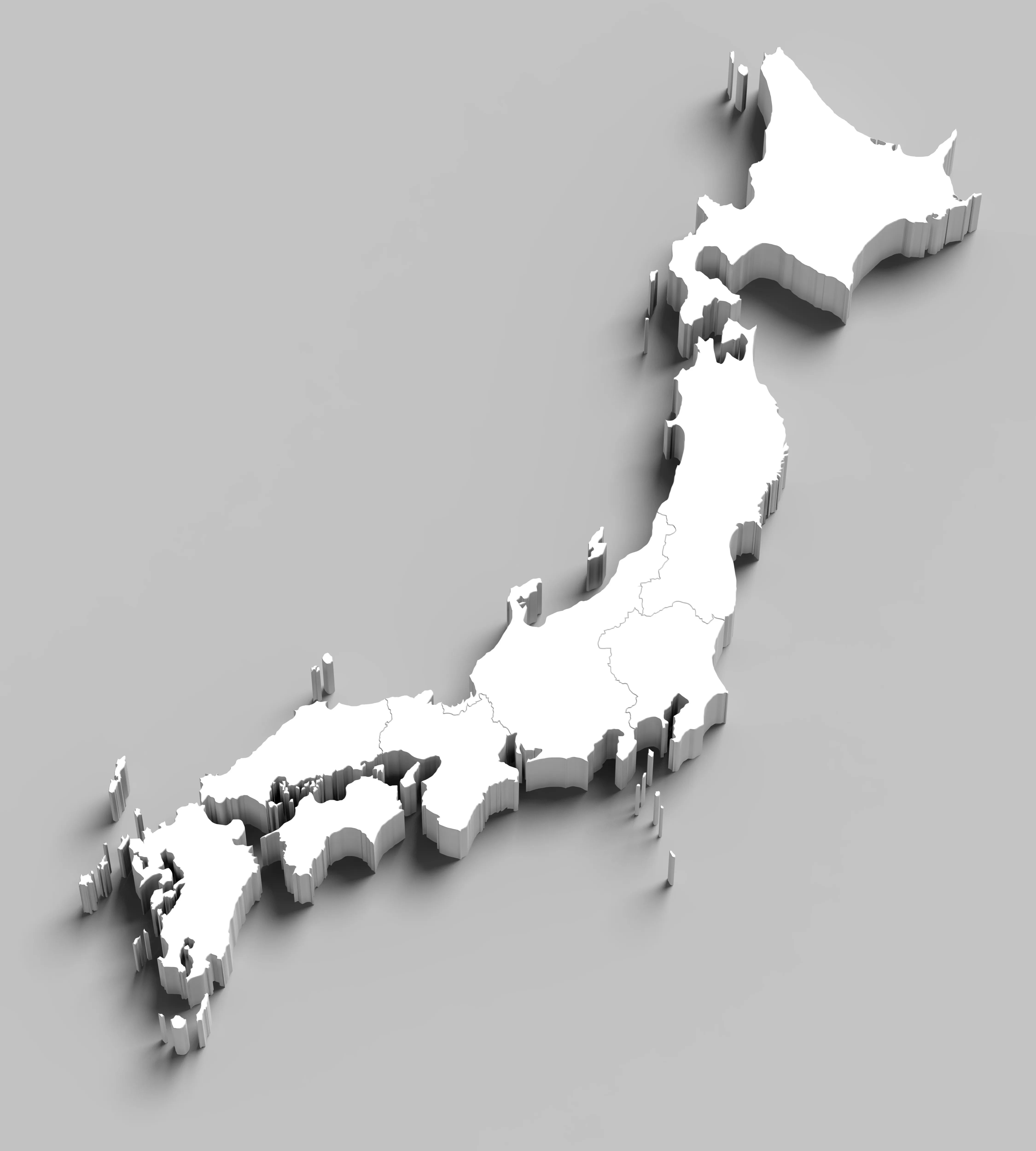
Kyushu, the third largest island in Japan, is home to the semiconductor production bases of integrated device manufacturers (IDMs) with world-class cutting-edge technology. SONY, Toshiba, Hitachi, Mitsubishi, Fujitsu and Nissan are among the sector’s shining stars, though a host of other IDMs tied to the supply chains of other major enterprises have also set root in Kyushu. Collectively, the companies earned Kyushu the name Silicon Island of Japan.Kyushu’s flourishing IDM industry sprouted from favorable tax and other government policies that reduced semiconductor production costs to levels lower than elsewhere in Japan. Once the IC producers had established bases, equipment and materials companies naturally followed, leading to the influx of many parts manufacturers. Together, they came to Kyushu, one after another, to make the island a magnet for manufacturing. And so it was to Kyushu that a SEMI China delegation travelled for a meeting at TEL’s factory in Kumamoto to learn more about the secrets to the rapid growth of the island’s semiconductor industry and promote cooperation between Chinese and Japanese enterprises. Underscoring the rise of the Silicon Island of Japan, China will soon become TEL’s largest market, said Masami Akimoto, Chairman of Tokyo Electron Kyushu Limited, speaking at the event. Masami Akimoto hopes for support from SEMI China.The island of 12 million people contributes to the growth of the global semiconductor industry, expected to reach USD 500 billion in size in 2019 as China’s semiconductor sector, fueled in part by government-backed investment funds, continues its rapid expansion. Despite the gains, China still lags other regions in advanced manufacturing, said Lung Chu, president of SEMI China, which is doing its part to draw more advanced manufacturing to the region through its SIIP platform. The initiative encourages pan-regional cooperation with China’s semiconductor industry to promote free trade, open markets, technology innovation and IP protection – all to help China better integrate with the global semiconductor industry. SEMI China President Lung Chu(L) issues visit memorial to Masami Akimoto(R), Chairman of Tokyo Electron Kyushu Limited. Chicken shall be led by the HenUnlike other regions with comprehensive semiconductor industries, Kyushu’s is primarily focused on production and assembly, with more than 200 manufacturers of semiconductor equipment and parts.SEMI China Delegation at Tokyo Electron Kyushu LimitedTEL built its first factory in Kumamoto, a city covered by volcanic ash in the center of Kyushu, 34 years ago. Today, TEL every month produces 80 to 90 sets of equipment, each consisting of, on average, over 400 thousand parts that must be certified and authorized by TEL before delivery to its module manufacturers and assembly into complete machines. Having blossomed over the past few decades, the island’s supply chain now supplies TEL with all its equipment parts. SEMI China Delegation at Fajita WorksTEL supplier Fajita Works, a high-precision plate metal manufacturer founded in 1945, is emblematic of other companies in the Kyushu supply chain. It keeps a low public profile as it serves several longtime customers and earns ardent loyalty from its workers, an ethos reflected in the change next January of its slog from “Only One” to “Great company, Great life.”Quality is the life of the enterpriseLong before the rise of its legendary automobile and consumer electronics companies, Japan was known for inferior, counterfeited products, labeled “Made In USA” and shipped to the United States by more than 100 factories. The net effect was to shrink and commoditize American markets. The tide in Japan’s product quality and stained reputation began to turn in the 1980s, when Japan’s semiconductor industry began to produce memory with an error rate 27 times lower than its U.S. competitors, giving Japan an upper hand in quality that it would never relinquish. SEMI China Delegation at HORIBAKyushu-based flowmeter supplier HORIBA, among the many Japanese companies famous for their product quality, ships 38 percent of its products into the automotive market and 27 percent into the semiconductor sector. Cleanliness is as vital a part of the company’s culture as quality. Each depends on the other, with fine detail held to the highest importance. On its visit to HORIBA, the SEMI China delegation, passing by an office area before entering the factory, sighed at the sight of the spotless, neatly kept furniture and workspace: They had never seen an office so sparkling clean. HORIBA’s success is rooted in immaculate offices, factories and the company’s motto “Enjoy innovation and pay close attention to product quality.”After Kumamoto sustained heavy damage during a 2016 earthquake, HORIBA workers returned rocks scattered by temblor to their original position, knowing that order is critical to lean, efficient manufacturing and that, indeed, “the devil is in the details.” SEMI China Delegation in Kumamoto City Full confidence in the exploration of Chinese marketConsumer electronics stalwarts Sony and Panasonic feature semiconductor factories in Kagoshima, the southernmost city in Kyushu and Japan, though rumor had it two years ago that Panasonic planned to pull out. The Panasonic plant, which provides batteries for Tesla, remains. The Sony facility produces image sensors for the iPhone.Semiconductor equipment maker ULVAC, SEMI China’s most important strategic partner, is also based in Kagoshima. During the delegation’s visit to the company, Lung Chu noted that while China is the world’s largest semiconductor market, the region meets just 13 percent of domestic chip demand. Stressing that ULVAC can play a crucial role in helping China become a bigger player, he expressed admiration for ULVAC’s professionalism along with hope that it will maintain its rapid growth and leverage SEMI resources to catalyze rapid development of Internet of Things (IoT), artificial intelligence (AI), and 5G technologies in China and rise into the top 10 of global equipment manufacturers. SEMI China President Lung Chu (L) issues visit memorial to ULVAC Kyushu President and CEO Kenji Yamaguchi ULVAC Kyushu president and CEO Kenji Yamaguchi made clear the company’s interest in Lung Chu’s insights into Chinese semiconductor industry while underscoring its core competency of producing semiconductors for flat panel displays. The Kyushu Factory of ULVAC is full of vitality and market competitiveness. SEMI China Delegation at ULVAC EBARA, a precision machinery company located in Kumamoto, has manufactured chemical-mechanical planarization (CMP) equipment for over 20 years and delivered nearly 2,400 mechanical polishing machines worldwide. While the company expects to ship 50 sets per year to China starting next year, it has the capacity to deliver 20 sets per month, enough to meet demand of Chinese semiconductor makers. SEMI China Delegation at EBARAThe most telling takeaway from the SEMI China delegation’s visit to the Kyushu: Japan ranks number one worldwide in research and development (R D) investment as a proportion of GDP and is also at the top in the percentage of R D funds controlled by private enterprises. The outsize investment strategy has enabled Japan to maintain its hold as one of the world’s top technology innovators.Like Sakurajima, the famed Kyushu volcano, the SEMI China delegation will continue to harness its forces to build relationships with the island’s semiconductor supply chain as it works to develop win-win pan-regional relationships and foster the growth of China’s semiconductor industry. Best view of Sakurai volcano Gang Yao is a marketing director at SEMI China.
Read More