downloadGroupGroupnoun_press release_995423_000000 copyGroupnoun_Feed_96767_000000Group 19noun_pictures_1817522_000000Member company iconResource item iconStore item iconGroup 19Group 19noun_Photo_2085192_000000 Copynoun_presentation_2096081_000000Group 19Group Copy 7noun_webinar_692730_000000Path
Skip to main content
Default Banner Image

FlexTech

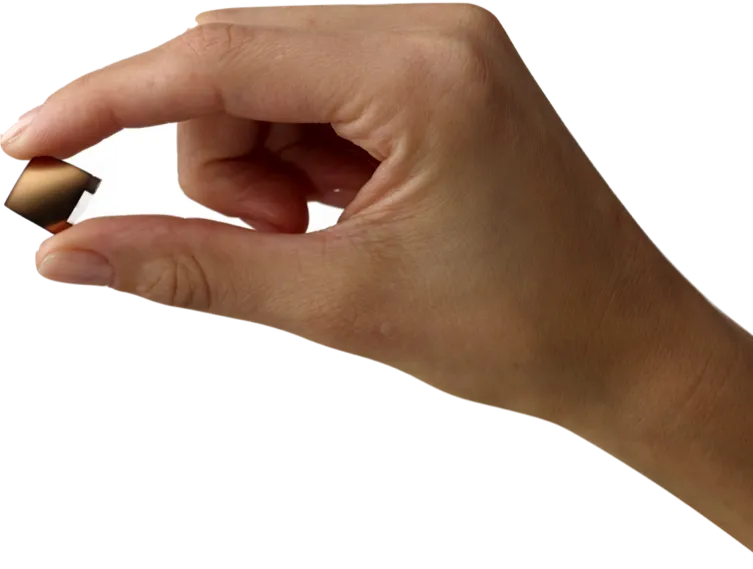
Technology advancements seem to be coming at us fast and furiously. Every time you turn around, another company is introducing a breakthrough product with claims of far-reaching implications on how we live and work. But how often do consumers really experience disruptive innovation, like the kind that smartphones and cloud computing have had on our lives? Instead of astounding people, many new products that hit the market today are merely upgraded versions of their predecessor – perhaps offering smaller footprints with faster processors, more attractive packaging, or add-on features. These upgrades tend to underwhelm customers, offering no compelling reason to justify their accompanying price hikes.What consumers want is disruptive technology that truly enhances their lives, whether at work, at home or at play. And that’s exactly what product manufacturers want to deliver. So what’s holding them back?The Limits of Traditional BatteriesThe challenge doesn’t lie in envisioning exciting new offerings. Vendors are great at that. Rather, when it comes to consumer-focused, electronics-based products, the culprit is often conventional, rigid and thick batteries that limit what can be designed around them.But it doesn’t have to be this way.Advances in flexible and thin batteries can spark a whole new level of product differentiation. Even though such batteries have been available now for a few years, they are still a foreign concept to many product designers accustomed to conventional off-the-shelf energy storage that is fixed in rigidity and shape. It’s hard for some people to believe that batteries can fold and flex while maintaining their performance and safety. As a result, they design products around rigid battery parameters. The Promise of FlexibilityFortunately, flexible battery technology is available today, even for high-volume production.While the allure of flexible battery technology is strong, we find ourselves having to reassure manufacturers that flexible batteries are every bit as dependable as their rigid progenitors. Our testing shows that performance-integrity in flexible batteries is strong. They can be flexed, bent and even rolled in any direction without deteriorating performance. For instance, we tested a flexible battery by bending it 10,000 times to prove that it has essentially the same capacity as a non-bent battery. This flexibility gives designers and engineers a new level of freedom in hardware design: Manufacturers can now place batteries in spaces not possible or practical before. Take smartwatches, for instance. Instead of locating batteries in only the head case, engineers can embed a flexible, thin battery in the strap band to increase accessible energy or lengthen battery life. As market demand grows for wearables and hearables, smart apparel and other personal battery-powered products, consumers want more natural-feeling experiences. Unlike fixed off-the-shelf energy solutions offered in a limited range of form factors and capacities, flexible batteries can support customization by size, thickness and capacity, enabling development of products that are smaller, lighter and more comfortable.Rigid batteries are problematic on a whole other level, and that’s safety. Electrolyte advancements ensure flexible batteries are safer. The latest gel-polymer electrolyte is safer than liquid electrolyte because it does not contain liquid that would leak if the battery is pierced or penetrated – yet it still delivers the same high level of ionic conductivity. This is a great advantage for manufacturers of wearables in medical devices, sports equipment and fabrics, industrial applications, and consumer electronics. Knowing that their devices contain safer components not only brings peace of mind to manufacturers and consumers but also increases both adoption and usage rates. Staying competitive in any technology-driven market requires a steady stream of innovation. To rise above the pack, companies must fearlessly embrace advancements that will differentiate them in the marketplace. Your choice of battery is critical to your hardware design – especially if consumers will be in direct contact with the battery. The performance and enhanced safety inherent in next-generation flexible batteries can free you to create disruptive products that deliver a compelling user experience. To learn more about flexible batteries, visit Jenax.EJ Shin delivered an engaging presentation at 2019FLEX Japan (May 22-23, 2019, in Shinagawa, Tokyo), where she discussed Jenax’s flexible and customizable rechargeable battery, a technology that allows batteries to integrate seamlessly into a new generation of medical devices.FLEX Japan is a hosted by FlexTech and MEMS Sensors Industry Group, SEMI technology communities.EJ Shin is Global Director at Jenax Inc., a company that pioneered the next-generation flexible, thin battery that can be bent and rolled in any direction. She has been with Jenax since the company initiated its battery development. EJ helps device and wearable companies leverage Jenax’s customized battery solution for their innovative products. Earlier, she held communications consulting positions at Fleishman Hillard and G20 Summit in Korea. EJ holds an MBA from Yonsei University, South Korea, and a B.A. in International Relations from Tufts University, U.S.
Read More
Most of today’s blockbuster MEMS products – from pressure sensors and resonators to accelerometers and microphones – originated from academic research, a trend that Alissa M. Fitzgerald, Founder Managing Member, A.M. Fitzgerald Associates, expects to continue. While many of these potentially game-changing new technologies will require many more years of intensive development and up to $100 million in investment to reach full commercialization, Fitzgerald sees their potential for generating new waves of activity and opportunity in the MEMS and sensors industry.SEMI’s Maria Vetrano caught up with Fitzgerald to preview her October 23 presentation, Emerging MEMS Sensors Technologies to Watch as We Enter a New Decade, at MEMS Sensors Executive Congress, October 22-24, 2019, at the Coronado Island Marriott Resort Spa in Coronado, California.Join us at MEMS Sensors Executive Congress (MSEC) to meet Alissa Fitzgerald and other industry influencers driving innovation in the MEMS and sensors industry. Register now to connect with her at MSEC or visit her on LinkedIn.SEMI: What are your top three emerging MEMS and sensors technologies with the greatest promise?Fitzgerald: Let’s start by defining emerging. In researching this topic for MSEC, I reviewed a year’s worth of academic papers to search for compelling technologies that will emerge five to 10 years from now. While these applications are not yet commercially ready, they bear a distinct presence in academic literature, and some have even reached the proof-of-concept phase. They all have the potential to advance user functionality derived from MEMS and sensors in very meaningful ways.Next-Generation MicromirrorsI’ve noticed renewed interest in micromirrors, driven by interest in LiDAR for autonomous vehicles, in fiberoptic networking, and in VR/AR glasses and headsets as well.Newer generations of micromirrors will use piezoelectric films to enhance optical performance. Piezoelectric actuation can pivot the mirror to a much larger angle than older-generation electrostatically actuated micromirrors. This is important for wider-angle scanning for LiDAR – as well as for other applications – as it enables the creation of a larger picture image.Piezoelectric films can also be used to change the shape of the mirror surface to enable a variable-focus mirror. This is useful on two fronts: It supports depth-of-field adjustments and it alleviates the need for extreme precision in packaging of optical devices, improving both cost and yield.Event-driven sensors/zero-power/ultra-low power sensorsSensors that draw no power, or that draw just small amounts, by activating only upon a triggering stimulus, are enormously exciting. Their extremely low power consumption addresses one of the most significant obstacles to creating large-area sensor networks: the problem of too-frequent battery changes.In addition, while most sensor nodes today broadcast a large stream of data back to the mother ship by radio, these event-driven or zero-power sensors consume only a small amount of power because they activate the radio only to transmit essential data.Resolving the power-consumption problem with sensors will allow deployment of large-area sensor networks in remote or inaccessible locations, highly useful for applications such as monitoring infrastructure.Bacterial sensorsSensors that can detect the presence of bacteria, as well as the type, have widespread applicability beyond medical uses. They would be particularly useful in food-safety applications as they can identify particular strains of bacteria, such as E. coli, before the beef leaves the processing plant or the spinach ships from the warehouse. This could offer dramatic improvements in food safety over the Centers for Disease Control (CDC) and U.S. Food and Drug Administration’s (FDA’s) food safety program, which only flags foodborne illness when a cluster of people are seriously ill.Researchers are also designing bacterial sensors for rapid point-of-care (POC) diagnostics to detect, for example, sepsis early, potentially saving lives.SEMI: You’ve said that some future MEMS and sensors will use alternatives to silicon. When might we see MEMS and sensors printed on paper or other flexible materials – and for which applications are they suited?Fitzgerald: We’re seeing an enormous amount of development of sensors made on paper, plastics and even textiles, materials that are readily available, inexpensive and flexible.What’s gating our progress right now is manufacturing infrastructure. At present, researchers are using inkjet printers, 3D printers, etc. to manufacture prototype sensors, but in most cases, they would need to move to roll-to-roll printing to scale up. I think that we’re looking at a decade before we see these sensor technologies reach the mass market.When they do arrive, we’ll see sensors that we can easily affix to any kind of carton, wrapper or packaging used with food or other disposable items. Traceability and status of perishable items in particular will allow consumers to track food from the farm or factory to the warehouse, store and, finally, to the home.Implementing these kinds of sensors would also help the environment. According to the Natural Resources Defense Council, in the United States alone up to 40 percent of our food is wasted annually, in part because we fear it’s gone bad. If consumers feel assured that their food is safe, they will waste less. And wasting less means that we can grow less food to feed the same number of people. We’ll also reduce the volume of food waste that goes to landfills.SEMI: What can the MEMS industry do to promote the use of more environmentally friendly materials in its products?Fitzgerald: Some of this is already underway. More companies in our industry are adopting Restriction of Hazardous Substances (RoHS) standards to get rid of heavy metals, such as lead, cadmium or other hazardous materials, in their electronics.We could also produce disposable sensors on paper or on biodegradable plastics, which would decompose within a few months, and we could use safer metals, such as gold, magnesium or zinc, to reduce hazardous metals’ contamination in landfills. While it’s not feasible to make all sensors biodegradable, the market for such sensors could be massive.As companies (and individuals), we should also work hard to design electronics that consume less power, because this ultimately translates to fewer disposable batteries in landfills.SEMI: What would you like MSEC attendees to take away from your presentation?Fitzgerald: I’d like to make two main points. First, the trend to use other non-silicon materials to make MEMS and sensors is real and inevitable. It’s a matter of when. Anyone building a gas or chemical sensor on silicon should look at how to do it on paper or plastic because there are great future applications incorporating flexible, disposable sensors in packaging of all types. That’s the low-hanging fruit.Second, to support this technology development trend, we must look seriously at manufacturing infrastructure because we will need completely different sets of equipment, environments and consumable materials to manufacture MEMS and sensors on paper or plastic. Sensor manufacturers could prepare for this future expansion by beginning to collaborate today with companies that already produce paper and plastic goods. Alissa Fitzgerald, Ph.D., founded A.M. Fitzgerald Associates, LLC (AMFitzgerald), a MEMS and sensors solutions company, in 2003. She has over 20 years of engineering experience in MEMS design, fabrication and product development.Prior to founding AMFitzgerald, Fitzgerald worked at the Jet Propulsion Laboratory, Orbital Sciences Corporation, Sigpro, and Sensant Corporation, now part of Siemens. She received her bachelor’s and master’s degrees from MIT and her doctorate from Stanford University, in Aeronautics and Astronautics. Fitzgerald has numerous journal publications and holds eight patents. She served on the Governing Council of MEMS Industry Group from 2008-2014 and was inducted into the MIG Hall of Fame in 2013. Fitzgerald serves on the Board of Directors of both Rigetti Computing and the Transducer Research Foundation.For more information, please visit AMFitzgerald.MEMS Sensors Industry Group (MSIG), the industry association representing the global MEMS and sensors supply chain, hosts the annual MEMS Sensors Executive Congress. To learn how MSIG enables professionals in the MEMS and sensors industry to innovate, address common challenges and accelerate business results, visit us today.Maria Vetrano is a PR consultant for MSIG, a SEMI Strategic Association Partner.
Read More
The combination of state-of-the-art semiconductor devices and upcoming manufacturing technologies for cost-effective processing of flexible film substrates has paved the way for a large variety of new applications in the emerging Flexible Hybrid Electronics (FHE).SEMI spoke with Professor Christoph Kutter, executive director, Fraunhofer EMFT, about current FHE technologies and market opportunities ahead of the Get Started with Flexible Hybrid Electronics workshop organized by Fraunhofer EMFT and supported by SEMI, 15 October, 2019, in Munich, Germany. To register for the event, click here.SEMI: Recent developments in thin semiconductors, new materials and cost-effective processing techniques have opened the door to a plurality of new applications and future products. What are the most innovative integration approaches?Kutter: Most interesting is the hybrid integration approach – the combination of most modern printing technologies and lithographically defined semi-additive copper wiring systems with state-of-the-art semiconductor components. Combining these best-of-breed technologies enables low-cost and high-volume printing but also ultra-low power electronics, which is important for every wireless device without or with limited power supply.SEMI: Integrating sensors, integrated circuits (IC), displays, antennas and communication devices on film substrates enables extremely thin and bendable form factors for applications where existing board-level technologies fall short. What are the key enabler technologies?Kutter: Key enabling technologies are fabrication of high-performance wiring patterns, integration of ultra-thin bare dies/components and ongoing advancements in roll-to-roll processing of film substrates. Besides the manufacturing technologies, materials such as electronic inks, substrates, isolation and passivation layers play a key role.SEMI: Are you currently working and experimenting on something particularly exciting?Kutter: We are in the process of developing an adaptive roll-to-roll direct imaging system that analyzes the position of the components manufactured before adaptive lithography steps are carried out in real time. We think that this concept will open up completely new processing possibilities for us. The technical infrastructure making this development possible is funded within the framework of the Research Fab Microelectronics Germany (FMD), the largest cross-site R D cooperation for microelectronics and nanoelectronics in Europe.SEMI: Can you share some details about the Fraunhofer EMFT roadmap?Kutter: Fraunhofer will push the hybrid integration – for example, combining printing technologies with high-performance CMOS – since we are convinced that hybrid integration is the only way to offer low-power systems for IoT with the highest performance and at the lowest cost. For this purpose, we are currently setting up a roll-to-roll die bond and component assembly machine.SEMI: What are your expectations for the future of flexible electronics and why would you recommend attending the workshop in Munich?Kutter: Flexible hybrid integration is becoming more important and offers the best of both worlds: mass volume printing technologies integrated with high performance ultra-low power electronics. You will see many examples of hybrid integration approaches during the workshop. This is a very important opportunity to highlight the latest developments in the semiconductor industry. Researchers, market analysts, material and product developers, and equipment suppliers will gather to provide insights into the latest flexible hybrid electronics innovations. We are particularly proud to organize this platform with SEMI and FlexTech Alliance.Agenda - Get Started with Flexible Hybrid ElectronicsLocation: Fraunhofer EMFT, Hansastrasse 27d, 80686 Munich, GermanyConference Chair: Prof. Dr. Christoph KutterENTRANCE Fees: 150 € VAT excl.Contact: [email protected] Prof. Dr. Christoph Kutter is the director of the Fraunhofer EMFT, focusing on sensing technologies based on silicon electronics and flexible hybrid integration technologies.Kutter completed his physics studies at TU Munich. In 1995, he earned his doctorate in physics at the University of Konstanz. Serena Brischetto is a marketing and communications manager at SEMI Europe.
Read More
Flexible hybrid electronics (FHE) is innovation and modern technology at their best, giving rise to lighter, more malleable sensors that better conform to the human body while breeding new applications across a number of markets. For the semiconductor industry, FHE technology is enabling the development of a new generation of chips with the high performance, light weight, scalability, softness and flexibility usually seen in printed electronics. The technology is a boon to chipmakers, giving them novel ways to innovate for the Internet of Things (IoT) market.“The global printed electronics market is expected to garner 14.9% GAGR from 2018 to 2023,” said Stanley Wong, Director of Asia Business Development, Brewer Science, said in his presentation at FLEX Taiwan 2019 in late May. Representatives from industry, government, academia and research institutions gathered at the event in Taipei to explore flexible electronics innovation and growth opportunities.One shining star of FHE innovation is the foldable smartphone. So bright is the future of the bendable devices that not even recent trade tensions between the United States and China have dimmed prospects for the fledgling industry.“While the US-China trade war might slow down shipments of Huawei’s phones, the industry remains bullish on foldable phones,” said Stacy Wu, Principal Analyst at IHS Markit. “When the first generation of flexible AMOLED displays was launched in 2016, the rolling radius was 3mm and it could be folded 200,000 times.”For foldable phones, the 200,000 mark was a major milestone – the industry’s consensus standard for foldable phone display reliability. The industry reasoned that phones capable of being folded and unfolded 200,000 times without distorting color or images or the display itself cracking was a safe bet for consumer adoption. Earlier this year, both Samsung and Huawei announced foldable phones using the thin-film-display technology, ushering in the era of mass-market availability of the devices. Steve Chiu, Division Director for Electronics, IC package, Industrial Technology Research Institute (ITRI), believes that breakthroughs in the next generation of flexible AMOLED technology will allow thin films to be folded 100,000 times with a rolling radius up to 30mm and electric resistivity of less than 10 percent. The rolling radius of 30mm, 10 times higher than today’s phones, will give foldables a higher bending radius, while the lower electric resistivity will help maintain the brightness of the AMOLED panel after tens of thousands usages and extend the service life of foldable smartphones.The biggest challenge facing the foldable phone industry remains developing new materials that are flexible yet durable, stressed Francesco Lemmi, Business Development Director, Flexible Display, at DuPont. Today, the prevailing practice is to layer polyimide (PI) and hard coating on the display module. These stacked protective films replace traditional glass panels but present technical challenges related to impact resistance and the durability of the display as it is folded and unfolded over time.Smart clothing market is another hot market, with 33 percent global growth annually and revenue expected to reach US$ 3.26 billion in 2026. Yet for all the promise of smart clothing, reliability and accuracy remain a big challenge chiefly due to a lack of industry standards. Another gap is the unanswered question of whether consumers will embrace light and energy-efficient products.FLEX Taiwan 2019 speaker Satoshi Maeda of Toyobo is confident they will, pointing out that in the future consumers will enjoy a wide selection of comfortable smart clothing products and applications. The industry is still working to better understand how to develop human-machine interfaces, the essential seam between the human body (the outer layer of skin) and electronics, said Dr. Reinhold H. Dauskardt of Stanford University. Still, he sees great promise in an innovative somatosensory communications platform involving human skin. Human-computer interactions have historically been defined by human touch and vision (for example, typing at a computer keyboard and checking our monitor for the accuracy of our inputs). Dauskardt believes that, in the future, electrical impulses from the skin (conductance) will interact with signals from electronic devices to establish a more intimate human-machine interface that could be adapted one day to extend the visual and auditory abilities of humans.David M. Yeung, co-founder and CEO of Lionrock Batteries, pointed to another challenge in wearables: battery size. Today, large and heavy batteries account for 50 percent to 70 percent of the space in wearable devices, making many of the products too cumbersome to wear. Nanofiber lithium-ion batteries now under development can be as small as ultra-thin 2mm with a rolling radius of up to 20mm in radius and support for high electrical currents, significantly lightening their weight and improving comfort.Nardev Ramanathan, Lead Analyst, Digital Health and Wellness at Lux Research, predicts that, of all flexible electronics products, smart watches will win the largest market share and with the fastest rate of adoption. The devices will get a boost when they shrink as flexible batteries are integrated with the bands. The next wave of smart wearables will feature devices for exercise or medical monitoring. Already, FHE materials have led to advances in medical devices. One example is that smaller hearing aids are now possible thanks to flexible electronics and dressings used to promote skin regeneration, reduce wrinkles and remove scars.Gillian Ewers, VP Marketing at PragmatIC, sees fertile ground for FHE applications in IoT solutions. As FHE manufacturing costs drop, she believes IoT technologies will significantly deepen their penetration into a broad range of industries. For example, the number of electronic tags used in convenience stores worldwide will exceed 100 billion in 2025. Thinner than human hair and more durable than traditional wafers, these tags are expected to spawn a host of new business opportunities. FLEX Taiwan attracted more than 270 attendees from more than 30 fields including smart healthcare, e-paper, displays, system integration, automotive electronics, textiles, wearables, and avionics. On the first day of the event, industry, academia and research center representatives from the United States, Japan, China, Singapore and Taiwan gathered to discuss common goals on a range of FHE-related issues and deepen cross-regional cooperation. Like the FHE industry itself, SEMI-FlexTech remains focused on the future by strengthening cross-border cooperation to help manufacturers find killer applications and test profit-making models. For Taiwanese companies, the event will continue to provide insights on market trends, equipment, materials, advanced manufacturing technologies, product applications and new business opportunities, helping the organizations hone their competitive edge in the global market.Emmy Yi is a marketing specialist at SEMI Taiwan.
Read More
A short trip to Monterey, California provided an exciting glimpse into what is in store for the future. Along with 550 attendees and 60 exhibitors, I took a quick visit through the aisles and conference venue to find several exciting developments this year!So many exciting new products are on the horizon. Dr. Peter G. Hartwell, CTO of InvenSense, A TDK Group Company, provided a view future of the way sensors including optical, audio, balance, direction, location, and chemical will provide improvements over human capabilities. A glimpse into our future experiences with a 360-view winter wonderland experience of riding a snow mobile using two 180°C fisheye lens cameras with his presentation “Sensors: Where Reality Meets Virtual.” The only warning was that with so many cameras and social media privacy is lost!Dr. Hans Stork, CTO, ON Semiconductor discussed some of the recent investigations his company has made on the many LiDAR sensors. He enlightened listeners with more details of the optical/LiDAR Fusion with FUSE ONE that was unveiled at CES 2019. Future cars will have a combination of cameras, LiDAR, radar, and ultrasonics. No one sensor has it all. There are many companies offering LiDAR for automotive applications, but the products are still too expensive and the market will shake out over the next few years. Douglas Hackler, CEO, American Semiconductor presented the company’s achievement in flip chip on flex circuit assembly for a variety of applications, including pharmaceuticals, wearable wristbands, and IoT communications. Interconnects supported include ACA, ACF, advanced z-axis materials, and low temperature solder. He also described flexible hybrid electronics using printed electronics and a wafer CSP assembly for sensors. With this operation located in Idaho, products can be assembled in the U.S. Jean-Charles Souriau from CEA-Leti described the organization’s detailed research in developing in flip chip assembly on a flexible label with a thin die. A gold stud bump flip chip and thermo-compression bonding with glue is used to attach the die to a flex substrate. A polymer fabricated on thin glass was also demonstrated. Clearly, much progress has been made in flexible printed electronics in the last year with many presentations describing progress. Results of a benchmark study conducted at Cal Poly examined some of the key developments in bump materials and interconnect methods. Key areas such as antennas, batteries, PV and energy harvesting, a variety of sensors, and audio technology were investigated. Dr. Pradeep Lall presented work examining developments in conductive inks for 3D printed electronics.Dr. Subu Iyer and his student, Arsalan Alam, of UCLA presented some exciting research on heterogeneously integrated foldable display on elastomeric substrate, FlexTrate™, using vertically corrugated interconnects. This can be considered fan-out wafer level packaging. The work holds much promise for applications including foldable displays, wireless powered systems and surface electromyography systems. Fine pitch ≤40 micron interconnects bendable to 1 mm bending radius passed more than 6,000 bending cycles. Dr. Mark Poliks of Binghamton University described their work on the development of a wearable flexible hybrid electronics ECG monitor. While the work is in the early stages, human trials will soon begin and the results look promising. New materials will be key in the future products. Reliability test data was also presented on aerosol-jet printed traces on Upilex-S, including tensile, peel and bend testing, as well as “healing” of the damage. New product introductions included U.K’s Peratech’s EDGE force-sensing solution targeted form smartphones, wearables, and tablets. In this HMI solution, Peratech’s thin sensors are mechanically integrated into key areas of the smartphone to capture a user’s natural single-handed grip, ergonomic finger movements, intuitive pressure sand squeezes to control key functions. It even works with the users has wet hands or is wearing gloves! This eliminates the need for physical button openings and allows the implementation of a thinner, more contoured device with a rigid-metal chassis. Next year’s event will be in San Jose during the last week of February. Stay tuned to SEMI’s website for more details.Jan Vardaman is president and founder of TechSearch International, Inc., which has provided market research and technology trend analysis in semiconductor packaging since 1987. She is the co-author of How to Make IC Packages (by Nikkan Kogyo Shinbunsha), a columnist with Printed Circuit Design Fab/Circuits Assembly, and the author of numerous publications on emerging trends in semiconductor packaging and assembly. She is a senior member of IEEE EPS and is an IEEE EPS Distinguished Lecturer as well as a member of SEMI, SMTA, IMAPS, and MEPTEC.
Read More
The recent FLEX 2019 and MEMS Sensors Technical Congress (MSTC) showcased autonomous mobility sensors, more than 100 market and technical presentations, and 60 exhibits but also highlighted the industry’s future. The event also highlighted the best student research in the student poster session. A committee of industry volunteers ranked posters created by bright, young minds on originality, clarity, data sources, analysis and conclusions, visuals, presentation and creativity before selecting the top three. This year the awards went to some outstanding researchers at the beginning stages of their promising careers in flexible and printed electronics. Michael Crump, University of Washington – 3D Printed Stretchable Strain Sensors with Conductive Ionogels Goutham Ezhilarasuv, University of California, Los Angeles – A Flexible, Heterogeneously Integrated, Wireless Powered System for Implantable Applications Using Fan-out Wafer-level Packaging on Elastomeric Substrates Tony Varghese, Boise State University – Additive Manufacturing and Photonic Sintering of Flexible Thermoelectric Generators for Wearable Applications Stefanie Harvey, FlexTech (left) and Stephen Farias, NanoDirect LLC (right) present the awards to Michael Crump, University of Washington (center left) and Tony Varghese, Boise State University (center right). SEMI-FlexTech and SEMI-MSIG are pleased to recognize the work of all of the students and their faculty who participated in this year’s event and competition. We look forward to seeing you on the stage presenting at a future event.Stefanie Harvey is the R D program manager at SEMI-FlexTech.
Read More
SEMI’s annual FLEX Conference Exhibition returns to Monterey, California, February 18-21, 2019, bringing together nearly 100 speakers on the major developments at the leading edge of printed/flexible/hybrid sensors and electronics technology.The maturing technology for smarter sensors, in a wider range of flexible formats, is enabling new opportunities across a wide range of applications, from healthcare to agriculture. And that means sensor suppliers need to connect with a broader range of users to build the next generation of innovative outside-the-box solutions. SEMI gathers the flexible/hybrid integration supply chain, leading researchers and potential customers at this annual event to help advance the sector.Collaborative efforts for sensors emerging markets: global health, faster crop development, military monitoringThere’s huge potential for smarter, more accessible sensor systems to detect infectious diseases and aid decision-making for community health workers around the globe, but new technologies and manufacturing methods alone will not be enough to meet the needs of these resource-constrained environments, argues Arunan Skandarajah, program officer at the Bill and Melinda Gates Foundation. He’ll introduce the foundation’s funding and partnering priorities for sensing and imaging for diagnostics and decision support and discuss potential paths forward for development.Recent advances in plant genomics and high-throughput phenotyping have big potential to enable faster development of crop varieties that better withstand adverse conditions – but that will depend on getting fast feedback from sensor data from the field. There’s immediate need for robust, high-efficiency, low-cost sensor technologies to collect on-the-ground microclimate and resource-use data from tractor-based sensors to field scanners, says Nadia Shakoor, Danforth Plant Science Center. She’ll discuss the sensors researchers need to develop high-yielding, energy- efficient crops that are resilient to variable climates.Military interest in biosensor patches to monitor human physiology and performance, and other sensor solutions for flexible imaging and point-of-care diagnostics, are also drivers of collaborative research between industry and universities. The Nano-Bio Materials Consortium (NBMC), a SEMI strategic association partnership with the Air Force Research Lab, will offer a workshop to discuss its potential needs, and how to get involved in its development program to create an integrated suite of nano-bio materials and production technology. Progress in scaling printed/hybrid flexible electronics manufacturing technologyThe maturing manufacturing supply chain continues to make progress towards scaling volume manufacturing of higher performance products, with recent innovations in materials and assembly technologies.Cal Poly researchers will report results from the recent FlexTech benchmark study of the flexible hybrid electronic industry. The study looks at the current state of maturity of the technology, its manufacturing processes, and its main applications while projecting the roadmap for future development. The study covers passives, sensors, batteries, antennas, speakers, PV and energy harvesting, and flexible hybrid integration.Catch up on new process development capabilities and recent work at the NextFlex Flexible Hybrid Electronics Manufacturing Institute’s San Jose Technology Hub for prototyping and pilot manufacturing. The institute has been adding engineers and projects as it looks towards the next generation of technology for sector growth. Innovations in scalable assembly of thin die on flexible substratesSeveral companies will update on recent progress developing solutions for the industrial-scale, high-yield assembly of fragile thinned die on to flexing substrates. American Semiconductor reports new automated assembly capacity for flip chip die attach and interconnect for devices with up to 100 I/Os and 100um pitch pads. The company also notes that it now has flexible Bluetooth ICs from two major suppliers available in semiconductor-on-polymer chip-scale packages, finally enabling improved wireless capacity for flexible hybrid systems.CEA-Leti will present its latest developments in flip chip bonding of thin bare die on flex. It uses gold stud bumps on the die, with 150°C thermocompression bonding to PEN Film. The researchers have also developed a wafer-level die process that thins and encapsulates die before removing them from the carrier wafer. systeMECH will also present its results for direct die placement of 300nm die on flexible polyester. Innovations in materials for easier processing, higher performanceDevelopments in substrates and processing may now enable use of photonics for laser patterning and flash curing on flexible substrates. Brewer Science will report developments on new polymers that can be quickly and cleanly etched with the mid-UV wavelengths commonly used for laser drilling and etching on printed circuit boards, bringing this improved performance to printed electronics as well. The polymers can be processed at less than 200°C with desirable qualities for substrates, adhesives, protective layers and the like for many electronics applications.Novacentrix will update on improvements in photonic curing equipment for fast heating to enable the use of high-temperature solders without damaging low-temperature substrates. Atotech will report results from its multiyear initiative to develop lower temperature solder pastes for better performance than SAC-based materials on a variety of substrates. Printed graphene and carbon nanotubes find applications in sensors and RF devicesBonbouton will introduce its commercial smart insole using a printed graphene sensor to monitor skin temperature to detect early signs of foot ulcers in diabetic patients. The company inkjet-prints graphene oxide followed by thermal reduction to fabricate graphene supercapacitor electrodes for temperature and pressure sensing.C2Sense will update on its development of carbon nanotube gas sensors to monitor food condition to prevent waste. The sensitized carbon nanotubes selectively detect ethylene from fruit or ammonia from chicken to accurately track the condition of the foods as they pass through the supply chain. Georgia Tech will report results of printing not only sensors from carbon nanotube ink but even RF and mm-wave diodes and transistors for high-frequency, long-range, low-cost RFIDs. Innovations in display materialsMaterials for flexible displays continue to see innovations – from solutions for foldable displays to plenty of new options for improved transparent conductive films and force-sensitive films. Solotech will introduce a cross-inked polymer that it says offers both high hardness and excellent foldability as a reliable covering for foldable/bendable displays. Atotech will describe its development of selective electroless copper deposition for metal mesh and TFT electrode patterns for touch screens to eliminate the need for costly mask and etching steps after deposition. Chasm Advanced Materials suggests hybrids of the conductive metals and carbon nanotubes offer a promising alternative for flexible transparent conductive films.C3Nano reports on nanowire ink, fused after printing, for flexible transparent conductors. Peratech will report on its printable pressure touch technology that it describes as high-resolution and low-cost for better localized, force-sensitive touch. Jabil will share the results of its evaluations of five of the available printed force-sensitive sensors. E Ink will introduce new capabilities for its electrophoretic display technology – it’s now possible to write on it with a magnetic stylus, and there’s a variable transmission version for electronic windows. Next generation technologies from universities and startupsResearchers from major research institutions and startups will talk about developments in flexible/printed/hybrid electronics including innovations in biological/electronics interfaces, via skin or neurons, and demonstrations of piezoelectric and better stretchable circuits. Emerging technologies for biosensors and human/machine skin interfaces Georgia Tech researchers will detail their electrical interface with human skin for wireless control of a remote-control car and a wheelchair by electrical signals from the body. They’ve developed a flexible elastomer skin patch patterned with thin film metal/polymer nanostructures made by CMOS processes, and metal pads compatible with conventional reflow soldering. Other Georgia Tech researchers will report their work on better cochlear implants made of encapsulated polymer printed with conductive microcoils for pulsed micro-magnetic stimulation that can focus more tightly on specific areas of auditory neurons. Seoul National University will introduce its flexible organic artificial nerves that can activate an insect’s leg muscle. Researchers there have devised a pressure sensor connected to a ring oscillator that converts the pressure signal into voltage pulses, which are then integrated by a transistor into a signal that replicates a post-synaptic current to communicate with the biological nerves.Epicore Biosystems will report on its advances in manufacturing and packaging technology that enable its skin-interface electronics and microfluidics systems in thin stretchable format to continuously monitor electrical, acoustic and biochemical signals. The technology is now entering commercial development with industrial partners. GE Global Research will update on its field testing of sweat-sensing devices to monitor hydration. Emerging technologies for piezoelectric actuators and improved stretchable sensors and circuits PARC will report on audio speakers made of PVD piezoelectric film on polyimide with inkjet-printed flexible hybrid operating circuits, and Novasentis will talk about its piezoelectric electroactive polymer for different kinds of vibrations for wristband notifications. UTC will share its learnings from deploying large numbers of stretchable flexible hybrid sensors conformably over large areas on aerospace and infrastructure assets to sense temperature, vibration, strain and damage for critical safety.The Air Force Research Lab reports promising results for stretchable circuits made with liquid metals, which maintain their high conductivity even when stretched. Silent Sensors will discuss its printed flexible manufacturing technology for low-cost, stretchable energy storage and piezoelectric energy harvesting for monitoring the condition of automobile tires.By Heidi Hoffman, senior director of technology community marketing, SEMI
Read More
With over 25 years of experience in the technology industry, Sri Peruvemba, CMO of CLEARink Displays, is a longtime advocate of electronic display technology. During his presentation at FLEX and MEMS Sensors Technical Congress 2019, February 18-21 in Monterey, Calif., Peruvemba will explain recent innovations in electronic paper (ePaper) that will open new applications to reflective displays for the first time. SEMI: ePaper has been around for more than a decade. How has it evolved for wearables and mobile devices?Peruvemba: ePaper in its current form provides a reflective display that is low power and sunlight-readable to applications such as eReaders and electronic shelf labels (ESLs), both of which are in mass production. There is a much larger opportunity, however, for reflective displays that offer color and video atop the traditional benefits of ePaper. Now possible through electrophoretic total internal reflection (eTIR) – which we have termed ePaper 2.0 – is a low-power technology that allows devices to work for days instead of hours. eTIR offers sunlight readability as well as full color and video-level switching speeds, which satisfies the diverse requirements of wearables and mobile devices.New electrophoretic total internal reflection (eTIR) display technology uses the charged particles in a fluid to modulate the total internal reflected light from the optical structures incorporated into its novel reflector film. Image courtesy of CLEARink Displays. SEMI: How do you define a “reflective display?”Peruvemba: A display that reflects external light to its advantage is a reflective display. This includes the display that uses ambient light rather than a backlight and one that uses the sun rather than fights it.SEMI: Where is there a larger opportunity for reflective displays that offer color and video over the traditional benefits of ePaper?Peruvemba: While most of us are familiar with ePaper in applications such as eReaders and wearables that need sunlight readability, there is an untapped market in the wearables space for applications that require internet browsing and color, even video, displays. ESLs are a good example. Retailers are no longer content to show prices. They also want to show specials, display color ads, and run video and animation to enhance product differentiation. Displays in tablets, digital signage and automotive are additional targets.SEMI: How large is the opportunity?Peruvemba: The electronic display industry has been trying to build reflective displays that are low-power color and video for many years but without success. Hence, the opportunity is in the tens of billions of U.S. dollars in outdoor signs, automotive displays, tablets, wearables, shelf labels and dozens of others products.SEMI: What will it take for manufacturers to migrate from LCD or OLED to eTIR?Peruvemba: The good news is that implementation is pretty much the same as with the LCD or OLED displays currently in use. The interfaces, connections and form factors remain form-, fit-, function-compatible. Only the software/waveforms and drive voltages will change/reduce. This allows the manufacture of our tech., ePaper 2.0, on the old LCD lines that are already in use. You can literally go back and forth between ePaper 2.0 and LCD on a day-to-day basis. This differs from other eTIR implementations, which require new dedicated manufacturing lines that cost tens to hundreds of millions of dollars.SEMI: Are there other emerging markets that are particularly well-matched to eTIR?Peruvemba: Tablet devices designed for long use on a single charge, mobile devices including wearables for outdoor applications, Internet of Things (IoT) devices that need high ambient readability, and very low-power and unobtrusive displays in home or office settings represent other emerging markets.SEMI: What technical obstacles have hindered ePaper in certain markets – and how do you overcome those obstacles?Peruvemba: Bringing a display technology to market is not only about solving technical and process hurdles. It is also about finding the right one percent of the applications that your technology can uniquely address. Success requires developing the ecosystem of subcomponent suppliers and peripheral technology providers (like touch and front lights). Partnering with the display fabs that can mass-produce your technology is another important step.With most emerging technologies, the pursuit of the right customer is the bigger challenge, but for us it has been getting the product into production. Fortunately, we already have customers that have invested in the company and have committed to product volume, so they get early access to our technology.SEMI: What would you like FLEX and MSTC attendees to take away from your presentation?Peruvemba: Now just months away from deploying our eTIR technology as ePaper 2.0, we welcome partnership inquiries as we seek to implement eTIR across a range of previously unserved and underserved display markets.Sri Peruvemba will present ePaper 2.0 — Creating New Markets at FLEX/MSTC on Tuesday, February 19 at 2:45 pmRegister today to connect with him at the event. To learn more about CLEARink Displays, click here. MSTC FLEX 2019 is organized by MEMS Sensors Industry Group (MSIG) and FlexTech. Maria Vetrano is a public relations consultant at SEMI.
Read More
Photo on left: My Skin Track pH by L'Oréal Group’s La Roche-Posay – the first wearable sensor and companion app to easily measure personal skin pH levels – leverages two decades of microfluidic and soft materials research in Professor John Rogers’ laboratory at the Center for Bio-Integrated Electronics and the Simpson Querrey Institute. As director of the Center for Bio-Integrated Electronics at Northwestern University, Professor John A. Rogers explores soft materials for conformal electronics, nanophotonic structures, microfluidic devices and MEMS, all with an emphasis on bio-inspired and bio-integrated technologies. During his keynote at FLEX and MEMS Sensors Technical Congress 2019, February 18-21 in Monterey, Calif., Rogers will present examples of the diverse, novel classes of biocompatible electronic and microfluidic systems with skin-like physical properties that stem from his work in materials science, mechanical engineering, electrical engineering and advanced manufacturing. SEMI’s Maria Vetrano caught up with Rogers to discuss his research, which has already been commercialized by companies such as L'Oréal Group.SEMI: What is the concept behind skin-interfaced electronic and microfluidic devices?ROGERS: Biological systems are mechanically soft, with complex, time-dependent 3D curvilinear shapes. Modern electronic and microfluidic technologies are rigid, with simple, static 2D layouts. We believe that eliminating this profound mismatch in physical properties will create vast opportunities in microsystems technologies (electronics, optoelectronics, microfluidics and microelectromechanical devices) that can intimately integrate with the human body for diagnostic, therapeutic or surgical functions. Skin-like devices that assess blood-glucose levels in real-time or continuously monitor the vital signs of infants in neonatal intensive care are just two examples of non-invasive, wirelessly connected biocompatible devices with the potential to dramatically improve quality of life.SEMI: What are some examples of commercially available biocompatible/microfluidic wearables that have leveraged your research?ROGERS: We’ve been fortunate in that we have been able to translate some of our ideas into commercial products for broad deployment in both life-enhancing and potentially life-saving applications. In sports and fitness, our skin-interfaced microfluidic systems form the basis of soft devices that capture, store and perform in-situ chemical analysis of sweat. These devices have been launched as products in two different categories – cosmetics and athletics – with two global brands. As an example of the former, L’Oréal Group just unveiled at CES 2019 My Skin Track pH, a thin, flexible version of this technology, designed to determine skin pH from measurement of sweat pH. Once armed with this information, L’Oréal customers can choose skincare products matched to their personal body chemistry. See the video on this device. Notably, a globally recognized consumer brand will reveal a product for athletics around the time of the 2019 Super Bowl on Sunday, February 3. A look inside My Skin Track pH, which uses Rogers Research Group technology from the Center for Bio-Integrated Electronics at Northwestern University Our technologies also have applications in clinical medicine and rehabilitation, including soft, skin-interfaced wireless sensors used to assess patient progress in stroke rehabilitation. In contrast with conventional, wired sensors that tether the patient to external boxes of electronics (a design that makes such devices impractical for in-home use), or conventional wearables that are confined to the wrist, our systems apply to the skin like a BAND-AID, and are described as “imperceptible” by stroke patients who are using them during rehab. These platforms measure speech, swallowing capability, movement of limbs, sleep quality, walking and balancing. Healthcare professionals can use the information collected to continue to monitor patients when they leave medical facilities, to understand how patients function in the real world. See video.SEMI: What work are you doing beyond flexible devices?ROGERS: We are pursuing devices that are unique not due to their soft mechanics, but due to their extremely small sizes. A good example is My Skin Track UV, which we recently commercialized with L’Oréal’s La Roche-Posay. This millimeter-scale, wireless, battery-free platform for digital UV dosimetry measures UV exposure dose continuously in real time and provides user access to this information via a smartphone app. My Skin Track UV is now available at all Apple stores across the U.S. and through the Apple website. See video. L’Oréal’s La Roche-Posay My Skin Track UVOther biocompatible/microfluidic devices based on our technology provide functionality that can save lives. Hydrocephalus patients suffer from a condition that, if unchecked, leads to excessive buildup of fluid in the brain. If left untreated, the resulting pressures can prove fatal.Hydrocephalus is treated with shunts, which drain accumulated fluid away from the intracranial space to a distal part of the body, often the abdomen. Unfortunately, however, shunts have a nearly 100 percent fail rate over a 10-year period, and testing them typically requires an MRI, CT scan or even surgery. Our technology serves as the basis of a bandage-sized, skin-like sensor that applies to the surface of the skin on the neck. Within five minutes of placement on the skin, the sensor can test non-invasively to determine if fluid is flowing through the shunt. The net result uniquely supports the rapid evaluation of shunts from home or other non-medical settings. The devices free patients from the constraints of hospitals, giving them a greater sense of security and independence. See video. SEMI: What would you like FLEX and MSTC attendees to take away from your presentation?ROGERS: I would like attendees to know that biocompatible microfluidic and electronic wearables that are flexible and conformal to the human body are no longer risky futuristic technologies that exist only in academic labs: They are emerging right now as key products in commercial markets for flexible hybrid electronics (FHE) and MEMS/sensors. Our group alone is anticipating deployment at the scale of tens to hundreds of millions of units in the markets in which we are seeing traction over the next five years. We believe that the broader area will become a multi-billion-dollar market opportunity in five to 10 years.John Rogers, Ph.D. will present Soft Electronic and Microfluidic Systems for the Skin at FLEX/MSTC on Tuesday, February 19 at 10:30 am.Register today to connect with him at the event. To learn more about Rogers Research Group, click here.MSTC Flex 2019 is organized by the MEMS Sensors Industry Group (MSIG) and FlexTech.Maria Vetrano is a public relations consultant at SEMI.
Read More
Francois Jeanneau, president and CEO of Novasentis, has spent the last two decades building strategic relationships, increasing revenues and catapulting growth at leading consumer OEMs and ODMs. Jeanneau will present the world’s thinnest haptic actuator technology at the upcoming FLEX and MEMS Sensors Technical Congress 2019, February 18-21 in Monterey, Calif. SEMI’s Maria Vetrano interviewed Jeanneau to give FLEX and MSTC attendees a preview of this new technology that will enable rich, customizable haptic experiences with virtual reality (VR), hand-held game controllers and flexible wearable devices such as wristbands.SEMI: What do consumers want from haptic feedback? How can the technology industry improve the user experience with haptics?JEANNEAU: In many applications such as VR and gaming, our visual and auditory senses are satisfied by high-resolution displays and good-quality speakers, but they lack the sensation of realistic touch. That’s because haptic technology has lagged the technological advancements that we have made in displays, microphones and speakers. It’s also fallen far behind what is possible on the software side. At the same time, consumers are demanding more from their VR and gaming experiences.Through improvements in haptics, prospective home-buyers touring a home via VR headset will be able to “feel” those granite countertops in the kitchen, assess whether their couch will fit in the living room and check out the view from the back porch, all from the comfort of their own home. Virtual travelers will be able to touch the marble walls of the Taj Mahal, and sports enthusiasts will feel the impact of a tennis ball when they use their haptics 2.0-enabled controller.Haptics will dramatically improve what’s possible in wearable devices as well. From their smartwatches, consumers will discern hundreds of different sensations, from a mild heartbeat to a sharp reminder that they are steering a car through an intersection. This is all possible through new haptic actuator technologies that can accept hundreds of inputs to generate an entire haptic language of outputs.SEMI: What are some major obstacles to realizing improvements in haptics for flexible devices such as wrist-worn devices?JEANNEAU: The best wrist-worn devices today offer a rudimentary haptic output that merely says, “hey, pay attention to me.” To comprehend the alert, the user must look at the display, press a few buttons and then interact with the device. This distracts the user while riding/driving, creating potentially dangerous situations. It’s also frowned upon, particularly in the middle of a meeting!The legacy haptic technologies – eccentric rotating mass (ERM) motors and linear resonant actuators (LRAs) – that are currently used in today’s devices are problematic on multiple levels. They are bulky, sometimes occupying a third of the real estate in a smartwatch. As they are generally made of metal, they are also heavy and too thick for many devices. Their output tends to be slow, lagging the output in the display, making the whole experience clunky. They tend to be power-hungry as well.SEMI: How is Novasentis approaching these technical challenges?JEANNEAU: Novasentis has created an extremely thin (150 um), flexible and low-power polymer film actuator that is small enough to be easily embedded into the next generation of smarter wearable devices and garments; the actuator can provide hundreds of different types of vibrating feedback to the wearer for improved notification and/or suggested actions. The film actuator (that can replace a mechanical motor vibrator found in smartphones and smartwatches) is made by stacking layers of electroactive polymer and metal to create the piezoelectric structure. Upon power-up via a modulated waveform, the molecules move to align themselves in response, which elongates and relaxes the polymer. This causes the attached substrate (wristband in a watch, for example) to bend and relax, thus, causing the vibration effect, or haptic and audio feedback (which is unique to our material).SEMI: How will you demonstrate your technical approach at FLEX 2019?JEANNEAU: We will bring examples of designs incorporating our technology as we share live demos of wearables, game controllers and other applications. We will also bring actual haptic actuator materials for show and tell.Francois Jeanneau will present Flexible Actuators for Sensational Haptics at Flex and MSTC on Wednesday, February 20 at 8:00 am. Register today to connect with him at the event. To learn more, click here. MSTC Flex 2019 is organized by the MEMS Sensors Industry Group (MSIG) and FlexTech. Maria Vetrano is a public relations consultant at SEMI.
Read More