downloadGroupGroupnoun_press release_995423_000000 copyGroupnoun_Feed_96767_000000Group 19noun_pictures_1817522_000000Member company iconResource item iconStore item iconGroup 19Group 19noun_Photo_2085192_000000 Copynoun_presentation_2096081_000000Group 19Group Copy 7noun_webinar_692730_000000Path
Skip to main content
Default Banner Image

Automotive

MEMS and image sensors are shining stars in the chip industry as technology companies worldwide accelerate innovation in the fight against COVID-19. The tiny devices are behind advances in areas of electronics ranging from thermal imaging and faster point-of-care testing to microfluidics-based polymerase chain reaction (PCR) tools and techniques to detect SARS-CoV-2.SEMI recently spoke with Yole Développement analysts Dimitrios Damianos and Chenmeijing Liang about MEMS and imaging sensors market trends and how microelectronics-enhanced technologies are supporting the worldwide push to contain the spread of COVID-19.For additional insights on the technologies, join the SEMI MEMS Imaging Sensors Summit, held for the first time at SEMICON Europa, 12-13 November 2020 in Munich, Germany. Registration is open.SEMI: Despite the global pandemic, the MEMS and sensors market is still growing and is one of the healthiest industries, not only in Europe, but globally. What is driving this growth?Damianos: MEMS have been continuously evolving from the first sensors that were measuring pressure and acceleration to rotation sensing and visible light management followed by light sensing beyond visible and the expansion to ultrasound and multi-spectral. Now we are heading towards an era where we want to sense every aspect of our environment, with more processing and eventually analytics bringing more quality to the data.COVID-19 has impacted various global markets in very different ways. While automotive, mobility and civil aviation have suffered, the impact on telecommunications and medical has been positive. The effects on the consumer, mobile and industrial markets have been moderate. Moreover, COVID-19 is changing the perception of the current global supply chain in manufacturing, potentially leading to more localized value chains and further regionalization in order to minimize similar risks posed by the pandemic and the first lockdown.SEMI: Who are the main MEMS players based on your research? Damianos: For MEMS players, the picture in 2019 was not the same as 10 years ago, when Texas Instruments (TI) and Hewlett-Packard (HP) were leading the scene, with Bosch and ST Microelectronics following, all at comparable revenue levels. Now, Broadcom and Bosch lead with almost $1.4 billion in revenue each, and the rest of the MEMS key stakeholders compete in the $400 million to $600 million league. Microphone players profited from the voice interface adoption trend, while players active in MEMS for mobility and smartphones suffered slightly due to weak end-system demand.SEMI: What scenarios can we expect for each market with regard to the impact of COVID-19 on MEMS for 2020? Damianos: For 2020, at Yole Développement we expect the consumer market to contract slightly by 2.6%, with the automotive market to dip by 27.5%, and defense and aerospace by 20.5%. For the defense market, no major effect is expected, as all major programs still run for the year. The market may experience some slight delays in deliveries due to supply chain and logistics problems. However, sensors integrated in commercial/civil aerospace applications will suffer due to the general paralysis of the air travel industry. On the positive side, telecommunications could increase by 4.7%, medical applications by 10.6%, and industrial by 11.5%.Due to the global pandemic, some types of MEMS have spiked in demand this year. For example, demand for thermopiles and microbolometers used in temperature guns and thermal cameras has increased because of the need for contactless monitoring of people’s temperatures. Moreover, microfluidics for DNA sequencing and real-time polymerase chain reaction (PCR) diagnostic tests for detecting COVID-19 are gaining market relevance, with the latter serving as a premier method of detecting a bacteria or virus on the molecular level with high degrees of accuracy. Furthermore, pressure and flowmeters in ventilators will grow because of huge demand by hospital intensive care units (ICUs).SEMI: What growth trends do you predict for the long haul?Damianos: In the longer term, we expect global MEMS volumes to almost double, from 24.4 billion units in 2019 to 50.8 billion units in 2025, with a 13% CAGR during the same period. The global MEMS market could reach $17.7 billion in revenue by 2025.We see a trend to more wearable devices integrating a lot of sensors but also a move to a more consumer-oriented healthcare. Moreover, everything related to voice interfaces and voice/virtual-personal assistants (VPAs) will continue to see strong growth, increasing demand for MEMS mics with better quality and high-fidelity voice capture. MEMS devices are shifting to higher accuracy, ultra-low power, embedded intelligence and possibly some bio-compatibility for medical applications.MEMS players will try to escape the commoditization cycle and deliver more value by increasing the value of the data, either grouping many sensors to create sensor hubs or by adding processing, algorithms and software. Industry players are employing strategies such as adding extra processing close to the sensor (e.g. Knowles) or ameliorating the use cases of their applications of their clients (e.g. Bosch or ST). AI on the edge seems very alluring for extra value acquisition, with many startups already working on it. Some examples include always-on-sensing (Aspinity in collaboration with Infineon, Syntiant), echolocation (IMERAI) and predictive maintenance using inertial sensors (Cartesiam). This will be the next pit stop for MEMS technology for sure. SEMI: The CMOS Image Sensor (CIS) is a cornerstone technology in the development of devices powered by machine sensing and artificial intelligence (AI) for applications such as advanced driver assistance system (ADAS). CIS powers many of the ongoing revolutions in new technical products and use cases. What is the status of the image sensors industry? Liang: Last year was exceptional with a combination of high demand and high prices due to capacity limitations. Q4 2019 went way above the forecast, and, in the end, the CIS industry reached $19.3 billion for the full year. This year, we think it will return to normal, and, despite the pandemic impact, we expect significant growth in the range of 7% to 12%. Last year’s 25% year-over-year (YOY) growth was the highest we’ve seen over the past decade. Mobile still dominates the marketplace for CIS with 69% market share. Two markets, computing (8%) and consumer (5%), are adjacent to the mobile market but progressively losing ground due to the smartphone disruption.Security, at 6% market share, will probably be the second largest CIS market in the future. Although this is an area of excellence for the emerging Chinese players, unfortunately, they could be hit by the current trade war. The automotive market did very well from 2018 to 2019 because of the numerous applications recently developed for ADAS, viewing, and in-cabin applications. Lastly, the industrial camera applications benefited from large investments in automation, especially in the semiconductor and automotive industries, but here again many uncertainties remain as these markets will reshuffle in the post COVID-19 world. SEMI: Which CIS markets are most susceptible to seasonality and the impact of COVID-19?Liang: According to our quarterly CIS monitor, automotive and security were both negatively impacted by the pandemic beyond what we expected in terms of seasonality. For computing, the situation improved just prior the lockdown. Q1 got a positive impact with high sales results for laptops and tablets, but no significant impact was seen for security equipment. For automotive, the demand for cameras was very high in Q1, which is seasonally normal, despite the decrease of car shipments that followed later. The automotive CIS market in 2020 should remain relatively flat compared to 2019 due to the higher attachment rates of cameras despite the lower number of cars produced. Consumer and industrial segments dropped in Q1, which is typical early in the year.The next five years might be a bit slow, and although we forecast growth for the next year, in the future the market share will be lower in mobile. In fact, mobile CIS growth will fall below the CIS growth average, but we will see an increase of market share for the security, automotive and industrial segments. The CIS market could reach $28 billion in 2025.At first, COVID-19 had a limited impact on the production side, as factories in China are usually closed for the New Year holiday, when the pandemic started. While supply is currently recovering, we still consider the limited impact on demand. Smartphone production for 2020 will be down 6%, but camera shipments for mobile should increase about 10% this year. Another positive trend for the mobile market is optical fingerprint implementation. Currently, high-end Android phones use this kind of technology. For 2023, we estimate optical fingerprint technology revenue to be over $1 billion.The roadmap for the automotive market is driven by camera proliferation. We’ll see 10 cameras per car and more for some high-end vehicles. Increasing demand for safety and convenience will mean more cameras per car in the future. With a strong attachment rate, the market average in automotive is around 2.0 cameras per car nowadays, and we expect the market average to reach 3.5 cameras per car in 2025. In security, Charge Coupled Device (CCD)-based cameras are nearly out of the market, as CMOS-based IP cameras are most important now.SEMI: What are current key technology trends?Liang: 3D semiconductor technology is the hot topic. CIS wafer staking technology is indeed at the center of the CIS technology race. Future applications could be AI analytics or recently developed applications on new types of CIS. So far, we have seen the introduction of variants of the CIS pixel. Global shutter (GS) and indirect Time of Flight (iToF) were recently introduced, and now direct time-of-flight (dTOF) pixels are being used in high volume. 3D semiconductor technology is a bonanza for the industry, as it allows to pack more value in a single chip. While the surface of silicon is still increasing, additional silicon is added through stacking.With COVID-19 still a problem, the endpoint for smartphones in 2020 remains uncertain. The short-term impact for CIS will be slower growth with respect to the 25% YoY of last year. The downturn in car production will be mitigated by an increased attachment rate for automotive cameras. The security market will also help maintain CIS growth.For more insights, see the following reports: Status of the MEMS Industry 2020 3D Imaging and Sensing 2020 CIS Market Monitor Q2 2020 Dimitrios Damianos is a technology and market analysts at Yole Développement covering MEMS, Sensors, Photonics and Imaging. Chenmeijing Liang is a technology and market analysts at Yole Développement covering Imaging. Serena Brischetto is senior manager of Marketing and Communications at SEMI Europe.
Read More
Semiconductor companies that begin revising their long-term strategies now may emerge stronger in the next normal.In the months after the coronavirus began to spread, semiconductor companies moved decisively to protect employees, secure supply chains, and address other pressing concerns. Although the situation is still serious and many governments are still imposing physical-distancing requirements, semiconductor leaders are now looking ahead to the time when the pandemic abates and the next normal begins. To prepare for that moment, they are thinking about strategies for reimagining and reforming their business models—two activities that McKinsey described in a framework for responding to the coronavirus.Every aspect of the business model could be subject to change, including the composition of product portfolios, capital expenditures (capex), R D strategy, demand forecasts, supply-chain footprints, production decisions, and options for mergers and acquisitions (M A). But with so much uncertainty ahead, semiconductor companies may have difficulty making strategic decisions. To move forward, they should first establish a solid baseline for their company (see sidebar, “Determining the starting point,” for more information on this topic). With this foundation, semiconductor companies can chart a path to the next normal by focusing on the following questions: What recovery scenarios are most likely, considering evolving demand, economic developments, and other global changes? What is the impact of the COVID-19 crisis on long-term trends and demand? How can we emerge even stronger from the crisis? In past downturns, companies that thought about strategic questions early in the crisis were most likely to recover quickly and become market leaders. Although the COVID-19 pandemic is unprecedented in modern times, the need for long-term planning still holds true.Developing recovery scenariosCOVID-19 has significantly altered the fundamentals of the sector, including customer behavior, business revenues, and numerous aspects of corporate operations. Many companies have unclear future prospects, and some may not survive the crisis. Multiple recovery scenarios are possible, depending on potential government interventions and other variables that are now difficult to predict.Earlier, we published an article about the short- to medium-term outlook for semiconductor demand. Our analysis was partly based on assumptions in two of the nine scenarios that McKinsey developed for the COVID-19 recovery, both of which assume that the spread of the coronavirus is eventually controlled and catastrophic economic damage is avoided. In the first scenario, termed A3, global gross domestic product (GDP) recovers in the fourth quarter of 2020; in the second, termed A1, recovery is delayed until late 2022. Since the original analysis, we have updated the estimates to include 2021 demand.Both recovery scenarios suggest most semiconductor segments will experience negative year-on-year revenue growth in 2020.Both recovery scenarios suggest that most semiconductor segments will experience negative year-on-year revenue growth in 2020. Looking ahead to 2021, however, we expect that the situation will improve as most end markets recover, mostly because the starting point for 2020 will be much lower than it was in previous years. In the more optimistic A3 scenario, only a few segments meet the growth expectations that were forecast before COVID-19 emerged by 2021 (Exhibit 1). In the more pessimistic A1 scenario, the number of segments that recover is even lower (Exhibit 2). Within the individual segments, a few trends stand out: PCs. This segment will see the sharpest drop in demand and the performance gap will become more serious over time. Most people will buy all the home-office electronics that they need for remote work in 2020, lowering demand for next year. Meanwhile, enterprises may continue to delay investments in PCs to control expenditures, even if the recovery is proceeding. Automotive. In the more optimistic recovery scenario, A3, the automotive segment sees year-on-year growth of 28 to 36 percent in 2021. This estimate is based on the assumption that governments will offer incentives to car buyers. In A1, the scenario with the delayed recovery, government incentives are not as strong and growth remains in the 1 to 5 percent range. Wired communication. Growth in this segment could exceed pre-COVID-19 forecasts in both 2020 and 2021. This is one of the few areas where a delayed recovery would actually contribute to higher growth than the more optimistic scenario, since continued remote work and homeschooling will stimulate demand for wired communication. Evaluating the impact of the COVID-19 crisis on long-term demandBeyond 2021, semiconductor companies may have more difficulty predicting demand because even greater uncertainty abounds about healthcare and business developments. As companies create long-term plans and evaluate potential scenarios, trends in two areas deserve particular attention.Market pullOver the past few months, people around the world have experimented with new ways of working, studying, and communicating through videoconferencing and other technologies. Such trends could have a lasting impact on semiconductor demand and open new possibilities for existing products and services. For example, demand could increase for semiconductors that enable servers, connectivity, and cloud usage as online collaboration grows. Semiconductors may also be in high demand for the following products and services: contactless solutions, including touch screens and elevator buttons ambient assisted-living devices, including sensors, that help elderly and chronically ill patients remain in their homes, rather than moving to facilities automated-delivery solutions for the last mile, such as robots and drones digital work processes and the Internet of Things, especially in lagging sectors, such as healthcare, government, and defense Of course, COVID-19 could also decrease semiconductor demand in several important areas. Some automotive makers have already begun to postpone investment in autonomous driving because their lower revenues meant that less funding is available for R D. In other areas, demand trends are difficult to predict. Looking again at mobility, it is clear that public transportation is now less popular because people fear viral transmission. If subway and bus ridership remains low, or if more people begin to purchase private cars, semiconductor demand could shift in response.Monitoring industry shifts and geopolitical responsesOn the supply side, the pandemic has exposed risks that were previously unrecognized, leading to potential shortages of critical parts and components. In response, many semiconductor companies are already reconfiguring their supply chains to improve resiliency, and the changes may continue into the next normal. As they plan ahead, semiconductor companies might want to create scenarios that show the potential impact of localizing production, increasing stock and inventory levels, or making other changes.Within plants, the COVID-19 crisis could accelerate automation and the adoption of Industry 4.0 technologies. Remote manufacturing, diagnostics, and maintenance could all become permanent features. If that occurs, semiconductor companies might become smart workspaces, with technologies that facilitate remote work for most employees. They might also encourage a hybrid model in which a certain number of employees are remote and the rest remain on site. The efficiencies gained through such changes, as well as their start-up costs, could influence future semiconductor revenues.Long-term scenario planning must also consider the geopolitical response to the COVID-19 crisis. To stimulate the local economy, several governments have already announced subsidies and incentives, but these often vary by region. China for example has announced extended state subsidies and tax breaks for consumers purchasing new electric vehicles, while the United States has reduced fuel-efficiency standards for automakers. Semiconductor companies should closely track such regional variations, since they may affect demand patterns, and note whether local government responses appear to be evolving.Emerging stronger from the crisisSemiconductor companies have developed effective crisis-management strategies during other difficult periods, including the dot-com bubble in 2000 and the Great Recession of 2008. But the COVID-19 crisis presents entirely new challenges that make it different from any previous downturn. It hit unexpectedly and has exacted an immense humanitarian toll in addition to causing economic hardship. Although no playbook exists for such a crisis, some lessons from past downturns may apply if semiconductor players want to emerge stronger in the next normal.Modestly reducing capital expendituresIntel’s cofounder, Gordon Moore, once observed, “You can’t save your way out of a recession.” Large capex reductions are unavoidable if companies need greater liquidity to survive a crisis. But for companies in a better financial position, experience suggests that enormous cuts may not be the best strategy. During the Great Recession, many of today’s leading companies reduced capex less than their competitors and thus were better positioned to prepare for growth once the economy began to recover. With the current crisis, companies that proceed with plans to create next-generation products, purchase equipment, or make similar investments will be prepared if demand surges as the economy recovers. Those that hold back may have difficulty catching up, since some improvements can take years.Focusing R D budgets on next-generation productsFor maintaining a strong R D strategy during a crisis, three actions can be critical: Limiting cuts to R D budgets. As with capex, research shows that top companies tend to make moderate R D cuts during a downturn, allowing them to sustain a rich and evolving product portfolio. Unless liquidity issues require more significant cuts, companies should strive to fund innovation, rather than setting the bare minimum budget needed to keep R D running. Those companies that retain their focus on R D innovation now could gain long-term advantage over competitors, given the often lengthy timelines for developing new products. In some cases, the lagging competitors may never close the innovation gap. Focusing on next-generation products. Although semiconductor customers might be limiting their spending now, demand for new and innovative products could surge once the economy begins to recover. Rather than simply improving products using current state-of-the art technology, companies should also invest in next-generation products using new technologies. They may not generate revenue from these products over the next 12 to 24 months, but they will be well positioned once customer demand surges. Keeping a close eye on trends. Forward-thinking semiconductor companies will try to determine what products will generate the highest demand post-COVID-19 and prioritize their R D investments accordingly. Their analysis should encompass all areas, from new manufacturing techniques that allow for smaller process sizes to more innovative sensors. To make the right decisions, semiconductor companies must closely monitor new trends and customer behavior. If unexpected market shifts occur, they may need to take a new course. Taking a strategic approach to mergers and acquisitionsSemiconductor companies may also emerge stronger from the COVID-19 crisis if they take a strategic, systematic approach to investment and divestment. A retrospective, cross-industry analysis of 1,000 businesses shows that today’s top 100 companies were 10 percent more likely to undertake programmatic M A—the regular pursuit of modestly sized deals—both during and after the Great Recession (Exhibit 3). For divestment, the top 100 companies also unloaded 1.5 times more assets than their peers during the downturn. Another striking finding: the top companies also were more likely to pursue smaller deals. Overall, their average deal value was about 9 percent lower than that of competitors.A programmatic approach to M A is well-suited to the current era, since governments may implement stricter controls on large deals to limit foreign investment. It is possible that some protections may even extend to smaller deals to protect local businesses from hostile takeovers by international companies, so semiconductor players must examine regional regulations closely before proceeding with any M A activity.The world will be a different place after the COVID-19 crisis, and we do not yet know the extent of the changes within business, healthcare, and society as a whole. With so much uncertainty ahead, semiconductor companies will benefit by creating multiple future scenarios, each showing different macroeconomic and virus-related outcomes, as they set their strategy for coming years. They should embrace the uncertainty as part of their operating model, since agility and the ability to adapt quickly will be far more important than sticking to a plan. As in previous downturns, those semiconductor companies that act quickly could emerge stronger. Modest capex cuts, a focus on R D innovation, and a programmatic approach to M A could help them capture growth and create leading-edge technologies that will be in high demand once the economy begins to recover.About the authorsHarald Bauer is a senior partner in McKinsey’s Frankfurt office, Ondrej Burkacky is a partner in the Munich office, Peter Kenevan is a senior partner in the Tokyo office, Abhijit Mahindroo is a partner in the Southern California office, and Mark Patel is a senior partner in the San Francisco office.The authors wish to thank Daniel Anger, Stefan Burghardt, Sungwoo Chung, Viktoria Medvedenko, Sebastian Peick, Klaus Pototzky, Larissa Rott, Luisa Russwurm-Bössinger, and Klaus Seywald for their contributions to this article.Republished with permission from McKinsey Company.
Read More
While the full contours of the next normal are still unclear, semiconductor companies largely acted decisively at the beginning of the crisis to build resilience and position the sector for future growth. To plan ahead, now is the time to think about the next normal and set the strategic direction needed to emerge even stronger from this humanitarian and economic crisis.Global GDP recoveryMcKinsey has developed nine GDP recovery scenarios, and as the economic situation has developed, we surveyed more than 2,000 global executives to discover that two of those scenarios are most likely. Both of those scenarios assume that the spread of coronavirus is eventually controlled and catastrophic economic damage is avoided. In the first scenario, global GDP is expected to recover in the first quarter of 2021; in the second, recovery is forecasted to be delayed until late 2022. The geographies of recovery will vary, as some industries and regions will recover faster than others.Semiconductor Demand Forecast for 2020 and 2021The COVID-19 crisis has created an unprecedented challenge for the semiconductor industry. During the 2007/2008 recession, consumer demand stagnated. This crisis, however, has affected both demand and supply, creating dual pressures. Our demand forecast is based on the two most likely McKinsey GDP recovery scenarios as well as on extensive surveys, expert interviews and research on the recovery in China. Charts 1 and 2 (below) show that the semiconductor market as a whole is expected to decline by up to 10% in 2020 due to the COVID-19 outbreak and the resulting slowdown in the global economy. In 2021, however, most segments are expected to grow, with total market size surpassing 2019 value in the more positive scenario. The PC market segments will see the least growth, while the wireless communication and automotive segments should expect to be hit hardest by this crisis with a decline of as much as 21% and 27% respectively in 2020. However, they are expected to bounce back in 2021 with growth of up to 19% and 36% in the positive outlook scenario.It might take some time for the semiconductor market to fully recover. The timing of the industry’s recovery depends largely on the containment of the virus, government economic stabilization efforts, and the global economic recovery.1. Products include memory, micro components, logic, analog, discrete, optoelectronics, and sensors/actuators.2. 2020 estimates were calculated using 2019 baseline and percentages have been rounded.3. Gray values indicate 2020 growth forecast; blue values indicate growth forecast for 2021 only. Sources: IHS, Expert Interviews 1. Products include memory, micro components, logic, analog, discrete, optoelectronics, and sensors/actuators.2. 2020 estimates were calculated using 2019 baseline and percentages have been rounded.3. Gray values indicate 2020 growth forecast; blue values indicate growth forecast for 2021 only.Sources: IHS, Expert Interviews Emerging stronger from this crisisSemiconductor companies had already developed effective crisis-management strategies during past crisis and industry downturns. However, this situation is unique. Overall, we see three main activities that can help semiconductor players with through-cycle resilience and growth: Define the starting position: Creating a baseline can help inform future strategic decisions by providing a holistic view of the current strategy, internal capabilities and external position. Develop economic and political recovery scenarios: Developing and deciding which economic and political recovery scenarios to focus on will enable companies to create company specific scenarios. Therefore, it is important to analyze demand in the short and long terms, along with the effects of subsidies, stimulus packages and industry dynamics. Prepare for the next normal: To prepare for the next normal and emerge even stronger from this crisis, companies should focus on how to gain market share during the downturn. As competitors focus on resilience, companies who see themselves in a financially stable position can focus on increasing their company’s growth and market share. This mindset, however, is most effective when established across the entire organization. Opportunities to emerge even stronger include defining a strategic, systematic approach to investment and divestment as appropriate. This means that several smaller deals that accrue to a meaningful amount of market capitalization over the years often have a more positive impact than one large transaction. History tells us that finding pockets of growth and revising capex, R D and M A strategies are the building block to emerge stronger from a crisis. As Gordon Moore, co-founder of Intel once said, "You can't save your way out of a recession." This translates into moderate capex and R D budget cuts with the focus on future growth drivers. These approaches are supported by insights from previous crises.Although the crisis has presented a major challenge, it also offers the chance for companies to set themselves apart from competitors. The semiconductor industry as a whole has been more resilient than many other industries. The global push toward digitization has also been a major tailwind that will likely be a key element of the global economic recovery.Ondrej Burkacky is a partner with McKinsey Company based in its Munich office. He leads McKinsey’s semiconductor and software work in Europe, as well as its global COVID-19 semiconductor task force. For McKinsey’s latest insights on the business implications of the coronavirus pandemic, visit its website, which is updated daily.
Read More
It’s official.The first autonomous vehicle has been verified for operation on the open road in Asia with no traffic restrictions. And this is no corner case, flash-in-the-pan technology. The white 4-door minivan’s modular software can be integrated into all manner of vehicles including cars, trucks and buses. More promising still, the minivan – proven roadworthy after more than 1,300 miles of testing – will lead not only to an upgrade of Taiwan’s automobile electronics industry but to groundbreaking smart transportation service models.Imagine, for example, hopping a driverless shuttle to the hottest attractions in Hsinchu City, Taiwan such as Big City, Hsinchu Cheng Huang Temple, 19 Hectares Grassland, 17KM Coastline Scenic Area and Siangshan Wetland. The autonomous ride could become another transportation option sooner than you think.“We have every intent to make available self-driving sightseeing shuttle services soon,” said Chih-Chien Lin, mayor of Hsinchu City. “The services will be our first step to substantially improving the traffic flow, highlighting the unlimited applications associated with autonomous vehicles.”Bearing the license plate number Taiwan No.0001 – the first issued for an autonomous vehicle in Taiwan – the minivan is an early but important advance in the region’s autonomous-driving technologies under a new initiative led by the Industrial Technology Research Institute (ITRI), which developed the test vehicle’s software, and the Hsinchu City government. SEMI president and CEO Ajit Manocha joined Hsinchu City mayor Chih-Chien Lin and ITRI vice president Pei-Zen Chang to promote the initiative at SEMICON Taiwan 2019 in the run-up to its launch during an October 22nd press conference in Hsinchu City. Taiwan luminaries attending the press conference were (L-R in photo below) Terry Tsao, SEMI Chief Marketing Officer and SEMI Taiwan President; Jwu-Sheng Hu, Vice President and General Director, ITRI Mechanical and Mechatronics Systems Research Laboratories; Der-Sheng Lin, Deputy Director General, MOEA Department of Industrial Technology; Chih-Chien Lin, Mayor of Hsinchu City; Pei-Zen Chang, Vice President, ITRI. ITRI and Hsinchu City government officials kick off the next phase of Taiwan’s smart transportation initiative in an October press conference near Nanliao Fishing Harbor, Hsinchu City. “This milestone in self-driving technology is a shining example of public-private partnerships in action to advance smart mobility and dovetails with SEMI's work building communities consisting of the automotive and microelectronics industries, government, and academia for collaborative innovation,” said Terry Tsao, SEMI chief marketing officer and SEMI Taiwan President. “We are thrilled to have joined ITRI and the Taiwan government in promoting the extraordinary power of technology to make automobiles and cities smarter.”Emmy Yi is a marketing specialist at SEMI Taiwan.
Read More
Part 2 of 2-part series on MSEC 2019 highlights. Read Part 1. Neural Networks on ChipTo be sure, low power is king when bringing machine learning to the sensor edge. Battery-powered, always-on sensing devices require it since frequent recharging is the death knell of any electronic product. That’s why semiconductor companies are offering new ways to conserve power.“MEMS sensor suppliers have made significant strides in the power, size and performance of their devices,” said Aspinity CEO Tom Doyle. “Yet these gains deliver only incremental power improvements to the system.”Doyle advocates a new architectural model that uses an analog neuromorphic processor to analyze all sensor data at the start of the signal chain instead of sending it downstream so power-hungry chips such as DSPs can digitize it before analysis.“The technology industry wants to take advantage of the many benefits of always-on sensing applications,” said Doyle. “Before we can reach mass proliferation, however, we need to resolve the power issues that are deal-breakers for some applications. We believe the answer to this challenge is architectural. All the data gathered by always-on sensing systems is analog in nature, yet as soon as it’s captured, it’s digitized immediately for analysis. Determining which data is important up front eliminates the digitization and processing of irrelevant data so that voice-first devices such as smart speakers and wearables/hearables can run for long periods of time without requiring battery recharge.”Syntiant CTO Jeremy Holleman agreed that on-device intelligence is the future.“Did you just fall? Is your heartrate a bit off? Deep learning provides a toolset that yields vastly superior decisions,” said Holleman. “The problem is that deep learning is computationally intensive. The answer is a neural network that performs on-device edge inferencing.”Holleman added that Syntiant’s neural decision processor was recently certified as Amazon Voice Service (AVS)-compliant for wake-word detection, making it easier to design voice control in battery-powered devices such as earbuds and wearables.MSEC Technology Showcase WinnerWith the groundswell of interest in intelligence at the edge, it was no surprise that Cartesiam won top honors among all competitors in the MSEC Technology Showcase for its NanoEdge AI, software that brings AI to the edge of the signal chain, making it easier for designers to create intelligent objects that can learn and understand.“Unlike other AI algorithmic technologies for sensing devices, NanoEdge enables both learning and inference at the edge, providing accurate and adaptive intelligence,” said Cartesiam Managing Director and Co-founder Marc Dupaquier, who accepted the award. “It’s also the only tool of its kind that does not require data scientists on board for implementation, which saves a tremendous amount of money. Our clients can build a machine learning library and embed it into their own code within weeks to realize the same caliber of unsupervised neural network that was once the exclusive domain of AI cloud vendors.”MSIG 2019 Hall of FameAt this year’s conference, MSIG Director Carmelo Sansone recognized two longtime contributors to the commercialization of MEMS and sensors: Peter G. Hartwell, Ph.D., chief technology officer at InvenSense, a TDK group company; and Thomas Kenny, professor and senior associate dean of engineering at Stanford University.Hartwell leads technology strategy and the InvenSense advanced technology research group. He has more than 25 years’ experience commercializing silicon MEMS products, including advanced sensors and actuators, and developing MEMS testing techniques.Kenny’s academic accomplishments include authoring or co-authoring more than 250 scientific papers and holding 50 issued patents. He has also advised more than 50 graduated Ph.D. students from Stanford.MSEC 2020Mark your calendar for next year’s MSEC, October 12-14, at Coronado Island Marriott Resort Spa in Coronado, Calif. Get updates from MSIG on MSEC and other upcoming events including MSTC 2020.Stay in Touch with MSIGMEMS Sensors Industry Group (MSIG), a SEMI Strategic Association Partner, is the industry association representing the global MEMS and sensors supply chain. To learn how MSIG enables professionals in the MEMS and sensors industry to innovate, address common challenges and accelerate business results, visit us today.Connect with MSIG on Twitter and LinkedIn. Subscribe to SEMI Blog: Technology and Trends.Maria Vetrano is a public relations consultant at SEMI.
Read More
In 2000, the average car sported 30 to 50 semiconductors. By 2025, the number of chips and sensors in an automobile will soar to an eye-popping 70,000 as it comes uber-connected and immeasurably smarter, powered by machine learning, artificial intelligence (AI), Internet of Things (IoT), visual sensing, high-precision mapping and other advanced capabilities.Today, the proliferation of semiconductors in cars is remaking the automotive industry as four major forces – electrification, connectivity, autonomous driving and diverse mobility – take hold, according to the consultancy firm McKinsey in its report Automotive Revolution – Perspective towards 2030 report. The chip industry saw auto-related sales jump from US$7 billion in 1995 to US$30 billion in 2015, a trajectory that has steepened over the past two years as major chip suppliers have rolled out products for precision mapping, navigation, in-car entertainment, and communications. With semiconductors fast becoming a major aspect of automotive design, traditional automakers are quickly moving to build strong partnerships with the semiconductor sector.Audi, a leading German car brand, took a big step to just that when it became the first automotive OEM to join SEMI as a member in June 2019 and strengthen the automaker’s ties to the semiconductor industry. With a massive market potential to tap, are Taiwan's auto electronics firms well-positioned to work even more closely with first-tier car brands like Audi?At the Smart Transportation Forum on September 18 at SEMICON Taiwan, Andre Blum, project manager at AUDI AG, will join Ian Chan, CTO of Cyntec, to offer insights into how automakers can team up with Taiwanese auto electronics companies. TechOrange, a Taiwanese tech news online media, spoke Blum ahead of the event about Audi's smart car efforts and the carmaker’s work to integrate new technologies into its automotive designs as it forms new partnerships with the semiconductor industry.Blum joined Audi in 2004 and since 2016 has led manifold projects within the group driving Audi’s work with semiconductor companies (Progressive Semiconductor Program). He has seen the automotive industry rapidly accelerate the integration of high technology in vehicles, an area where Audi excels. “The industry is changing how it works and new partners are joining the ecosystems," Blum said.Audi Wants to be the Next Apple in the Car SectorAudi's business developments in recent years echo Apple's early push to integrate the Internet and a panoply of applications into mobile phones. The difference now is Audi is working to integrate a wide range of smart applications into its automobiles for – ala Apple – the best user experience.For example, Audi has recently launched cars designed with Traffic Jam Pilot, Parking Pilot, and Garage Pilot three smart driver-assisting systems. With Traffic Jam Pilot, drivers no longer need to be on standby when stuck in the traffic. Instead, they can kill time with an infotainment system. While out shopping or making other stops, Parking Pilot helps drivers find a parking spot and park automatically. Garage Pilot provides a more comfortable parking-at-home experience – the driver waits maneuvers the car into the garage using handheld remote control. Audi stepped up its efforts in 2019 and revealed its latest concept car at the Shanghai Auto Show. Dubbed Audi AI:ME, the vehicle is equipped with a dizzying array of high tech: level-four self-driving technology, technology that allows the driver to control features with eye movements, LED units in headlights and taillights that change brightness accordingly at night and in bad weather, and VR goggles for onboard infotainment. Innovation and Tech Both Key to the New Driving ExperienceAutomotive technology is rapidly advancing in areas such as electric vehicles, autonomous driving and smart auto electronics. Cars of the future must have more computing power and connectivity to deliver a great user experience that includes high battery efficiency to extend the duration between recharges, in-car entertainment, and intelligent voice assistants – all capabilities made possible by semiconductors.Unburdened by the tasks of driving, passengers will enjoy a more intimate relationship with their vehicles. "The in-car entertainment system will allow passengers to have a teleconference or enjoy a movie in a theater-like setting,” Blum said. Switch on the self-driving system and you can drive through the night from Munich to Hamburg, covering a distance of 800 kilometers in the comfort of a home-like environment. The trip is even possible on one charge, meeting high energy-saving standards.These capabilities are technologically feasible now, but government regulations and policies still need to catch up. In the meantime, Blum says that Audi is focusing on creating a top-notch experience for car users today."The minute you step into a car, all the features, including the seat, radio channels, and the entertainment system will have already been adjusted to your liking and seamlessly connected to your mobile or other hand-held devices," he said.What does the Future Hold for Taiwan in the Next Blue Ocean Market?Semiconductors are the heart of these features, and Blum believes Taiwan is uniquely positioned to drive advances in automotive chips. Taiwan is home to semiconductor powerhouses TSMC and ASE as well as auto electronics companies, and its sophisticated mobile phone supply chain has endowed it with deep experience in integrating semiconductors with electronic modules – advantages that give Taiwan a head start in the automotive semiconductor market.Audi, too, is in a strong position to thrive in the new age of automotive electronics as it looks to its membership with SEMI to collaborate with companies across the microelectronics supply chain.“With rapid advances in automotive electronics technology, semiconductors now play a critical role in innovation and product differentiation,” said Dr. Klaus Buettner, executive vice president of Development Electrics/Electronics, CarIT, Audi.“To fulfill the promise of sustainable, connected-to-everything, highly automated mobility up to autonomous driving, we need to also align automotive requirements across the entire semiconductor value chain,” he said. “With its global platform, SEMI is the right association to bring together supply chain stakeholders for the close collaboration critical to driving technology innovation.”Emmy Yi is a marketing specialist at SEMI Taiwan.
Read More
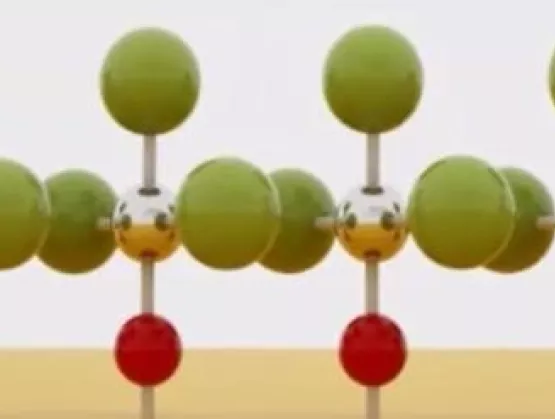
SEMI spoke with Dr. Mikko Söderlund, sales director for Beneq’s semiconductor business, about trends in Atomic Layer Deposition (ALD) applications. Söderlund shared his views ahead of his presentation at SEMI MEMS Imaging Sensors Summit, 25-27 September, 2019, at the WTC in Grenoble, France. Join us at the event to meet Beneq and other key industry influencers. Registration is open.SEMI: The Backside Illuminated (BSI) CMOS Image Sensors (CIS) market continues to experience steady growth. Which applications are currently driving market growth?Söderlund: BSI CMOS Image Sensor market continues to be driven by mobile, security, automotive and Internet of Things (IoT) applications – so there seems to be plenty of opportunities for BSI CIS market to grow further.SEMI: What is critical for advanced thin-film deposition methods to extract best electrical performance?Söderlund: It is critical to control the material properties of the deposited layer (such as charge density, resistivity or barrier property) and of course, film uniformity and conformality. Furthermore, controlling material interfaces is also important, especially for sensitive III-V materials. {% video_player "embed_player" overrideable=False, type='scriptV4', hide_playlist=True, viral_sharing=False, embed_button=False, width='350', height='197', player_id='12721134435', style='margin: 0px auto; display: block; float: right; margin-left: auto; margin-right: auto; width: 350px;' %} Coatings and material features based on existing standard techniques can be very expensive, or not feasible at all. What does Atomic Layer Deposition (ALD), as a thin film coating method, offer in particular?Söderlund: ALD offers dense, highly conformal and pinhole-free best-in-class functional layers for dielectrics, passivation, encapsulation and much more. As a gentle and precise layer-by-layer method, ALD is extremely well-suited for deposition of such performance critical layers over large surface areas such as a cassette of wafers.SEMI: Please describe the Atomic Layer Deposition (ALD) coating process. Söderlund: ALD is based on a self-limiting surface reaction controlled thin film deposition. During coating, two or more chemical vapors or gaseous precursors react sequentially on the substrate surface, producing a solid thin film (see schematic below). Most ALD coating systems use a flow-through traveling wave setup, where an inert carrier gas flows through the system and precursors are injected as very short pulses into this carrier flow. The carrier gas flow takes the precursor pulses as sequential waves through the reaction chamber, followed by a pumping line, filtering systems and, eventually, a vacuum pump.SEMI: What are the two leading edge ALD applications?Söderlund: Today’s leading-edge ALD applications are in logic (high-k/metal gate, multiple patterning) and memory (DRAM capacitor, 3D NAND). Within the More-than-Moore (MtM) markets, CIS and MEMS (actuators and sensors, RF) have been early adopters of ALD, and we also see ALD being introduced in GaN Power and RF, as well as photonics.SEMI: Give us one prediction about the opportunities offered by advanced imaging applications.Söderlund: The large diversity of imaging applications will continue to drive growth and innovation. For example, machine vision is expected to transform the imaging landscape. We see this as a big opportunity for advanced thin-film deposition methods such as ALD, provided that the tools are versatile enough to address the diverse manufacturing requirements.SEMI: What are your expectations for SEMI MEMS Imaging Sensors Summit and why do you invite your peers to attend? Söderlund: The summit brings together all key RF stakeholders in the MEMS and imaging sensors industry, and we are looking forward to a great event. It’s a special event for us as we are officially launching a new ALD cluster tool product specifically engineered for the MtM applications – so this brings great excitement that we want to share with the attendees.Dr. Mikko Söderlund is Sales Director for Beneq’s semiconductor business. He has more than 20 years of experience in product development, product management, technical sales and business development across the photonics, OLED, and semiconductor industries. Mikko received his Ph.D. in Micro- and Nanotechnology from the Helsinki University of Technology. Serena Brischetto is a marketing and communications manager at SEMI Europe.
Read More
Automotive original equipment manufacturers (OEMs) and their direct suppliers of parts and systems share a vision: Next-generation vehicles will be more electric, autonomous and connected. At a market size of more than $1 trillion, automotive is steadily becoming a high-tech market as cars morph into advanced technology platforms with partially or fully autonomous features. Call them semiconductors on wheels. Big players such as Google and many carmakers are investing heavily in chip advances to help drive increases in silicon content in automobiles.At SEMICON Europa, Pierrick Boulay, Solid State Lighting and Lighting Systems analyst at Yole Développement, will provide a market update on autonomous automobile trends including the state of sensors, radars, cameras and LiDARs as the industry works to increase the level of autonomy and electrification.Autonomous vehicle design can only thrive with the development of an industry standard for chip and device traceability across the supply chain. The importance of chip traceability to the automotive industry is reflected in its central role in driving a chip traceability standard.According to Heidi Hoffman, senior director of technology communities marketing at SEMI, “chip traceability is one of the next big things for the technology industry. The benefits are enormous, and the upsides – including yield enhancements, counterfeiting safeguards, and support for new applications – are plentiful. But the implementation challenges of chip traceability are also big and will require considerable effort to overcome. The biggest hurdle of all? We need to transcend industry fears by demonstrating that we can secure IP when it is shared across the hardware supply chain.” The Importance of Standards, Data Collection and Collaboration Across the Supply ChainThe automotive industry has long embraced tracing the sources of defects. Now, as the automotive and semiconductor supply chains increasingly overlap, traceability has taken on greater importance in the semiconductor industry. SEMI committees, task forces and events such as the Smart Transportation Forum at SEMICON Europa are ideal platforms for collaborating to develop new standards and best practices for the automotive industry.Earlier this year, German luxury automobile maker Audi AG became the first automotive original equipment manufacturer (OEM) to join SEMI as member, strengthening alignment across automotive supply-chain segments. At SEMICON Europa, the SMART Transportation Forum and Pavilion, staged by the SEMI Global Automotive Advisory Council (GAAC) and bolstered by the Electronic System Design Alliance, a SEMI Strategic Association Partner, will gather key stakeholders across the automotive value chain, from design and semiconductor equipment to materials and carmakers, to explore innovation opportunities in automotive electronics. SEMI Global Automotive Advisory Council (GAAC) “If the industry wants to reach the goal of zero defects, a new collaborative approach is necessary,” observed Antoine Amade, senior regional director EMEA at Entegris. At SEMICON Europa, Amade will present new ways to collaborate in reducing chip defectivity and meet other challenges in the automotive industry.More than half of semiconductor failures on the automotive assembly line today (so-called 0km failures) are traced to semiconductor fab defectivity. “The increasing semiconductor content in automobiles – driven by growth in ADAS, electrification and autonomy – has put a growing focus on the quality and reliability of these devices and their implications for consumer safety and satisfaction,” said Oreste Donzella, senior vice president and CMO at KLA.The smart manufacturing (Industry 4.0) revolution is already spurring higher performance and great efficiencies throughout the supply chain and will also be crucial to driving innovation in automotive. Smart manufacturing makes possible significant improvements in factory key performance indicators (KPI) for cycle time, on-time delivery, overall equipment effectiveness, cost and product quality.“These KPI gains are key to meeting quality levels the automotive industry must reach to support the deployment of autonomous driving vehicles,” said John R. Behnke, general manager of Final Phase Systems at INFICON. In his talk at SEMICON Europa, Behnke will provide an overview of existing, in-progress, and future smart manufacturing solutions for the semiconductor industry and their impact on the automotive supply chain. The SMART Transportation Forum, 13 November, 2019 (9:30-15:30 at ICM Munich, room 14c) at SEMICON Europa is the premier platform for key stakeholders to connect, collaborate and innovate across the automotive value chain. Automotive and semiconductor industry experts will offer insights into trends in design, semiconductor equipment and materials, and automotive innovation and the roadmap to 2030. The SMART Transportation Forum will also showcase innovations in imaging, sensing, artificial intelligence (AI), smart manufacturing and L5 mobility.Other SEMICON Europa highlights: Advanced Packaging Conference: Packaging and Test Challenges Towards High Reliability (12-13 November 2019) 23rd Fab Management Forum: Game Changers for Semiconductor Operations(11-12 November 2019) Strategic Materials Conference: Strategic Materials Enabling Industry Roadmaps(12-13 November 2019) SEMICON Europa registration is open for visitors and exhibitors. For more details, please visit the SEMICON Europa website and connect with SEMI Europe on Twitter or LinkedIn @SEMIEurope (use #SEMICONEuropa).Learn more about the SEMI chip traceability standard – SEMI T23 - Specification for Single Device Traceability for the Supply Chain – and SEMI Technology Communities.Serena Brischetto is a marketing and communications manager at SEMI Europe.
Read More
Stefano Zanella, Head of Automotive, Industrial and Location Businesses, TDK InvenSense will present at next month’s SEMICON Taiwan (September 18-20, 2019 in Taipei City, Taiwan). SEMI Taiwan’s Emmy Yi spoke with Stefano for a preview of his talk.SEMI: What macro market trends are driving automotive manufacturers to increase the variety and volume of MEMS sensors in cars?Zanella: The car world is changing. Consumers increasingly view car ownership as less desirable, yet the number of miles traveled and of hours spent in a car are rising steadily. At the same time, cars are changing profoundly, and the pace of change is rapid. To thrive in this new world, automakers are becoming transportation enablers and providers.Many vehicles today autonomously interact with humans and the world around them, operate with less or no human control, and are powered by electric batteries. MEMS sensors – which mimic and augment the five human senses – are front and center in these advancements.Unlike other types of sensors – such as cameras, radar and GNSS/GPSS – MEMS gyroscopes are functional in every environment. Gyroscopes, as well as accelerometers, can supplement those other sensors when they are not available and boost the accuracy of their outputs when they are available. Both camera stabilization and dead reckoning when GNSS is unavailable are good examples of the latter. Other prevalent sensors include MEMS microphones, used to capture voice commands, ultrasonic sensors, which can be leveraged for parking and gesture recognition, and fingerprint sensors, which can improve car security.SEMI: How can automakers stay competitive in this changing landscape?Zanella: Automakers can future-proof their relevance in the transportation market in several ways. By embracing consumer migration toward ride-sharing over car ownership, many are transforming from manufacturers to mobility providers. Carmakers that invest in ride-sharing and other modes of transportation (e.g., scooters) can sustain their profitability, even if the number of vehicles sold eventually shrinks or simply doesn’t grow as much as anticipated.Automakers will need to pursue new avenues of product differentiation. Traditionally, automakers have kept performance and aesthetics to themselves by owning the engine and the body design of the car, leaving nearly everything else to suppliers. Autonomous driving and electrification, however, are pushing automakers to own the battery pack and the autonomous driving software stack.While we are just beginning to see standardization in battery packs, automakers are likely to own the autonomous driving stack for many years to come. Automakers that offer cars with highly functional and efficient batteries and driving stacks stand to gain market share.Automotive infotainment systems will become increasingly crucial as autonomous driving turns everyone into a passenger. Audio subsystem providers such as Harman Kardon, Bose, and Bang Olufsen, for example, jockeyed for attention at the most recent Geneva Motor Show, demonstrating sophisticated surround-sound systems that rival premium-quality home audio setups.With more and more consumers using voice interfaces to interact with devices in the home, drivers are less willing to accept spotty accuracy in the car. Hence, automakers are using more higher-performing MEMS microphones to accurately capture voice commands. This will come as a relief to those of us who routinely yell at our steering wheels while using voice command to try to call home. Demand for higher quality infotainment systems has prompted some automotive OEMs to own the entire infotainment system and work directly with sensor and chipmakers, a level of intimacy that gives automakers a chance to tune sensor and chip development to their own needs. This tighter relationship also positions device suppliers to forge more direct links with drivers.SEMI: Which MEMS sensors are particularly important to tomorrow’s automobiles and why?Zanella: For many years the automotive industry has been integrating more electronics into cars to improve safety, advance the driver and passenger experience, and, more recently, power the car. As vehicles rely less on human control, automakers must replace the senses of the driver with something else. That something else is a bunch of sensors, microphones, cameras, radar and LIDAR to replace vision and hearing.Since MEMS sensors such as accelerometers, gyroscopes and pressure sensors are much more robust than other types of sensors to operate in snow, rain and darkness and other imperfect environments, automakers use them to ensure that the vehicle never gets lost when other sensors and/or the GPS/GNSS signal become unavailable in tunnels or urban canyons. Gyros help determine direction, accelerometers velocity and distance driven, and pressure sensors height, such as when taking a fork on a multi-level highway. At the same time, fingerprint sensors, ultrasonic parking sensors, and temperature sensors are improving convenience, safety and security for the car’s occupants. Automakers increasingly use inertial and environmental sensors, MEMS microphones, fingerprint sensors, and vision/imaging sensors to augment or replace the five human senses on which car drivers have relied for over 100 years. Source: TDK InvenSense SEMI: To what degree can MEMS sensors enable automotive security?Zanella: MEMS sensors are used widely to enhance security today. Some of their mechanisms are easy to understand while some are unexpected. For instance, ultrasonic fingerprint sensors can authenticate the driver of a vehicle to prevent car theft or something less onerous, like a teenage driver taking the car out without permission.Accelerometers and gyroscopes can prevent a new type of spoof on keyless entry systems. Imagine that you are very close to your vehicle. Your car senses the remote control in your pocket and automatically opens the doors when you pull the handle. Now suppose that your car is parked on the street, not far from your house. You leave the remote control home, and the car doesn’t sense the proximity of the remote control. Great! No one can enter your car, unless ... a thief has a big signal amplifier that makes your car think that the keyless entry device is next to the car. In this case, what can an automaker do? Add an accelerometer that restricts the keyless device from broadcasting the entry signal unless you are walking to the car with the device on your person.SEMI: What would you like SEMICON Taiwan attendees to take away from your presentation?Zanella: I would like them to embrace the transformations afoot in the automotive market as well as their associated design challenges since, by overcoming these hurdles, they can offer significant societal benefits such as safer and cleaner transportation. At the same time, these transformations mean significant opportunities for semiconductor industry revenue growth. And while design-to-delivery cycles in automotive are longer than in consumer and mobile, the automotive market supports higher-value devices as well as the chance to fold dozens of MEMS sensors into a single model.To paraphrase Lord Kelvin: If you can’t sense it, you can’t manage it. As suppliers of many key technologies that make intelligent transportation possible, the MEMS sensors industry is in an excellent position to help automakers manage the many challenges ahead.Stefano Zanella, Ph.D., is Head of Automotive, Industrial and Location Businesses at TDK InvenSense, where he brings MEMS sensors (including accelerometers, gyroscopes and microphones) and location solutions to the automotive and industrial markets. Zanella holds an MS and a Ph.D. in Electrical Engineering from the University of Padova, Padova, Italy as well as MBAs from both the UC Berkeley Haas School of Business and from Columbia University.He will present MEMS Sensors Enabling the Smart Car Revolution on Wednesday, September 18, 2019, at SEMICON Taiwan at 1F 4F, Taipei Nangang Exhibition Center, Taipei City, Taiwan. Register today and save 20% to learn how MEMS sensors are transforming the human experience with cars.Connect with Stefano Zanella at SEMICON Taiwan or via LinkedIn. You can also get more information on TDK’s automotive solutions and application guides online.Interested in engaging with the MEMS sensors supply chain? SEMI MEMS Sensors Industry Group is a technology community that enables professionals in the MEMS and sensors industry to innovate, address common challenges and accelerate business results.Emmy Yi is a marketing specialist at SEMI Taiwan.
Read More
Despite market saturation and stagnation saddling many business sectors, MEMS remains a shining star in the semiconductor industry. Opportunities in automotive, consumer electronics, mobile, medical are rising. What is supporting this industry growth? Who are the big players on the horizon?SEMI spoke with Dimitrios Damianos, Technology Market Analyst, Photonics, Sensing and Display division at Yole Développement, about MEMS market dynamics and future trends. Damianos shared his views ahead of his presentation at SEMI MEMS Imaging Sensors Summit, 25-27 September, 2019, at the WTC in Grenoble, France. Join us at the event to meet experts from Yole and many other key industry influencers. Registration is open.SEMI: MEMS and sensors is one of the healthiest industries not only in Europe but globally. Despite a global economic slowdown, the MEMS and sensors is still growing. What is fueling this growth?Damianos: The value of the global MEMS and sensor market will almost double from $48 billion in 2018 to $93 billion in 2024. In 2018 the MEMS and sensor market represented more than 10% of the total IC market, as more and more MEMS devices and sensors, such as MEMS, image sensors, and RF filters, are integrated in end products in consumer and automotive. In particular, the value of the MEMS-only market reached $11.6 billion in 2018, with consumer applications accounting for more than 60% of the total market. From 2019 to 2024 the MEMS market will grow 8.3% annually in value driven by pressure (for TPMS), RF (for V2X 5G communications), inertial (for ADAS) and future MEMS (such as pMUT for ultrasonic fingerprint) (Source: Status of the MEMS Industry report, Yole Développement, 2019). SEMI: How are MEMS shaping the semiconductor industry today? Damianos: MEMS have a make-smarter enabling capability. They are providing context for new applications and services in transportation, mobility, health, and security. Large companies such as Alibaba and Google are considering MEMS as a critical element in their business solution domains covering the upcoming smart home, smart campus, smart city and smart industry applications. MEMS have key features that correspond to these companies’ criteria for accuracy, small size (without performance degradation), low power and always on (e.g. microphones). Furthermore, with the advent of sensor fusion and edge computing, more sensor data can be processed, maximizing the qualitative and useful information about us and our surroundings. This has a huge impact in all markets, especially consumer.SEMI: MEMS foundries performed well thanks to the boom in industrial and medical applications. Who are the big players right now?Damianos: During 2018, all foundries saw their revenue increase. STMicroelectronics, Teledyne Dalsa, Silex, IMT, Micralyne and Philips Innovation Service are important MEMS foundry players that offer services for various MEMS devices used in medical and industrial markets, among others. On one hand, medical applications were driven mostly by microfluidics, flowmeters, pressure and inertial MEMS. On the other hand, industrial applications were driven by inkjet heads, microbolometers and pressure MEMS. The market prospect, however, is huge for RF MEMS and oscillators that will be used in next-generation 5G infrastructure. SEMI: What is the current status of MEMS for automotive applications? What are the related market drivers? Damianos: In automotive applications, accelerometers and pressure sensors still account for the lion’s share in units. Pressure sensors will grow at more than 8% with Tire Pressure Monitoring System (TPMS) implemented in Chinese vehicles in the near future. After 2019 and 2020, with the new Chinese standard, GB 2614, TPMS will become compulsory: 100% of all new vehicles will have TPMS. Also, automotive MEMS could grow quicker than the corresponding car market (currently at approximately 3%). The reason is a higher number of many different MEMS devices that are being integrated in cars, such as MEMS inertial measurement units (IMUs), TPMS, environmental MEMS for gas and particle monitoring in-cabin and microphones for hands-free voice commands.SEMI: After years of decline, the inkjet heads industry is growing again. What other segments are benefiting from MEMS technology applications? Can you name two examples?Damianos: RF MEMS (BAW filters) is also benefiting from applications in smartphones and will continue to benefit with the arrival of 5G. 5G means additional high frequency sub-6 GHz bands that can only be addressed by BAW filters. Moreover, new infrastructure approach using active antennas will create an expanding market for BAW.Another segment is inertial sensors. Inertial MEMS already have a high potential in wellness and fitness wearables and are gaining support for medical wearable applications to monitor patient activity, with the aim to prevent seizure in cases of epilepsy and other mental disorders. Compared to other types of sensors, MEMS is the golden technology for inertial sensors integrated into medical wearables. They are used for rehabilitation systems, activity trackers and assistance living/fall detection. Specifically, the IMU market will continue to grow for consumer and automotive applications as their price and form factor continue to shrink and they replace traditional standalone MEMS accelerometers and gyroscopes. However, the inertial sensor market will mostly grow for smartphone applications (mostly 6DOF, with 9DOF volumes being comparatively low).SEMI: Give us one prediction about the opportunities offered by the MEMS technology. Damianos: Sensor fusion is becoming more and more relevant since billions of MEMS sensors are made every year. The upcoming 5G revolution will make connectivity easier than ever, creating exponentially more data. To make these data meaningful, data processing is mandatory. Big data is an industry born of recent advancements in AI and machine learning, built upon and fueled by a wealth of new data from ever-expanding sensor applications. An upcoming trend is edge computing, with sensors and MEMS driving a new age of technology. Sensors are digitizing the human experience, and as the real and virtual worlds move closer together, it will be sensors that bind them, enabling new experiences for users everywhere. Running AI at the edge, coupled with sensor fusion, will open new applications for MEMS in audio, motion, olfactometry, and imaging. We also expect that new MEMS devices (microspeakers, ultrasonic fingerprint, pMUT) and piezoelectric MEMS technology could rejuvenate the MEMS market. SEMI: What are your expectations for SEMI MEMS Imaging Sensors Summit and why would you invite your peers to attend? Damianos: SEMI is organizing another very successful event, gathering experts from the Imaging and MEMS industries. We are at a turning point of innovation, with many technological advancements in AI, IoT, AR/VR, biometrics, and other areas where Imaging and MEMS technologies are paramount. Yole is excited to hear the thoughts of many high-profile experts on existing activities and future prospects within their organizations. If you are too, then it is an event that you shouldn’t miss!Dimitrios Damianos, Ph.D. is a Technology and Market Analyst in the Photonics, Sensing and Display division at Yole Développement (Yole). Damianos is a member of a Yole team that produces technology and market reports on the imaging industry including photonics and sensors. Damianos holds a MSc degree in Photonics from the University of Patras (Greece). After his research on theoretical and experimental quantum optics and laser light generation, Dimitrios pursued a Ph.D. in optical and electrical characterization of dielectric materials on silicon with applications in photovoltaics and image sensors, as well as SOI for microelectronics at Grenoble’s university (France). He has also authored and co-authored several scientific papers in international peer-reviewed journals. Learn more! Join the webinar on 5th September 2019. Registration is open! Serena Brischetto is a marketing and communications manager at SEMI Europe.
Read More