downloadGroupGroupnoun_press release_995423_000000 copyGroupnoun_Feed_96767_000000Group 19noun_pictures_1817522_000000Member company iconResource item iconStore item iconGroup 19Group 19noun_Photo_2085192_000000 Copynoun_presentation_2096081_000000Group 19Group Copy 7noun_webinar_692730_000000Path
Skip to main content
Default Banner Image

industry

This blog series explores how collaboration between industry and academia can empower the next generation of semiconductor innovators. Through insights from leaders, educators, and students, we’ll showcase effective strategies for bridging the talent gap, fostering innovation, and creating meaningful career pathways in the semiconductor industry.As innovation accelerates and new challenges emerge, the industry’s greatest breakthroughs will come from bold, curious students, young professionals, and lifelong learners ready to build what comes next. SEMI spoke with Professor Antonio Costa of the University of Catania about attracting the next generation to STEM, the emerging skills required in the semiconductor industry, and examples of impactful collaboration with local industry, along with many other insights.Costa shared his perspectives following his participation in the SEMI on Campus program, held on April 16, 2026, in Catania, Italy. SEMI: What emerging skills do you believe will be most essential for the next generation of semiconductor innovators, and how can industry and academia work together to nurture them?Costa: I firmly believe in the role of interdisciplinary skills. The next generation of semiconductor innovators will need a blend of deep technical expertise, cross-disciplinary thinking, and adaptability to rapidly evolving technologies specifically based on artificial intelligence. The future semiconductor innovator isn’t just a circuit designer. They’re a systems thinker, data scientist, and materials engineer rolled into one. The most successful ecosystems will be those where academia teaches fundamentals, and industry provides real-world constraints, tools, and scale. So, university and industry should work together to share their knowledge and technological infrastructures with the aim of supporting the next generation of semiconductor innovators. SEMI: In your work with young engineers and researchers, what approaches have you found most successful in nurturing creativity and sustaining curiosity in such a technically complex field? How do you think we can attract the next generation to enter the STEM studies?Costa: Curiosity and creativity are two major features for researchers and engineers in general. Over the years of teaching and coordinating research activity, I have been able to observe that students are increasingly drawn to challenges coming from the industrial world. In a way, one could say that complexity often stimulates curiosity, and when this happens, students are able to deliver their best performance in terms of creativity and quality of results. In my courses, students have always been required to tackle an industry-inspired project work to be eligible to pass the exam. Every year, I invite industry representatives from local manufacturing companies to present real case studies to the classroom, describing their key elements, constraints, and objectives. Students are then asked to solve the industrial case study by applying the problem-solving techniques learned during the course. Based on my experience, I believe that a greater intensity in the relationship between the industrial and academic worlds can further stimulate students' curiosity and the interest of new generations.SEMI: What do you believe are the most significant barriers for students entering the semiconductor industry today, and how can academia help bridge these gaps?Costa: As usual, the main barriers for students concern the gap between the theoretical study mindset developed during university courses and the demands of the industrial world in terms of teamwork skills, problem-solving abilities, and soft skills. Universities and industry should find greater opportunities for collaboration, for example by establishing shared laboratory activities or seminars during which managers from semiconductor companies, and beyond, illustrate the essential aspects of working life and the primary needs of the semiconductor industry. At the same time, it would be advisable to emphasize the employment and career opportunities that the semiconductor industry is currently able to offer. Hackathons, that have a competitive orientation, could also represent a valid stimulus that companies and universities could pursue jointly and on a regular basis.SEMI: How can universities and industry partners collaborate more effectively to create learning experiences that truly unlock students’ potential and prepare them for the sector’s evolving demands? Professor Antonia Costa, University of Catania and Daniele Pagano, STMicroelectronicsCosta: Shared laboratories, curricular and extracurricular internships scheduled on a continuous basis, and periodic seminars held by company representatives with diverse areas of expertise can make a positive contribution to rapidly and robustly unlocking the learning potential of today's students and tomorrow's new hires. In December 2021, the University of Catania and STMicroelectronics signed a framework agreement to strengthen collaboration in the field of power electronics, with a focus on advanced research and training. The agreement aims to support technological innovation and the development of professional skills in the semiconductor sector, including:Research and development: the launch of projects focusing on increasing power density, efficiency, and reliability of power modules. Training and talent: funds for students’ awards, mentorship programs, internships, thesis projects.Innovation: support for technological growth and the development of professional expertise in power electronics. Regional ties: consolidation of Catania's role as a hub for semiconductor research, with strong synergy between the university and the local ST production site. Curricular internships linked to Master’s degree theses, supervised by faculty members across disciplines, primarily within Engineering, Computer Science, Physics, and Chemistry programs.SEMI: Can you share other examples of collaborations? Costa: Over the past decade, the University of Catania has been an active partner in multiple European consortia, supporting the development of research projects funded through highly competitive national and European programs. Currently, the University of Catania is engaged in collaborative research with STMicroelectronics through two Horizon Europe projects.In the first project, HiCONNECTS, the Department of Engineering is developing a digital twin architecture aimed at optimizing wafer lot dispatching at STMicroelectronics’ manufacturing facility in Catania.The second project, GENESIS, brings together the Department of Engineering and the Department of Chemical Sciences to pursue an ambitious sustainability objective: the development of innovative methods to identify and reduce per- and polyfluoroalkyl substances (PFAS) generated by semiconductor manufacturing processes, thereby mitigating environmental impact."The role of universities is to help students recognize their potential and guide them toward fields where their abilities can truly flourish. Initiatives like SEMI on Campus are invaluable, as they inspire students through direct engagement with professionals, helping bridge the gap between theory and industrial practice." -- Professor Antonio Costa, University of Catania .custom-quote-block { border-left: 4px solid #d9d9d9; padding-left: 26px; margin: 24px 0; } .custom-quote-block blockquote { margin: 0; padding: 0; border: none; } .custom-quote-block p { margin: 0; font-size: 18px; line-height: 1.6; font-style: italic; color: #000; } SEMI: Looking ahead, what role do you see educators playing in shaping the future of semiconductor innovators? Costa: The role of educators, both in schools and, above all, in universities, is to help students recognize their own potential and develop the maturity needed to identify and pursue those fields of knowledge that best highlight their abilities.The SEMI on Campus initiative was immediately embraced by many universities and by myself, as it offers students from diverse academic backgrounds the opportunity to understand the key skills sought by players in the semiconductor industry, while also highlighting the employment and career paths available in this field.The opportunity to hear directly from prominent speakers who work daily in semiconductor design and manufacturing represents a powerful way to stimulate students’ curiosity and potential, while helping to bridge the gap between the theoretical knowledge acquired in university classrooms and the practical, results‑oriented approach required in an industrial environment.The benefits for students are broad and significant, as they can assess their own aptitudes and ambitions against the real demands of semiconductor companies, drawing inspiration and insight from firsthand accounts shared by industry professionals.Antonio Costa is a full professor at the University of Catania (DICAR Department). He teaches Production Planning and Control in the Master’s degree in Engineering Management, and Advanced Technologies for Manufacturing Processes in the Master’s degree in Mechanical Engineering.His research activities are mainly focused on production scheduling, supply chain dynamics, manufacturing process optimization and Statistical Process Control (SPC). He is area editor for Computers Industrial Engineering, member of the Italian Association of Manufacturing Technologies (AITeM) and leads several research collaborations with STMicroelectronics.Interested in bringing SEMI On Campus to your institution or welcoming an industry expert as a guest speaker?Reach out to [email protected]. Let’s work together to inspire the next generation of semiconductor leaders!Related Initiatives:SEMI 20 Under 30: The SEMI 20 Under 30 Awards recognize exceptional young leaders in the semiconductor industry who are making significant contributions and driving innovation. Nominations are open!ChipQuest: The ChipQuest Challenge promotes the microelectronics industry to students to build future talent. University and high school students can participate and win amazing prizes! Serena Brischetto is Director Marketing and Digital Engagement at SEMI Europe.
Read More
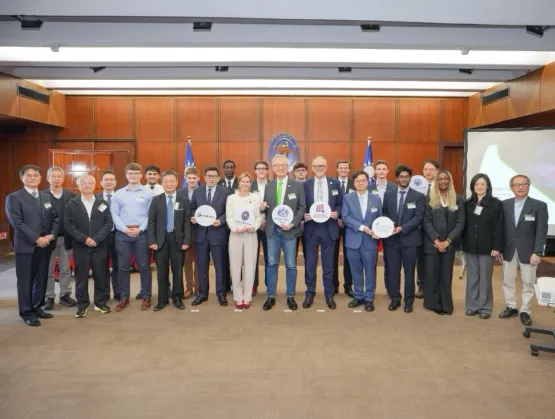
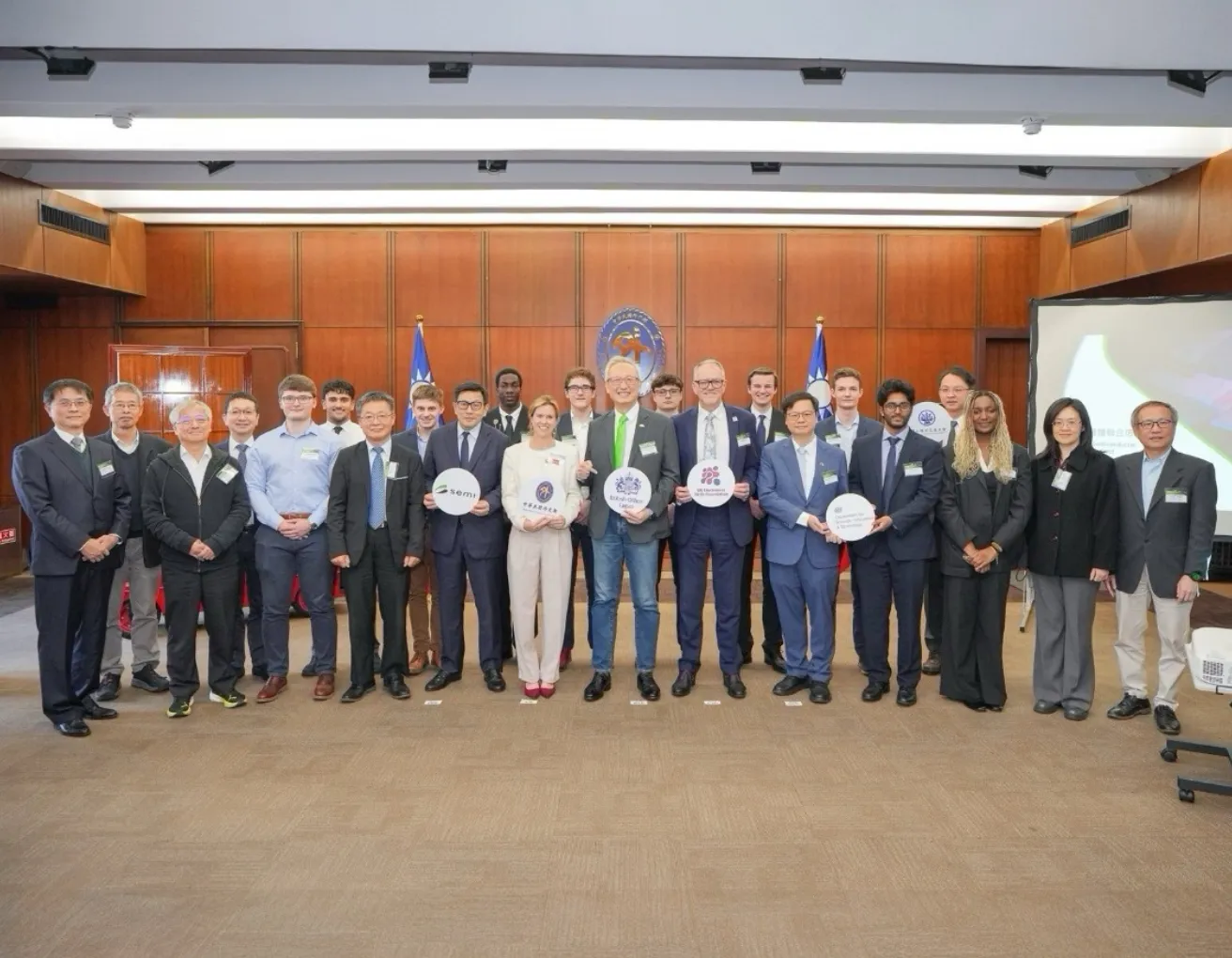
The global semiconductor industry is entering a new phase of growth to keep pace with the increasing demand for artificial intelligence (AI), high-performance computing (HPC), and system-level integration. At the same time, rapid technological advancement is intensifying the need for highly skilled talent. Industry projections indicate that by 2030, the global semiconductor sector will face a shortage of more than one million professionals, making talent a critical variable shaping competitiveness and supply chain resilience.In this context, governments and industry organizations worldwide are accelerating efforts to develop talent pipelines and strengthen cross-border collaboration. For a highly globalized industry like semiconductors, the movement of talent and exchange of knowledge are no longer confined to individual markets, but are essential to the development of a resilient and interconnected global ecosystem. Increasingly, competition is extending beyond technological breakthroughs to the ability to build and sustain a global talent pipeline.Supported by a cross-border collaboration framework, SEMI and the UK Electronics Skills Foundation (UKESF) have jointly organized a program to cultivate the next generation of semiconductor talent. Through structured exchange mechanisms and close collaboration with industry, academia and public sector partners, the program connects global talent with real-world industry environments and contributes to building a more sustainable foundation for long-term workforce development.From Lab to Fab: Understanding the Path from Research to ManufacturingA core objective of the project is to bridge the gap between academic research and industrial application. Through a 14-day immersive experience combining industry engagement and hybrid learning formats, participants engage directly with experts and gain a system-level understanding of how the semiconductor industry operates—from research and development to high-volume manufacturing.The program covers key segments of the semiconductor value chain, including advanced research, wafer fabrication, IC design, packaging and testing, and system applications. This integrated learning experience enables participants to move beyond isolated technical knowledge and develop a broader understanding of how innovation is translated into scalable industrial capabilities.As one participant shared: “Experiencing the award-winning R D solutions at ITRI and the massive scale of wafer manufacturing at UMC firsthand was unforgettable. It was incredibly inspiring to see how advanced research is translated into global manufacturing capabilities—from lab to fab.”Participant feedback highlights a clear shift in understanding. Through hands-on learning and industry engagement, participants moved beyond isolated technical knowledge to develop a more comprehensive, system-level perspective of the semiconductor industry—supporting more effective collaboration across the global ecosystem.A Practice-Oriented Approach: Redefining Semiconductor Talent DevelopmentAs technology evolves and industry demands shift, traditional discipline-based education models are no longer sufficient to fully meet the needs of semiconductor manufacturing and R D environments. Increasingly, the industry is seeking talent with cross-disciplinary capabilities and hands-on experience.The project adopts a “learning by doing” approach, combining laboratory sessions, expert-led workshops, and company visits to provide participants with practical exposure to semiconductor devices, materials, process technologies, and system design. Participants also gain exposure to real-world applications such as chip security, design verification, and advanced process technologies.From an industry perspective, this approach aligns more closely with evolving workforce needs. Compared with conventional academic training, individuals with cross-disciplinary experience and international exposure are better equipped to understand the interplay between R D and manufacturing, and to integrate more effectively into real-world operational environments.UK participants, dressed in cleanroom suits, gained firsthand exposure to Taiwan’s semiconductor manufacturing environment—observing wafer fabrication equipment up close and engaging in hands-on learning to experience the journey from lab to fab.From Talent Development to Ecosystem ConnectivityAt a time when the semiconductor industry is entering its next phase of growth, talent plays a central role not only in driving innovation, but also in enabling global collaboration. As supply chains become increasingly interconnected, building mechanisms for cross-border talent mobility and cooperation is critical to strengthening both resilience and innovation capacity.At the program’s closing event, “UK–Taiwan Semiconductor Industry and Talent Exchange,” Terry Tsao, Global Chief Marketing Officer and President of Taiwan, SEMI, noted:“By 2030, the semiconductor industry is expected to require more than one million additional skilled professionals. Through international collaboration and industry–academia engagement, SEMI aims to enable more global talent to engage with Taiwan, gain a deeper understanding of its semiconductor ecosystem, and build long-term connections with the industry.”The project reflects a broader objective: not only to develop talent, but to build a sustainable, globally connected workforce network. By fostering a shared understanding and collaboration across borders, such initiatives help align capabilities and drive innovation across the global semiconductor ecosystem.Terry Tsao, Global Chief Marketing Officer and President of Taiwan, SEMI, emphasized the importance of nurturing globally connected semiconductor talent to help drive the industry’s future growth.Advancing Global Collaboration to Meet Long-Term Industry NeedsAs the industry continues to evolve, no single organization or region can address workforce challenges alone. Cross-border collaboration and structured talent development frameworks will be essential infrastructure for the future of the semiconductor industry.Looking ahead, SEMI will continue to expand international partnerships, connecting global industry, academia, and government stakeholders to deepen and scale talent development efforts—supporting the next generation of semiconductor professionals with both global perspective and practical expertise.For more information or partnership opportunities, please contact:Ily TsaiTel: +886-3-560-1777 [email protected] Ily Tsai is Project Manager, Workforce Development at SEMI Taiwan.
Read More
The semiconductor industry continues to grow at an unprecedented pace and so does the demand for highly skilled employees at all levels in the industry. With the focus on reshoring manufacturing in the United States, we are increasingly faced with two questions: 1) how to identify talent that is ready to work today with the skills and experience that they already have and 2) how to best prepare a workforce for tomorrow, to meet the estimated shortage of 59,000-146,000 technicians and engineers by 2029. The SEMI Foundation – the workforce development arm of SEMI – provides solutions to address the talent gap and more through programs such as SEMI Credentialing. This innovative effort that helps employers identify talent, jobseekers communicate their work readiness, and training and education providers align their programs to industry needs.SEMI Equipment Maintenance Technician CertificationIndustry subject matter experts who provided initial inputs for the Knowledge, Skills, and Abilities (KSA) of an Equipment Maintenance Technician.The SEMI Foundation is building out the first nationally accredited, industry-recognized Equipment Maintenance Technician Certification. In collaboration with industry leaders like Micron, GlobalFoundries, Intel, Western Digital, TEL, Onto Innovation, and others, we have identified the key competencies for equipment maintenance technicians. Individuals from 45 companies across 16 states have provided technical subject matter expertise, resulting in one of the most regionally diverse and comprehensive certification offerings to date. Our partner, NOCTI, an ISO-certified credentialing provider, is in the final stages of developing the certification exam. Our two-part certification exam includes 100 multiple choice questions that assess a candidate’s knowledge of safety, quality, electrical and mechanical principles, maintenance principles, and semiconductor industry awareness, as well as a hands-on electrical and pneumatic skills-based performance task. Educators from 12 community colleges and universities across the United States developed the questions, ensuring the highest academic standards and rigor. This certification will allow job seekers to demonstrate their readiness and create clear pathways into technician roles for qualified individuals regardless of their previous training. Furthermore, the Equipment Maintenance Technician certification will establish a national source of truth for curriculum alignment made available to training providers and educators and ensure relevance and continuity through routine industry review. The SEMI Equipment Maintenance Technician Certification will launch regionally in Spring 2026. National roll-out is scheduled for Fall 2026, and we encourage training and industry partners to connect with us directly to ensure early access to the certification.SEMI Endorsement of Programs and CoursesPartners from 12 community colleges and universities provided their expertise in developing test questions for the SEMI Certification.The SEMI Foundation is endorsing programs that prepare entry-level workers for success in the semiconductor industry. Since 2024, we have endorsed programs at Austin Community College, Foothill College, NY Creates, and WGNStar. These programs, and others like it, are emblematic of what strong partnerships between academia and industry can look like. Learners seeking programs can look to these as options for their education. Receiving SEMI Endorsement for Programs and Courses conveys that: Learners who are new to the semiconductor industry and successfully complete the program will be well-prepared for entry-level roles; Program completers have had exposure to fundamental semiconductor industry information and context, as well as introductory hands-on experience; Completers of these programs have the specific knowledge and skills required for entry level positions; andProgrammatic design and content have been informed through input and feedback from local industry partners.As we continue to expand the portfolio of programs and courses that the SEMI Foundation endorses, we are looking increasingly at programs with strong industry alignment and clear pathways for learners once they complete their training, be that apprenticeships, additional training, or direct access into the workforce.Microcredentials and MoreThe SEMI Foundation is a leader in convening stakeholders across academia and industry in support of workforce development initiatives. This unique ability to bring together diverse perspectives positions us to play a central role in shaping the future of skill validation. Microcredentials address several key changes and trends in training, including the rising costs of education coupled with an increased appetite for hands-on learning opportunities. Microcredentials are stackable, adaptable, and aligned directly with workforce demands. Learners can build competencies step-by-step. Employers can identify specific skill sets with greater precision. Education providers can modernize programs to reflect emerging technologies and evolving roles. We are forming panels and committees to explore the idea of microcredentials, as our partners are looking to us for innovative ways to recognize short-form training programs, amplify opportunities for individuals in up-and-coming regions, and continue to connect our partners in service of workforce solutions. In addition, the SEMI Foundation is exploring the provision of badges to teachers, career counselors, and other educators to demonstrate their knowledge and awareness of semiconductor careers.As we continue to drive solutions and add value to the world of credentials, we look forward to ongoing conversation and collaboration with partners. Every conversation we engage in about credentialing strengthens our offering and ability to provide solutions to the semiconductor industry’s growing workforce demands. Anissa Hamdon-Morison is Manager, Curriculum Developer Training at the SEMI Foundation
Read More