downloadGroupGroupnoun_press release_995423_000000 copyGroupnoun_Feed_96767_000000Group 19noun_pictures_1817522_000000Member company iconResource item iconStore item iconGroup 19Group 19noun_Photo_2085192_000000 Copynoun_presentation_2096081_000000Group 19Group Copy 7noun_webinar_692730_000000Path
Skip to main content
Default Banner Image

Materials

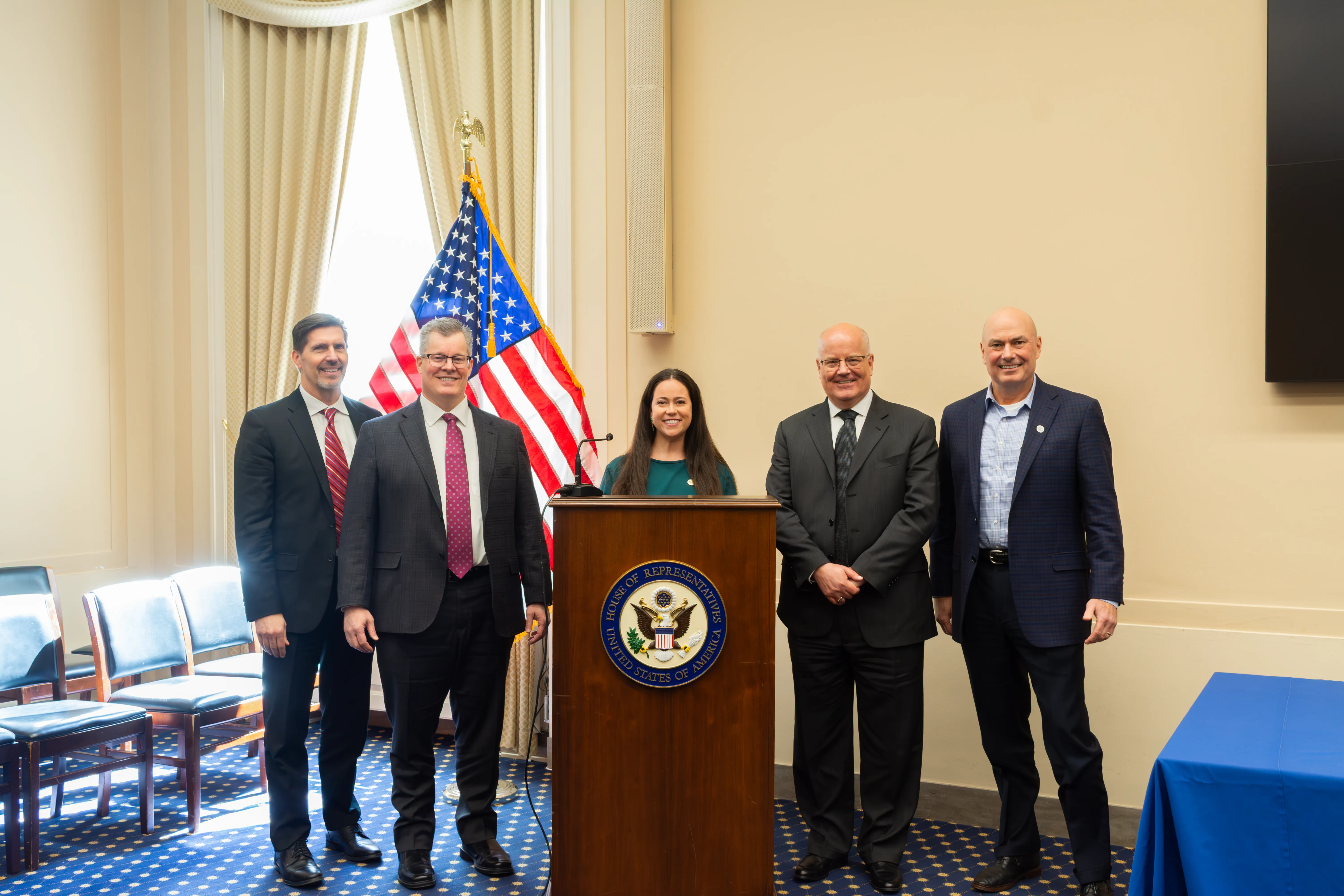
The House Semiconductor Caucus event held on March 17, 2026 at the Rayburn House Office Building in Washington, D.C. brought together industry leaders for an in-depth panel discussion around the upstream vulnerabilities in the U.S. semiconductor supply chain and policy actions Congress should consider. If policymakers do not hear from all segments of the supply chain, critical issues go unaddressed and the policies that result are less effective than they could be. Events like this reflect SEMI’s mission to bring the full breadth of the supply chain into policy conversations. Key topics addressed during this panel were supply chain and critical material challenges, tax and domestic incentives, and export controls and trade policy. The briefing featured executives from leading materials companies—Entegris, Materion, Avient, and CoorsTek—and was moderated by SEMI. They shared firsthand insights into bottlenecks and risks within the global supply chain, emphasizing how disruptions in sourcing and processing critical materials can threaten the entire semiconductor manufacturing process. The event also addressed the need for targeted policy actions to strengthen U.S. competitiveness, such as extending and expanding the Sec. 48D tax credit, targeting R D in specific areas, and workforce development. The event underscored the strategic significance of a robust and resilient semiconductor supply chain as a cornerstone of national and economic security, particularly in light of ongoing global supply chain uncertainties. The panel encouraged policymakers to increase consultation with industry stakeholders and consider specific, actionable steps to close existing gaps and support the entire ecosystem. The Q A session allowed congressional staff to engage directly with experts, further deepening their understanding of the complex challenges facing the semiconductor industry today. SEMI is the preferred trusted partner to the government and the event concluded with a networking lunch to reinforce the collaborative spirit between industry and government that is necessary to build a stronger, more secure future.Thank you to Representative Zoe Lofgren for providing a keynote address, Representative Michael McCaul for collaborating with SEMI to host this panel event, and to our speakers for raising these important issues and sharing timely insights. Visit SEMI Global Advocacy to learn more about public policy efforts and developments as well as how your company or organization can get involved.Scarlett Bickerton, Manager, Federal State Affairs at SEMI.
Read More
Silicon carbide (SiC) has become a cornerstone of next-generation power electronics, driving advancements in electric vehicles, renewable energy, and industrial applications. After several years of rapid capacity expansion, the SiC industry is now entering a new phase focused on optimization, quality, and long-term scalability.This transition reflects a broader realignment across the global semiconductor ecosystem. As new fabs come online and supply chains mature, the industry is prioritizing stability, cost efficiency, and technical excellence over sheer capacity growth. SiC has moved from being a niche technology to a critical enabler of the energy transition, and this maturity demands not only investment in tools and materials, but also in process knowledge, cross-industry standards, and long-term partnerships that can sustain innovation at scale.To understand how this shift is unfolding, SEMI Europe spoke with Dr. Mark Puttock, Senior Director, Technology and Innovation at Entegris. Puttock shared his perspective on the industry’s evolution and how strategic collaboration and process innovation are shaping the next chapter of SiC manufacturing.From Ramp-Up to RefinementThe early growth of SiC manufacturing was driven by surging demand for high-efficiency power devices, particularly in electric vehicles. According to Puttock, that expansion period has given way to a new focus on yield, uniformity, and process control.The industry is entering a stage of maturity where success depends on optimization rather than scale alone. Improving consistency across crystal growth, wafer, and device fabrication is becoming just as important as adding capacity. This refinement phase calls for closer integration between materials science and manufacturing technology to ensure reliability and cost efficiency.A Focus on Process and Materials InnovationAs SiC moves toward high-volume production, challenges related to contamination control, defectivity, and wafer uniformity are taking center stage. Puttock noted that addressing these issues requires collaboration between materials suppliers, equipment manufacturers, and device makers.Efforts across the industry are converging on similar goals: enhancing purity, improving process repeatability, and developing new methods to enable larger wafer formats. Moving from 6-inch to 8-inch SiC wafers, for example, is widely recognized as a key step toward higher throughput and cost efficiency. Puttock emphasized that innovation in materials science and manufacturing technology must go hand in hand to support this scaling trend.Insights from Cross-Industry CollaborationA recent Entegris blog post featuring insights from Volkswagen Group Components and Porsche Consulting explores how SiC adoption is reshaping manufacturing strategies beyond the semiconductor industry. The post also highlights the strategy paper developed by Porsche Consulting in collaboration with Entegris. This joint effort demonstrates the value of aligning semiconductor-grade precision with automotive manufacturing demands. By sharing perspectives across industries, partners can accelerate best-practice adoption and strengthen the overall ecosystem for wide-bandgap technologies.Building a Sustainable FutureSustainability remains an integral part of this optimization phase. SiC devices themselves enable energy efficiency in end applications, but the way they are manufactured is equally important. Optimizing material use, recycling process consumables, and improving chemical delivery efficiency all contribute to a smaller environmental footprint. As production scales, attention to both performance and sustainability will be key to long-term success.Looking ForwardThe transition from expansion to optimization marks a pivotal moment for SiC manufacturing. Industry focus is shifting from building capacity to mastering control, quality, and resource efficiency. Puttock sees the future of SiC as one shaped by deeper digital integration, data-driven process development, and continued collaboration across disciplines. These advancements will help enable more consistent, sustainable, and cost-effective production—laying the foundation for the next generation of high-performance power devices.At the same time, Entegris continues to invest in materials science, contamination control, and advanced process technologies that help its customers overcome the complex challenges of SiC manufacturing. By combining technical expertise with a collaborative approach, the company plays an active role in supporting the industry’s transition toward more efficient and sustainable production.James Lam is Business Development Manager at SEMI Europe.
Read More
Atomic layer deposition (ALD) and atomic layer etching (ALE) are transforming the way semiconductors are built—layer by layer, atom by atom. These atomic-scale processes are essential to scaling future transistors, improving memory, and enabling next-generation device architectures.SEMI spoke with Sergei Ivanov, Business Technology Director of Metallics R D and Balaji Kannan, Business Technology Director of Dielectrics R D and from Merck KGaA, Darmstadt, Germany to learn about their latest material innovations. At the company’s Electronics business, materials scientists and process engineers are advancing atomic-scale engineering to address some of the semiconductor industry’s toughest challenges. From novel deposition chemistries to next-generation etch techniques, their work is helping to enable future logic, memory, and specialty devices.Pushing the Boundaries of ALD Precursor ChemistryAtomic Layer Deposition (ALD) remains a cornerstone technology for scaling transistors and enabling new architectures. Materials scientists at Merck KGaA, Darmstadt, Germany are exploring novel precursors that enhance film quality, streamline processes, and expand the operational window for complex structures:One area of focus is next-generation hafnium and zirconium precursors. “These advanced high-k dielectrics offer better thermal stability, improved step coverage, and reduced impurities while achieving higher k-values,” Sergei Ivanov explained. “Such attributes are essential for logic and memory devices that demand reliable dielectric performance with minimal defect density.”Another important development is area selective deposition (ASD). Merck KGaA, Darmstadt, Germany’s small-molecule inhibitor solutions reduce the need for advanced patterning in narrow dimensions and 3D geometries, enabling cost-effective and simpler integration for leading-edge nodes. Their selective co-reactants platform leverages digitalization techniques including multivariate analysis, digital twin technology, and machine learning to accelerate process development for critical ASD applications. This approach facilitated industry-first adoption of ASD in high volume manufacturing and enables an ever-expanding toolbox of OEM processes for ASD of high-k, Ti, Mo, Si and other thin films.Merck KGaA, Darmstadt, Germany is also broadening the scope of ALD chemistries across the periodic table. “As our customers encounter new technical challenges, we continue to expand our R D scope across new elements and ligands. Examples include europium, lanthanum, scandium, and cerium dopants with improved electrical properties, niobium and vanadium precursors for deposition of nitride and oxide films with reduced impurities and improved ALD performance, and high-performance nickel MILC solutions are finding their way out of our labs and into customer roadmaps at an ever-accelerating pace,” said Sergei Ivanov.The company’s role in molybdenum chemistry is another example. Merck KGaA, Darmstadt, Germany is a key producer of molybdenum precursors including MoO2Cl2 with industry-leading quality, density, and container utilization. The company offers MoCl5 with advanced trace impurity control paired with innovative container technology. The company’s next-generation organic metallic molybdenum precursors incorporate novel ligands that contribute to critical gains in device performance.Merck KGaA, Darmstadt, Germany’s work with organosilane precursors is also opening new possibilities. “For gate-all-around (GAA) transistor technology, precursors incorporating novel bonding structures enable highly conformal dielectric films with excellent electrical and physical properties, even in complex 3D geometries. At the same time, organosilane chemistries designed to increase silicon incorporation during deposition are supporting high-growth-rate oxides for gapfill applications, delivering the thick films required with greater throughput,” said Balaji Kannan. “Together, these innovations highlight how tailored precursor design can address both scaling challenges and manufacturability in next-generation devices.” Driving Selective and Sustainable Atomic Layer Etching (ALE)“Precision in etching is as critical as deposition. Our innovations in ALE are designed to provide ultra-selective, low-damage material removal, which is increasingly vital as device geometries become finer and more complex,” Sergei Ivanov shared. One example is metal-free ligand exchange ALE for high-k materials, where Merck KGaA, Darmstadt, Germany’s research into etching HfO₂, ZrO₂, and HfZrO₄ showcases a novel metal-free approach. This technique enables accurate and damage-minimized etching of high-k dielectrics, which is essential for integrating advanced transistors and memory stacks.These advancements address industry-wide concerns regarding pattern fidelity, material selectivity, and plasma-induced damage, ensuring greater process control and extending the lifetimes of devices.Looking AheadMerck KGaA, Darmstadt, Germany’s strategic commitment to semiconductor innovation includes ongoing R D efforts that reflect the vision of its Electronics business: providing material-centric solutions to the industry’s most complex integration and performance challenges. Whether advancing front-end device scaling or developing breakthrough materials for emerging applications, the Electronics business of Merck KGaA, Darmstadt, Germany is committed to shaping the materials roadmap for a more connected, intelligent, and efficient world.James Lam is Business Development Manager at SEMI Europe.
Read More
AI is proliferating rapidly, fueled by ever-larger models and data sets that are expanding AI use cases and improving its accuracy. Future computing systems are now required to simultaneously deliver high performance, process large amounts of data, and use the least possible energy. The growing energy footprint of AI and the strain it places on the power grid is an increasing concern for companies and even entire countries. This could adversely impact future growth and could slow the semiconductor industry’s march towards $1 trillion in revenue, which is largely driven by AI applications.This is a formidable challenge that cannot be addressed in silos by individual companies or even industry segments. The SEMI Smart Data-AI Initiative is exploring how to overcome this challenge with collaborative and innovative system-level solutions that connect the dots across the entire AI system stack. In March 2025, we hosted a successful workshop, bringing together industry leaders across the value chain for a day of thoughtful discussions and knowledge sharing. Building on this foundation, we developed an exciting Smart Data-AI session to be held at SEMICON West in Phoenix, Arizona on October 7 from 10:30 a.m.-4:40 p.m. The “Future of Computing: Energy-Efficient Computing for AI and Beyond” forum will bring together executives and thought leaders across the entire ecosystem – including design, fabrication, interconnects, system integration, hyperscale architectures, advanced materials, and emerging technologies such as photonics and quantum. Attendees will have a unique opportunity to get strategic perspectives from these distinguished experts and learn about exciting future trends.Why Attend?Gain insights from global leaders and learn about innovative paths towards an energy-efficient computing future.Network and build cross-industry collaborations for the next wave of AI, photonics and quantum.Promote a more sustainable path for continued growth of AI to benefit humanity and the planet.Join the SEMI Smart Data-AI initiative to develop solutions and take concrete actions to reduce AI’s growing energy footprint.Support the industry in achieving its goal of reaching $1 trillion in revenue. Speaker Highlights Include:AMD • Ciena • Hewlett Packard Enterprise • IBM • Merck KGaA, Darmstadt, Germany •Microsoft • Quantum Economic Development Consortium • Rapidus • Rigetti •Siemens AG • Stanford UniversityDr. Pushkar P. Apte is the Strategic Technology Advisor and leads the Smart Data-AI Initiative at SEMI.
Read More
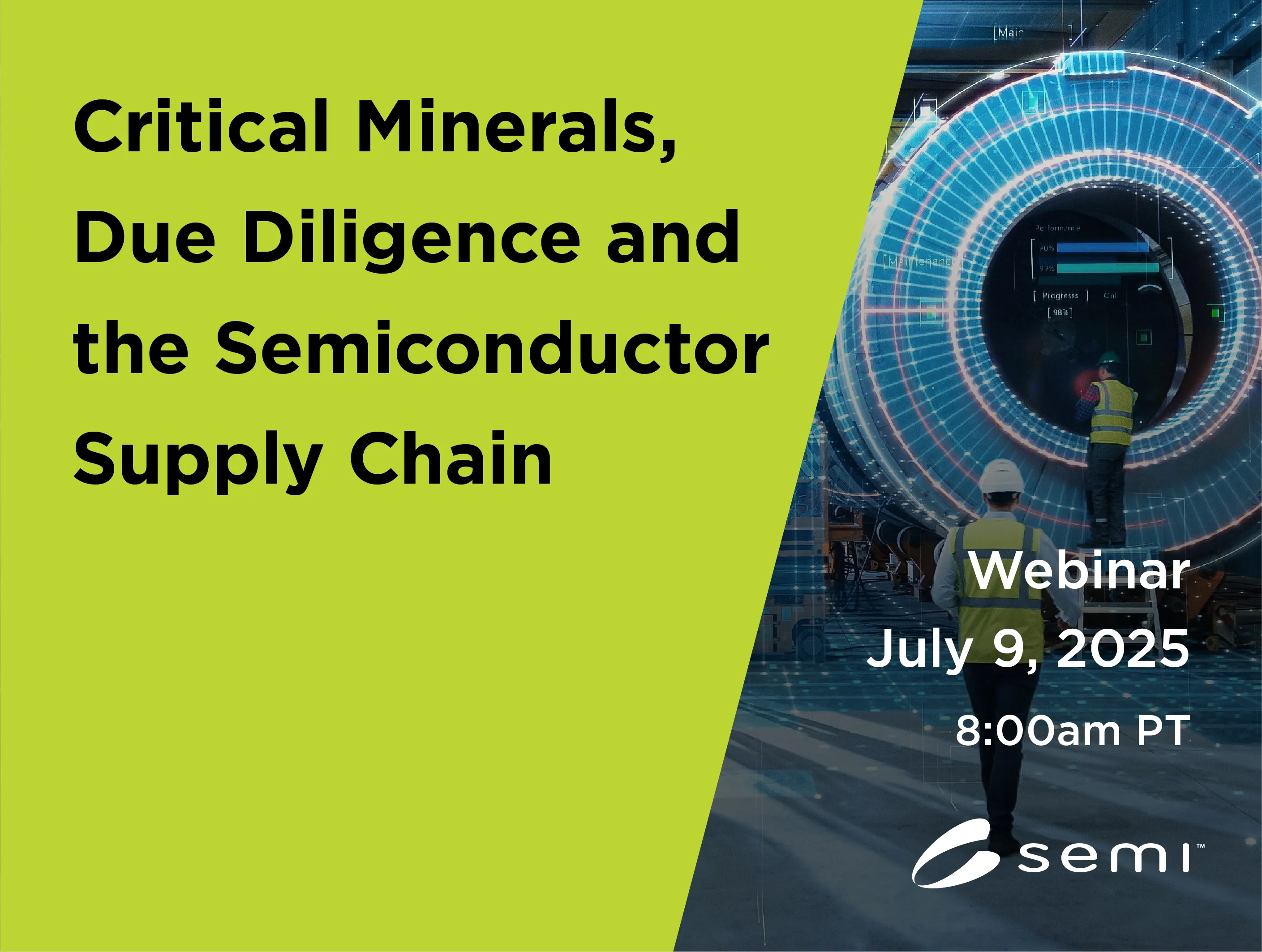
“Critical minerals our world needs for electric vehicles and semiconductors can be found here. Clean energy we need to power artificial intelligence data centers and economic growth can be built here.”[1] This statement was made by former US President Joseph Biden during his visit to Angola in December 2024 to support a US-funded railroad project called the Lobito Corridor. The railroad would connect mining areas in the Democratic Republic of Congo (DRC) and Zambia to a port on the western coast of Africa, an important step towards expanding access to critical minerals needed for growth of the semiconductor and energy industry in the west. According to the Intergovernmental Forum on Mining, Minerals, Metals and Sustainable Development (IGF), “there is no universally agreed upon definition of what ‘criticality’ means…criticality is also very country- and context-specific, particularly with respect to mineral endowment, the relative importance of the minerals to industrial and economic development, and a strategic assessment of supply risks and volatility.”[2] In other words, the term “critical mineral” may vary by location, application, and current events. Many countries have generated their own lists of critical minerals to help guide legislation, budgetary allocations and diplomatic efforts. For example, the United States Geological Survey released a list of “50 mineral commodities critical to the US economy and national security” in 2022 which included 10 minerals that were directly linked to semiconductors and electronics.[3] These included arsenic, dysprosium, gallium, lutetium, rhodium, ruthenium, tantalum, terbium, tin, and tungsten. Other lists might include cobalt, copper, and sometimes uranium. For most countries that make chips and electronics, critical minerals are both essential for supporting their industry and also hard to find within their own borders.While downstream electronics and semiconductor manufacturers are often located in countries with robust labor protections, the extraction of raw minerals too often takes place under less humane circumstances. In April 2024, the UN Secretary General launched the Panel on Critical Energy Transition Minerals to address the challenges associated with responsible extraction of critical minerals. One of the motivations for the formation of the panel was the concern about human rights violations related to mineral extraction. “Mining, at all scales, large and small, has too often been linked with human rights abuses, environmental degradation and conflict.”[4] The term “conflict mineral” has a much narrower definition than critical mineral, and usually only refers to tin, tantalum, tungsten and gold, also known as ‘3TG’. This definition is often used in policy frameworks, such as the US Dodd-Frank 1502 Act[5] and the European Union (EU) Regulation 2017/821[6]. These four minerals were identified as a major source of income for armed groups in the DRC, fueling a decades long war that has claimed more than 6 million lives since the start of the Second Congo War in 1996.[7] For example, in May 2024, armed groups from Rwanda captured a town in the Congo with the largest coltan mine in the country, which is the second largest producer in the world of the ore that is refined to make tantalum - a key component of capacitors. The incursion helped to finance the armed group, collecting at least $800,000 per month in taxes.[8] Over the past 15 years, several frameworks have emerged to address the conflicts and tensions stemming from extraction of critical minerals. A common framework within the semiconductor industry was written by the Organization for Cooperation and Development (OECD), which is an intergovernmental economic organization founded in 1948 (then known as OEEC) to “build better policies for better lives.” The organization publishes several guidelines, including the OECD Due Diligence Guidance for Responsible Business Conduct[9] (see suggested measures in Figure 1) and the OECD Due Diligence Guidance for Responsible Supply Chains of Minerals from Conflict-Affected and High-Risk Areas with focuses specifically on 3TG minerals.[10] These guidelines provide a structure through which companies and organizations might address human rights and environmental issues that may arise from their or their suppliers’ operations. Figure 1: Due Diligence Process and Supporting Measures from the OECD Due Diligence Guidance for Responsible Business Conduct (2018)Several regulations have been implemented by governing bodies to prevent financing of armed groups through procurement of conflict minerals. In the United States, Section 1502 of the Dodd-Frank Wall Street Reform and Consumer Protection Act requires certain companies to “publicly disclose their use of conflict minerals that originated in the Democratic Republic of the Congo or an adjoining country.”[11] Also known as the “Disclosure Rule,” a company must file a report to the Securities and Exchange Commission (SEC) describing the source and chain of custody of its conflict minerals, and must also conform to a nationally or internationally recognized due diligence standard such as the OECD guidelines. Similarly, the EU Regulation 2017/821 refers to the OECD Due Diligence Guidelines and calls on companies within the EU to monitor, audit and disclose procurement of conflict minerals. In 2024, the EU furthered its efforts to address human rights and environmental issues by adopting the EU Corporate Sustainability Due Diligence Directive (EU CSDDD). This directive will require all companies that do business within the EU, regardless of country of origin, to monitor their supply chains for labor and environmental violations or risk penalty.Given the tremendous effort by the industry to address the conflict associated with 3TG minerals, it is unclear whether these efforts have had an effect. The U.S. Government Accountability Office (GAO), which serves as the federal government’s watchdog agency and is tasked with providing Congress with independent, nonpartisan information, has been reporting on issues related to conflict minerals in the DRC since 2010. Kimberly Gianopoulos, Managing Director of GAO’s International Affairs and Trade Team, has led this body of work over time, including GAO’s most recent report, which was published in October 2024. Gianopoulos stated that, “although it has been over a decade since the SEC issued its conflict minerals disclosure rule in 2012, GAO’s most recent report found that there is no empirical evidence that the rule has decreased violence in the eastern DRC, where many mines and armed groups are located, and that a majority of companies that conduct due diligence on their mineral supply chains continue to report being unable to determine the origins of minerals used in their products.” The 2024 Conflict Minerals report can be found here: https://www.gao.gov/products/gao-25-107018.Regulatory approaches are only one way in which the semiconductor industry interacts with conflict mineral issues. Many companies and industry associations have implemented their own initiatives and formed associations to share resources to trace materials and collect supplier information. One such industry association is the Responsible Business Alliance’s Responsible Minerals Initiative (RMI). Jennifer Peyser, the executive director of the RMI, stated that the initiative “supports over 500 downstream, midstream, and upstream member companies with a suite of due diligence standards and tools, data, guidance, training, and other resources for global responsible sourcing and regulatory compliance. Our facility and supply chain due diligence standards are rooted in longstanding international norms while reflecting emerging corporate and stakeholder priorities for regulatory compliance, managing sustainability risks and impacts, and fostering responsible mineral supply chains.” More information about the RMI can be found here: www.responsiblemineralsinitiative.org.Recently, SEMI has formed a new Responsible Supply Chain (RSC) working group under its Supply Chain Management initiative to provide a platform for enabling traceability and provenance across the supply chain to meet government regulations on conflict minerals and unfair labor practices. This new working group aims to bring together SEMI member companies to raise awareness of key issues, share resources, and advocate effective regulations and standards. The working group is comprised of SEMI member company employees from a wide range of backgrounds, including sustainability managers, supply chain experts and process engineers. If you are interested in joining our discussions, please visit our website for more information: https://www.semi.org/en/industry-groups/supply-chain-management. On July 9 at 8am Pacific/11am Eastern, the SEMI Responsible Supply Chain working group will host a webinar featuring a roundtable discussion with Jennifer Peyser, Executive Director of the Responsible Business Alliance’s Responsible Minerals Initiative, and Kimberly Gianopoulos, Managing Director of the International Affairs and Trade Team at the US Government Accountability Office, including Q A for attendees to join the discussion. Visit https://www.semi.org/en/event/critical-minerals-due-diligence-and-semiconductor-supply-chain to register.Other upcoming events include a panel discussion at SEMICON West, October 7-9, 2025 in Phoenix, Arizona!Author Bio:Dr. Kimberly Harrison Ph.D is a Senior MEMS Designer with AMFitzgerald Associates, a design firm located in the Bay Area California. She has a doctoral degree in mechanical engineering from Stanford University, and has worked as a designer and process engineer in the semiconductor industry for 10 years. She was nominated as a 2022 MEMS Sensors Industry Group Emerging Leader. As a founding member and leader of the SEMI Responsible Supply Chain Working Group, she hopes to bring SEMI members together to discuss solutions to human rights issues in the semiconductor supply chain.References:[1] Remarks by President Biden Participating in the Lobito Corridor Trans-Africa Summit in Benguela, Angola (December 4, 2024). https://bidenwhitehouse.archives.gov/briefing-room/speeches-remarks/2024/12/04/remarks-by-president-biden-participating-in-the-lobito-corridor-trans-africa-summit-benguela-angola/[2] Critical Minerals: A Primer (November 1, 2022). https://www.igfmining.org/resource/critical-minerals-primer/[3] https://www.usgs.gov/news/national-news-release/us-geological-survey-releases-2022-list-critical-minerals[4] Resourcing the Energy Transition: Principles to Guide Critical Energy Transition Minerals Towards Equity and Justice (April 11, 2024). https://www.un.org/en/climatechange/critical-minerals[5] https://www.sec.gov/resources-small-businesses/small-business-compliance-guides/conflict-minerals-disclosure[6] https://eur-lex.europa.eu/eli/reg/2017/821/oj/eng[7] Conflict in the Democratic Republic of Congo (March 20, 2025). https://www.cfr.org/global-conflict-tracker/conflict/violence-democratic-republic-congo[8] The Evidence that Shows Rwanda is Backing Rebels in DR Congo (January 29, 2025) https://www.bbc.com/news/articles/ckgyzl1mlkvo[9] OECD Due Diligence Guidance for Responsible Business Conduct (February 1, 2018). https://www.oecd.org/en/publications/oecd-due-diligence-guidance-for-responsible-business-conduct_15f5f4b3-en.html[10] OECD Due Diligence Guidance for Responsible Supply Chains of Minerals from Conflict-Affected and High-Risk Areas, 3rd edition (April 6, 2016). https://www.oecd.org/en/publications/oecd-due-diligence-guidance-for-responsible-supply-chains-of-minerals-from-conflict-affected-and-high-risk-areas_9789264252479-en.html[11] https://www.sec.gov/resources-small-businesses/small-business-compliance-guides/conflict-minerals-disclosure
Read More
As artificial intelligence (AI) proliferates rapidly, AI models and datasets are also growing rapidly in size. This growth far outpaces performance improvement in hardware systems, and is increasing AI’s energy consumption unsustainably. To address these challenges and explore collaborative solutions, SEMI’s Smart Data-AI Initiative - as part of its Future of Computing focus - recently hosted a day-long workshop on Sustainable AI Systems that brought together domain experts from the entire AI ecosystem. Speakers included industry leaders Applied Materials, AMD, Arm, ASE, Google DeepMind, IBM, Intel, Lam Research, McKinsey, Micron, NVIDIA, Qualcomm, SK hynix; exciting start-ups Cerebras, LightMatter, Mentium Technologies and Mueon; and leading-edge academic institutions, Stanford University and University of California, Davis Irvine. The keynotes, panels and spirited audience discussions covered novel devices, materials, advanced packaging, chiplets, photonics and architectures algorithms for data centers, cloud edge. This article synthesizes high-level insights from the workshop.The AI ImperativeThe day started with a basic question – why is AI essential to continued progress and prosperity? The answer lies partly in shifting global demographics, with the population aging in most developed economies. At the turn of the century, there were ~6 people in the workforce supporting each retiree, but projections indicate there will be only 2 active workers per retiree by 2050. In parallel, productivity growth rates have fallen to half of what is required. AI can help bridge this gap, if we can ensure continued progress of AI in a responsible and sustainable manner.The Energy WallA formidable roadblock to continued progress of AI is its rising energy demands. For example, the energy used by some large language models (LLMs) to run just one training cycle could be used to power thousands of homes. The switch to transformer models has increased AI-driven computing demand by a factor of 50 million over 5 years, and by some projections, this demand will consume half the world's generation capacity by 2050. This is clearly not sustainable! All players in the ecosystem are deeply committed to reducing AI’s energy consumption, and the industry has already decreased the energy used per token of computing by a factor of 100K in the past 10 years. However, the rapid growth of AI outpaces this, highlighting the huge challenge ahead.The System StackThis workshop was developed with the hypothesis that innovation is required across all segments, and an important first step is to initiate a dialog. Our highly distinguished speakers covered the entire solution stack, and while it is impossible to capture the ocean of insights that they shared, the following provides a flavor.Materials DevicesMaterials and devices used to build semiconductor chips form the foundation of the stack for all computing systems. Silicon substrates with copper interconnects remain industry’s mainstay, but are being augmented by innovative ideas. As device dimensions continue to shrink, novel 2D materials such as MoSe2, WSe2, ZrSe2 and NbP are being researched. While Si mobility degrades with decreasing film thickness, 2D materials maintain high electron mobility in thin-film substrates. These can be stacked to build 3D systems with lower power consumption than traditional planar structures. In parallel, novel device technologies such as gate-all-around (GAA) can provide power savings up to 25%.These novel materials and devices are complex, and require almost magical wizardry to build. For example, they may require depositing a stack of multiple defect-free films that are only a single (or few) atomic layer(s) thick, or etching a steep well that is one hundred times as deep as it is wide. It is an incredible accomplishment of the semiconductor industry to build these devices and chips successfully, but it is getting harder and more expensive. Consequently, AI is now being used as a tool to help with this ever-growing fabrication complexity of semiconductor R D and manufacturing. This is a synergistic virtuous cycle, where AI algorithms enabled by chips are used in turn to help with chip fabrication.System IntegrationThe next layer of the stack is the integration of individual devices into a system. Advanced packaging techniques, such as silicon or glass interposers (2.5D) for interconnecting chips, can reduce the communication distance and power consumption. These are often deployed for high-performance computing systems running AI algorithms. Beyond this, the industry is actively exploring 3D systems that are even more compact, both as multi-die 3D packages and as monolithic 3D chips.The concept of chiplets – smaller chips with specialized functions that can be assembled flexibly to optimize system performance – holds much promise. Industry consortia are developing protocols such as Universal Chiplet Interconnect ExpressTM (UCIeTM) to enable seamless integration of chiplets both in the planar and vertical dimensions. These advanced techniques pack more functional elements into increasingly compact form factors, but this proximity makes power delivery challenging and often generates intense heat. Much work is needed to ensure optimal power delivery and adequate thermal dissipation.Looking beyond traditional electronics, photonics represents an exciting opportunity. Most long-distance data communication is on fiber-optic cables and thus already photonic – bringing this to shorter distances can save energy while increasing bandwidth and performance. This requires efficient photonic-electronic integration at the packaging or even chip level, which is a major challenge requiring cross-disciplinary collaboration.Architectures and AlgorithmsAI algorithms need enormous amounts of data processing compared to traditional computing workloads. This requirement stretches (or breaks) the limits of traditional Von Neumann architecture, which requires frequent data movement between memory and processor elements for each computation cycle. Much of current architecture innovation focuses on bringing processor and memory elements closer to each other. System integration is already driving “compute-near-memory” architectures like high bandwidth memory (HBM). Other forward-looking implementations combine them into a single chip, known as compute-in-memory (CIM). Memory elements being explored for this purpose include resistive RAM (RRAM), phase-change memory (PCM), ferroelectric RAM (FeRAM) and magnetic RAM (MRAM). However, there is no one “perfect” memory – each has pros and cons in terms of latency, capacity, bandwidth, power consumed per operation, manufacturability, etc. Other researchers are also exploring devices like memristors for analog computing, which can improve energy efficiency for certain workloads.Finally, hardware-software co-optimization is crucial. Algorithms mismatched with the underlying system are energy expensive; conversely, co-optimized systems are highly efficient. While conceptually obvious, this is difficult in practice because development cycles are quite different – software algorithms can transform in a few months, while new hardware often takes years to develop. While some strategies can be used for mitigation – such as designing in redundancy/flexibility or making the hardware application-specific – much work remains to solve this conundrum.Pre-competitive Collaboration to Find SolutionsAll speakers emphasized that pre-competitive collaboration across the entire stack is critical, as these challenges are formidable and cannot be solved by one entity or in isolated silos. SEMI is a global and neutral organization with over 3,000 member companies, and is well-positioned to provide a pre-competitive collaboration platform to connect the dots across silos. In fact, SEMI’s mantra is “Connect, Collaborate, Innovate” – reinforcing its commitment to advancing the entire industry. For this purpose, SEMI’s Smart Data-AI Initiative continues to drive robust discussions on this topic – next there will be a roundtable discussion during SEMICON Southeast Asia, May 20-22 in Singapore, followed by a focused technology session at SEMICON West 2025, October 7-9 in Phoenix, Arizona. The overall objective is to move from “talking-the-talk” to “walking-the-walk,” towards creating system-level solutions for energy-efficient AI computing. Specifically, we want to identify the pre-competitive actions that could synergize individual innovations and make the whole greater than the sum of parts. Some ideas include collaborative proof-of-concept projects, industry standards and independent benchmarking. Come join us on this journey and connect with us at [email protected]. Dr. Pushkar P. Apte is the Strategic Technology Advisor and leads the Smart Data-AI Initiative at SEMI.
Read More
Say ‘Ahhhh’ – imagine your doctor monitoring a health condition from afar or emergency responders receiving real-time alerts that could save a life. A new smart sensor is taking the ouch out of wound monitoring. By using laser-induced graphene (LIG), a two-dimensional (2D) material, researchers are developing a sensor that could revolutionize the tracking of wound healing and recovery. Doctors could get a much clearer picture of the healing process, identifying issues like inflammation, physical strain or a spike in body temperature early on. "This unique sensor material we've developed has potentially important applications in health care monitoring,” said Huanyu “Larry” Cheng, James L. Henderson, Jr. Memorial Associate Professor of Engineering Science and Mechanics (ESM) at Penn State. LIG sensors are self-powered which means they could be especially useful for continuous monitoring in clinical settings or helping detect fires in remote locations. Source: Materials Research Institute, Penn StateUnder the Sea – Mechanical engineers at Carnegie Mellon’s Soft Machines Lab have created a soft robot inspired by the quick and agile brittle starfish, the first mobile and untethered underwater crawling robot. Named after Sponge Bob Square Pants’ sidekick, PATRICK is an AI powered robot which operates without motors so as not to disturb delicate sea life. To make the robot move, the researchers hit it with electric current, causing the wires to heat up past its transition temperature and allowing the limbs to contract and move in different directions. “We want to put the power and the electronics on-board with the robots,” said Ph.D. candidate and PATRICK creator, Zach Patterson. The soft robotic systems which are ideal for tracking the health and quality of water, are biodegradable to eliminate waste and protect the natural environment.Source: Carnegie Mellon University, School of Engineering The sky is NOT the limit with engineering – While Blue Origin made the news recently for sending an all women crew to the edge of space, the first Mexican born woman to travel into space is Katya Echazarreta, an electrical engineer originally from Guadalajara, Mexico. Echazarreta was selected for the trip from a pool of 7,000 applicants from more than 100 countries based on her outstanding achievements in the space industry, including five NASA missions. She traveled to space in 2022 aboard Blue Origin’s NS-21 flight as one of Space for Humanity’s citizen astronauts. Echazarreta comes from a family of engineers and works to make space exploration accessible to young kids, teens, women, and other scientists and engineers through Fundación Espacial, a foundation started in Mexico. Source: Astronomy.comMargaret Kindling is Senior Program Manager at the SEMI Foundation. She promotes inclusive workplaces via initiatives including Women in Semiconductors, Semiconductor PRIDE and workforce and career development programming at SEMICON West and SEMIEXPO Heartland.
Read More
In a world where technological advancements move at lightning speed, the semiconductor industry is facing unprecedented challenges. The demand for smaller, faster, and more energy-efficient devices is growing, and traditional manufacturing processes are being pushed to their limits. Enter Spin-on Dielectrics (SOD), a breakthrough material technology that offers a cost-effective, scalable solution for micro-gap filling and high-performance dielectric films. As the industry evolves, SOD is expected to play a pivotal role in enabling the next generation of chips that power everything from AI to everyday electronics.To learn more, SEMI Europe and Merck KGaA, Darmstadt, Germany, held a joint webinar that focused on semiconductor device process evolution by SOD. The session featured insights from three technology experts in the company, including Dr. Surésh Rajaraman, Executive Vice President and Head of Thin Film Business Unit, along with Atsuko Yamamoto, R D Manager for Spin-On Dielectric, and Go Nakano, Global Marketing Manager for Dielectric Materials.SEMI: What is SOD, and how does it fit within the broader semiconductor manufacturing process?Rajaraman: SOD, Spin on Dielectrics, is a unique class of materials used to deposit thin layers of dielectric films, which act as insulators or other functional films, on semiconductor devices. The fabrication of a semiconductor chip involves thousands of intricate steps that incorporate conductors, semiconductors, and insulators. SOD is a versatile technology that supports device performance and miniaturization by enabling better gap fill and film uniformity, all while offering attractive cost of ownership.SEMI: Why is there so much focus on SOD materials, and how are they evolving to meet future industry demands?Rajaraman: As semiconductor devices become more complex—such as 3D NAND scaling to more than 300 layers and DRAM incorporating pillar capacitors—there’s a growing need for materials that can address challenges like interconnect delays, power consumption, and heat generation while maintaining optimal performance. Traditional dielectric materials are reaching their limits, making Spin-on Dielectrics (SOD) a critical solution. SOD offers advantages like bottom-up and seam-free gap filling, enabling ultra-thin insulating and other functional layers that enhance electrical and thermal efficiency and support next-generation device scaling.The industry is pushing the boundaries of scaling, with increasing aspect ratios and complex structures in Logic, 3D NAND and DRAM. Modern devices now require deposition in features which are not only incredibly narrow but also increasingly deep due to going into the third dimension. This creates new challenges, such as stress buildup and cracking in conventional SOD materials. To overcome this, we are developing enhanced formulations with improved mechanical stability and polymer backbone engineering. These innovations enhance gap-filling properties and resistance to process-induced stress, ensuring SOD remains a key enabler for advanced semiconductor manufacturing.SEMI: What are the current industry trends driving the adoption of SOD?Nakano: SOD is becoming a key technology because of its excellent gap-filling performance. Unlike gas-phase deposition methods like Chemical Vapor Deposition (CVD) and Atomic Layer Deposition (ALD), SOD is a liquid-phase process. This makes it more efficient for high-aspect-ratio structures. It also helps reduce costs while maintaining high-performance dielectric properties.With increasing demand for high-density memory and logic devices, SOD is crucial for applications like DRAM and NAND flash, which require precise dielectric layer formation. In DRAM, we’re witnessing a shift from planar to vertical transistors, and even to monolithic 3D DRAM. These changes require new materials for gate insulators and electrodes, alongside improvements in aspect ratio gap filling.For NAND memory, manufacturers are increasing the number of memory layers, leading to taller memory stacks and deeper trenches. As lateral scaling progresses, narrower and more complex structures demand high-aspect-ratio trench fills to maintain performance and reliability.Logic devices are also evolving, with transistor structures moving from FinFETs to nanosheets and forksheets. This transition enhances performance, but it also introduces challenges in wiring density and electrical properties. The narrower pitch of wiring requires advanced dielectric solutions, like SOD, to enable reliable, high-performance semiconductor architectures.SEMI: With all these recent innovations, what role does Merck KGaA, Darmstadt, Germany play in supporting these advancements, and what does the company offer its customers? Rajaraman: As the semiconductor industry pushes the boundaries of scaling, doing so requires materials that can support increasingly complex structures. We are the only materials company in the industry to possess the full spectrum of process technologies for gap-filling capabilities, including SOD, ALD, CVD, and Flowable CVD. Our strategic acquisition of Versum Materials has expanded our capabilities with organosilicon precursors. Combined with our SOD expertise, it allows us to reengineer material backbones with more material choices and tailored properties to optimize performance in high-aspect-ratio applications.To support this, we’ve expanded our global R D footprint. We now operate in various application labs, enabling close collaboration with customers for material customization and fine-tuning properties to address specific manufacturing challenges. Last year, we inaugurated a new R D center in Korea as part of our commitment to being near our customers and accelerating time-to-market for next-generation semiconductor solutions. As semiconductor roadmaps become more complex, customization and collaboration also become more critical. The key to innovation lies in working closely with our customers, understanding their challenges, refining materials, and optimizing processes together. By fostering this ongoing partnership, we can accelerate technological advancements and ensure that new solutions align seamlessly with evolving industry demands.SEMI: Can you share some technical insights on SOD?Yamamoto: SOD is a key material used in semiconductor manufacturing to create insulating layers with high precision. One of the essential components in SOD is PHPS (Perhydropolysilazane), a polymer composed of silicon, nitrogen, and hydrogen. This material is applied as a liquid solution and transforms into a high-quality silicon oxide film through a series of thermal processes.PHPS is essential because it enables precise gap filling in extremely small structures, helping to improve device reliability. The process involves spin-coating the polymer onto a wafer, followed by pre-baking to remove solvents. Then, it undergoes high temperature curing in an oxygen and steam atmosphere, forming a dense silicon oxide film. This method ensures uniform coverage and cost efficiency compared to traditional dry film deposition techniques.Our Spinfil® product line has evolved over the past two decades, starting with the Spinfil® 400 series and advancing through the Spinfil® 600 to the widely used Spinfil® 800 series. These improvements have enhanced gap-filling capabilities and film uniformity, making them ideal for high-aspect-ratio trench structures. The critical baking process involves spin coating and pre-baking before wafers undergo batch processing in a high-temperature furnace. Controlled temperature and moisture conditions transform Spinfil® into silicon oxide films, optimizing properties such as refractive index, shrinkage, and etching resistance and ensuring reliability in semiconductor applications.SEMI: What are the latest trends in new polymer development for SOD?Yamamoto: Our research focuses on three key areas: enhancing film quality, developing SOD for high-aspect-ratio trench filling, and advancing low-k SOD for semiconductor processes.To improve film quality, we introduced the Neofil®series, an evolution of the Spinfil® 800 series. This innovation reduces film shrinkage, lowers stress, and enhances wet etching rates, making it ideal for next-generation semiconductor nodes.Our latest Neofil® series for high-aspect-ratio trench filling is targeted for traditional dry processes like CVD and ALD, which can often lead to void formation and require multiple deposition-etch steps. Our latest SOD materials address this by improving polymer elasticity, ensuring uniform filling of deep trenches up to 16 microns without cracks, making them suitable for emerging 3D nanostaircase designs.In low-k SOD development, we’re focusing on siloxane-based polymers, which provide excellent trench-filling capabilities while maintaining strong mechanical and electrical properties. Compared to flowable CVD and ALD, SOD offers a more cost-effective and efficient alternative. With continued advancements, we anticipate SOD will become a key material for future semi-damascene processes, enhancing embedding performance and overall device reliability.SEMI ContactSitong He, Communications Manager Email: [email protected]
Read More
Industry growth has consequences.Rapid growth for semiconductor companies has meant increasing amounts of spent materials and chemicals. As expected, these have enlarged environmental impacts, disposal costs, and liability. Semiconductor companies confront challenges that not every sector faces: larger company size, higher value added per unit of production, and higher technological capacity are not always related to lower quantities of waste per unit of production.Collective action is needed to turn this challenge into business resilience. SEMI, imec, and our SEMI Circularity Working Group community are sharpening our cooperation to meet the need.MOVING FROM LINEAR TO CIRCULARSemiconductor value chain companies are making strides to pivot from a linear economy (take, make, waste) to a circular economy (maintain, reuse, refurbish, remanufacture, recycle). Early strategies were anchored primarily to waste management, waste-to-energy, waste diversion, and recycling programs. Lately companies are expanding to novel raw materials strategies, waste repurposing methods, and improvement of remanufacturing through resale at new-product-like performance and quality. This is a real opportunity for companies because using spent chemicals as a feedstock can cut costs, bolster supply chain management, reduce greenhouse gas emissions, create opportunities for brands, and bolster social license to operate. Yet most breakthroughs in circular practices are happening in relative isolation across the value chain. Until now, there is no widely recognized system for identifying and ranking materials used in manufacturing to prioritize where conversion from linear to circular use would provide the most gains. A FRAMEWORK FOR PRIORITIZATIONA 2025 report – produced through collaboration between SEMI and imec – presents an inventory of 69 distinct materials prioritized for circularity along with the framework for ranking. It also shares the method to support calibration to fit specific use cases. The outputs will be immediately useful for decision-makers across functions in the semiconductor value chain, including, but not limited to:ProcurementSustainabilityEHS (environment, health, and safety), andRisk management. These professionals now have a cross-industry reference for driving impactful circular initiatives at their firms.Download the reportCATALYZING RESEARCH DEVELOPMENT, VALIDATION, AND ADOPTIONIn conjunction with the publication, SEMI and imec are launching the Circular Semiconductors Research Network, a platform to connect research teams with industry adopters to accelerate validation and deployment of circular technologies and methods. Ideal collaborators can substantiate Technology Readiness Level (TRL) 4 or greater and seek industry validation, adoption, and acceleration of circularity solution deployment aimed to purify, reuse, and/or resell spent materials and by-products – either onsite or offsite at a permitted facility under the conditions set out in our invitation.Research teams with relevant subject matter expertise are welcome to submit proposals for research in exploratory phases (lower TRLs) for review by SEMI members. Preference will be given to research teams that address practical hurdles faced by semiconductor value chain companies as they navigate regulatory frameworks for onsite vs. offsite treatments.The call for collaboration seeks to amplify research and development of technologies that comply with applicable regulations and meet one of the following conditions: (1) the owner/operator does not need to obtain a waste permit, or (2) the technology needs to be put offsite at a permitted waste facility. View the Invitation – Applications due May 30, 2025THE BIGGER PICTUREThe publication and launch of the Circular Semiconductors Research Network is a response to growing attention from business leaders and policymakers on critical materials in semiconductor manufacturing. Supply chain security for these materials has become a strategic issue for governments and the private sector, not only because it could affect the pace of the energy transition but also because materials sourcing has become contested among geopolitical rivalries and alliances. The network will provide momentum for industry and research to prioritize the development and adoption of circular methods for materials that would generate the most strategic, economic, and environmental gain in the semiconductor value chain. It will do so in dialogue with the SEMI Circularity Working Group, a venue for collective action among SEMI members that works closely with other trade association initiatives such as the SEMI Supply Chain Management Initiative, which is focused on resilience, agility, and responsibility, and the SEMI Accelerating Sustainability with Smart Manufacturing Task Force, which develops an industry technology roadmap. For more information, write to the Circular Semiconductors Research Network at [email protected]. SEMI members are invited to join the Circularity Working Group meeting monthly. If interested, contact Jordan Famularo at [email protected]. Jordan Famularo, PhD, is Program Manager – Sustainability at SEMI.
Read More
As artificial intelligence (AI) continues to revolutionize industries, the technology behind AI chips is advancing at an unprecedented pace. Meeting the demands of faster processing, greater efficiency, and increased complexity requires cutting-edge solutions in semiconductor manufacturing. SEMI spoke with Kai Beckmann, Member of the Executive Board at Merck KGaA, Darmstadt, Germany and CEO of the Electronics business sector, who shared insights into Merck KGaA, Darmstadt, Germany's latest strategic move that underscores the company’s commitment to innovation in semiconductor and optics technologies. With the acquisition of Unity-SC, a leading provider of advanced measurement and inspection technology, this marks a significant milestone in the evolution of AI chip manufacturing and beyond by bridging expertise in electronics and optics to drive innovation.Strengthening AI Chip Manufacturing with Unity-SC On October 31, 2024, Merck KGaA, Darmstadt, Germany’s Electronics business acquired Unity-SC, a global leader in metrology tools for semiconductors. According to Beckmann, this acquisition not only enhances Merck KGaA, Darmstadt, Germany’s portfolio in advanced measurement and quality inspection but also bolsters its position in the development of AI chips. These chips, essential for driving AI, rely on cutting-edge manufacturing processes like advanced packaging and heterogeneous integration.“Unity-SC brings precision to the table,” Beckmann explained. “Its technology is vital for managing the complex production sequences involved in creating high-density, three-dimensional chip structures. Without this precision, the production of AI chips at the necessary scale and quality would be nearly impossible.”The expertise of Unity-SC is pivotal for ensuring reliability in semiconductor manufacturing, reducing waste, and optimizing performance. With Merck KGaA, Darmstadt, Germany’s established relationships with major chip manufacturers, the integration of Unity-SC's technology is set to create synergies that will benefit the entire industry.A New Era for Merck KGaA, Darmstadt, Germany: Electronics Meets OpticsThe acquisition of Unity-SC aligns with Merck KGaA, Darmstadt, Germany’s broader strategy of combining expertise in semiconductors and optics, a vision that includes rebranding its display business as Optronics. This move represents a transformation from a traditional display specialist to a pioneer in optical technologies that complement electronic advancements. “Integrating optics with electronics opens up vast opportunities,” Beckmann shared. He highlighted key areas of focus like silicon photonics, which is revolutionizing data transmission, and augmented reality, where lightweight, powerful headsets represent the next frontier.Merck KGaA, Darmstadt, Germany’s foray into these domains underscores the importance of merging light management and materials expertise. For instance, the precision metrology brought by Unity-SC dovetails with Merck KGaA, Darmstadt, Germany’s work in materials science, forming a foundation for advancements in next-generation technologies such as quantum computing and neuromorphic systems. Driving Innovation in AIAdvanced packaging and heterogeneous integration are at the core of today’s AI revolution. These technologies make it possible to stack chips in 3D configurations, reducing energy consumption and increasing processing power. “Unity-SC plays a crucial role in this process,” Beckmann noted, emphasizing that the precise measurement of intricate structures ensures the reliability and efficiency of these complex systems.By mastering these technologies, Merck KGaA, Darmstadt, Germany is positioning itself as a leader in both materials and metrology for semiconductor manufacturing. “Integrating metrology and inspection into our portfolio is a leap forward in aligning our expertise with the needs of the AI-driven semiconductor industry,” Beckmann said. Looking AheadMerck KGaA, Darmstadt, Germany’s combination of semiconductor and optics expertise is not just about advancing technology but about creating a stronger, more resilient organization capable of tackling future challenges. The integration of Unity-SC is a step toward achieving this vision, fostering innovation at the intersection of light and materials.“Working in the semiconductor industry has always been exciting,” Beckmann shared. “But now, with AI reshaping the landscape, the opportunities for innovation and growth are unparalleled. Together with Unity-SC, we’re not just keeping pace—we’re leading the charge.”Merck KGaA, Darmstadt, Germany’s strategic evolution signals a promising future for AI, semiconductors, and the broader field of optoelectronics, where the interplay of light and materials continues to unlock new horizons.Kai Beckmann is a Member of the Executive Board of Merck KGaA, Darmstadt, Germany and CEO of the Electronics business sector. Joining Merck KGaA, Darmstadt, Germany in 1989, he has held roles in IT, consulting, and international management, including as Merck KGaA, Darmstadt, Germany’s first CIO. Since 2017, he has led the Electronics sector (operating under the name EMD Electronics in the US and Canada), driving innovation in semiconductors and optics. Beckmann also oversees the Darmstadt site and co-determination in Germany. He holds a computer science degree from TU Darmstadt and a doctorate in economics earned in 1998.SEMI ContactMaria Daniela Perez, Communications ManagerEmail: [email protected]
Read More