downloadGroupGroupnoun_press release_995423_000000 copyGroupnoun_Feed_96767_000000Group 19noun_pictures_1817522_000000Member company iconResource item iconStore item iconGroup 19Group 19noun_Photo_2085192_000000 Copynoun_presentation_2096081_000000Group 19Group Copy 7noun_webinar_692730_000000Path
Skip to main content
Default Banner Image

Stanford University

SEMI is excited to recognize Amy Leong, Chief Marketing Officer and Senior Vice President, Mergers and Acquisitions at FormFactor, as the SEMI Spotlight on Women Honoree for Q1 2020!Spotlight on SEMI Women celebrates the many accomplished women who work in the global microelectronics industry. Nominees in the quarterly spotlight include women who are beacons of knowledge, leaders of organizations and initiatives, hidden heroes and innovators in our industry. They are volunteers, protectors, intellectual disruptors and activists. Learn how you can nominate a woman for Spotlight on SEMI Women.An accomplished technology executive, Amy Leong has been an invaluable leader and role model at FormFactor for over a decade. During her tenure at Formfactor, Amy has led numerous successful new‐technology adoption and customer‐penetration initiatives that have helped drive FormFactor’s market share and profitability gains. Recently, she assumed oversight of the company’s M A strategy and execution.Amy is on the advisory board of the China International Semiconductor Executive Summit (CISES) and is a committee member for both the Semiconductor Wafer Test Workshop (SWTW) and the SEMI Industry Strategy Symposium (ISS) organizing group. Amy is an accomplished, engaging speaker and has presented at industry conferences and events. As a leader and role model, she shares her experiences and lessons as a successful technology executive, coaching peers and mentoring younger women to help overcome the challenges of building their careers in the semiconductor industry. Recently, Amy broadened these efforts by spearheading the formation of FormFactor’s b3.wn Women’s Network, a group of more than 120 FormFactor employees designed to gather and solidify the community of women at FormFactor.SEMI sat down with Amy to get some insights into her success.SEMI: Tell me about your background?Leong: I was born and raised in Tianjin, China and came to United States with my family when I was 16 years old. I always liked math and science growing up, which led me to pursue an undergraduate degree in chemical engineering at UC Berkeley and then enter the semiconductor industry. My work inspired me and, with the support of my employer, I earned my masters in Material Science and Engineering at Stanford University.SEMI: How did you get into the industry?Leong: At the time of my graduation, I had been considering several career paths and industries that were open to me because of my degree. Several of my peers had already joined the semiconductor industry and told me about the amazing technology they were helping to build. Once I entered the industry, the more I worked, the more fascinated I became with the fast pace of technology and innovation. Every year there were new opportunities to innovate that came with their own exciting challenges and problems to solve. I’ve now been in the industry for 22 years and I still love what I do.SEMI: Tell me about an accomplishment you are proud of?Leong: I have been at FormFactor twice now for cumulatively over 15 years. During my current tenure of about 10 years I have worked under Mike Slessor, our CEO. What I am most proud of is my commitment to professional growth by taking on new challenges. During my time at FormFactor I have jumped on opportunities to help solve challenges in different areas of the organization. Because I pushed myself into these new challenges and experiences, I have become a versatile leader with expertise in multiple areas within the business. I remember I started in product marketing, but when a sales account manager left a need in the business, I stepped in to help the customer and found my hidden talent of customer engagement and relationship building. When we urgently needed a new supplier for product development, I drove the supplier qualification and ramp up, and learned many aspects in operations. Of course without Mike allowing and encouraging me to stretch my skills in different directions, I would not be who I am today.SEMI: Is this strategy how you ended up in the M A space for FormFactor?Leong: My role now happened through a combination of organic and planned career opportunities. M A is a key component of the FormFactor growth strategy. When Mike needed help in the new space, I was able to volunteer, and relied on the knowledge and support of our board members and our executive team in order to meaningfully contribute to our M A strategies and executionMy mentality is to always get out of my own comfort zones. If you try and fail, so what? You learn, and you improve from your setbacks. But unless you try you will never know.SEMI: You have done so much for women in the industry and at FormFactor. What drives you to do this work?Leong: There are two primary driving moments in recent years that pushed me to step up.When Ajit Manocha joined SEMI, he started raising awareness of the importance of female leaders in tackling the industry’s challenges. While I had industry visibility, I wasn’t aware that the number of women in technology shrinks alarmingly the higher up the chain of command you look. My optimistic view is that we have a nearly balanced talent pipeline at the entry-levels, and there is great opportunity for the industry to take action and change the disheartening decline in female representation by mid-career.The second moment was a personal experience. In 2015, Formfactor hired our first woman board of director Kelley Steven-Waiss. (We now have three women board members.) Having Kelley on the board and leaning on her experience when I needed guidance showed me the power of having a mentor and a role model. Having somebody there as a sounding board was extremely helpful, and this triggered me to learn more about women leadership in technology and led me to want to do more for other women who were earlier in their career.SEMI’s influence was one of the major turning points in our industry and created a clarity that was not present by putting data in front of leaders for a powerful impact.SEMI: Tell be about the process of building the network of women at FormFactor?Leong: FormFactor’s women network grew mostly through a grassroots approach. A year ago, during a QBR (Quarterly Business Review) week, I had an opportunity to get together with a group of FormFactor female sales leaders. We had a wonderful evening together, shared our experiences and learned from each other. Our conversation left an impression on us, and we decided to start a women’s networking group at FormFactor so that more women can join the conversation. We named it b3.wn – Beautiful (be confident in ourselves and kind to others) Brilliant (make smart decisions) Bold (be fearless) Women Network. These three B words are the empowering characteristics of modern women to achieve our highest happiness potential at work, home and society. We had a modest goal for the group: Provide an informal venue for employees to engage, support and learn from each other. Little did we anticipate how quickly it would gather steam. Before long, we took the initiative on the road and hosted several events at our California and Oregon sites, featuring themes that ranged from women leadership panel discussion, to FormFactor executive chats on strategies to improve work and life balance and master effective business communications. One year later we now have over 120 members.This year we are going to expand the program into Asia and Germany as well! Global expansion is an exciting step and we are getting strong support from global sites. I think people are seeing the benefits of knowing there are colleagues or friends out there that share the same sets of work life challenges and you can seek support and help from each other.We need to be the change we want to see. I hope more of us can help support women in tech and create a more inclusive work environment at your company.SEMI: What advice would you give to people looking to grow their careers?Leong: Fearlessly step out of your comfort zone. When you are far outside your element, you can discover the new skills and strengths that you didn’t know existed before. It’s a super fun adventure, but you need to expect and embrace the failures that may come along the way, learn from them, and keep going. By continuously pushing the boundaries of our comfort zone, we can expand our horizon beyond what we once thought was possible.Cristina Sandoval is manager of Workforce Development at SEMI.
Read More
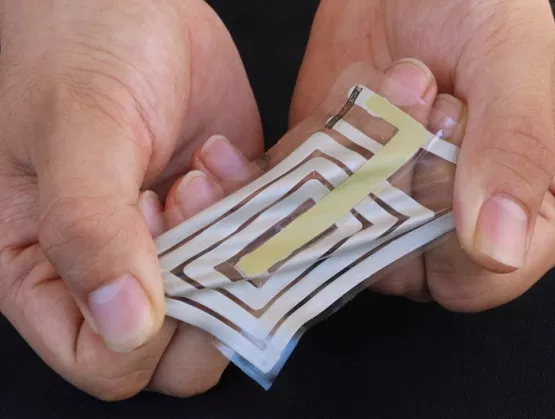
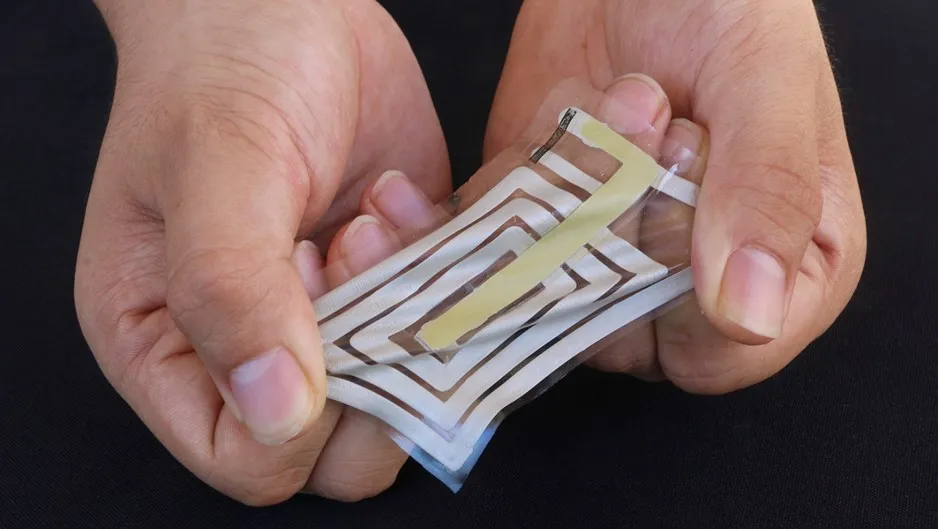
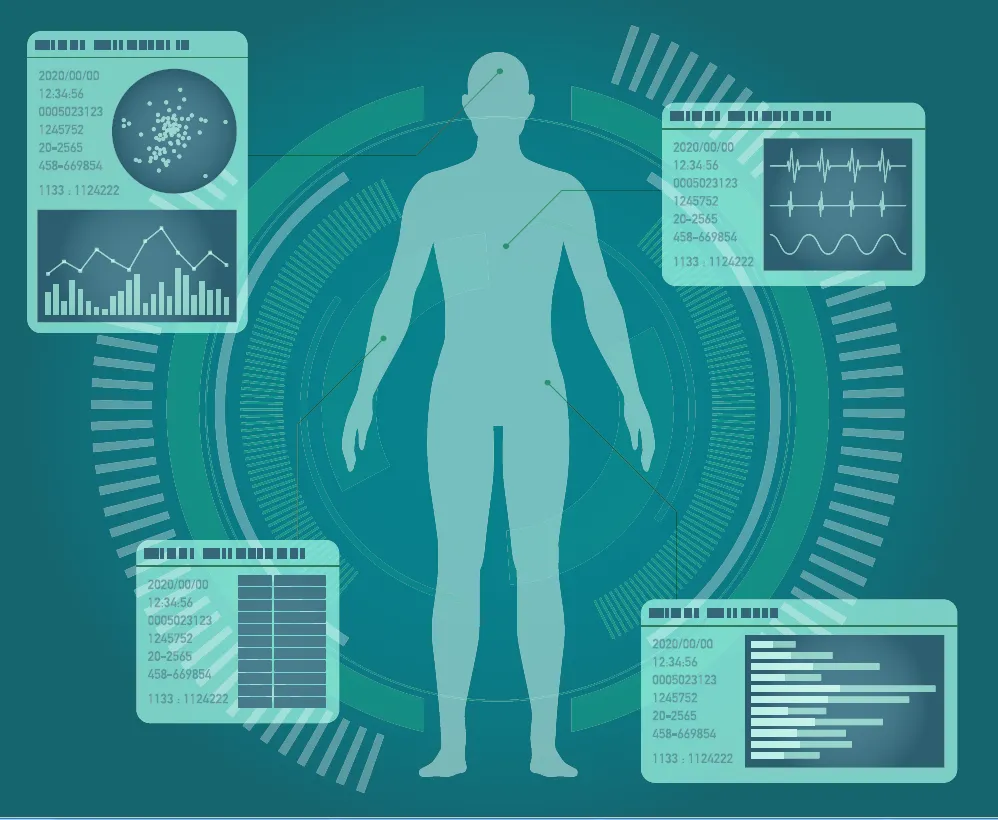
As the body’s largest organ, skin is responsible for the transduction of a vast amount of information. This conformable, stretchable, self-healable and biodegradable material simultaneously collects signals from external stimuli, which translates into information such as pressure, pain and temperature. The development of electronic materials, inspired by the complexity of this organ, offers a tremendous unrealized materials’ challenge. Fortunately, the advent of organic-based electronic materials may offer a solution to this longstanding problem.Zhenan Bao, K.K. Lee Professor of Chemical Engineering, Stanford University, is one of the world’s leading researchers working on the design of organic electronic materials that mimic skin functions. SEMI’s Maria Vetrano interviewed professor Bao to preview her February 25 keynote, Skin-Inspired Electronics, at FLEX|MEMS Sensors Technical Congress (MSTC) 2020, February 24-27, 2020, at the DoubleTree by Hilton in San Jose, California.Join us at FLEX|MSTC to meet Professor Bao and other industry influencers furthering innovation in flexible hybrid electronics (FHE) and MEMS sensors. Register now to connect with her at FLEX|MSTC or visit her on LinkedIn.SEMI: Your pioneering work on the use of electronic materials to construct second skin is a major step forward in human-machine interfaces. Could you please describe second skin?Bao: Second skin is a new electronic-device platform encompassing electronic devices that have skin-like properties such as stretchability, self‐healing ability, biocompatibility and biodegradability. In essence, the second skin is an electronic system of fully integrated multifunctional components operating on the surface of or inside the body to enable smart healthcare for disease prevention and treatment and to enhance the functional capabilities of natural skin. The second skin could also serve as a module to connect our human body to the Internet, thereby allowing human integration with the Internet of Things (IoT) for next‐generation wireless communications. In this way, we can view the second skin as an artificial body part that can be used to improve our everyday lives.SEMI: How might second skin operate in the human body?Bao: It has many potential uses. It could be a prosthesis for people who have lost their sense of touch. It could be used to repair damaged skin as well as to provide enhanced functionality that’s not possible with biological human skin. It could, for example, connect us with our external environment, with other people, even with our cars.I can also envision second skin as an implantable device for both neurostimulation and for early detection of disease. Schematic illustration of structure of second skin composed of functional devices: sensor, integrated circuit, display and power supply. Source: Stanford University SEMI: How did you get started in this research? Bao: Sixteen years ago when I started at Stanford, I learned of a colleague in mechanical engineering who was working on robotic cockroaches. That’s when I understood the need for sensor functions in robotics.I considered the large number of people with prosthetics who do not have a sense of touch. With this audience in mind, I started by designing a simple flexible electronic device that could take the shape of skin, even conforming to a robot hand, thereby approximating the natural sense of human touch.Once we developed the first sensor, and realized that its touch sensitivity could eclipse that of human touch, I asked myself: what can we learn from second skin – in addition to its sensing functionality?Skin is not just flexible; it is biodegradable and stretchable. So we started to dream. We began by developing electronic materials, either conductors or semiconductors. We added new functionality, such as self-healing properties, biodegradability and stretchability. That opened the way to new materials’ development.SEMI: What discoveries have you made in new materials?Bao: Over the past decade, we’ve developed skin-like materials with electronic properties that are on par with the best conducting and semiconducting polymers. Some of our skin-like semiconducting polymers can perform even better than amorphous silicon. That means with suitable processing methods, we can make stretchable ICs, initially with tens of transistors that can perform analog or digital functions, and in a later stage, stretchable displays driven by active matrix arrays.SEMI: What would it take to put these materials into production?Bao: We need to develop methods to pattern the skin-like electronic materials into fine features. We have been leveraging similar processes used for flexible circuit boards. Some research groups are developing roll-to-roll fabrication and printing methods.SEMI: Which technologies/applications are you commercializing?Bao: C3Nano is a Bao Research Group spin-off startup that is commercializing nanomaterials that are promising for bendable and foldable electronics.Another spin-off that is licensing our technology, PyrAmes, is developing a continuously non-invasive blood-pressure monitor. It’s not a cuff so the patient doesn’t have to remember to put it on.In the shorter term, we’re looking at putting artificial skin on prosthetic limbs and robotic hands. Further down the road, we could put skin on wounded regions of the body, forging connections to nerves that would support realistic sensation.To realize these applications, we’ll need to conduct further R D on materials and applications. The manufacturing of these devices still needs much more development.Fortunately, we’re part of a fertile development ecosystem at Stanford. I started the Stanford Wearable Electronics Initiative (eWEAR) to forge collaborations across Stanford campus as well as with industry.SEMI: What would you like FLEX|MSTC attendees to take away from your presentation?Bao: I’d like them to realize that the future of electronics is changing. I imagine a future in which the functions of a smartphone will disappear into what we wear, what we attach to our skin and what we implant inside our body. I believe that skin-like electronics will help to facilitate this future, allowing us to connect with each other and our surroundings in ways that feel natural, yet that also enhance our quality of life. Zhenan Bao is K.K. Lee Professor of Chemical Engineering with courtesy appointments in Chemistry and Material Science and Engineering at Stanford University. She founded the Stanford Wearable Electronics Initiate (eWEAR) and serves as the faculty director. Prior to joining Stanford in 2004, she was a Distinguished Member of Technical Staff at Bell Labs, Lucent Technologies from 1995 to 2004.Bao has over 500 refereed publications and over 65 U.S. patents with a Google Scholar H-Index 155. In her recent work, she has developed skin-inspired organic electronic materials, which have resulted in unprecedented performance or functions in medical devices, energy storage and environmental applications. She has pioneered several important design concepts for organic electronic materials. Her work has enabled flexible electronic circuits and displays.For more information on professor Bao’s research, visit Bao Research Group. FLEX|MSTC is organized MEMS Sensors Industry Group (MSIG) and FlexTech, SEMI technology communities focused on the growth of MEMS sensors and the flexible electronics supply chain, respectively. Maria Vetrano is a public relations consultant at SEMI.
Read More
Part 2 of 2-part series on MSEC 2019 highlights. Read Part 1. Neural Networks on ChipTo be sure, low power is king when bringing machine learning to the sensor edge. Battery-powered, always-on sensing devices require it since frequent recharging is the death knell of any electronic product. That’s why semiconductor companies are offering new ways to conserve power.“MEMS sensor suppliers have made significant strides in the power, size and performance of their devices,” said Aspinity CEO Tom Doyle. “Yet these gains deliver only incremental power improvements to the system.”Doyle advocates a new architectural model that uses an analog neuromorphic processor to analyze all sensor data at the start of the signal chain instead of sending it downstream so power-hungry chips such as DSPs can digitize it before analysis.“The technology industry wants to take advantage of the many benefits of always-on sensing applications,” said Doyle. “Before we can reach mass proliferation, however, we need to resolve the power issues that are deal-breakers for some applications. We believe the answer to this challenge is architectural. All the data gathered by always-on sensing systems is analog in nature, yet as soon as it’s captured, it’s digitized immediately for analysis. Determining which data is important up front eliminates the digitization and processing of irrelevant data so that voice-first devices such as smart speakers and wearables/hearables can run for long periods of time without requiring battery recharge.”Syntiant CTO Jeremy Holleman agreed that on-device intelligence is the future.“Did you just fall? Is your heartrate a bit off? Deep learning provides a toolset that yields vastly superior decisions,” said Holleman. “The problem is that deep learning is computationally intensive. The answer is a neural network that performs on-device edge inferencing.”Holleman added that Syntiant’s neural decision processor was recently certified as Amazon Voice Service (AVS)-compliant for wake-word detection, making it easier to design voice control in battery-powered devices such as earbuds and wearables.MSEC Technology Showcase WinnerWith the groundswell of interest in intelligence at the edge, it was no surprise that Cartesiam won top honors among all competitors in the MSEC Technology Showcase for its NanoEdge AI, software that brings AI to the edge of the signal chain, making it easier for designers to create intelligent objects that can learn and understand.“Unlike other AI algorithmic technologies for sensing devices, NanoEdge enables both learning and inference at the edge, providing accurate and adaptive intelligence,” said Cartesiam Managing Director and Co-founder Marc Dupaquier, who accepted the award. “It’s also the only tool of its kind that does not require data scientists on board for implementation, which saves a tremendous amount of money. Our clients can build a machine learning library and embed it into their own code within weeks to realize the same caliber of unsupervised neural network that was once the exclusive domain of AI cloud vendors.”MSIG 2019 Hall of FameAt this year’s conference, MSIG Director Carmelo Sansone recognized two longtime contributors to the commercialization of MEMS and sensors: Peter G. Hartwell, Ph.D., chief technology officer at InvenSense, a TDK group company; and Thomas Kenny, professor and senior associate dean of engineering at Stanford University.Hartwell leads technology strategy and the InvenSense advanced technology research group. He has more than 25 years’ experience commercializing silicon MEMS products, including advanced sensors and actuators, and developing MEMS testing techniques.Kenny’s academic accomplishments include authoring or co-authoring more than 250 scientific papers and holding 50 issued patents. He has also advised more than 50 graduated Ph.D. students from Stanford.MSEC 2020Mark your calendar for next year’s MSEC, October 12-14, at Coronado Island Marriott Resort Spa in Coronado, Calif. Get updates from MSIG on MSEC and other upcoming events including MSTC 2020.Stay in Touch with MSIGMEMS Sensors Industry Group (MSIG), a SEMI Strategic Association Partner, is the industry association representing the global MEMS and sensors supply chain. To learn how MSIG enables professionals in the MEMS and sensors industry to innovate, address common challenges and accelerate business results, visit us today.Connect with MSIG on Twitter and LinkedIn. Subscribe to SEMI Blog: Technology and Trends.Maria Vetrano is a public relations consultant at SEMI.
Read More
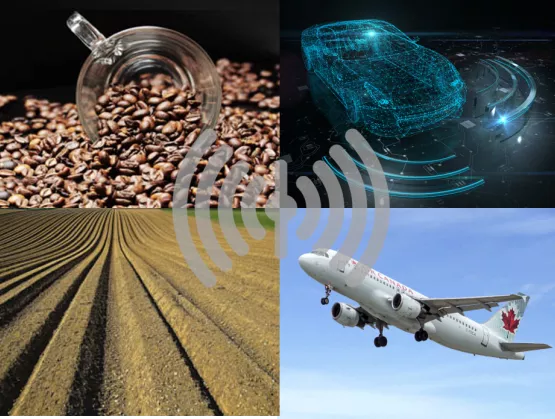
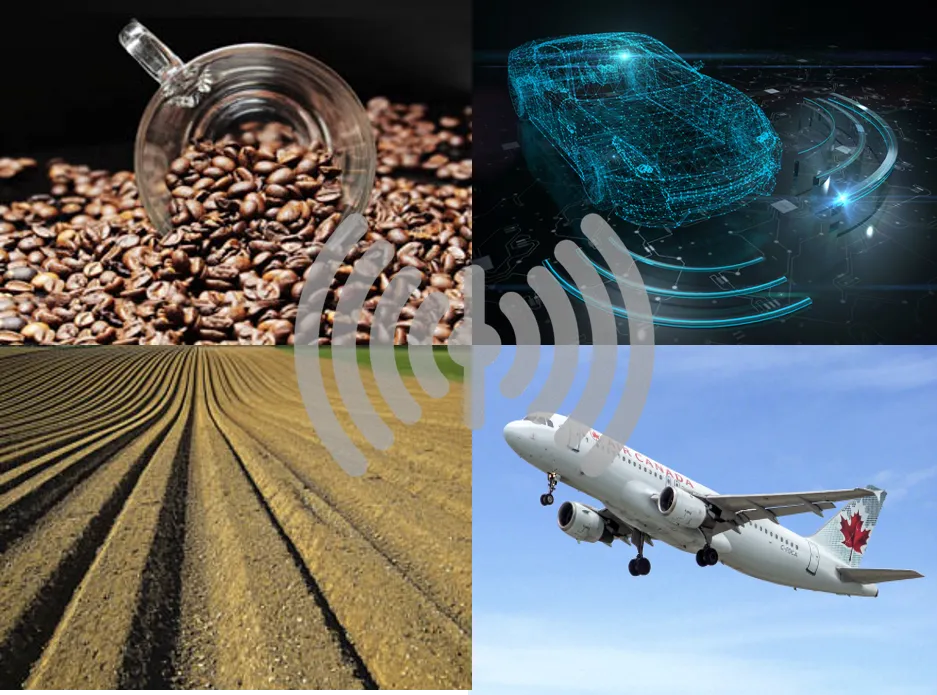
Part of 1 of 2-part series on MSEC 2019 highlights. Read Part 2. MEMS and sensors are proliferating across consumer, automotive, biomedical/healthcare, robotics, industrial and agriculture applications to harvest sensory data in a hyper-connected world and meet demand from consumers and organizations alike as they clamor for more intelligence in electronics.Take the ubiquitous iPhone. Shipped in 2007, Apple’s first iPhone sported five sensors. By contrast, the most feature-packed smartphones will embed up to 20 sensors by 2021, according to Yole Développement’s Jérôme Azémar. He estimates that the devices will feature four MEMS microphones, four CMOS image sensors (CIS), a RGB color sensor, a laser rangefinder, an infrared sensor, a gas sensor, a heart rate monitor and a fingerprint sensor, not to mention the MEMS inertial sensors that device users have come to know and trust.The MEMS market is expected to reach $18.5 billion in 2024 [1], up a whopping 60 percent from $11.6 billion in 2018, according to Azémar, who presented at MEMS Sensors Industry Group’s 15th annual MEMS Sensors Executive Congress (MSEC) in late October in Coronado, Calif. Add other types of sensors to the mix – CIS, environmental sensors, LiDARs, radars, ultrasonics, and fingerprint sensors – and the market will mushroom to $93 billion by 2024, said Azémar.Since MEMS Sensors Industry Group (MSIG) joined SEMI as a Strategic Association Partner three years ago, SEMI has expanded its MEMS and sensors programs to Europe and Asia while continuing to grow its U.S. conferences. “SEMI is continually investing in MEMS and sensors innovation across the supply chain,” said Dave Anderson, president of SEMI Americas and host of MSEC. “For example, MSIG is contributing to the development of the Heterogeneous Integration Roadmap, an initiative designed to drive heterogeneous integration technology development and accelerate electronics innovation. The roadmap spans device design, test and fabrication, ecosystem development, R D, equipment and materials. “At MSEC, executives and other speakers explored how AI and blockchain are remaking the food supply chain, air transportation and other sectors as MEMS and sensors improve the quality of our lives,” said Anderson.Sensing at the EdgeThe concept of artificial intelligence (AI), that a machine can harness intelligence that rivals or outperforms humans – and act without human intervention – has been a feature of the human imagination since at least the 1968 film 2001: A Space Odyssey. MEMS and sensors facilitate intelligence in a wide range of electronics such as smartphones, healthcare wearables, robots, industrial predictive maintenance systems, and cars. AI is sure to augment that functionality.MEMS and sensors are now in their third wave of evolution, a focus on edge AI, Bosch Sensortec CEO and General Manager Stefan Finkbeiner told MSEC attendees. For its part, Bosch is working to add AI to MEMS devices. The first wave integrated software with MEMS sensors, and the second, sensor fusion, enabled designers to allocate performance and power strategically to tune MEMS for resource-constrained devices. The third wave is “an active-learning phase in which MEMS facilitates real-time learning at the edge to promote greater personalization, environmental feedback, privacy of user data and improved battery life,” said Finkbeiner.Small sensor nodes with edge AI exemplify third-wave applications. Integrating low-power environmental sensors (e.g., gas, temperature, pressure, humidity and air-flow sensors), the nodes could be deployed in fire-prone forests to assess fire risk and support early detection. Access to this real-time environmental information could prove invaluable to residents and public-safety personnel alike.Google takes another tack, applying machine learning to resource-constrained devices, said Nick Kreeger, a senior software engineer at the Internet giant. The company’s Google Brain creates machine learning models that can run on inexpensive, low-power microcontrollers using Google’s TensorFlow Lite, an open-source machine learning tool that’s been deployed on a multitude of mobile devices. Inferencing is done at the device’s edge, rather than transmitted to the cloud.Meeting the power constraints of battery-powered sensing devices is another matter that starts with minimizing energy and data waste. “Deep learning is compute-bound and runs well on existing microcontrollers,” Kreeger said. “Because it’s all arithmetic, it’s low-power compared to storage access.”Already Google has worked with Plant Village, a research unit at Penn State University, and the International Institute of Tropical Agriculture (IITA) to help farmers improve food production by using machine learning and cheap sensors to spot and manage planet diseases in developing countries. And that production chain is in dire need of a boost, according to Rajendra Rao, general manager of IBM Food Trust, an enterprise-class blockchain solution.“We are on the cusp of complete failure of the food system,” Rao said. “One out of 10 people gets sick each year from foodborne illness, 420,000 die from this annually, 80 percent of companies in the food supply chain have not digitized, one-third of all fresh food in the US is thrown away, and one in five seafood samples worldwide is mislabeled.”IBM Food Trust’s work with Sucafina, which manages a global green coffee supply chain, shows how sensors can trace food from the farm to the processing plant to the consumer. With the IBM Food Trust platform, Sucafina can track the origin of the beans used in a cup of coffee – a competitive differentiator to coffee drinkers eager to support fair-trade coffee roasters.ripe.io, one of Forbes’ 25 most innovative AgTech startups, is also tackling the challenges and complexities of the food supply chain.“Our secure blockchain platform creates a digital twin of food items, transparently aggregating foods’ journey in real-time, to provide a harmonized trustworthy platform for multiple stakeholders,” said Rachel Gabato, the company’s COO. The ripe.io blockchain-based platform collects data from various sensors – temperature, pressure, light, humidity and inertial MEMS sensors. Growers, distributors and end customers including sweetgreen – a U.S. restaurant chain that depends on fresh produce – use the information to trace the origin and quality of food.MSEC 2020Mark your calendar for next year’s MSEC, October 12-14, at Coronado Island Marriott Resort Spa in Coronado, Calif. Get updates from MSIG on MSEC and other upcoming events including MSTC 2020.Stay in Touch with MSIGMEMS Sensors Industry Group (MSIG), a SEMI Strategic Association Partner, is the industry association representing the global MEMS and sensors supply chain. To learn how MSIG enables professionals in the MEMS and sensors industry to innovate, address common challenges and accelerate business results, visit us today.Connect with MSIG on Twitter and LinkedIn. Subscribe to SEMI Blog: Technology and Trends.[1] Source: Status of the MEMS Industry report, Yole Développement, 2019Maria Vetrano is a public relations consultant at SEMI.
Read More
Flexible hybrid electronics (FHE) is innovation and modern technology at their best, giving rise to lighter, more malleable sensors that better conform to the human body while breeding new applications across a number of markets. For the semiconductor industry, FHE technology is enabling the development of a new generation of chips with the high performance, light weight, scalability, softness and flexibility usually seen in printed electronics. The technology is a boon to chipmakers, giving them novel ways to innovate for the Internet of Things (IoT) market.“The global printed electronics market is expected to garner 14.9% GAGR from 2018 to 2023,” said Stanley Wong, Director of Asia Business Development, Brewer Science, said in his presentation at FLEX Taiwan 2019 in late May. Representatives from industry, government, academia and research institutions gathered at the event in Taipei to explore flexible electronics innovation and growth opportunities.One shining star of FHE innovation is the foldable smartphone. So bright is the future of the bendable devices that not even recent trade tensions between the United States and China have dimmed prospects for the fledgling industry.“While the US-China trade war might slow down shipments of Huawei’s phones, the industry remains bullish on foldable phones,” said Stacy Wu, Principal Analyst at IHS Markit. “When the first generation of flexible AMOLED displays was launched in 2016, the rolling radius was 3mm and it could be folded 200,000 times.”For foldable phones, the 200,000 mark was a major milestone – the industry’s consensus standard for foldable phone display reliability. The industry reasoned that phones capable of being folded and unfolded 200,000 times without distorting color or images or the display itself cracking was a safe bet for consumer adoption. Earlier this year, both Samsung and Huawei announced foldable phones using the thin-film-display technology, ushering in the era of mass-market availability of the devices. Steve Chiu, Division Director for Electronics, IC package, Industrial Technology Research Institute (ITRI), believes that breakthroughs in the next generation of flexible AMOLED technology will allow thin films to be folded 100,000 times with a rolling radius up to 30mm and electric resistivity of less than 10 percent. The rolling radius of 30mm, 10 times higher than today’s phones, will give foldables a higher bending radius, while the lower electric resistivity will help maintain the brightness of the AMOLED panel after tens of thousands usages and extend the service life of foldable smartphones.The biggest challenge facing the foldable phone industry remains developing new materials that are flexible yet durable, stressed Francesco Lemmi, Business Development Director, Flexible Display, at DuPont. Today, the prevailing practice is to layer polyimide (PI) and hard coating on the display module. These stacked protective films replace traditional glass panels but present technical challenges related to impact resistance and the durability of the display as it is folded and unfolded over time.Smart clothing market is another hot market, with 33 percent global growth annually and revenue expected to reach US$ 3.26 billion in 2026. Yet for all the promise of smart clothing, reliability and accuracy remain a big challenge chiefly due to a lack of industry standards. Another gap is the unanswered question of whether consumers will embrace light and energy-efficient products.FLEX Taiwan 2019 speaker Satoshi Maeda of Toyobo is confident they will, pointing out that in the future consumers will enjoy a wide selection of comfortable smart clothing products and applications. The industry is still working to better understand how to develop human-machine interfaces, the essential seam between the human body (the outer layer of skin) and electronics, said Dr. Reinhold H. Dauskardt of Stanford University. Still, he sees great promise in an innovative somatosensory communications platform involving human skin. Human-computer interactions have historically been defined by human touch and vision (for example, typing at a computer keyboard and checking our monitor for the accuracy of our inputs). Dauskardt believes that, in the future, electrical impulses from the skin (conductance) will interact with signals from electronic devices to establish a more intimate human-machine interface that could be adapted one day to extend the visual and auditory abilities of humans.David M. Yeung, co-founder and CEO of Lionrock Batteries, pointed to another challenge in wearables: battery size. Today, large and heavy batteries account for 50 percent to 70 percent of the space in wearable devices, making many of the products too cumbersome to wear. Nanofiber lithium-ion batteries now under development can be as small as ultra-thin 2mm with a rolling radius of up to 20mm in radius and support for high electrical currents, significantly lightening their weight and improving comfort.Nardev Ramanathan, Lead Analyst, Digital Health and Wellness at Lux Research, predicts that, of all flexible electronics products, smart watches will win the largest market share and with the fastest rate of adoption. The devices will get a boost when they shrink as flexible batteries are integrated with the bands. The next wave of smart wearables will feature devices for exercise or medical monitoring. Already, FHE materials have led to advances in medical devices. One example is that smaller hearing aids are now possible thanks to flexible electronics and dressings used to promote skin regeneration, reduce wrinkles and remove scars.Gillian Ewers, VP Marketing at PragmatIC, sees fertile ground for FHE applications in IoT solutions. As FHE manufacturing costs drop, she believes IoT technologies will significantly deepen their penetration into a broad range of industries. For example, the number of electronic tags used in convenience stores worldwide will exceed 100 billion in 2025. Thinner than human hair and more durable than traditional wafers, these tags are expected to spawn a host of new business opportunities. FLEX Taiwan attracted more than 270 attendees from more than 30 fields including smart healthcare, e-paper, displays, system integration, automotive electronics, textiles, wearables, and avionics. On the first day of the event, industry, academia and research center representatives from the United States, Japan, China, Singapore and Taiwan gathered to discuss common goals on a range of FHE-related issues and deepen cross-regional cooperation. Like the FHE industry itself, SEMI-FlexTech remains focused on the future by strengthening cross-border cooperation to help manufacturers find killer applications and test profit-making models. For Taiwanese companies, the event will continue to provide insights on market trends, equipment, materials, advanced manufacturing technologies, product applications and new business opportunities, helping the organizations hone their competitive edge in the global market.Emmy Yi is a marketing specialist at SEMI Taiwan.
Read More
SEMI has long promoted the industry collaboration that has contributed to the rise of the smart digital world we live in today. A world where data is being generated continuously by systems, gadgets, and sensors around us – often referred to as the Internet of Things (IoT). In our personal lives, most of us have smartphones, smart watches, smart TVs and smart cars, and we live in smart homes and smart cities generating huge amounts of data.In the work world, data and analytics are now influencing almost every industry including healthcare, government, financial services, construction and transportation. This data has the potential to transform our lives and make our world even smarter – if we can communicate and process this data, and use it to come up with actionable recommendations or actions. Artificial Intelligence (AI) and Machine Learning (ML) techniques have generated much excitement precisely because they offer us ways to realize the full value of data by harnessing it and transforming it into active intelligence.Data-intensive technologies are required to store, communicate and analyze data. And it all starts with innovation in microelectronics chips and systems spanning processors, memory, sensors, radios and other devices, presenting a huge opportunity to producers of these technologies. However, with Moore's Law beginning to slow, technology paths and innovation options are diverging. Companies must swiftly assess these options in order to develop competitive offerings. But the technological complexity and divergence makes it increasingly expensive or even unaffordable for many companies to track and pursue these options.The good news is that cost-effective early assessment is possible through pre-competitive collaboration that can produce new and often unexpected cross-disciplinary insights by overcoming traditional silos in industry and academia. Unfortunately, important collaborative industry platforms, such as the International Technology Roadmap for Semiconductors (ITRS), have folded, opening a collaboration gap in the global microelectronics ecosystem.As part of its mission to help companies connect, collaborate, and innovate, SEMI has built a collaborative, cross-supply-chain platform – the Strategic Innovation Platform (SIP). The goal is to provide early and comprehensive assessment of future technologies that are five to eight years away from commercialization. The assessment identifies not just technical barriers but also manufacturing and supply-chain constraints to implementing new technologies. SIP brings together the entire microelectronics ecosystem including strategic technology thought leaders, subject matter experts, technology and application developers, academia, researchers, start-ups and government. With more than 2,100-member companies spread across the global electronics manufacturing supply chain, SEMI is uniquely positioned to enable this critical collaboration. Award-Winning First ProjectThe inaugural SIP project assessed key drivers of future technologies. A key finding was that fast, efficient interconnects between devices and components are critical to the system performance important to customers and users, implying that system-level optimization is required. For data-intensive applications, interconnects have emerged as a key bottleneck for both performance and power in various circuits and systems in part because the slowing of Moore’s Law has decelerated advances in individual device performance, and in part because systems are becoming more complex, requiring heterogeneous integration.To address this challenge, SIP brought together industry experts from ASE Inc., Dow Chemical, Lam Research, Qualcomm and Xilinx to assess the future impact of interconnects for data-intensive applications. SEMI also involved Stanford University professors to collaborate on modeling and simulation. Through this unique cross-disciplinary collaboration, SIP developed a realistic model to evaluate the system-level performance of single-chip systems, as well as multi-chip systems – including traditional 2D packages, high-performance 2.5D systems that use interposers, and futuristic 3D systems. SIP also explored supply chain challenges in business continuity, manufacturability, Environment, Health and Safety (EHS) and the regulatory environment. SEMI worked with a broad range of industry partners to ensure that the model parameters accurately reflected realities on the design and factory floors to ensure usable results. Experimentation has become ever more expensive, with one industry player reporting that “it costs us $100 million to do a good experimental evaluation.” Accurate models can go a long way toward reducing the cost of technology assessment. The SIP collaboration produced key quantifiable insights including comparisons that highlight the benefits and limitations of various materials being explored for future interconnects, and of architectures under consideration for future data-intensive applications. For example, the current workhorse for artificial intelligence (AI) platforms – 2.5D technology – delivers a 4X improvement over 2D packaging but falls short of providing the orders-of-magnitude improvement that future AI/ML applications may require. These findings enable the industry to begin to identify ways to optimize 2.5D architectures, transition to 3D heterogeneous integration for performance-critical applications in the medium term, and to eventually evaluate new paradigms such as neuromorphic and quantum. The project findings were presented late last year in the form of two research papers at Electronics System-Integration Technology Conferences (ESTC) and International Microelectronics Assembly and Packaging Society (IMAPS) recently. One received the “Best Paper of the Session” award at IMAPS – a recognition that affirms the power of a collaborative platform such as SIP to produce valuable insights to address the growing technology complexity within the microelectronics industry. The microelectronics industry is on the cusp of a historic inflection point, where it could fuel the rise of emerging applications in AI/ML and IoT, and can grow into a trillion dollar industry over the next several years. More importantly, the industry is poised to help solve some of society’s most complex problems in areas including healthy living, climate change and transportation. No company can do this alone, and pre-competitive platforms such as SIP are key both to accelerating innovation through cross-disciplinary collaboration, and to reducing costs for individual companies. Please contact Tom Salmon at [email protected] or Pushkar Apte at [email protected] for more details and to get involved in future projects.Tom Salmon is vice president of Collaborative Technology Platforms. Pushkar Apte is a strategic technology advisor at SEMI.
Read More
2017 was a good year for the MEMS and sensors business, and that upward trend should continue. We forecast extended strong growth for the sensors and actuators market, reaching more than $100 billion in 2023 for a total of 185 billion units. Optical sensors, especially CMOS image sensors, will have the lion’s share with almost 40 percent of market value. MEMS will also play an important role in that growth: During 2018–2023, the MEMS market will experience 17.5 percent growth in value and 26.7 percent growth in units, with the consumer market accounting for more than 50 percent(1) share overall. Evolution of SensorsSensors were first developed and used for physical sensing: shock, pressure, then acceleration and rotation. Greater investment in R D spurred MEMS’ expansion from physical sensing to light management (e.g., micromirrors) and then to uncooled infrared sensing (e.g., microbolometers). From sensing light to sensing sound, MEMS microphones formed the next wave of MEMS development. MEMS and sensors are entering a new and exciting phase of evolution as they transcend human perception, progressing toward ultrasonic, infrared and hyperspectral sensing.Sensors can help us to compensate when our physical or emotional sensing is limited in some way. Higher-performance MEMS microphones are already helping the hearing-impaired. Researchers at Arizona State University are among those developing cochlear implants — featuring piezoelectric MEMS sensors — which may one day restore hearing to those with significant hearing loss. The visually impaired may take heart in knowing that researchers at Stanford University are collaborating on silicon retinal implants. Pixium Vision began clinical trials in humans in 2017 with its silicon retinal implants.It’s not science fiction to think that we will use future generations of sensors for emotion/empathy sensing. Augmenting our reality, such sensing could have many uses, perhaps even aiding the ability of people on the autism spectrum to more easily interpret the emotions of others.Through my years in the MEMS industry, I have identified three distinct eras in MEMS’ evolution: The “detection era” in the very first years, when we used simple sensors to detect a shock. The “measuring era” when sensors could not only sense and detect but also measure (e.g., a rotation). The “global-perception awareness era” when we increasingly use sensors to map the environment. We conduct 3D imaging with Lidar for autonomous vehicles. We monitor air quality using environmental sensors. We recognize gestures using accelerometers and/or ultrasonics. We implement biometry with fingerprint and facial recognition sensors. This is possible thanks to sensor fusion of multiple parameters, together with artificial intelligence. Numerous technological breakthroughs are responsible for this steady stream of advancements: new sensor design, new processes and materials, new integration approaches, new packaging, sensor fusion, and new detection principles.Global Awareness SensingThe era of global awareness sensing is upon us. We can either view global awareness as an extension of human sensing capabilities (e.g., adding infrared imaging to visible) or as beyond-human sensing capabilities (e.g., machines with superior environmental perception, such as Lidar in a robotic vehicle). Think about Professor X in Marvel’s universe, and you can imagine how human perception could evolve in the future! Some companies envisioned global awareness from the start. Movea (now part of TDK InvenSense), for example, began their development with inertial MEMS. Others implemented global awareness by combining optical sensors such as Lidar and night-vision sensors for robotic cars. A third contingent grouped environmental sensors (gas, particle, pressure, temperature) to check air quality. The newest entrant in this group, the particle sensor, could play an especially important role in air-quality sensing, particularly in wearable devices.Driven by increasing societal concern over mounting evidence of global air-quality deterioration, air pollution has become a major topic in our society. Studies show that there is no safe level of particulates. Instead, for every increase in concentration of PM10 or PM2.5 inhalable particles in the air, the lung cancer rate is rising proportionately. Combining a particle sensor with a mapping application in a wearable could allow us to identify the locations of the most polluted urban zones.The Need for Artificial Intelligence To realize global awareness, we also need artificial intelligence (AI), but first, we have challenges to solve. Activity tracking, for example, requires accurate live classification of AI data. Relegating all AI processing to a main processor, however, would consume significant CPU resources, reducing available processing power. Likewise, storing all AI data on the device would push up storage costs. To marry AI with MEMS, we must do the following: Decouple feature processing from the execution of the classification engine to a more powerful external processor. Reduce storage and processing demands by deploying only the features required for accurate activity recognition. Install low-power MEMS sensors that can incorporate data from multiple sensors (sensor fusion) and enable pre-processing for always-on execution. Retrain the model with system-supported data that can accurately identify the user’s activities. There are two ways to add AI and software in mobile and automotive applications. The first is a centralized approach, where sensor data is processed in the auxiliary power unit (APU) that contains the software. The second is a decentralized approach, where the sensor chip is localized in the same package, close to the software and the AI (in the DSP for a CMOS image sensor, for example). Whatever the approach, MEMS and sensors manufacturers need to understand AI, although they are unlikely to gain much value at the sensor-chip level.Heading to an Augmented WorldWe have achieved massive progress in sensor development over the years and are now reaching the point when sensors can mimic or augment most of our perception: vision, hearing, touch, smell and even emotion/empathy as well as some aesthetic senses. We should realize that humans are not the only ones to benefit from these developments. Enhanced perception will also allow robots to help us in our daily lives (through smart transportation, better medical care, contextually aware environments and more). We need to couple smart sensors’ development with AI to further enhance our experiences with the people, places and things in our lives.About the authorWith almost 20 years’ experience in MEMS, sensors and photonics applications, markets, and technology analyses, Dr. Eric Mounier provides in-depth industry insight into current and future trends. As a Principal Analyst, Technology Markets, MEMS Photonics, in the Photonics, Sensing Display Division, he contributes daily to the development of MEMS and photonics activities at Yole Développement (Yole). He is involved with a large collection of market and technology reports, as well as multiple custom consulting projects: business strategy, identification of investment or acquisition targets, due diligence (buy/sell side), market and technology analyses, cost modeling, and technology scouting, etc.Previously, Mounier held R D and marketing positions at CEA Leti (France). He has spoken in numerous international conferences and has authored or co-authored more than 100 papers. Mounier has a Semiconductor Engineering Degree and a PhD in Optoelectronics from the National Polytechnic Institute of Grenoble (France).Mounier is a featured speaker at SEMI-MSIG European MEMS Sensors Summit, September 20, 2018 in Grenoble, France. (1) Source: Status of the MEMS Industry report, Yole Développement, 2018
Read More
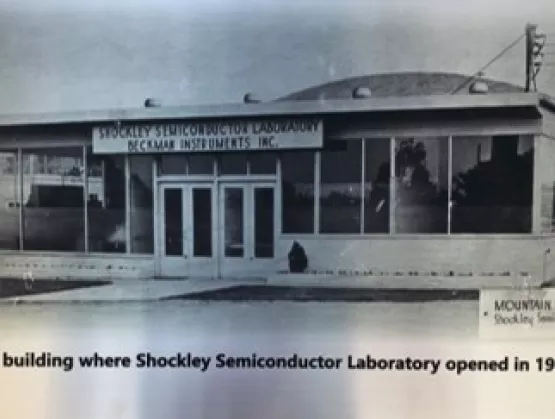
Adapted from the Computer History Museum’s “Celebrating the Birthplace of Silicon Valley” invitation. Work that sowed the seeds of the digital, hyper-connected world we know today all started in a squat, unremarkable building in Mountain View, California. Long before the structure’s foundation was laid, Santa Clara County flourished with orchards, not chips. Between the 1880s and 1940s, eight million fruit trees carpeted Silicon Valley. By 1939, San Jose, with a population of 57,651, was the largest canning and dried-fruit packing center in the world, with 18 canneries, 13 dried-fruit packing houses, and 12 fresh-fruit and vegetable shipping firms*.In 1956, silicon sprouted from new fertile ground.That’s when startup Shockley Semiconductor Laboratory, employing some of the most brilliant young minds in the business, produced Northern California’s first silicon transistor prototypes and formed the technological and cultural bedrock for today’s Silicon Valley.Fed up with William Shockley’s hard-nosed management style, eight Shockley employees – including Gordon Moore, Robert Noyce, Julius Blank, Victor Grinich, Jean Hoerni, Eugene Kleiner, Jay Last, and Sheldon Roberts – resigned in September 1957 and founded Fairchild Semiconductor Corporation. Fairchild was the seedling from which companies valued at over $2 trillion have grown and the source of the integrated circuit “computer chip” that has revolutionized our world.Now, more than 60 years later, the site of Shockley Labs, already an IEEE Historical Milestone, is being formally recognized by the IEEE and the City of Mountain View for its historical significance in a special dedication ceremony on August 15. Thanks to the efforts of many, especially developer Merlone Geier Partners, newly commissioned public sculptures – in the likeness of two early semiconductor devices and a mammoth silicon crystal monument that symbolize the work to come out of the lab – now permanently mark the site, along with various plaques that describe and commemorate the site’s history. The event’s featured speaker is Professor James F. Gibbons, former dean of engineering at Stanford University. Professor Gibbons’ first task at Stanford in 1957 was to work with Shockley and his team to transfer their knowledge of silicon fabrication to Stanford, which could in turn train future engineers for the coming boom in the semiconductor industry. He will share his personal experiences and memories of those early days. Join early semiconductor pioneers, the president of the IEEE, SEMI president and CEO Ajit Manocha and local officials on August 15 to commemorate this legendary Silicon Valley landmark. Guests are invited to enjoy a series of presentations and exhibits and view the stunning sculptures and plaques.The event is free to attend and open to the public. Space is limited so please sign up here to guarantee a seat.Location: 391 San Antonio Road, Palo Alto, California (Phase II of San Antonio Village). Parking is free.*National Park Service, Santa Clara County: California’s Historic Silicon ValleyAriana Raftopoulos is a marketing manager at SEMI.
Read More