downloadGroupGroupnoun_press release_995423_000000 copyGroupnoun_Feed_96767_000000Group 19noun_pictures_1817522_000000Member company iconResource item iconStore item iconGroup 19Group 19noun_Photo_2085192_000000 Copynoun_presentation_2096081_000000Group 19Group Copy 7noun_webinar_692730_000000Path
Skip to main content
Default Banner Image

pandemic

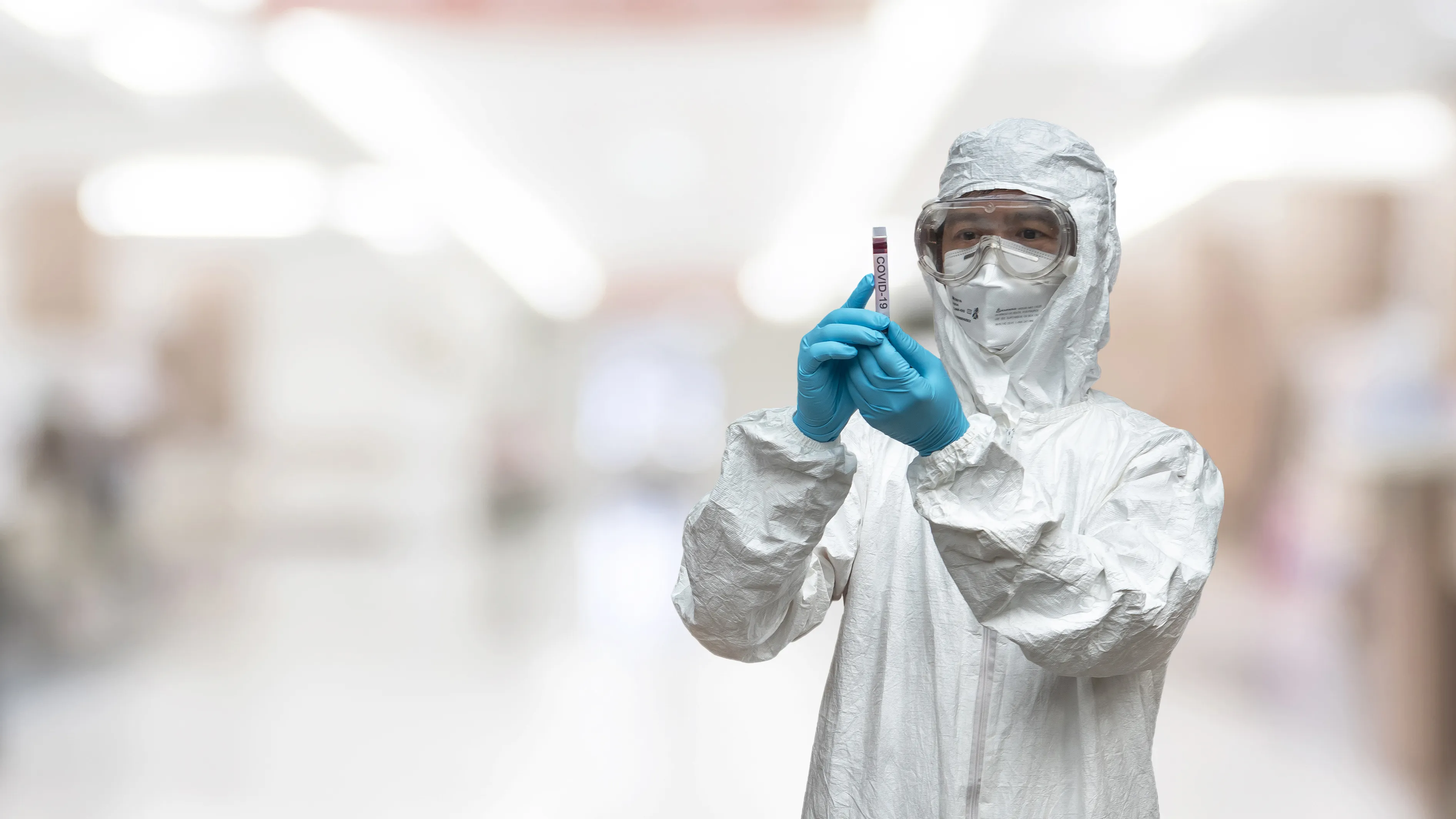
As the fight against COVID-19 presses ahead, many healthcare workers, especially those on the front lines, are being pushed to their limits and beyond to ensure our health and safety. To help doctors and nurses combat the virus, SEMI Taiwan mobilized six leading Taiwan semiconductor companies last month to donate personal protective equipment (PPE) designed for industrial operation to medical staff. The gear included powered air purifying respirators (PAPR), half facepiece respirators, head tops, protective coveralls, and air filter canisters.On behalf of the semiconductor industry, SEMI Taiwan worked closely with industry leaders and the government to deploy the direly needed resources to support the domestic medical community. The Taiwan Association of Medical Technologists accepted the donations in the ceremony attended by Taiwan CDC Deputy Director-General Chuang Jen-hsiang. The largesse is the result of public-private partnership to provide medical supplies to 35 hospitals and medical laboratories across Taiwan. Terry Tsao, Global Chief Marketing Officer and President of SEMI Taiwan, and six Taiwan semiconductor companies stepped up to help combat the coronavirus pandemic. TSMC Charity Foundation responded with PPE giveaways in March in a first wave of protective equipment donations to medical personnel. Before long, Vanguard International Semiconductor Corporation (VIS), ​​​​​​​​​​​Macronix, Micron, United Microelectronics Corporation (UMC), and 3M Taiwan also answered the call for more medical equipment for COVID-19 frontliners. Extending the Taiwan semiconductor industry’s rich tradition of making charitable contributions in the region, including financial assistance for emergency relief efforts, the companies donated more than 1,000 pieces of PPE after balancing the giveaway with inventory needs in their fabs. Fab workers responsible for machinery, raw materials, and other goods and gear used in semiconductor manufacturing wear the protective devices. One piece of equipment, powered air purifying respirators (PAPR), features a battery-powered that sends filtered air flowing into a hood or head top covering the wearer’s head or face to protect against respiratory hazards. In healthcare, PAPRs protect medical staff as they test blood and tissue samples for traces of COVID-19. Dr. N.S. Tsai, CEO of TSMC Charity Foundation, notes that respiratory protection equipment can offer integrated protection against multiple hazards and is comfortable for medical technologists working long shifts to wear. Medical facilities across Taiwan quickly depleted PPE supplies after the rapid response to the January outbreak by healthcare providers across the region led to quick containment. The PPE donations were critical in minimizing exposure risks to medical staff. The chip industry’s protective clothing and equipment offered another benefit: Medical technologists found the gear – designed to be worn over long periods in semiconductor manufacturing facilities – comfortable as they worked marathon shifts early in the COVID-19 outbreak. “Coronavirus testing requires a much higher level of protection than is needed in many healthcare settings,” said Chuang Jen-hsiang, the Deputy Director for the Taiwanese Centre for Disease Control (CDC) and the spokesperson of Taiwan Central Epidemic Command Center. “Medical technologists must work in a poorly ventilated labs for more than eight hours a day, causing sweating and damp heat. The high-performance PPEs provided by the industry help healthcare workers breathe more naturally without wearing a mask while greatly reducing infection risk in hot, humid environments.”For their COVID-19 response, Taiwan’s government and well-trained medical workers drew lessons from the SARS outbreak in 2003 to quickly activate emergency management structures to fend off the emerging threat – one that put the Taiwan semiconductor industry and its round-the-clock operations at risk.“Taiwan’s swift response to the COVID-19 was vital in preserving the business continuity that is the lifeblood of the semiconductor manufacturing,” said Terry Tsao, Global Chief Marketing Officer and President of SEMI Taiwan. “We are honored to do our part to support the heroes of this fight – the medical technologists on the front lines – as an expression of our great respect and gratitude for their extraordinary work.”SEMI Taiwan has long partnered with TSMC Charity Foundation to care for people in need, drive positive environmental and social changes, and support emergency aid in Taiwan. The goal our joint corporate social responsibility efforts is to warm the hearts of our people and build a better society.Irene Huang is a public relations and marketing specialist at SEMI Taiwan.
Read More
Linx Consulting and Hilltop Economics continue to monitor how the global economy impacts the electronic materials supply chain. Amidst the recent economic and revenue results releases, we have generated a series of potential scenarios for the next few years. These scenarios are based around sales of silicon wafers expressed in millions of square inches (MSI). Our work develops a multiyear forecast from the historic record of the SEMI-reported MSI demand by developing an econometric relationship with underlying demand drivers. Using this methodology, Linx Consulting and Hilltop Economics have introduced the following three silicon demand forecast scenarios: V-shaped global recession consistent with severe COVID-19 impact followed by a sharp economic rebound. Probability of approximately 40%. V-shaped global recession but with business and consumer behavior differing from the past recession in that there is much more aggressive spending on technology goods that softens the impact for semiconductors in 2020. Probability of approximately 25%. An extended COVID-19 impact developing into a U- or L-shaped global recession with an economic rebound delayed for several years. Probability of approximately 35%. In the few months since coronavirus hit the world, the economic prognosis for all major economies has worsened dramatically, although forecasts remain speculative given the rapid rate of change in the political and economic environment. The forecast changes in GDP since February 2020 of the G7 nations vary from -5.9% for Japan to -10.2% for Italy. These changes are closely linked to unprecedented declines in employment, consumer demand and industrial investment – all key drivers for wafer area demand. This leads us to believe there will be a significant reduction in wafer demand as these economic factors feed through the supply chain.Other leading indicators show dramatic drops in the global and regional economies taking effect at an unprecedented pace. These indicators have a loose predictive relationship for silicon wafer consumption and portend a rapid drop in demand.The demand picture for the semiconductor supply chain (be it wafers, materials, consumables or devices) is thus gloomy, and our models are currently showing Q2 to Q3 2020 reductions in MSI demand of between -11% and -28% depending on the scenario.In marked contrast to this depressing economic picture, the indications from the end-to-end semiconductor supply chain continue to be much more positive. Demand for silicon reported by SEMI increased in Q1 2020 by close to 3% from Q4 2019, while results from materials supply companies vary from slightly negative to record-breaking growth rates through the first three to four months of 2020. Added to this, reported revenues from WSTS for Q1 2020 ticked up 6.2% versus the prior year and the three large foundries in Taiwan and China showed continued growth of Q1 wafer area shipments and a 32.3% growth versus Q1 2019.Revenue and demand reports from leading device manufacturers remain on trend from 2019 with no indication of a precipitous change. Anecdotal reports of strong technology equipment demand to support people working from home and demand for medical devices in response to the pandemic can be substantiated somewhat by demand data although not convincingly.Reports from materials supply companies indicate that factories continue to be fully utilized, having been designated essential businesses, and that safety measures implemented against infection are largely effective.There are some indications of caution, however. The major public silicon wafer suppliers saw a 4% drop in revenues in Q1 over Q4, despite the reported strength in silicon area shipments from SEMI, indicating either ASP declines or some inventory effects.We are advising clients supplying materials into the wafer fabs and packaging supply chains to develop contingency plans for a sharp decline in product demand of as much as 28%, which may bounce back rapidly to 2019 levels or higher in early 2021. However, companies should also be vigilant of a slower than hoped for return to previous activity levels if the effects of the pandemic continue for an extended period.For further information please contact Mark Thirsk at +1 774-245-0959 or on [email protected] in engaging with the electronic materials supply chain? The Electronic Materials Group (EMG) is a SEMI technology community representing SEMI member companies that provide substrates, polymers, metals, organic and inorganic materials, chemicals, and gases developed for electronics manufacturing. Linx Consulting is a longtime member and supporter of the SEMI Electronic Materials Group.Mark Thirsk is managing partner at Linx Consulting. Duncan Meldrum is president of Hilltop Economics.
Read More
On Monday, SEMI led a statement from a coalition of industry groups calling on governments worldwide to harmonize their policies to safely allow essential international travel by essential workers. Cross-border mobility in the semiconductor and microelectronics industry is vital to maintaining manufacturing critical to the production of semiconductor devices that are the foundation of our modern economy, countless economic sectors and each nation’s response to the COVID-19 pandemic. Uniform cross-border travel rules impacting essential businesses in the electronics supply chain are crucial for semiconductor business infrastructure and supply chains to maintain effective operations.To that end, SEMI is urging governments around the world to permit international travel by semiconductor supply chain engineers, technicians and executives with minimal disruption to ensure any fast-tracked procedures apply directly to the semiconductor industry and that any agreements negotiated among countries harmonize global travel procedures and processes. Global supply chains require cross-border travel by key technical personnel and business continuity decision-makers to ensure that essential industry manufacturing and business operations remain efficient, effective and uninterrupted. While the industry continues to implement safety protocols and minimize non-essential travel to stem the spread of COVID-19, highly sophisticated equipment sets and materials usage from multiple nations will at times require specialized expertise that is not present in-country.For example, technicians from a semiconductor manufacturing equipment company typically must travel to semiconductor factories in other countries to install or repair specialized tools in situations that are beyond the expertise of the local field office and too complicated to handle by video conference. Similarly, at times semiconductor-based solutions, such as cloud computing, must be implemented or optimized on-site for the equipment to achieve full capacity. After months of remote access to their overseas operations, it also is critical that executives are able to visit their facilities to evaluate and manage their ongoing operations. In the past month, several countries central to the global electronics supply chain have engaged in both formal and informal talks to ease travel restrictions on personnel from essential industries. China, for example, is negotiating fast-track travel protocols with countries throughout Asia and Europe. On May 1, China and South Korea formalized an agreement that has made significant accommodations for semiconductor industry personnel to travel between the two countries. Last week, China and Singapore reached a similar deal – planned to take effect in early June – prioritizing travel for both executives and technicians.Beyond China, several ad-hoc negotiations are underway involving countries as varied as Taiwan, Vietnam, South Korea, Thailand, Canada, Australia and New Zealand. Multilateral discussions are also afoot with the aim of setting up bubble travel zones featuring standard health and travel protocols within the country blocs. As these disparate agreements between individual countries or small blocs of countries take shape, however, they are likely to create divergent standards that may complicate efforts of global businesses to effectively service their operations and customers, even if such travel is and has been deemed essential.In March, when U.S. states and many governments around the world began implementing stay-at-home orders and closing non-essential business operations, SEMI immediately took a lead role advocating to ensure that that the entire microelectronics supply chain was deemed essential and able to continue operations. In the U.S., nearly every state followed SEMI’s recommendation to adhere to the Department of Homeland Security’s Cybersecurity and Infrastructure Security Agency (CISA) guidelines that included semiconductor manufacturing and its supply chain as essential, or specifically highlighted semiconductor supply chains as essential. Overseas, SEMI advocacy worked to ensure the semiconductor supply chain was deemed essential in every key jurisdiction.The mobility of essential workers is critical to essential business operations in the electronics supply chain. Just as SEMI led the effort to ensure that critical electronics supply chain operations were deemed essential as economies were closing down, SEMI will continue to advocate for uniform essential travel guidelines for critical infrastructure workers as economies reopen. Karl Kailing is manager of Public Policy and Advocacy at SEMI.
Read More
By many measures, South Korea is swiftly restoring life as usual after suffering a heavy COVID-19 caseload in March. The region has logged an average of about 10 new COVID-19 cases per day since mid-April, it enjoys an ample supply of facial masks and sanitizer, and the Korean government on May 6 lifted social distancing orders and now encourages routine distancing to keep the coronavirus at bay. South Korea is also making progress on the business front as regions including China, Vietnam, Poland, Hungary and Kuwait have started to crack open the doors for travel by Korean businesspeople. As of mid-May, more than 5,500 Korean workers had received permits to travel to the five nations. For several months, South Korea was subjected to international travel bans to stem the spread of the coronavirus. Then, as its COVID-19 case count dropped, other nations started to loosen their bans on business visits to South Korea. In mid-May, the Korean government won work-related travel privileges to Vietnam for 186 Samsung Display engineers, while some LG engineers were also granted the travel permits.Other steps forward for the Korean microelectronics supply chain include the following: About 1,150 workers from Samsung, LG group and affiliates subject to a 14-day quarantine were granted entry to Vietnam 340 employees from 143 small and midsize Korean companies traveled to Vietnam under a 14-days quarantine 252 LG Group workers won fast-track entry to Nanjing, China 215 Samsung Display, Samsung SDI and Samsung Electro-Mechanics engineers were permitted entry to Tianjin, China under the region’s fast-track program 170 LG Display workers with fast-track privileges flew to Guangzhou, China 300 Samsung Electronics workers arrived in Xian, China via fast track Shanghai, Tianjin, and Shandong are among 10 provinces in China that have implemented the fast-track entry program. South Korea businesspeople are required to follow a number of protocols to help ensure the safety of China’s citizens such as: Submitting to temperature checks at least 14 days before departure and COVID-19 tests within 24 hours of leaving South Korea Showing health certificates that they have tested negative for COVID-19 Undergoing COVID-19 testing once they arrive in China. Workers testing negative for the virus can start work within three days. Other regions are also weighing a loosening of travel restrictions to South Korea. For example, the Japan government is considering issuing business travel permits to 10 countries including Korea, China, and the United States. The start to re-opening international borders to business travel is a promising step toward restoring the global collaboration and connection at the heart of the microelectronics industry. Jaegwan Shim is a marketing specialist at SEMI Korea.
Read More
Thanks to developments in science and technology, artificial intelligence (AI), cloud computing, big data and other technologies have been used to establish smart healthcare systems that helps societies respond more effectively to disease outbreaks. The spread of novel coronavirus starting in late 2019 has revealed how not only traditional medicine but also Smart MedTech applications can be instrumental on the anti-epidemic front lines.To give updates on the development of Smart MedTech and how it shines during the fight against COVID-19, SEMI invited Dr. Pei-Yuan Lee, Honorary Superintendent of Show Chwan Memorial Hospital, to share with MSIG (MEMS Sensors Industry Group) and Flex-Tech members how the international community and Taiwan are bringing their best in Smart MedTech to the table and how their collective efforts are helping tackle COVID-19 challenges.Taiwan’s COVID-19 rapid screening reagents and antibody testing help curb coronavirus transmissions Taiwan’s medical community has demonstrated its prowess in responding to the COVID-19 outbreak. Using its nucleic acid extraction reagent, Taiwan Advanced Nanotech Inc. tested 128 specimens from passengers aboard the SuperStar Aquarius cruise ship in only eight hours in early February. Taiwan’s leading research institute Academia Sinica successfully synthesized the first group of monoclonal antibodies capable of recognizing the new coronavirus protein on March 8, enabling testing to be completed in 15 minutes. The College of Medicine of National Taiwan University announced on March 27 that its 30-second screening device had helped identify asymptomatic carriers. The devices detect COVID-19 in people with no symptoms if they have pulmonary infiltration and edema. It took only 14 days for Academia Sinica to successfully synthesized the first group of monoclonal antibodies capable of recognizing the new coronavirus protein. On April 22, three biomedical companies in Taiwan launched a COVID-19 test that produces results from samples of patient mucus in less than 10 minutes to greatly enhance testing speed. Once the test method is approved by the Taiwan government, it will take Taiwan’s medical strategy against COVID-19 to the next level.Artificial Intelligence: the key to upgrading traditional healthcare practicesAI is a key enabler of the transition from traditional medical practice to Smart MedTech. To help fight the COVID-19 outbreak, a National Cheng Kung University medical team developed a 30-minute coronavirus testing procedure that uses AI to read pulmonary X-ray images and automate medical records. Taiwan AI Labs leveraged AI to simulate how drug molecules combine with viruses to reduce research time by three to four years. AI ​​diagnostic technology from the Alibaba DAMO Academy (Academy for Discovery, Adventure, Momentum and Outlook) and Alibaba Cloud interprets CT images of COVID-19 patients with 96 percent accuracy in 20 seconds. AI-powered algorithms improve diagnostic test accuracy, allowing clinicians to quickly analyze scans of pulmonary lesions and quantify the severity of lung damage.Startups have also joined the fight against COVID-19. Taiwan's Internet of Things (IoT) startup iWEECARE invented the world's smallest smart thermometer patch. Heroic-Faith Medical Science launched a device that uses IoT and AI to monitor lung sounds. With Smart MedTech expected to be fertile ground for future venture investments, enterprises must find their niches in establishing new technologies in a much more systemic way. Taiwan startup Health-Faith Medical Science developed a respiratory diagnostics device that uses IoT and AI technology to monitor chest sounds in real time. Anti-epidemic technology to help fulfill smart medtech vision Many AI and big data technologies previously deployed in hospitals and healthcare systems are helping regions around the world speed their pandemic response. The United States and China have started to develop facial mask recognition systems powered by AI, while a team in the Department of Bioinformatics and Medical Engineering at Asia University has devised a facial recognition system combining IoT and AI technology with infrared thermal imaging cameras. At Johns Hopkins University, the Center for Systems Science and Engineering is using AI to create big data models that track global cases, people and traffic flow, and other variables for real-time data analysis that enables epidemiologists to more accurately predict COVID-19 transmission paths. Graphen, Inc., a New York-based provider of next-generation AI platforms, launched the world's first AI COVID-19 genetic evolutionary path analysis systems to gauge the virus’s transmission route and accelerate pandemic response. Both the United States and China are also using robots and drones to improve epidemic research and patient treatment. For the first confirmed case in the United States, robots were used to assist with medical care. In China, robots facilitate deliveries of disinfectants to makeshift hospitals built to expand the nation’s capacity to treat COVID-19 patients. While Taiwan’s robots are traditionally used for hospitality, transportation and disinfection purposes, future robotics research and development will focus more on medical applications that shift more work from medical staff to technology. With abundant technological resources and expertise, Taiwan can join hands with the rest of the world to combat the COVID-19 pandemic. Emerging technologies are pointing the way toward a new paradigm for healthcare community. Biotech, artificial intelligence, and robotics have given rise to new applications that increase virus screening accuracy and efficiency. This growing wave of technological defenses against the pandemic will become a long-term force for stability and strength in healthcare systems across the world.To get involved in SEMI Taiwan Smart MedTech Community, please contact Helen Chen, Outreach Manager, at [email protected] Huang and Winnie Chang are marketing and public relations specialists at SEMI Taiwan.
Read More
Cameron Burks, head of Global Security, Enterprise Business Resiliency and Health, Environment Safety with Adobe Systems, and a member of the White House Task Force for COVID-19 response, briefed members of SEMI’s IT Leadership (ITL) and Environment, Health Safety (EHS) groups on April 20, 2020, on enterprise resiliency principals specific to the current COVID-19 crisis. Burks has spent over 20 years in the global security, crisis management and business continuity fields for public and private global companies. In the meeting, he noted, “This is all new. No one has had to respond to a crisis of this magnitude and impact. Ever.” On top of all of the learning and responding that teams are doing in real-time, it is helpful to have a strong business continuity plan (BCP). The following is a recap of insights that Burks shared on best practices for business continuity with examples from Adobe’s BCP.The Long-Term Picture: How to Plan for Business ContinuityBurks emphasized that the first step in any crisis is identifying risks and ensuring the safety of all human life. Once human safety is assured, the next part of the plan must form a strong foundation for escalation, operation evaluation and response. A solid foundation also creates the business factors to restart operations efficiently. The foundation of the Adobe pandemic plan was laid during the summer of 2019 while the global team was updating their infectious disease plan and rehearsing with headquarters and regional offices. That plan includes six main sections:1. Crisis Management Plans – escalation, roles and responsibilities, team operations2. Crisis Communication Plans – internal and external stakeholder communications3. Incident Management Plans – site or regional management response4. Emergency Response Plans – immediate local response to events5. Business Recovery Plans – business and facility recovery6. Disaster Recovery Plans – IT and technology recoveryThis format has worked and scaled well over the past few months, and the company is now in the stage of evaluating how to help offices recover and repopulate. Response Team Structure – Global and LocalAlthough it is critical to have plans and leadership coming from headquarters when it comes to a crisis, LOCAL teams are on the front lines since most crises start and evolve quickly. In the planning process, the local teams need to know and be trained on plans for a wide range of incidents and events including: People- and product-related Security – both external and internal Operational (e.g. cyberattacks) Natural disasters Health-related, such as this pandemic The severity of the event will determine the corporate impact and activation of appropriate plans. Low-impact events include those where stability is quickly reached and response plans have effectively contained the incident. High-level events will cause severe disruption for employees and customers and require an efficient and coordinated response. Regardless of the severity level of the event, all response teams need to be prepared to quickly activate and then to thoroughly coordinate on crisis management and communications. It is critical to have established actions to implement based on the severity level of an event. Table 1 provides an example of Key Trigger Levels for implementing specific actions depending on the severity of an event. Table 1 – Key Trigger Levels X = phase to consider first implementing controls The team needs to understand what the staff requires to maintain business continuity. Burks recommended aligning with ISO 22301, the Business Continuity standard. The standard will lead a company to understand what redundancies need to be in place to keep essential operations running. In Adobe’s case, this includes keeping data centers running and providing essential gear to the 90+ members of the response and global security teams. Adobe tests the plans every month and addresses the bugs – every time.Repopulating Business Facilities During COVID-19 While COVID-19 infection and death rates are currently flattening in many locations, there remain a significant number of new infections, limiting the ability to repopulate business facilities without threatening the health of the workforce and their families. Adobe is using multiple indicators to calculate when the virus is contained, the threat is reduced, and employees can return to workplaces. For now, Burks recommended maintaining social distancing as much as possible while keeping operations running. He believes summer may see some abatement due to weather. However, most experts expect to stay hyper-aware and responsive well into 2021.Although Adobe tries to provide actual dates for return to their employees – and did early on with best estimates – they have had to change to a “until further notice” statement. Repopulating is going to be much more complicated than the original decisions to work from home. The Adobe operations team is providing much larger conference rooms, enhanced cleaning regimens, and new norms of interacting at the workplace for everyone. The goal is to bring people back in small groups on a site-by-site basis. The first group will be only 7-10% of the workforce. That group includes the cleaning and facilities crews to support the professional staff, who would return to reap the benefits of a collaborative environment. Many people want to come back to the office. They are suffering in isolation, and productivity is dropping in those cases.Adobe is planning to create a manual on interacting at the workplace and will require training and adherence to new social constructs. Security officers will be “ambassadors,” helping the workforce remember and adhere to the new rules. The company will use footprint stickers to provide visual clues to employees on walking single file and avoiding groups. Stickers will designate desks that can and cannot be used. To provide a more open office plan, they will remove desks and arrange movable white boards to accommodate the collaboration employees want.The situation is complex and dynamic and requires decision-making based on a definitive set of criteria. The following is a summary of information that Burks shared on Adobe’s criteria for returning to work after COVID-19: Indication of health and safety assurance utilizing risk assessment criteria – locally assessed and qualified for a minimum of six weeks. Travel prohibitions and local/external meeting guidelines to be modeled separately utilizing case-by-case risk assessment criteria. Assessment of the case fatality rate, infection peak and downside projections – curve must be flat. Management team decision on how much risk to assume, as this disease is durable Assessment of infection vector and prevalence vis-à-vis relaxation of nonpharmaceutical interventions; assessment of local healthcare capacity Government shelter-in-place restrictions fully (or partially) lifted; declarations by public leaders that the virus has been contained at some level (city, state, country) Assessment of facilities to physically distance employees and/or staggered shift schedule; assessment of security capability/resource availability Assessment of public transportation and infrastructure, including parking garage Assessment of school closures, childcare and/or adult-care Assessment of nonpharmaceutical intervention awareness campaign, medical surveillance program, and/or onsite medical or clinical support No visitor program until approved by global security staff when office repopulation program begins. Create exceptions list. Emergency plans formally in place Site capacity identified; Emergency Response Team (ERT) skeleton crew part of the repopulation Full plan in place to close offices for a period of no less than three weeks if one employee or vendor tested positive for COVID-19 during repopulation exercise; plan includes informing workforce within “return population” of circumstance and having the facilities team execute a deep clean. The plan would then activate communications for the crisis management remediation phase, which includes full workforce transparency via town halls, webinars, emails, etc. Burks noted that contact tracing has moved from an unthinkable invasion of privacy to a likelihood for most workplaces, taking into consideration privacy laws predominant in Europe and U.S. If anyone falls ill or tests positive for the virus, they will automatically be sent home and everyone who has been in contact with them will need to enter a 14-day quarantine before returning. Burks’ presentation, and his thoughtful approach to planning and the current situation with COVID-19, allowed the attendees to consider their positions and paths for bringing their workers back to the offices and facilities. A lively question and answer session enabled members to further clarify points and get immediate feedback on their plans and strategies. Burks finished with a request to industry members to continue the dialogue and send industry data for him to report back to the White House Task Force. For additional resources from SEMI, visit our COVID-19 response website, which provides best practices and the opportunity to submit company stories.About the AuthorHeidi Hoffman is Senior Director of Corporate Marketing for SEMI. She is currently serving on the SEMI COVID-19 Response Team, coordinating multiple inputs from across the industry to assist all SEMI members in responding to the crisis. To submit your company response story, visit our COVID-19 News and Blogs webpage and scroll down to the green submit bar below the news.
Read More
In much of post-lockdown China, urban life is humming. The streets of Beijing and Shanghai are bustling with traffic, smog again shrouds city skylines with the resurgence of economic activity, property sales are bouncing back and a revival in consumer confidence is taking hold. Emerging from monthslong shelter-in-place orders, the nation has seized a large measure of control in containing COVID-19 as it breaks fertile new ground in pandemic response and recovery. In Wuhan, Hubei, the fountainhead of the novel coronavirus, one company offers a striking example of China’s muscular COVID-19 containment efforts, carefully continuing to operate through January and February as the virus set root, said Karel Eloot, a Shenzhen-based senior partner and Asia leader of Transformation and Operations practices at McKinsey Company, speaking at a recent webinar presented with SEMI. Soon, COVID-19 spread to eight other provinces that suffered serious outbreaks and forced the nationwide lockdown that sent China’s GDP plunging 7 percent, its first contraction in 28 years. An impressive array of safety protocols, many designed to reduce people density as a bulwark against the virus, animates China’s fight against COVID-19, a return-to-work movement that is laying a path forward for companies around the world. It is these measures, Eloot said, that have kept the Wuhan company afloat and helped other businesses across China restore operations with unusual speed. Community and Social Distancing – The Heart of China’s COVID-19 Response In establishing safeguards, many companies started by assessing staffing requirements, identifying workers essential to sustaining on-site operations while allowing others, such as white-collar staff, to work from home, though some have since returned to their offices. Seen as non-essential, some factory maintenance workers have been instructed to stay home. To fill staffing gaps, business have turned to multi-skilling practices, such as having on-site supervisors and engineers step out of their daily roles to handle lower-level operations activities. Much of the focus has been on community distancing, with businesses quickly identifying workers suffering even minor COVID-19 symptoms and using contact tracing to prevent sick or vulnerable employees from entering offices and factories and turning them into hot zones for community spread, Eloot said. Manufacturing facilities are staggering work shifts to reduce people density, closely monitoring workers’ body temperatures with an eye toward other symptoms, and following up with medical tests and quarantines as needs dictates. QR codes, long a staple of e-commerce, have been a particularly effective weapon in combatting COVID-19. Companies are deployed the scanning technology to identify workers by color code – green, yellow or red – and assign various levels of site access depending on who they’ve been in contact with. Some factory workstations are now walled off by transparent plastic sheeting to prevent COVID-19 infection through aerosol drift. In business meetings and lunchrooms, staffers sit spaced a safe distance apart and facing the same direction to avoid crosscurrents of the microscopic respiratory droplets that can carry the virus. Others eat in isolation. Meeting room windows are opened, weather permitting, to admit fresh air. And elevators – perfect petri dishes for contagion – are shuttered to ward off human clusters, shifting all floor-to-floor movement to staircases. Companies united by the common goal to keep goods flowing through supply chains are providing masks and other personal protective devices to smaller players most vulnerable to the economic shock of COVID-19. The aim: Shield the companies from the potentially crippling effects of the virus to avoid supply chain breakdowns that can undercut the performance of the whole. Even competitors have formed unexpected alliances, sharing parts and components that are in short supply. “Some sectors have maintained steady production throughout the crisis” thanks to these practices, Eloot said. “China has been able to create safe communities where people can operate as normal.” Executive Uncertainty Reigns, Hope Springs Eternal with Innovation The objective of China’s fast, forceful response to the COVID-19 outbreak is economic: A V-shaped rebound after the 7 percent wallop to its GDP in the first quarter of the year. The trajectory is among nine economic recovery scenarios McKinsey Company presented to more than 2,000 executives worldwide in a recent survey seeking their views on the likelihood of each. The business leaders coalesced around two – a full restoration of global GDP growth that could materialize this year or extend into next, or a two- to three-year recovery following the initial economic tsunami, Sven Smit, an Amsterdam-based senior partner with McKinsey and global leader of the McKinsey Global Institute and global COVID-19 response team, said at the webinar. The executives see the multi-year recovery as the most likely. The shorter rebound ranked second on a scale of probabilities. Notably, the business leaders found the V-shaped bounceback China is attempting – returning to GDP growth in one quarter – the least likely outcome. But the biggest surprise from the survey, Smit said, was executives’ view that of the two major global interventions for restoring GDP growth – viral and economic – one will be ineffective, reflecting their deep uncertainty about what lies ahead. A growing body of knowledge about COVID-19 tempers that doubt. It’s established fact that the virus is highly contagious, more lethal than the flu, and spread by means including aerosols and touching contaminated surfaces. But only recently has more insight emerged about human immunity. Broad-based blood testing in the Netherlands has discovered that only 3 percent to 4 percent of the people screened are immune to the coronavirus, leaving the vast majority of the population without natural biological protection – a sweeping vulnerability evident in Asian countries hit early by the virus only to see fresh flare-ups after initial containment. Smit warned of the pandemic’s potential resurgence. Testing has revealed that coronavirus cases are underreported by a staggering 10- to 15-fold, a clarion call that countries “need to be very careful about how they re-open economies.” That means in order to keep COVID-19 at bay until a vaccine is developed, the best defenses will remain temperature monitoring, contact tracing, quarantining, social distancing, mask wearing, frequent hand-washing and other proven protective measures. And while the relative contribution of each safeguard to slowing COVID-19’s spread is unknown, Japan, Korea, China, Taiwan and other Asian countries have shown that “if you apply them all, you are likely to keep this virus under control,” Smit said. It remains to be seen whether protections the U.S. and European countries have put in place will stave off the virus as effectively as the rigorous measures implemented by Asian countries and, if the Western regions deploy a different cocktail of safety protocols, how well they will work. The re-opening of their economies promises to reveal the answers – and the McKinsey recovery scenario they’ll face. These and other open questions help explain the uncertainty of the executives McKinsey polled. Pandemic Supercharges, Adds New Urgency to Long-Term Trends What is known is that, far from upending the way all organizations operate, COVID-19 is supercharging secular trends and showing that people can react with dizzying velocity when confronting global mortal threats. That speed, Smit said, “is not determined by the potential of technology, but by events." For decades, doctors and technologists have teamed to develop ways to examine and treat people from afar, yet telemedicine managed to eke out only small, incremental gains in adoption. Since the COVID-19 outbreak, patients have flocked online, with virtual doctor’s visits accounting for more than 70 percent of all physician-patient interactions. “People like it, and we can reach many more patients as a result. It happened in a few weeks,” Smit said. Similarly, teachers and unions have only inched toward digital communications for years, fearing job losses in education at the hands of technology. When schools closed recently under shelter-in-place orders, teachers quickly switched to online lessons. The transition, Smit said, took one weekend. Meanwhile, as office workers holed up at home, usage of teleconferencing applications skyrocketed. “We’re collectively learning at unprecedented speed,” Smit said. “We’re sharing. We’re learning about supply chains. We’re learning about collaboration. We’re learning about masks. We’re learning about contact tracing. We’re learning how to work more efficiently. We’re learning from real-time data about the behavior of people. And we’re investing collectively enormous sums in finding cures and treatments and expanding hospital capacity.” While the coronavirus’s blistering spread caught many countries off-guard, Smit expects scientists to spare no effort to innovate. Expressing hope that new medical interventions will be available by summer, Smit said the world needs to buttress its key lines of defense against the coronavirus until a vaccine is developed – a shield that will quicken the global economic recovery. “The race is on," he said. Related blog COVID-19: Economic and Microelectronics Industry Impacts – Insights from McKinsey Company For McKinsey’s latest insights on the coronavirus pandemic, visit its website, which is updated daily. For the latest COVID-19 information and SEMI event updates SEMI is providing members, visit Coronavirus Resources. Michael Hall is a marketing communications manager at SEMI.
Read More
During the COVID-19 pandemic, the SEMI Global Advocacy team has been working tirelessly to ensure the microelectronics manufacturing and design supply chain is classified as an “essential business” in the United States and for similar designations in several other countries so that SEMI member companies can maintain operations. Their efforts have included direct lobbying and letters to the governors of 16 states in the U.S., 23 European countries and several European Union officials across the continent, as well as government officials in Japan, Mexico and Malaysia. The bedrock of these efforts, and the reason they have been highly effective, is that our industry enables both modern digital infrastructure and technology critical in the fight against the virus.SEMI takes immense pride in highlighting the role of our industry in providing the building blocks for innovations that improve social and economic prosperity the world over. It is never more apparent that necessity is the mother of invention than during a crisis, and the pandemic has created a diverse range of demands for technological advancements to address the myriad of challenges it presents. Our SEMI Tech Spotlight blog series highlights some of the many ways that our industry and member companies are enabling technology employed on the front lines of this fight – and that we strongly believe will ultimately help to win it. Our first piece in this series focuses on platforms enabled by big data and artificial intelligence.Fighting the Pandemic with Big Data-AI Enabled PlatformsThe COVID-19 pandemic is testing humanity in unprecedented ways, but it is also uniting us to fight this crisis with the best weapons we have. Big data and Artificial Intelligence (AI) technologies – built with microelectronic chips and systems that generate, transmit, store and analyze data – are making a profound contribution to our arsenal for this protracted war. Big data-AI technologies are enabling platforms such as data analytics, robotics, augmented/virtual reality (AR/VR), 3D printing, and others that are already being applied to address many facets of this crisis.Big Data and Analytics Inform Policy In the fight against COVID-19, data analytics platforms are being used first and foremost to slow the rapid spread and to inform policy decisions. This requires analysis of massive amounts of data about public health and travel, often using AI algorithms. The state of California, for example, is partnering with companies such as BlueDot, Esri and Facebook to build a software platform that uses smartphones and location intelligence to track people’s movement and predict hospital needs. Taiwan owes its considerable success in limiting the spread of the virus to the extensive use of big data analytics for identifying and tracking carriers. Google and Apple are driving a joint effort that connects Bluetooth with their popular iOS and Android platforms to trace contacts of infected people. India has developed Aarogya Setu, a mobile app based on Bluetooth and location-mapping platforms, designed to alert citizens if they have crossed paths with another app user who has tested positive for the virus. This app was launched in 11 languages, and despite being entirely voluntary, it was downloaded by 50 million people in 13 days, making it the world’s fastest-ever to reach that number. Such contact-tracing apps, now being rolled out in at least 26 countries, carry inherent privacy and security challenges due to the sensitive data they access. While mitigation strategies like strict data anonymity and opt-in protocols are being implemented, these will need to be refined over time.Robotics Protect Frontline SoldiersToday’s robust robotics platforms are enabled by huge amounts of data from sensors and guidance from predictive AI algorithms. These robots can learn on the job, adapt to the environment, and work safely with humans. In this pandemic, they are perfect for minimizing human interaction with infectious environments. Companies around the world such as Boston Dynamics, Akara Robotics, UBTECH Robotics and CloudMinds have already deployed robots on the front lines of this war to assess patient health, disinfect hospital surfaces, and help health workers with Personal Protective Equipment (PPE).Robot drones are also delivering blood and other lab samples. For example, WakeMed hospitals in North Carolina launched the first drone delivery program approved by the U.S. Federal Aviation Administration with Matternet drones operated by UPS; while Terra Drone from Japan executed similar tasks in the hard-hit Wuhan province of China.3D Printing Speeds ManufacturingBig data-AI technologies enable 3D printing platforms by providing accurate 3D models for optimized designs and defect-free manufacturing. Low-cost, fast-cycle-time 3D printing has helped to alleviate at least some of the medical equipment shortages. For example, the U.S. Food and Drug Administration (FDA) has approved the first 3D-printed “Stopgap Face Mask” for liquid barrier protection from the SARS-CoV-2 coronavirus for healthcare workers. The U.S. Veterans Health Administration has developed this in collaboration with America Makes using an open-source database – the 3D Print Exchange from the National Institutes of Health. In another example, Formlabs worked with Northwell Health, New York’s largest healthcare provider, and University of South Florida (USF) Health to develop and test a nasal swab prototype over just one weekend, and it is now producing up to 150,000 test swabs daily. Prisma Health in South Carolina received emergency FDA authorization for VESper, a 3D printed device that allows a single ventilator to support two patients, and possibly up to four.Telehealth Becomes a “New Normal”Telehealth is not a new concept but is much enhanced by today’s microelectronics platforms that can collect and transmit rich datasets with very low latency. Further, rapid data analysis is increasingly supported by AI systems. The requirement for social distancing makes telehealth a perfect solution for many healthcare consultations. U.S. government data indicates that the daily average of telehealth claims from private insurance for upper respiratory infections increased nearly 12 times over the previous month from March 14 to April 1. Similarly, Teladoc Health coordinated 100,000 patient “televisits” in the week of March 8 – a 50 percent spike over the previous week, taking pressure off the healthcare system. The next generation of telehealth is likely to use AR/VR platforms, which use even richer datasets and AI to improve the accuracy and predictive capability of their underlying models. Consequently, these platforms can provide more realistic experiences and improved outcomes. At least 11 states in the U.S. are already working with AR/VR companies such as XRHealth and AppliedVR for primary care and many medical specialties. Accelerating the Search for a Vaccine or TreatmentThe way out of this pandemic depends on swiftly finding a vaccine and a treatment, ideally by fast-tracking the traditionally slow drug development process. Big data-AI technologies are at the forefront of such efforts globally, often using the most powerful supercomputers available. For example, researchers at the University of California, San Diego (UCSD) are using the Frontera supercomputer to build a complete model of the SARS-CoV-2 coronavirus envelope – a formidable task, requiring analysis of data from 200 million atoms and interactions between them. Researchers at Argonne National Laboratory are combining AI with physics-based models to search for a molecule that might disrupt the activity of the virus, a precursor to finding a treatment. Also, several companies around the globe such as BenevolentAI (UK), Gero (Singapore), Innoplexus (Germany-India), and Insilico Medicine (US-Hong Kong) are using AI platforms to accelerate the search for a solution. ConclusionUltimately, the success of technology is not measured by the number of bits and bytes or by the speed of algorithms. It is measured by every janitor who did not have to clean a hazardous surface because a robot did, by every doctor and nurse protected by a 3D-printed mask, and by every person whose life may be saved by the accelerated discovery of a vaccine or treatment. Big data-AI technologies, and the platforms they enable, are just coming of age – they give us hope that as they evolve in the future, we can use them to build a more resilient society and economy.Note/Disclaimer: The examples cited above are purely for illustration – they are neither comprehensive, nor intended to endorse any particular product or solution.The SEMI Smart Data AI initiative helps members realize full value in the intelligent future enabled by Big Data and Artificial Intelligence – including the large revenue upside, and the transformational potential for operational and supply-chain efficiency. For more information on the initiative, contact Pushkar Apte at [email protected] Manocha is President and CEO of SEMI. Pushkar P. Apte, Ph.D., is the Strategic Technology Advisor for the Smart Data AI Initiative at SEMI.
Read More
Part 2 of 2Read Part 1.While companies navigate the ongoing COVID-19 crisis, corporate leaders should be evaluating a number of key business continuity issues as well as steps they can take to not only react to business disruptions but also reshape their business and recovery plans.We spoke with Dan Steele, Senior Director and the APAC Head of Environmental, Health, Safety, and Security (EHS S) at GLOBALFOUNDRIES (GF) Singapore, via teleconference for insights into the best practices he and his team have implemented from their Business Continuity Plan (BCP) to guide them through the health crisis.SEMI: How can SMEs (small and medium-sized enterprises) afford BCP, as they are often quite costly?Steele: BCP is not something you afford. Rather, it is essential to good management. Every business is about managing risks and every manager’s responsibilities include risk mitigation. Regardless of their size, companies often pay a higher price for survival in a crisis because they are ill-prepared. All companies owe it to themselves, their employees and other stakeholders to conduct ongoing business continuity planning. No one knows what or when the next crisis will be, and no plan is perfect in mitigating crisis impacts.However, it is critical to plan for potentials, institutionalize EHS and security best practices, ensure the supply chain has both redundancy and robustness, train employees to adopt additional skills, and work with customers in advance. Companies that continue to ask themselves what if are the ones that will be the best prepared. And, if BCP is done right, businesses can avoid huge losses. Dwight Eisenhower said, "Planning is everything, the plan is nothing." I think too many companies spend far too much time creating exacting plans when instead they should be planning. Since planning the survival of the company is every manager’s daily responsibility, BCP should not be purely looked upon as a cost, but also as an expected deliverable from the management team.SEMI: Companies have rolled out mandatory work-from-home (WFH) policies and it has become a new normal for many of us. What other measures can GF take should this WFH period be extended?Steele: Our work-from-home policy seems to be working quite well at this point. However, WFH will only be effective if the right tools are provided to employees – we give our employees access to our system so they can work remotely. WFH also offers opportunities to drive new and innovative ways of working, and accelerates some of our automation efforts such as Augmented Reality (AR).At the same time, mental health is just as important and we conduct weekly check-ins with employees to assess their anxiety levels by asking two basic questions: How is the team’s morale and has it impacted productivity in our operations? For us at GF, WFH is not a disintegration of the team. It is important to our operations to continue the social aspects of working as ONEGF. That means online meetings should require face-to-face interactions. It is important for people to connect. Additionally, we maintain the same quality expectations for remote work as we do when employees are on-site. If this WFH period is extended, we need supervisors and managers to reach out and ensure that we stay connected with our employees.SEMI: What BCP lessons have you learned during the outbreak and will the learnings change any of your business or operations strategies when normalcy returns?Steele: I am not sure we learned anything new about BCP. As stated, our approach to BCP is to spend less time on exact plans and more time on planning, asking ourselves what if and mentally walking our way through potential solutions. This crisis reinforces the premise that we must be prepared. We did not have a plan on our shelf for working-from-home, but we had visualized it, knew what we would have to enact and now have employees managing highly sophisticated, technical and skilled manufacturing operations from home, and some of them reside in Malaysia. BCP must be a conscientious, concerted effort even when normalcy returns – it helps us better prepare. Additionally, BCP is not the responsibility of a single person or department. Just like our daily business, BCP is an integrated effort across many functions. Good and great ideas come from anywhere in a time of crisis. Listening is extremely important.SEMI: If there is one takeaway from this unusual and uncalled experience, what will it be?Steele: What we walk away with is the fact that we are dealing with a pandemic that is highly unpredictable, and that we need all types of employees with diverse backgrounds, experiences and perspectives. This inclusion has made us successful all along, and that is what is helping us ride through this crisis today and into tomorrow. We are glad that we have a diverse and proactive BCCM team that is able to quickly adapt and respond to the many challenges of a crisis. SEMI: What advice would you offer to stay productive while WFH?Steele: We acknowledged that it is difficult for the WFH policy to be effective in the manufacturing sector. Although we do not see any productivity loss thanks to automation, we’ve seen a slowdown in our engineering activities.My advice: First stay healthy, monitor your health, and follow the government’s hygiene advice for yourself, your families and the communities you live in. If you socialized before, there is no reason to stop. Stay connected with your co-workers and team. Personally, I don’t believe WFH now means you are always on. Just as you did when working on-site, you still need your personal time. You have to strike the balance that works best for you.Dan Steele has over 25 years of experience in environmental, health, safety and security operations. He has also held other leadership roles in facilities engineering, quality, reliability and assurance, and risk management.Bee Bee Ng is president of SEMI Southeast Asia.
Read More
Part 1 of 2Read Part 2. While companies navigate the ongoing COVID-19 crisis, corporate leaders should be evaluating a number of key business continuity issues as well as steps they can take to not only react to business disruptions but also reshape their business and recovery plans.We spoke with Dan Steele, Senior Director and the APAC Head of Environmental, Health, Safety, and Security (EHS S) at GLOBALFOUNDRIES (GF) Singapore, via teleconference for insights into the best practices he and his team have implemented from their Business Continuity Plan (BCP) to guide them through the health crisis.SEMI: How did GLOBALFOUNDRIES Singapore first respond when the country reported its first COVID-19 case?Steele: Since the early days of our company, we have had a Business Continuity / Crisis Management (BCCM) team in place that is responsible for business continuity planning for the site. At the beginning of this journey with the coronavirus, we believed in two truths: maintaining the safety and well-being of our employees and consistently communicating precautionary measures the company has taken to protect them and our business. These actions are critical to keeping our employees safe, while keeping the anxiety level low. By informing and updating employees in a timely manner, we ensure that they are well-educated about the crisis as it unfolds and the foreseeable circumstances that could be ahead of us. Once the world was well into the coronavirus outbreak, our CEO declared in a message to all employees that “we entered this pandemic crisis together, and we will exit it together.”We have also established links to pertinent government websites and made them conveniently available to ensure employees have access to the latest available information for their personal lives.SEMI: What actions has GF Singapore taken in response to the crisis so far?Steele: On January 29, our BCCM team activated the first line of defense by initiating temperature checks at all building entrances for every individual including employees, contractors, visitors, and customers who come into our facilities. We asked each to declare their state of health and travel history and issued a temperature card to every employee and resident contractor. They are all required to record their temperature twice daily – once before coming to work and again at midday – and they present the temperature log to security upon their arrival.The following week, our teams split into an A/B work arrangement to ensure continuity of our operations. We proactively pared down our teams to the staff essential for our on-site operations, while enabling the rest to work from home. We also advised our most vulnerable employees with impaired immune systems or who are pregnant to work from home. Concurrently, we moved all meetings of 10 or more people to virtual communications and only allowed meetings with fewer than 10 to be held in rooms with participants sitting at least one meter apart. We informed our customers of our efforts and moved all planned on-site visits to online visits.In line with Singapore’s efforts to curb the spread of COVID-19 within the community, GF restricted site access of people who had recently traveled to countries with sustained community transmission and regularly updated the restriction list. To conduct contact tracing, we created our two degrees of separation list that we used to track employees with families and close associates who were linked to a COVID-19 case. Employees provided the information voluntarily. On our campus, we enforced strict safe distancing measures by limiting access to meeting rooms, marking off-limits tables and removing chairs in the cafeteria, limiting the number of elevator riders to no more than four, and placing boxes or other spacing indicators at smoking zones, bus stops and temperature-taking lines. We also initiated a daily log of employees taking the company buses tagged to the bus number, time, and employee identification numbers in anticipation of the need for contact tracing.Most recently, when the Singapore-Malaysia border closed, we activated the next phase of our BCP that was already in place – housing over 450 Malaysian employees in Singapore hotels.Throughout this crisis, we continuously monitor and evaluate possible impacts to our supply chain to ensure the continuity of our business. This is a standard element of our ongoing business continuity management system.Most importantly, we frequently communicate with our employees and tell them everything the company is doing and why we are doing it. We encouraged employees to monitor their health, stay home if they are unwell, and seek immediate medical treatment if necessary at one of our panel clinics or other medical facilities.SEMI: What are your top concerns amidst this health crisis?Steele: At GF, we are managing through the crisis with an unwavering focus on two guiding principles: the safety and well-being of our worldwide team, their families and communities; and delivering on our commitments to our clients. As the world’s leading specialty foundry, GF has a unique role in the global supply chain. Our semiconductor technology is vital to a range of industries including health care, communications, infrastructure and security. With these priorities in mind, the company undertook unprecedented steps and has adapted to the crisis by dynamically adjusting its protocols, health and safety measures, and business processes to protect its teams while maintaining manufacturing excellence.We are committed to safeguarding the well-being of our employees while supporting and sustaining our on-site operations and protecting customers’ products. A major concern is the impact on our employees. We understand that COVID-19 can be infectious even if an individual is asymptomatic – we are always concerned that temperature screening alone is not sufficient. This is the reason that from day one we have encouraged our employees to monitor their health, follow all government advice for proper hygiene and seek medical attention if unwell as early as possible, and not come to work.Dan Steele has over 25 years of experience in environmental, health and safety, and security operations. He has also held other leadership roles in facilities engineering, quality, reliability and assurance, and risk management.Bee Bee Ng is president of SEMI Southeast Asia.
Read More