

Electron Microscopy Workflow Task Force Probes Industry Preferences for Automated TEM Workflow Solutions
By Laurens Kwakman, Thermo Fisher Scientific, and Laura Nguyen, SEMI
In 2020, the SEMI Standards Electron Microscopy (EM) Workflow Task Force has engaged in a second phase activity that aims at developing a new Lamella Carrier Container (LCC) standard. Having well defined Standards for Lamella Carriers (LC) and its transport containers (LCC) is essential to allow the development of efficient and automated TEM analysis workflows. In Figure 1, the analogy between TEM lamella carrier transport and wafer transport in a FAB is illustrated.
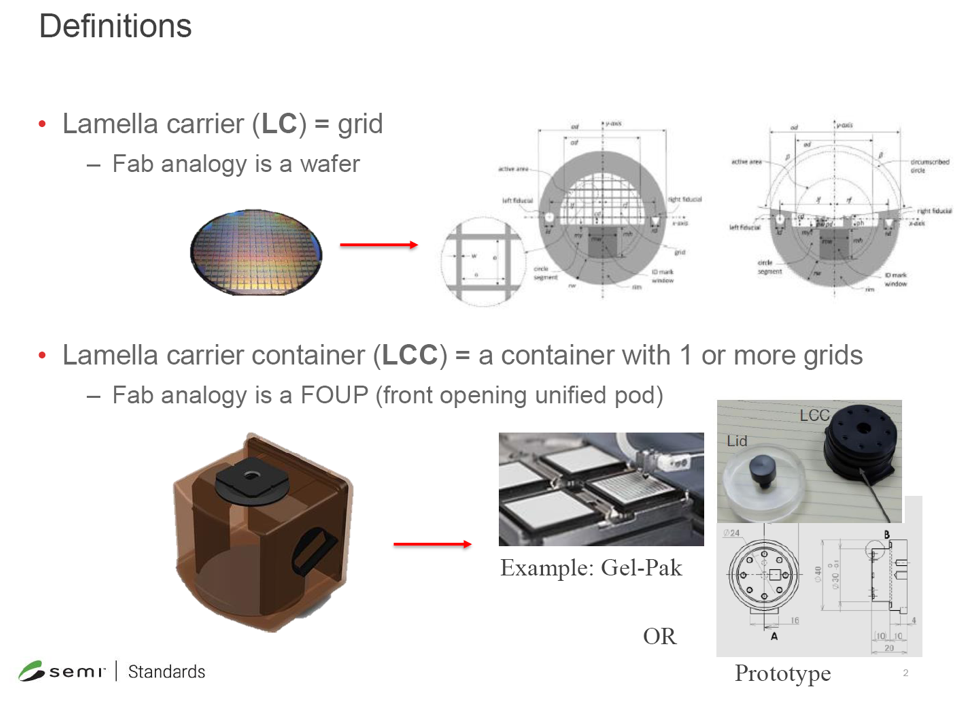
Figure 1: Definitions of LC and LCC in TEM workflow and analogy with FAB wafer transport.
The standardization effort for the LCC is to guarantee commonality of physical designs, LC handling strategies and SW/HW interfaces between different equipment manufacturers.
During the first months, the different TF members (microscopy and TEM grid suppliers) defined high-level criteria for the LCC and also agreed on a possible (3-step) TEM workflow automation path. The identified high-level LCC criteria include LCC formfactor and physical size, number of LC slots, LC pick & place method, LCC ID marking technology, LCC material choices, LCC opening & closing mechanisms, LCC docking mechanisms. Also various technical options and solutions have been discussed between TF members, but it was rapidly realized that the final choice between different technical options and solutions is critically related to how the TEM microscopy end-users intend to use and operate such TEM workflows in their real, industrial context. Hence, the need for the voice of the key customers. One practical constraint could be resolved thanks to working in the SEMI Standards context and benefiting of its infrastructure.
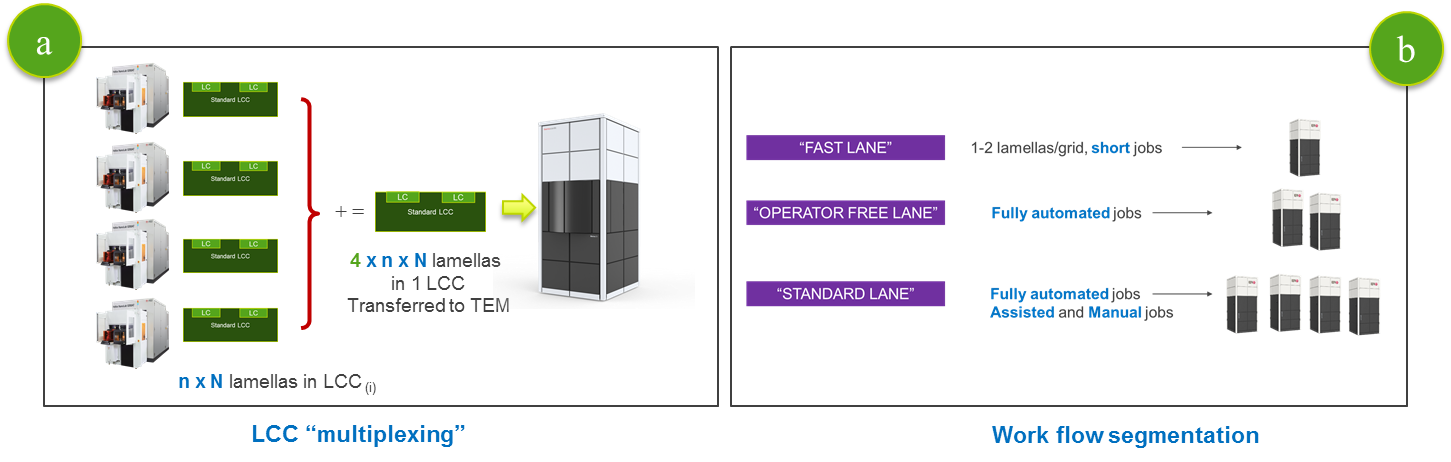
Figure 2: Customer preferences for different TEM workflow options like LCC multiplexing and workflow segmentation, were probed in the customer survey.
In the second half of 2020, a customer survey and a specific LCC questionnaire was prepared by the Task Force domain experts and issued through SEMI Standards Headquarters. Anonymize responses will be presented at the next EM Workflow Task Force.
The customer response rate was high and provided detailed information about customer preferences as well as explanations of the rationale behind these preferences. Clear industry preferences could be distilled from the survey, e.g.:
- the LCC should preferably not be a consumable but instead, be an integral and re-usable part of the TEM workflow - like FOUPs that are used for wafer transport.
- Automated, non-stop TEM operation without operator intervention should be > 8 hours.
- The LCC should be designed such that inert or even vacuum environments can be created to protect the TEM lamellae.
- LCC multiplexing after FIB/SEM operations is a preferred scenario.
But also, divergent preferences could be identified, due to different industrial contexts (HVM vs. R&D) and different kind of risk assessments.
- Number of lamellas on LC and LC slots in LCC
- TEM workflow segmentation
- Storage time of LCCs after processing
This valuable customer feedback will be carefully evaluated in newly created Task Force work groups and the translation of the high level requirements into a new LCC Standard will be done in different focus teams that include engineering and product marketing experts to agree on the preferred technical solutions and on the specifications in the LCC Standard document.
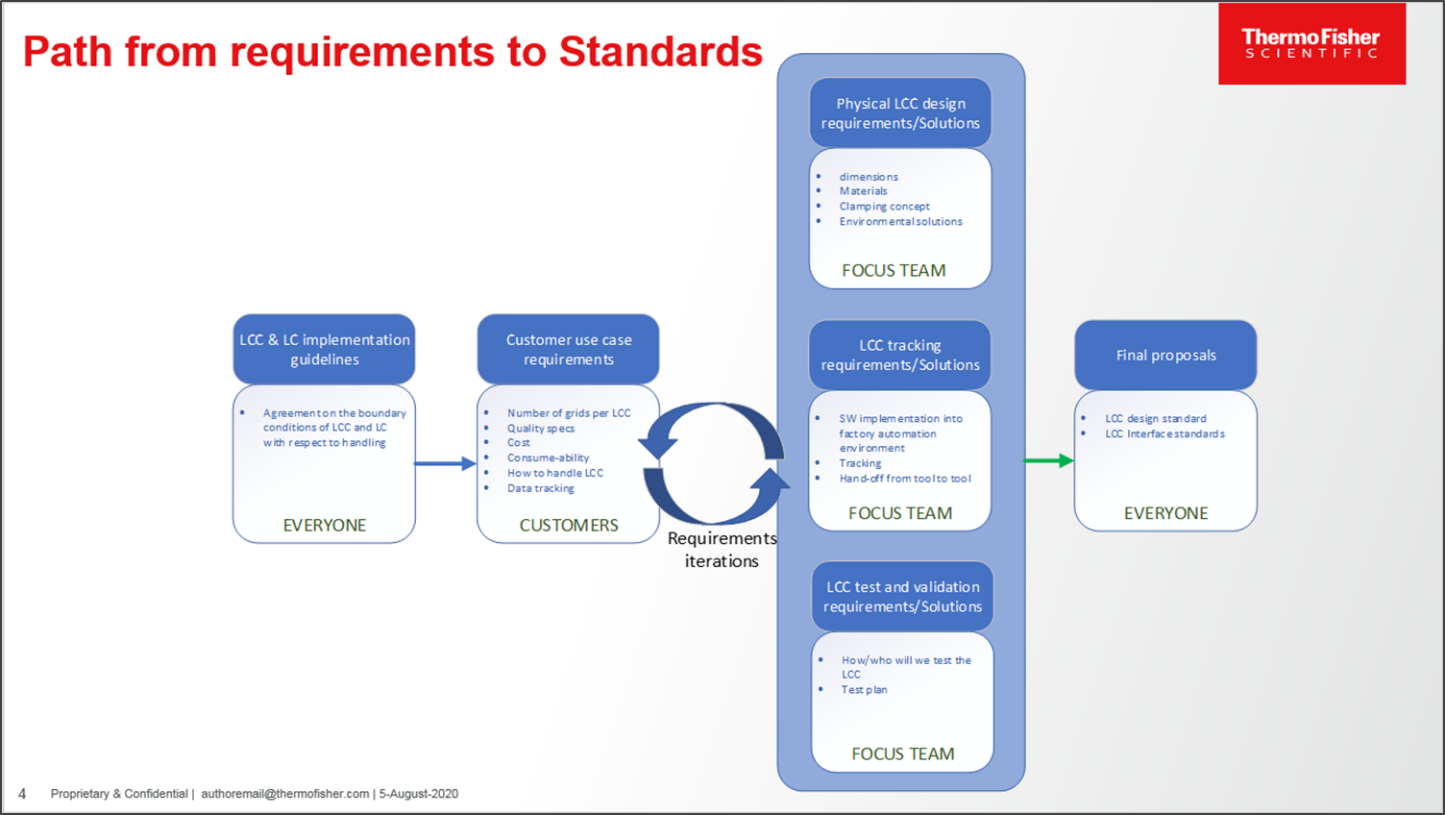
Figure 3. Creation of workgroups and focus teams within the EM Workflow Task Force to translate LCC requirements in a Task Force wide accepted LCC Standard.
These Task Force activities will continue in 2021 with the aim of having a first draft Specification available in November 2021 and a first Letter Ballot by March 2022. [SEMI Draft Document 6592: New Standard - Specification for Container for Transport and Storage of Transmission Electron Microscope (TEM) Lamella Carriers within Electron Microscopy Workflows]. This revised planning is needed as the original plan described in the SNARF was too optimistic and did not take into account the full complexity of the interdependencies of the physical LCC definitions and the functionalities of the LCC in the overall automated TEM workflow. However, given the good progress and new learnings in 2020, also based on the very useful customer survey, and with the creation of the new focus teams, the Task Force is fully confident that 2021 can be a productive and successful year.
Get Involved
SEMI Standards development activities take place throughout the year in all major manufacturing regions. To get involved, join the SEMI International Standards Program at: www.semi.org/standardsmembership.
For more information, please visit our main Web site and current events page. If you have any questions regarding SEMI Standards activities, please contact your local SEMI Standards staff.
Standards Watch
SEMI
www.semi.org
December 3, 2020