downloadGroupGroupnoun_press release_995423_000000 copyGroupnoun_Feed_96767_000000Group 19noun_pictures_1817522_000000Member company iconResource item iconStore item iconGroup 19Group 19noun_Photo_2085192_000000 Copynoun_presentation_2096081_000000Group 19Group Copy 7noun_webinar_692730_000000Path
Skip to main content
Default Banner Image

European Commission

On 21 September, SEMI and a coalition of 40 industry organisations sent a letter to European Commission President Ursula von der Leyen calling for decisive action to solve implementation issues within the European Union Waste Framework Directive, specifically the Substances of Concern in Products (SCIP) database.The signatories, who represent a very significant part of the European economy, are requesting urgent resolution of implementation issues for the SCIP database, which is designed to support the circular economy as defined in the European Green Deal. The database is required under Article 9.1 of the updated Waste Framework Directive.In the letter, the signatories ask President von der Leyen to take immediate action to: Postpone the SCIP notification deadline of 5 January 2021 to at least one year after finalization of the database; Conduct a study on the usefulness, feasibility, proportionality and impact of the database; Instruct the European Chemicals Agency (ECHA) to adapt the SCIP database according to the outcome of the proposed study. ECHA failed to complete development of the database by the January 2020 deadline required by the Waste Framework Directive, leaving companies insufficient time to develop, test and adapt their own systems to meet the January 2021 SCIP notification deadline.Over the last two years, the signatories have repeatedly shared their serious concerns regarding the viability, proportionality and value of the SCIP database with the European Commission and the ECHA, yet those concerns remain unresolved.Contrary to the EU Better Regulation principles that call for open and transparent decision making, Article 9.1 was added to the revised Waste Framework Directive during the final stage of the co-decision process without any prior stakeholder consultation or impact assessment. A proper impact study should help shape the way forward to deliver on the EU ambition of driving a circular European economy.Coalition PartnersEmir Demircan is director of Advocacy and Public Policy at SEMI Europe.
Read More
Skills are the key to the future. It is thanks to its skilled workforce that Europe will reap the benefits of the green and digital transitions and remain competitive. At the same time, upskilling and reskilling is a clear social policy because it ensures that workers can more easily navigate from one job to another.Microelectronics is at the crossroads of many sectors, such as the automotive industry, manufacturing, health, and energy. The European electronics industry is facing an acute shortage of skills in all tiers of its value chain, particularly in electronics design, both digital and analog, and in system and software engineering. A sustainable provision of qualified personnel is key to maintain competitiveness and innovation leadership. Yet, companies in this area suffer from a critical shortage of engineers with competence in microelectronics technology and design. The rapid evolution of the electronics industry calls for a continuous update of skills and knowhow.Vocational education and training has an important role to master these challenges. Modern, inclusive and dynamic vocational education and training programmes are a pre-requisite to remain competitive in the digital age. We must support agile partnerships to develop skills for smart industrial specialisation and the green and digital transitions. Everybody must be on board to shape the workforce transformation in Europe: industry, social partners, education and training organisations, as well as policymakers. The Blueprint for sectoral cooperation on skills launched in 2016 is an excellent model for strategic collaboration and will be extended.The Commission has recently proposed an update of our successful Skills Agenda for Europe. One key element is the new Pact for Skills, in order for all stakeholders to generate new concrete commitments to invest in upskilling and reskilling. It will help us to respond to the extent and speed of change in the economy and society. I warmly invite the microelectronics industry to participate in the Pact.I welcome the fact that SEMI and its 19 partners from 14 countries launched METIS – MicroElectronics Training, Industry and Skills Erasmus+ Project – in November 2019. METIS will receive 4 million EUR EU funding to implement a comprehensive strategy with a view to identify and fill skills shortages, to tackle skills mismatches, and to support upskilling and reskilling in order to address the challenges of the future of work and digitalisation.Nicolas Schmit is European Commissioner Jobs and Social Rights.
Read More
We live in the New Industrial Age. Manufacturing is undergoing a profound transformation, driven not only by technological (e.g. Artificial Intelligence, robotics, IoT) but also societal, market and regulatory developments that have fundamental implications for the workforce competency requirements. How can education and training systems keep pace with this unprecedented change? How does a future-proof curriculum look like?This topic has been extensively addressed by the Curriculum Guidelines for Key Enabling Technologies (KETs) and Advanced Manufacturing Technologies (AMT) initiative (2017-2019) of the Executive Agency for SMEs (EASME) and DG GROW of the European Commission. Carried out by PwC, the initiative focuses on the promising ways of organising learning experiences of individuals and groups in the New Industrial Age. The initiative produced the Curriculum Guidelines 4.0 that aim to equip all key stakeholder groups with the knowledge base needed to transform the existing curricula.The guidelines were developed based on the extensive state-of-play analysis and active stakeholder contribution by means of expert workshops, pan-European online surveys, in-depth interviews and individual expert consultations. All key stakeholder groups were involved in the preparation of the guidelines, including the representatives of education and training providers, industry, policymakers and supporting structures (e.g. industry associations, cluster organisations and trade unions), as well as learners themselves. SEMI was among the key contributors. The guidelines were presented to the public at the EU Conference on Skills for Industry: Curriculum Guidelines 4.0 in Brussels on 26 November, 2019.The guidelines aim to be applicable for both designing fundamentally new educational offers and/or advancing the existing curricula, depending on the level of required change. They address non-tertiary vocational education and training, higher education and on-the-job training for the manufacturing-related domains.The guidelines follow a holistic approach covering a broad spectrum of dimensions relevant to curriculum design and implementation, namely: Strategy: defining core values, commitments, opportunities, resources and capabilities of an educational/training institution Collaboration: promoting practices that move beyond the typical institutional collaboration patterns and engaging individuals and communities Content: defining the nature of educational content, including specific principles related to the actual content of the curricula Learning environment: creating specific environment during the program, e.g. stimulating multidisciplinary orientation, design thinking, team spirit, collective problem-solving, risk-taking behaviour, experimental approaches Delivery mechanisms: establishing means by which learners experience and access education/training; paying special attention to technology-enabled learning Assessment: identifying most appropriate forms of assessment, including advantages and disadvantages Recognition: exploring appropriate formal and informal ways of recognition Quality: identifying the determinants of education training quality: what makes learners’ and employers’ perception different? Based on the results of the pan-European survey, the four key elements that require the most substantial change are Strategy, Collaboration, Learning Environment and Content.The guidelines will be tested in practice in the context of METIS (Microelectronics Training, Industry and Skills), a project recently launched by SEMI and 19 partners from 14 countries. Aligned with the Curriculum Guidelines 4.0, METIS will establish a Microelectronics Observatory and Skills Council consisting of representatives from industry, academia, NGOs, think tanks and government. The consortium will develop a New Skills Strategy for the microelectronics industry in Europe with a focus on raising occupational profiles and skills critical to the future of the sector.METIS will enable a new industry-driven curriculum with 43 modules integrating online education and work-based learning in microelectronics design and manufacturing. Training will focus on chip design, system design, basic of manufacturing and key competencies. METIS is a Sector Skills Alliance co-funded by the Erasmus+ Program, receiving 4 million EUR funding from the EU.Preparing students for lifelong learning, offering Big Picture education, creating effective learning ecosystems, applying problem-based and student-centric approaches, shifting from human-robot interactions towards human-machine collaboration – these are just some examples of the curriculum guidelines principles highlighted in the guidelines.The guidelines aim to offer key highlights, indicate a variety of possibilities and identify sources for more detailed information and inspiration. The guidelines by no means aim to serve as a standardised detailed recipe for organising education and training processes, as there is no one best way to approach it. The diversity of learners’ needs and contexts per definition implies a need for multitude of approaches, which could also be combined in their own unique/customised education and training solutions.The Curriculum Guidelines 4.0 will be publicly released in January 2020, and will be available on the EU Publications. More information about this and related initiatives can be found at https://skills4industry.eu/. Dr. Kristina Dervojeda leads the PwC Innovation Research Centre in the Netherlands.
Read More
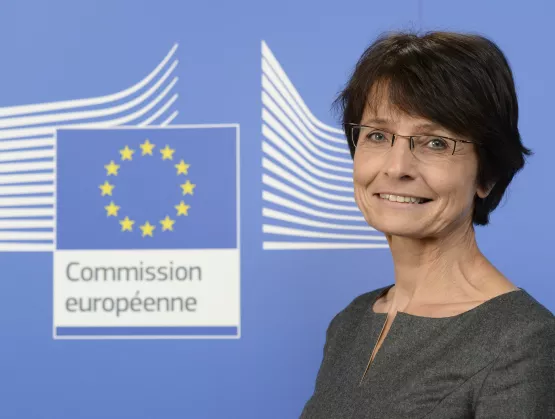
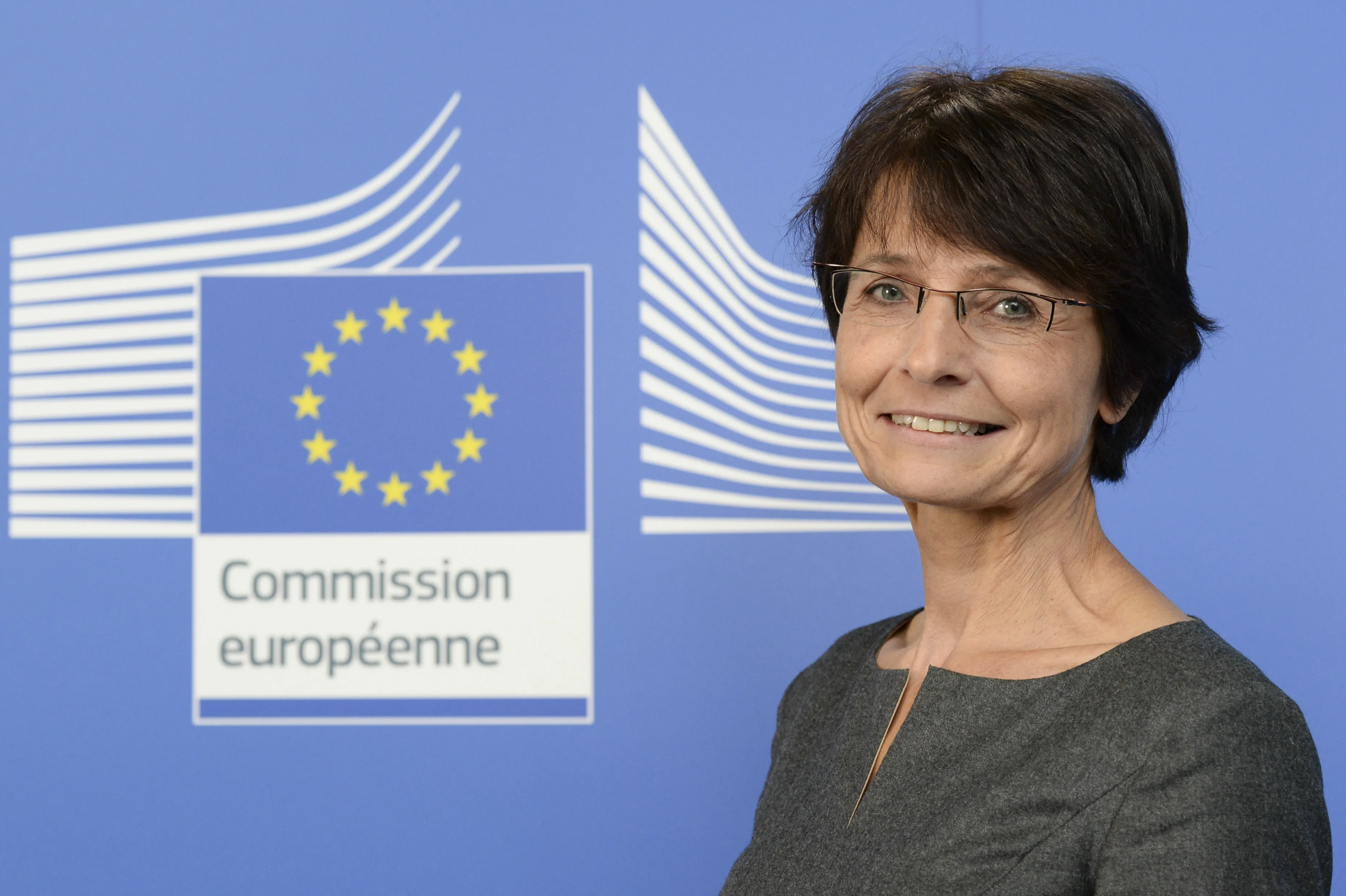
The world of work is transforming. I believe digitalization can be a force for better quality work, unleashing higher productivity and opening up new opportunities to work in different ways. For this to happen, we must set the right framework. We must set the right conditions to enable everyone to reap the benefits from the digital era.One crucial condition is that people have the right skills. That's why the European Commission launched a "Skills Agenda for Europe" in 2016. It sets out 10 actions to make the most of Europe’s human capital, which is crucial to keep Europe on a competitive edge and growing. One of its focus areas for example is better skills intelligence – understanding skills bottlenecks and anticipating needs, including through stronger business-education partnerships. Education needs to be more responsive to labour market needs.The microelectronics industry is one such area in Europe that faces an acute talent shortage. But this technology is crucial for Europe’s competitiveness. Microelectronics enable many of the key technologies and innovations required for advancing a secure, sustainable and digital economy. Data centers, online platforms, autonomous spacecrafts, blockchain algorithms and 5G infrastructure may serve different purposes but share one vital element: microelectronics. The deepening penetration of electronics in the digital economy and new applications is giving rise to industry requirements for a workforce pool with soft skills and expertise in production technologies, software and data science.This is why the European Commission encourages new collaboration models between the worlds of education and industry across all business sectors, including in microelectronics. I welcome the fact that SEMI, the industry association representing the electronics manufacturing supply chain, is fully committed to building and maintaining the needed talent pipeline in Europe. I wish you best of luck in your endeavors. Marianne Thyssen is European Commissioner for Employment, Social Affairs, Skills and Labour Mobility.
Read More
SEMI’s Environment, Health Safety (EHS) Advocacy program has been helping the semiconductor manufacturing supply chain collectively address common challenges for over 20 years. Now, as national and regional governments worldwide increasingly weigh legislation that could impact the industry, SEMI continues to ensure that microelectronics industry understands the potential impact and provides an effective platform for taking collective member-led action.Olivier Corvez recently joined SEMI to focus exclusively on shaping SEMI’s EHS Advocacy program to meet escalating demands on the industry. He recently sat down with SEMI’s communications team to discuss SEMI's evolving EHS Advocacy program. SEMI Communications: As senior manager of EHS Advocacy, based at SEMI’s Milpitas, California, headquarters, what do you see as the major issues impacting EHS Advocacy for electronics manufacturing worldwide?Corvez: EHS is a vast topic that cuts across many different types of issues such as regulatory compliance obligations, management systems performances, as well as sustainability related public disclosures. SEMI’s global members are engaged on all these fronts, while creating advanced materials, sophisticated tools and managing a complicated and extensive supply chain.On the regulatory side, there has been exponential growth in the number of EHS laws considered and adopted by legislatures worldwide. Often these new regulations generate shockwaves across the globe as member companies are required to adapt to new requirements that spread across the entire manufacturing supply chain.Many new regulations are originating from Europe and demand much of my attention. We are paying especially close attention to the Stockholm Convention on eliminating persistent organic pollutants. A chemical called PFOA has been a subject of much effort at SEMI for years now and we are heartened by the reception of our position by the European Commission.SEMI Communications: What do you find most interesting about operating the EHS Advocacy program at SEMI?Corvez: The first word that comes to mind is “variety.” This role involves a blend of strategy, regulatory interpretation skills, project management, communication and even accounting. There is always something new to learn and positions and strategies to develop.SEMI, as a member-driven, collaborative platform, needs a high level of knowledge sharing and communications. I am working to establish a workspace where members can share previously-created analyses and minimize “recreating the wheel.” We have ambitious plans to deploy additional tools and a redesigned website that will improve our knowledge-sharing capabilities and best serve our members.We also plan to renew collaboration with other industry associations such as SIA and SESHA. Partnering with other associations means our voice is stronger, our messaging is reinforced, and our efforts are coordinated. Last but not least, I believe that maintaining a sense of geographical proximity for SEMI’s worldwide efforts is important. SEMI’s local advocacy efforts are facilitated by SEMI regional staff and I look forward to collaborating with them as they maintain ongoing dialogue with our local members and their local, state and national governments. SEMI Communications: What is the most challenging part of your role?Corvez: The most challenging aspect will be to reinvigorate participation in all of our EHS activities and find ways to create a state of fruitful collaboration among members worldwide. Secondly, establishing a new EHS governance structure is a significant challenge, but it is incredibly important to have a strong leadership group and decision-making mechanism that will efficiently help define our vision and priorities.Our new direction will require members to lead our activities at all levels. We believe there is a strong ROI for companies to dedicate resources to address the issues or topics we need to pursue to keep them and their products, accepted, profitable and the industry to grow. While SEMI provides the platform for collaboration, we must supplement our efforts with members providing the manpower to ensure our activities are a success.SEMI Communications: Tell us about your background. Corvez: I bring 20 years of diverse experience as a consultant, auditor and corporate EHS program management across most economic sectors on a global scale. Recently, I managed an EHS team distributed across 10 countries, dedicated to providing EHS compliance support to Cisco facilities worldwide.In addition to compliance experience, I have worked on implementing EHS Management systems at ABB or Total while in France (primarily) in the late 1990s. While at KPMG in Paris I was involved in over 400 due diligence projects for transactions services for electronics, chemicals, auto industry, aeronautics, etc. On the sustainability reporting side, I was lucky to be involved with large corporations and spent five years verifying EHS and social performances disclosed in sustainability annual reports. I received my formal training and received a Masters of Science in Environmental Sciences from Universite de Rouen, France, and my Bachelors of Science in Environmental Geology from Northeastern University in Boston. I also trained as an ISO 14001 auditor at DNV Sweden.All of these experiences have led me to this current position at SEMI, where I look forward to making effective and meaningful impact.Have questions or suggestions for Olivier? He can be reached at [email protected] or at +1.408.943.6957. To learn more about the EHS advocacy program at SEMI, please click here.Heidi Hoffman is senior director of Technology Communities Marketing at SEMI.
Read More
Environmentally sound policies and the health and the safety of workers in the microelectronics supply chain are vitally important to SEMI and its members. For more than two decades, together we have focused on worker safety by focusing on global environment, health and safety (EHS) compliance and regulatory issues and the advancement of sound EHS practices. Today, EHS has taken on an even higher profile in the microelectronics industry with its growth across Europe, North America and Asia. Never has the industry been under greater scrutiny. The list of regulatory agencies is growing. To keep pace with rising EHS requirements and continue to ensure worker safety, we’d like your help. The SEMI EHS summit will open with a keynote presentation from Russ LaMotte, Managing Principal of Beveridge Diamond, and a recognized expert on EHS issues in the electronics industry. Member companies representing equipment, materials, facilities and devices will then each share their EHS concerns. Finally, working groups will address industry EHS challenges and gaps. Outputs from the working group meetings will form the basis for the future SEMI EHS program. The EHS issues SEMI’s program and company volunteers are addressing include: PFOA – Government efforts to eliminate pefluoro-octanoic acid and related compounds and salts (collectively known as PFOA) from company supply chains REACH – A European Union regulation to strengthen protections against chemical risks to human health and the environment. Other countries – Japan, Korea, Taiwan – have enacted similar regulations. Stockholm Convention – An international environmental treaty designed to eliminate or restrict the production and use of persistent organic pollutants (POPs) Waste Framework Directive Database – The European Commission and the European Chemicals Agency (ECHA) are building a database where all suppliers will be required to register certain articles. Other groups are dealing with country-specific aspects of the Restriction of Hazardous Substances (RoHS) and the Toxic Substances Control Act (TSCA). Complementing our advocacy efforts, SEMI has established 25 primary EHS standards with SEMI S2 (Safety) as the cornerstone. The S2 family of SEMI Standards acts as performance-based EHS considerations for semiconductor manufacturing equipment and has also been adopted by adjacent industries. Sign up for the November 29th SEMI EHS Summit today Team up with your SEMI colleagues to collectively formulate the semiconductor manufacturing industry’s EHS program. SEMI members can register for the November 29th SEMI EHS Summit by clicking here. If you cannot make this meeting but wish to be added to SEMI’s regular communication on EHS and Advocacy issues, please click here and choose Advocacy from the list of topic choices. Michael Ciesinski is vice president of the FlexTech Alliance, a SEMI Strategic Association Partner chartered with building up infrastructure for flexible electronics manufacturing.
Read More