

As the semiconductor industry continues to advance, effective quality management is increasingly essential. The SEMI Quality Benchmarking Consortium (QBC) brings together leading companies to exchange best practices, benchmark performance, and promote collective improvement across the global semiconductor landscape.
The last QBC meeting was hosted by Bill Lechten of Micron at their headquarters in Boise, Idaho. Representatives from GlobalFoundries, Infineon Technologies, STMicroelectronics, NXP Semiconductors, and Texas Instruments came together for two days of in-depth discussions and knowledge sharing.
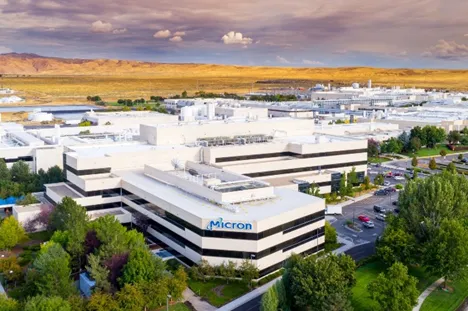 The session began with an overview of Micron’s global business and manufacturing footprint. The company reported record revenue of $37 billion in 2025 and currently hold more than 60,000 patents. Micron is investing approximately $150 billion in U.S.-based DRAM manufacturing, which is expected to generate around 90,000 direct and indirect jobs.
The QBC operates on a “give-to-get” philosophy where members must actively contribute survey responses and participate in open discussions to access shared benchmarking data. This meeting focused on three topics: risk management, customer return, and product change notification. Participants presented their approaches, shared lessons learned, and engaged in roundtable discussions to identify best-known methods and address common challenges.
Customer Returns and Failure Analysis
The group reviewed processes for handling customer returns and failure analysis. Discussions covered escalation protocols, data-driven versus physical failure analysis, sampling strategies, and customer acceptance challenges. Members shared approaches to closure criteria, complaint prioritization, and using FA and complaint data for trend analysis and continuous improvement. Local support models and the balance between cost, proximity, and specialized lab capabilities were also key topics.
Product Change Notifications
The consortium explored industry-wide PCN practices, focusing on notification volume, approval processes, and customer expectations. Companies highlighted distinctions between PCN (requiring approval) and CIN (informational) and the challenges of handling multiple changes per notification. Participants shared strategies for managing customer approvals, sample delivery, and internal tracking, including phased notifications and customized communication. Standardization efforts were discussed, such as adopting the JDEC XML schema, while balancing operational efficiency with contractual obligations and customer requirements.
Risk Management
Members discussed structured approaches to quality and qualification risk, including product grade classification and risk assessment methodologies like FMEA and QRA. Emphasis was placed on assessing end-user system complexity, mission profiles, and application-specific requirements, especially for automotive and AI workloads. Organizations shared practices for transparent customer communication, balancing speed and risk, managing residual risk, and integrating qualification with change management. AI and data analytics were highlighted as emerging tools to support predictive risk assessment and continuous improvement.
AI and Digitalization in Quality Management
Artificial intelligence is becoming a growing focus for semiconductor quality teams. Companies shared early-stage AI initiatives. Based on survey results and discussion, consortium members agreed to establish a working group to explore AI uses cases in risk assessment for change management and new product introduction.
Looking Ahead
With growing complexity in semiconductor technologies, industry collaboration is vital. Through open discussions and benchmarking, the SEMI Quality Benchmark Consortium enables companies to share knowledge, identify best practices, and address common challenges. The consortium will continue its work at the upcoming meeting to be hosted by Texas Instruments in Dallas, Texas.
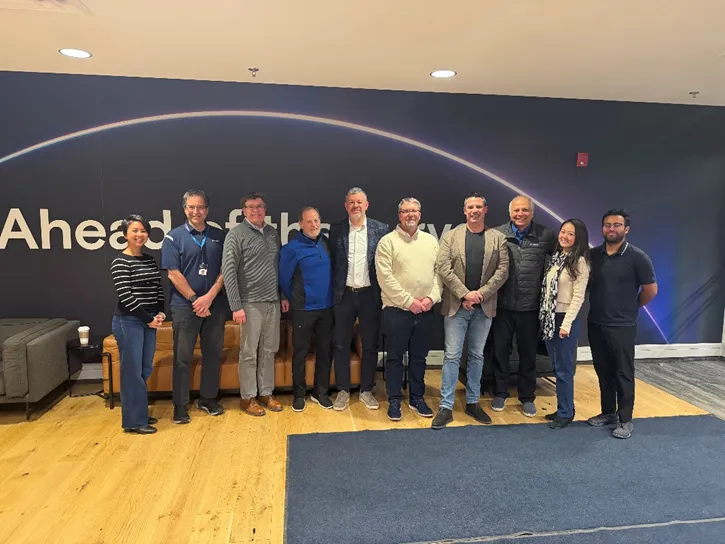
(From Right to Left) – Karim Somani (SEMI), Sarah Shen (SEMI), Mark da Silva (SEMI), Ivo Clerici (GlobalFoundries), Wesley Hirsch (TI), Roberto Lissoni (STMicroelecetronics), Lou Cerra (NXP), Jens Luepke (Infineon), Bill Lechten (Micron), Fern Yoon (Texas Instruments)
Sarah Shen is Senior Coordinator, MEMS & Sensors Industry Group at SEMI.


