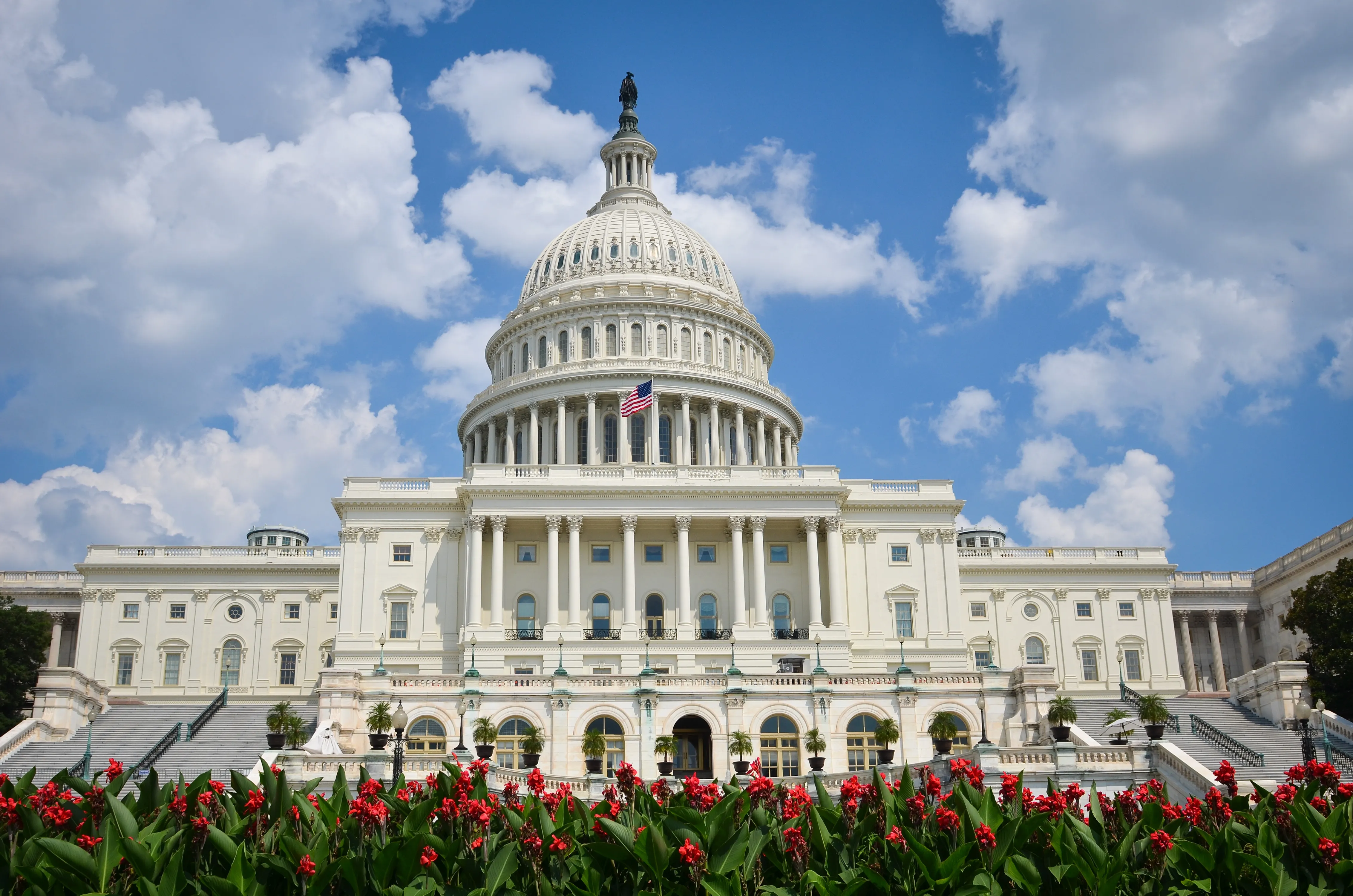
Just as the annual Cherry Blossom festival wraps up, international trade has flowered as a top concern for SEMI members, requiring immediate action as 20 SEMI member executives carried the torch for the industry in recent meetings with lawmakers at the annual SEMI Washington Forum. The business leaders quickly zeroed in on the proposed Sec. 301 tariffs of 25 percent on China imports to the U.S. and their potential to drive sharp increases in the cost of doing business. In the meetings at the two-day event in Washington, D.C., the executives expressed deep concern that the tariffs, aimed at protecting the interests of U.S. companies, would instead harm the intended beneficiaries including SEMI members around the globe. The executives also focused on the proposed 232 tariffs on steel and aluminum that would compound the damage to their businesses, spiking costs of materials that lie at the heart of their manufacturing operations. Also crucial to their business interests, the SEMI members educated lawmakers on the talent shortage and the intense competition to fill open positions across the supply chain. With fully 77 percent of industry executives seeing talent shortfalls as a pressing business issue, the business leaders pushed for legislation that would bring more domestic talent into the STEM education pipeline – such as S. 1518, The CHANCE in Tech Act to support more apprenticeships in technology, and H.R. 4023, the Developing Tomorrow’s Engineering and Technical Workforce Act to get more students involved in engineering. The group also encouraged support of the “Immigration Innovation” or “I-Squared” bill to strengthen and expand the H1-B visa program and STEM Greencards. The SEMI Washington Forum, a venue for SEMI members to educate lawmakers about the industry, also addressed concerns over restrictions on foreign investment in the U.S. Passage of S. 2098, the Foreign Investment Risk Review Modernization Act (FIRRMA), would usher in new operating efficiencies for the Committee for Foreign Investment in the United States (CFIUS) by adding much-needed resources to the overburdened body. However, the bill would also subject many ordinary business transactions to a lengthy and costly national security review that would hamper the ability of many companies to do business in the global marketplace. All told, attendees at the forum held more than 30 meetings with lawmakers, reflecting the great impact of public policy on SEMI members companies. In a time when the stakes for the industry have risen to new levels, direct engagement with lawmakers in the nation’s capital by SEMI and its members is critical. The SEMI Washington Forum is a terrific way for members to more clearly understand the impact of key pieces of legislation and gain firsthand experience in influencing policy and helping lawmakers better understand the industry. If you are interested in learning more about the SEMI Washington Forum or SEMI’s public policy program, please contact Jamie Girard by email at [email protected].