

Event Planning Creates Opportunities for Everyone
SEMI calls upon our colleagues across the microelectronics value chain to join us in ensuring that industry events are more welcoming to everyone. We encourage every organization to consider adopting these guidelines as their own.
Best Practices For Better Events
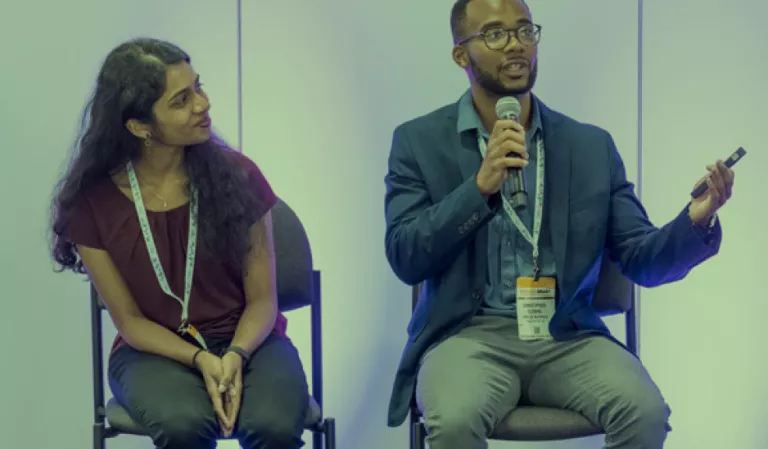
Recommendations for Event Planning
• Integrate inclusion into an event in its entirety. Start with the planning committee for the event and work toward different perspectives on the team.
• Consider welcoming a different perspective on a wide range of topics.
• If planning a specific session on how to broaden opportunities for everyone, assign the session a time and location which is prominent enough to guarantee a large audience. Attendees tend to opt out of panels on these topics, so consider a mainstage event in the middle of the day, rather than an end-of-day breakaway panel or during lunch.
• Consider the branding of sessions and include the concept of “a business strategy”. Encourage the use of studies and statistics that demonstrate the good business sense of inclusion. Invite keynote speakers to address the business case for inclusive teams and organizations regardless of their main topic.
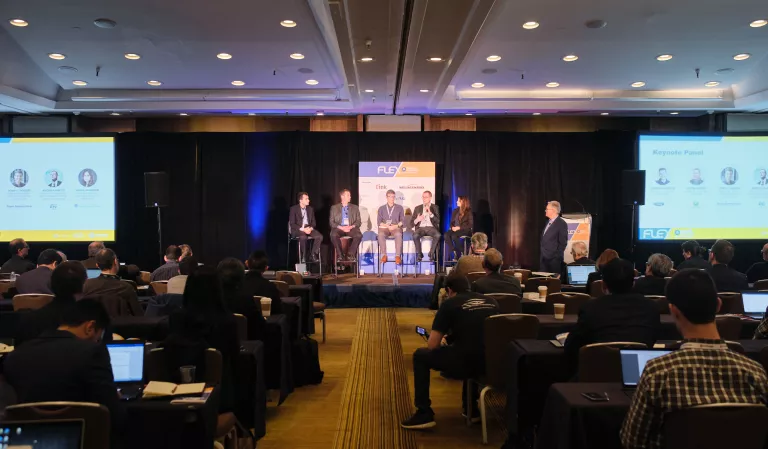
• Ensure that any organized B2B matchmaking activities and related social events are inclusive, accessible, and welcoming.
• Publish a link and a summary statement of these guidelines on your event webpages. •Seek the opinion of event attendees in post-event surveys about the effectiveness of these guidelines in their view, e.g., Was
our commitment to being inclusive adequately demonstrated at this event?
• Gather data to measure the impact of invited speakers, selected speakers, and attendees.
Practices for Inviting Speakers
• Seek new voices to participate in the program.
• Strive for wide mix in keynote speakers and presenters.
• A panel discussion not be exclusive to one demographic. For larger panels, strive for wide variety of perspectives. This ensures broader thought leadership, and not just visibility of a minority on-stage.
• Encourage all invited speakers who cannot participate to suggest other potential participants to give everyone an opportunity to share their perspective.
• During a Q&A session, moderators should aim to collect questions from a wide range of audience members.
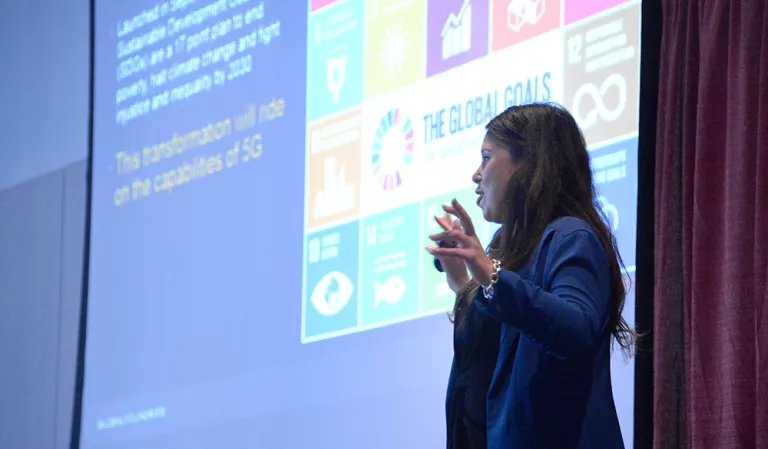
Broadening Your Speaker Representation
There is no shortage of excellent speakers who represent all kinds of identities and backgrounds. However, finding and recruiting these speakers will likely require reaching beyond usual networks, methods, and practices. Committee members and staff will need to devote time and resources to this work and may need to identify others who can assist in making recommendations and connections. Note that when asking a broader mix of perspectives to suggest speakers or for connections to different networks, always offer compensation to the person you are asking for help.
The individuals who represent diverse groups are tapped often for this kind of support, which leads to significant extra work as well as the possibility of feeling tokenized. Also, people who are underrepresented in tech are often underpaid in tech and expecting them to work for free compounds this problem.
Offering reasonable compensation is a way to acknowledge them for their work and demonstrate respect and appreciation.
More Ways to Expand Who Speaks
• Ensure that the event planning committee includes individuals with a range of identities. Panels and speakers tend to mirror the teams that create and invite them. Start with an inclusive team that can create an inclusive event.
• Consider the networks of your planning committee. Are committee members connected to speakers or networks that include broader perspectives and experiences? Thoroughly search through personal connections to uncover potential candidates.
• Tap networks for suggestions of open directories, such as resources such as https://wonderwomentech.com/speakers/
• Research other industry events with similar sessions for speaker ideas. Reach out to those speakers, and if they are unavailable or over-exposed in your events, ask them for recommendations – and offer them compensation for their time.
• Approach colleagues who are connected to broader networks and 1) respectfully ask if they are willing to either connect you to the network or send out a speaker request on your behalf and 2) offer reasonable compensation to that colleague for their time and labor.
• When approaching companies for speakers, remind them to consider underrepresented demographics when nominating a
representative. Also, look beyond the C-suite to find capable speakers from diverse backgrounds.
• Ask people to be on your panel because of their expertise and point-of-view, not just because they are women, people of color, members of LGBTQIA+ community or Indigenous people. If you have singled these people out, it should be because of their expertise in their fields and their work has caught your eye. So, treat them like experts.
• Anticipate how the tone of invitations and the logistics of events might impact speaker interest and availability (for instance, an evening session may be challenging for someone with caretaking responsibilities).
• Offer stipends for speaking engagements related to diversity. Many individuals who represent diverse backgrounds are asked and expected to speak about their experiences without compensation. This work is often on top of their regular jobs and requires significant labor and should be compensated.