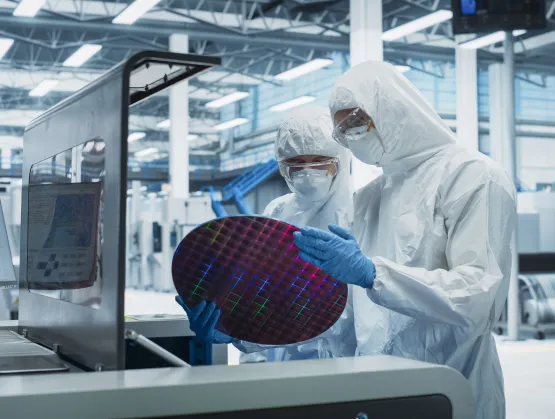
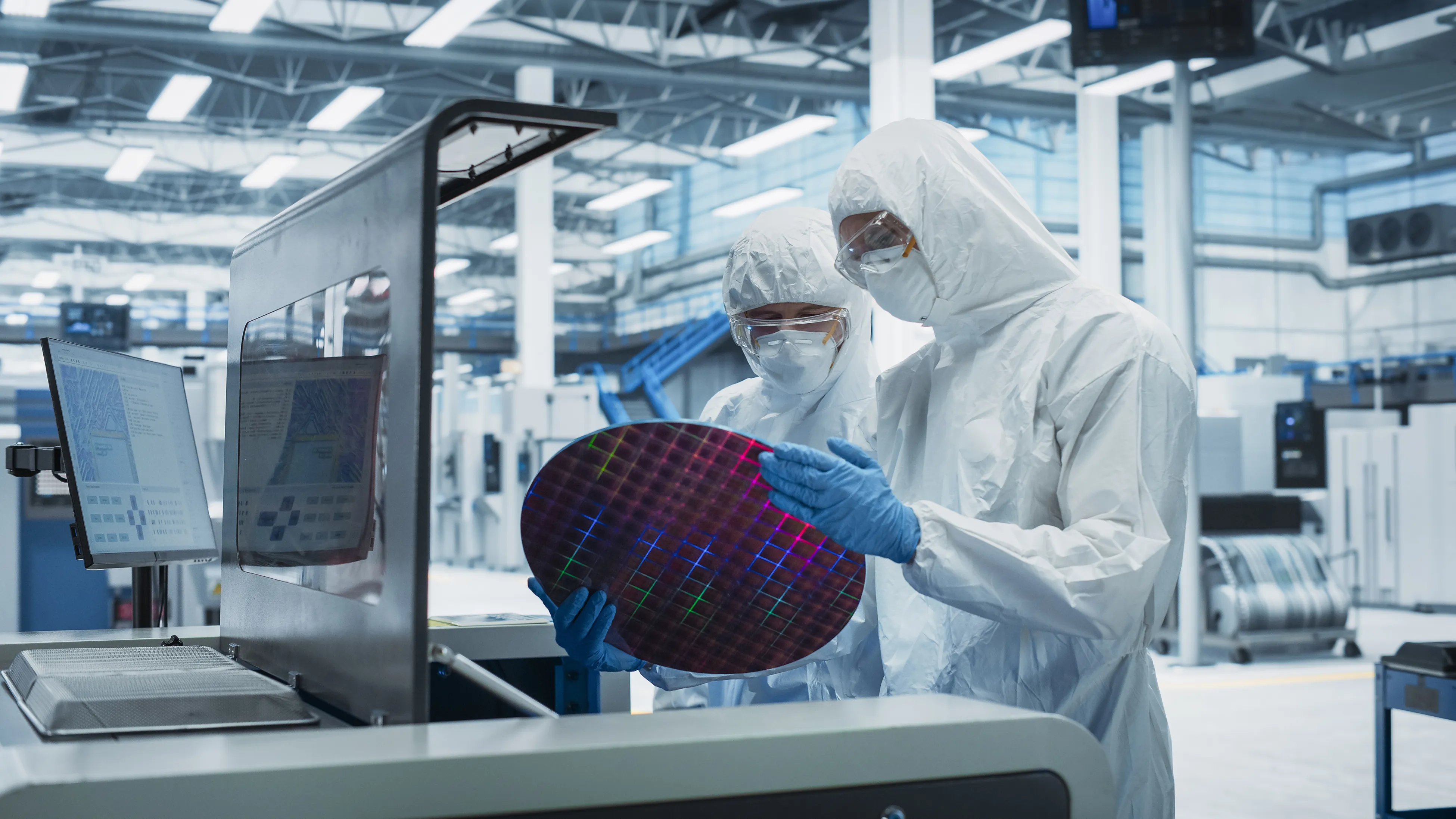
The semiconductor industry is on track to expand and launch 97 new high-volume fabs online worldwide from 2023 through 2025, a major milestone that highlights the massive investment in chip production capacity. This rapid expansion is expected to drive a sharp increase in the deployment of pendulum valves. These valves, found in tens of thousands of semiconductor tools, are critical to the wafer manufacturing process. Though hidden inside complex etch and deposition chambers, pendulum valves play a vital role in semiconductor manufacturing. They regulate gas flow and maintain the vacuum conditions required for precise wafer processing, ensuring efficient etching or deposition by controlling gases, managing exhaust flows, and maintaining chamber integrity. But what happens if a pendulum valve fails? It disrupts the vacuum necessary for wafer processing, causing chamber contamination and potentially ruining wafers. This leads to costly material scrapping, unplanned downtime, and production delays. Persistent failures can damage the turbo molecular pump or the entire tool, significantly increasing repair costs. Clearly, pendulum valves are essential for the reliability and performance of semiconductor equipment, particularly in etching and deposition chambers. Here are four critical reasons why:Consistent Vacuum Control: Maintaining a consistent vacuum environment is crucial for uniform layer deposition and etching, directly impacting the yield and performance of semiconductor chips. These valves regulate pressure and gas flow to ensure consistent and precise wafer fabrication processes. Contamination Prevention: Contaminants are a semiconductor manufacturer’s worst nightmare. Even microscopic impurities can destroy a wafer. Pendulum valves mitigate this risk with high-quality sealing mechanisms that create airtight environments, leading to high quality wafers and reducing waste. Enhanced Yield: Pendulum valves are vital to achieving the highest possible yield in wafer manufacturing. Their ability to maintain operational stability and enhance process efficiency leads to fewer defects and higher productivity. By precisely controlling gas flows and preventing contamination, these valves reduce the likelihood of wafer defects and improve overall throughput. Minimal Footprint: Semiconductor fabs are high-tech, high-density environments where every square inch counts. Pendulum valves are designed with compact dimensions, allowing engineers to maximize production capacity without compromising performance or reliability. Seal Performance Defines Valves’ Longevity One of the core components of pendulum valves is its seals, directly impacting its durability, reliability, and maintenance. High-performance seals minimize downtime, reduce maintenance costs, and ensure a long operating life. However, achieving this performance requires attention to the challenges in semiconductor processes that impact performance and lifespan. Exposure to aggressive chemicals and plasma environments can degrade seals, causing erosion, sticking, and cracking. Continuous dynamic motion, including compression, decompression, and rotational movements, leads to friction and wear, shortening seal longevity. Errors, such as improper installation of static seals, can disrupt valve operation and cause delays. Extreme heat in wafer fabrication further tests the durability of valve components, while poor maintenance increases the risk of failures, resulting in costly downtime and repairs. To keep valves operating at their peak efficiency, manufacturers need to prioritize five types of seals, identifying potential risks and tackling them effectively. The Pendulum Plate Face Seal, a dynamic component, must endure repeated compression and decompression during use. This constant motion, coupled with exposure to harsh chemicals, makes the seal vulnerable to issues like sticking and cracking. Without proper installation and attention, extreme failures, such as the seal dislodging entirely, can occur, disrupting operations. Similarly, the Pendulum Plate Radial Seal performs a vital role, moving vertically within a piston bore. This component faces threats such as rolling, twisting, and chemical degradation, often leading to cracks or even fragmenting under severe torsional stress. The Bonnet Seal, though static, is not exempt from potential difficulties. Improper installation or material cracking can severely compromise its functionality. For dynamic applications like the Rotating Paddle Shaft Seal, friction is a constant adversary, compounded by chemical exposure that accelerates wear and tear. Lastly, the Actuating Pins Seal, pivotal for enabling precise up-and-down movement within a piston bore, is particularly sensitive to installation errors. When Failure is Not an Option Addressing these challenges is essential to maintain the reliability and longevity of pendulum valves in semiconductor manufacturing. Greene Tweed uses a structured framework ‘Right Seal Pyramid’ to select the most suitable seal for every application. This process considers key factors like material compatibility, seal geometry, and operating conditions to develop solutions tailored to the specific needs of semiconductor manufacturing. By aligning seal types with precise engineering criteria, the Right Seal Pyramid methodology addresses key challenges like chemical resistance, mechanical stress, and installation accuracy, ensuring reliable performance in the harshest semiconductor manufacturing environments. Explore MoreWant to learn how to prevent premature pendulum failure? Catch our full webinar replay or download our Semiconductor Playbook for expert insights, innovative solutions, and best practices tailored to your most critical applications. Carmen Quartapella is a Senior Engineer of Design Analysis at Greene Tweed. Quartapella has developed deep technical expertise over a three-decade career that spans multiple facets of the semiconductor industry. Throughout his career, he has gained expertise in Semiconductor Engineering, Engineering Management, Sales, Business Management, and Emerging Technologies. He graduated from Drexel University with a degree in Mechanical Engineering