downloadGroupGroupnoun_press release_995423_000000 copyGroupnoun_Feed_96767_000000Group 19noun_pictures_1817522_000000Member company iconResource item iconStore item iconGroup 19Group 19noun_Photo_2085192_000000 Copynoun_presentation_2096081_000000Group 19Group Copy 7noun_webinar_692730_000000Path
Skip to main content
Default Banner Image

MSTC 2019

The recent FLEX 2019 and MEMS Sensors Technical Congress (MSTC) showcased autonomous mobility sensors, more than 100 market and technical presentations, and 60 exhibits but also highlighted the industry’s future. The event also highlighted the best student research in the student poster session. A committee of industry volunteers ranked posters created by bright, young minds on originality, clarity, data sources, analysis and conclusions, visuals, presentation and creativity before selecting the top three. This year the awards went to some outstanding researchers at the beginning stages of their promising careers in flexible and printed electronics. Michael Crump, University of Washington – 3D Printed Stretchable Strain Sensors with Conductive Ionogels Goutham Ezhilarasuv, University of California, Los Angeles – A Flexible, Heterogeneously Integrated, Wireless Powered System for Implantable Applications Using Fan-out Wafer-level Packaging on Elastomeric Substrates Tony Varghese, Boise State University – Additive Manufacturing and Photonic Sintering of Flexible Thermoelectric Generators for Wearable Applications Stefanie Harvey, FlexTech (left) and Stephen Farias, NanoDirect LLC (right) present the awards to Michael Crump, University of Washington (center left) and Tony Varghese, Boise State University (center right). SEMI-FlexTech and SEMI-MSIG are pleased to recognize the work of all of the students and their faculty who participated in this year’s event and competition. We look forward to seeing you on the stage presenting at a future event.Stefanie Harvey is the R D program manager at SEMI-FlexTech.
Read More
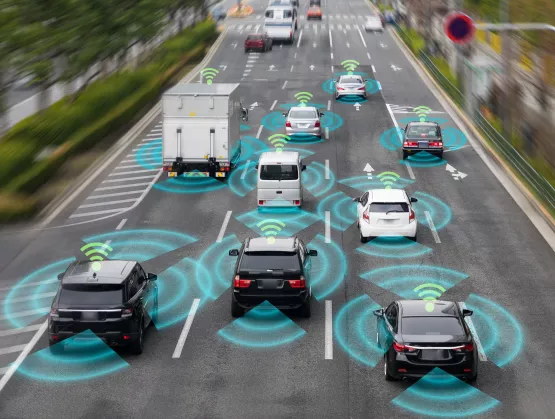
As group vice president of the Analog MEMS Group and general manager of the MEMS Sensor division at STMicroelectronics, Andrea Onetti brings nearly three decades of experience in MEMS, sensors and audio systems to his leadership role at one of the world’s most successful electronics and semiconductor manufacturers. During his keynote at FLEX and MEMS Sensors Technical Congress 2019, February 18-21 in Monterey, Calif., Onetti will address the criticality of sensor accuracy in advancing automotive, industrial and consumer applications. SEMI’s Maria Vetrano spoke with Onetti recently to give FLEX/MSTC attendees a preview of his presentation. SEMI: What are some promising advancements in sensors for autonomous cars? Onetti: The avionics industry is already successfully applying sensors for autonomous operationl. Inertial navigation systems (INS) support the operation of planes during flight, both after takeoff and before landing. Unfortunately, the technology in these navigation systems is expensive and not scalable, and they are hampered by reliability limitations in an automotive environment.Following the steady progress that we have made with MEMS inertial sensors in consumer applications, we are on the cusp of realizing greater accuracy in temperature and time – finally delivering the performance required for autonomous driving. Because we can scale in production – we’re now manufacturing more than a billion units a year – we can select the cream of this production crop for adoption in cars. Consequently, we should see Level 3 and Level 4 autonomous driving for consumers very soon.SEMI: How are companies using sensors to monitor and track their assets in industrial applications? Onetti: Predictive maintenance and asset tracking are the two main verticals in Smart Industry. The adoption of multiple sensors for condition monitoring is helping to detect the faulty operation of equipment and to detect early signs of issues that are otherwise difficult to capture. Ultrasonic microphones can detect leaks in a pipe at an early stage, accelerometers with high bandwidth can act as micrometers, and accurate temperature sensors can catch overheating. Similarly, in asset tracking, we use temperature monitoring in combination with inertial sensors to detect problems during the transport of goods. Shock sensors with extremely high full scale (up to 8000g) can tell whether a lightweight envelop has been dropped. Pressure sensors can switch off a radio system when a cargo plane takes off and can mute smart trackers in compliance with flight regulations. We really can do almost anything! A full slate of ST sensors and microcontroller units (MCUs) enable WEG’s small but powerful motor sensor, which listens to a motor, feels its pain, and shares that information with engineers, operators and others to diagnose problems before they happen. Image courtesy of STMicroelectronics. High-accuracy motion, environmental and proximity sensors are crucial to VR/AR. Image courtesy of STMicroelectronics. SEMI: How will sensors advance user experiences in consumer electronics, such as VR/AR systems?Onetti: Virtual reality (VR) and augmented reality (AR) are great examples of promising consumer technologies that will become pervasive as performance of inertial sensors improves. First, we need super accuracy in time and temperature to provide the right experience to users. To achieve this level of accuracy, we need a major step forward in performance, and that includes power consumption and miniaturization. Fortunately, we are constantly making progress in the high-accuracy motion, environmental and proximity sensors that are critical to these systems. While the scale is vastly different between VR/AR and automotive, the requirements for AR/VR systems are pretty similar to those that will enable autonomous cars. A growing variety of sensors (environmental, microphone, proximity, motion) – combined with a sensor hub in an MCU – are central to VR controllers (above) and VR head mounted displays (below). Images courtesy of STMicroelectronics. SEMI: We don’t hear much about the criticality of higher accuracy in sensors. Why is improving accuracy in sensors especially important – and what role do calibration routines play in achieving higher accuracy?Onetti: A sensor is more than just the performance of the relevant function. It is also the intrinsic accuracy that it brings. This accuracy is tuned by calibration, which is typically an expensive process done at the end of product manufacturing or – better still – during earlier stages of manufacturing.Today more applications require sensors with higher accuracy, which necessitates investing more time in calibration, leading to higher cost.MEMS technology can help by offering solutions with intrinsic higher accuracy, which reduces the cost of calibration for product manufacturers. This naturally delivers major benefits to OEMs and, ultimately, their customers.SEMI: What would you like FLEX and MSTC attendees to take away from your presentation?Onetti: As attendees explore the wide variety of available sensor solutions for their end products, I would ask them to prioritize the role of accuracy in sensor selection – because improved accuracy means higher quality data, and higher quality data means better decisions with reduced need for data processing.While designers understand the role of calibration routines in qualifying individual components for specific applications, it is the continuous evolution of MEMS technology that offers the best possibility of breakthrough reductions in time and cost of these calibration routines. This makes MEMS sensors more attractive and affordable than similar sensor components based on different technologies. Andrea Onetti will present Accuracy Enables MEMS Sensor Pervasion at FLEX/MSTC on Tuesday, February 19 at 11:00 am.Register today to connect with him at the event. To learn more about STMicroelectronics, click here. Maria Vetrano is a public relations consultant at SEMI.MSTC FLEX 2019 is organized by MEMS Sensors Industry Group (MSIG) and FlexTech.Maria Vetrano is a public relations consultant at SEMI.
Read More
With over 25 years of experience in the technology industry, Sri Peruvemba, CMO of CLEARink Displays, is a longtime advocate of electronic display technology. During his presentation at FLEX and MEMS Sensors Technical Congress 2019, February 18-21 in Monterey, Calif., Peruvemba will explain recent innovations in electronic paper (ePaper) that will open new applications to reflective displays for the first time. SEMI: ePaper has been around for more than a decade. How has it evolved for wearables and mobile devices?Peruvemba: ePaper in its current form provides a reflective display that is low power and sunlight-readable to applications such as eReaders and electronic shelf labels (ESLs), both of which are in mass production. There is a much larger opportunity, however, for reflective displays that offer color and video atop the traditional benefits of ePaper. Now possible through electrophoretic total internal reflection (eTIR) – which we have termed ePaper 2.0 – is a low-power technology that allows devices to work for days instead of hours. eTIR offers sunlight readability as well as full color and video-level switching speeds, which satisfies the diverse requirements of wearables and mobile devices.New electrophoretic total internal reflection (eTIR) display technology uses the charged particles in a fluid to modulate the total internal reflected light from the optical structures incorporated into its novel reflector film. Image courtesy of CLEARink Displays. SEMI: How do you define a “reflective display?”Peruvemba: A display that reflects external light to its advantage is a reflective display. This includes the display that uses ambient light rather than a backlight and one that uses the sun rather than fights it.SEMI: Where is there a larger opportunity for reflective displays that offer color and video over the traditional benefits of ePaper?Peruvemba: While most of us are familiar with ePaper in applications such as eReaders and wearables that need sunlight readability, there is an untapped market in the wearables space for applications that require internet browsing and color, even video, displays. ESLs are a good example. Retailers are no longer content to show prices. They also want to show specials, display color ads, and run video and animation to enhance product differentiation. Displays in tablets, digital signage and automotive are additional targets.SEMI: How large is the opportunity?Peruvemba: The electronic display industry has been trying to build reflective displays that are low-power color and video for many years but without success. Hence, the opportunity is in the tens of billions of U.S. dollars in outdoor signs, automotive displays, tablets, wearables, shelf labels and dozens of others products.SEMI: What will it take for manufacturers to migrate from LCD or OLED to eTIR?Peruvemba: The good news is that implementation is pretty much the same as with the LCD or OLED displays currently in use. The interfaces, connections and form factors remain form-, fit-, function-compatible. Only the software/waveforms and drive voltages will change/reduce. This allows the manufacture of our tech., ePaper 2.0, on the old LCD lines that are already in use. You can literally go back and forth between ePaper 2.0 and LCD on a day-to-day basis. This differs from other eTIR implementations, which require new dedicated manufacturing lines that cost tens to hundreds of millions of dollars.SEMI: Are there other emerging markets that are particularly well-matched to eTIR?Peruvemba: Tablet devices designed for long use on a single charge, mobile devices including wearables for outdoor applications, Internet of Things (IoT) devices that need high ambient readability, and very low-power and unobtrusive displays in home or office settings represent other emerging markets.SEMI: What technical obstacles have hindered ePaper in certain markets – and how do you overcome those obstacles?Peruvemba: Bringing a display technology to market is not only about solving technical and process hurdles. It is also about finding the right one percent of the applications that your technology can uniquely address. Success requires developing the ecosystem of subcomponent suppliers and peripheral technology providers (like touch and front lights). Partnering with the display fabs that can mass-produce your technology is another important step.With most emerging technologies, the pursuit of the right customer is the bigger challenge, but for us it has been getting the product into production. Fortunately, we already have customers that have invested in the company and have committed to product volume, so they get early access to our technology.SEMI: What would you like FLEX and MSTC attendees to take away from your presentation?Peruvemba: Now just months away from deploying our eTIR technology as ePaper 2.0, we welcome partnership inquiries as we seek to implement eTIR across a range of previously unserved and underserved display markets.Sri Peruvemba will present ePaper 2.0 — Creating New Markets at FLEX/MSTC on Tuesday, February 19 at 2:45 pmRegister today to connect with him at the event. To learn more about CLEARink Displays, click here. MSTC FLEX 2019 is organized by MEMS Sensors Industry Group (MSIG) and FlexTech. Maria Vetrano is a public relations consultant at SEMI.
Read More
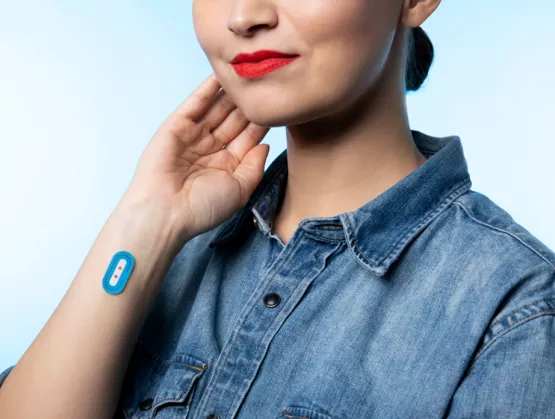
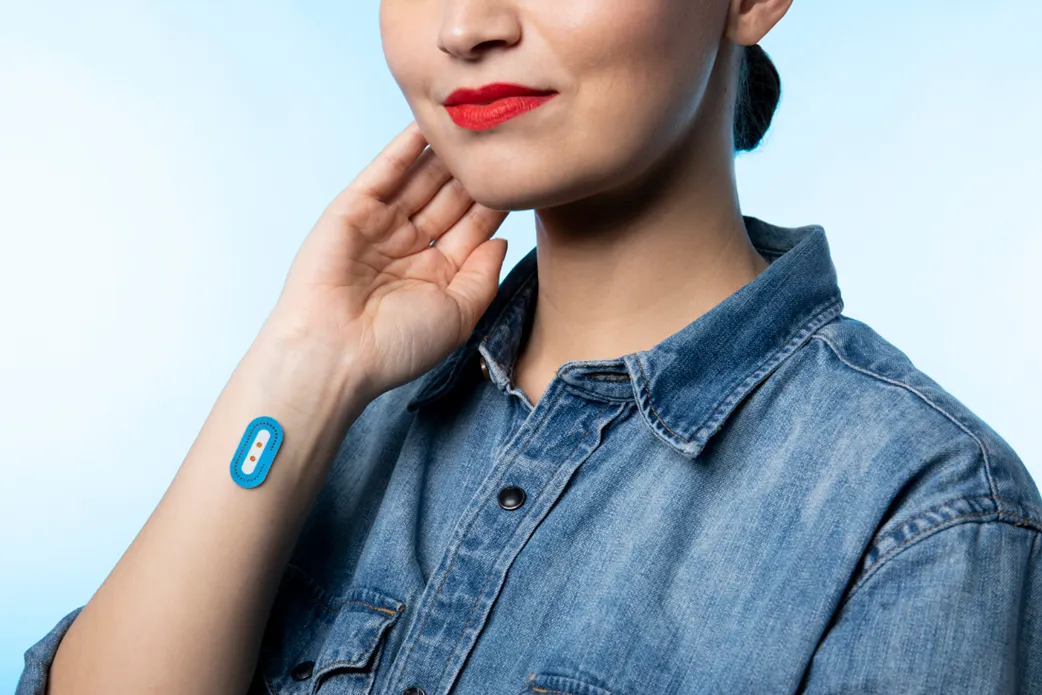
Photo on left: My Skin Track pH by L'Oréal Group’s La Roche-Posay – the first wearable sensor and companion app to easily measure personal skin pH levels – leverages two decades of microfluidic and soft materials research in Professor John Rogers’ laboratory at the Center for Bio-Integrated Electronics and the Simpson Querrey Institute. As director of the Center for Bio-Integrated Electronics at Northwestern University, Professor John A. Rogers explores soft materials for conformal electronics, nanophotonic structures, microfluidic devices and MEMS, all with an emphasis on bio-inspired and bio-integrated technologies. During his keynote at FLEX and MEMS Sensors Technical Congress 2019, February 18-21 in Monterey, Calif., Rogers will present examples of the diverse, novel classes of biocompatible electronic and microfluidic systems with skin-like physical properties that stem from his work in materials science, mechanical engineering, electrical engineering and advanced manufacturing. SEMI’s Maria Vetrano caught up with Rogers to discuss his research, which has already been commercialized by companies such as L'Oréal Group.SEMI: What is the concept behind skin-interfaced electronic and microfluidic devices?ROGERS: Biological systems are mechanically soft, with complex, time-dependent 3D curvilinear shapes. Modern electronic and microfluidic technologies are rigid, with simple, static 2D layouts. We believe that eliminating this profound mismatch in physical properties will create vast opportunities in microsystems technologies (electronics, optoelectronics, microfluidics and microelectromechanical devices) that can intimately integrate with the human body for diagnostic, therapeutic or surgical functions. Skin-like devices that assess blood-glucose levels in real-time or continuously monitor the vital signs of infants in neonatal intensive care are just two examples of non-invasive, wirelessly connected biocompatible devices with the potential to dramatically improve quality of life.SEMI: What are some examples of commercially available biocompatible/microfluidic wearables that have leveraged your research?ROGERS: We’ve been fortunate in that we have been able to translate some of our ideas into commercial products for broad deployment in both life-enhancing and potentially life-saving applications. In sports and fitness, our skin-interfaced microfluidic systems form the basis of soft devices that capture, store and perform in-situ chemical analysis of sweat. These devices have been launched as products in two different categories – cosmetics and athletics – with two global brands. As an example of the former, L’Oréal Group just unveiled at CES 2019 My Skin Track pH, a thin, flexible version of this technology, designed to determine skin pH from measurement of sweat pH. Once armed with this information, L’Oréal customers can choose skincare products matched to their personal body chemistry. See the video on this device. Notably, a globally recognized consumer brand will reveal a product for athletics around the time of the 2019 Super Bowl on Sunday, February 3. A look inside My Skin Track pH, which uses Rogers Research Group technology from the Center for Bio-Integrated Electronics at Northwestern University Our technologies also have applications in clinical medicine and rehabilitation, including soft, skin-interfaced wireless sensors used to assess patient progress in stroke rehabilitation. In contrast with conventional, wired sensors that tether the patient to external boxes of electronics (a design that makes such devices impractical for in-home use), or conventional wearables that are confined to the wrist, our systems apply to the skin like a BAND-AID, and are described as “imperceptible” by stroke patients who are using them during rehab. These platforms measure speech, swallowing capability, movement of limbs, sleep quality, walking and balancing. Healthcare professionals can use the information collected to continue to monitor patients when they leave medical facilities, to understand how patients function in the real world. See video.SEMI: What work are you doing beyond flexible devices?ROGERS: We are pursuing devices that are unique not due to their soft mechanics, but due to their extremely small sizes. A good example is My Skin Track UV, which we recently commercialized with L’Oréal’s La Roche-Posay. This millimeter-scale, wireless, battery-free platform for digital UV dosimetry measures UV exposure dose continuously in real time and provides user access to this information via a smartphone app. My Skin Track UV is now available at all Apple stores across the U.S. and through the Apple website. See video. L’Oréal’s La Roche-Posay My Skin Track UVOther biocompatible/microfluidic devices based on our technology provide functionality that can save lives. Hydrocephalus patients suffer from a condition that, if unchecked, leads to excessive buildup of fluid in the brain. If left untreated, the resulting pressures can prove fatal.Hydrocephalus is treated with shunts, which drain accumulated fluid away from the intracranial space to a distal part of the body, often the abdomen. Unfortunately, however, shunts have a nearly 100 percent fail rate over a 10-year period, and testing them typically requires an MRI, CT scan or even surgery. Our technology serves as the basis of a bandage-sized, skin-like sensor that applies to the surface of the skin on the neck. Within five minutes of placement on the skin, the sensor can test non-invasively to determine if fluid is flowing through the shunt. The net result uniquely supports the rapid evaluation of shunts from home or other non-medical settings. The devices free patients from the constraints of hospitals, giving them a greater sense of security and independence. See video. SEMI: What would you like FLEX and MSTC attendees to take away from your presentation?ROGERS: I would like attendees to know that biocompatible microfluidic and electronic wearables that are flexible and conformal to the human body are no longer risky futuristic technologies that exist only in academic labs: They are emerging right now as key products in commercial markets for flexible hybrid electronics (FHE) and MEMS/sensors. Our group alone is anticipating deployment at the scale of tens to hundreds of millions of units in the markets in which we are seeing traction over the next five years. We believe that the broader area will become a multi-billion-dollar market opportunity in five to 10 years.John Rogers, Ph.D. will present Soft Electronic and Microfluidic Systems for the Skin at FLEX/MSTC on Tuesday, February 19 at 10:30 am.Register today to connect with him at the event. To learn more about Rogers Research Group, click here.MSTC Flex 2019 is organized by the MEMS Sensors Industry Group (MSIG) and FlexTech.Maria Vetrano is a public relations consultant at SEMI.

Read More
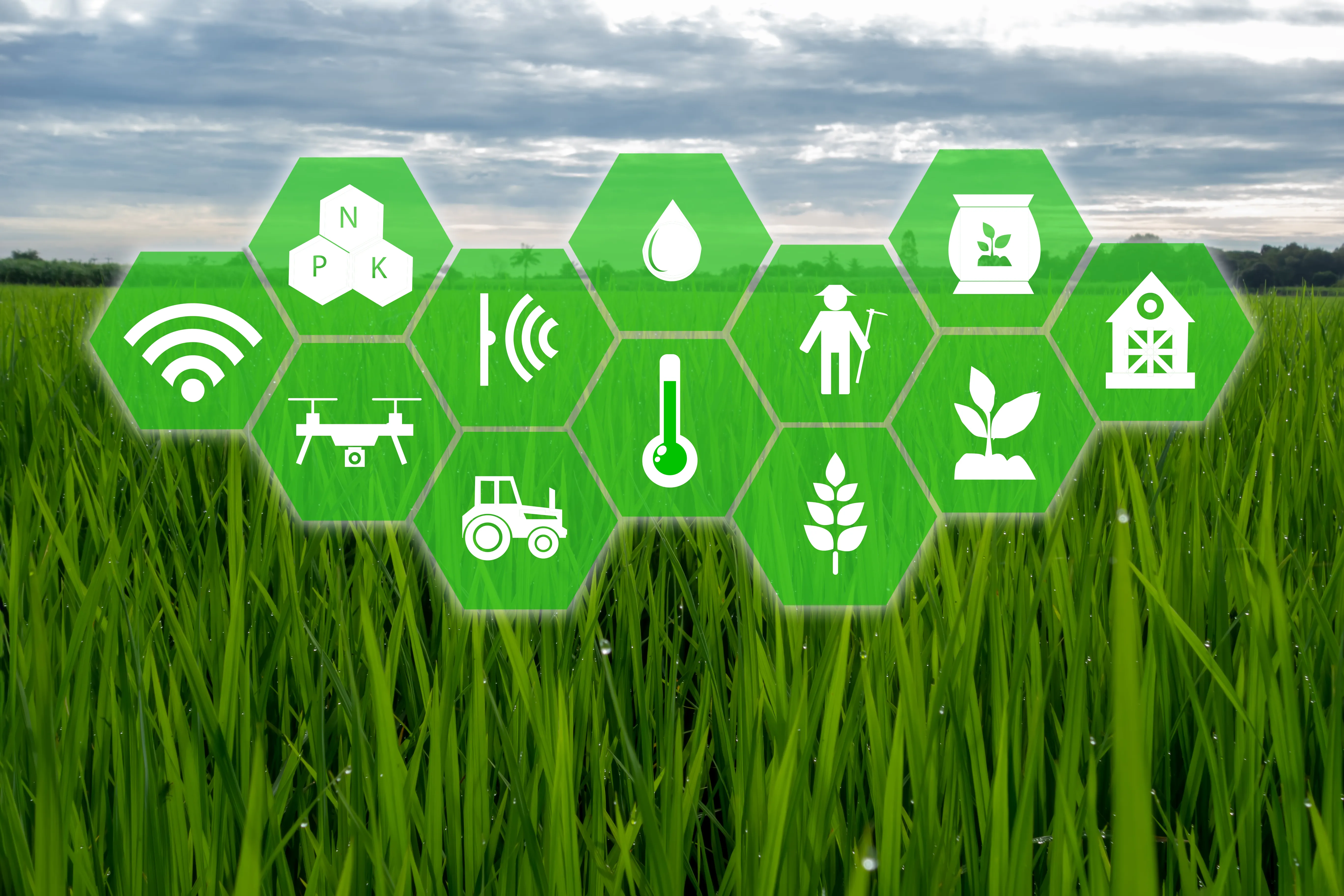
Jason Jelinek, a software technical manager at John Deere Electronics Solutions, has parlayed his more than two decades of embedded software engineering experience into commercializing controls and sensing technologies for rugged/harsh environments, including agriculture/off-road and aerospace. During his keynote at the upcoming FLEX and MEMS Sensors Technical Congress 2019, February 18-21 in Monterey, Calif., Jelinek will address the driving need for advanced sensing technologies that will fuel the continued growth of autonomy in agriculture.SEMI’s Maria Vetrano asked Jelinek to help FLEX/MSTC attendees understand his vision of autonomy in agriculture, which heavily leverages advanced sensing technologies to help farmers master equipment logistics, handle vehicle- and fleet-level operational efficiency, and manage the entire lifecycle of crops.SEMI: Did autonomy in agriculture start with autonomous equipment, such as tractors and combines?JELINEK: Automation, the first step on the road to autonomy, has been occurring in agriculture for a long time. Over the past 100 years, automation has dramatically reduced manual effort and simplified jobs in farming, allowing operators to focus more on administrative and other aspects of their work.The evolution of the combine is a good example of automation in agriculture. Long ago farmers would use a scythe to cut down the crop before bundling or stacking it up. Later they would manually thresh and winnow the crop to get the grain. Over time, we developed windrowers to cut the grain, threshing machines to separate the grain from the chaff, and winnowing machines to get only the grain. Combines now “combine” all those steps to go from grain on the stalk in the field to grain in the hopper. One person in a combine can do the work that once required many people and animals — all in a much shorter timeframe. We are now looking at automating harvesting to maximize yield and reduce fuel consumption. The AUTOTRAC feature on John Deere machines is a recent example. AUTOTRAC divides a field into rows based upon the parameters of the machine in operation, supporting hands-free driving with very high accuracy. It allows consistent, accurate rows for tilling, planting, crop treatment and harvesting, saving considerable time, improving overall quality and freeing the operator to do other work while in the vehicle.The Exact Emerge and Section Control features (which also use AUTOTRAC) will spur greater future autonomy. Control over both the seed spacing (Exact Emerge) and when the machine drops seeds (Section Control) prevents overseeding and provides the right seed-spacing for optimal crop production.As we look to the future, sustained growth in automation of jobs will enable the development of fully autonomous equipment. Currently, however, skilled operators are still closely involved in job management and execution. To realize greater autonomy, we will need machines that make the decisions once made by people.SEMI: How will autonomy in agriculture change the ways that we grow and harvest food — and even affect when we sell it?JELINEK: Autonomy will lead to more efficient production, reducing fuel, fertilizer, herbicide and water requirements. It will also enable fewer people to do more of the work.Let’s start with conditions that are hard, even impossible, to control: weather and staffing.While farming is still tied to the weather — and will remain so for some time — more efficient operations will allow tilling, planting, spraying and harvesting of fields to occur in shorter time windows that more easily match conducive weather conditions.There is also a human-resource issue: The agricultural industry must compensate for population decline in the rural areas where farmers operate. Doing more with less is essential for agriculture to continue to meet the rising food and clothing demands of the world’s population.SEMI: To what degree will we see artificial intelligence in autonomous agricultural systems?JELINEK: While autonomous systems had their start at the vehicle level, they will one day move to the entire fleet, providing suggestions on when the owner should execute operations. Autonomous systems may also help owners to decide when to store or sell crops, based on market conditions, operating costs and desired margin levels. That’s the initial level of artificial intelligence that I foresee.SEMI: How can sensing improve autonomy in agriculture?JELINEK: The challenges we face in agriculture are many, but technology will help us meet them. We must transfer responsibility for operations and decision-making from the skilled operator to the intelligent machine. Through increased use of sensing, we can gather large amounts of data, which autonomous agricultural systems will process, communicate and interpret to streamline jobs and boost agricultural production.SEMI: What would you like FLEX/MSTC attendees to take away from your presentation?JELINEK: I would like FLEX/MSTC attendees to understand the environment in which agricultural sensors need to operate. We need sensing solutions that will survive and thrive in rugged, outdoor variable environments to support the automation that will fuel autonomy.I would also like to engage suppliers in the application of current technology to meet our sensing needs.Jason Jelinek will present Autonomy in Agriculture at FLEX/MSTC on Tuesday, February 19 at 9:00 am.Register today to connect with him at the event. To learn more, click here.MSTC Flex 2019 is organized by the MEMS Sensors Industry Group (MSIG) and FlexTech. Maria Vetrano is a public relations consultant at SEMI.
Read More
Francois Jeanneau, president and CEO of Novasentis, has spent the last two decades building strategic relationships, increasing revenues and catapulting growth at leading consumer OEMs and ODMs. Jeanneau will present the world’s thinnest haptic actuator technology at the upcoming FLEX and MEMS Sensors Technical Congress 2019, February 18-21 in Monterey, Calif. SEMI’s Maria Vetrano interviewed Jeanneau to give FLEX and MSTC attendees a preview of this new technology that will enable rich, customizable haptic experiences with virtual reality (VR), hand-held game controllers and flexible wearable devices such as wristbands.SEMI: What do consumers want from haptic feedback? How can the technology industry improve the user experience with haptics?JEANNEAU: In many applications such as VR and gaming, our visual and auditory senses are satisfied by high-resolution displays and good-quality speakers, but they lack the sensation of realistic touch. That’s because haptic technology has lagged the technological advancements that we have made in displays, microphones and speakers. It’s also fallen far behind what is possible on the software side. At the same time, consumers are demanding more from their VR and gaming experiences.Through improvements in haptics, prospective home-buyers touring a home via VR headset will be able to “feel” those granite countertops in the kitchen, assess whether their couch will fit in the living room and check out the view from the back porch, all from the comfort of their own home. Virtual travelers will be able to touch the marble walls of the Taj Mahal, and sports enthusiasts will feel the impact of a tennis ball when they use their haptics 2.0-enabled controller.Haptics will dramatically improve what’s possible in wearable devices as well. From their smartwatches, consumers will discern hundreds of different sensations, from a mild heartbeat to a sharp reminder that they are steering a car through an intersection. This is all possible through new haptic actuator technologies that can accept hundreds of inputs to generate an entire haptic language of outputs.SEMI: What are some major obstacles to realizing improvements in haptics for flexible devices such as wrist-worn devices?JEANNEAU: The best wrist-worn devices today offer a rudimentary haptic output that merely says, “hey, pay attention to me.” To comprehend the alert, the user must look at the display, press a few buttons and then interact with the device. This distracts the user while riding/driving, creating potentially dangerous situations. It’s also frowned upon, particularly in the middle of a meeting!The legacy haptic technologies – eccentric rotating mass (ERM) motors and linear resonant actuators (LRAs) – that are currently used in today’s devices are problematic on multiple levels. They are bulky, sometimes occupying a third of the real estate in a smartwatch. As they are generally made of metal, they are also heavy and too thick for many devices. Their output tends to be slow, lagging the output in the display, making the whole experience clunky. They tend to be power-hungry as well.SEMI: How is Novasentis approaching these technical challenges?JEANNEAU: Novasentis has created an extremely thin (150 um), flexible and low-power polymer film actuator that is small enough to be easily embedded into the next generation of smarter wearable devices and garments; the actuator can provide hundreds of different types of vibrating feedback to the wearer for improved notification and/or suggested actions. The film actuator (that can replace a mechanical motor vibrator found in smartphones and smartwatches) is made by stacking layers of electroactive polymer and metal to create the piezoelectric structure. Upon power-up via a modulated waveform, the molecules move to align themselves in response, which elongates and relaxes the polymer. This causes the attached substrate (wristband in a watch, for example) to bend and relax, thus, causing the vibration effect, or haptic and audio feedback (which is unique to our material).SEMI: How will you demonstrate your technical approach at FLEX 2019?JEANNEAU: We will bring examples of designs incorporating our technology as we share live demos of wearables, game controllers and other applications. We will also bring actual haptic actuator materials for show and tell.Francois Jeanneau will present Flexible Actuators for Sensational Haptics at Flex and MSTC on Wednesday, February 20 at 8:00 am. Register today to connect with him at the event. To learn more, click here. MSTC Flex 2019 is organized by the MEMS Sensors Industry Group (MSIG) and FlexTech. Maria Vetrano is a public relations consultant at SEMI.
Read More