downloadGroupGroupnoun_press release_995423_000000 copyGroupnoun_Feed_96767_000000Group 19noun_pictures_1817522_000000Member company iconResource item iconStore item iconGroup 19Group 19noun_Photo_2085192_000000 Copynoun_presentation_2096081_000000Group 19Group Copy 7noun_webinar_692730_000000Path
Skip to main content
Default Banner Image

Section 301

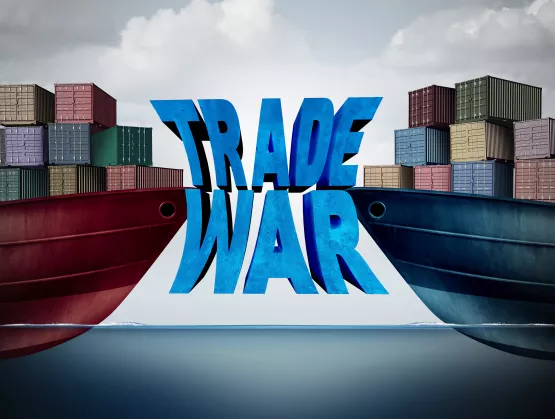
U.S. Government Imposes Tariffs on $200 Billion of Goods and China Retaliates on $60 Billion of GoodsEarlier this week, the U.S. Trade Representative (USTR) released a 10 percent tariff on $200 billion in imports from China, including more than 90 tariff lines central to the semiconductor industry.The 10 percent tariff will take effect on September 24, 2018, and rise to 25 percent on January 1. These tariff lines will cost SEMI’s 400 U.S. members tens of millions of dollars annually in additional duties. However, counting the products included in the previous rounds of tariffs, the total estimated impact exceeds $700 million annually. China has already announced that it will respond with tariffs on $60 billion worth of U.S. goods. In his notice, President Trump said the U.S. will impose tariffs on $267 billion worth of goods if China retaliates. The U.S. government removed 279 total tariff lines, including three lines that impact our industry: silicon carbide, tungsten, and network hubs used in the manufacturing process.As we’ve noted, intellectual property is critical to the semiconductor industry, and SEMI strongly supports efforts to better protect valuable IP. However, we believe that these tariffs will ultimately do nothing to address the concerns with China’s trade practices. This sledgehammer approach will introduce significant uncertainty, impose greater costs, and potentially lead to a trade war. This undue harm will ultimately undercut our companies’ ability to sell overseas, which will only stifle innovation and curb U.S. technological leadership.Product Exclusion Process – List 2USTR formally published the details for the product exclusion process for products subject to the List 2 China 301 tariffs (the $16 billion tariff list). If your company’s products are subject to tariffs, you can request an exclusion.In evaluating product exclusion requests, the USTR will consider whether a product is available from a source outside of China, whether the additional duties would cause severe economic harm to the requestor or other U.S. interests, and whether the product is strategically important or related to Chinese industrial programs (such as “Made in China 2025”).The request period ends on December 18, 2018, and approved exclusions will be effective for one year, applying retroactively to August 23, 2018. Because exclusions will be made on a product basis, a particular exclusion will apply to all imports of the product, regardless of whether the importer filed a request.More information, including the process for submitting the product exclusion request and details what information should be included in your submission can be found here. Please let me know if your company plans on filing an exclusion. SEMI has prepared a document that includes guidelines for your exclusion filing, an explainer on how to submit, and links to official government info. SEMI is glad to assist your companies file exclusion requests for your products. SEMI will continue tracking ongoing trade developments. Any SEMI members with questions should contact Jay Chittooran, Public Policy Manager at SEMI, at [email protected].
Read More
Testifying before a U.S. interagency panel weighing trade tariffs against China, Jonathan Davis, global vice president of industry advocacy at SEMI, yesterday called for the removal of more than 100 products from the list of tariffs proposed by the Trump administration, stressing that an escalation of the U.S.-Sino dispute could trigger a full-blown trade war and hasten deep, unintended damage including higher consumer prices, an expanded U.S. trade deficit, and a slowdown in U.S. economic growth.Representing the electronics manufacturing supply chain, Davis threw the industry’s weight behind protections for valuable intellectual property but argued that “if implemented as proposed, these tariffs will potentially cost tens of millions annually in additional taxes and lost revenue owing to reduced exports, threaten thousands of high-paying U.S. jobs, and not solve U.S. concerns with China.” Davis said the undue harm will ultimately undercut the ability of U.S. chipmakers to sell overseas, stifling innovation and curbing U.S. technological leadership.In testimony at the hearing before the government panel that included representatives from the U.S. Trade Representative (USTR), Departments of Treasury, Commerce, State and Defense, and the Council of Economic Advisers, Davis explained that more than 100 lines – products defined for the purpose of setting import duties – of the proposed tariffs would hamstring the semiconductor supply chain. The tariff lines include fundamental components of the semiconductor manufacturing process that are oxygen for the chip industry. As part of his testimony, Davis also submitted comments on the impact of the tariffs.Charles Gray, general counsel at Teradyne, who also testified at the hearing, said the tariffs will threaten growth while penalizing U.S. companies with supply chains that touch China. Gray and Davis were among more than 100 industry leaders who provided more than 3,000 comments in the May 15-17 hearing to evaluate the impact and efficacy of the proposed tariffs.The hearing followed the Trump administration’s heated, longstanding criticism of China for what it considers unfair trade practices, focusing specifically on intellectual property violations. In recent months, the administration has begun implementing trade actions against China that will increase tariffs, restrict cross-border investment, and introduce significant uncertainty for U.S. businesses.The Section 301 investigation that determined China’s forced transfer of technology and intellectual property discriminated against U.S. firms prompted a proposed 25 percent tariff on $50 billion in U.S. imports from China – a punitive measure that would squarely hit the semiconductor manufacturing industry.SEMI continues to educate policymakers on the deep damage tariffs would exact on the long-term health of the semiconductor industry and the critical importance of balanced trade to the future of the semiconductor industry.For more information on trade or how to participate in SEMI’s public policy program, please contact Jay Chittooran, SEMI public policy manager, at [email protected].
Read More