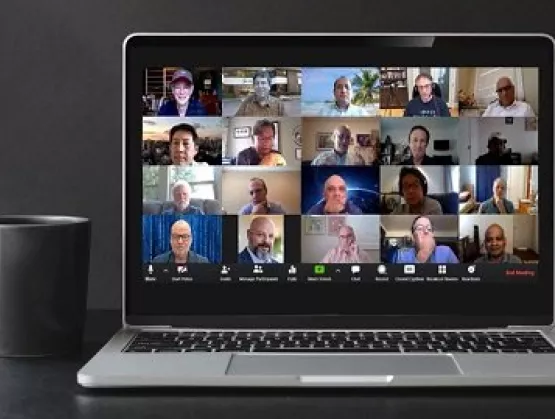
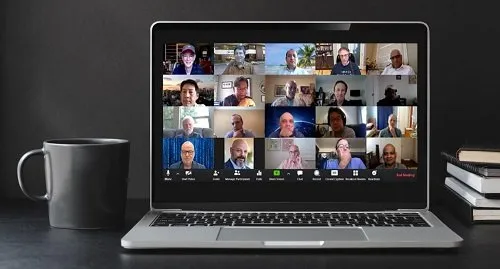
“The most important work you can do in the coming year is to start engaging allies.” This is how Dr. Joanne Kamens, Executive Director of Addgene, began her keynote at this year’s Women in Semiconductors (WiS) program in early May. Diversity and inclusion challenges in the workplace are not a “woman problem, they’re a people problem,” she noted.After a one-year hiatus due to COVID-19, WiS reconvened in a virtual format. Dr. Kamens, who has been working on diversity and inclusion efforts for two decades, discussed how the events of the last 14 months continue to impact women disproportionately. In addition to setting the stage for breakout topics following her presentation, Dr. Kamens’ keynote, Driving Change for Inclusion: The Leaders You Want and Want to Be, addressed the underlying issues that prevent not only women but under-represented and under-recognized groups from advancing in STEM fields.Why now? Dr. Kamens pointed to the perfect storm of social and racial events over the last several years in addition to getting a view into each other’s personal lives because of work from home – babies on Zoom, cats interrupting Microsoft Teams meetings – that has exposed our humanity. The most important take-home message from her presentation? “People are people. They’re your most valuable resource.” At the beginning of the COVID-19 shutdown, Dr. Kamens was quick to implement measures to support and allow time for self-care and ensure well-being for all her people, recognizing an immediate need for support and encouragement. To her, this was something obvious to do as a leader. Unfortunately, this is not the case in many organizations.Dr. Kamens noted that when times are stressful, “we go to ground,” falling back on biases. Everyone has biases. However, stressful situations cause us to go back to our defaults – which often means disregarding the needs of underrepresented groups. Implicit biases in both men and women often cause women to be treated differently. Biases create “schema” that impact vital decision-making and can backfire when brought into the workplace. They can lead to inequities in hiring and promotion, or worse.Dr. Kamens also talked about leaders, and how sometimes people are promoted to management because they are good at their jobs, not because they are skilled at managing people. Good managers seek honest feedback, learn from other people, provide opportunities for growth and development and delegate effectively. Dr. Kamens suggested that a good way to drive greater inclusion and better management is to do away with annual reviews, which are a “hot bed for bias,” she said, and are incredibly problematic from an inclusion and leadership perspective.Why did Dr. Kamens focus on leaders? Because change “must come from the top. No company’s culture will change if leadership is not involved in driving and espousing the needed change.”Dr. Kamens stressed that leaders need to promote others. “A leader’s job is to help lift others into the spotlight,” she said. Also, we must lead with humanity. This pandemic has shown that people need different things to do their best work. Finally, who you hire is who your company is, and how it is seen. “Don’t keep jerks, don’t foster jerks and don’t hire jerks,” she advised.Dr. Kamens talked about what really makes people happy.Flexible work scheduleStrong sense of engagement at workFeeling of being appreciated and valuedHaving a high degree of freedom and diversity built into their jobsGood relationships with clients and colleaguesHowever, she insisted that the happiness “sweet spot” is different for everyone.In conclusion, Dr. Kamens stated that good leaders hold everyone accountable, are intentional about the culture they want to create, empower everyone to call out bias and remove barriers to the good work of others.Following Dr. Kamens’ keynote, the program pivoted to breakout sessions on several topics inspired by workplace challenges resulting from the pandemic. These robust conversations resulted in the elevation of common themes, and recommendations for any company looking to better support their employees:Working with Hybrid (in person and online) Teams: There are so many ways to communicate (text, calls, video calls, emails) and it is important to determine what is best for your team. Choose quick phone calls or Slack/Teams chats when full meetings aren’t necessary. Most importantly, make a concerted effort to actively facilitate the meetings so everyone can participate, whether people are on-site or remote.Leading Remotely: Consider that some one-on-one check-ins with direct reports could be done while both of you are on a walk instead of on a computer to allow for a different environment. Make deadlines and expectations crystal clear. Allow frequent breaks from meetings to alleviate video meeting fatigue. Consider virtual coffee chats, lunch breaks with colleagues, casual conversations and happy hours.Mental Well-Being: Companies need to provide the infrastructure for employees to work from home, while protecting people who must work on-site. Consider creating dedicated teams for socially distanced and virtual activities. Remind employees about employee assistance programs for those who are struggling. Consider providing free meals for people working in the office. Remind employees to take breaks (away from the computer), take PTO, and practice self-care. Back-to-back meetings, often at all hours due to time zone differences, can cause significant stress and fatigue. Consider allowing employees more flexibility to manage their calendars, and allow extra time in meetings to socialize.Networking/Team Building: It can be difficult for people new to a company or a team to truly connect with new co-workers. Leaders can schedule meetings with new hires and seasoned employees, using a “speed-dating” format, trivia, or other ice-breaker activities. Encourage new team members to communicate with coworkers and managers and invite people who are struggling to reach out. If you are a new employee, have the courage to ask for what you need, be it a mentor, a check-in, or an afternoon off. If you are looking for individuals in other companies to connect with, find affinity groups and directly email people doing similar work with a request to connect.The most important takeaway from the whole event was: Trust your employees. Give them the flexibility in their schedules and communication styles to do their best work. If the pandemic has shown one thing, it’s that employees can be trusted to work remotely and get the job done. The challenge of juggling work, home and everything in between is unique to everyone. Careers and lives have different phases, and everyone needs to find the balance that works for them within current circumstances. Women especially need to be able to ask for support and flexibility or we risk losing even more of them from our companies.Women in Semiconductors is an important event for professionals across our industry. It was wonderful to share the space with brilliant thinkers and creators and to have such a rich discussion around the issues women face. We are grateful for WiS committee members, sponsors and everyone who participated for contributing to an excellent discussion. Mark your calendars for May 2, 2022, when the event returns to Saratoga Springs, New York.Margaret Kindling is senior program manager, Diversity, Equity and Inclusion, at SEMI; Priya Mukundhan, Ph.D. is metrology product manager at Onto Innovation; and Hannah Rosen is EHS equipment integration engineer at TEL.