

Quantum Light Engines: Enabling the Next Generation of Quantum Sensors and Computers
ABSTRACT
Quantum technologies are moving from physics experiments toward deployed systems, promising groundbreaking capabilities in sensing, computing, and navigation. This talk will introduce the concept of "Quantum 2.0" and survey leading quantum sensor and quantum computing modalities. I will outline the role that precise, compact, deployable photonic engines play in these devices, and why quantum systems demand disciplined systems engineering and uniquely capable light sources. Representative examples will span the volume and complexity spectrum, from simple, high-volume devices such as the chip-scale atomic clock (CSAC) to
complex, bespoke instruments such as atom-interferometric gravitational sensors. Attendees ranging from sensor designers to business leaders will come away with a practical picture of what is happening in the quantum world and the implications for the classical photonic and electronic systems that support quantum development and deployment.
BIOGRAPHY
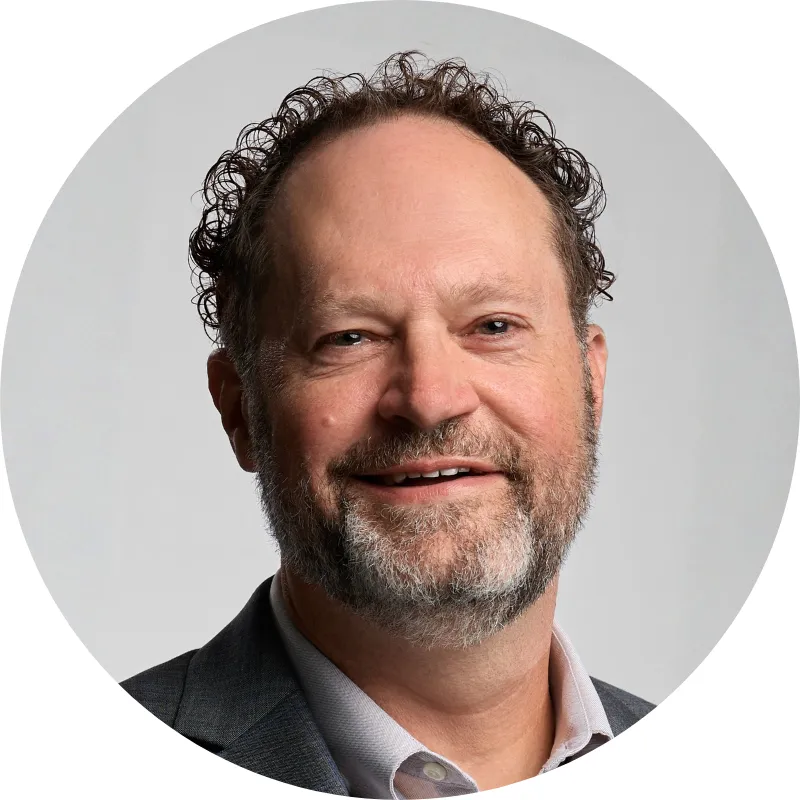
Dr. Robert S. Williamson III is Vice President of Business Development at Monarch Quantum, where he drives growth, product strategy, and applications for quantum light engines in sensing and computing. He earned his BS from Caltech and PhD in atomic physics from the University of Wisconsin–Madison, creating the first magneto-optical traps for rubidium and potassium. Over more than 35 years, he has taken rugged laser-based electro-optical systems from concept to fielded hardware across DARPA programs, defense-qualified laser platforms, and commercial telecommunications. His prior roles include leading DARPA-funded transceiver development at New Focus that contributed to the 10 Gb Ethernet standard, architecting a full-stack quantum computing product roadmap at ColdQuanta (Infleqtion), and building rugged laser and photonic systems at Alfalight, Gooch & Housego, and Leonardo DRS Daylight. He holds eight patents in photonics and quantum technologies, including optical control of qubits.