

Bridging a 300 mm Wide Technology Gap
ABSTRACT
Each wave of integrated MEMS, sensor, and biomems devices has lagged behind leading CMOS nodes and platforms. Companies eventually push through to new platforms as they look for revenue growth and value added on depreciated lines and equipment. This extension of a CMOS line can evolve gradually, until the demarcation point where an application demands materials or processes that are no longer CMOS compatible. A pressure then builds behind this point until there's enough business to justify converting a line to running materials like gold and sodium, making it unsuitable for pure CMOS work. Until that happens, MEMS developers of integrated devices that rely on incompatible materials and processes are often forced to core larger wafers or hang back on non-optimal CMOS nodes. Processing the non-CMOS compatible exotics like sodium and gold can currently be done with multiple partners at 200 mm, but this is not the case yet for 300 mm. While there may be isolated cases of a single process or two being tolerated, an open line capable of operating on 300 mm wafers with appropriate capabilities is not readily available. We’ll look at the pressure behind this point, what’s holding it back, and the trigger or triggers for moving forward across a 300 mm wide gap.
 BIOGRAPHY
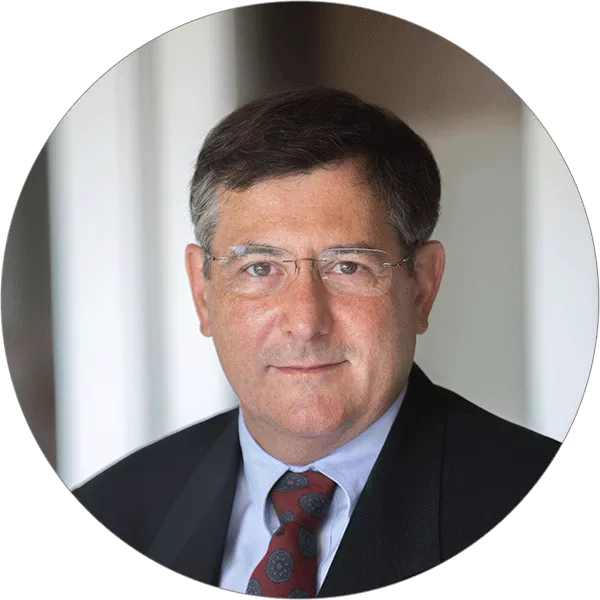
Tony Flannery has over 20 years of experience driving new applications based on micro and nanofabrication technology. Concurrent with earning his PhD in EE from Stanford University he joined the Silicon Valley startup world. He was a co-founder of Invensense where he led the fabrication of the world's first integrated dual-axis MEMS gyroscope. He has been an early phase-employee at other startups including Transparent Networks (MOEMS) and mCube (Inertial MEMS). He served as CTO of Alio (previously Graftworx), developing wearable sensor systems for patients with chronic kidney disease and to support human performance monitoring during intense activity. He has worked with foundry partners on three continents and maintains global visibility into the impact of the field.
After joining Illumina in 2000 he's been applying his passion to the development of both active and passive nanofabricated substrates that support Illumina's mission to "unlock the power of the human genome". He is motivated every day by the impact and benefits this technology will have.
He recently relocated with his family to San Diego from Washington, where they all enjoy the tradeoff of 300 days of rain for 300 days of sun.