
Upcoming Event
Semiconductor-MedTech Summit August 2026
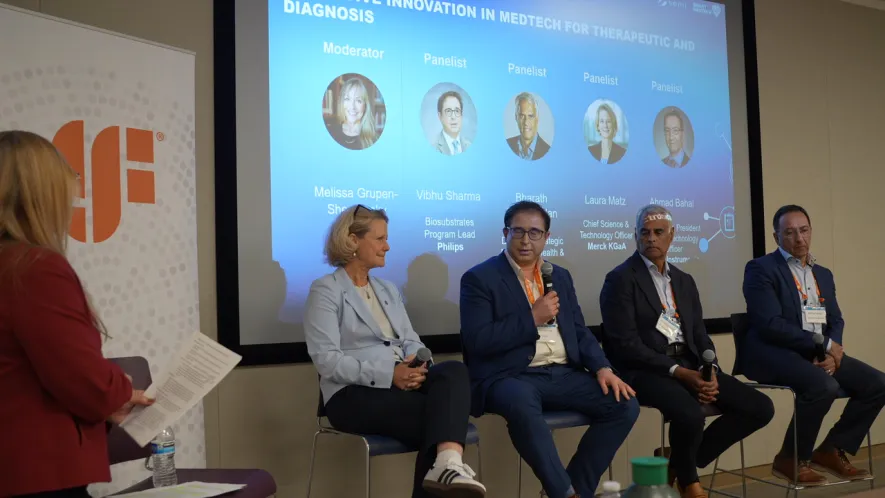
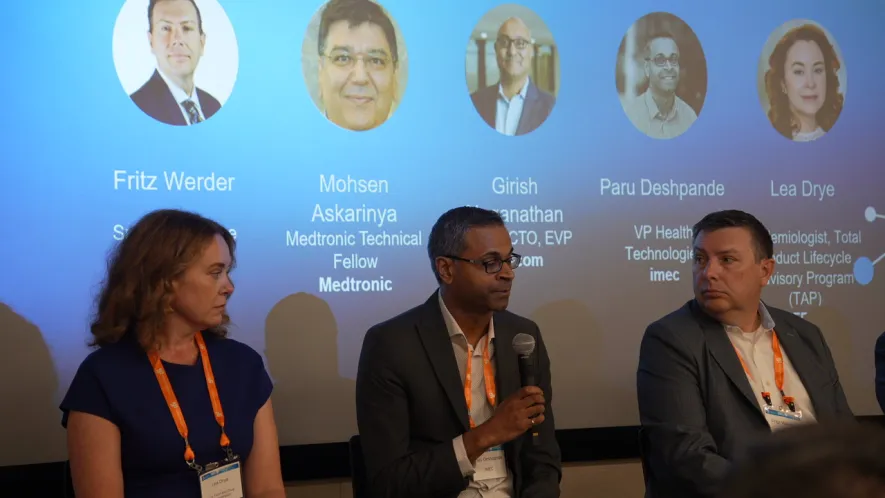
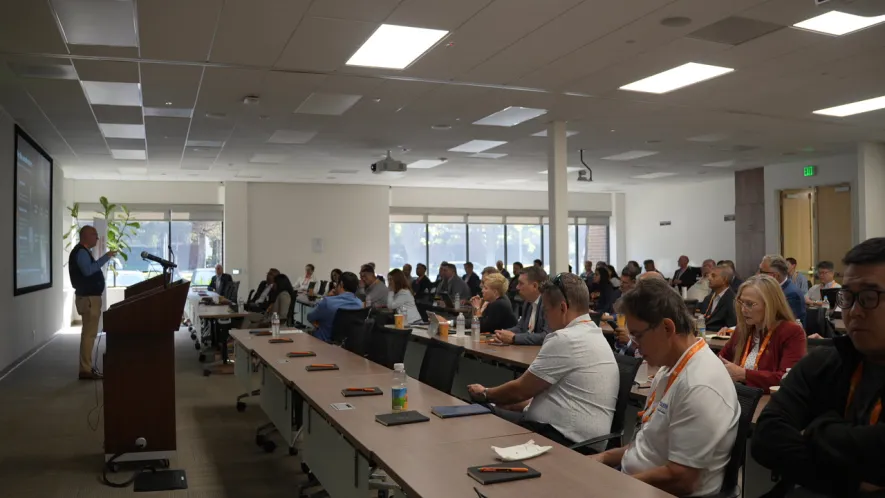
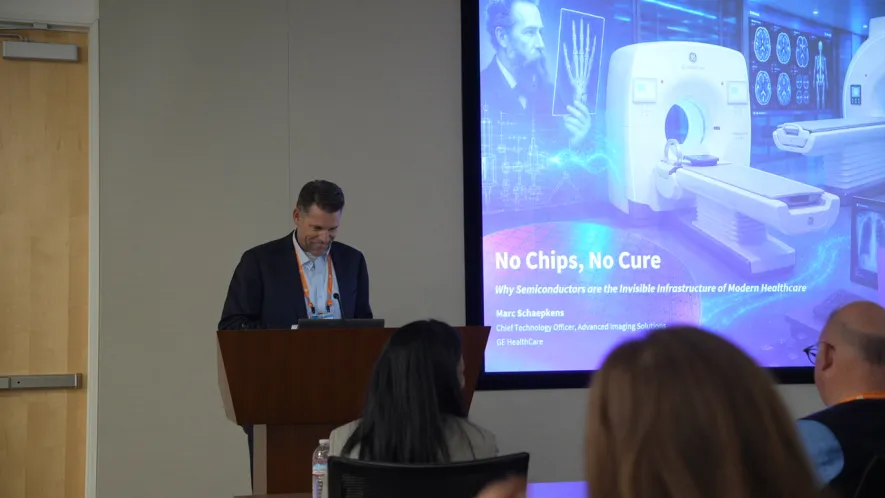
The Semiconductor-MedTech Ecosystem Summit, held August 27, 2026, brought together leaders from the semiconductor, medical device, and life sciences industries to explore how advances in silicon technologies, AI, and biology are enabling new healthcare applications. CTOs, CSOs, and EVPs from GlobalFoundries, GE HealthCare, Medtronic, imec, Texas Instruments, STMicroelectronics, Philips, and many other industry leaders shared insights across Strategic Outlook, Integration, and Innovation. The Summit highlighted the importance of closer collaboration across the semiconductor and healthcare industries to address challenges in manufacturing, power efficiency, supply continuity, and clinical integration. The Summit covered the following key areas:
- Chipmakers and medical device developers must collaborate early: Long product lifecycles, strict regulation, and supply continuity highlight the need for early collaboration between semiconductor suppliers and medical device developers to align roadmaps.
- AI-Enabled drug discovery: Developing a new drug can take 10–12 years and cost more than $2 billion. Autonomous laboratories aim to shorten experimental feedback cycles from 8–16 weeks to 1–2 weeks by integrating the design, testing, and analysis of new molecules into automated workflows.
- Silicon meets biology: Stem-cell-derived organoids integrated with semiconductor-based sensors are used to study human biological responses and improve early-stage drug testing. Developments in molecular sensing, silicon photonics, and neural interfaces are also creating new opportunities for diagnostics, biomedical research, and therapeutic applications.
- Edge AI making wearables smarter: On-device AI is helping translate health measurements into clinically useful information. The Summit highlighted how smartphone sensors and Edge AI could detect changes in gait associated with multiple sclerosis, potentially supporting earlier intervention and more personalized care. Advances in intelligent wearables and real-time analysis support the shift from data collection toward diagnosis and even treatment.
- Power is the hurdle: Battery life, power efficiency, and reliability remain important challenges, particularly for portable and disposable devices. Optimizing both shelf life and active operating life, along with managing peak power demands during AI processing, is essential for reliable wireless device performance.
Emerging applications of semiconductor manufacturing: Semiconductor technologies are extending beyond traditional electronics into cellular analysis, molecular-scale sensing, and silicon-based pharmaceutical materials. Continued advances in microfabrication are creating opportunities to interface with biological structures at increasingly smaller scales, expanding potential applications in drug development, diagnostics, and medical treatments.
SEMI extends its sincere thanks to GlobalFoundries for sponsoring the Summit and supporting cross-industry collaboration.
Here are some highlights from Semiconductor-MedTech Summit in 2026
NEWS
Technology Workshop April 2025
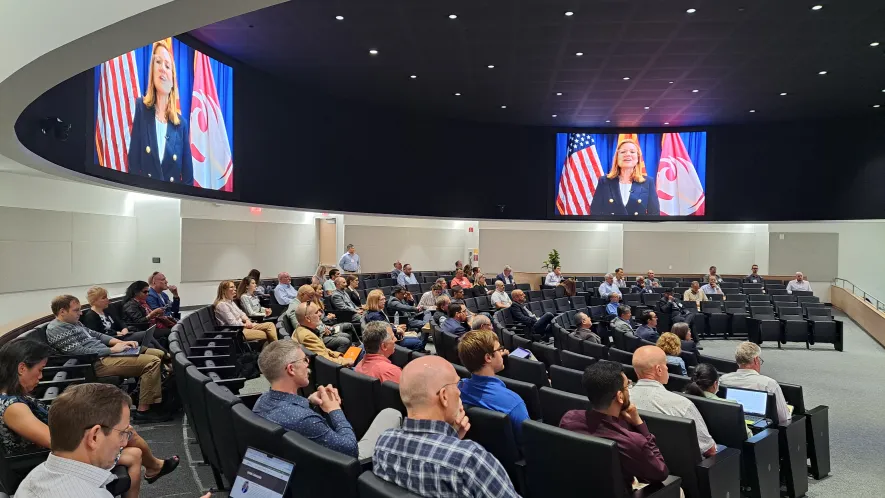
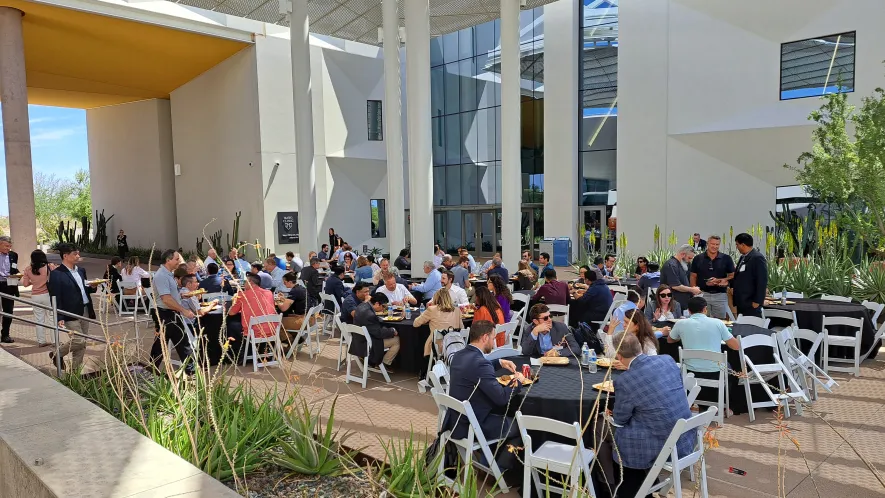
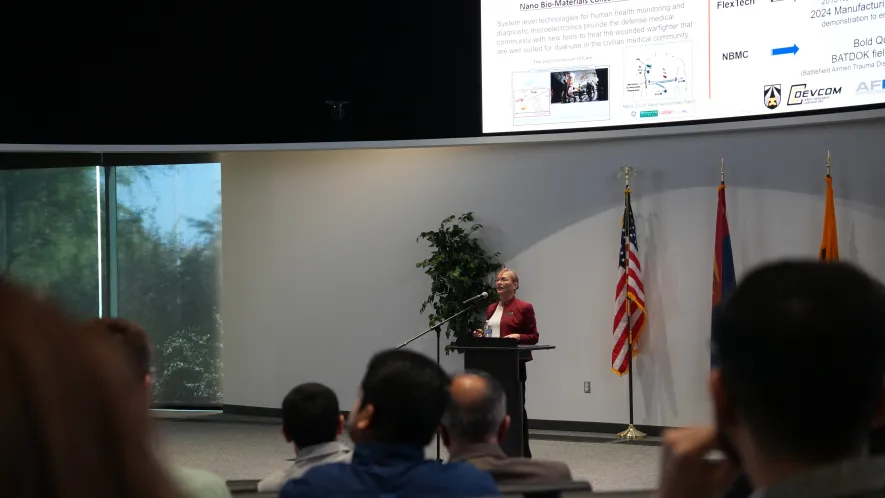
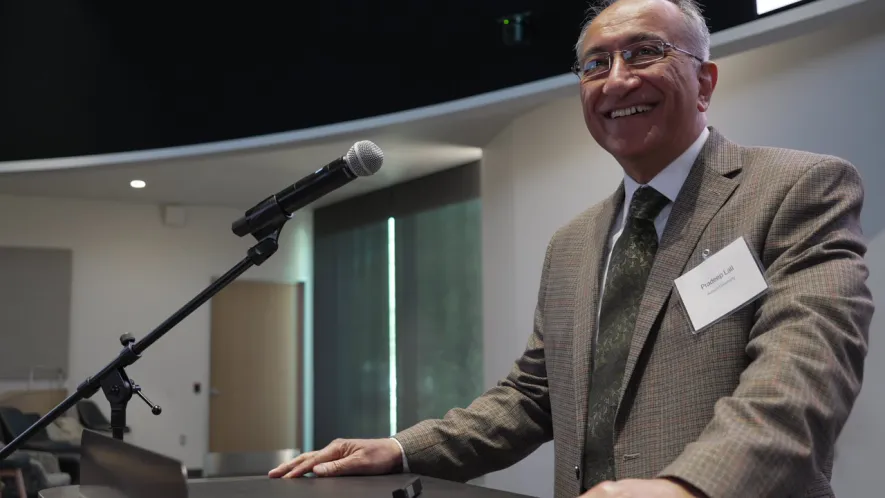
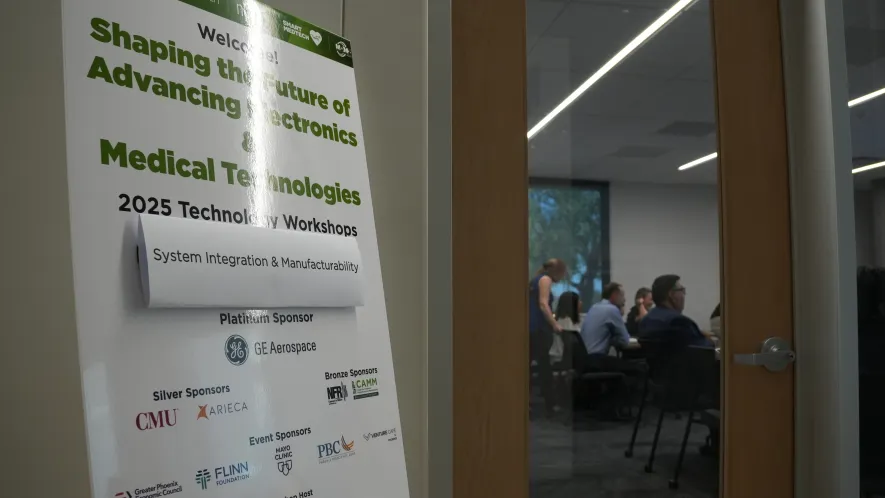
The 2025 Technology Workshop, held April 22-24, 2025, in Phoenix, AZ, brought together over 220 experts; including researchers, engineers, clinicians, payers, and healthcare providers, for three days of focused collaboration. Organized in partnership with MDM2, the event served as a key platform for shaping the future of electronics and healthcare innovation.
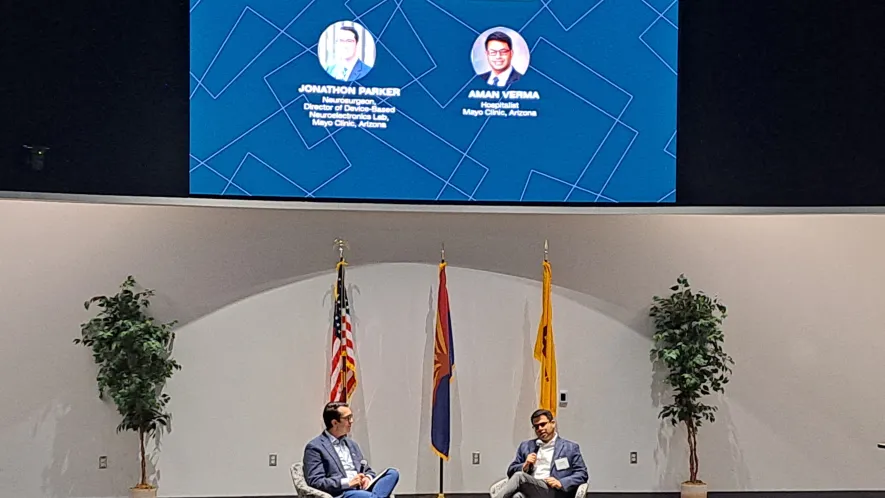
The workshops welcomed a diverse range of participants, including clinicians from Mayo Clinic and leaders from top MedTech companies such as Medtronic and BD, reflecting the depth of cross-sector engagement and global interest.
The first two days were dedicated to technical gap analyses that directly informed upcoming research and funding priorities:
- The FlexTech Workshop focused on identifying key gaps and R&D needs in Flexible Hybrid Electronics (FHE), helping define the scope of the 2025 FlexTech Request for Proposals (RFP).
- The NBMC Workshop addressed technical challenges and opportunities in nano-biomaterials and electronics for human performance monitoring and augmentation, forming the basis for the 2025 NBMC RFP.
The final day featured a joint session between MDM2 and the Smart MedTech community, exploring the full development pathway of microelectronic-enabled medical devices, from design through point-of-care deployment. The session encouraged strategic dialogue between system designers, engineers, and clinicians to tackle integration challenges and opportunities for real-world impact.
Here are some highlights from 2025 Technology Workshop in Phoenix Arizona


Smart MedTech Workshop November 2023
Here is a summary of the SMART MedTech Workshop on 11/30/2023:
In the morning session, various topics exploring the intersection of technology, healthcare, and MedTech were presented. The afternoon included three breakout sessions: The Role of AI in MedTech, Supply Chain & Emerging Technologies, and Bridging the Gap between Electronics and Medicine.
The Role of AI in MedTech: AI revolutionizes MedTech by enhancing diagnostics, drug discovery, personalized treatment, remote monitoring, and operational efficiency. Ethical AI use involves transparency, data privacy, bias mitigation, human oversight, and accountability. Collaboration, ethical AI, regulatory awareness, and interdisciplinary conferences were highlighted as crucial for responsible and impactful MedTech advancement. AI has a transformative impact on diagnostics, drug discovery, personalized treatment, and operational efficiency. Collaboration and interdisciplinary conferences are key takeaways.
Supply Chain & Emerging Technologies: Challenges were highlighted in MedTech startup failure rates, long development timelines, and intellectual property control. Opportunities in early engagement, common component selection, change management, and geopolitical risk mitigation were some of the points made. Embracing sustainability, e-waste, and standardized wearables are essential for success.
Bridging the Gap between Electronics and Medicine: Challenges were highlighted in defining parameters worth measuring in large populations for medical diagnostic devices. Solutions may involve the production and distribution of good enough electronics, and AI/ML for multi-parameter fusion. An additional challenge that was raised, was the language/communication gaps between medical and electronics fields. Collaboration is crucial for advancing trauma care, continuous data analysis, chronic diseases, and serving underprivileged populations.